 English
 Deutsch
 Français
 Nederlands
 Español


Reset. Heal. Grow.
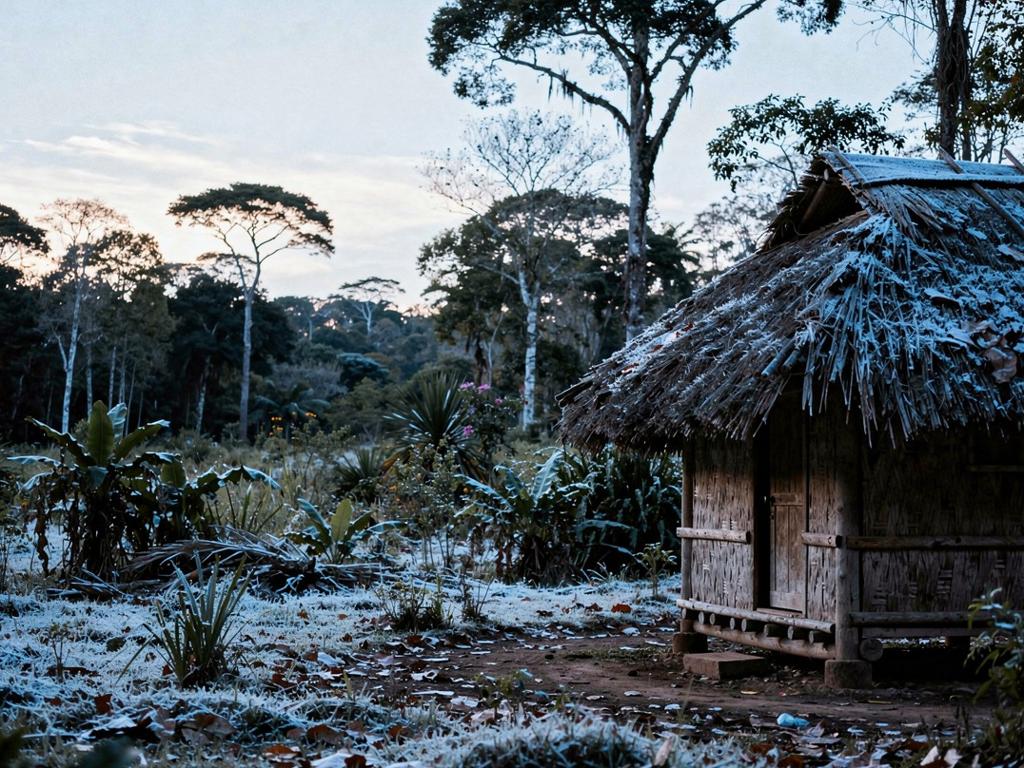
Ayahuasca Retreats: An Honest Guide for People Actually Considering One
So you've been reading about ayahuasca for months. Maybe years. You've watched the documentaries, listened to the podcasts, and now you're actually thinking about booking something. Good — that's the moment worth pausing for. Most articles about ayahuasca either sell you a fantasy or scare you off with horror stories. Neither is particularly useful when you're the one about to spend three thousand dollars and a week of your life on a plant medicine ceremony in the jungle. What follows is the stuff I wish someone had told me before my first retreat, plus the questions I've heard from dozens of readers weighing the same decision. Ayahuasca is a brew traditionally prepared in the Amazon basin from two plants: the Banisteriopsis caapi vine and the leaves of chacruna (Psychotria viridis). The vine contains MAO inhibitors; the leaves contain DMT. Neither one on its own would give you much — brewed together, they produce a psychedelic experience that typically lasts four to six hours and hits harder than most people expect. Indigenous communities in Peru, Ecuador, Colombia, and Brazil have used this brew for centuries, and it's considered one of several master plants — teacher plants that shamans work with to diagnose, heal, and guide. That framing matters. The traditional worldview isn't “drug that causes hallucinations.” It's “plant that has something to teach you, if you show up prepared.” In the last decade, ayahuasca has crossed over into Western therapeutic curiosity. Researchers at Johns Hopkins, Imperial College London, and elsewhere have studied it for depression, PTSD, and addiction. The clinical data is early but genuinely interesting — enough that thousands of people fly to South America each year, and legal ceremonies now operate in Costa Rica, Spain, the Netherlands, and (via religious exemption) parts of the United States. This is the question I get most often, and the honest answer is: more than you think, but probably less than a decent used car. Ranges I've seen from reputable centers: Add flights, travel insurance, and time off work. What you're paying for varies wildly. A jungle center in Peru run by a family of curanderos will feel different from a wellness resort in Costa Rica with yoga classes and a sound bath thrown in. Neither is inherently better — but they attract different people and produce different kinds of experiences. Cheaper isn't automatically worse, and expensive isn't automatically safer. What matters is who's serving the medicine, how long they've been at it, and whether the center has any structure around integration. Hard to describe honestly without either overselling or underselling. Here's what tends to happen. You drink a small cup of thick, bitter, deeply unpleasant liquid — imagine burnt coffee mixed with tar and fermented licorice. Twenty to forty minutes later, something starts happening. For some people it's visual — geometric patterns, moving shapes, sometimes vivid scenes. For others it's more emotional and physical — waves of feeling, sensations in the body, memories surfacing that you hadn't thought about in twenty years. The purging part is real. Most people vomit, some cry, some shake, some have to run to the bathroom. Facilitators call it la purga and treat it as part of the healing rather than a side effect. It's not glamorous. Bring your sense of humor. The middle of a ceremony can feel very long. There's often a period — an hour, maybe two — where you're deeply inside something and time behaves strangely. People report meeting the plant as a presence, encountering deceased relatives, revisiting trauma from a new angle, or being shown something about their life they've been avoiding. Others just feel weird and uncomfortable and want it to end. Both are valid nights. This is where the research gets genuinely compelling. Ayahuasca and other psychedelics — particularly ibogaine and psilocybin — have shown real promise for addiction recovery in early clinical trials. A study out of Johns Hopkins on psilocybin and tobacco addiction reported striking abstinence rates months after treatment. Ibogaine has been used for opioid dependence with results that mainstream medicine has quietly started paying attention to. Ayahuasca specifically has been studied in Brazilian contexts for alcohol and cocaine dependence, with users often describing a profound shift in how they relate to the substance — not just craving reduction, but a kind of reorientation of what they were trying to numb in the first place. The plant, in traditional framing, shows you the wound underneath the habit. That said — and this matters — psychedelics are not a magic eraser for addiction. The people who do best combine the medicine with therapy, community support, and real changes to their life afterward. A single ceremony rarely fixes a decade-long problem. The ceremony opens something; you have to walk through the door. This is where most first-timers get it wrong. They pick based on Instagram aesthetics or price. Here's what actually matters: Red flags: promises of guaranteed healing, no medical intake, sexual contact between facilitators and participants (this is a known and ongoing problem in the community), groups larger than twelve, no clear plan for what happens if someone has a psychiatric crisis mid-ceremony. Most retreats will ask you to follow a preparation diet — the dieta — for one to two weeks beforehand. Standard restrictions: Absolutely non-negotiable: if you're on SSRIs, SNRIs, or MAOIs, you have to taper off under medical supervision well in advance. Mixing these with ayahuasca can trigger serotonin syndrome, which is a genuine medical emergency. This isn't the place to be casual. Mental preparation matters just as much. Journal about your intentions. Think about what you actually want to look at — grief, a stuck relationship, a habit you can't break, a question that won't leave you alone. The clearer you are going in, the more the experience tends to give you. Here's the truth most retreat brochures skip. The ceremony is maybe 20% of the work. The other 80% is what you do in the weeks and months afterward. People come home from ayahuasca lit up and convinced their life is about to change. Six months later, most of them are back to their old patterns unless they did the follow-through work. Integration means therapy, journaling, community, sometimes major life changes — leaving a job, ending a relationship, starting a practice. Without integration, the insights fade like dreams. Find an integration therapist or coach before you go, if you can. Join an integration circle. Don't make huge decisions in the first two weeks (the “afterglow” can be misleading), but don't let the insights slide either. The plant showed you something. What are you going to do with it? Ayahuasca isn't for everyone, and I'd be doing you a disservice to pretend otherwise. If you have a personal or family history of schizophrenia or bipolar disorder, the risks are real and this probably isn't your path. If you're going through an acute crisis, stabilize first. If you're looking for a quick fix or a vacation with visuals, this will disappoint you and possibly hurt you. But if you've done therapy and hit a wall, if you've been sober but still feel stuck, if there's something you can't quite reach with words alone — this is one of the more serious tools humans have for that kind of work. Approached with care, it can be genuinely useful. Approached carelessly, it can leave you worse off. If something in this piece resonated and you want to look at actual options, a curated selection of ayahuasca retreats and other plant-medicine programs can be browsed on our marketplace here. Take your time with the decision. The plants aren't going anywhere.
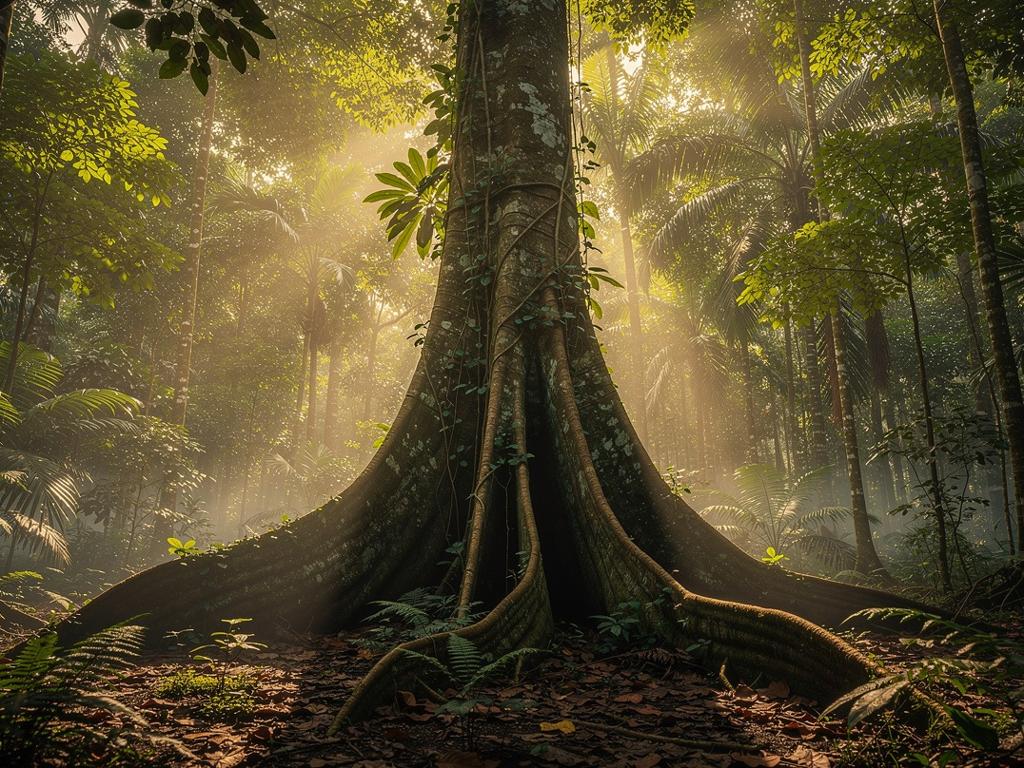
Ayahuasca and the Welcoming Committee: What Meets You in Ceremony
The first time someone told me about the welcoming committee, we were sitting on plastic chairs outside a maloca in the Sacred Valley, waiting for a kettle to boil. She was on her fourth ayahuasca ceremony. I was on my first day of orientation. She said it very casually, the way you'd mention that the plumbing takes a minute to warm up. Don't be surprised if something meets you at the door. I nodded like I understood. I did not understand. But I learned quickly, and over the years I've heard some version of that same sentence from dozens of people — facilitators, first-timers, veterans, skeptical scientists who ended up on a mat in Peru against their own better judgment. The welcoming committee is one of the more consistent phenomena in ayahuasca ceremony, and almost nobody warns you about it in advance. So let's talk about it honestly. What it is, what it isn't, why so many people encounter it, and what a reasonable person weighing an ayahuasca retreat should actually do with the information. The short version: many people who drink ayahuasca report, in the opening stretch of a ceremony, a distinct sense that something is aware of them. Not always visual. Not always frightening. Just — a presence, or a group of presences, that seems to notice their arrival. Some describe geometric beings. Some describe ancestors. Some describe the plant itself as a feminine intelligence sizing them up. A minority describe nothing at all, which is also normal. Facilitators in the Shipibo and mestizo lineages tend to speak about this matter-of-factly. Master plants, in their framework, have their own personalities and their own protocols. Ayahuasca is considered one of these master plants — a teacher, not a substance — and the tradition holds that when you drink, you are entering into a relationship. The welcoming committee, in that language, is the introduction. Western participants often reach for different vocabulary. Depth psychology types call it the unconscious making itself visible. Neuroscientists point to the way DMT-active brews collapse the default mode network and light up perception in ways that generate coherent, apparently external agents. Both explanations can be true at the same time and neither one makes the experience less real to the person having it. Popular writing about psychedelics tends to fixate on the peak — the visions, the ego death, the cosmic download at hour two. But most experienced facilitators will tell you the opening minutes carry information you shouldn't miss. That's when the medicine is, so to speak, taking your measure. That's when the welcoming committee shows up. Practical implications: how you enter the ceremony matters. If you sit down still buzzing from a fight with your partner, still checking your phone in your head, still resisting the whole idea — that's what greets you. If you've done your dieta, kept your food and thoughts clean for a few days, and arrived with something like sincerity, that's what greets you too. Ayahuasca is famously responsive to intention, and the opening stretch is where you find out what your intention actually was, as opposed to what you told yourself it was. Here's what people describe in this window, in rough order of frequency: Fair question, and worth answering plainly. The welcoming committee itself is not dangerous. What can be dangerous is the context around it — an unqualified facilitator, an unscreened participant with contraindicated medications, a poorly held container. Ayahuasca has real risks: it interacts badly with SSRIs and MAOI-incompatible drugs, it can destabilize people with a personal or family history of psychosis, and it is not a substitute for psychiatric care during an acute crisis. Assuming those boxes are checked — you're medically screened, you're off the wrong medications for long enough, you're at a retreat with experienced ceremony leaders — the beings, presences, or whatever-they-are that show up in the opening minutes tend to be met with much more grace than fear once people know to expect them. The single most common regret I hear from first-timers is not that they encountered something intense. It's that nobody told them intensity was coming and they spent the first ceremony bracing instead of listening. Which is exactly why I'm writing this. If you're seriously considering an ayahuasca retreat, here's the preparation that matters more than any packing list: Here's my honest read after years of sitting with this material and talking to people who have gone deeper than I have. The opening presence — whatever you want to call it — is a kind of calibration. The medicine seems to work out what you can handle, what you're actually asking for, and what it's willing to show you. The people I've watched fight it tend to have hard nights. The people who greet it back, even nervously, tend to be surprised by how much tenderness follows. None of this proves the beings are literal. None of it proves they aren't. Ayahuasca has a way of making that particular argument feel less urgent than it did before you drank. What you're left with, either way, is information — about yourself, your history, the patterns you've been running, the addictions or griefs or numbness that brought you to the maloca in the first place. That information is the point. The welcoming committee is just the doorman. If you're weighing a retreat and the idea of meeting something in the first hour has you either intrigued or unsettled, that's a healthy response. Sit with it. Read more. Talk to people who've been. When you're ready to look at specific centers, curated ayahuasca retreats across Peru, Costa Rica, and beyond can be browsed on our marketplace here. Choose slowly. The doorway will still be there.
When the Source Runs Dry: What to Do When Retreat Research Hits a Wall
Here's a scenario every serious retreat-seeker eventually runs into. You've been reading about ayahuasca for weeks. You find a promising thread, a forum post, a first-hand account — and the page won't load. Blocked. Locked behind a login. Gone. The lead evaporates and you're back to square one, wondering whether you're actually going to figure this out or just keep bouncing between the same five glossy retreat websites. If that's where you are right now, this one's for you. Not another list of “top ten ayahuasca retreats in Peru.” A working method for researching plant medicine when the obvious sources fail — because they will fail, often, and the people who make good decisions about psychedelics are the ones who know how to dig anyway. Ayahuasca, psilocybin, ibogaine, San Pedro — these sit in a strange legal and cultural grey zone. That means the information ecosystem around them is patchy. Some of the best first-hand writing lives on Reddit threads that get nuked, in private Discord servers, on personal blogs that go offline when the author moves on, or in books that never made it to the internet at all. Meanwhile, the loudest voices online tend to be the ones with something to sell. So when you hit a wall — a blocked page, a dead link, a paywall, a subreddit that requires an account you don't want to make — that's not a signal to give up. It's a signal that you've wandered into the useful part of the map. The stuff worth finding is usually the stuff that's a little harder to find. And there's a second problem: even when information is available, it's rarely calibrated for you. A 24-year-old backpacker's ecstatic ceremony report tells you almost nothing if you're a 47-year-old considering plant medicine for treatment-resistant depression. Both experiences are real. They're just answering different questions. Over the years I've watched a lot of people navigate this research phase — some well, some badly. The ones who end up at reputable retreats, prepared and clear-eyed, tend to do a version of the following. None of that requires access to any specific blocked page. It requires patience and a willingness to be a little skeptical. The question I get asked more than any other. And there's no five-item checklist that guarantees you'll pick well, but there are a handful of signals that consistently separate serious operators from the rest. Start with the medical intake. A serious retreat will ask you about SSRIs and other psychiatric medications, cardiac history, personal and family history of psychosis or bipolar disorder, and current substance use. If the form is two questions long and doesn't mention any of that, they're either careless or willing to take anyone with a credit card. Both are bad news. Ayahuasca has real interactions with real drugs — the MAOIs in the brew can be dangerous combined with certain antidepressants, and that's not a rumor, it's chemistry. Then look at the container. How many people per ceremony? A group of eight to fifteen, with two experienced facilitators, is roughly the range where things stay manageable. Groups of thirty-plus with one facilitator start to look more like a business model than a healing container. Ask what happens if someone gets scared, sick, or dysregulated at 3 a.m. Ask specifically. If the answer is vague, that's your answer. Lineage matters too, though it's often misrepresented. A curandero who trained for decades in the Shipibo tradition is a different thing than a Westerner who did a couple of dietas and now runs weekend workshops. Neither is automatically better or worse for you — but you deserve to know which one is pouring your cup. Somewhere in your research you'll come across the phrase “master plants.” It gets used loosely, so worth defining. In Amazonian shamanic practice, master plants (or plantas maestras) are teacher plants — species that, when worked with through disciplined dieta, are said to transmit knowledge and healing to the practitioner. Ayahuasca is the most famous, but there's a whole botanical curriculum: chiric sanango, bobinsana, ajo sacha, chuchuhuasi, and many others, most of which aren't even mildly psychoactive in the recreational sense. Why does this matter for your retreat decision? Because a place that treats ayahuasca as a standalone product — show up, drink, leave — is operating in a very different frame than a place rooted in the master-plant tradition. Neither is inherently wrong. But if you're drawn to plant medicine for deep, patient work on stuck patterns or addiction, you may find the traditional frame more useful than the ceremony-as-experience frame. It's slower. It asks more of you. It also tends to produce results that hold. The short honest answer: sometimes, for some people, when the surrounding support is real. Ibogaine has the strongest evidence for opioid dependency — it's used in clinics in Mexico and elsewhere, and while it's not a miracle, the interruption it can provide to withdrawal and craving is genuine. Ayahuasca has a longer, softer track record with alcohol and stimulant use, largely from observational work in Brazil and Peru. Psilocybin has recent clinical trials showing meaningful outcomes for tobacco and alcohol use disorder. What none of the research shows is that swallowing a substance and going home fixes an addiction. Every serious study, every serious practitioner, says the same thing: the medicine opens a window, and what you do in the following weeks and months determines whether anything sticks. Integration therapy, community, lifestyle changes, sometimes ongoing psychiatric care — that's the actual treatment. The ceremony is a catalyst, not a cure. If you're considering plant medicine specifically for addiction, be honest with the retreat about it during intake. A reputable place will either welcome you with appropriate protocols or refer you somewhere better suited. A less-reputable place will tell you everything's fine and take your deposit. Guess which one you want. At some point the research phase ends and you either book something or you don't. That's fine either way. Plenty of people spend a year reading about ayahuasca and decide it isn't for them — that's a good outcome, not a failure. Plenty of others sit with the question until the timing feels right, and then move. Also good. If you're in the second camp and you want to see what's actually out there, a curated selection of ayahuasca and plant-medicine retreats can be browsed on our marketplace here. Take your time with it. Read carefully. The retreat that's right for you will still be there next month, and the extra weeks of preparation will do more for your experience than almost anything else you could do.
Ayahuasca and Motherhood: Sitting in Ceremony When You Have Kids at Home
The question comes up more than you'd think, usually in a quiet voice: can I do this if I'm a mom? Sometimes it's a dad asking. Sometimes it's a single parent who's been white-knuckling depression for years and finally heard about ayahuasca from a friend. The worry underneath is always the same — am I allowed to leave for a week, and will I come back different in a way my kids can handle? I've sat with a lot of parents in ceremony. Some arrive glowing with anticipation. Most arrive tired, guilty, and slightly panicked about the logistics they left behind. And almost all of them, by the second or third night, end up crying about their children in a way that surprises them. Ayahuasca has a habit of going straight for the thing you love most. So let's talk honestly about what it looks like to consider a plant medicine retreat when you have small humans depending on you. Not the Instagram version. The real one. Parenthood cracks people open in ways nothing else does. The exhaustion is one thing. But underneath it, a lot of parents run into their own unhealed childhood — patterns from their family of origin that suddenly show up in how they react to a toddler's tantrum or a teenager's silence. You promised yourself you'd never yell the way your dad yelled. Then one Tuesday, you did. That's the doorway many people walk through when they start researching plant medicine. Not spiritual seeking in the abstract. Something much more practical: I don't want to hand my kids the same wound I got handed. Ayahuasca, ibogaine, psilocybin — the master plants have a reputation for surfacing exactly that material and letting people work with it in a way that years of talk therapy sometimes hasn't touched. Addiction sits in this territory too. Plenty of parents come to plant medicine because they've been quietly drinking too much, or leaning on prescription meds, or scrolling their life away, and they're scared of what their kids are watching them model. Psychedelic-assisted recovery isn't a magic wand, but for some people it's the interruption that finally sticks. Here's the honest answer: it depends entirely on your situation, and no one on the internet can decide it for you. But there are useful questions to sit with before you book anything. I've watched parents do this well and I've watched parents do it badly. The ones who do it well tend to over-prepare the home front and under-promise their family about what will change. The ones who struggle tend to treat the retreat as an escape hatch and come home expecting everyone else to have transformed alongside them. If you've never been, the mechanics are less mysterious than the mythology suggests. You gather in a ceremonial space — often a maloca, a round wooden structure — usually after sunset. A facilitator or curandero pours a small cup of dark, bitter brew. You drink it. Then you wait. Somewhere between forty minutes and two hours later, the medicine arrives. What that looks like varies wildly. Some people see vivid geometric visions. Some people have conversations with parts of themselves they'd forgotten existed. Some people purge — vomiting, crying, shaking — and describe it afterward as one of the most cleansing experiences of their life. Some people lie there and feel almost nothing on night one, then get flattened on night two. Your mileage will vary. That's not a cliché; it's the actual reality of working with this plant. For parents specifically, one theme comes up again and again: encounters with your own mother or father, often ones who are no longer alive or no longer speaking to you. Ayahuasca seems to have a nose for the lineage stuff. People report understanding, for the first time, why their parent was the way they were — and, sometimes more importantly, why they are the way they are with their own kids. A parent's time and money are limited. You can't chase a second retreat next month if the first one goes sideways. So the vetting matters more. Prices vary enormously — a straightforward week in Peru might run $1,500 to $2,500, while a more clinical or luxury setting in Costa Rica or Mexico can be $4,000 to $8,000 and up. Cheaper isn't always worse, and pricier isn't always better. What you're paying for is the container and the people holding it. The part nobody prepares parents for is reentry. You've spent a week in a place with no wifi, no children's demands, no work email. You've possibly had the most profound experiences of your adult life. Then you land at the airport and your six-year-old wants Goldfish crackers immediately. Give yourself a buffer. Two or three days minimum between the retreat ending and full parenting resuming. If you can arrange a night alone in a quiet hotel before the family reunion, do it. Not because you don't want to see them — because the nervous system needs a soft landing before it can co-regulate with small children again. Integration is the actual work. The ceremony is the seed; integration is the tending. Journaling, walks, a good therapist familiar with psychedelic experiences, occasional check-ins with the friends you sat with — these are the practices that turn a week in the jungle into a slow, steady change in how you show up at home. Expect the insights to come in waves for months, not all at once. This depends on ages and family culture, and there's no single right answer. Younger kids don't need details. “Mama went to a wellness retreat to feel better” is often enough. Older kids and teenagers, especially ones who might one day be curious about substances themselves, sometimes benefit from more honesty — framed carefully, without glamorizing. What matters isn't the exact words. It's whether your behavior over the following months matches the story you told. Kids read the change, not the explanation. If you come home more patient, more present, less reactive — that's the education. If you come home talking about how transformed you are but still snapping about the dishwasher, they'll notice that too. Plant medicine isn't a shortcut to being a better parent. It's a mirror, and sometimes a scalpel. What you do with what it shows you is the whole game. For parents who want to keep exploring this path thoughtfully, a range of vetted ayahuasca retreats can be browsed on our marketplace here. Take your time with the decision. The medicine will still be there when you're ready.
Ayahuasca and Identity: What Plant Medicine Reveals About the Self
There's a moment, usually somewhere in the second or third hour of an ayahuasca ceremony, when the story you've been telling yourself about who you are starts to come apart at the seams. Not violently. Not always. Sometimes it happens more like a slow unraveling — a thread you didn't know was loose gets tugged, and suddenly the whole tapestry of your identity looks like a costume you've been wearing for decades. People come to ayahuasca retreats for a lot of reasons. Addiction. Depression. Grief they can't process. A creeping sense that something's fundamentally off. But underneath most of those specific complaints is a quieter, harder question: who am I actually, when you strip away the roles? That's the question the medicine tends to answer, whether you asked it out loud or not. Ayahuasca doesn't care about your LinkedIn profile. It doesn't care that you're a lawyer, a mother, a recovering addict, a Buddhist, a skeptic. Those identities are useful in daily life — they help you navigate school pickup and tax returns — but in ceremony, they tend to get set aside. What's left underneath is often unfamiliar, sometimes uncomfortable, and occasionally the most honest version of yourself you've encountered in years. Psychologists who study psychedelics have a name for part of this: ego dissolution. The parts of your brain that usually maintain the boundary between you and everything else temporarily quiet down. What people describe on the other side of that quieting is remarkably consistent across cultures — a sense of belonging to something larger, a loosening of the grip that shame or fear or self-image had on their daily functioning. This is one of the reasons plant medicine has drawn so much attention for addiction recovery, trauma work, and stuck life patterns. When the identity built around I am someone who drinks or I am someone who is broken temporarily loosens, there's an opening for something else to move in. That opening is the whole point. Sit with facilitators long enough and you notice patterns in who walks through the door. There's the corporate high-achiever who realized last year that the promotion didn't fix anything. There's the person in their late twenties who has done every kind of talk therapy and still feels like a stranger in their own skin. There's the parent whose children have left home and who now has to figure out what they want, which they haven't asked in twenty-five years. What they share isn't a diagnosis. It's a question. Some version of: if the identity I've been performing isn't really me, then what is? Ayahuasca has a reputation for being unusually direct about that question. It doesn't hand you a new label. It tends to show you, sometimes uncomfortably, that the old ones were never the whole story. People who identify strongly with a particular label going into a ceremony — spiritual seeker, empath, highly sensitive, chronic something — often report that the medicine either deepened their understanding of that identity or dismantled it entirely. Neither outcome is better. Both are information. In the Amazonian traditions where ayahuasca comes from, the brew is one of several “master plants” — teachers, essentially. The idea is that certain plants, taken with proper preparation and under guidance, transmit specific kinds of knowledge and healing. Ayahuasca is often described as the plant that shows you yourself. Tobacco (mapacho), chacruna, bobinsana, and others are considered teachers in their own right, each with a different personality and specialty. This framing is worth taking seriously, whether or not you buy the metaphysics. Approaching the medicine as a teacher rather than a drug tends to change how people prepare, how they behave in ceremony, and what they take away from it. It's a very different orientation than let's see what this substance does to my brain. Facilitators trained in these traditions will often say the plant chooses what to show you. You come with an intention — say, I want to understand my anxiety — and the medicine might show you something entirely different that turns out, in retrospect, to be exactly what needed addressing. This is one reason why setting rigid expectations rarely works. The clinical term makes it sound like a lab procedure. The lived experience is stranger and more varied than any single description can capture. Some people describe becoming a point of awareness with no body attached, floating in something that feels like warm water made of light. Others describe watching their own life play back like a film and realizing they weren't the main character they'd assumed they were. A few common threads: That last one is worth flagging. Not every ceremony is blissful. The medicine has a reputation for showing people what they've been avoiding, and identity is often at the top of that avoidance list. This is why facilitator skill, retreat vetting, and integration support matter so much. Here's what nobody selling a retreat wants to say too loudly: the ceremony is the easy part. What happens in the weeks and months afterward — how you translate the insights back into a life that still has a mortgage and a job and family dynamics — is where most of the difficulty lives. People who come home from an ayahuasca retreat convinced they've been fundamentally changed sometimes discover, three months later, that the old identity has quietly reasserted itself. The insights are still there, but the behaviors haven't shifted. This is normal. It's also solvable, but it requires deliberate work. Practical integration tools that actually help: If what's drawing you toward ayahuasca is a question about who you are — rather than, say, a specific clinical condition — a few things matter more than the brochure photos. Look for retreats that take screening seriously. If they'll book you without asking about your mental health history, medications, and preparation, that's a red flag. Ask what integration support they offer after the last ceremony. “We'll send you a PDF” is not integration. Ask how many ceremonies are in the program and how many participants per facilitator. Ratios matter enormously when someone is unraveling at three in the morning. Ask about the lineage of the facilitators — where they trained, with whom, for how long. Ayahuasca has, unfortunately, attracted a fair number of people who took a workshop and started calling themselves shamans. The traditional apprenticeships take years, and the difference in ceremony quality is not subtle. Finally, trust your gut on the phone. If someone selling you a $3,000 retreat can't answer basic questions about safety, contraindications with your medications, or what happens if you have a difficult night — keep looking. For readers who want to take this further, a range of carefully vetted ayahuasca and plant-medicine retreats can be browsed on our marketplace here, which is a reasonable place to start comparing lineages, locations, and approaches without the pressure of a sales call. Months after a good ceremony, most people don't remember the visuals in much detail. What tends to stay is a quieter shift in how they hold the question of identity. Less clenching around who they think they should be. More curiosity about what they actually are, moment to moment, when nobody's watching and nothing's being performed. That's not a personality transplant. It's more like the volume being turned down on a station that was blaring your whole life. Whether the medicine is right for you is a question only you can answer, ideally after doing your homework, talking to people who've done it, and being honest about what you're actually looking for. If the answer is yes, prepare well. If the answer is not yet, that's also fine. The plants have been around for a long time. They'll be here when you're ready.
Craving More Stories?
Join our ShopAyahuascaRetreats newsletter for the latest updates on thrilling
destinations and inspirational tales, delivered straight to your inbox!
We value your privacy. Your email address will never be shared or published.
Choosing an Ayahuasca Retreat in Peru: An Honest Field Guide
Somebody asks me at least twice a month where they should drink ayahuasca in Peru. It's usually a friend of a friend, sometimes a stranger who tracked me down after reading something I wrote, and the message almost always has the same shape — a paragraph about what they're going through, then a request for a name. Just tell me where to go. I get it. When you've decided you want to sit with the medicine, the last thing you want is another six months of scrolling. But I've stopped answering with a single recommendation, because the honest answer to where should I do ayahuasca in Peru is a set of questions you have to answer for yourself first. This piece is my attempt to give you those questions, plus the practical filters I actually use when I'm helping someone choose. Ayahuasca ceremonies happen in a lot of countries now — Costa Rica, Colombia, Portugal, Brazil, even a scattering of legally-grey circles in the U.S. But Peru still holds the gravitational center of the plant medicine world for a reason. The brew was born there, or near enough. The Shipibo, the Ashaninka, the mestizo curandero lineages of Iquitos and Pucallpa — this is where the tradition lives, has lived, and continues to be practiced by people whose grandparents did it before them. That lineage matters. When you drink ayahuasca with a curandera who learned from her grandfather, who learned from his, you're not sampling a product. You're stepping into a relationship with master plants that has been maintained across generations. The songs — the icaros — carry weight because they were sung to sick people who got better. That's not marketing copy. That's just how the tradition survived long enough for the rest of us to find it. The trade-off is that Peru's popularity has also produced a booming industry of retreats built for foreigners. Some are extraordinary. Some are competent. Some are frankly dangerous. Telling them apart is the actual work. Before you look at a single retreat website, get honest about your reason. This isn't spiritual paperwork — it changes what kind of place you should book. People show up to ayahuasca for wildly different reasons. Addiction recovery. Depression that hasn't responded to years of SSRIs. Grief. A stalled creative life. Trauma they've been circling in therapy without ever quite landing on. Curiosity — which is a fine reason as long as you're honest that it's yours. Some come chasing what they'd call soul exploration, a word that sounds soft until you're in the maloca at hour three and something old and buried comes up to meet you. The reason matters because it shapes the container you need. If you're dealing with addiction, you probably want a center with real integration support, ideally with staff who understand recovery — some people in that situation are actually better served considering ibogaine first, which works differently on the addiction pathways. If you're processing trauma, you want a small group, careful screening, and facilitators trained to hold difficult somatic material. If you're going for spiritual exploration and you're psychologically stable, you have more flexibility, but you still need a container that respects what you're doing. Here's my working checklist when someone sends me a retreat's website and asks what I think. None of these are trick questions. Any center worth your money will answer them plainly. Peru's ayahuasca scene concentrates in a few pockets, and each has a slightly different character. Iquitos is the classic hub — the jungle city you fly into that has no roads connecting it to the rest of the country. Most retreats sit an hour or two outside town, tucked into the forest. This is where the mestizo curandero tradition is strongest, and where you'll find some of the most established centers. It's also where the density of retreats means you can find both the best and the worst of what's on offer. The Sacred Valley near Cusco has a different flavor — cooler, high-altitude, more of an Andean spiritual crossover. Ceremonies here often integrate San Pedro (huachuma), which is the region's native master plant. If you're drawn to a mix of traditions and the mountain landscape speaks to you, this can be beautiful. Purists sometimes argue ayahuasca belongs in the jungle where it grows. Pucallpa and the Ucayali region is where much of the Shipibo lineage is centered. The icaros here have a particular quality, and the ceremonies tend to feel older, less staged for outsiders. Fewer retreats, less English, more raw. Good for people on a second or third trip who know what they want. Some warning signs I've seen enough times to trust: Prices vary enormously, but here's the honest range as of this year. A week-long retreat at a reputable center in Peru typically runs somewhere between fifteen hundred and four thousand U.S. dollars, all-inclusive of lodging, food, ceremonies, and basic integration. Longer retreats — ten days, two weeks, or traditional plant dietas that run a month or more — scale up accordingly. Add flights (Lima is the entry point, then a domestic connection to Iquitos or Cusco), travel insurance, and some buffer for the days before and after. Budget realistically. This is not a trip to cut corners on. A few things I'd tell anyone I care about who's about to do this: Talk to someone who's been. Not a review, not a testimonial video — an actual conversation with someone whose judgment you trust. Ceremonies vary, retreats vary, and the texture of a place doesn't come through in marketing. Give yourself real time on either side. Don't fly in Friday, drink Saturday, fly home Monday. Your nervous system needs a runway to land on. If you can, take a week after you get home before returning to your regular life. What comes up in ceremony has a way of continuing to unfold for weeks. Line up integration support before you go. A therapist who understands psychedelic-assisted work, or at minimum one who won't pathologize the experience when you describe it. Integration is where the actual change happens — the ceremony is the door, not the room. Finally, if you've read this far and you're serious about exploring plant medicine as a path — for addiction recovery, for depression, for the long slow work of soul exploration — a curated selection of vetted ayahuasca retreats in Peru and beyond can be browsed on our marketplace here. Take your time with the choice. The right container matters more than the right destination.
Blocked Pages and Better Questions: What to Actually Research Before an Ayahuasca Retreat
You clicked a link expecting answers about ayahuasca, psychedelics, or some fringe corner of consciousness research. Instead you got a login wall, a network-security block, or a 404. Welcome to about half of plant-medicine research online. The good stuff is often behind paywalls, buried in forums that require accounts, or scattered across sources that vanish when you need them most. So let's do something more useful than chase a dead link. If you're seriously considering an ayahuasca retreat — or any psychedelic journey involving master plants — here's what actually deserves your research time. This is the reading list I wish someone had handed me before my first ceremony. The plant medicine space is loud. Reddit threads, Substack essays, retreat marketing pages, YouTube integration coaches, TikTok shamans — everyone has a take. Most of it is either evangelical (ayahuasca fixed my life, will fix yours) or dismissive (it's just DMT and dehydration). Neither helps you make a real decision. The actually useful sources tend to be quieter. Peer-reviewed studies on psychedelic-assisted therapy. Long-form interviews with facilitators who've held space for twenty years. Trip reports written months after the ceremony, not the week of. Legal analyses of where ayahuasca sits in your country's law. None of these show up first when you Google “should I do ayahuasca.” Here's the thing: the questions worth asking before a retreat aren't the ones the internet answers loudest. They're the boring, specific, sometimes uncomfortable ones. What does dieta actually involve? What happens if you're on an SSRI? How do you tell a real curandero from a weekend-certified facilitator with a nice website? Ayahuasca is a brew, traditionally prepared in the Amazon basin, made from the Banisteriopsis caapi vine and usually the leaves of Psychotria viridis (chacruna). The vine contains MAO inhibitors. The leaves contain DMT. Drink them together and the DMT becomes orally active — meaning it crosses into your bloodstream instead of being broken down by your gut. That's the pharmacology in one paragraph. The experience is another matter. Most people describe four to six hours of altered perception: visions, emotional processing, physical purging (yes, vomiting and sometimes diarrhea — this is called la purga and it's considered part of the medicine, not a side effect). Some ceremonies feel like being rewired. Others feel like nothing much happened. Both are normal. What ayahuasca is NOT: a guaranteed fix for depression, addiction, or trauma. A shortcut around therapy. A safe experience for everyone. A recreational drug. If a retreat markets it as any of those, that's your first red flag. If you're in the research phase — reading, comparing, second-guessing — focus your time on the things that actually determine whether a retreat is safe and useful for you. A lot of readers land on articles like this because they're quietly struggling. Alcohol they can't shake. Cocaine or opioids. Depression that ten years of therapy hasn't budged. A trauma loop that keeps repeating. Master plants — ayahuasca, ibogaine, psilocybin, San Pedro — have gained real attention because the emerging research is genuinely interesting. Ibogaine, in particular, has shown remarkable results for opioid dependence, sometimes interrupting withdrawal in ways nothing else does. It's also cardiotoxic and has killed people who weren't medically screened. That paradox — real therapeutic potential, real physical risk — sits at the center of psychedelic-assisted recovery. You cannot separate the two. Ayahuasca for addiction has a longer, quieter history. Programs in Peru and Brazil have worked with alcohol and cocaine dependence for decades. The mechanism seems to involve both neurochemistry (BDNF, neuroplasticity) and something harder to measure — people report meeting their addiction as a presence, negotiating with it, understanding where it came from. Whether you believe that literally or metaphorically, the outcomes for some people are durable. But — and this matters — the retreat is one piece. The integration afterward is where the actual change happens. A weekend of visions without months of follow-up work is a very expensive vacation. Retreat marketing has gotten slick. Beautiful photography, testimonial videos, wellness-influencer endorsements. Here's how to read past the polish. Look for specifics. Names of facilitators, their actual background, how many ceremonies they've held. A page that describes “our team of experienced shamans” without naming anyone is hiding something. Look for what they screen out — a retreat that says “ayahuasca is for everyone” is either lying or reckless. Look for their integration protocol. Look for their emergency medical plan. Ask what happens if someone has a psychotic break at 3 a.m. If the answer is a shrug or a spiritual bypass (“the medicine handles what needs to be handled”), that's a hard no. Pricing is another signal. Very cheap retreats (under $500 for a week) often cut corners on safety, facilities, or facilitator quality. Very expensive ones ($5,000+) aren't automatically better — you may be paying for a spa, not a stronger ceremony. Somewhere in the middle, with transparent breakdowns of what your money buys, tends to be honest. Most retreats mention dieta — the food restrictions before ceremony (no pork, no alcohol, no fermented foods, minimal salt and sugar, no sexual activity, usually for a week or two before). Fewer talk about the mental preparation, which matters more. Spend the month before a retreat getting honest with yourself about why you're going. Write it down. Not “to heal” — that's too vague. What specifically do you want to look at? What have you been avoiding? What would it cost you if nothing changed? The clarity of your intention shapes the ceremony more than any external factor. Also: tell someone. A partner, a friend, a therapist. Going to an ayahuasca retreat is not a small thing, and having a person on the outside who knows where you are and what you're doing is basic safety hygiene. The ceremony is the easy part, weirdly. You show up, you drink, the medicine does its work. What's hard is the two months afterward, when you're back at your desk, back with your family, and the insights you had at 2 a.m. in the jungle start feeling distant. Integration is where retreats separate the serious operators from the tourists. Ask what integration support you get. Weekly group calls for a month? A one-on-one with an integration coach? Nothing? The last answer is disqualifying for anyone using plant medicine to address real problems. If you're thinking through all this and want to see what's actually out there, a curated selection of ayahuasca and plant-medicine retreats can be browsed on our marketplace here. Comparing a few honest options side by side beats reading another blocked Reddit thread. Take your time with the decision. The medicine will still be there next season. Better to arrive prepared than to arrive fast.
Private Ayahuasca Ceremony vs Group Retreat: How to Decide
Someone offers you a private ayahuasca ceremony. Just you, a facilitator, maybe a helper. No group of strangers snoring or sobbing three feet away. It sounds ideal — until you sit with it for a minute and realize you have no idea whether it actually is. This question comes up more than you'd think. A friend-of-a-friend knows a curandero passing through town. A retreat center offers a one-on-one option for double the price. Someone you met at a breathwork workshop mentions their teacher does private sittings. The invitation feels rare, almost fated. And that's exactly why you should slow down before accepting it. I've sat in both formats — small ceremonies of three or four people, larger group circles of twenty, and a couple of private sessions. They are genuinely different experiences, and one isn't automatically better than the other. What matters is which one fits you, right now, at this point in your relationship with plant medicine. Let's be honest about the pull. Group ceremonies are vulnerable. You're going to purge, cry, maybe make sounds you didn't know you could make, and you're going to do it near people you met the day before. For anyone with social anxiety, trauma history, or just a strong preference for privacy, the idea of skipping that whole layer is intoxicating. The private format also promises more attention. In a group of twenty, one facilitator and two helpers are watching everyone. In a one-on-one, all of that attention is on you. If you spiral, someone notices immediately. If you need a specific icaro sung to you at a hard moment, you can get it. On paper, it's the safer, deeper option. And sometimes it truly is. But the calculus is more complicated than "private equals better." If this would be your first or second ceremony, I'd generally steer you toward a group setting — a small, well-run one, not a warehouse of thirty seekers. Here's why. Group energy is a real thing in ceremony. When someone across the maloca starts purging, it can trigger your own release. When another participant sobs through their own memory, something in you softens. The shared field does work that solo work simply doesn't. Many facilitators will tell you the medicine moves differently in a circle — the songs land harder, the visions have more texture, the whole night has more architecture. There's also the humility factor. Sitting with strangers strips away some of the specialness we like to attach to our own suffering. You realize the sixty-year-old lawyer next to you and the twenty-four-year-old barista on the other side are working through versions of the same stuck patterns you are. That recognition is medicine in itself. And practically — a group ceremony at an established retreat has systems. Screening protocols. Medical intake. Integration support. Someone whose job is aftercare. A lone facilitator offering a private session may or may not have any of that infrastructure behind them. That said, there are real situations where private is the right call: Notice what these have in common: you already know the terrain. Private ceremony is less like beginner mode and more like a specialized tool for people with some ceremony miles on them. Whether you go group or private, the person holding space is the single biggest variable in your safety and your experience. In a private setting, this matters even more, because there's no group of other participants to notice if something's off. Real questions to ask before you commit: If any of these questions produce discomfort, evasion, or a spiritual bypass ("the medicine will decide" is not an answer to a medical safety question), walk away. There will be another opportunity. People underestimate this. A private ceremony in someone's apartment in a city is a different animal from a private ceremony at a jungle center. The room itself, the sounds outside, the temperature, whether there's a bathroom you can reach easily during purge — all of it shapes the night. Ask about the physical space. Is there somewhere to lie down comfortably? Is there a bucket within arm's reach? Is there a safe path to a bathroom in the dark? Is the room quiet enough that you won't be pulled out of a fragile inner state by traffic or a neighbor's television? These sound mundane. During ceremony they are not mundane at all. Also — is anyone else in the building who knows what's happening? If your facilitator is running a private session solo with no backup at all, that's a thinner safety margin than most people realize. Ceremonies can run eight hours. Emergencies, though rare, happen. Private ceremonies typically cost more per person than group ones, sometimes significantly. That's fair — you're monopolizing the facilitator's night. But be alert to prices that feel wildly out of line either direction. A suspiciously cheap private session may indicate an inexperienced or unvetted practitioner. A shockingly expensive one may just be exploiting the intimacy premium. Ranges vary by region and lineage, but for context: group ceremonies at established Peruvian retreat centers often run somewhere between $200 and $500 per night included in a multi-day package, while private sittings in North America or Europe frequently sit in the $500 to $1,500 range for a single ceremony. Wildly outside that band in either direction deserves a second look. Before you say yes to anyone, sit with these honestly: That last one isn't pessimism. It's the same question a smart hiker asks before a solo trip. You hope for the best, you prepare for the rest. Sometimes a private ceremony opportunity really does feel like the right door opening at the right time. A teacher you've known for years offers you a sitting. Or a facilitator someone you deeply trust has vouched for. Those situations exist, and they can be beautiful. The medicine has a way of arranging itself when you're ready. But the flip side is that the field attracts opportunists, and "a rare private ceremony with a visiting shaman" is exactly the pitch a bad actor makes. Genuine facilitators are patient. They'll answer your questions. They won't rush you. They won't be offended when you ask about their training. If you're getting pressure, urgency, or offense at being questioned — those are the signal. If you've read this far and you're still weighing whether a private sitting or a group container is right for your first serious step, the honest answer is that most people are best served by starting in a well-run group ceremony at an established retreat. A curated selection of ayahuasca retreats — including centers that offer both group and small-format options — can be browsed on our marketplace here. Whatever you choose, take your time choosing it. The medicine will still be there next month.
The Unexpected Lessons Ayahuasca Teaches (That Nobody Warns You About)
Ask anyone who's sat with ayahuasca more than once, and you'll hear a strange thing: the lessons they remember most vividly are almost never the ones they went looking for. You show up wanting to fix your depression, mend a relationship, or figure out what to do with your career. What you walk away with is usually stranger, smaller, and more inconvenient than that. I've been writing about plant medicine and psychedelic retreats for years — sitting in ceremony myself, interviewing facilitators from Iquitos to the Netherlands, and talking to hundreds of people in the weeks and months after their first cup. The pattern is consistent enough to be a little funny. Ayahuasca rarely answers the question you asked. She answers a different one. Usually a better one. Here's what those unexpected teachings actually look like — and why they matter more than the visions. Most first-timers arrive braced for the purge. They've read the forums, seen the buckets, watched the documentaries. And then they spend the ceremony being surprised anyway — because the purge is almost never about the food you ate that afternoon. It's about something older. People describe crying out grief they thought they'd already processed a decade ago. Vomiting in a way that feels physical but reads emotional — like a body finally putting down something it's been carrying since childhood. One woman I spoke with, a corporate lawyer in her forties, told me she spent her second ceremony convulsing with what she can only describe as the shame of being ten years old. She hadn't thought about that year in thirty years. The lesson here is subtle and worth naming: the body remembers things the mind has filed away. Ayahuasca, more than any other psychedelic in the master plants tradition, seems to work through the somatic layer first. If you're considering a retreat for trauma, addiction, or chronic anxiety, this is worth understanding. The medicine doesn't dissolve the problem intellectually. It moves it through you. This one lands hard for a specific kind of Western seeker — and I say this as someone who arrived at their first ceremony absolutely convinced they had a unique and cosmically significant relationship with their own suffering. One of the most consistent reports from experienced drinkers is a moment of piercing ordinariness. Not a bad trip. Not ego death in the dramatic sense. Just a quiet recognition that your pain, your patterns, your particular flavor of stuckness — all of it is deeply, embarrassingly human. Millions of people have felt exactly this. Have felt it for centuries. Will keep feeling it after you're gone. Counterintuitively, this is one of the most liberating teachings the medicine offers. If your suffering isn't special, it isn't a permanent mark of who you are either. It's weather. It moves through people. It can move through you too. This is one of the most searched questions about the medicine, and the honest answer is more complicated than the retreat brochures suggest. Ayahuasca can be extraordinarily useful in addiction recovery — the research coming out of centers working with alcohol, cocaine, and opioid dependence is genuinely striking. But the teaching itself isn't what most people expect. Ayahuasca rarely tells you to stop using. What she tends to do instead is show you, with uncomfortable clarity, what the substance was doing for you. The loneliness it was covering. The rage it was diluting. The unbearable feeling it was making bearable at 3 a.m. on a Tuesday. Once you see that clearly, the choice to keep using becomes different. Not easier necessarily. But less mystified. A few patterns I've heard repeatedly from people using plant medicine for addiction: If addiction recovery is your reason for looking at retreats, ask facilitators pointed questions about their experience with your specific situation. A well-run center will have thought about this. A less careful one will hand you a marketing pamphlet. The psychedelic internet has become weirdly obsessed with ego death, as though the goal of every ceremony is to obliterate the self. Most experienced drinkers I know have moved past this framing entirely. What ayahuasca actually seems to teach, over time, is that your ego is a tool — not a villain. It's the part of you that gets you to work, remembers your kids' allergies, and keeps you from telling your boss what you actually think. You need it. What you don't need is for it to run the whole show at 2 a.m. when you're trying to sleep. The lesson isn't dissolution. It's proportion. Ayahuasca tends to gently rearrange the hierarchy so that the parts of you making decisions are the parts that actually should be making them. This is much less dramatic than ego death and much more useful in ordinary Tuesday life. The retreat industry loves to talk about the ceremony. It talks less about the six months after, which is where the actual transformation either takes root or evaporates. Here's what nobody warned me about early on: the insights fade. The vivid clarity you felt on night three of your retreat will start to blur within weeks. The behavior changes you promised yourself will meet the friction of your regular life — the same partner, the same commute, the same phone in your pocket. Without deliberate integration practice, most people are functionally back to baseline within three to six months, holding a warm memory but not much else. What actually helps: Maybe the most unexpected teaching of all — and the one facilitators hint at but rarely say plainly — is that ayahuasca isn't going to do the work for you. She'll show you what needs to change. She'll show you with such clarity that you can't quite unsee it. Then she'll leave you at your kitchen counter on a Wednesday morning with the choice. People sometimes come home from retreats and slip into a kind of magical thinking — that the medicine did something to them, permanently, and they're now a different person. A few months later, when they're arguing with their partner about the dishwasher again, they feel like something went wrong. Nothing went wrong. The medicine just doesn't work the way we want it to. It's a teacher, not a surgeon. This is honestly the teaching I return to most often. The retreat is a beginning. The years afterward are where you find out whether you meant it. If you're reading this because you're weighing your first ceremony, a few things worth holding in mind. Ayahuasca is not right for everyone. If you're on SSRIs, MAO inhibitors, or certain other medications, the interactions can be dangerous — a legitimate retreat will screen for this rigorously and turn you away if needed. If you have a personal or family history of psychosis or bipolar disorder, this is not the medicine for you, no matter how tempting the marketing sounds. Trauma processing without proper support can retraumatize you rather than heal. Choose your facilitators the way you'd choose a surgeon. Ask about their training lineage. Ask what their screening process looks like. Ask what happens if someone has a difficult experience at 4 a.m. Ask about integration support after you go home. Anyone who bristles at these questions is telling you something important about how they'd handle an emergency. If any of this has stirred something honest in you and you want to look at what's out there, curated ayahuasca and plant medicine retreats can be browsed on our marketplace here. Take your time with the decision. The medicine will still be there when you're ready.
Why Ayahuasca Retreats in Peru Cost What They Do: An Honest Breakdown
Scroll through any ayahuasca forum for ten minutes and you'll trip over the same question: why does a week in the jungle cost more than a week in Cancún? Fair question. On paper, you're drinking a bitter plant brew in a wooden hut in one of the cheapest countries in South America. So where does the money go? I've sat in ceremony at retreats that charged $600 and at retreats that charged $4,500. I've also interviewed the people running them — the ones who'll actually pick up the phone. The truth about pricing in the ayahuasca world is messier and more interesting than either the skeptics or the marketers let on. If you're weighing a booking, understanding this stuff will save you money, or at least save you from paying a lot for something worthless. Most reputable Peruvian ayahuasca retreats in 2026 fall somewhere between $1,500 and $4,000 for a seven-to-ten-day program. Shorter three-to-four-day offerings can dip to around $800. On the high end — think centers with medical staff, private cabins, and long track records — you'll see $5,000 and up. Anything under $500 for a full week should make you squint hard. Here's the thing though: the sticker price rarely tells you what you're getting. Two centers charging identical fees can differ wildly in ceremony quality, facilitator experience, safety protocols, and what happens when things go sideways at 3 a.m. Price is a signal, not proof. A cheap retreat isn't automatically sketchy, and an expensive one isn't automatically legit. But the components behind the number are worth understanding before you hand over a deposit. Let's break down what a well-run retreat is paying for while you're there. Some of this is obvious. Some of it isn't. Add it up and the margins on a well-run retreat are thinner than you'd guess. A center hosting eight guests a week has to cover roughly a dozen staff salaries, land upkeep, and the small army of local suppliers who make the operation possible. This isn't yoga in Bali. The infrastructure is harder and the labor is more specialized. When you find a suspiciously affordable option, something is being cut. Sometimes that's fine — a smaller family-run center in a Shipibo community might charge less because they own the land and cook their own food. Sometimes it's not fine at all. Common corners cut at low-cost operations: None of this means expensive equals safe. But it does mean price transparency is a fair thing to ask about. A center that can clearly explain what your fee covers is a center that has thought about it. Depends what you mean by worth it. If you're going as a curious tourist looking for a peak experience, you can probably find that for less money in a lot of places. If you're going because you've spent years dealing with depression, trauma, addiction, or a life pattern you can't seem to break — and you've done your research on plant medicine as a serious tool for that work — then the math changes. Consider the alternative. A year of weekly therapy in a Western country runs somewhere north of $6,000 and often much more. Residential treatment for addiction runs $30,000 to $90,000. Not everyone finds what they need in a jungle ceremony, and ayahuasca isn't a shortcut past the hard work of change. But for a specific kind of person, doing a specific kind of work, a well-chosen retreat can compress years of movement into a few weeks. That's the honest case for the price. The dishonest case — the one made in glossy Instagram reels — is that a single ceremony will fix everything. It won't. Anyone selling you that is selling you something else too, and neither of you will like how it ends. A few practical questions to ask before you send a deposit anywhere: If a center dodges these or gets defensive, that tells you something. Reputable operators expect these questions. They've heard them a hundred times and have thoughtful answers. Ayahuasca isn't the only master plant getting attention right now. Ibogaine centers in Mexico for addiction recovery routinely charge $6,000 to $12,000 for a week. Psilocybin retreats in Jamaica or the Netherlands run $2,000 to $5,000. San Pedro in the Andes tends to be cheaper because the plant is more abundant and the ceremonies shorter. The whole psychedelic-retreat economy is finding its price floor, and Peru sits somewhere in the middle. What you're paying for, ultimately, isn't the drug. You can buy the ingredients cheaply. You're paying for the container — the people, the setting, the knowledge, the safety net, and the hundreds of years of tradition that make the difference between a chemical experience and a healing one. That's a real thing, and it costs real money to build and maintain. If you've read this far, you're probably closer to booking than not. A curated selection of vetted ayahuasca retreats across Peru and beyond can be browsed on our marketplace here, which is a decent place to start comparing what different centers actually offer. Take your time. The right retreat at the right moment is worth waiting for.
Dreaming of a Psychedelic Retreat?
We have the best deals and offers from thousands of organizers all over the world! Get them into your mailbox every week!
We value your privacy. Your email address will never be shared or published.
