 English
 Deutsch
 Français
 Nederlands
 Español



Reset. Heal. Grow.
Ayahuasca and Psychedelics: What Actually Happens Before, During, and After a Ceremony
Somewhere between the third hour and the fourth, most people stop asking questions. The stomach has settled or emptied. The icaros have wound their way through the maloca like smoke. And whatever you thought you came for — addiction, depression, a marriage that stopped working, a version of yourself you can't quite reach — is now sitting across from you, waiting. This is the part of an ayahuasca ceremony no brochure captures. It's also the part that keeps drawing people, decade after decade, to the plant medicines of the Amazon and the master plants of the Andes. If you're reading this, you're probably not looking for poetry. You want to know what a psychedelic retreat is actually like, whether ayahuasca can genuinely help with addiction or trauma, and how to tell a good facilitator from someone playing dress-up in a jungle. Fair enough. Let's get into it. The phrase gets thrown around loosely, so it's worth being specific. In the Amazonian traditions where ayahuasca originated, master plants — plantas maestras — are species that curanderos consider teachers. Not metaphors. Not vibes. Teachers. Ayahuasca (the vine Banisteriopsis caapi brewed with chacruna leaves), tobacco (mapacho), San Pedro, ajo sacho, bobinsana, and others each carry, in the traditional view, a distinct intelligence and a distinct lesson. You don't have to buy the metaphysics to take the framework seriously. What curanderos are pointing at — that certain plants reliably produce certain kinds of insight in prepared people — is at least consistent with what a growing body of clinical research is finding about psychedelic-assisted therapy. Whether you call it a spirit or a serotonin receptor is, in a practical sense, less important than what happens when the two frameworks describe the same experience. This is the question that brings a lot of people to a retreat. The short answer, based on the last decade of research: yes, sometimes, meaningfully — but not in the way people hope. Studies at Johns Hopkins, NYU, and Imperial College London on psilocybin for tobacco and alcohol dependence have shown response rates that most conventional treatments would envy. Ibogaine, used carefully under medical supervision, has produced striking results with opioid dependence, particularly in interrupting withdrawal. And ayahuasca has a longer, quieter track record with alcohol and cocaine dependence, mostly documented through the Brazilian churches and Peruvian centers that have been treating people for decades. But here's what the research also shows, and what honest facilitators will tell you: the ceremony doesn't do the work. The ceremony opens a door. The work is what you do in the six months after — the therapy, the rebuilt sleep schedule, the friends you stop seeing, the meetings you start going to. A retreat that promises a cure is either lying or hasn't been paying attention. Expect to pay somewhere between $1,500 and $4,500 for a seven-to-ten-day ayahuasca retreat in Peru or Costa Rica. Ibogaine programs, because of the medical infrastructure required, run higher — $6,000 to $10,000 is common, and honestly, that's where you want the price to be. If someone is offering ibogaine treatment for $2,000, ask who's monitoring your heart. What are you paying for? Accommodation, food (usually a specific pre-ceremony diet), the medicine itself, the facilitators, the ceremonial space, and — if the place is any good — integration support before and after. You're also paying, whether the retreat says so or not, for the years the facilitators spent training. A curandero apprenticing in the Shipibo tradition doesn't do a weekend certificate course. They do dietas for years, often decades. Cheap retreats cut somewhere. Usually it's the facilitator's experience, the number of participants per ceremony, or the aftercare. Occasionally it's the medicine itself, which is a genuinely dangerous corner to cut. A few filters that have served me and the people I've sent looking: The first hour is usually the worst. Not because of what's happening in your mind — that hasn't started yet — but because your body is deciding whether it agrees to this. Ayahuasca is called la purga for a reason. You may throw up. You may not. Either is fine; the medicine doesn't require it, no matter what anyone says. Then the visuals arrive. Geometry that seems to know you. Colors that behave like language. And underneath the visuals, if you're lucky and the medicine is working, something that feels like an intelligence — patient, occasionally amused, uninterested in flattery — begins showing you the parts of your life you've been avoiding. Some people meet what they call ancestors. Some people meet what they call the plant itself. Some people meet, memorably and inconveniently, themselves at age nine. It's not always beautiful. A hard ceremony can feel like eight hours of watching your own hypocrisy on a loop. That's not a malfunction. That's the medicine doing what it was asked to do. The first week back is often bright. The second week is where people struggle. The insights that felt indelible in the maloca start to fade against the pull of ordinary life — email, the same commute, the same relationships that helped shape whatever brought you to the medicine in the first place. Integration is unglamorous. It's a therapist who understands psychedelic experience. It's a journal. It's saying no to things you used to say yes to. It's, embarrassingly often, a better sleep schedule. The people who get the most from a psychedelic retreat are the ones who treat the ceremony as the start of a year, not the end of a vacation. Maybe. Plant medicine isn't for everyone, and anyone who tells you otherwise is being careless. If you have a personal or family history of psychosis or bipolar disorder, most reputable retreats will (and should) turn you away. If you're on SSRIs, you'll need to taper under medical guidance well in advance. If you're looking for a shortcut around grief or difficult emotions rather than a way through them, you'll find that ayahuasca is spectacularly bad at shortcuts. But if you've done the therapy, tried the meditation, read the books, and still feel like something in you is waiting to be seen — a retreat, chosen carefully and prepared for honestly, can be one of the more useful weeks of your life. For readers who want to explore this further, a range of curated ayahuasca and plant-medicine retreats can be browsed on our marketplace here, alongside notes on what each program actually offers. Take your time with the decision. The medicine, as the curanderos like to say, has been waiting a long time. It can wait a little longer while you choose well.
Does the Healing Ever Stop? An Honest Look at Life After Ayahuasca
There's a question that shows up, usually late, in almost every plant-medicine journey. It rarely gets asked out loud in the maloca. It gets asked at 2 a.m. six months after a retreat, when you're staring at the ceiling wondering why the thing you thought you'd fixed just bubbled up again. Does the healing ever stop? I've sat in enough ceremonies, and interviewed enough facilitators and returnees, to have a working answer. It's not the answer most retreat websites want to give you. But if you're weighing whether to book an ayahuasca retreat — or you've already done three and you're wondering whether the fourth is the one that finally lands you in the promised land — you deserve the honest version. Most people who reach out to ayahuasca, ibogaine, psilocybin, or any of the master plants arrive with a version of the same hope. Fix the depression. End the addiction. Dissolve the trauma. Pull the thorn out and be done with it. It's a completely reasonable hope, and honestly, it's what a lot of marketing material implicitly promises. Here's the thing. The first ceremony often does feel like something got pulled out. People describe it as decades of weight lifting in one night. That experience is real. The problem is what happens next — because you go home, and life keeps happening, and eventually you notice that some old pattern has crept back in through a side door you didn't know existed. This is where a lot of people conclude that plant medicine "stopped working" or that they somehow failed at it. Neither is true. What's actually happening is more interesting, and more useful to understand before you book anything. Healing isn't a destination you arrive at. It's more like a spiral staircase — you keep passing the same window, but you're at a different altitude each time. The addiction that ayahuasca helped you loosen at 32 might show up in a subtler form at 39, wearing different clothes. The grief you thought you'd metabolized returns when your father dies, or when your kid turns the age you were when the original wound happened. Facilitators who've been doing this work for twenty or thirty years will tell you the same thing, usually with a shrug: the medicine doesn't erase your material. It gives you a clearer look at it and a bit more room to move. What you do with that room is the actual work. So does the healing ever stop? In one sense, no — being a person means there's always more to look at. In another, more practical sense, yes: the acute suffering can absolutely lessen. The compulsions can quiet down. The internal weather gets more livable. But it stops being a project with a finish line and becomes something more like a relationship you tend. People often describe feeling frustrated — even betrayed — when a wound they thought was resolved returns. If ayahuasca showed me the root of my anxiety, why am I anxious again? A few honest reasons: None of this means the medicine failed. It means you're a human with a nervous system that keeps growing. The framing that helps most people I've spoken to is this: ceremonies open doors. Walking through them is a daily practice. This is worth thinking about before you book. Ayahuasca is a powerful tool, but it isn't the only one, and it isn't always the right one for every phase of a person's life. For someone breaking free of a heavy addiction, ibogaine or a well-run ayahuasca dieta can be genuinely life-altering. For someone in the slower middle work of integrating what they've already seen, a good therapist, somatic practice, or contemplative retreat often does more than another ceremony. Some questions worth sitting with before signing up for another round: Facilitators I trust will ask you some version of these questions before accepting you. If a retreat doesn't ask them, that's information about the retreat. I'll say this bluntly: the ceremony is maybe 20% of the work. Integration is the other 80%, and it's the part almost nobody wants to hear about because it's slow and unglamorous. Integration is the boring, beautiful process of taking what you saw and letting it change how you live. It's the therapy session where you finally tell the truth about your marriage. It's the six months of not drinking because ayahuasca showed you what alcohol was actually doing. It's the hard conversation with your mother. It's the morning practice you keep, even on the days it feels pointless. Retreats that take integration seriously will offer follow-up calls, group circles, referrals to therapists, and honest guidance about when not to sit again. Retreats that treat you as a one-time customer and wish you well at the airport are, frankly, a lot of them. Choose accordingly. So back to the original question — does the healing ever stop? I think it's the wrong question, and asking a better one changes the whole experience. Try this instead: Am I becoming someone who can meet what life brings me? That's a question you can actually answer, and it doesn't require you to reach some mythical finished state where nothing hurts anymore. It asks whether your capacity is growing. Whether you have more room, more skill, more steadiness. Whether the next hard thing lands you in a heap for six months or six days. By that measure, plant medicine can be genuinely, dramatically useful — often more useful than any other single intervention I've watched people try. But it works best as one part of a longer practice, not as a magic key. The people I've watched thrive after ayahuasca are the ones who came home and kept doing the work. The ones who kept looking for the next big ceremony to fix them tended to stay stuck in a subtler way. None of this is meant to talk you out of it. Ayahuasca and the other master plants can crack open doors that stay closed for decades otherwise. If you're carrying something heavy — trauma, addiction, a depression that hasn't budged — a well-run retreat with an experienced facilitator can be one of the most valuable things you ever do. I've seen it save lives. I'm not exaggerating. Just go in with clear eyes. Understand that you're not buying a cure. You're buying access to a very intense conversation with your own psyche, held by people who ideally know what they're doing. What you do with that conversation, in the months and years after, is the actual healing. For readers who want to take this further, a range of vetted ayahuasca and plant-medicine retreats — with attention to facilitator experience and integration support — can be browsed on our marketplace here. Take your time choosing. The right container matters more than the right dates.
Has Ayahuasca Changed Your Relationship With Your Body? An Honest Look
There's a question that keeps surfacing in ayahuasca circles, in integration calls, in the quiet WhatsApp threads between people who've sat with the medicine: has this changed how you feel in your body? Not your mind. Not your beliefs. Your actual body — the one you've been dragging around for decades, half-numb, half-tense, mostly ignored. It's a fair question. And the honest answer, from people I've spoken with over years of covering plant-medicine retreats, is: yes, usually — but not in the way you'd expect. Ayahuasca doesn't hand you a new body. It hands you the one you already have and finally lets you feel it. Sometimes that's a relief. Sometimes it's brutal. Often both, on the same night. Most people arrive at their first ayahuasca retreat thinking they're going to have a mental experience. Visions. Insights. Maybe an ego dissolution if they've read enough Michael Pollan. What actually happens, for a huge percentage of participants, is that the medicine goes straight into the tissue. The gut. The lower back. The jaw you didn't know you'd been clenching since you were nine. Ayahuasca is famously called la purga for a reason. The physical release — the vomiting, the shaking, the crying that comes from somewhere underneath language — isn't a side effect. Traditional Amazonian curanderos will tell you it's a lot of the point. Trauma, grief, and the residue of years of stress don't live in a floating cloud above your head. They live in the smooth muscle of your gut, the fascia along your spine, the shallow breath at the top of your ribs. The brew finds them there. So when people come out of a ceremony saying their body feels different, they're not being metaphorical. Something has moved. Every experience is personal, and anyone who promises specific outcomes is either selling something or hasn't sat with the medicine enough. That said, there are patterns I've heard repeated so many times across so many retreats that they're worth naming. The last one is worth sitting with. A lot of people arrive at retreats carrying decades of quiet hostility toward their own bodies — too heavy, too skinny, too old, too damaged, too female, too male, too much. Ayahuasca has a way of showing you the body as something more like an old friend who's been trying to help you the whole time. That reframing, when it lands, is one of the more durable gifts of the work. Here's what the glossy brochures skip. Coming into full contact with your body after years of dissociation can be genuinely awful before it gets better. If you've been using disconnection as a survival strategy — and many of us have, especially trauma survivors, people with eating disorders, folks who grew up in unsafe homes — the medicine dismantling that strategy can feel like being thrown into cold water. People describe waves of grief they can't source. Old injuries lighting up. Sensations they can't name that come with tears attached. The body, it turns out, has been keeping the score all along, and ayahuasca hands you the ledger. This is why integration matters more than the ceremony itself. Sitting in the medicine is maybe 20% of the actual work. The other 80% is what you do in the weeks and months afterward — how you feed yourself, how you move, whether you find a somatic therapist, whether you keep the practices the medicine seemed to be pointing you toward. Retreats that don't talk about this, or that hand you a certificate and put you on a shuttle back to Iquitos with no follow-up, are missing the point. The pre-ceremony dieta exists for physiological and spiritual reasons, and skipping it is a bad idea for both. At minimum, most reputable retreats will ask you to avoid the following in the two to four weeks before you arrive: Beyond the checklist, think of the weeks before a retreat as a time to give your body a little more respect than usual. Sleep more. Walk outside. Move slowly. The people who arrive already listening to their bodies tend to have an easier time when the medicine turns the volume up. This is the real question, isn't it. You didn't land on an article like this by accident. Something in you is weighing whether to actually book something. A few honest things to consider. If you have a personal or family history of psychosis or schizophrenia, ayahuasca is not for you — this is one of the few near-absolute contraindications. If you're on psychiatric medications, you need a real conversation with a prescriber and a retreat that takes screening seriously (many don't). If you're dealing with severe trauma, you'll want a facilitator team that includes people trained in trauma-informed care, not just traditional ceremony. Cost is real. A legitimate ayahuasca retreat in Peru or Costa Rica typically runs $1,500 to $4,000 for a week or more, plus flights. Places charging much less are often cutting corners on safety, facilitator training, or aftercare. Places charging much more aren't necessarily better — sometimes you're just paying for nicer bedsheets. Vet the center. Talk to past participants if you can. Ask specifically about medical screening, what happens if someone has a difficult experience mid-ceremony, and what integration support looks like after you leave. A good retreat will answer these questions plainly. A questionable one will pivot to marketing language. Here's the part I find most interesting, having watched people go through this cycle many times. The changes that stick aren't always the dramatic ones from the ceremony night. They're smaller. A person notices, six months later, that they no longer clench their jaw while driving. Or that they can taste food again. Or that they stopped drinking without ever making a big decision to stop — the drink just lost its meaning. The relationship with the body, when it changes, tends to change in the direction of presence. Less running commentary about how the body looks. More attention to how it feels. Less bargaining with hunger and tiredness. More responding to them like signals from someone you actually care about. None of this is guaranteed. Ayahuasca isn't a treatment. It's an encounter. What you do with the encounter — the daily, unglamorous practice of staying in contact with your own body afterward — is what determines whether anything lasts. If you're weighing this decision seriously and want to see what's actually available in terms of reputable centers, curated ayahuasca retreats can be browsed on our marketplace here. Take your time with the choice. The right retreat is worth waiting for, and the wrong one is worth skipping.
What Does Mother Ayahuasca Look Like? Firsthand Visions Explained
Ask ten people who've drunk ayahuasca what Mother Ayahuasca looked like, and you'll get eleven answers. A woman made of vines. A jaguar with human eyes. A vast green presence with no shape at all. Someone's dead grandmother. A snake the size of a river. And — this is the one nobody warns you about — sometimes nothing visual at all, just a knowing so thick you can barely breathe through it. If you're researching an ayahuasca retreat and you keep bumping into references to this so-called Mother, you're probably wondering what she actually is. A goddess? A hallucination? A projection of your own psyche wearing costume jewellery? The honest answer is that it depends on who you ask, and even more on what happens when the brew hits. What follows is a plain-English look at the imagery people report, the traditions behind the name, and what any of it might mean for someone weighing whether to sit in ceremony. The word ayahuasca comes from Quechua and is usually translated as “vine of the soul” or “vine of the dead.” The brew itself is made from the Banisteriopsis caapi vine combined with a DMT-containing plant, most often chacruna. In the Amazonian traditions where ayahuasca has been used for centuries, the vine isn't treated as a chemical. It's treated as a being. A teacher. A grandmother. And in many lineages, specifically a mother. Shipibo curanderos, Shuar shamans, the Santo Daime church, the União do Vegetal — each tradition has its own relationship with this presence. Some describe her as the spirit of the caapi vine itself. Others say she's a broader intelligence that speaks through the plant. In psychedelic-curious circles online, people just call her Mother, or Madre, or occasionally Aya, as if she were a slightly intimidating aunt. You don't have to buy any of that cosmology to take the phenomenon seriously. Even neuroscientists studying ayahuasca have noted how consistently participants report encountering a personified intelligence during the experience — a presence that seems to communicate, teach, or push back. Whether that's a real entity, a very sophisticated brain state, or something in between is a question nobody has settled. What's clear is that people meet something, and they usually can't stop talking about her afterward. Here's the thing about asking what Mother Ayahuasca looks like: the answers cluster into a handful of archetypes, but each one is intensely personal. Trip reports from ceremonies across Peru, Brazil, Costa Rica, and the growing circuit of legal European retreats keep returning to a small set of images. What's striking is how many first-timers who've never heard these descriptions report them anyway. That doesn't prove anything metaphysical — brains are pattern-hungry organs and archetypes are baked deep — but it's worth noting when you're trying to make sense of the phenomenon. People book their first ayahuasca retreat with a mental picture already loaded. They've watched documentaries, read Reddit threads, maybe browsed a few YouTube trip reports. Mother Ayahuasca, in their imagination, is going to be a beautiful glowing woman who tells them they're loved and shows them the meaning of their life. Sometimes that happens. More often, She's something else entirely. She might arrive as a slightly annoyed teacher who spends four hours making you look at exactly the thing you've been avoiding for a decade. She might not arrive at all on your first ceremony. She might present as your own mother, or your ex-partner, or a stranger you've never met, and only on the third night do you realise these were all Her wearing masks. Facilitators who've held ceremony for years tend to say the same thing when asked: She meets you where you need to be met, not where you want to be met. That's less romantic than the marketing copy, and considerably more accurate. If you go in with fixed expectations, the brew has a way of dismantling them within the first hour. Here's where I have to be honest: I don't know. Nobody does, not really. What I can offer is the range of positions serious people take. The traditional Amazonian view is that Mother Ayahuasca is a genuine spirit — an intelligence residing in the vine, older than any human lineage, capable of teaching those who approach with humility. Curanderos train for years to build a working relationship with Her, and they don't consider Her a metaphor. The neuroscience view is that DMT and harmala alkaloids disrupt the default mode network — the part of the brain that maintains your sense of being a bounded self — and this disruption allows unconscious material to surface in personified form. From this angle, Mother Ayahuasca is your own psyche, dressed up in symbolic clothing so you can actually receive its message. The pragmatic middle position, which most experienced drinkers I've spoken to hold, is roughly: does it matter? Whatever She is, She works. People confront trauma, break addictive patterns, and reorganise their lives after these encounters. The mechanism can stay mysterious. If you're actively researching ayahuasca — for depression, addiction recovery, unresolved trauma, or a stuck feeling you can't name — the imagery of Mother Ayahuasca can be either helpful or a distraction, depending on how you hold it. Helpful: it primes you to treat the medicine with respect. This isn't a party drug and never has been. Approaching the brew as if you're about to meet someone significant — even if you're not sure who — tends to produce better outcomes than approaching it as an experience to be consumed. Distraction: if you go in chasing a specific vision, you'll miss what's actually happening. I've watched people spend an entire ceremony frustrated that they weren't seeing snakes, only to realise on the drive home that the medicine had been quietly rearranging their relationship with their father the whole time. The show isn't always where you're looking. A few practical things worth knowing before you book: The reason people keep asking what Mother Ayahuasca looks like is because language keeps failing them afterward. You can't quite describe a presence that felt more real than the room you're currently sitting in. So we reach for images — serpents, grandmothers, vines, jaguars — and none of them are wrong, but none of them are the whole thing either. If you're on the fence about sitting with the medicine, don't let the mythology intimidate you and don't let it seduce you either. Approach the decision the way you'd approach any significant undertaking: research the tradition, vet the facilitator, understand the physical and psychological risks, and be honest with yourself about what you're hoping for. For readers who want to take this further, a range of vetted ayahuasca retreats can be browsed on our marketplace here. Whatever face She wears when you meet Her — if you meet Her — will probably be exactly the face you needed. That's the pattern people describe, over and over, in language they can't quite make work.
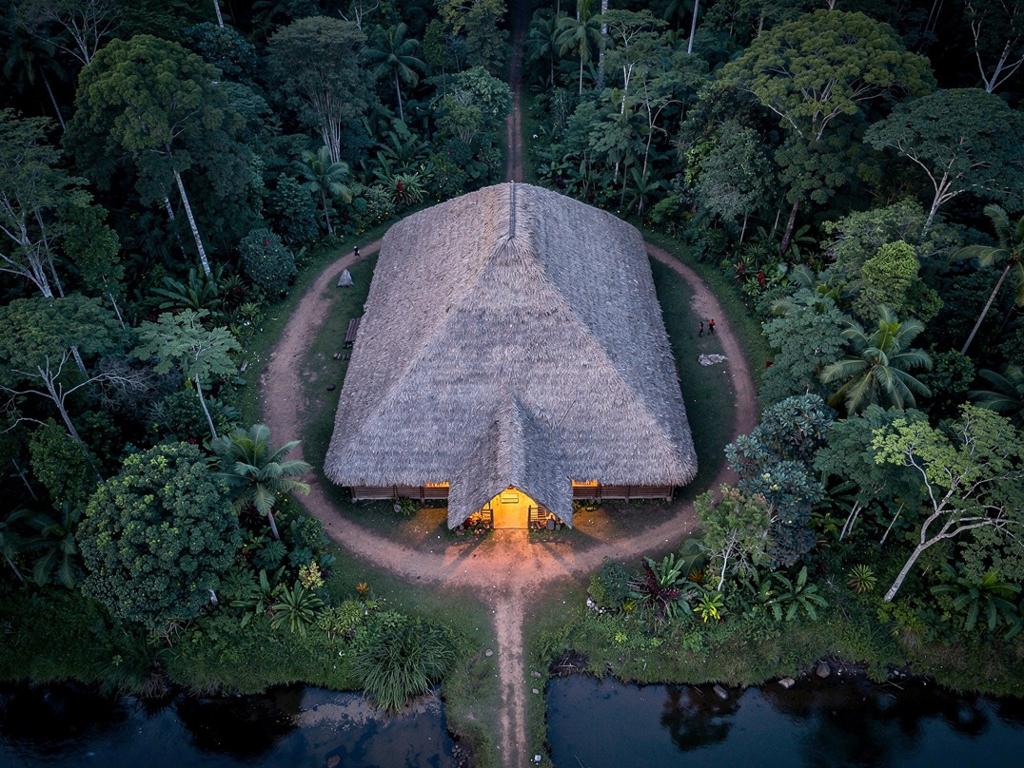
Nervous About Your First Ayahuasca Retreat? An Honest Guide
The week before my first ayahuasca ceremony, I couldn't sleep properly. I'd lie awake at 3 a.m. running through worst-case scenarios — what if I lost my mind, what if nothing happened, what if I embarrassed myself in front of twenty strangers by crying or throwing up or both. If any of this sounds familiar, welcome. You're in good company. Nervous is the default setting for anyone about to sit with plant medicine for the first time, and honestly, if you weren't a little scared I'd wonder whether you were taking it seriously enough. This post is for the person quietly researching an ayahuasca retreat at midnight, weighing whether to book, and quietly wondering whether they can handle it. I'll walk you through what actually tends to happen, what the good facilitators do to keep you safe, and how to prepare in a way that makes the whole experience less of a gamble and more of a considered decision. No hype, no promises of instant healing — just the stuff I wish someone had told me before I got on the plane. The people I've watched struggle most in ceremony aren't the anxious ones. They're the overconfident ones — the seasoned psychonauts who assume ayahuasca is just another substance to catalogue, or the wellness-tourist types treating it like a spa weekend with extra vibes. The vine tends to humble both. Nervousness, by contrast, usually means you understand this is serious, and that awareness works in your favor. Fear before a ceremony is not a red flag. It's a signal that some part of you knows you're about to do something meaningful. What matters is what you do with that fear. You can let it spiral into avoidance, or you can channel it into preparation — reading, talking to people who've done it, getting your questions answered honestly. The second option is what turns dread into readiness. One more reframe: ayahuasca has been sat with by Amazonian communities for a very long time. You're not the guinea pig. The forms and songs and structures around the ceremony exist precisely because generations of practitioners have refined how to hold people through hard experiences. A good retreat inherits that lineage. Your job is to find one that takes it seriously. This is the single most important decision you'll make, more than any breathing exercise or dietary prep. A bad retreat can turn a difficult experience into a traumatic one. A good one can hold you through something genuinely life-changing. So slow down here. Some things worth vetting before you send a deposit: Trust your gut on the phone or video call. If a facilitator makes you feel small, evasive, or dazzled, keep looking. The right one will feel grounded and unhurried, and will happily answer questions without turning the conversation into a pitch. Most retreats will send you a preparation protocol. Follow it. The dieta isn't superstition — parts of it are pharmacological safety, parts of it are about sensitizing your body and psyche to the medicine. The non-negotiable pharmacological piece: ayahuasca contains MAO inhibitors, and mixing MAOIs with certain foods and medications can range from unpleasant to genuinely dangerous. Aged cheeses, cured meats, fermented soy, and specifically SSRIs and other serotonergic drugs are the big ones to discuss with both the retreat and your doctor. Do not, under any circumstances, stop psychiatric medication on your own timeline without medical guidance. This is where people get hurt. A responsible retreat will work with you and, ideally, your prescriber to figure out a safe tapering plan — or will tell you honestly that they can't accept you right now. The traditional dieta adds layers: no salt, no sugar, no red meat, no alcohol, no pork, no recreational drugs, no sex, sometimes no caffeine, usually for a week or two before and after. Some people find these restrictions annoying. I found them useful — they created a threshold, a sense that I was already stepping out of ordinary life before I even boarded the plane. Treat the dieta as the beginning of the ceremony, not a hurdle before it. The specifics vary, but a typical night looks something like this. You arrive at the ceremony space in the late afternoon or early evening. You set up your mat, your bucket (yes, a bucket — more on that in a second), your water, a blanket. The facilitators open the space with prayers or songs. One by one, participants come forward and are served a cup of the brew. You drink. You return to your mat. You wait. The medicine usually takes 20 to 60 minutes to come on. Then the room shifts. The shaman begins singing icaros — the traditional songs that guide the ceremony — and what happens next is unique to you. Some people see intricate visual worlds. Some people don't see much at all and instead move through waves of emotion, memory, or bodily sensation. Some people vomit, sometimes a lot. This is called the purge, and in the tradition it's understood as part of the healing, not a side effect to be avoided. It rarely feels as bad as it sounds. Afterward there's often a startling clarity. The ceremony typically lasts four to six hours. You may lie down, sit up, cry, laugh, or simply stare at the ceiling. You may want to leave your body — you can't, so don't try. You may want it all to stop — it won't, so don't fight it. The most useful instruction I ever received was this: whatever comes, let it come, and whatever leaves, let it leave. Surrender is not passive. It's the active choice not to wrestle with what the medicine is showing you. Many first-timers arrive carrying something specific — an addiction they can't shake, a depression that hasn't lifted despite years of effort, a trauma that keeps rerunning. The research on psychedelics and mental health has grown substantially over the past few years, and ayahuasca specifically has drawn attention for its effects on depression and substance-use patterns. Studies out of Brazil and elsewhere have shown promising results, and clinicians increasingly treat plant medicine as a serious therapeutic tool rather than a fringe curiosity. That said — and this matters — ayahuasca is not a cure. It's a catalyst. What it seems to do well is dissolve, temporarily, the defenses that keep us cycling through the same behaviors and stories. In that opening, you can see things about yourself with unusual clarity. But the ceremony ends, and life resumes, and unless you do the work of integration, the insights fade. The people I've seen make lasting changes are the ones who treat the retreat as the start of a process, not the end of one. Therapy afterward, community, honest lifestyle changes, sometimes a return to sit again a year later — that's the actual arc of healing. Nobody warns you enough about the days after. You leave the jungle glowing, convinced everything has changed, and then two weeks back at your desk you wonder if any of it was real. This is normal. The medicine opens a door; walking through it is on you. Practical integration looks like: journaling within the first few days while impressions are fresh, working with an integration coach or therapist familiar with psychedelic experiences, protecting quiet time for at least a week after you return, being cautious with big life decisions in the first month (the impulse to quit your job and move to Peru is real and usually premature), and staying in touch with at least one person from the retreat who understands what you went through. Ayahuasca is not for everyone. If you have a personal or family history of psychosis or bipolar disorder, this is genuinely risky territory and most reputable retreats will decline you. If you're on SSRIs or MAOIs and can't safely taper, wait. If you're going because a podcast convinced you it would fix your life in a weekend, wait longer. The medicine rewards preparation and respect. It exposes shortcuts. And yet — if you've read this far, if the pull is real, if you've done the honest self-assessment and the answer keeps coming back yes, then trust that. Nervous is fine. Nervous is right. Book with your eyes open, prepare with care, and give yourself the best possible container for whatever this experience is going to be. If you want to keep exploring, a range of vetted ayahuasca retreats and ceremonies can be browsed on our marketplace here. Take your time with the decision — the vine, and the retreats, will still be there when you're ready.
Craving More Stories?
Join our ShopAyahuascaRetreats newsletter for the latest updates on thrilling
destinations and inspirational tales, delivered straight to your inbox!
We value your privacy. Your email address will never be shared or published.
Ayahuasca Integration: What Actually Helps After the Ceremony Ends
Here's something almost no one tells you before your first ayahuasca ceremony: the medicine is the easy part. You sit down, you drink, and something larger than you takes the wheel for a few hours. Whether that's terrifying or beautiful or both, it ends. You wake up the next morning, eat some plain rice, maybe cry a little, and by day three you're already trying to explain the unexplainable to yourself. Then you go home. And that's when the actual work of ayahuasca and psychedelic healing begins — the part called integration. Ask anyone who's been through several ceremonies which phase mattered most for lasting change, and they'll almost always say the same thing. Not the brew. Not the shaman's icaros. The months afterward, when nobody's watching. So what actually helps? I've spent years talking to people about this — first-timers who came back glowing and then crashed at week six, veterans on their eighth retreat, facilitators who watch this cycle play out with every group. Below is what tends to work, what tends to fail, and what to think about before you ever book a seat. Ayahuasca doesn't hand you a finished insight. It hands you raw material — memories you'd buried, patterns you'd normalized, feelings you'd numbed with whatever your particular flavor of numbing is. Alcohol, work, scrolling, food, the wrong relationships. The medicine surfaces this stuff. What you do with it is on you. The classical Amazonian framing calls ayahuasca a master plant, a teacher. But a teacher only helps if the student practices. Without integration, most people describe a fade — that vivid clarity from the maloca slowly dilutes back into old routines. Six months later they're wondering whether any of it was real. Usually it was real. What wasn't real was the assumption that the ceremony alone would rewire a life. Research on psychedelic-assisted therapy — the psilocybin trials at Johns Hopkins, the MDMA work through MAPS, the ibogaine studies for addiction recovery — all point the same direction. The substance opens a window. The therapeutic scaffolding around it decides whether anything permanent walks through. After hundreds of conversations, a handful of practices come up again and again. Not because they're glamorous. Because they work. The people who report the most durable change tend to do most of these, most of the time, for at least three months. Not perfectly. Just consistently. Longer than you want it to. The honeymoon window — that soft, open, everything-is-connected feeling — usually lasts two to six weeks. Then real life reasserts itself and you find out which insights were durable and which were state-dependent. Most facilitators I trust say the real integration arc runs somewhere between six months and two years per major ceremony cycle. That doesn't mean you're in crisis for two years. It means the changes keep unfolding, and old patterns keep testing you, for far longer than the tourism-brochure version of ayahuasca suggests. This is worth knowing before you book. If you're picturing a one-week retreat that solves your depression or your drinking, adjust the picture. Plant medicine can absolutely be part of addiction recovery and healing from trauma — the evidence is genuinely encouraging — but it works as a catalyst inside a longer process, not as a magic pill you swallow on a Tuesday. The failure patterns are almost as consistent as the success ones. Watch for these: If you're still in the research phase, this is one of the sharpest questions to ask a prospective center: what does your integration support look like after I leave? The answer tells you almost everything about how seriously they take their work. Red flag answers: silence, a vague mention of a WhatsApp group, or a hard upsell to their next retreat. Green flag answers: scheduled one-on-one integration calls in the weeks after, a facilitated online circle with other alumni, referrals to trained integration therapists in your region, written preparation and aftercare materials that treat you as an adult. Price is worth thinking about here too. A cheaper retreat with no aftercare can end up costing more in wasted experience than a pricier one with real follow-through. When people ask me how much an ayahuasca retreat should cost, I usually push them to look past the sticker price and ask what's actually included — ceremonies, meals, prep, integration, and how many participants per facilitator. A single shaman running fifteen people through four ceremonies with no follow-up is a very different product than six people, three ceremonies, and three months of integration calls. Not every ceremony delivers fireworks. Some of the most transformative ayahuasca experiences people describe are quiet — no visions, just a slow, weighty knowing. Some are hard in ways that only make sense in retrospect. Some feel like nothing happened until three weeks later when you notice you haven't wanted to drink, or you cried at something you'd have shrugged off before. If you're considering plant medicine for addiction, depression, or trauma that hasn't budged with conventional treatment — you're in serious company. The research on psilocybin for depression, ibogaine for opioid dependency, and ayahuasca for PTSD and treatment-resistant depression keeps getting stronger. But every serious researcher in this field will tell you: the medicine is one variable in an equation that also includes preparation, setting, facilitation, and — that word again — integration. Take the decision seriously. Talk to people who've done it. Read the honest accounts, not just the ecstatic ones. And if you decide to move forward, a range of vetted ayahuasca and plant-medicine retreats with integration support can be browsed on our marketplace here. Whatever you choose, give the after-work the same weight as the ceremony itself. That's where the life you're actually looking for gets built.
Where Does the Insight in an Ayahuasca Ceremony Actually Come From?
Ask anyone who's sat through a full ayahuasca ceremony and they'll tell you the same odd thing: the information doesn't feel like it comes from you. A memory surfaces you'd forgotten for thirty years. A voice — not quite a voice — tells you exactly why you keep picking the wrong partners. A geometry unfolds behind your eyelids and somehow, inside that geometry, is the answer to a question you never consciously asked. So where is all of this coming from? It's the question that keeps people up at night after their first ceremony, and honestly, it keeps facilitators, neuroscientists, and curanderos arguing too. There's no single tidy answer. But there are several serious ways to think about it, and most people who work with ayahuasca eventually hold two or three of them at once. Let's walk through them. The most conservative explanation is also, frankly, the most testable. DMT — the active molecule in ayahuasca, kept alive in your bloodstream by the MAO inhibitors in the caapi vine — dramatically changes how your brain talks to itself. Regions that normally don't communicate start firing together. The default mode network, which handles your sense of self and your ongoing internal narrative, goes quiet. When that narrator shuts up, other things get heard. Memories stored in the body. Emotional patterns you've been managing rather than examining. Associations your everyday thinking would normally suppress because they don't fit the story you tell about yourself. In this reading, ayahuasca isn't bringing information in from the outside — it's letting you access what was already there but locked behind a wall of habit. This explains a lot. It explains why so many insights, once you sit with them, feel obvious in retrospect. Of course you've been avoiding grief since your father died. Of course the drinking started around the divorce. The medicine didn't tell you something you couldn't have known. It just cleared the noise so you could hear it. Amazonian curanderos would find the neuroscience take partial and a little sad. In the traditions where ayahuasca originates, the brew isn't a chemical key that unlocks your own material. It's a doorway to relationships with intelligences that live in the plants themselves. These are what practitioners call master plants — plantas maestras. Ayahuasca is one, but so is tobacco (mapacho), chacruna, bobinsana, ajo sacho, and dozens of others. In this worldview, when you drink the medicine you enter into a conversation with the vine, and the vine has things to teach you that are not, in any straightforward sense, coming from your own memory or unconscious. Shamans train for decades — through isolated diets called dietas, learning to hear specific plants — precisely because the plants have distinct personalities and specialties. You don't have to accept the metaphysics wholesale to notice something interesting: people who have no exposure to Amazonian cosmology consistently report imagery, songs, and teachings that map onto tradition in ways they couldn't have known about. Serpents. Geometric patterns from Shipibo textiles. Icaros they've never heard. Draw whatever conclusion you like. It's a data point. Sitting somewhere between the two above is the Jungian reading, which a lot of Western therapists working with plant medicine find useful. In this view, the medicine amplifies material from your personal unconscious — the stuff you've repressed, forgotten, or refused to look at — and, at deeper doses, from something like a collective layer of symbol and myth. This is why people encounter archetypal figures. The wise old woman. The devouring mother. The wounded child that turns out to be a younger version of yourself. Some of what surfaces is autobiographical; some of it seems to belong to a larger inherited human pattern-library. The medicine, in this framing, doesn't invent the content. It gives you a night in which the usually-locked filing cabinet is open and the drawers are pulled out. Practically, this reading is useful because it tells you what to do afterward. Integration — working with a therapist, journaling, sitting quietly with what came up — matters because the material is yours. It's not a message beamed in from elsewhere that you either accept or reject. It's a conversation with parts of yourself that don't usually get a microphone. Then there's the reading a lot of people arrive at reluctantly, after enough ceremonies to have run out of tidier explanations. Something is coming through that doesn't feel personal, doesn't feel like a repressed memory, and doesn't feel like a metaphor. It feels like contact. Call it what you want — consciousness at large, the field, spirit, the intelligence behind the ecosystem. Researchers studying mystical experiences under psychedelics find that this quality of encounter — the sense that reality itself is aware and communicating — is one of the most consistent and most life-changing features of the experience, regardless of the participant's prior beliefs. Atheists report it. Devout Christians report it. Neuroscientists report it and then have long, awkward conversations with their colleagues about it. Is it real? That's a question the tools we have aren't equipped to settle. What is clear is that the experience of contact tends to leave permanent marks: shifts in values, drops in fear of death, a durable sense that the world is more meaningful than one thought. Here's the thing most people don't tell you before their first ceremony: you probably won't come out of it with a settled answer to any of this. If anything, you'll come out with better questions. That's fine. In fact, it's healthier than the alternative, which is to lock in on one explanation and use it to file the experience away. Some practical suggestions from people who've been at this a while: If you're weighing whether to book an ayahuasca retreat, this stuff isn't abstract. How a retreat center frames the source of the experience will shape everything about your stay — the ceremonies, the integration support, the way facilitators respond when you're mid-purge asking cosmic questions at three in the morning. A center working from a purely psychological frame will treat the medicine as a tool for accessing your unconscious, and integration will look a lot like therapy. A traditional Shipibo or Shuar-lineage center will treat it as a relationship with the plants, and you'll be sung to with icaros meant to guide specific spirits and energies. A hybrid center — which is most of what's available outside the Amazon — will do some blend. None of these is automatically right or wrong, but they suit different people. Someone with heavy trauma history and a skeptical mind may do better with a therapeutically-framed container. Someone who's read Eliade for years and feels called to the tradition may find a Western psychological frame flat. Ask before you book. What does this center believe is happening in ceremony? Who trained the facilitators, and in what lineage? How do they handle it when a participant has a genuinely destabilizing experience — the kind where the answer to "where did that come from?" isn't obvious? A good center will answer these questions directly and without mystical hand-waving. A center that gets defensive or vague is telling you something. For readers who want to take this further, a range of vetted ayahuasca retreats representing different traditions and framings can be browsed on our marketplace here. The question of where the information comes from may never fully resolve — but choosing the right container to explore it in is a question you can actually answer.
Supporting a Partner on a Master Plant Dieta: An Honest Guide
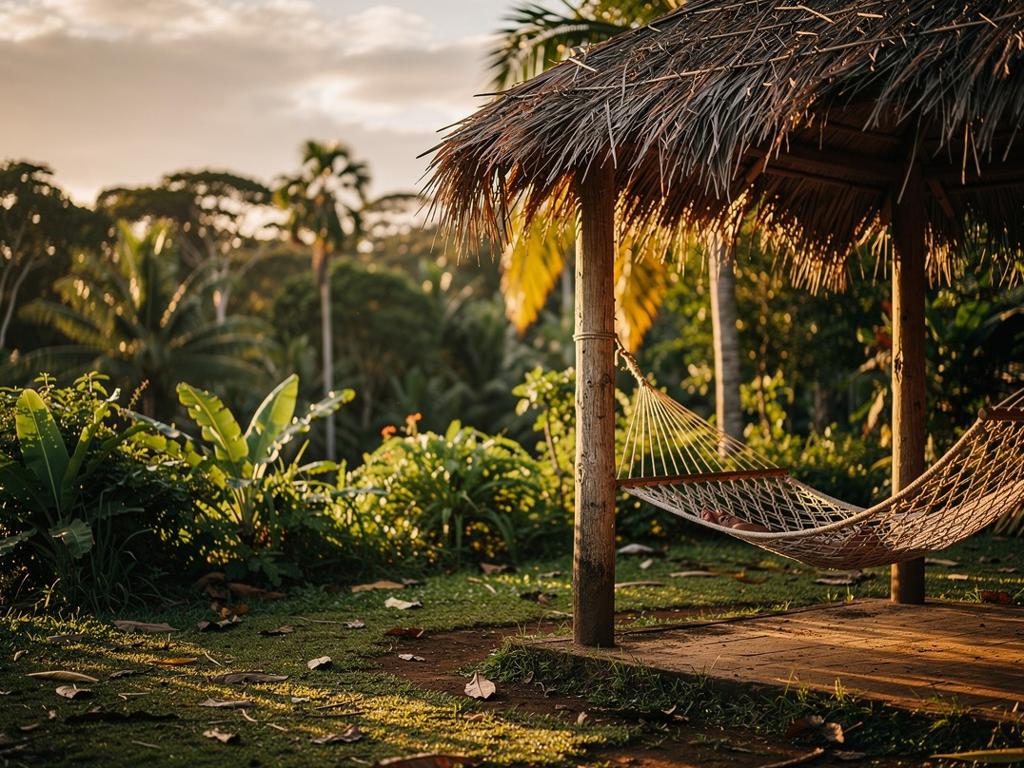
Your partner just told you they want to spend a month in the Amazon on something called a master plant dieta. Maybe they've done ayahuasca before. Maybe they haven't. Either way, you're now the person on the other end of spotty WhatsApp messages, trying to understand what they've signed up for and what your role is supposed to be. This piece is for you. I've sat with people going through dietas, interviewed facilitators who run them, and watched partners at home fumble through the same questions you're probably asking now. There's not much written for the person left holding down normal life while their loved one drinks bitter jungle tea in the dark. So let's talk about it plainly. A master plant dieta — or dieta maestra — is a traditional Amazonian practice where a person isolates with a specific teacher plant for a stretch of time, usually somewhere between one week and several months. Ayahuasca might or might not be part of it. The central relationship is between the person and one plant: bobinsana, ajo sacro, chiric sanango, noya rao, and dozens of others each work differently. The plant is understood by curanderos as a teacher with its own personality, its own lessons, and its own demands. The setup is unglamorous. Usually a small hut — a tambo — set apart from the main lodge. Meals arrive without salt, sugar, oil, or spice. No sex. No physical contact with anyone. No phones for long stretches, sometimes not at all. Reading and writing are often restricted too, because the point is to reduce input from the outside world so the plant can do its work. It sounds austere because it is. This is not a wellness holiday. It's an old, specific technology for reshaping a person, and the people who go through one tend to come home changed in ways that are hard to explain over dinner. People arrive at dietas for a lot of reasons. Some are healers or bodyworkers deepening their own capacity. Some are chasing something ayahuasca showed them once but didn't fully deliver. Many are quietly worn out by patterns they can't shake — addiction, depression, grief, relationship loops, a low-grade sense that something's wrong that no therapist has quite named. Your partner's reasons might be clear to you, or they might be private. Both are okay. What matters is that they've decided to go, and now you're deciding how to hold it. Worth knowing: plant-medicine work isn't a magic wand, and honest facilitators will say so. What a dieta tends to do is turn the volume up on whatever's already there — the good, the buried, the avoided. When your partner comes home, they might be softer. They might also be raw, quiet, weepy, or oddly certain about things they were fuzzy on before. All of that is normal. If your partner is dieting in the traditional Shipibo or Shuar style, their day is stripped down to almost nothing. Mornings are slow. They might drink the plant preparation once or twice a day, or sit in ceremonies with ayahuasca a few nights a week. Between those, mostly rest. A lot of hammock time. A lot of thinking. Some journaling if permitted. Long conversations with birds and insects that don't feel one-sided anymore. Food is bland by design — plantain, rice, small amounts of fish, sometimes just that for weeks. No salt is the one that surprises people. The physical simplicity is part of the practice; the body gets quiet so the plant's signal can be heard. Contact with the outside world varies wildly by center. Some allow a five-minute call once a week. Some allow nothing until the dieta closes. Some let partners write letters that get delivered but not answered. Ask specifically what your center's policy is before your partner leaves, so you're not staring at your phone wondering why it's been eleven days. Here's the honest part. Most of your job is to not add weight. Your partner is in a delicate internal state, and small things from the outside can land like boulders. That doesn't mean you go silent or pretend everything's fine — it means you get thoughtful about what you send into their world. Let's be real — this is hard on you too. You might feel abandoned, jealous, worried, or quietly resentful that they get a month of jungle silence while you're managing the household. All of that is legitimate. Say it out loud to a friend, a therapist, anyone who isn't your partner in a tambo. You might also feel a strange low-grade fear: what if they come back different in a way that doesn't include me? It's a fair question. Plant medicine sometimes clarifies things about relationships that were already unclear. More often, though, it tends to soften people toward the ones they love — not away. But the fear is worth sitting with rather than suppressing. Some partners find it helpful to do a little inner work themselves during this stretch. Not necessarily a psychedelic experience — just therapy, journaling, a meditation practice, a course of somatic work. The dieta becomes something you're both moving through, from different angles. The days and weeks after your partner comes home are where a lot of the actual change lands or slips away. They'll likely be quieter than usual. Loud restaurants might feel unbearable. Certain foods, alcohol, and screens might turn their stomach. Physical intimacy is often restricted for a period after the dieta closes — sometimes a month or more — because the traditional understanding is that the plant is still integrating in the body. Don't push them to explain. Ask open questions and let long silences sit. Some of what happened isn't verbal and never will be. If they want to talk, listen without trying to translate it into terms you're comfortable with. If they don't, that's also fine. Practical reintegration matters more than most people think. Gentle food, early bedtimes, time in nature, minimal alcohol for a good stretch. If they came home with insights about work, relationships, or how they want to live, encourage them to sit with those for a few weeks before acting. Post-retreat clarity is real, but it's also volatile — the decisions that stick are usually the ones made three months in, not three days. Not every center that offers dietas runs them well. Some warning signs are worth checking before your partner books: A good center will welcome your questions as a partner and give straight answers. People who commit to plant-medicine work — dietas, ceremonies, ongoing relationship with these traditions — often describe it as a slow rewiring rather than a single revelation. Your partner may come home with a piece of something they've been looking for. They may also come home with more questions than they left with. Both are signs the work is doing what it's supposed to do. Your role in all of this isn't small. Partners and families are often the ones who make sustained healing possible or impossible. Steady, patient, non-judgmental presence — the boring kind of love — is the thing that lets the medicine actually take root. If you're reading this because you're the one considering a dieta yourself, or because you want to understand the world your partner is walking into, a range of curated plant medicine retreats and traditional dieta programs can be browsed on our marketplace here. Take your time with the decision. This is old work, and it's worth doing carefully.
Visionary Art and Ayahuasca: Why the Vine Keeps Showing Up on Canvas
Sit in enough ayahuasca ceremonies and you start to notice something odd. The visions have a style. Geometric lattices that breathe. Serpents braided with jaguars. Faces built out of birds built out of eyes. Whole cosmologies rendered in colors that don't quite exist in daylight. And then you walk into a gallery in Cusco or Oaxaca and there it is — on canvas, on carved wood, on a tapestry someone stitched by hand over eleven months. The visionary art tradition isn't decoration. It's documentation. For anyone researching an ayahuasca retreat, this visual world matters more than it seems. The art is a window into what the medicine actually does to perception — and into the lineages that have been working with these plants for far longer than the current psychedelic renaissance has been paying attention. Visionary art is a loose category, and honestly, that's part of its charm. At its core, it's artwork produced either during, immediately after, or in deep dialogue with altered states of consciousness — usually catalyzed by plant medicines like ayahuasca, San Pedro, psilocybin, or peyote. The artist isn't inventing so much as transcribing. That's the claim, anyway, and if you've had a strong ceremony you probably won't argue with it. The genre spans continents. In the Peruvian Amazon, Shipibo-Conibo women have been embroidering the geometric patterns they see in ayahuasca visions into cloth for generations — patterns that also correspond to the icaros, the medicine songs sung by curanderos during ceremony. The visual and the sonic are the same thing in Shipibo cosmology, just rendered in different senses. That idea alone is worth sitting with for a while. Further north, in Mexico, the alebrije tradition takes a different shape. These wildly colored, hybrid-creature sculptures — a rabbit with dragon wings, a bull with fish scales — trace back to Pedro Linares, a Mexico City artisan who fell ill in 1936 and reported feverish visions of impossible animals shouting a single nonsense word: alebrijes. He carved what he'd seen. His descendants and the Oaxacan wood-carving communities turned it into a movement. Whether Linares was in a proper visionary state or just fever-dreaming, the aesthetic overlap with plant-medicine imagery is unmistakable. Here's the part that gets genuinely interesting. If you talk to fifty people who have drunk ayahuasca — from a first-time journalist in Iquitos to a fourth-generation Shipibo maestro — a surprising number will describe similar visual motifs. Snakes. Interlocking geometry. Fractal foliage. Female figures often described as the spirit of the vine herself. Eyes within eyes. There are a few explanations circulating, none of them complete. Neuroscience points to how DMT-containing brews may activate visual cortex regions in patterned ways, producing what researchers call form constants — those honeycomb, spiral, and web-like structures that show up across cultures and substances. Anthropologists lean toward a cultural-transmission argument: you see snakes partly because the culture around ceremony expects snakes. Curanderos themselves would tell you the plants have their own consciousness and they show what they want to show. Probably it's all three, layered. What matters for someone considering a retreat is that these visions aren't random noise. They arrive with structure, and traditions have grown up around interpreting that structure. The art is one of those interpretive tools. If you're planning an ayahuasca retreat, spending an hour with the work of a few visionary artists is genuinely useful preparation. Not because it will predict your experience — it won't — but because it gives you a visual vocabulary for what might otherwise feel unspeakable afterward. Integration is the unglamorous half of psychedelic work — the weeks and months after ceremony when you're trying to figure out what any of it meant and how to live differently because of it. Most retreat centers now offer some form of integration support, though the quality varies wildly. Art-making is one of the more underrated tools in that toolkit. You don't need to be a trained artist. The point isn't producing something gallery-worthy — it's giving nonverbal experience a nonverbal exit route. Drawing what you saw, painting what you felt, even just doodling the geometric patterns that lingered behind your eyelids for days after ceremony: all of it helps translate an experience that language keeps failing to capture. Many facilitators I've spoken with say the people who integrate best are the ones who find some creative practice — writing, painting, movement, music — to keep processing after the retreat ends. Plenty of retreats now bake this into the schedule. You'll find centers in Peru, Costa Rica, and Mexico offering afternoon painting workshops between ceremony nights, sometimes led by working visionary artists. Whether that adds real value or just makes for a nicer Instagram post depends on the center and the facilitator. Ask before you book. The visionary-art aesthetic has become a marketing shorthand for psychedelic tourism, and not all of it is honest. A jungle retreat with a website full of glowing serpent graphics and mandala overlays might be run by third-generation Shipibo healers — or by a couple of expats who arrived in Peru eighteen months ago. The graphics don't tell you which. Some rough tells when you're evaluating a retreat: The visions fade faster than you'd expect. Two weeks after a strong ceremony you can already feel the details slipping — the exact color of the serpent, the specific geometry of that lattice that felt so obviously meaningful at 3 a.m. This is one reason the art tradition exists. Somebody, somewhere along the line, realized that if the vine keeps showing people similar things, those things are worth recording. You don't have to become an artist to honor that. But keeping a sketchbook by the bed during and after a retreat, learning the names of a few visionary painters before you travel, sitting with a Shipibo textile long enough to notice the pattern moves — these are small acts that thicken the experience. They connect you to a lineage of people who have been doing this work for a very long time, quietly, without much fanfare, and mostly without needing anyone from outside to validate it. If any of this resonates and you're weighing whether to sit with the medicine yourself, a curated selection of ayahuasca retreats — including centers with strong ties to Shipibo and other traditional lineages — can be browsed on our marketplace here. Take your time with the decision. The vine, as everyone who has met her will tell you, isn't going anywhere.
Choosing an Ayahuasca Retreat: 9 Red Flags Every First-Timer Should Watch For
Picking an ayahuasca retreat is one of the strangest consumer decisions you will ever make. You're not booking a hotel. You're not comparing spa menus. You're choosing which strangers get to sit with you at three in the morning while you sob, laugh, purge, and possibly meet something that feels older than language. And the industry knows most people googling ayahuasca retreat at midnight have no framework for telling a legitimate center from a well-branded disaster. I've sat in ceremony on three continents, interviewed dozens of facilitators, and watched friends come back from retreats either quietly rearranged in beautiful ways — or wrecked in ways that took years to untangle. The difference almost always came down to who was running the show and how honestly they ran it. What follows is the checklist I wish someone had handed me before I booked my first plant medicine retreat. Before you obsess over jungle photos and Instagram testimonials, get honest about what you're bringing to the ceremony. Ayahuasca isn't a vacation. It isn't a bucket-list item. It's a serious intervention, and the reason you're seeking it out shapes which kind of retreat you actually need. Someone processing addiction needs a very different container than someone with a stable life who's curious about consciousness. Master plants — ayahuasca, San Pedro, iboga, tobacco in the Amazonian sense — are traditionally used as teachers, not tourist attractions. If your reasons feel muddled, that's fine, but the facilitators you're considering should be capable of hearing your muddle without either dismissing it or dramatizing it. If your first email exchange feels like a sales funnel, that's data. Pay attention. A trustworthy retreat tells you exactly who's pouring the medicine, where they trained, how long they've been serving ayahuasca, and who their teachers were. If the website features shadowy references to “our lineage of shamans” without naming a single human being, keep clicking. Real curanderos and neo-shamanic facilitators have names, histories, and communities that vouch for them. Ask directly: how many years has the lead facilitator apprenticed? Who trained them? Are they part of a recognized tradition — Shipibo, Shuar, Santo Daime, União do Vegetal — or a syncretic modern practice? None of these answers is inherently right or wrong, but the willingness to answer clearly is the tell. Evasion at this stage predicts evasion when something goes sideways in ceremony. Here's the uncomfortable truth: ayahuasca is contraindicated with a long list of medications and conditions. SSRIs, SNRIs, MAOIs, lithium, tramadol, certain heart medications, personal or family history of psychosis or bipolar I — these aren't small print. Mixing ayahuasca with the wrong pharmaceutical can trigger serotonin syndrome, which can kill you. A history of psychotic breaks in the family isn't a mood-killer to disclose; it's the kind of thing that determines whether you should be in that maloca at all. A reputable retreat will send you a detailed medical and psychological intake form and actually read it. They'll ask follow-up questions. They may schedule a call. If a center takes your deposit without asking a single question about your mental health history or your medications, run. That's not a retreat. That's a liability nightmare with candles. Some famous centers run ceremonies with forty, fifty, sometimes seventy people in a single maloca. Economically, it makes sense. Experientially, it can be a disaster. When you're deep in the medicine and need someone to physically hold space near you, the ratio of facilitators to participants matters enormously. A healthy ratio is roughly one experienced facilitator per five to eight participants, plus support staff. Ask outright how many people will be in your ceremony and how many facilitators will be actively present — not just “on call” in another building. If the answer is “oh, don't worry, it flows,” that's not an answer. That's a shrug. The ceremony is maybe twenty percent of the work. The other eighty percent is what happens after. Integration — the slow process of translating psychedelic insight into changed behavior — is where most of the actual healing lives. Retreats that hand you an intense experience and then wave goodbye at the airport are selling you the fireworks and skipping the construction. Look for centers that offer: Serious ayahuasca work will surface material that needs skilled processing. If the center's plan for that is “you'll be fine,” they're not equipped for what they're selling. Traditional ayahuasca work involves a preparatory dieta — usually two weeks or more of restricted food, no alcohol, no recreational drugs, no sex, minimal salt and sugar, and often specific foods to avoid because they interact with the MAOIs in the brew. A retreat that tells you “just avoid pork the day before, you'll be great” either doesn't understand the pharmacology or is cutting corners to attract customers who don't want to prepare. The dieta isn't a purity test. It's partly pharmacological safety (tyramine interactions can spike blood pressure dangerously) and partly a way of arriving at ceremony with a nervous system that isn't already jangled by wine, weed, and Uber Eats. Centers that take dieta seriously are usually the ones that take everything else seriously too. Cheap retreats are cheap for a reason. Sometimes the reason is admirable — a small local center keeping prices low so their own community can attend. Often the reason is corners cut on safety, screening, or facilitator training. On the other end, wildly expensive retreats are not automatically better; luxury and lineage are different things. I've seen five-thousand-dollar-a-week centers with beautiful thread counts and questionable shamans, and modest six-hundred-dollar retreats in Peru run by families who've held the practice for generations. A rough current range: legitimate ayahuasca retreats run from roughly $1,200 to $4,500 for a week, depending on country, accommodation, and reputation. Ibogaine work — because of the medical infrastructure required — is typically more, often $6,000 to $10,000 for a supervised addiction program. If a price is dramatically below or above that range, ask why. Any center that guarantees you'll heal your depression, cure your addiction, meet your spirit animal, or receive specific downloads is either naive or dishonest. Ayahuasca is remarkably useful for some people with some conditions in some circumstances. It also gives many participants difficult, confusing, or apparently uneventful ceremonies. Honest facilitators tell you this. Marketing-driven ones don't. Psychedelic healing is real, but it doesn't run on a subscription model. Watch out for language borrowed from the self-help industry — “breakthrough,” “transformation,” “unlocking your potential.” Watch even harder for anyone claiming ayahuasca can cure serious mental illness. Those claims aren't just wrong; they're the kind of thing that gets vulnerable people hurt. This is the one nobody wants to talk about, and it's the one that matters most. Ask the retreat, in writing, what their policies are around physical touch during ceremony. Ask about their protocol if a participant becomes agitated, dissociated, or in crisis. Ask what happens if a facilitator behaves inappropriately — is there a reporting mechanism? Ask if they have a female facilitator present when women are in ceremony. There are documented cases of assault at ayahuasca retreats. Not most of them, not even close to most of them — but enough that any responsible center has thought this through and can articulate their answer without getting defensive. If your question makes them prickly, that's your answer. A good facilitator will want to know what your life looks like when you get home. Do you have a therapist? A supportive partner? A stable job? Or are you flying back to a chaotic living situation, unemployment, and nobody to talk to about what just happened? This isn't nosy. It's responsible. Because the vulnerable window after ceremony is real, and centers that don't plan for it are gambling with people who are already fragile. Once you've narrowed your list, do this before booking: All the checklists in the world can't replace the feeling in your gut when you're on a video call with a facilitator. If something feels off — a slickness, a defensiveness, a strange grandiosity — trust that. The plants have a way of amplifying whatever container they're poured into. A center run by humble, careful people tends to produce careful ceremonies. A center run by self-appointed gurus tends to produce experiences shaped by that ego, whether you signed up for it or not. Take your time. Talk to more than one center. Ask uncomfortable questions and see how they land. The retreat that gets defensive when you push a little is the retreat that will handle your dark night poorly. The one that welcomes your scrutiny, that answers plainly, that seems almost relieved you're being thorough — that's usually the one worth considering. If you'd like to compare vetted ayahuasca and plant medicine retreats side by side, a curated selection can be browsed on our marketplace here.
Dreaming of a Psychedelic Retreat?
We have the best deals and offers from thousands of organizers all over the world! Get them into your mailbox every week!
We value your privacy. Your email address will never be shared or published.
