 English
 Deutsch
 Français
 Nederlands
 Español
SHOP AYAHUASCA RETREATS BLOG
Ayahuasca Retreats: An Honest Guide for Anyone Weighing the Decision

Finn Ashton
August 6, 2026
Your ultimate guide to discover transforming ayahuasca and psychedelic experiences. Dive into serene destinations and elevate your consciousness to unparalled heights.
Discover Ayahuasca & Psychedelic Retreats NowSearch for ayahuasca & psychedelic retreats
Discover retreats, trainings, and holidays from all over the world
Somebody you trust mentioned ayahuasca. Or you read a piece about a veteran whose PTSD lifted after a week in the jungle. Or you've tried therapy, tried meditation, tried the gym, and something is still stuck. Now you're on your phone at eleven at night reading about ceremonies in Peru, and you have questions nobody in your day-to-day life can really answer.
This is for you. Not a pitch, not a warning label — just what someone who has spent years around this world would tell you if you asked over coffee. We'll cover what an ayahuasca retreat actually looks like, how psychedelics and master plants are being used for addiction and depression, what the risks really are, and how to pick a place that won't cause more harm than healing.
What Actually Happens at an Ayahuasca Retreat
An ayahuasca ceremony usually starts at dusk. You sit on a mattress in a round wooden structure — a maloca — with maybe ten to twenty other people. A curandero or facilitator serves each person a small cup of brown, bitter liquid. Then the candles go out. Someone starts singing icaros, the medicine songs that guide the ceremony. And you wait.
The come-up takes forty minutes, sometimes an hour. What follows varies wildly. Some people cry for four hours straight and later say it was the most important night of their life. Some people vomit into a bucket (this is called the purge, and facilitators consider it part of the work). Some see geometric patterns; some see nothing visual at all and instead experience a kind of ruthless emotional review of every relationship they've ever had. The ceremony lasts four to six hours. Then you sleep, or try to.
A full ayahuasca retreat typically runs seven to ten days and includes three or four ceremonies. Between ceremonies you rest, eat plainly, walk, and — if the place is any good — talk with facilitators about what came up. That last part matters more than most first-timers expect.
Are Psychedelics Really Helping With Addiction?
Short answer: the evidence is getting harder to ignore. Longer answer: it depends on the substance, the setting, and what happens after.
Ibogaine, an alkaloid from the West African iboga root, has the most striking track record with opioid addiction. Clinics in Mexico and Costa Rica report that a single treatment can eliminate withdrawal symptoms and interrupt cravings in ways methadone and buprenorphine don't. It's not a cure — people still need to rebuild their lives afterward — but it can crack open a door that seemed welded shut. Ibogaine also carries genuine cardiac risk and requires medical screening; do not treat it casually.
Ayahuasca has been studied more for depression, PTSD, and what researchers vaguely call “existential distress” than for addiction specifically, but the crossover is real. People who drink ayahuasca often describe a sudden clarity about why they've been drinking, using, or numbing. Not new information, exactly — more like finally being unable to look away from what they already knew.
Psilocybin trials at Johns Hopkins and NYU have shown durable reductions in alcohol use disorder and tobacco dependence after just two or three guided sessions. San Pedro (huachuma), the tall Andean cactus that contains mescaline, tends to work more gently — long, warm, heart-opening days rather than confrontational nights — and has a quieter but loyal following among people in recovery.
What Are Master Plants, and Why Do Facilitators Talk About Them So Much?
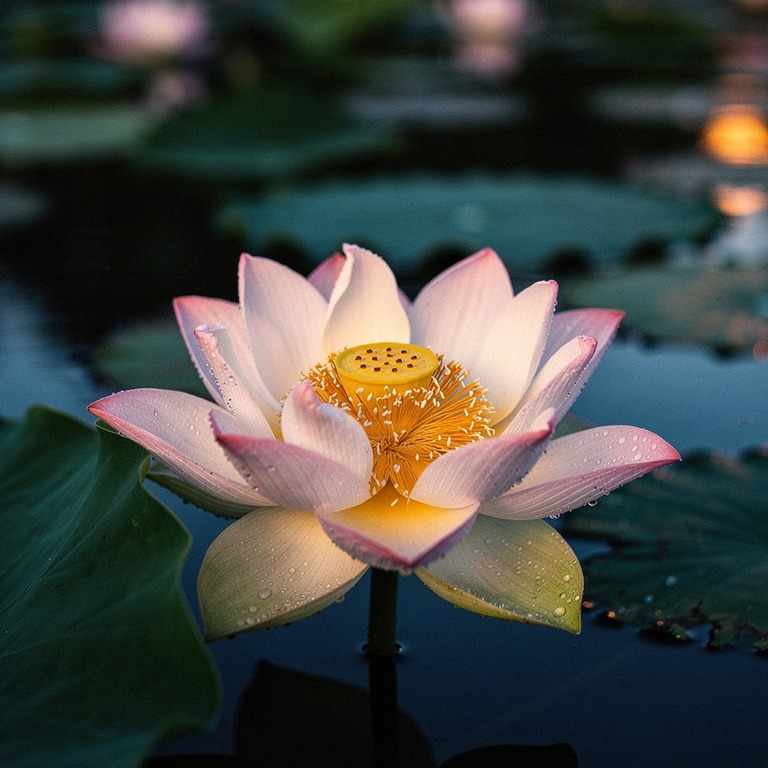
In the Amazonian tradition, ayahuasca is one plant among many. The broader category — master plants, or plantas maestras — includes tobacco (mapacho, not the commercial kind), chacruna, chiric sanango, bobinsana, ajo sacha, and dozens of others. Each one is understood to have its own teaching, its own personality, its own way of working on a person.
You don't need to buy the animist worldview to notice something practical here. Traditional curanderos treat these plants as specific tools for specific problems. Someone stuck in grief might be given bobinsana. Someone with weak boundaries and porous energy might sit with chiric sanango. It's the opposite of the one-pill-fits-all model, and it's part of why serious retreats spend time on your intake before you ever drink medicine.
How Much Does an Ayahuasca Retreat Cost?
Real numbers, since this is what people actually want to know:
- Peru, Iquitos region: roughly $1,200 to $3,500 for a seven-to-ten-day retreat, all inclusive of lodging and food but not airfare.
- Costa Rica: generally $2,500 to $5,000 for a similar length. More polished infrastructure, English-fluent staff, higher price.
- Ecuador and Colombia: often cheaper than Peru but with less established retreat infrastructure for foreigners.
- Ibogaine clinics (Mexico, Costa Rica): $6,000 to $12,000+ for medically supervised treatment, which is expensive but reflects the cardiac monitoring and staffing involved.
If you see a retreat significantly cheaper than the low end of these ranges, ask why. Sometimes it's a legitimate small operation. Sometimes it's someone renting a house and calling themselves a shaman. And if you see a retreat significantly more expensive without a clear reason (medical staff, private accommodations, extended integration), you may be paying for marketing.
Red Flags When Choosing a Retreat
The plant medicine space is unregulated in most countries. That means the best and worst places on earth can have equally polished websites. Some things to watch for:
- No intake process. A reputable retreat will ask about your medications (SSRIs and MAOIs are dangerous with ayahuasca), your mental health history, your intention. If they take your deposit without asking anything, walk away.
- A single charismatic leader with no oversight. Cult dynamics are real in this world. If everything revolves around one person and questioning them feels forbidden, that's the signal.
- Mixed-gender sleeping arrangements with the shaman. There is a long, ugly history of sexual abuse by facilitators in ceremony settings. Any hint of this — leave.
- No integration support. If the plan is you drink, you fly home, and that's it, you're being sold half a product. Integration — the weeks and months of processing afterward — is where the actual change happens or fails to.
- Guarantees of healing. Nobody honest promises outcomes. The medicine does what it does; some people have breakthroughs, some have hard nights that take a year to make sense of.
Before You Book: A Few Honest Questions
Ask yourself these, and answer them for real:
Why now? If you're running toward something (curiosity, growth, a stuck pattern you've named clearly), that tends to go better than running away from something (an active crisis, a fresh breakup, suicidal ideation). Ayahuasca is not an emergency treatment. If you're in acute crisis, get stabilized first, then consider plant medicine later.
Can you actually take two weeks off afterward? The retreat is one week. The integration is longer. Coming home Sunday night and being in a Monday morning meeting is a recipe for wasting the whole experience.
Do you have someone to talk to? A therapist familiar with psychedelic integration, a support group, a trusted friend who won't panic when you describe what you saw. If you have none of these, build that first.
What to Expect After You Come Home
The first week back is often strange. Colors feel a little different. Ordinary conversations feel louder or more transparent than they used to. Some people cry easily for a while. Some feel a calm they haven't had in years and worry it will fade — sometimes it does, sometimes it doesn't, and how you spend the next few months matters a lot.
Insights from ceremony can be surprisingly practical: quit the job, leave the relationship, call your father, stop drinking. The temptation is to act on everything immediately. Most experienced facilitators will tell you to wait at least a month before major decisions. The signal is usually right; the timing your ego picks is usually wrong.
For readers who want to take this further, a curated range of ayahuasca and plant-medicine retreats — vetted for the kind of intake, safety, and integration standards described above — can be browsed on our marketplace here. Whatever you decide, decide slowly. The medicine will still be there next season.

Craving More Stories?
Join our ShopAyahuascaRetreats newsletter for the latest updates on thrilling
destinations and inspirational tales, delivered straight to your inbox!
We value your privacy. Your email address will never be shared or published.