 English
 Deutsch
 Français
 Nederlands
 Español
SHOP AYAHUASCA RETREATS BLOG
Plant Spirits, Amazonian Myth, and the Tourist Gaze on Ayahuasca

Lila Novak
August 10, 2026
Your ultimate guide to discover transforming ayahuasca and psychedelic experiences. Dive into serene destinations and elevate your consciousness to unparalled heights.
Discover Ayahuasca & Psychedelic Retreats NowSearch for ayahuasca & psychedelic retreats
Discover retreats, trainings, and holidays from all over the world
Somewhere on a wooden bench in Iquitos, a Belgian software engineer is telling me the vine spoke to him. Not metaphorically. Literally. A green woman, he says, with a serpent's body, who told him to leave his job and start a permaculture farm. He's radiant. He's also, I notice, describing an entity that looks suspiciously like the cover art of the retreat centre's brochure.
This is where things get complicated. Ayahuasca is real medicine, and the people who work with it in the Amazon are real practitioners with real lineage. But the story most Western retreat-goers carry into ceremony — the one about plant spirits, master plants, and a benevolent Mother Ayahuasca offering personalised life advice — is a hybrid. Part indigenous cosmology, part 20th-century mestizo synthesis, part Avatar. And if you're weighing whether to book a psychedelic retreat, it's worth understanding which parts are which.
The vine has a longer story than the story we tell about it
Ayahuasca — the brew, not just the vine — is a combination of Banisteriopsis caapi and, usually, the DMT-containing leaves of Psychotria viridis or a close cousin. The pharmacology is well understood at this point. The anthropology is messier. Different peoples across the upper Amazon have used caapi preparations for different purposes for centuries: diagnosis, hunting magic, warfare, conflict resolution, contact with ancestors. The idea that ayahuasca is fundamentally a healing sacrament aimed at personal growth is a much more recent frame.
Much of what English-speaking retreat-goers understand as "traditional" ayahuasca practice actually comes from mestizo vegetalismo — a syncretic tradition that developed in the Peruvian Amazon over the last century or so, blending indigenous plant knowledge with Catholic imagery, Andean spiritualism, and later, the expectations of foreign visitors. This isn't a criticism. Traditions evolve. But calling it "ancient" flattens something more interesting into a marketing line.
Then there are the master plants — plantas maestras — which is where the philosophy gets really specific and really beautiful. In this worldview, plants aren't inert biochemistry. They're teachers. You diet them: eat sparingly, isolate yourself, drink a preparation of one plant for weeks, and pay attention to what shows up in dreams. Ayahuasca is one master plant among many. Bobinsana, chiric sanango, ajo sacha, noya rao — each has a personality, or so the tradition holds, and each teaches something different.
What do practitioners actually mean by plant spirits?
Here's where the tourist gaze warps things. A curandero in Tarapoto is not usually telling you that the vine is a discarnate entity floating in a spirit dimension who wants to give you a therapy session. That's a Western overlay — half New Age, half Hollywood. The traditional framing is subtler and, honestly, harder to translate.
Depending on who you ask and where they trained, the "spirit" of a plant might mean something closer to: its accumulated behaviour when ingested, the pattern of thoughts and dreams and songs it reliably produces, the way it teaches through repetition and diet. Some practitioners speak of it in frankly animist terms. Others describe it more as a technique of attention — a way of relating to a plant such that what it has to teach becomes legible. The difference matters, because one of these framings makes retreat marketing very easy and the other one makes it almost impossible to sell in a weekend.
What gets exported to the retreat brochure is usually the loudest, most cinematic version. Mother Ayahuasca. Personal downloads. Ancestral wisdom in HD. This isn't a lie, exactly — plenty of people do have exactly these experiences — but it's a filtered version of a much stranger, older, more locally-rooted set of practices.
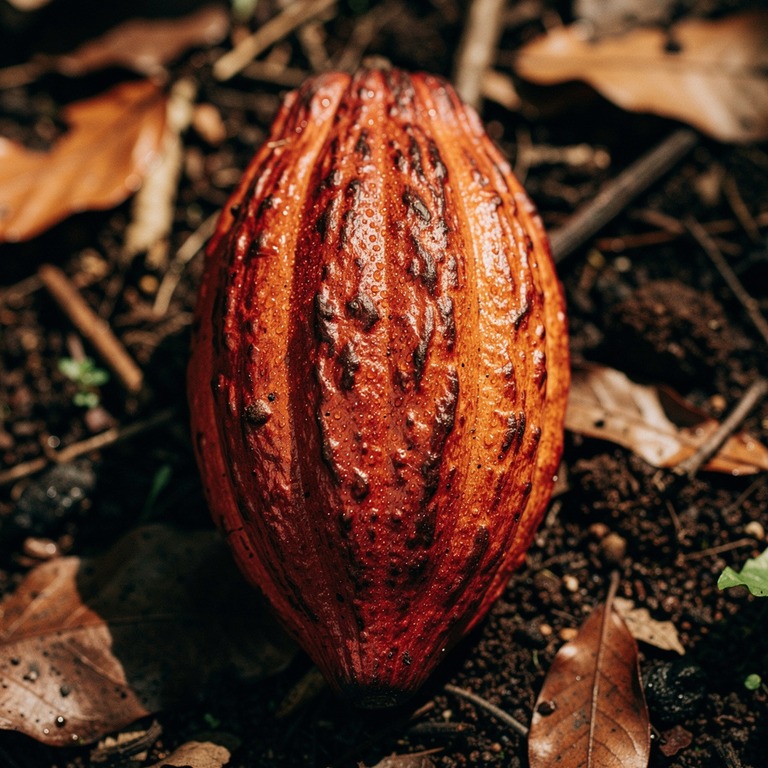
Amazonianism: the fantasy Amazon we carry with us
There's a term some anthropologists use for the Western romance with the rainforest and its peoples: Amazonianism. It's the Amazonian cousin of Orientalism — a set of assumptions that says the jungle is pure, indigenous people are wiser than us, plant medicine is untouched by modernity, and if we can just get close enough to the source, we'll be healed.
The problems with this frame are pretty obvious once you look:
- Indigenous Amazonian communities are diverse, contemporary, and political. They have phones, football teams, and internal disagreements about ayahuasca tourism.
- Many of the "shamans" foreign tourists meet on retreats are mestizo curanderos, not indigenous. This isn't disqualifying — vegetalismo has its own real depth — but the branding often blurs the distinction on purpose.
- The retreat economy has, in places, distorted local practice: shorter apprenticeships, more theatrical ceremonies, and a subtle pressure to deliver the kind of experience Westerners came to buy.
- The "pure" ayahuasca a foreigner drinks at a retreat centre is often prepared using recipes and imagery shaped by decades of contact with foreigners. There is no clean origin to return to.
None of this means retreats are bad or that plant medicine doesn't work. It means the story around the medicine has been shaped by the people who came looking for it, and if you're one of those people (and if you're reading this, you probably are), it's worth noticing the frame you're bringing.
How this shows up in ceremony
You drink the brew. Two hours later, you're seeing geometric patterns and feeling nauseated, and somewhere in there a green woman with a snake's body appears and tells you to quit your job. What just happened?
A few honest possibilities, held simultaneously:
- You met a real intelligence — call it a plant spirit, call it the collective unconscious, call it whatever framework helps you take the message seriously.
- Your mind, under the influence of a powerful serotonergic compound, generated content shaped by what you'd read, heard, seen on Instagram, and been told by the facilitator during the opening talk.
- Both of the above, in a way that doesn't resolve neatly and probably shouldn't be forced to.
The mistake — and this is where the tourist gaze does real damage — is to treat option one as the only respectable interpretation, and then to take the content of the vision as instruction. Ayahuasca is famously suggestible. If you go in expecting Mother Ayahuasca, you'll likely meet her. If you go in with a Buddhist frame, you'll get emptiness and impermanence. If you go in traumatised and unprepared, you'll get something else again. The medicine reliably amplifies whatever's already in you and around you, including the retreat centre's own iconography.
Experienced facilitators know this. The good ones will tell you: don't take the vision literally. Sit with it. See what's still true in three months. Beware of the download that tells you to make immediate, dramatic life changes — that's almost always the medicine plus your own longing plus the retreat's atmosphere, not a message from the beyond.
What this means for choosing a retreat
If you're actually shopping for a place to sit with the vine, some of this is practical. A retreat that leans hard on Mother Ayahuasca marketing, that promises specific outcomes, that talks about downloads and messages and life transformations without also talking about integration, aftercare, and the real risk of destabilisation — that retreat has usually absorbed too much of the tourist story and not enough of the tradition it claims to represent.
Things I'd actually pay attention to:
- The facilitator's lineage and length of training. Vegetalismo apprenticeships are traditionally long — years of dietas, not a weekend certification.
- Screening. A place that takes your medical and psychiatric history seriously (SSRIs, bipolar disorder, cardiac issues, past psychosis) is a place that takes you seriously.
- What they say about integration. A retreat that ends when you get on the plane is only half a retreat. Ask what support looks like at week two, when the glow fades.
- How they talk about the medicine. If everything is love and light and downloads, be cautious. Real practitioners talk about the hard nights too.
- Their relationship to the local community. Where does the money go? Who owns the land? Are indigenous or mestizo practitioners partners, or props?
The best retreats I've encountered hold the paradox honestly: the medicine works, the tradition is real, and the story most foreigners carry into ceremony is partly a projection. You can be reverent and skeptical at the same time. In fact, you probably should be.
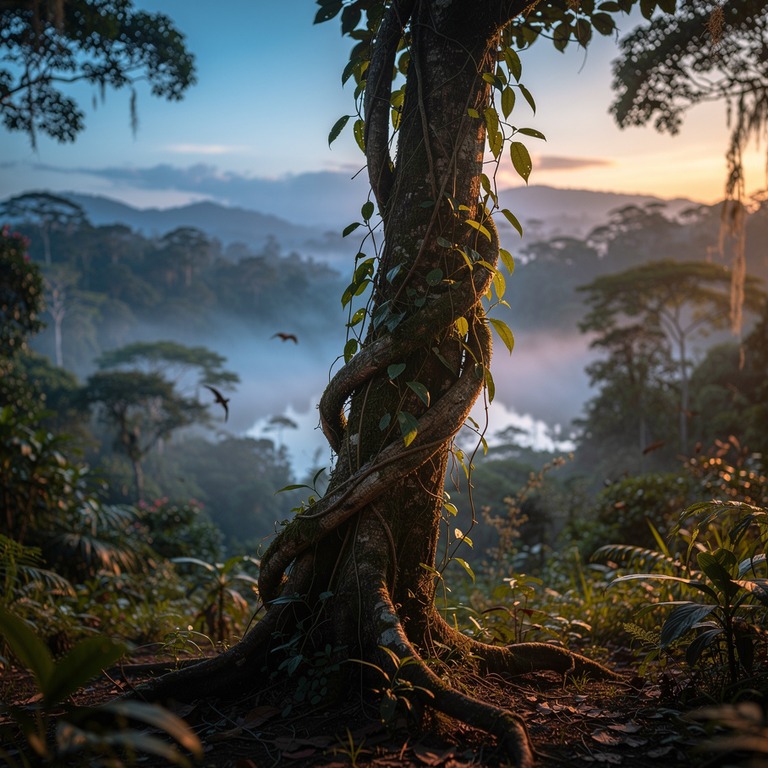
Holding two things at once
Here's what I've come to, after enough ceremonies and enough conversations with people who spent decades in this world: the plants do something. Something specific, something that shows up across cultures and centuries, something that plausibly deserves the language of intelligence even if you can't quite say what kind. And also: much of what Western retreat-goers experience as "the spirit of ayahuasca" is co-authored by the retreat industry, the anthropology books they read on the flight in, and the very human wish to be told by something larger than us that we matter.
Both can be true. The medicine is real; the marketing is also real. The healing is real; the projection is also real. Sitting with that ambiguity, rather than resolving it in favour of either total belief or total dismissal, is probably closer to what the tradition actually asks of you than any of the Instagram versions suggest.
If any of this resonates and you want to explore further, curated ayahuasca and plant-medicine retreats can be browsed on our marketplace here. Take your time. The vine, if it's really a teacher, isn't going anywhere.


Craving More Stories?
Join our ShopAyahuascaRetreats newsletter for the latest updates on thrilling
destinations and inspirational tales, delivered straight to your inbox!
We value your privacy. Your email address will never be shared or published.