 English
 Deutsch
 Français
 Nederlands
 Español
SHOP AYAHUASCA RETREATS BLOG
Choosing an Ayahuasca Retreat in Peru: An Honest Field Guide
Luca Reeves
August 2, 2026
Your ultimate guide to discover transforming ayahuasca and psychedelic experiences. Dive into serene destinations and elevate your consciousness to unparalled heights.
Discover Ayahuasca & Psychedelic Retreats NowSearch for ayahuasca & psychedelic retreats
Discover retreats, trainings, and holidays from all over the world
Somebody asks me at least twice a month where they should drink ayahuasca in Peru. It's usually a friend of a friend, sometimes a stranger who tracked me down after reading something I wrote, and the message almost always has the same shape — a paragraph about what they're going through, then a request for a name. Just tell me where to go.
I get it. When you've decided you want to sit with the medicine, the last thing you want is another six months of scrolling. But I've stopped answering with a single recommendation, because the honest answer to where should I do ayahuasca in Peru is a set of questions you have to answer for yourself first. This piece is my attempt to give you those questions, plus the practical filters I actually use when I'm helping someone choose.
Why Peru Became the Default Destination
Ayahuasca ceremonies happen in a lot of countries now — Costa Rica, Colombia, Portugal, Brazil, even a scattering of legally-grey circles in the U.S. But Peru still holds the gravitational center of the plant medicine world for a reason. The brew was born there, or near enough. The Shipibo, the Ashaninka, the mestizo curandero lineages of Iquitos and Pucallpa — this is where the tradition lives, has lived, and continues to be practiced by people whose grandparents did it before them.
That lineage matters. When you drink ayahuasca with a curandera who learned from her grandfather, who learned from his, you're not sampling a product. You're stepping into a relationship with master plants that has been maintained across generations. The songs — the icaros — carry weight because they were sung to sick people who got better. That's not marketing copy. That's just how the tradition survived long enough for the rest of us to find it.
The trade-off is that Peru's popularity has also produced a booming industry of retreats built for foreigners. Some are extraordinary. Some are competent. Some are frankly dangerous. Telling them apart is the actual work.
What Are You Actually Going For?
Before you look at a single retreat website, get honest about your reason. This isn't spiritual paperwork — it changes what kind of place you should book.
People show up to ayahuasca for wildly different reasons. Addiction recovery. Depression that hasn't responded to years of SSRIs. Grief. A stalled creative life. Trauma they've been circling in therapy without ever quite landing on. Curiosity — which is a fine reason as long as you're honest that it's yours. Some come chasing what they'd call soul exploration, a word that sounds soft until you're in the maloca at hour three and something old and buried comes up to meet you.
The reason matters because it shapes the container you need. If you're dealing with addiction, you probably want a center with real integration support, ideally with staff who understand recovery — some people in that situation are actually better served considering ibogaine first, which works differently on the addiction pathways. If you're processing trauma, you want a small group, careful screening, and facilitators trained to hold difficult somatic material. If you're going for spiritual exploration and you're psychologically stable, you have more flexibility, but you still need a container that respects what you're doing.
The Filters I Actually Use
Here's my working checklist when someone sends me a retreat's website and asks what I think.
- Who runs the ceremony? I want to know the name of the curandero or curandera, their lineage, how long they've been serving medicine, and who trained them. If a retreat won't tell you clearly, that's a red flag. If the answer is a rotation of unnamed "shamans," pass.
- How many people per ceremony? Under twelve is comfortable. Twelve to twenty is workable if there are multiple facilitators. Groups of thirty or more feel like a psychedelic festival, which is not what you want when you're falling apart in the dark.
- What's the screening process? A serious retreat will ask about your medications (especially SSRIs, MAOIs, lithium, and stimulants — real contraindications), your mental health history, cardiovascular issues, and your reason for coming. If you can book with a credit card and no intake form, they don't care about you.
- What does the dieta look like? Traditionally, ayahuasca is preceded by dietary restrictions — no pork, no fermented foods, no salt or sugar for some days, no sexual activity, sometimes no reading. A center that ignores this is skipping the frame the medicine works inside.
- What's the integration support? This is where most retreats fail. The ceremony is the easy part. Making meaning of it afterward — turning insight into changed behavior — is the whole point. Ask specifically: is there an integration call included? Group processing between ceremonies? Referrals to therapists back home?
- Is there a medical professional on site? Ayahuasca is generally safe for healthy adults, but bad reactions happen. A nurse or doctor on the property is not overkill.
None of these are trick questions. Any center worth your money will answer them plainly.
The Regions and What They Feel Like
Peru's ayahuasca scene concentrates in a few pockets, and each has a slightly different character.
Iquitos is the classic hub — the jungle city you fly into that has no roads connecting it to the rest of the country. Most retreats sit an hour or two outside town, tucked into the forest. This is where the mestizo curandero tradition is strongest, and where you'll find some of the most established centers. It's also where the density of retreats means you can find both the best and the worst of what's on offer.
The Sacred Valley near Cusco has a different flavor — cooler, high-altitude, more of an Andean spiritual crossover. Ceremonies here often integrate San Pedro (huachuma), which is the region's native master plant. If you're drawn to a mix of traditions and the mountain landscape speaks to you, this can be beautiful. Purists sometimes argue ayahuasca belongs in the jungle where it grows.
Pucallpa and the Ucayali region is where much of the Shipibo lineage is centered. The icaros here have a particular quality, and the ceremonies tend to feel older, less staged for outsiders. Fewer retreats, less English, more raw. Good for people on a second or third trip who know what they want.
Red Flags Worth Taking Seriously
Some warning signs I've seen enough times to trust:
- A charismatic Western "shaman" running the show. There are legitimate non-indigenous facilitators. There are also a lot of guys named Jaden who did a two-week apprenticeship and now wear a lot of feathers. Ask about training, ask hard.
- Promises of specific outcomes. Any retreat that guarantees you'll heal your depression, quit drinking, or meet your spirit guide is either lying or delusional. The medicine does what it does. Nobody controls that.
- No mention of the medical intake. See above. This is the single most useful filter.
- Sexual weirdness. Male facilitators who have a pattern of getting close to female participants during or after ceremonies. This is a known problem in the ayahuasca world and it is not gossip — it's a real risk. Google the facilitator's name plus the word "allegations."
- Aggressive upselling. Extra ceremonies for extra money. Special one-on-one time with the shaman for a premium. A real ceremonial container is not an à la carte menu.
- Extremely low prices. A week-long retreat with real facilitators, real food, real integration support, and real infrastructure costs money. If it's suspiciously cheap, something is being cut. Often it's safety.
What It Costs, Roughly
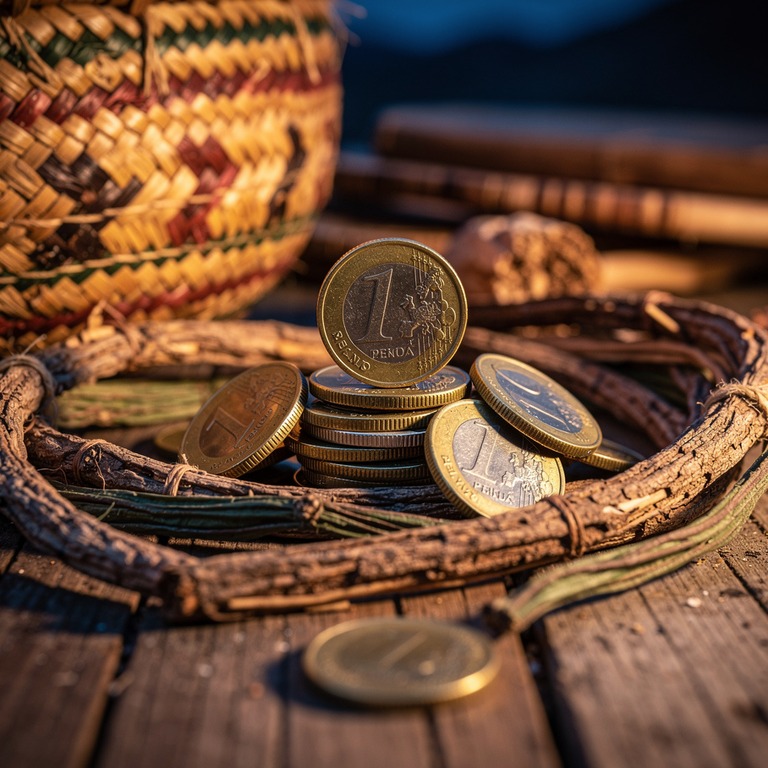
Prices vary enormously, but here's the honest range as of this year. A week-long retreat at a reputable center in Peru typically runs somewhere between fifteen hundred and four thousand U.S. dollars, all-inclusive of lodging, food, ceremonies, and basic integration. Longer retreats — ten days, two weeks, or traditional plant dietas that run a month or more — scale up accordingly.
Add flights (Lima is the entry point, then a domestic connection to Iquitos or Cusco), travel insurance, and some buffer for the days before and after. Budget realistically. This is not a trip to cut corners on.
Before You Book
A few things I'd tell anyone I care about who's about to do this:
Talk to someone who's been. Not a review, not a testimonial video — an actual conversation with someone whose judgment you trust. Ceremonies vary, retreats vary, and the texture of a place doesn't come through in marketing.
Give yourself real time on either side. Don't fly in Friday, drink Saturday, fly home Monday. Your nervous system needs a runway to land on. If you can, take a week after you get home before returning to your regular life. What comes up in ceremony has a way of continuing to unfold for weeks.
Line up integration support before you go. A therapist who understands psychedelic-assisted work, or at minimum one who won't pathologize the experience when you describe it. Integration is where the actual change happens — the ceremony is the door, not the room.
Finally, if you've read this far and you're serious about exploring plant medicine as a path — for addiction recovery, for depression, for the long slow work of soul exploration — a curated selection of vetted ayahuasca retreats in Peru and beyond can be browsed on our marketplace here. Take your time with the choice. The right container matters more than the right destination.
Craving More Stories?
Join our ShopAyahuascaRetreats newsletter for the latest updates on thrilling
destinations and inspirational tales, delivered straight to your inbox!
We value your privacy. Your email address will never be shared or published.