 English
 Deutsch
 Français
 Nederlands
 Español
SHOP AYAHUASCA RETREATS BLOG
Patience as Practice: How Stillness Deepens Psychedelic Healing

Lila Novak
August 12, 2026
Your ultimate guide to discover transforming ayahuasca and psychedelic experiences. Dive into serene destinations and elevate your consciousness to unparalled heights.
Discover Ayahuasca & Psychedelic Retreats NowSearch for ayahuasca & psychedelic retreats
Discover retreats, trainings, and holidays from all over the world
There's a moment in every ceremony I've sat through where someone — usually me, honestly — starts silently begging for the medicine to hurry up. The icaros are drifting, the maloca is dark, and the mind starts pacing like a dog at the front door. When is this going to happen? Did I drink enough? Did I drink too much? Should I feel more by now?
That restless voice, it turns out, is the whole problem. And also — if you can sit with it long enough — the whole doorway. Anyone drawn to ayahuasca, psilocybin, or the broader family of master plants eventually bumps into the same uncomfortable truth: the medicine works on its schedule, not yours. The people who benefit most tend to be the ones who learn to wait without clenching.
Patience isn't the sexy part of psychedelic healing. Nobody puts it on the retreat brochure. But in my experience — and in the experience of pretty much every honest facilitator I've spoken with — it's the difference between a ceremony that shakes you up and a ceremony that actually rearranges your life.
Why Impatience Sabotages Psychedelic Work
Most people arrive at a plant medicine retreat carrying an urgency they haven't fully examined. They want the trauma gone by Friday. They want the addiction lifted in one sitting. They want the depression to finally break. That urgency is completely understandable — often the reason someone finally books a retreat is that they've run out of patience with their own suffering.
Here's the paradox, though. The very impatience that pushes you toward ayahuasca or ibogaine is also the thing most likely to blunt what the medicine can offer. When you sit down expecting a specific outcome by a specific hour, you spend the ceremony evaluating instead of experiencing. You become a customer waiting for a service to be rendered. The medicine, from what I've seen, doesn't play well with customers.
Master plants — ayahuasca, huachuma, iboga, psilocybin mushrooms — operate more like weather than like pharmaceuticals. They arrive when they arrive. They show you what they show you. Sometimes the big shift happens weeks after the ceremony, in the shower, or driving to work, or while making dinner for your kids. If you're not patient enough to let integration unfold on its own timeline, you may miss the actual medicine entirely.
The Old Traditions Already Knew This
Every serious contemplative tradition treats patience as a foundational virtue, not a nice-to-have. In Mahayana Buddhism it's one of the six paramitas — the qualities cultivated on the way toward awakening. The eighth-century monk Shantideva called patience the supreme austerity, harder than fasting, harder than solitude. The Theravada tradition adds even more, framing patience as what steadies the heart while the world does what the world does.
The Amazonian shamans I've spent time with don't use Buddhist vocabulary, but they describe something almost identical. The dieta — those weeks or months of restricted food, silence, and isolation before working deeply with a plant — is patience made physical. You sit in a hut. You eat plantains and rice. You wait. The plant, the maestros will tell you, is watching to see if you're serious. It's watching to see if you can slow down enough to listen.
This is why the short-form psychedelic experiences that dominate mainstream headlines can miss the deeper current. A weekend ceremony can crack something open, sure. But the traditions that developed these plants over centuries built patience into the whole architecture. There's a reason for that. Rushing an insight is a good way to lose it.

Patience in the Context of Addiction Recovery
This matters especially for people considering psychedelics as part of addiction recovery. Ibogaine has developed a serious reputation for interrupting opioid dependence. Ayahuasca has been used, both traditionally and in recent clinical settings, to help people work through the roots of alcohol dependence, cocaine use, and compulsive behaviors. The research is genuinely promising — but it's also constantly being misread.
Addiction, at its core, is a disease of impatience. It's the inability to sit with discomfort. It's the demand that the feeling change now. Ibogaine or ayahuasca may create a window — sometimes a startlingly wide one — where the compulsion loosens. But if the person coming out of that window hasn't developed any capacity to tolerate ordinary discomfort, the window closes. What matters is what happens in the months after.
The people I've watched actually stay clean after plant medicine work tend to share a few habits:
- They kept practicing something — meditation, therapy, movement, community — long after the ceremonies ended.
- They didn't treat the medicine as a one-and-done cure. They returned to it, sometimes annually, sometimes never again, but always as part of a bigger picture.
- They accepted that healing isn't linear. Setbacks didn't mean the work had failed.
- They surrounded themselves with people who understood what they were doing, not just cheerleaders or skeptics.
None of that is glamorous. All of it requires patience.
What Patience Actually Looks Like Before a Retreat
If you're currently researching whether to book an ayahuasca or psychedelic retreat, the impatient move is to pick the soonest available date at the cheapest reputable-looking center and go. The patient move is to slow down and pay attention to your own life for a few weeks first.
Some things worth doing before you book:
- Sit with why you want this. Not the answer you'd tell a friend — the deeper one. Depression? Grief? A relationship you can't leave? Write it down. Read it a week later. Is it still true?
- Research the specific retreat, not just the medicine. Who runs it? How long have they been doing this? Are the facilitators trained in the tradition they claim to represent? Is there real medical screening? Is there real integration support afterward, or do they wave goodbye at the airport?
- Talk to someone who has actually attended. Not the retreat's own testimonial page. A real person, ideally more than one, ideally someone at least a year past their ceremony.
- Consider your medications. SSRIs and MAOIs interact dangerously with ayahuasca. Any responsible retreat will screen for this. If they don't ask, that's your answer about their standards.
- Line up integration support in advance. A therapist familiar with psychedelic experiences, a somatic practitioner, a meditation group — something to catch you when you come home.
That process might take you three months. Good. If a retreat can't wait three months for you, it probably wasn't the right one.

Patience Inside the Ceremony Itself
Once you're actually in the maloca or the ceremony room, patience shifts. It becomes moment-to-moment. You may spend the first hour feeling nothing, convinced the medicine didn't work. You may spend the second hour in something so intense you'd pay anything to make it stop. You may spend the third hour weeping about something you thought you were done with fifteen years ago.
The instruction, across nearly every tradition, is the same: don't fight the wave. Don't chase it either. Let it arrive, let it move, let it pass. Facilitators call this surrender. What they really mean is patience under fire — the willingness to stay present with whatever shows up, without lunging toward the exit.
The Ajahn Sucitto line that keeps coming back to me is that patience carries the heart through the turbulence of existence so that it no longer shakes, sinks, or lashes out. That's a pretty good description of what a well-held ceremony teaches your nervous system. Not the absence of turbulence — the capacity to stay upright inside it.
A Simple Practice to Build the Muscle
You can start building this capacity long before any retreat. Try this the next time you notice impatience — in traffic, in a supermarket queue, in an argument, on a meditation cushion:
- Name it. Say quietly to yourself, “Impatience is here.” Not as judgment. Just as recognition.
- Locate it. Where does it live in your body right now? Jaw? Shoulders? A tight ring around your ribs? The feet, tapping without permission?
- Breathe into it. Three slow breaths. Let the exhale be longer than the inhale.
- Ask what it's protecting. Impatience usually sits on top of something — fear, grief, boredom, a feeling of not-enoughness. See if you can feel what's underneath without needing to fix it.
- Return. To your breath, to the person in front of you, to the traffic light that hasn't changed. Nothing needs to happen. You are practicing the exact skill you'll need in ceremony.
Do this a hundred times and something quiet shifts. You start to notice that impatience isn't a signal to act faster. It's a signal to look more closely.
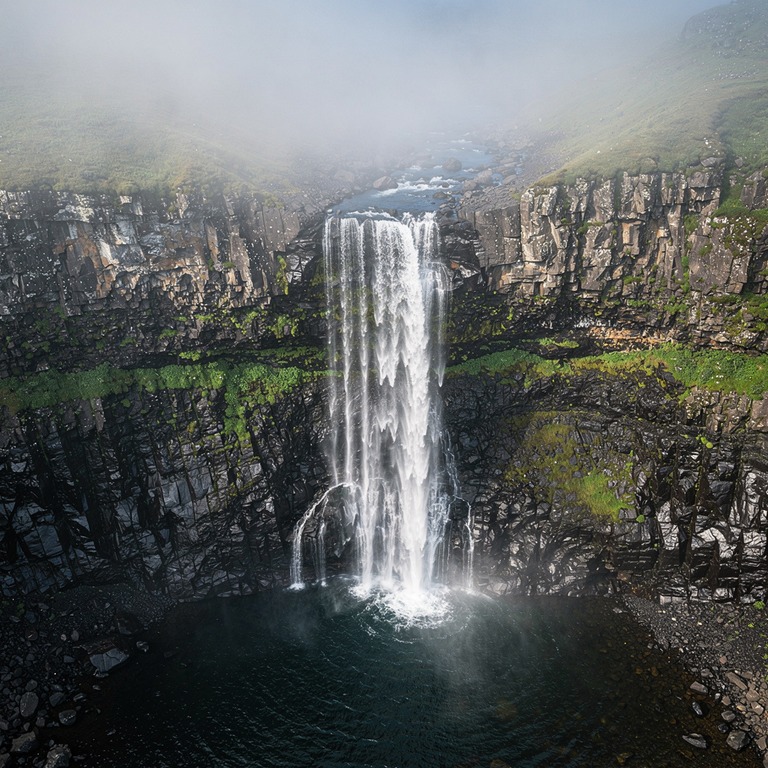
The Long View
Plant medicine work is, at its best, a very long conversation. Not a lightning bolt. The people who describe ayahuasca or psilocybin as life-changing usually mean their whole life reoriented, slowly, over years. The ceremony was the pivot. The patience was what turned the pivot into a life.
If you're standing at the edge of this decision right now — considering whether to book, wondering if it'll be worth the money and the time and the discomfort — take that as its own kind of ceremony. Sit with the question longer than feels comfortable. Notice what surfaces. That's already the work beginning.
For readers who want to take this further, a curated range of ayahuasca and plant medicine retreats can be browsed on our marketplace here — worth a slow look rather than a quick one.
Patience isn't the opposite of doing something. It's the ground beneath doing it well. Cross the threshold when you're ready, one step at a time.


Craving More Stories?
Join our ShopAyahuascaRetreats newsletter for the latest updates on thrilling
destinations and inspirational tales, delivered straight to your inbox!
We value your privacy. Your email address will never be shared or published.