 English
 Deutsch
 Français
 Nederlands
 Español


Reset. Heal. Grow.
Processing Your Whole Life in One Ayahuasca Ceremony: What's Really Happening
Somewhere around the second hour of an ayahuasca ceremony, people tend to notice something strange. Their childhood shows up. Then the argument they had with their mother in 2011. Then the job they should have quit. Then a memory of their grandfather they haven't thought about in twenty years. It arrives fast, in layers, sometimes all at once. And the question that surfaces the next morning — usually while sitting on a bench staring at the jungle, feeling wrung out — is always some version of: did I really just process my entire life in one night? Short answer: kind of, yes. Longer answer is what this post is about. Because the experience of the mind running its full archive during a psychedelic ceremony is one of the most common — and least talked about — reasons people end up booking an ayahuasca retreat in the first place. It's also one of the trickiest things to prepare for, sit through, and integrate afterward. Talk to enough people who have sat with plant medicine and you'll hear the same phrasing over and over. It played my life back like a film. It showed me every moment I'd buried. It connected the dots I couldn't connect in ten years of therapy. This isn't marketing. It's just how the brew tends to work on a subjective level, and it's why ayahuasca has developed such a reputation among people dealing with trauma, addiction, and the kind of stuck patterns that talk therapy circles around without quite reaching. What's actually happening is not mystical, or at least not only mystical. Ayahuasca contains DMT alongside MAO inhibitors from the Banisteriopsis caapi vine — the master plant that gives the medicine its name. Together they produce a state where the brain's default mode network quiets down and associations that normally stay siloed start firing across each other. Memory, emotion, and meaning-making merge. You don't just remember your seventh birthday. You feel it, understand it, and see how it links to the way you avoid conflict at work. All in about ninety seconds. That compression is the reason people describe ayahuasca ceremonies as feeling like years of processing. Whether it's actually equivalent to years of therapy is a question researchers are still working through. But the felt experience is real, and it's disorienting if nobody warned you it was coming. You don't need a neuroscience degree to work with plant medicine, but a rough map of what's going on helps. Under ordinary conditions, your brain is efficient. It filters. It suppresses. It keeps the memory of your first heartbreak safely tucked away while you're trying to file a tax return. This filtering is useful — most of the time. Psychedelics loosen that filter. Under ayahuasca, psilocybin, or ibogaine, the barriers between different memory systems, emotional states, and modes of self-perception become porous. Things talk to each other that normally don't. That's why a memory of being seven can suddenly land with the full emotional weight of being seven, while your adult mind watches and understands what that child needed and didn't get. A few things that tend to happen when this filter drops: None of that is unique to ayahuasca. Psilocybin retreats produce similar reports. So does ibogaine, particularly in the context of addiction recovery, where the life review can be so thorough it lasts a full day. San Pedro tends to be gentler and more heart-centered but works the same territory. The plant medicine differs; the underlying mechanism of dissolved filtering is roughly the same. Fair question, and one every honest facilitator will tell you to keep asking. Not every intense experience is healing. Some people leave a ceremony having felt a great deal without much changing afterward. Others have a comparatively quiet night and find their lives reorganized six months later. The variable isn't the drama of the experience — it's what happens next. The clinical research over the past decade points in a consistent direction: psychedelic experiences that produce durable change in depression, PTSD, and addiction tend to share a few features. The person felt safe enough to let go. They encountered difficult material without being overwhelmed. And — this is the part most people underestimate — they did serious integration work in the weeks and months afterward. Without that last piece, the insights fade into a great story you tell at dinner parties. So yes, processing your life in one night can be genuinely healing. It can also be genuinely destabilizing, especially if you weren't prepared for the scale of it. Both things are true. Which one you end up with depends on preparation, the setting, and what you do with the material once you're back home. People book retreats for all kinds of reasons — curiosity, desperation, a friend's recommendation, a decade of failed antidepressants. Whatever the reason, the preparation matters more than the brochure suggests. A few practical things that make a real difference: That last one is where most first-timers underestimate the medicine. Your nervous system will be recalibrating. Being asked to be witty at a work dinner three days after a life review is not fair to yourself. You wake up in the retreat bed. The jungle is loud. You feel like a piece of thin paper that's been ironed flat. And you have, apparently, understood something enormous about your father, your career, your addiction, or your marriage. Now what? The first mistake is trying to make immediate decisions. The clarity that arrives in ceremony feels like it demands action now — quit the job, leave the relationship, call the estranged sibling. Sometimes those calls are right. But they're almost always more right when made from a settled place three months later, not from the emotional altitude of the day after. Facilitators call this the honeymoon effect, and it burns a lot of people. The second mistake is trying to translate everything into words too quickly. Some of what the medicine gives you is pre-verbal. Sit with it. Draw it. Walk with it. Let it settle before you narrativize it — because once you tell the story ten times, the story becomes the memory, and the actual thing gets flattened. What tends to work is slower and less dramatic than people expect: keeping a written record, meeting with an integration therapist or group weekly for at least a couple of months, tending to sleep and food and movement, and letting the changes reveal themselves through what you actually do rather than what you decide. The people who report the most lasting shifts from ayahuasca aren't the ones with the wildest ceremony stories. They're the ones who took the six months afterward seriously. Plant medicine isn't for everyone, and any facilitator worth their salt will tell you so. People with a personal or family history of psychosis, schizophrenia, or bipolar I generally shouldn't touch classical psychedelics. People currently in acute crisis often benefit more from stabilization first, medicine later. People taking certain medications need careful screening. And people looking for a quick fix without willingness to do the follow-up work tend to be disappointed — or worse. The people who tend to get the most from an ayahuasca or broader psychedelic retreat are the ones who have already been doing the work — therapy, meditation, honest self-examination — and have hit a wall. The medicine can move something that's been stuck. It's less good at doing the initial excavation from scratch. If you've been sitting with the question of whether to go for a while, that's worth listening to. Curiosity that persists across months tends to be different from a passing impulse. Take your time choosing where and with whom. For readers who want to explore the options, a range of vetted ayahuasca and plant-medicine retreats can be browsed on our marketplace here, and comparing several before committing is almost always wiser than booking the first one that comes up. The mind that processes your whole life in one night is the same mind you'll wake up with the next morning. What changes is what you're willing to do with what you saw.

Ayahuasca Dieta Explained: Why the Plants You Don't Take Matter Most
Ask anyone who's sat through a proper ayahuasca ceremony what surprised them most, and a strange number will say the same thing: it wasn't the brew. It was the two weeks before. The stripped-down eating. The silence. The way certain plants started to feel less like ingredients and more like presences. This is dieta. And if you're researching an ayahuasca retreat right now — comparing places in Peru, reading through Iquitos versus Pucallpa, wondering whether the food restrictions are really necessary or just showmanship — you've landed on the part of plant medicine that almost nobody explains well. So let's actually talk about it. Dieta, in the Shipibo and broader Amazonian traditions, is not a detox in the Instagram-wellness sense. It's a protocol of sensory and dietary restriction that prepares the body, nervous system, and — the curanderos would say — the spirit, for contact with master plants. The word covers a spectrum. On the light end, a pre-retreat dieta might mean two weeks off pork, red meat, alcohol, caffeine, refined sugar, fermented foods, and sex. On the deep end, a traditional plant dieta means weeks or months in isolation, eating almost nothing but plantain, rice, and boiled fish, in relationship with one specific master plant. Most people booking a first ayahuasca retreat encounter the light version. Even that catches them off guard. You realize how much of your day is scaffolded around a coffee, a beer with dinner, a dopamine hit from your phone. Strip those out and something starts to surface — which is precisely the point. What dieta isn't: a punishment, a purity test, or a piece of theater to justify the retreat's price tag. Done properly, it's functional. Certain foods — aged cheese, cured meats, fermented soy — contain tyramine, which reacts badly with the MAO inhibitors in the ayahuasca vine. This isn't folklore. It's basic pharmacology. Skip the dieta and you're rolling the dice on a hypertensive reaction on top of an already intense experience. Here's the piece most Western write-ups miss entirely. In the Amazonian view, ayahuasca isn't a solo act. It's one plant in a large ensemble of what practitioners call plantas maestras — master plants. Bobinsana, chiric sanango, ajo sacha, chuchuhuasi, noya rao, piñon blanco. Each is understood to teach something specific. Bobinsana, for the heart. Chiric sanango, for boundaries and courage. Ajo sacha, for cleansing what the curanderos call cruzadera — a kind of energetic crossed-wires state. Sitting in dieta with one of these plants — drinking a preparation of it daily, in silence, away from strong flavors and stimulation — is how traditional healers apprentice. It takes years. A retreat guest obviously isn't going to complete a traditional dieta in ten days. But even a short exposure, held properly, can genuinely shift something. People who've done it describe a sense of the plant having a personality, a way of relating to them, that they didn't expect and couldn't explain to their friends back home. You don't have to believe any of the metaphysics for this to work on you. Something about the combination of quiet, restricted diet, and consistent intake of a bitter, unfamiliar plant infusion produces an internal shift. Call it neurochemistry, call it spirit — the effect is the effect. If you're weighing a booking, here's a realistic picture of what a reputable retreat will ask of you in the two to four weeks before arrival. Not every place is this rigorous, and honestly, the ones that aren't should raise your eyebrows. Most people find the food part easier than expected once they commit. The real work is the psychological piece — realizing how much you were using coffee to override tiredness, wine to soften evenings, sugar to reward yourself for surviving Tuesday. When those props go, you meet yourself a little more directly. That's not incidental to the retreat. That is the retreat, starting early. This is the part people don't ask about until they're already home, and by then it's often too late. The post-retreat dieta is at least as important as the preparation. Traditional teaching says the plants continue their work in your system for weeks or months after the last ceremony. Break the dieta too aggressively — a pork feast and three margaritas the night you land back home — and you can, according to practitioners, undo or scramble what was set in motion. A typical guideline is to maintain the food and behavioral restrictions for the same length of time you observed them beforehand, or longer. Two weeks in, two weeks out is a common minimum. A month is better. Some serious practitioners hold a light version of the dieta for a full year after a deep plant dieta. Whether or not you buy the metaphysical framing, there's a pragmatic argument: your nervous system has just been through something significant. Slamming it with the standard Western diet and drinking culture within days is a good way to lose whatever clarity you gained. Integration lives in the mundane choices — what you eat for breakfast, whether you check your phone at 6am, whether you sit for ten minutes of quiet before responding to email. You really can't, and it's worth doing well. Caffeine is stimulating in exactly the wrong direction for this work. Taper off gradually a week or two before you start the pre-retreat dieta proper, or you'll show up with a migraine. It happens. You eat at a friend's house and there's soy sauce in something. Tell your facilitator when you arrive. They've heard it all. A single small slip a week out isn't the end of the world. A steak dinner the night before your flight is a different conversation. Traditionally, yes. Practically, most people who ignore this one report their ceremonies feeling scattered or less deep, though it's the hardest thing to test scientifically. Try it. See what you notice. Here's where it gets interesting. For anyone considering ayahuasca or ibogaine for addiction — alcohol, opioids, stimulants, food, screens — the dieta itself is often the first real look at what the addiction has been doing. You experience life without the substance before the medicine even enters the picture. That's diagnostic. Many people report that the discipline of dieta was as important as the ceremony itself in shifting long-standing patterns. Plant medicine for addiction recovery is not a single-night miracle — it's a longer relationship with restriction, presence, and honest self-observation, of which the ceremony is one intense chapter. When you're comparing options — and you should be comparing at least three or four before you book anything — the dieta protocol is one of the clearest signals of how serious a center is. Look for: A retreat that hands you a two-line PDF the week before and serves you whatever the kitchen felt like cooking is not one to trust with your nervous system. This isn't snobbery. It's basic due diligence for a practice that alters brain chemistry and, if done badly, can genuinely hurt people. The dieta is the quiet architecture that makes ayahuasca work — the discipline before, during, and after that turns a strong experience into a durable one. If you're at the stage of researching seriously and want to look at centers that structure this properly, curated ayahuasca retreats can be browsed on our marketplace here. Whatever you choose, take the diet seriously. The plants will meet you at the level of preparation you show up with.

Plant Medicine Isn't a Shortcut: What Ayahuasca Actually Asks of You
Somewhere between the Netflix documentaries and the Joe Rogan clips, a certain story got lodged in the collective imagination: drink the tea, meet the mother, come home fixed. Cured of the depression. Done with the drinking. Free of whatever's been rattling around in your chest for the past fifteen years. Ayahuasca as a kind of neurological reset button. It's a lovely story. It's also mostly wrong. And if you're reading this because you're weighing whether to book a retreat — for addiction, for trauma, for the vague heavy feeling of being stuck — you deserve a more honest version before you spend three thousand dollars and a week of your life on it. Ayahuasca and other psychedelics can absolutely change lives. I've watched it happen. But not the way the marketing suggests. What plant medicine really offers is a door, sometimes a very forceful shove through that door, into work you still have to do yourself. The ceremony is not the healing. The ceremony is the beginning of the healing, if you let it be. Every experienced facilitator I've spoken with has the same complaint about first-timers: they arrive expecting a procedure. Like a surgery. You show up, something happens to you, and you leave repaired. When that's the frame, disappointment is almost guaranteed — either because the ceremony was gentler than expected, or because the fireworks came and went and, three months later, they're still smoking, still fighting with their partner, still avoiding the same emails. The medicine itself doesn't quit your habits for you. It doesn't call your estranged brother. It doesn't sit you down at a therapist's office. It shows you things — sometimes with terrifying clarity — and then it hands the responsibility back. What you do with the vision the next Tuesday morning is entirely on you. This is where a lot of the addiction-recovery hype gets sloppy. Studies on ayahuasca and ibogaine for substance use are genuinely promising. But dig into the protocols and you'll find that the successful cases almost always involve extensive preparation, therapy, community, and integration. Not a weekend in the jungle followed by a flight home to the same apartment and the same friends. Let me try to describe it more accurately, based on what participants consistently report and what the research is starting to confirm. None of that is nothing. In fact, for someone who's been circling the same emotional problem for a decade, that can be genuinely revolutionary. But notice what's on that list and what isn't. The medicine hands you material. It doesn't do the work of metabolizing that material into changed behavior. That part is slow, unglamorous, and mostly happens in your ordinary life after you get home. Integration is the word the plant-medicine world uses for everything that happens after the ceremony ends. It's also the part that gets the least attention on retreat websites, because it's not photogenic. Nobody's posting Instagram reels of themselves journaling at their kitchen table at 6 a.m. on a Wednesday. But this is where the actual change lives or dies. A ceremony can crack you open. Integration decides whether you rebuild yourself along new lines or just seal the crack and drift back to where you started. Six weeks is the rough window most facilitators point to as critical — the period when new patterns can genuinely take root before the old grooves reassert themselves. What good integration actually looks like, in plain terms: Here's a practical filter for anyone shopping around. Ask any retreat you're considering exactly what happens after the last ceremony. If the answer is a farewell breakfast and a shuttle to the airport, that's a red flag. If the answer includes group integration calls for the following weeks, one-on-one check-ins, and referrals to integration specialists in your home country — you're looking at a place that takes its own work seriously. Some other questions worth asking that separate the thoughtful operators from the tourism outfits: You'll notice none of these questions are about the setting, the food, or the Instagram-worthy views. Those things are fine, but they're not what determines whether the experience actually helps you. The traditional Amazonian view of ayahuasca and other master plants — huachuma, tobacco, chacruna, the whole family — is that they're teachers. Not therapists, not medicines in the pharmaceutical sense. Teachers. And teachers, as anyone who's ever tried to learn something difficult knows, reward students who show up prepared and stay engaged. Preparation in the traditional sense means the dieta — dietary restrictions before and after ceremony, avoidance of certain foods, alcohol, sexual activity, sometimes pharmaceuticals under medical supervision. But there's also a psychological dieta most retreats don't emphasize enough: getting clear, before you go, on what you're actually there for. Not "healing" in the abstract. Specifically what. The drinking. The rage at your father. The panic attacks. The half-decade of low-grade depression you've stopped even naming. People who arrive with a specific intention — held loosely, not gripped — tend to have more useful experiences than people who arrive hoping to be surprised into transformation. The medicine seems to work with what you bring it. Maybe. Honestly, maybe not yet. If you're in the middle of an acute crisis, the answer is usually no — stabilize first, with conventional support, and consider plant medicine later as part of a longer arc. If you're on SSRIs or certain other medications, you'll need medical guidance and a careful taper long before you go. If you're hoping the medicine will do the work you haven't been willing to do sober, expect to be disappointed. But if you've been circling something for a long time, if you've tried the ordinary routes and hit a wall, if you're willing to treat a ceremony as the start of a year of work rather than a weekend fix — then yes, this can be one of the most useful things you ever do. Just go in clear-eyed. Bring your patience. Budget for the therapy afterward, not just the flight. For readers who want to take this further, a range of vetted ayahuasca and plant-medicine retreats — the kind with real preparation and integration built into their programs — can be browsed on our marketplace here. Whatever you decide, decide slowly. The medicine will still be there next season, and so will you.
What Ayahuasca Really Feels Like: Death, Ego Dissolution, and the Question of God
Every so often someone stumbles out of a maloca in the Peruvian Amazon and tries to explain what just happened to them. They saw their own funeral. They met something they can only describe as God. They died — actually died, they insist — and came back. Then they get home, tell a friend over coffee, and watch the friend's face slowly rearrange itself into polite concern. This is the strange territory ayahuasca drops people into. And if you're reading this because you're seriously considering a retreat, you probably want to know what these experiences actually are, whether they're safe, and what to do with them afterward. So let's talk about it plainly — no incense, no capital-letter Truth, just what people actually report and what tends to help. The death experience shows up so often in ayahuasca ceremony reports that facilitators barely blink when someone brings it up in the morning circle. It's practically a rite of passage. What people describe isn't usually violent — it's more like being disassembled. The sense of being a separate self with a name and a story simply stops. Some call it ego death. Some call it the great dissolve. A few just say they died and leave it at that. From a neuroscience angle, this maps onto what researchers have observed with DMT and other classic psychedelics: temporary quieting of the brain's default mode network, the circuitry that stitches together our ongoing sense of "me." When that network goes quiet, the self-narrative goes with it. What's left is harder to describe — awareness without a narrator, presence without a protagonist. That's the neurological sketch. The felt experience is something else entirely, and no brain scan captures it. What surprises most first-timers is that this dissolution isn't necessarily terrifying. It can be, especially if you fight it. But many people describe a strange relief on the other side of the letting-go — as if the constant work of being themselves had been quietly exhausting, and now the work was over. Briefly. A lot of people meet something in ceremony. They call it different names depending on their upbringing — God, Source, the Mother, pure consciousness, the ground of being, or just "it." What's striking is how consistent the descriptions are across wildly different cultural backgrounds. A lapsed Catholic from Chicago and a skeptical software engineer from Berlin often come back saying variations of the same thing: something vast met them, and it wasn't indifferent. Whether this constitutes evidence of anything metaphysical is a question above my pay grade. I'll say this much: the encounter tends to be experienced as more real than daily life, not less. That phrase — "more real than real" — comes up in ayahuasca reports the way "pretty good" comes up in restaurant reviews. It's the default vocabulary. Which is either wildly significant or a quirk of DMT-flooded neurology, depending on your leanings. Master plants — the family of teacher plants used across Amazonian traditions, of which the ayahuasca vine is the most famous — are treated by practitioners as intelligences, not chemicals. You don't have to accept that framework to benefit from a ceremony. But it's worth knowing it's the water your facilitators are swimming in, and dismissing it out loud in the maloca will make for an awkward week. Physically, ayahuasca is well-tolerated by healthy adults at ceremonial doses, but it is absolutely not risk-free. The brew contains MAO inhibitors, which interact dangerously with certain antidepressants (SSRIs, SNRIs, MAOIs), stimulants, and some other medications and supplements. This isn't a footnote — people have died from these interactions. Any reputable retreat will make you disclose your medication history and require a taper, sometimes over weeks, before your first ceremony. Psychologically, the risks are more nuanced. Ayahuasca can surface material that a person isn't ready to process alone, and there are documented cases of prolonged difficulty after ceremony, particularly among people with a personal or family history of psychotic disorders. If schizophrenia or bipolar I runs in your family, most responsible facilitators will decline to serve you, and that's a feature, not a bug. A quick honest checklist before you book anything: If the retreat can't give you clean answers to that last one, keep shopping. The reason many people first hear about ayahuasca is addiction recovery. There's a growing body of small studies and clinical observations suggesting that psychedelic-assisted work — with ayahuasca, ibogaine, psilocybin, and others — can loosen the grip of substance dependency in ways conventional treatment sometimes can't. Ibogaine gets particular attention for opioid dependency, though it comes with its own serious cardiac risks. Ayahuasca tends to be discussed more in the context of alcohol, stimulants, and the compulsive patterns underneath them. What seems to matter isn't the substance interrupting the addiction — it's the person, briefly, getting a clear look at what the addiction is actually doing for them. That look is often uncomfortable. It's also often what shifts things. Longtime facilitators will tell you the medicine doesn't do the work; it shows you the work. The doing is on you, and it happens in the weeks and months afterward, not in the ceremony itself. This is where the concept of integration matters. Integration is unglamorous. It's therapy sessions, journaling, sleep, difficult conversations with family, saying no to old friends, saying yes to new habits. Retreats that talk endlessly about ceremonies but hand-wave integration are selling you an experience, not a healing process. There's a difference. You'll find retreats ranging from three-day weekend affairs to twelve-day traditional dietas deep in the jungle. Prices swing wildly, from around a thousand dollars for something modest and local to five figures for luxury operations. Cost doesn't map neatly to quality. Some of the most respected shipibo lineages run relatively affordable retreats; some glossy boutique operations run on marketing budgets, not medicine wisdom. A few questions worth asking, verbatim: The tone of the answer tells you as much as the content. Vague, defensive, or evasive replies are their own answer. Specific, calm, slightly boring answers — dose ranges, taper protocols, emergency plans — are what you want. The re-entry is the part almost no one talks about honestly. You come home to the same kitchen, the same job, the same relationship, and something in you is either quietly rearranged or loudly disoriented. Sometimes both. The first two weeks can feel raw. Sounds are louder. People's faces are more legible. Old habits look faintly ridiculous, and then, three weeks later, they look tempting again. This is normal. It's also where most of the actual change either happens or gets quietly abandoned. Structure helps: regular sleep, less screen time than feels reasonable, a body practice of some kind, someone to talk to who takes the experience seriously without inflating it. A therapist who's psychedelic-informed is worth their weight in Amazonian gold. So is a friend who lets you sound crazy for twenty minutes without trying to fix you. If you're weighing all this and it still feels like the right next step, take your time choosing where you go. For readers who want to take this further, a range of vetted ayahuasca and plant-medicine retreats can be browsed on our marketplace here. Whatever you decide, decide it slowly — the vine has been around for a long time, and it will still be there when you're ready.
When the Observer Dissolves: What Ego Death Actually Feels Like
There's a moment some people describe from deep ayahuasca ceremonies where the person watching the experience simply isn't there anymore. Not asleep. Not distracted. Just — gone. The thing we spend our entire lives calling me stops narrating. And what remains is harder to talk about than most retreat brochures let on. This is what psychonauts and researchers call ego dissolution, or ego death. It shows up across ayahuasca, high-dose psilocybin, 5-MeO-DMT, and occasionally on strong San Pedro nights. For people considering a psychedelic retreat — especially those hoping plant medicine might help with addiction, depression, or the stuck patterns of a life that stopped fitting — understanding what this actually is matters. Not because you should chase it. Because you shouldn't walk into it blind. The word ego gets thrown around loosely in wellness circles. In this context it doesn't mean arrogance or self-importance. It means the ordinary sense of being a separate person with a continuous story — the running commentary in your head, the assumption that you are the one having the experience. When that structure loosens or drops away entirely, what people report varies wildly: merging with the room, becoming the ceremony itself, dissolving into a field of awareness with no center, or something stranger that doesn't translate into English at all. Neuroscience has a partial explanation. Under classical psychedelics, the default mode network — the brain regions associated with self-referential thinking — quiets down. Communication between areas that normally don't talk much increases. The result, roughly, is a temporary suspension of the machinery that maintains the felt sense of I. Roughly. Nobody has fully figured this out. What matters for a retreat-seeker is this: ego dissolution isn't a bonus level you unlock. It's a specific state that some ceremonies produce and many don't. Plenty of profoundly healing ayahuasca nights involve nothing like it. Plenty of people who've sat with the medicine for years have never had a full dissolution. And that's fine. Descriptions collected across integration circles and clinical trials tend to cluster around a few themes. There's usually a moment of resistance — the observer notices it's losing its grip and panics briefly. Then, if the person lets go, a threshold gets crossed. What follows is often described as: The terror piece is important. Ego dissolution can feel exactly like dying, because in a functional sense, the thing you identify with is temporarily coming apart. Facilitators who know their work will have prepared you for this. If yours hasn't, that's a red flag worth noting before your next ceremony. Here's where the research and the traditional knowledge line up in an interesting way. In clinical psilocybin studies for depression, treatment-resistant depression, and end-of-life anxiety, the intensity of the mystical or ego-dissolution experience correlates with the durability of the therapeutic outcome. Not perfectly. But consistently enough that researchers keep publishing on it. For addiction specifically, this matters. Substance dependence is often bound up with a rigid self-narrative — I am someone who needs this, I am broken, I can't stop. When that narrative loosens even briefly, and the person experiences themselves as something other than the sum of their compulsions, a window opens. Ibogaine has been used this way for opioid dependence for decades. Ayahuasca has quietly done similar work for alcohol and cocaine dependence in communities across South America. Master plants like these seem to work partly by disrupting the story long enough for a different one to become possible. None of which means the experience does the work for you. It just cracks the shell. What you do in the following months — the integration, the changes in daily life, the therapy, the community — is what determines whether anything sticks. People come to retreats hoping for a specific experience, and this is one of the most commonly hoped-for. Which is exactly why it often doesn't happen. The medicine has its own agenda. Chasing ego death is a good way to spend a week fighting the brew. A few things that seem to help people who do encounter it: Ego dissolution is not appropriate for everyone. People with personal or family histories of psychotic disorders, bipolar I, or certain dissociative conditions face genuinely elevated risks with classical psychedelics. A serious retreat will screen for these. If yours doesn't ask about your psychiatric history and current medications — particularly SSRIs, MAOIs, and lithium — walk away. Even for healthy participants, a badly held dissolution can produce weeks or months of destabilization. The clinical term is hallucinogen persisting perception disorder for one variant, though what's more common is a diffuse sense that the self hasn't quite reassembled, and that ordinary life feels distant. Integration work usually resolves this. Sometimes it takes longer than people expect. The honest way to think about this: you're temporarily disassembling a structure your nervous system spent decades building. Treat that with the respect you'd give major surgery. Not because it's dangerous by default, but because casualness is where the trouble starts. People sometimes ask what changes after an experience like this. The honest answer is that it depends on what you do with it. Some describe a lasting shift — less fear of death, a quieter mind, more room around old grievances, an ability to sit with themselves that wasn't there before. Others describe an initial glow that faded when they went back to the same job, the same relationship, the same phone habits. The medicine shows you something. It doesn't hand you a new life. That part is on you, and it's slower and less glamorous than the ceremony itself. Journaling. Therapy. Community. Small daily choices that align with what you saw. This is where most of the actual healing lives. If any of this resonates and you're weighing whether to sit with plant medicine, take the decision seriously — read widely, talk to people who've done it, screen the retreat carefully. For readers who want to take this further, a range of vetted ayahuasca and plant-medicine retreats can be browsed on our marketplace here. Whatever you choose, choose it awake.
Craving More Stories?
Join our ShopAyahuascaRetreats newsletter for the latest updates on thrilling
destinations and inspirational tales, delivered straight to your inbox!
We value your privacy. Your email address will never be shared or published.
The Ayahuasca Crash: Why You Might Feel Worse Before You Feel Better
Here's something the retreat brochures don't tend to lead with: sometimes you come home from an ayahuasca ceremony and feel absolutely wrecked. Not the next morning — that part everyone expects. I mean two, three, six weeks later, when the glow has worn off and something raw is sitting in its place. The insight is still there. The peace? Not so much. If you're researching an ayahuasca retreat and quietly wondering whether the stories of profound healing are the whole picture, this is for you. Because the truth about plant medicine — real, honest truth — is that many people go through a stretch where things feel worse before they feel better. It's common enough that facilitators have a name for it. And it deserves more airtime than it gets. Let's get specific. The dip usually shows up somewhere between a week and a month after ceremony. People describe it in remarkably similar ways: a low-grade depression that wasn't there before, a strange emotional flatness, anxiety that seems to have no anchor, sleep going sideways, old grief resurfacing as though it never left. Some report a kind of homesickness for the ceremony state itself, which is its own peculiar sadness. Others describe something sharper — panic attacks in the middle of a workday, uncontrollable crying at the grocery store, a sudden intolerance for the life they've been living. Relationships that felt fine now feel unbearable. Jobs that paid the bills feel like slow suffocation. It's not that ayahuasca created these feelings. It's that it stopped letting you not-feel them. This is worth sitting with before you book anything. The plant doesn't hand you a curated highlight reel of yourself. It hands you the whole archive, and some of the files are ones you filed away for good reason. There's no single mechanism, but a few things seem to be at play, and understanding them helps. The first is neurological. Ayahuasca — specifically the DMT in the brew, in combination with the MAOI properties of the vine — appears to increase neural plasticity for a window of days to weeks afterward. Your brain is, in a sense, more malleable. That's the good news and the hard news. New patterns can form, but old defenses that were holding painful material at bay can also weaken. Things you weren't consciously feeling before are suddenly available. Sometimes that feels like liberation. Sometimes it feels like being flooded. The second is what practitioners call purga emocional — emotional purge that continues long after the physical purging in ceremony is done. The plant surfaces material. If you don't have anywhere to put that material — no therapist, no integration circle, no supportive community, no journaling practice — it just sits there, sloshing around. That's a recipe for the crash. The third is more human than pharmacological. You went somewhere transcendent. You touched something real. Then you got on a plane and returned to a fluorescent-lit cubicle, a partner who doesn't quite understand where you went, and a to-do list that hasn't changed. The gap between what you glimpsed and what you're living can be genuinely painful. Some people call this the reentry problem. It's not spiritual failure. It's a completely reasonable response to whiplash. Give or take, most people describe the acute phase as lasting anywhere from two weeks to three months. A smaller group finds it stretches longer — six months, sometimes more, particularly for those who did intensive multi-ceremony retreats without robust preparation or aftercare. A few patterns I've noticed after talking with a lot of people who've been through this: None of this means the ceremony didn't work. It often means the opposite. It worked, and now the work continues, and the work is not romantic. Usually, no. But sometimes, yes — and it's worth learning to tell the difference. A healthy post-ceremony dip has a certain quality to it. It's uncomfortable, but you can trace it. You know what came up. You have a felt sense that something real is being processed, even if the processing is slow and unpleasant. There's movement, even when the movement is downward. A concerning post-ceremony state has different markers. Persistent dissociation that doesn't resolve. Hallucinations or perceptual disturbances that continue for weeks. A sense that you left something behind at the retreat, or that something followed you home that shouldn't have. Sleep so disrupted that you can't function. Suicidal ideation that wasn't there before. If any of those show up, that's not integration — that's a signal to get real support, ideally from a therapist trained in psychedelic integration, and if things feel unsafe, from a psychiatrist who won't dismiss the ceremony context out of hand. Some of the concerning cases trace back to poorly run retreats — inexperienced facilitators, participants who shouldn't have been drinking at all (undisclosed medications, undiagnosed conditions), too many ceremonies too close together, no follow-up support. This is why choosing where you sit matters as much as deciding whether to sit. The word integration gets thrown around so much it's almost lost meaning. Strip it down: integration is the boring, unglamorous work of building your ordinary life around what you saw. It's not another ceremony. It's not a workshop. It's Tuesday morning. Things that consistently help: Not necessarily. But it should change how you plan. If you're considering an ayahuasca retreat for addiction, depression, trauma, or a life pattern you can't break, the potential upside is well-documented and, for many people, genuinely life-changing. But you'll get more out of it — and suffer less on the back end — if you go in with your eyes open about what the weeks after look like. Practical questions to ask any retreat you're considering: What integration support do you offer after I leave? Do you have a therapist or integration coach available for follow-up calls? What percentage of your past guests would you say went through a difficult integration period, and how did you support them? A serious operation will have serious answers. A resort-flavored one will change the subject. Plant medicine can be a genuine door. The dip on the other side of it isn't a bug. It's the part of the process where you actually change — which, if you think about it, has never in the history of human beings been a comfortable experience. For readers who want to compare well-run programs with real aftercare built in, curated ayahuasca and plant-medicine retreats can be explored on our marketplace here. Go in prepared. Come out slowly. And give yourself the several months it might take before you know what the ceremony was actually about.
Why Chasing Happiness Fails — and What Plant Medicine Teaches Instead
Somewhere around the third night of my first ayahuasca retreat, sitting on a thin mattress in a wooden maloca in the Sacred Valley, I had a small, quiet thought that rearranged a lot of things. It wasn't a vision. Nobody was chanting. The medicine had already released me. I just noticed — really noticed — that I'd spent about fifteen years trying to find happiness, and that the finding was the exact reason I hadn't. That's the topic here. Not in a Hallmark-card way. In the specific, useful way that people who show up to ayahuasca, psilocybin, and other master-plant ceremonies tend to bump into again and again. If you're researching a psychedelic retreat right now — maybe for depression, maybe for addiction, maybe just because something inside you has been rattling — this is one of the lessons waiting on the other side of it. Might as well hear it before you spend the money. Here's the awkward part. Happiness isn't an object. It's not a place, a partner, a bank balance, or a personality. Which means every strategy built around getting it eventually collapses, because the target keeps moving. You get the promotion. You feel great for a week. Then the brain, that restless little engine, starts scanning for the next thing. Master plants, and ayahuasca in particular, have a way of showing you this mechanism in high definition. People often describe it as watching their own mind from a slight distance — seeing the endless treadmill of wanting, comparing, avoiding. And once you see it, you can't quite unsee it. That's not a fluffy insight. That's the beginning of actual change. Buddhists have been saying this for a couple thousand years. Modern neuroscience is catching up in its own language, talking about the default mode network and how psychedelics temporarily loosen its grip. Whatever framework you use, the finding is the same: the mind that's constantly looking for peace is the mind that can't experience it. People come to plant medicine expecting fireworks. Sometimes they get them. But the more common — and honestly more useful — experience is subtler. You sit with yourself for six or eight hours without your usual distractions, and the medicine holds up a mirror. Not always a flattering one. What often surfaces is the sheer amount of energy a person spends avoiding the present moment. The scrolling. The planning. The rehearsing of arguments. The low-grade fantasizing about a future in which things will finally be okay. Ayahuasca doesn't lecture you about any of this. It just quietly stops letting you do it for a while, and you get to watch what's underneath. For people working with addiction, this recognition can be seismic. Substances — the destructive kind — are usually a way of skipping over exactly this territory. Ibogaine treatment for opioid dependence, psilocybin trials for alcohol use disorder, ayahuasca work with people recovering from long trauma histories — they all seem to work partly by returning the person to what they've been running from, in a container safe enough to actually feel it. Sort of, and no. A committed sitting practice can absolutely deliver the same insight. Lots of people get there without ever touching a psychedelic. But let's be honest about the pace. Ten years of daily meditation is a long runway, and most people don't stay on it. Plant medicine tends to shortcut the recognition itself. What it doesn't shortcut is the integration — the slow, unglamorous work of actually living differently once you've seen the pattern. This is where most retreat-goers underestimate the assignment. The ceremony lasts one night. The integration lasts years. A few things people often find useful in the months after a serious plant-medicine experience: Nearly every conversation I've had with someone about to book their first ceremony includes some version of: I just want to feel better. Fair enough. That's a legitimate reason to look at plant medicine. The trap is when "feel better" quietly gets translated in the mind as "feel good, most of the time, and stop feeling the difficult stuff." That's not what these medicines do. They don't hand you happiness. They tend to hand you honesty first, which is often uncomfortable, and then — sometimes weeks or months later — a kind of settled okayness that has very little to do with your circumstances. It's more like the volume knob on the whole what-if machine gets turned down. Life still happens. You just stop treating every inconvenience as evidence that something is fundamentally wrong. If you're weighing a retreat, be careful about the marketing that promises transformation, bliss, or a "new you." The retreats worth attending tend to speak more soberly than that. They talk about preparation, dieta, screening, aftercare. They ask about your medications. They don't oversell. A quick self-check, in case any of this is landing: None of this makes you broken. It makes you a modern person. But it does suggest that the medicine, if you go, will probably work on the seeking mechanism itself before it hands you anything shiny. The lesson, boiled down: peace isn't something you find at the end of a search. It's what shows up when the search finally exhausts itself. Ayahuasca, psilocybin, San Pedro, and the other master plants seem to accelerate that exhaustion — not by giving you happiness, but by making the pursuit look increasingly ridiculous from the inside. People walk out of a well-held retreat and say things like: I'm not fixed, but I'm not fighting myself anymore. That's usually closer to the real prize than whatever they came in expecting. It's less cinematic than "I was healed." It's also more likely to last. If any of this speaks to something you've been circling, the range of ayahuasca and plant-medicine retreats worth considering can be browsed on our marketplace here. Read the pages carefully, ask the hard questions, and trust the retreat that answers them honestly over the one that promises the most.

Three Ayahuasca Ceremonies In and Nothing Happened — What Now?
You sat through three ceremonies. You drank the cup each time. You did the dieta, you set the intention, you cried a little at the icaros because the melody was beautiful — but the actual thing everyone talks about? The visions, the ego death, the sobbing catharsis, the ancestors showing up in the corner of the maloca? Nothing. Or close enough to nothing that you're now sitting at your kitchen table wondering if you wasted your money, your vacation days, and a small chunk of your dignity. This happens more than the ayahuasca community likes to admit. Read enough retreat testimonials and you'd think the brew is a slot machine that always pays out. It isn't. And if you're someone who's been quietly hoping a plant medicine ceremony could help crack open a stuck pattern — addiction, depression, a grief you can't name — the silence after three ceremonies can feel like a very specific kind of rejection. It's not rejection. It's information. Let's talk about what it might actually mean, and what to do next. First, the mechanical stuff. The active compound in the brew — DMT — needs an MAO inhibitor (the vine itself) to become orally active. Different retreat centers cook their medicine differently. Some brews are thin. Some are thick. Some batches genuinely under-perform because the vine was young, the chacruna leaves were sparse, or the reduction wasn't long enough. It happens, and no reputable curandero pretends otherwise. Then there's you. Body weight, gut bacteria, current medications, what you ate three days ago, how much sleep you got, whether you're on an SSRI or coming off one — all of it changes how the medicine lands. Antidepressants especially can blunt or completely block the experience, and if you tapered too recently, receptor sensitivity can still be off. This is one of the reasons any facilitator worth their salt asks about your prescription history before serving you. And there's the psychological layer, which is trickier. Some people arrive so wound up, so braced for a spiritual mugging, that their nervous system just… clamps shut. The medicine can't work on a system that's white-knuckling the mat. Others arrive expecting fireworks and don't recognize the quieter shifts — the slight softening, the odd dream two nights later, the argument they didn't have with their partner the following week. Here's a thing the retreat brochures underplay: the fireworks version of an ayahuasca ceremony is one style of experience among many, and it's not necessarily the most therapeutic one. Plenty of people who report zero visuals and no dramatic purge come home and find, over the following weeks, that they've stopped drinking. Or started returning their mother's calls. Or lost interest in the person they were sleeping with who made them feel like garbage. Master plants — ayahuasca, San Pedro, iboga, tobacco in the traditional sense — often work in a longer arc than a single night. The Shipibo talk about the plants as teachers who visit you in dreams, in ordinary waking moments, in the way a song suddenly makes sense. If you're only measuring the ceremony itself, you're watching the wrong window. That said, if you truly got nothing — no shift in mood, no strange dream, no new thought pattern, no somatic sensation during the ceremony — then something is worth looking at. Which brings us to the practical question. Three ceremonies at a single retreat is a reasonable sample size, but it's not conclusive. Before you either double down or walk away, work through these honestly: If you work through that list and still feel drawn to plant medicine, a different lineage or a different medicine is often more useful than another round at the same place. San Pedro (huachuma) tends to be gentler, more heart-opening, and works well for people who found ayahuasca closed off to them. Psilocybin retreats — legal in the Netherlands, Jamaica, and increasingly elsewhere — offer a different quality of introspection that some people find more accessible. Iboga is a much bigger commitment and shouldn't be a second-attempt whim. Some traditions say the plants test you. That the first ceremonies are the medicine getting to know you before it does any real work. There's a poetic truth to this — long-term drinkers in the Santo Daime and UDV lineages describe experiences that only unfold after years of regular participation. If you're on a genuine path with a genuine community, patience is the correct posture. But — and this is the part the poetic version leaves out — patience is also what unscrupulous centers rely on when they want you to keep booking. If someone is telling you to come back for a fourth, fifth, sixth ceremony while charging premium prices and never checking in about your medications, your history, your integration, or your life outside the retreat, that's not a lineage. That's a business model. The honest middle path: give the medicine a fair shot with proper preparation, at a well-run center, with a facilitator who treats you as a whole person. If after that you still get nothing, believe the information. Not every tool fits every hand. Ayahuasca is one path among several, and it isn't a moral failing to discover it isn't yours. Whether you plan to sit again or not, the weeks after a ceremony that felt like a nothing-burger are the most underrated part of the process. Integration is where the ceremony finishes itself. A few things that reliably help: None of this requires more medicine. Some of the deepest work happens in the aftermath of a ceremony that felt uneventful, precisely because you weren't overwhelmed and had bandwidth to notice small things. If you came to ayahuasca hoping it would lift depression or crack an addiction, and it appeared to do nothing, please don't file that as “plant medicine doesn't work for me” and close the book. The literature on psychedelic-assisted recovery — particularly ibogaine for opioid dependence and psilocybin for treatment-resistant depression — is real and growing, but the mechanism isn't magic. It's a neurological window during which change becomes more possible. What you do inside that window matters more than the size of the fireworks. A quiet ceremony can still open the window. Sometimes for a week. Sometimes for months. If you use that time — therapy, community, honest conversations, the boring unglamorous work of showing up differently — the ceremony that seemed like a dud can turn out to have done its job. If you want to explore what's out there with clearer eyes — different lineages, different medicines, different formats — a range of ayahuasca and plant-medicine retreats can be browsed on our marketplace here. Choose slowly. Ask hard questions. And whatever you decide, trust that three quiet ceremonies is a beginning, not a verdict.

Ayahuasca and the Inside-Out Journey: What Retreat-Seekers Should Know
There's a phrase people who've sat with ayahuasca keep circling back to: the way out is in. It sounds like a bumper sticker until you're three hours into a ceremony, staring at some memory you'd buried under fifteen years of coping mechanisms, and suddenly the phrase feels less like poetry and more like a technical description of what's happening in your nervous system. If you're reading this, you're probably somewhere on the research spiral — reading forum posts at midnight, comparing retreat centres, wondering whether ayahuasca might actually help with the thing you can't seem to shake. Depression that won't lift. A drinking habit that keeps winning. Grief that hardened into numbness. Or just the low-grade sense that you've been living someone else's life. This piece is for you. Not as a sales pitch — plant medicine isn't for everyone, and I'll say that more than once — but as an honest map of the territory. Ayahuasca is a brew. That's the least mystical way to put it. It's traditionally made from two Amazonian plants: the Banisteriopsis caapi vine and the Psychotria viridis leaf, usually called chacruna. The vine contains MAO inhibitors that let the DMT in the leaf become orally active. Without both, you get nothing. This combination — figured out by Indigenous peoples of the Amazon basin centuries before Western pharmacology existed — is one of the more remarkable examples of plant knowledge in human history. The tea itself is thick, bitter, and unforgettable in a way you probably won't enjoy in the moment. Ceremonies typically run four to six hours and are led by a curandero, taita, or facilitator — the word depends on the tradition. Shipibo lineage sounds different from Santo Daime, which sounds different from a Colombian yagé ceremony, which sounds different again from a contemporary Western retreat run by people trained across multiple lineages. Not all of these are equal. Not all of them are safe. More on that in a bit. What people are actually seeking, though, isn't the brew. It's contact — with something inside themselves they've lost track of, or something larger than themselves they suspect exists. Ayahuasca has a reputation for delivering both, sometimes in the same night. The research is finally catching up with what Amazonian healers have been saying for a long time. Studies out of Brazil, Spain, and Canada have shown reductions in depression scores after even a single ceremony, with effects that can persist for weeks or months. There's a growing body of case work — not yet gold-standard clinical trials, but not nothing — on ayahuasca's role in helping people step out of substance dependency, particularly alcohol and stimulants. Ibogaine, a different plant medicine derived from the iboga root, has an even more specific reputation for interrupting opioid addiction. San Pedro and psilocybin come up in conversations about depression and end-of-life anxiety. These are called master plants for a reason — practitioners in traditional contexts describe them as teachers, each with a distinct personality and pedagogy. You don't take them so much as apprentice to them. Here's what I've watched happen, more than once: someone arrives at a retreat convinced their problem is the drinking, or the panic attacks, or the failed relationships. Three ceremonies later, they realise the problem underneath the problem is something that happened when they were nine years old that they've never fully looked at. The plant doesn't fix anything. It shows them the wiring. Whether they rewire it afterward is up to them, their therapist, their integration circle, and about a thousand small decisions they make in the six months after they fly home. People want to know this and rarely get a straight answer, so let me try. You drink the tea. For the first thirty to sixty minutes, nothing much happens, and you start wondering whether you got a weak cup. Then you notice the room is breathing. Colours start to bleed. If you close your eyes, geometric patterns appear — the classic phosphene lattice that shows up across many psychedelics. Then, if the medicine takes you deeper, the visions become narrative. You might see landscapes, beings, memories, versions of yourself. Somewhere in there, most people purge. Vomiting, sometimes crying, sometimes the other end. This isn't a side effect — it's considered part of the medicine's work in traditional understanding, a physical release of what the body has been holding. Retreats hand out plastic buckets for a reason and nobody in the maloca will judge you for using yours. The emotional territory varies wildly: All of these are normal. None of them are the point. The point is what you do with what you saw. The retreat scene has exploded, and with the growth has come a real spread in quality. Some centres are extraordinary — decades of lineage, rigorous screening, medical support, thoughtful integration. Others are guys who did an ayahuasca weekend two years ago and now charge four thousand dollars to pour tea for strangers. The difference matters enormously when you're about to spend a week in an altered state of consciousness in a jungle. Things to actually ask about before you book: Prices range roughly from $1,500 for a modest week in Peru to $5,000-plus for well-established centres with medical staff and structured integration. Cheaper isn't always worse, and pricier isn't always better, but rock-bottom pricing usually means corners cut somewhere. The ceremony is maybe twenty percent of the work. The preparation before and the integration after are where the actual life change lives. Preparation usually involves a dieta — dietary restrictions in the weeks leading up. No pork, no red meat, no fermented foods, no alcohol, minimal caffeine, no recreational substances, and often no sexual activity for a stretch before ceremony. This is partly about MAOI safety (some foods can trigger dangerous reactions) and partly about arriving at the medicine with a quiet system. Skip this at your own risk. People who show up hungover and full of stimulants tend to have rough nights. Integration is the harder, longer part. In the weeks after a retreat, people commonly report a window — sometimes a month, sometimes three — where old patterns feel loosened and new choices feel possible. This is precious and finite. What you do with it determines whether the retreat becomes a story you tell at parties or an actual pivot point in your life. Practical integration looks like: journaling, therapy (ideally with someone psychedelic-literate), integration circles, gentle movement, time in nature, and radical honesty with yourself about what came up. It also looks like resisting the urge to book the next retreat immediately. The medicine gave you material. Sit with the material. Plant medicine isn't a shortcut. It's not a substitute for therapy, for treatment of serious mental illness, or for the slow work of building a life you actually want to live. People with personal or family history of psychosis or bipolar disorder should be especially careful — ayahuasca can trigger episodes that are hard to walk back. Certain medications, particularly SSRIs, SNRIs, and MAOIs, are dangerous combinations. Being honest with a facilitator about your history isn't optional; it's the difference between a hard night and a medical emergency. And still — for the right person, at the right moment, with the right support — sitting with ayahuasca or another master plant can shift something that years of talk therapy circled without landing. I've watched people find their way out of addictions they'd given up on. I've watched grief finally move. I've also watched people spend a lot of money to have an intense experience and change nothing. Which one you become is not up to the plant. If, after all this, you're still curious — and curiosity that survives the caveats is a good sign — the range of ayahuasca and plant-medicine retreats worth considering can be browsed on our marketplace here. Take your time with the decision. The medicine will still be there when you're ready.
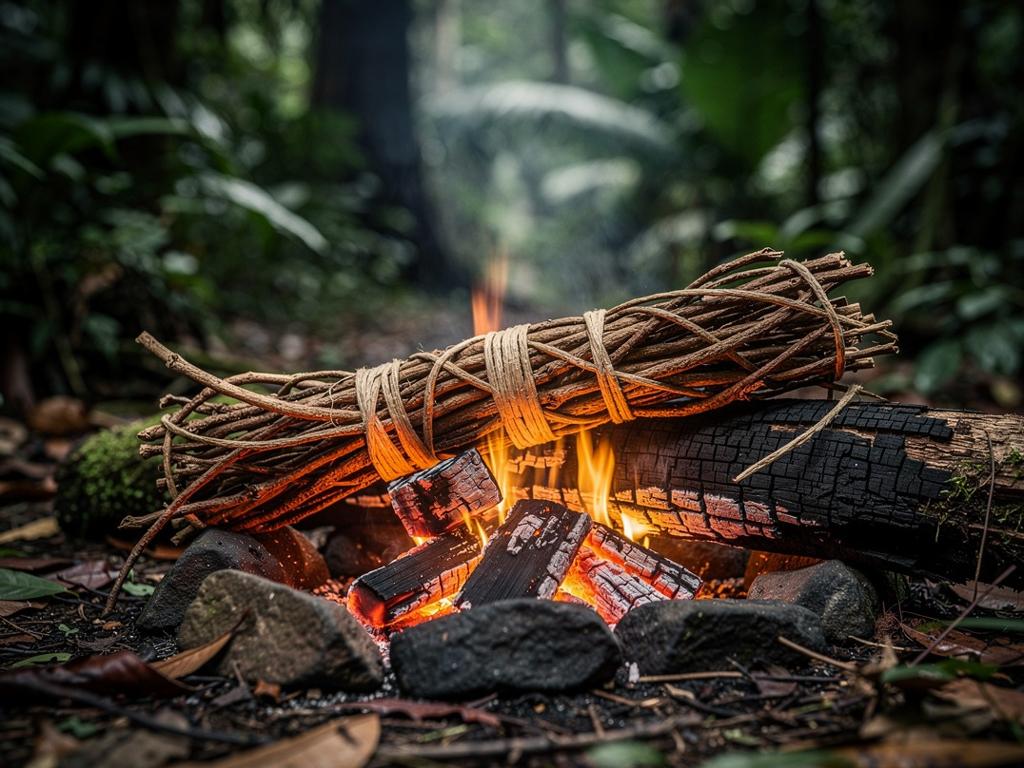
Closing a Five-Year Ayahuasca Cycle: What a Family Fire Ceremony Actually Looks Like
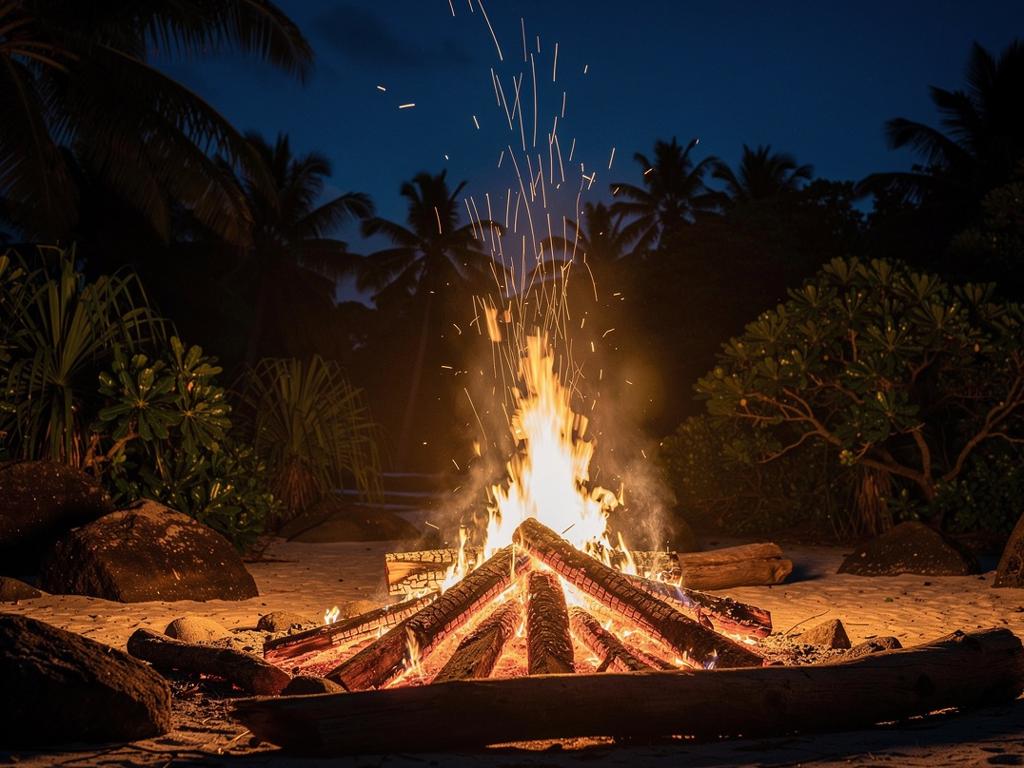
Five years is a long time to work with a plant. Long enough to lose count of the ceremonies. Long enough that the questions you brought to your first ayahuasca night sound almost quaint when you read them back in an old journal. And long enough, some traditions hold, that a cycle wants to be closed properly — not just drifted away from. I want to talk about what that closing can look like. Specifically: a family fire ceremony at the end of a multi-year relationship with ayahuasca and other master plants. This isn't a technique post. It's more of a field note for anyone who has been drinking for a while and is starting to wonder whether the work has a natural endpoint, or how you'd even know. In most traditional Amazonian lineages, ayahuasca isn't seen as an open-ended lifestyle. It's understood as a teacher you sit with for a period — sometimes a season, sometimes years — and then the relationship changes shape. The curanderos I've spent time with talk about cycles the way a farmer talks about crop rotation. Something is planted. Something grows. At some point, the field rests. The Western retreat scene doesn't always frame it this way. There's a subtle pressure — from Instagram, from your ayahuasca-curious friends, from the retreat centers themselves — to keep going back. Another ceremony. Another dieta. Another master plant. And for some people, that's genuinely the right path. But for others, the medicine has already said what it came to say, and continuing to drink is a way of avoiding integration rather than deepening it. A cycle-closing ritual is how you mark the difference. It's a way of telling yourself, your family, and the plants: this chapter is complete. I received what I received. I'm not walking away, but I'm not going to keep asking the same question. Fire ceremonies show up across many traditions — Andean, Amazonian, North American, Vedic. The specifics vary wildly, and I'd steer you away from anyone selling a rigid template. But the shape is usually similar: you gather people who witnessed some part of the journey, you build a fire with intention, and you offer things to it that represent what you're releasing or acknowledging. For a family closing after long ayahuasca work, the ingredients I've seen used include: What matters isn't the props. It's who's around the fire. A cycle-closing that includes the people who lived alongside your medicine work — partners, kids old enough to understand, sometimes parents or siblings — does something a solo ritual can't. It publicly retires the identity of “the one who's doing the plant medicine journey” and lets you become, again, just a member of the household. People ask how you know. Honestly, it's rarely a lightning bolt. It's more that the ceremonies start feeling like reviews of material you've already covered. The visions get quieter, or repetitive. The insights during the night are ones you could have written down beforehand. That's not a failure of the medicine — it's often the medicine telling you the classroom is empty now. Some other signals I've heard from people who've closed cycles well: Any one of those on its own isn't decisive. Several of them together usually is. And if you're in the middle of active healing — working through addiction, deep trauma, or acute depression — this is not the moment to romanticize “closing the cycle.” Closing implies you've done the work the plants asked of you. It's a completion, not an exit. Here's the thing nobody tells you at your first retreat: the real work happens in the years between and after ceremonies. Ayahuasca can show you the pattern. It can loosen the grip of an addiction, illuminate a piece of buried grief, reorganize your relationship with your own mind. But the actual living-differently part? That's on you and the people around you, and it takes far longer than any weekend retreat brochure suggests. A closing ritual is powerful precisely because it forces you to look at that ongoing work honestly. When you burn a stack of journals from ceremonies past, you're also implicitly asking: what did I actually do with what I was shown? Did I leave the relationship that the medicine kept pointing at? Did I stay sober? Did I call my father? Did I stop performing the version of me that everyone had gotten used to? If the answer is mostly yes, the fire feels like graduation. If the answer is mostly no, the fire is uncomfortable, and probably necessary. Either way, the ritual gives you a container to be honest inside of. People imagine that closing a cycle means never touching ayahuasca again. Sometimes it does. More often, it means the relationship changes register. Maybe you sit once a year instead of four times. Maybe you shift to working with different master plants — bobinsana, ajo sacha, chiric sanango — in longer, quieter dietas rather than intensive ceremonies. Maybe you become someone who supports others' journeys without needing to be inside your own. What tends not to work is treating the closing as a permanent contract you sign with yourself. The plants don't work that way, and neither do humans. The point of the ritual isn't to lock a door. It's to acknowledge, with witnesses, that a specific chapter is complete — so that anything that comes next arrives fresh, not as a continuation of momentum. If you're weighing whether you're at the beginning, middle, or end of your own cycle, that question is worth sitting with before you book your next ceremony. For readers who want to explore what a considered, well-facilitated ayahuasca or plant-medicine retreat looks like at any stage of the journey, a curated selection can be browsed on our marketplace here. Wherever you are in your relationship with the medicine — first ceremony, tenth year, or somewhere in between — the honest question is always the same: what is being asked of me now, and am I willing to answer it?
Dreaming of a Psychedelic Retreat?
We have the best deals and offers from thousands of organizers all over the world! Get them into your mailbox every week!
We value your privacy. Your email address will never be shared or published.
