 English
 Deutsch
 Français
 Nederlands
 Español




Reset. Heal. Grow.
Meeting the Divine in Ceremony: What Happens When Ayahuasca Shows You God
There's a particular kind of story you hear again and again if you spend enough time around ayahuasca circles. Someone sits down in a maloca, drinks a cup of bitter brown liquid, and three hours later they're sobbing on a mat because they just met God. Or something they call God. Or something they have no word for at all, and so they borrow the word God because nothing else comes close. These accounts are strange to read and stranger to live through. People who were lifelong atheists talking about divine presence. People raised religious describing a God that bears zero resemblance to what they were taught. Addicts who tried everything saying one night with ayahuasca did what twenty years of meetings couldn't. The language falls apart. The experience doesn't. If you're researching psychedelic retreats and quietly wondering whether this stuff is real, or whether the people describing it are just overwhelmed and reaching for the biggest word in the dictionary — that's a fair question. Let's actually talk about it. First, a translation problem. The word God carries so much baggage — Sunday school, patriarchy, judgment, hellfire — that for a lot of modern people it's almost unusable. So when someone comes back from ceremony and says they met God, what they often mean is this: they encountered something that felt infinitely larger than themselves, aware of them, and somehow loving. Not metaphorically. Not symbolically. Felt it in the body like you feel the sun on your face. Some describe it as pure consciousness. Some as a mother. Some as a geometric lattice of light that was somehow also personal. One woman I interviewed, a former hedge fund analyst, said she met what she could only describe as the intelligence behind the universe, and it was patient with her in a way nothing in her life had ever been. She cried for three days afterward. Not sad crying. The other kind. Researchers who study these experiences in clinical settings (there's a growing body of work out of places like Johns Hopkins and Imperial College London) use the clunky term mystical experience. The phenomenology is remarkably consistent: a sense of unity, transcendence of time and space, deep positive mood, ineffability, and a conviction that what was perceived was more real than ordinary reality. That last part is what messes with people. Here's the thing. If you book an ayahuasca retreat, there's a nonzero chance you'll have an experience that will reorganize some of your most basic assumptions about what reality is. That might sound dramatic. It is dramatic. It's also what the medicine does for a meaningful percentage of people who sit with it, especially over the course of multiple ceremonies. This is not a side effect to be managed. It's often the main event. And it's why ayahuasca is being studied as a potential treatment for depression, PTSD, and addiction recovery — not because the brew is pharmacologically magical in some narrow mechanistic way, but because the experience itself can shift the ground under someone's feet. People stop drinking. People stop running from their trauma. People reconnect with family they'd written off. The master plants, as the Shipibo call them, seem to teach. But — and this is important — not everyone has this kind of experience. Some people sit through four ceremonies and get nothing but nausea and visuals. Some have the experience and bounce right off it, forgetting most of it within a week. Some get the experience and are destabilized by it for months. The variance is enormous, and anyone promising you a guaranteed encounter with the divine is selling you something you can't actually buy. Talk to people a year out from a strong mystical experience in ceremony and you'll hear patterns: The flip side is real too. Some people struggle to integrate. They come back to their office job and their mortgage and feel like strangers in their own life. The gap between what they glimpsed and what they're returning to can be brutal. This is why integration — the work of translating ceremony insights into daily life — matters so much, and why the best retreats build it into the program rather than treating it as an afterthought. You'll get this question from skeptical friends if you tell them you're considering a plant medicine retreat. It's worth having an answer ready, mostly for yourself. The honest reply is that nobody knows. DMT, the primary psychoactive compound in ayahuasca, does measurable things to the brain — dissolves the default mode network, floods certain receptor systems, scrambles the usual filters that keep ordinary consciousness tidy. From a neuroscience angle, you can describe the mystical experience as the brain doing something unusual. What that neuroscience doesn't explain is why the content of these experiences is so often coherent, meaningful, and life-rearranging. Why do addicts meet an entity that specifically addresses their addiction? Why do grieving mothers encounter their lost children? Why does the geometric lattice of light so often speak, and why does what it says tend to be exactly what the person needed to hear? Reductive explanations handle the mechanism but not the meaning. Most experienced sitters I know have stopped trying to settle the metaphysics. They treat the experience as real on its own terms, learn what it has to teach, and leave the ontology to the philosophers. That's probably the sanest stance. If you're reading this because you're considering booking a ceremony and you want to maximize your chances of a meaningful experience, here are a few things worth knowing: Some of the most striking accounts come from committed atheists. People who spent decades confident there was nothing out there, who drank a cup of plant tea and found themselves in direct contact with something that behaved an awful lot like a mind. These people are often more rattled afterward than religious participants, because they have no framework for what happened. If you're in that camp, know that you don't have to adopt anyone else's language. Call it consciousness. Call it the universe. Call it whatever lets you talk about it without feeling like you've betrayed your own intellect. The experience doesn't require your interpretation to be real to you. And it won't try to recruit you into a religion. It generally seems uninterested in that kind of thing. What it might do is make it harder for you to pretend that materialism is the whole story. That's a shift a lot of people struggle with for a while before settling into something more spacious. For every account of a soul-shattering encounter with the divine, there are ten quieter stories. Someone finally forgives their father. Someone sees clearly why they keep ending up in the same bad relationship. Someone remembers how to cry. These experiences don't make for dramatic blog posts, but they're often what people actually come away with — small, specific, deeply useful insights that change the texture of a life. Ayahuasca is not a shortcut. The ceremony is a few hours. The integration is the rest of your life. The people who get the most out of this work are the ones who treat the experience as the start of something, not the end. If you've read this far and something in you is leaning toward actually doing this, the range of ayahuasca ceremonies and plant-medicine retreats discussed throughout this piece can be explored on our marketplace here. Take your time with the decision. The medicine isn't going anywhere, and the right retreat is worth waiting for.
Impermanence, Suffering, and the Buddhist Roots of Psychedelic Integration
There's a moment, usually a few weeks after a ceremony, when the glow starts to fade. The insights that felt carved into stone begin to soften. The commitments you made to yourself — the morning sits, the clean eating, the hard conversation with your mother — start competing with ordinary life again. And you catch yourself wondering: was any of that real? Or was it just the brew talking? This is where the old contemplative traditions get interesting. Not because they explain what ayahuasca did to your brain. They don't. But because they've been mapping the territory of radical, destabilizing insight for roughly 2,500 years longer than any neuroscience lab. Two Buddhist teachings in particular — anicca (impermanence) and dukkha (suffering, or more honestly, dissatisfaction) — show up in nearly every psychedelic experience I've witnessed or heard described. Not as concepts. As felt reality. If you're considering an ayahuasca retreat, or you've just come back from one and the question is what do I do with this now, these two words are worth sitting with. Everyone who drinks ayahuasca eventually sees it. Shapes forming and dissolving. Faces becoming other faces. Entire identities — things you thought were bedrock about yourself — revealed as costumes you've been wearing. The vine has a way of showing you, in high-resolution and often terrifyingly fast, that nothing is as solid as you thought. Buddhists call this anicca. All conditioned things pass. Arise, exist, dissolve. Your body is doing it right now — cells replacing themselves, breath moving in and out, blood turning over. Your mind is doing it too — thoughts appearing, holding court for a few seconds, vanishing. The problem isn't the changing. The problem is that we spend most of our waking lives pretending it isn't happening. Meditation teachers describe insight into impermanence as something you don't learn, exactly — you let it dawn on you after enough hours on the cushion. Plant medicine does something similar, but compressed into a single night. For some people this is a gift. For others it's genuinely destabilizing. Which is why the integration piece matters so much. Seeing impermanence once, under the influence, isn't the same as being able to live from it on a Tuesday afternoon when your boss just emailed something passive-aggressive. The second mark of existence in Buddhism is harder to translate. Dukkha gets rendered as suffering, but that overstates it. A better translation is something like pervasive dissatisfaction — the low background hum that makes you reach for your phone the second the elevator door closes, or scroll Zillow when you're perfectly happy in your current apartment, or start planning the next retreat before you've finished integrating this one. Dukkha is the engine of what Buddhists call samsara — the endless cycling in search of elsewhere. And here's the uncomfortable thing about plant medicine: it can become part of the cycle rather than a way out of it. I've met people on their eighth or ninth ayahuasca retreat who are still looking for the ceremony that will finally fix them. The medicine isn't the problem. The orientation is. They've turned healing into another form of chasing. The Buddha's teaching on the two arrows is useful here. The first arrow is whatever actually happens — a painful memory surfaces, a difficult emotion arrives, your body hurts. The second arrow is everything you then do to that experience: the story about why it's happening, the resistance, the shame about having the feeling at all. Most of our suffering, the teaching goes, is second-arrow suffering. Not the pain itself but our reaction to the pain. Anyone who has sat through a hard ceremony knows exactly what this means in the body. The purge isn't the suffering. The I shouldn't be purging, something's wrong, I'm doing this incorrectly, everyone else is having visions — that's the suffering. Good facilitators, whether or not they'd use Buddhist vocabulary, teach some version of these two insights before the first ceremony. The instructions tend to sound like this: This is, almost word for word, insight meditation instruction. The container is different — a maloca at midnight instead of a silent hall at dawn — but the technology of mind is the same. The medicine amplifies what you bring. If you bring resistance, you'll meet resistance all night. If you bring something closer to acceptance, the night still may not be easy, but it will tend to move. This is also why experienced facilitators often encourage participants to establish some kind of sitting practice before the retreat. Not because meditation is required. Because the muscle you build on the cushion — the capacity to be with what's arising without immediately reacting to it — is the exact muscle you'll need in ceremony. People who arrive with that muscle developed tend to have an easier time. Not easier experiences. An easier relationship to difficult experiences. Here's the part nobody told me the first time: the ceremony is the easy bit. Integration is the work. And integration is where impermanence and dukkha stop being pretty ideas and start being daily practice. Impermanence in integration looks like this: the insight you had three weeks ago is already fading, and that's okay. You don't need to clutch it. You need to live from it while it's fresh and let the lived version replace the remembered version. The person you were in the ceremony and the person reading this now are not quite the same person, and neither of them is permanent. Trying to preserve the ceremony-you is a form of clinging that will cause its own suffering. Dukkha in integration looks like this: noticing when you reach for the next retreat, the next teacher, the next book, the next microdose protocol — and asking honestly whether you're moving toward something or running from something. Both can be legitimate. The practice is noticing which one is operating. Some concrete things that help during the weeks and months after a ceremony: Short answer: sometimes yes, sometimes no. Some people return to the medicine because each ceremony reveals a deeper layer, and the pacing is genuinely working for them. Others return because they're hoping the medicine will do what only sustained practice and ordinary life can do. The difference matters. The old teaching says that liberation isn't somewhere else. It's not in Peru, it's not in Costa Rica, it's not in the next brew. It's in the capacity to meet this moment — the one you're in right now, reading this — without demanding it be different than it is. Plant medicine can show you that capacity exists. It cannot install it in you permanently. That part is on you, and it's slow work, and it's often unglamorous. Which is maybe the real gift of combining psychedelic experience with contemplative teaching. The medicine shows you the view. The practice teaches you how to live there. Neither alone is quite enough. Together they can be remarkable. If any of this resonates and you're weighing whether a retreat might fit into your own path, a curated selection of ayahuasca and plant-medicine retreats can be browsed on our marketplace here. Take your time with the decision. The vine, famously, is patient.
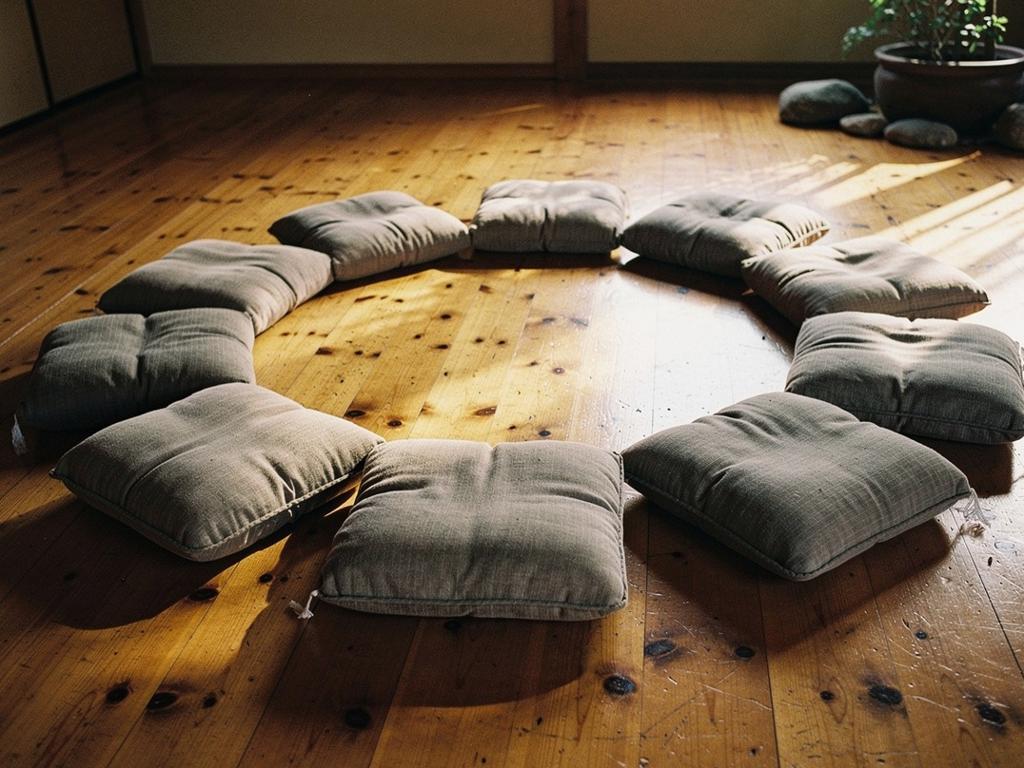
Set and Setting: Why the Container Matters More Than the Medicine
Ask anyone who has sat with ayahuasca, psilocybin, or any of the master plants what shaped their experience, and you'll hear the same two words come up again and again: set and setting. It sounds like jargon. It's not. It's probably the single most useful concept a first-time retreat-seeker can carry into a ceremony, and arguably the most misunderstood piece of the whole psychedelic conversation. Here's the short version. Set is what you bring in — your mindset, your intentions, your mood that week, the breakup you haven't processed, the quiet dread about your father's health. Setting is where you are and who you're with — the maloca, the facilitators, the other participants, the sounds of the jungle at 3 a.m., whether the mattress is comfortable or whether there's a cockroach the size of your thumb on the ceiling beam above you. Both shape what happens when the medicine takes hold. Dramatically. The phrase gets credited to Timothy Leary in the 1960s, but the underlying wisdom is older than any of us — Amazonian curanderos have been curating set and setting for centuries without needing a Harvard psychologist to coin the term. The traditional dieta, the icaros sung over participants, the specific layout of the ceremonial space, the pre-ceremony conversations about intention — all of it is set-and-setting work. The modern research just caught up and gave it a name. What the newer studies keep confirming is almost embarrassingly simple: the same dose of the same substance, given to the same person, in two different contexts, can produce two radically different experiences. One can be healing. The other can be brutal. The molecule doesn't care. The container does. This is why reputable psychedelic retreats spend so much energy on things that look, from the outside, like window-dressing. The welcome circle. The intention-setting conversation. The sharing of life stories before anyone drinks anything. None of it is theatre. It's the facilitators carefully shaping your set, and tuning the setting, so the medicine has the best possible chance of doing what you came for. Set is often reduced to “mindset” but that undersells it. A more honest list of what you're bringing into ceremony: Facilitators who know their craft will spend real time on this before the first cup is poured. If a retreat skips the preparation phase and just hustles you into ceremony on night one, that tells you something about how they understand their job. Setting is the easier of the two to picture, but it extends further than most people think. The physical space matters — a candlelit maloca in the Sacred Valley hits different than a converted conference room in a European wellness hotel, and both are legitimate, but they shape the journey in opposite directions. The music and the icaros matter enormously; the human voice, especially a trained one, can guide a journey the way a riverbank guides a canoe. But setting is also the people. The facilitator you've never met who will, at some point, be the only steady point in a world that's melting. The other participants who may be weeping, laughing, or vomiting beside you. The assistants holding space quietly in the corners. If the group feels safe, the medicine goes deeper. If someone in the circle is projecting fear or hostility, you'll feel it, even with your eyes closed. And setting includes the aftermath. The breakfast the next morning. The sharing circle. The hammock under the trees where you'll sit and try to make sense of what happened. A retreat that invests in integration — proper conversations, bodywork, time to walk and think — is one that understands setting doesn't end when the ceremony does. You can't control everything the facilitators do, but you have real agency over what you bring in. A few things worth doing in the weeks leading up: When you're choosing where to sit, you're really choosing a setting. The marketing photos tell you very little. The questions to ask tell you a lot: A good retreat will welcome these questions. A defensive answer is itself information. Set and setting also means accepting that you don't fully control the outcome. You can prepare meticulously, choose a wonderful place, show up in the right headspace — and still have a night that scrapes you raw. That's not a failure of preparation. That's often the medicine doing precisely what you asked it to do, just not in the way you pictured. The reason set and setting matter so much isn't that they guarantee a pleasant trip. They don't. What they do is build a container strong enough to hold whatever rises — including the hard material, the old grief, the memories you'd rather not revisit. A well-prepared mind in a well-held space can metabolise difficult experiences into something useful. A poorly prepared mind in a chaotic space can turn even a gentle experience into a wound that takes months to understand. This is the real reason the old curanderos put so much care into the small things. They weren't being superstitious. They were being practical. The medicine opens a door; set and setting decide which room you walk into. If you're weighing a retreat and want to see what thoughtful containers actually look like in practice, a range of carefully vetted ayahuasca and plant-medicine retreats can be browsed on our marketplace here. Take your time with the choice. The container you pick is doing more of the work than you probably realise.

Does Ayahuasca Really Help When You Feel Nothing Will? An Honest Look
There's a particular kind of question people type into search bars late at night. It usually sounds something like: has ayahuasca ever actually helped anyone who felt completely stuck? Not inspired. Not curious. Stuck. The kind of stuck where you've tried the therapists, the SSRIs, the meditation apps, maybe a self-help book or three, and some quiet part of you has started wondering if you're just built this way. If that's roughly where you're sitting right now, this piece is for you. I've spent years around ayahuasca retreats, interviewing facilitators and participants, and sitting in ceremony myself more times than I probably should admit at a dinner party. What follows isn't a sales pitch. It's an honest attempt to answer the question — does this stuff actually help the people who feel like nothing else has? Stuck wears a lot of outfits. For some people it's a decade-long depression that lifts just enough to function. For others it's addiction — alcohol, cocaine, porn, work, the usual suspects and the less-talked-about ones. For plenty of readers it's trauma that sits like a houseguest who won't leave, running the show from the back room while you try to live a normal life. And then there's the version of stuck that's harder to name. You're not clinically anything. You just feel flat. The job pays well. The relationship is fine. You wake up most mornings vaguely aware that you're supposed to be grateful, and vaguely ashamed that you're not. If any of that sounds familiar, you're in good company — a lot of people arrive at an ayahuasca retreat carrying exactly that version of the problem. Short answer: for a meaningful number of people, yes. Not a magic bullet, not a guarantee, and not for everyone — but the evidence has been building for years. Small clinical studies out of Brazil and Spain have shown rapid, sustained reductions in depression scores after a single ayahuasca session. Trials on psilocybin for treatment-resistant depression have produced similar results, and the broader category of psychedelics is now being studied seriously for addiction, PTSD, and end-of-life anxiety. Addiction is where I find the anecdotal evidence most striking. Talk to facilitators who've worked with people recovering from heroin, meth, or chronic alcohol use and they'll tell you the same thing: a single ceremony rarely does it, but a well-held series of ceremonies can crack open patterns that twenty years of effort couldn't budge. There are also specific plant medicines — ibogaine most famously — that have shown remarkable results interrupting opioid dependency. These aren't quick fixes. They're interventions that seem to do something that ordinary talk therapy can't reach. Here's the thing worth sitting with, though. The medicine isn't the cure. The medicine shows you something. What you do with what it shows you — in the weeks and months after — is where the actual healing happens or doesn't. Traditional therapy works through language and insight. You talk, your therapist reflects, patterns surface, you understand yourself a little better. That's valuable. It's also, for a lot of people, where the ceiling sits. You can know perfectly well why you keep sabotaging relationships and still do it next Tuesday. Ayahuasca and other master plants seem to work on a different layer. People describe being shown — not told, shown — exactly what their father's drinking did to their nervous system at age seven. They describe feeling their body release something that had been clenched for twenty years. They describe, sometimes, a kind of brutal clarity about who they've been pretending to be. It's not always pleasant. It's often not even pretty. But it reaches somewhere the conversation on the therapist's couch couldn't quite get to. The master plants tradition — ayahuasca, San Pedro, tobacco, and others used ceremonially in Amazonian and Andean lineages — treats these substances as teachers rather than drugs. Whatever you make of that framing, the practical point is this: the experience tends to be intelligent in a way that random brain chemistry shouldn't be. People consistently report being met with exactly the thing they needed to look at, whether they wanted to or not. Let's be concrete, because the vague mystical descriptions online do nobody any favors. A typical ayahuasca ceremony starts after dark. You drink a small cup of a thick, bitter brew that tastes genuinely terrible — expect this and you'll be fine. Nothing happens for 30 to 60 minutes. Then the first wave arrives: a kind of inner weather change, often with physical sensations, sometimes with visual patterning behind closed eyes. Over the next four to six hours, you may experience vivid internal imagery, intense emotion, insights that feel significant, memories you'd forgotten, nausea, purging (vomiting is common and often framed as part of the healing), physical sensations that move through you, moments of profound stillness, and moments where you'd really like it to be over. People sometimes laugh. People sometimes cry for an hour. People sometimes just lie there in a hammock processing something they can't quite put into words. All of this is normal. What you probably won't experience: a cartoon vision quest with spirit animals telling you what career to pick. The marketing version of ayahuasca is largely nonsense. The real thing is more like going into deep therapy with yourself, with a facilitator holding the room, usually accompanied by icaros (medicine songs) sung by the shaman. I'd be doing you a disservice if I only told you the good parts. Ayahuasca is not safe for everyone. People with a personal or family history of psychosis, schizophrenia, or bipolar disorder should not drink. Full stop. The risk of triggering a serious episode is real. There are also medication interactions that can genuinely kill you — most notably SSRIs and other serotonergic drugs. Any legitimate retreat will screen for this and require a tapering period, often six weeks off antidepressants before ceremony. If a retreat doesn't ask about your meds, that's a red flag large enough to see from space. Beyond the medical contraindications, there's the psychological readiness question. If you're in acute crisis — actively suicidal, in the middle of a psychotic break, days out of a traumatic event — this is not the moment. Ayahuasca amplifies and surfaces material. If you don't have the ground underneath you to meet what comes up, the experience can set you back rather than help. The ayahuasca world has grown fast, and the quality control has not kept up. Some retreats are run by indigenous lineage holders with forty years of practice. Others are run by someone who did a weekend training last year and bought a nice property. Learning the difference matters. Signs you're looking at a serious operation: thorough medical and psychological intake, honest conversations about contraindications, small group sizes (fewer than fifteen participants per ceremony is a good rule of thumb), experienced facilitators who've trained for years rather than weeks, clear preparation and integration protocols, and a willingness to turn people away who shouldn't drink. If a retreat accepts anyone with a credit card, run. Signs you're looking at trouble: no medical screening, no mention of integration, promises of specific outcomes (“you will heal your depression”), fuzzy information about who's actually leading ceremonies, large group ceremonies with dozens of people, and anything that feels more like a wellness festival than a serious container for difficult inner work. Here's where most people fail themselves. They spend thousands of dollars and travel to Peru or Costa Rica, have a profound experience, cry, laugh, see their life clearly for the first time in years — and then come home and change absolutely nothing. Six months later they're exactly where they started, telling the story at parties. Integration is the unsexy work of taking what the medicine showed you and actually building a different life around it. Therapy helps. Integration circles help. Journaling helps. A regular meditation practice helps. Changing the specific relationships, habits, or jobs the medicine clearly pointed at — that helps most of all, and it's also the hardest part. The people I've watched genuinely heal are the ones who treated ceremony as the start of the work rather than the end of it. The people who stayed stuck mostly treated it as a one-weekend intervention and expected the plant to do what only sustained effort can do. Honestly, yes. More often than you might expect. I've met people whose decade of depression lifted after three ceremonies and never came back. I've met recovering addicts who count their sobriety from an ibogaine or ayahuasca retreat. I've met trauma survivors who found a doorway they'd been looking for since childhood. These aren't outliers. I've also met people for whom it didn't work. For whom nothing happened. For whom the experience was difficult without being useful. That happens too, and it's worth being prepared for the possibility that you'll fly across the world and come home without the breakthrough you were hoping for. Even then, most participants say they don't regret going. If you're seriously considering this path, do the research, be honest with yourself about contraindications, and choose carefully. A range of vetted ayahuasca and plant medicine retreats can be browsed on our marketplace here — not as the answer, but as a starting point for the kind of decision that deserves real care. Whatever you choose, choose it with your eyes open. That alone puts you ahead of most people who show up to ceremony hoping to be rescued.
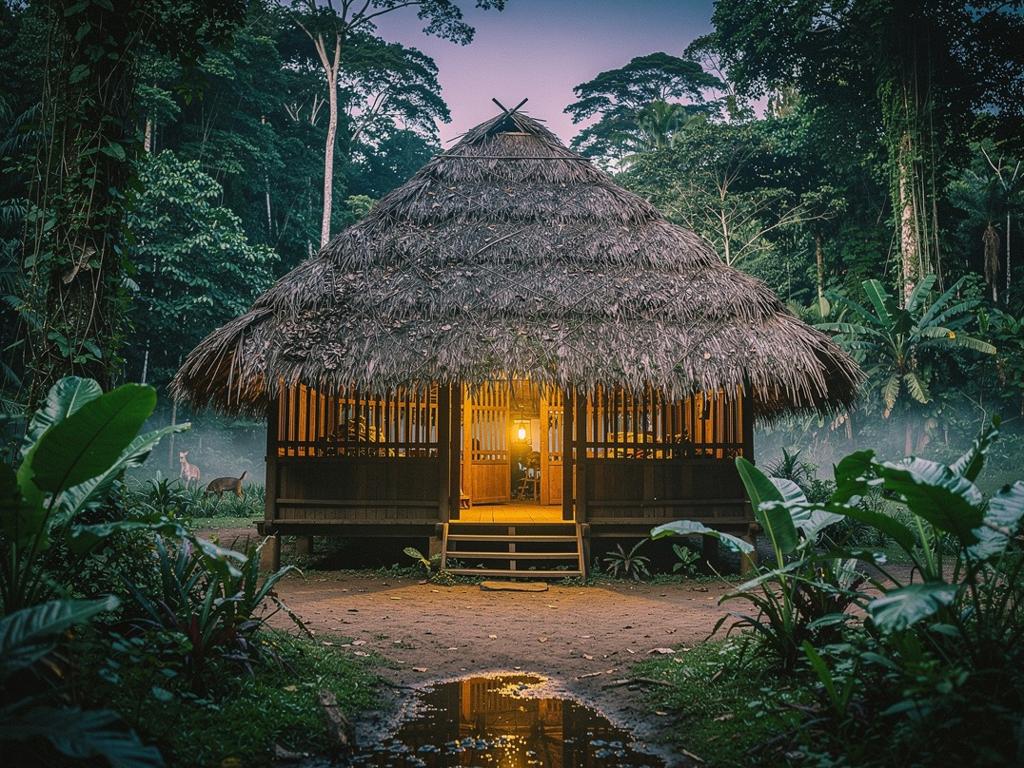
Safety in Ayahuasca Ceremonies: Red Flags, Boundaries, and How to Protect Yourself
Here's something the glossy retreat brochures rarely mention: not every ceremony space is safe. Most are. Many facilitators are serious, trained, and genuinely devoted to the work. But a small, persistent minority use the altered, vulnerable state ayahuasca produces as cover for behavior that would be criminal anywhere else. If you're researching your first retreat — or your tenth — this is the conversation you deserve to have before you book, not after something goes wrong. Ayahuasca sits at an uncomfortable intersection. It's a sacred plant medicine with centuries of traditional use, and it's also a largely unregulated industry where almost anyone can hang a shingle, call themselves a shaman, and start pouring brew. That gap — between the depth of what the medicine opens up and the thinness of professional accountability around it — is where harm lives. So let's talk honestly about it. Ayahuasca dissolves the boundaries most people rely on to protect themselves. You're often lying down in the dark, physically immobilised by the medicine, emotionally cracked open, sometimes unable to speak or sit up. Your sense of time distorts. Your usual threat-detection goes offline. You've been told, often repeatedly, to surrender and trust the process. In the right container — trained facilitators, clear ethical protocols, witnesses present, consent established while sober — that surrender is where the healing happens. In the wrong container, it's an open door. Facilitators have unobstructed physical access to people who literally cannot consent in any meaningful legal sense. Combine that with cultural reverence (the shaman is treated as a channel for the spirits), language barriers, remote jungle locations, and a group dynamic that discourages anyone from making a fuss, and you have conditions that occasionally attract exactly the wrong kind of person to the role. None of this is theoretical. Reports of non-consensual touching, grooming, and sexual assault at ayahuasca retreats surface regularly in survivor communities, in investigative journalism, and in the quiet conversations that happen after people get home and process what actually occurred. The industry's response has been patchy at best. Before we get to the red flags, it helps to know what normal looks like. In a well-run ceremony, physical contact from facilitators is minimal, purposeful, and predictable. A hand on the shoulder during an icaro. A supportive arm if you need to walk to the bathroom. A blanket adjusted when you're cold. That's roughly the range. Any touch that happens should be something you were told about during the pre-ceremony briefing. Reputable retreats explain, in daylight, exactly what the facilitators do and don't do — including whether any form of bodywork, limpia (energetic cleansing), or close physical contact is part of their practice. You should be asked for consent, and told you can withdraw it at any point without any spiritual consequence being implied. Here's a quick benchmark for what you should see at a safe retreat: Most harm is predictable in hindsight. The warning signs tend to show up long before anyone drinks the brew — in how the retreat markets itself, how it answers your emails, and how it talks about past participants. Watch for the lone-genius setup: one charismatic shaman, no apparent oversight, a cult of personality around him (and it's almost always a him). Watch for retreats that can't or won't name their lineage, won't tell you where the facilitator trained, or get defensive when asked about credentials. Traditional Shipibo, Shuar, and other Amazonian lineages have apprenticeships that take decades. Someone who did a two-week course in Pucallpa and is now running ceremonies for Westerners is not the same thing. Also pay attention to the language. If the website leans heavily on words like “sacred container,” “divine masculine energy,” or anything suggesting the shaman has special sexual-spiritual gifts to share with participants, run. If testimonials are vague and ecstatic but nobody will put you in touch with a past participant, that's a pattern. If the retreat discourages you from using your phone, keeping a journal, or talking to other participants about your experience, that's a bigger pattern. Some questions worth asking out loud before you pay a deposit: A retreat that answers these cleanly is probably fine. A retreat that gets evasive, offended, or spiritually superior is telling you something important. This is the part people need to hear plainly: the altered state does not override consent. Ever. If something happens in ceremony that feels wrong — a touch that lingers, a facilitator who seems too interested, physical contact that was never discussed — your instinct is correct, even if you can't articulate why in the moment. The medicine does not grant anyone permission to touch your body in ways you didn't agree to while sober. If you can speak, speak. “No.” “Stop.” “Get away from me.” These words still work in Spanish, English, or whispered into the dark. If you can't speak, try to move your body away. If you can't move, remember what happened as clearly as you can and tell someone the moment you're able. Afterwards, write it down. Dates, times, who was present, what was said, what was done. Memory under the influence of DMT is slippery, and shame has a way of making people doubt themselves within hours. A written account made while things are still fresh is both for your own clarity and, if you decide to pursue it, for any later reporting. First: it was not your fault. Not because you drank the medicine, not because you went to a remote location, not because you trusted someone wearing feathers. Predators use the structure of ceremony specifically because it isolates people and complicates reporting. That is on them, not on you. Second: you have options, and none of them require you to decide right now. You can talk to a trauma-informed therapist, ideally one familiar with psychedelic experiences. You can contact organisations like the Chacruna Institute, which maintains resources for survivors of ayahuasca-related abuse. You can report to local authorities in the country where it happened, though this is often legally complicated. You can warn others by posting in survivor forums, by name, with specifics — this is how most of the known patterns got documented in the first place. Integration after this kind of experience is its own long process, and it looks nothing like the integration your retreat probably talked about. It involves grief, rage, and often a complicated relationship with the medicine itself. Many survivors eventually return to plant medicine in different, carefully chosen contexts. Many don't. Both are legitimate. None of this should scare you away from ayahuasca if you've been called to it. The medicine itself isn't the problem. The problem is the thin layer of accountability that currently surrounds Western access to it. You can navigate that layer with care. Prioritise retreats that have been operating for years with consistent staff. Prioritise ones run by, or in genuine partnership with, indigenous communities who have reputational skin in the game. Prioritise ones that make their safety protocols boring and explicit rather than mystical. Trust organisations that treat you as an adult making a medical and spiritual decision, not as a seeker who needs to be opened up. Ask the awkward questions. Note how the answers feel in your body, not just how they read on paper. If you're between two options and one feels cleaner, trust that. The medicine will still be there if you take an extra three months to find the right place. For readers who want to take this further, a range of vetted ayahuasca and plant-medicine retreats can be browsed on our marketplace here. Choose carefully, ask every question twice, and remember that any space worth sitting in will welcome your scrutiny rather than resent it.
Craving More Stories?
Join our ShopAyahuascaRetreats newsletter for the latest updates on thrilling
destinations and inspirational tales, delivered straight to your inbox!
We value your privacy. Your email address will never be shared or published.

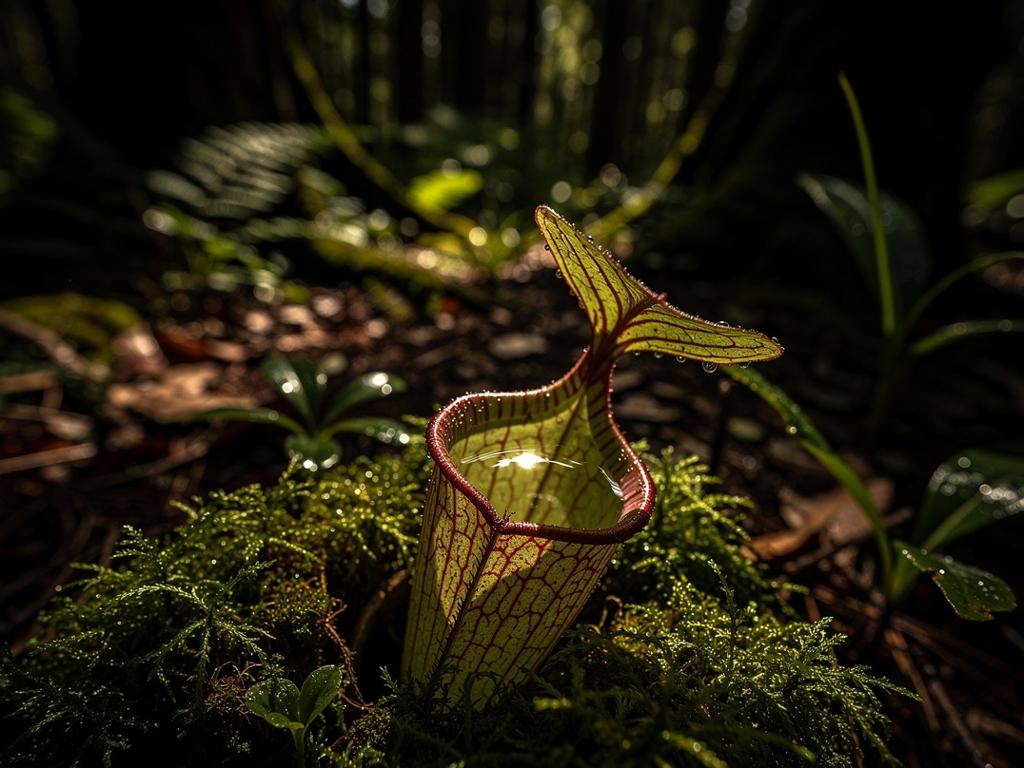
When You Walk Away From the Cup: Choosing Not to Drink Ayahuasca
There's a moment nobody warns you about at an ayahuasca retreat. The candles are lit. The icaros are being tuned. The shaman is pouring the brew into small wooden cups, and it's almost your turn. And something in your chest says: not tonight. Maybe not ever. People talk endlessly about the visions, the purge, the breakthrough. Almost nobody talks about the participant who sits through the whole opening, watches everyone else drink, and quietly declines the cup. Or — more dramatically — stands up and walks out of the maloca before the ceremony even begins. It happens more often than the retreat brochures admit. And it isn't necessarily failure. Ayahuasca is a serious psychedelic. It's a brew of the Banisteriopsis caapi vine and, usually, chacruna leaves — the DMT-containing plant that gives the medicine its visionary edge. When people sign up for a retreat months in advance, they're often imagining a version of themselves who's ready. Then that person actually arrives in the jungle, gets three days of dieta under their belt, watches the sun set over the ceremony hut, and realizes the version of them sitting on the mat is not the same as the version who booked the trip. The reasons vary. Some people get spooked by a first-night ceremony they didn't drink in — the sounds, the crying, the purging in buckets a few feet away. Others feel a strong intuitive no in their body and, for once in their lives, decide to listen to it. Some are on medications they didn't disclose and get honest with themselves about the risk. And some just realize, once the whole thing is real and physical and about to happen, that they came for the wrong reason. None of these are shameful. What's shameful is drinking anyway because you paid for it, because you flew here, because your friends know you came. That's ego, not medicine. Short answer: no. Longer answer: it depends on what you do with it. There's a thread of thinking in the plant-medicine world that the ceremony begins the moment you commit to going, not the moment you swallow the brew. If that's true — and I lean toward believing it — then whatever happens in the days leading up to your no is already part of the work. The dreams that got weird. The conversations you had with strangers on the plane. The moment you stood at the edge of the maloca and felt your knees go soft. Something in you is being asked a question. You answered it. That's not nothing. I've spoken with facilitators who've been running ceremonies for twenty-plus years, and the good ones almost universally say the same thing: they'd rather have someone walk out sober than drink out of social pressure. A person who forces themselves into a deep psychedelic state they weren't ready for is much harder to hold than a person who honestly said no. The medicine, they'll tell you, has its own timing. If you walked away from the cup, it's worth spending a few honest weeks asking why. Not to shame yourself into going back. Just to understand. A few of the patterns I've seen come up in integration conversations: Any of these are workable. But you have to actually sit with which one it was for you. The trap after walking away is turning it into an identity — either I'm not spiritual enough or I saw through the whole thing, plant medicine isn't real. Both are cheap outs. Both let you avoid the more interesting question, which is: what is it that I actually came looking for, and what would honestly help me find it? Give yourself a couple of weeks before making meaning. Journal, but don't try to reach conclusions. Talk to one person you trust who won't push you in either direction. Notice what you feel when you think about going back — dread, curiosity, relief, longing. Those feelings are data. And if the answer keeps being not this, not now, that's a legitimate outcome. Ayahuasca isn't the only path through the door you're standing at. Some people find more of what they were looking for in trauma-focused therapy, in a serious meditation practice, in a psilocybin container that feels gentler, or in the plain slow work of changing their life one habit at a time. Say you sit with it for a season and realize the no was a not yet, not a not ever. Here's what tends to make the second attempt go better: The people I trust most in this world — facilitators, longtime drinkers, integration therapists — are almost always the ones who talk least about how transformative it all is. They talk about pace. They talk about consent. They talk about the difference between a healing experience and healing itself, which are not the same thing. Walking out of a ceremony without drinking might be the most honest thing you've done in years. Or it might be the fear you needed to face and eventually walk back toward. Only you get to figure out which. But either way, the retreat wasn't wasted. You learned something about the shape of your own no, and that turns out to be one of the more useful things a person can know about themselves. For readers who want to keep exploring this path with more information in hand, a range of vetted ayahuasca retreats and other plant-medicine containers can be browsed on our marketplace here. Take your time with the decision. The medicine, if it's for you, will still be there when you're ready.
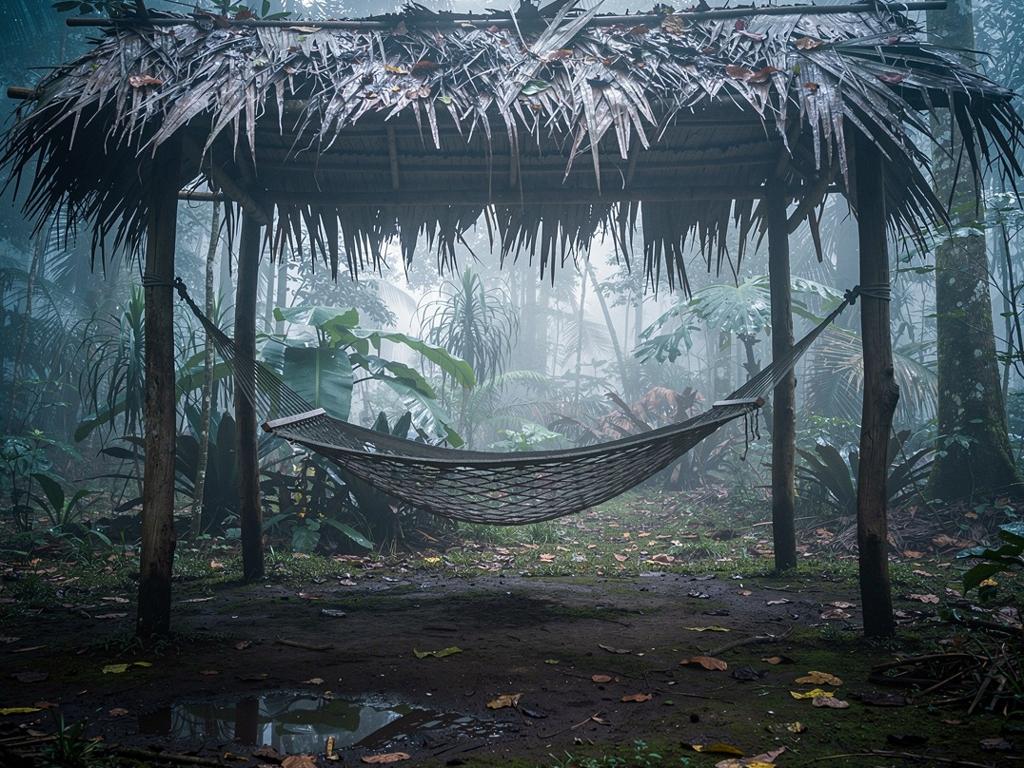
Plant Medicine Schools in Peru: What Long-Term Ayahuasca Training Actually Looks Like
Somewhere past the city of Iquitos, down a rutted road that turns to red mud in the rainy season, there are small clusters of thatched-roof huts where people spend weeks, months, sometimes years learning the old ways of Amazonian plant medicine. Not weekend workshops. Not corporate wellness retreats. Actual apprenticeships, the kind that require you to sit alone with a plant for a month and see what happens. If you've been researching ayahuasca and the deeper end of the psychedelic and plant medicine world, you've probably run into the term plant medicine school. It sounds official, maybe even accredited. It isn't, at least not in the Western sense. But these places are real, they're serious, and for a certain kind of seeker — often someone who has already done a few ceremonies and felt the pull to go deeper — they represent something a standard retreat can't offer. Here's what actually happens at one, why people go, and what you should understand before you even think about booking. The phrase is a loose translation of what the Shipibo and other Amazonian traditions have been doing for centuries. In the old model, a curandero (healer) trains for years — sometimes decades — under an older curandero, learning to work with dozens of master plants through long, isolated dietas. A plant medicine school is the modern container that opens this apprenticeship path to outsiders, usually with a maestro or maestra Shipiba at the center of the work. You're not going to learn to be a shaman in a month. Anyone who tells you otherwise is selling something. What these schools do offer is structured access to the traditional training path: real dietas with real plants, ayahuasca ceremonies held in the Shipibo lineage, and enough time in the jungle for something to actually shift. The word school can be misleading. There's no curriculum in the classroom sense. There are plants, ceremonies, silence, and one or two teachers who watch you closely and adjust the work based on what they see. It's slow. It's often boring. Occasionally it cracks you open. If ayahuasca gets all the headlines, the dieta is the quieter, harder practice that actually does most of the heavy lifting in traditional plant medicine. A dieta is a period of isolation — typically eight days, thirty days, or longer — in which you take a single master plant and follow a strict set of restrictions. What that looks like in practice: Master plants aren't psychedelic in the ayahuasca sense. Bobinsana, ajo sacha, chiric sanango, noya rao, chuchuwasi — each has its own personality, its own teachings. Serious practitioners describe the dieta as a kind of conversation. You show up quiet enough for long enough that the plant can speak. It sounds romantic on the page. It's mostly not. Day four of a solo dieta with mosquitoes, boredom, and a mind that won't shut up is a specific kind of hell that a lot of people don't finish. Which is arguably the point. Fair question. The people who commit to long-term plant medicine study tend to fall into a few camps. Some are aspiring facilitators or therapists who want a genuine grounding in the tradition rather than a certificate from a weekend course. Some are recovering from addiction and have found that short retreats give them a window but not a door — they need the sustained container. Some are dealing with trauma that hasn't budged through years of talk therapy. And some are just people who felt something powerful in a single ayahuasca ceremony and knew, in a way that's hard to explain to friends back home, that they weren't done. The addiction piece deserves its own mention. There's a growing body of anecdotal and clinical interest in psychedelic-assisted recovery — ayahuasca for alcohol and stimulant addiction, ibogaine for opiates, psilocybin for tobacco. What the traditional plant medicine school adds is time and structure. A month in the jungle is a much stronger interruption of an addictive pattern than a long weekend, and the dieta itself teaches a kind of discipline that carries over. None of this is a promise. Plant medicine isn't a cure. It's a tool, and like any powerful tool it works best in skilled hands and a supportive setting. The plant medicine world in Peru has grown fast, and not everyone hanging a sign is legitimate. If you're weighing a school, here's what actually matters. Cost varies wildly. A month-long dieta at a serious school in the Peruvian Amazon typically runs somewhere between three and six thousand US dollars, all in. Cheaper isn't better here — you're paying for food, lodging, medicine, and, most importantly, the time and skill of the healers. Preparation matters more than most people realize. In the weeks before, you'll usually be asked to follow a pre-dieta — no alcohol, no recreational drugs, no pork, minimal sugar and processed food, no sex for a week or two before arrival. This isn't superstition. The plants work more cleanly on a body that's been quieted down. Bring less than you think. A journal, a few loose cotton clothes, a headlamp, mosquito repellent that doesn't smell like a chemical plant, and a genuinely open mind. Leave the expectations at the airport. The single most common report from people who've done long dietas is that whatever they came for was not what they got — but what they got was, in retrospect, exactly what they needed. Mentally, prepare for boredom. Prepare for the plants to bring up things you'd rather not look at. Prepare for the possibility that a ceremony will feel like nothing, and another will feel like being taken apart and put back together. It's not linear. What you do after the jungle matters as much as what happens in it. Plant medicine schools are increasingly aware of this, but the burden is still mostly on the participant. The classic mistake is coming home glowing, telling everyone about the vine, dropping old habits — and then, three months later, being right back where you started. The insights fade. The old patterns are patient. Without integration, you got a very expensive holiday. Integration means the boring stuff. Journaling regularly. Working with a therapist or integration coach who doesn't think you're insane for talking about jaguars. Building a small daily practice — meditation, breathwork, movement — that keeps you in some kind of contact with what you learned. Community, ideally with other people who've done this work, so you're not the only one in your world speaking the language. A month in the Amazon isn't the destination. It's the beginning of a much slower project, which is the rest of your life. Honestly? For most people, no. A well-run five to ten day ayahuasca retreat is the right first step, and often it's enough. You'll know if you need more. The pull toward a longer training tends to be unmistakable — it's less curiosity and more a quiet, persistent knowing that there's work here you're supposed to do. If that's you, take your time choosing. Read everything. Talk to people who've studied at the school you're considering. Trust your gut when something feels off. The plants have been here a long time; they'll be here next year too. For readers who want to explore the ayahuasca retreats and longer plant medicine programs discussed across the broader Amazonian tradition, a curated selection can be browsed on our marketplace here.
Ayahuasca Isn't the Answer: Why the Medicine Only Works If You Do
Here's something you rarely hear from the glossy retreat websites: ayahuasca will not fix your life. Not in one ceremony. Not in ten. Not even if the shaman is a fourth-generation curandero with a queue of grateful Silicon Valley pilgrims outside his door. The plant medicine can crack you open, show you things you've spent decades avoiding, and hand you a map — but it won't walk the road for you. I've sat in enough ceremonies, interviewed enough facilitators, and watched enough people come home glowing (and then quietly crash three weeks later) to know this needs saying out loud. If you're weighing an ayahuasca retreat right now, especially because you're struggling with addiction, depression, or a stuck pattern you can't seem to shake, this is the conversation I wish someone had forced me to have before I booked my first trip. The story goes like this: broken person flies to Peru, drinks the brew, throws up their trauma, comes home reborn. It makes for a great documentary. It also happens sometimes — I'm not going to pretend it doesn't. But it's not the median outcome, and treating it as the goal sets you up for a very particular kind of disappointment. What ayahuasca reliably does is show you your material. The grief you've compartmentalized. The resentment you've carried since you were nine. The way you keep reaching for the drink, the phone, the doomscroll, the argument. The medicine has an almost uncanny ability to hold up a mirror and say, look. That's the gift. That's also the entire gift. What you do with what you see — that part is on you, and it's the harder half by a long stretch. People who report the deepest, most durable changes from ayahuasca almost always have something in common: they treated the ceremony as the beginning, not the end. They came home and changed their habits. Got a therapist. Left the relationship. Started the somatic work. Sat in silence every morning even when nothing was happening. The plant lit the fuse. They built the fire. This matters most for people looking at plant medicine for addiction. I get emails from readers all the time who've heard about ibogaine interrupting opioid dependence, or ayahuasca helping people quit alcohol, and they want to know if a week in the jungle can undo twenty years of drinking. The honest answer is complicated. Yes, there's real research — some of it quite promising — showing that psychedelic-assisted work can shift the neural and psychological patterns underneath addictive behaviour. Yes, people have gotten sober after ayahuasca and stayed sober. But the ones who stay sober are almost never the ones who treated the retreat as a magic bullet. They're the ones who came home to a recovery community, a sponsor, a therapist familiar with psychedelic integration, and a completely restructured daily life. Addiction is a whole-life condition. It has neurological roots, psychological roots, social roots, and often trauma roots. A plant can address several of those in a single night in ways that feel genuinely miraculous. It cannot address the roommate who still drinks every evening, the job you hate, the loneliness you medicate, or the fact that you never learned how to sit with an unpleasant feeling for more than eleven seconds. Those are yours to work with. The medicine is a partner, not a substitute. Integration is the word people throw around, and it sounds vaguely spiritual until you actually try to do it. In practice, it's less mystical and more like homework. Boring, patient, unglamorous homework that determines whether the ceremony was a life event or an expensive vacation. Real integration includes some combination of the following, done consistently for weeks and months after you come home: Notice that none of that requires another ceremony. The temptation, especially after a powerful experience, is to chase the next one. To book another retreat six months out. Sometimes that's genuinely useful. Often it's a way of avoiding the slow, ordinary work the last ceremony pointed you toward. This is the question I get most, and the answer isn't a checklist so much as an honest self-inventory. A few things worth asking before you put down a deposit: If you answered those questions honestly and still feel called, that's meaningful. If you flinched at any of them, that's also meaningful — and worth sitting with before you book. One of the strange, beautiful things about ayahuasca is that it seems to know what you need — which is often not what you want. People arrive hoping for cosmic revelation and get shown their childhood kitchen. They arrive wanting healing and get shown a resentment they've been nursing for a decade. They arrive wanting an answer and get shown a better question. This is why the framing of ayahuasca as a solution misses the point. It's not solving anything. It's showing you what's already there, with a clarity and vividness that ordinary consciousness rarely permits. What you do with that information — whether you take it seriously, whether you let it change how you live — is where the actual healing happens. Or doesn't. The people I've watched genuinely transform through plant medicine share a quality that's hard to name but easy to recognize. They took the ceremony seriously without treating it as sacred untouchable magic. They came home and did the work. They didn't romanticize the plant, and they didn't dismiss it either. They treated it like what it is — a powerful teacher that only teaches if you show up to class every day, long after the last drop of brew has left your system. If you've read this far, you're probably serious about this. Good. Serious is the right posture. Take a few weeks — or months — with the following before you commit: Read widely, including the accounts of people whose experiences were difficult or disappointing. Talk to at least two people who've been to the retreat you're considering. Start a meditation practice now, however clumsy. Clean up your diet in the weeks before, not because a dieta is mandatory everywhere but because your body will thank you. Line up your integration support before you leave, not after you get back. And be suspicious of any retreat that promises outcomes. The reputable ones don't. They offer a container, a lineage, a trained facilitator, and the medicine itself. The rest is a collaboration between you and something you won't fully understand, no matter how many trip reports you read beforehand. Plant medicine is real, and it can be genuinely life-changing. It is also not a shortcut, not a cure, and not a substitute for the ongoing work of being human. If that framing feels right to you — if you're ready to meet the medicine as a partner rather than a savior — then a retreat may well be worth exploring. For readers who want to take that next step, a range of vetted ayahuasca and plant-medicine retreats can be browsed on our marketplace here. Whatever you choose, choose it with your eyes open. The medicine rewards honesty above almost everything else.
Two Years After Ayahuasca: The Real Work of Integration
Nobody warns you about the quiet part. The retreat ends, you fly home, and for a few weeks you're radiant — friends notice, your sleep improves, you cry at songs you used to skip past. Then, somewhere around month three, the shimmer wears off and the actual work begins. Two years in, most people I talk to say the same thing: the ayahuasca ceremony was the easy part. Integration is where the plant medicine either takes root or evaporates. I want to talk honestly about that middle distance — not the week after, not the decade after, but the messy stretch that runs from about six months to two years post-ceremony. If you're researching ayahuasca or a psychedelic retreat right now, this is the terrain no glossy brochure will map for you. Understanding it before you book might be the single most useful thing you do. Integration is one of those words that gets thrown around at retreat centers until it loses shape. It doesn't mean journaling for a week. It doesn't mean joining an integration circle on Zoom and calling it done. Real integration is the slow, unsexy process of translating what the medicine showed you into how you actually live — the job you take, the relationships you keep, the food you eat, the way you speak to your partner when you're tired. Ayahuasca tends to show you the truth in high-definition. That's the gift and the problem. You come home knowing things you didn't want to know — about your marriage, your drinking, the career you built to please someone who died a decade ago. The medicine doesn't fix any of it. It just removes the option of pretending you didn't see it. What you do next is entirely on you. People often expect a psychedelic retreat to work like surgery — go in broken, come out mended. In practice, it's closer to being handed a very accurate map of a country you now have to walk across on foot. The insights are real. The walking is still hard. Something predictable happens around the half-year mark. The glow fades. Old patterns start whispering again — the drink after work, the doomscroll at midnight, the argument with your mother that always ends the same way. And you panic a little, because you were sure ayahuasca had shown you a way out of all this. Here's the thing nobody tells you: the return of the old patterns doesn't mean the medicine failed. It means you're now in the real classroom. Master plants — ayahuasca, San Pedro, iboga, psilocybin — don't overwrite your operating system. They show you the code. Whether you rewrite it is a separate project, one that involves therapy, community, discipline, and often a fair amount of grief. People struggling with addiction feel this most acutely. A ceremony can strip the compulsion clean for weeks, sometimes months. But the underlying wound — the reason you started drinking or using in the first place — is still there, tender and unaddressed. If you don't build scaffolding around your recovery in that honeymoon window, the compulsion tends to return with sharp teeth. After two years of watching people move through this process, I've noticed a rough pattern. The people who integrate well tend to share a few things: The people who fall apart usually did the opposite. They flew home, told nobody, went back to the same job and the same partner and the same Tuesday-night beers, and expected the ceremony to hold on its own. It rarely does. The medicine is powerful. It's not magic. A common two-year phenomenon: the urge to burn everything down. You come back from Peru convinced you need to quit your marriage, leave your career, and open a permaculture farm in Portugal. Sometimes that impulse is genuine and worth following. Sometimes it's the medicine's clarity mistaken for a life plan. The old teachers in the Amazon have a phrase for this — they call it the ayahuasca hangover, and they'll tell you not to make any major decisions for at least three months after a heavy ceremony cycle. That advice is worth taking seriously. What feels like divine instruction at week two often looks like avoidance at month six. The changes that stick tend to be smaller and more boring than the fantasy — a new morning routine, a real conversation you'd been putting off, an appointment with a therapist who actually specializes in psychedelic integration. Starting over doesn't have to mean tearing your life apart. Sometimes it means staying exactly where you are and becoming a different person inside the same address. That version is less Instagram-friendly, but it's the one that usually works. One of the cruelest parts of the return is coming back to a home that hasn't changed. The retreat happened in a jungle lodge with candles and icaros and people who understood what you were doing. Home has fluorescent lights, unopened mail, and a partner who wants to know why the dishwasher isn't loaded. This gap is where a lot of integration dies. The medicine opened something in you, but your daily environment is calibrated for the old version. Small changes to your physical space matter more than people think. An altar in the corner of a bedroom. A morning hour that belongs only to you. A no-phone rule at meals. These sound trivial, and they aren't — they're how you protect the new nervous system you built in ceremony from being overwritten by the same stimuli that shaped the old one. If you live with people, integration also becomes a relational project. Your partner didn't go to Peru. They love the old you and are wary of whoever you're becoming. Give them time. Don't preach. Don't try to convert anyone. Just live it, quietly, and let them see what changes. By the two-year mark, most people are asking themselves whether to return to ceremony. There's no universal answer, but a few honest questions help: Ayahuasca isn't a maintenance drug. Sitting too often can dull the signal, and some traditions warn openly against it. Iboga and psilocybin have their own rhythms. If you're genuinely considering another psychedelic retreat, do it with someone who'll be honest with you about whether you're ready — not just someone selling seats. Two years in, the people I know who did this well don't talk about ayahuasca much anymore. It's not their identity. It became a hinge point — a before and an after — but the after is now just their life, and the life is different in ways that would be invisible to someone who didn't know them before. They drink less. They listen better. They stopped chasing something they can no longer name because they finally caught it. The ones who struggle are usually still in the retelling. Still posting about their journey. Still shopping for the next ceremony. And I don't say that with judgment — I've been in both camps at different points. But if you notice yourself performing the transformation more than living it, that's usually a sign to close the laptop and go do the actual work. If you're weighing your first plant medicine retreat, or considering a return sit after a long pause, spend as much time thinking about the year after as the week of. That's where the medicine really lives. For readers who want to take this further, a range of vetted ayahuasca and plant-medicine retreats can be browsed on our marketplace here — with facilitators who take integration as seriously as the ceremony itself.
Can You Overdose on Ayahuasca? What the Research and Ceremony Reality Actually Show
Short answer first, because you probably scrolled here looking for one: a classic pharmacological overdose on ayahuasca — the kind where the brew itself stops your heart or shuts down your breathing — is extraordinarily rare. That doesn't mean ayahuasca is harmless. It means the way people actually get hurt on plant medicine usually isn't the way they think they will. If you're researching a psychedelic retreat and quietly wondering whether you could die drinking ayahuasca, that's a fair question to ask. It's the kind of question a responsible facilitator would rather you ask out loud than sit on. So let's walk through what an overdose would actually look like, what the pharmacology says, where the real dangers hide, and what to look for in a retreat that takes safety seriously. Ayahuasca is a brew — usually the Banisteriopsis caapi vine combined with a DMT-containing plant like chacruna (Psychotria viridis). The vine contains harmala alkaloids that act as MAO inhibitors, which is what allows the DMT to become orally active. Two active pharmacological systems in one cup. That's the setup you're actually drinking. An overdose, in the strict medical sense, means taking enough of a substance to cause serious physiological harm — respiratory depression, cardiac failure, seizure, death. With classical psychedelics like DMT and psilocybin, the therapeutic-to-lethal ratio is famously wide. In animal studies, the lethal dose of DMT is estimated to be many, many times higher than a ceremonial dose. Nobody in a maloca is drinking anywhere near that. The harmala side is a little more interesting. Harmine and harmaline are potent MAO-A inhibitors, and MAOIs are the reason ayahuasca can interact badly with certain foods and medications. Drink way too much brew and you could, in theory, push yourself into some kind of serotonergic or cardiovascular trouble. But it would take a genuinely absurd volume — far past what any ceremony pours — and most people would purge long before they got there. The body's built-in eject button is doing quite a lot of quiet work. Here's where the honest conversation starts. The deaths and hospitalizations you occasionally read about in the news almost never trace back to "too much ayahuasca" in a vacuum. They trace to specific, identifiable causes that a competent retreat should be screening for and preventing. That's the difference between a scary substance and a substance in a scary context. The main risk categories, in rough order of how often they actually cause problems: Notice that almost every item on that list is preventable with screening, honesty, and competent supervision. That's the actual safety conversation. Not "is the molecule dangerous" but "is the container safe." People new to plant medicine tend to hear about the vomiting and diarrhea and assume something has gone wrong. In ayahuasca work, the purge is considered part of the medicine — physically, emotionally, sometimes both at once. It's also, incidentally, one of the reasons overdose in the strict sense is so hard to achieve. The body will empty itself before it lets you push much further. Every experienced facilitator I've spoken with has some version of the same line: the medicine gives you what you can handle. That's not a mystical claim so much as a practical one. Between the purge, the emotional intensity, and the sheer difficulty of drinking a second cup when your first one is currently redecorating a bucket, most people self-regulate long before they hit any pharmacological ceiling. That said — and this matters — "the medicine knows" is not a substitute for a facilitator who knows. Bodies are individual. Reactions vary. A responsible ceremony has someone tracking each participant, not just leading songs. Dosing in traditional and neo-shamanic contexts is not standardized the way pharmaceutical dosing is. A cup might contain anywhere from 30 to 150 milliliters of brew, depending on the tradition, the batch, and the facilitator's read of the participant. Some retreats offer a second or third serving mid-ceremony for those who feel undermedicined. Some don't. Concentration varies enormously between batches. A brew reduced for eight hours over a wood fire in the Peruvian Amazon is a different animal from a milder Santo Daime-style preparation. This is one reason experienced drinkers ask about the specific curandero or church tradition behind a retreat — not to be snobby about lineage but because it tells them something concrete about what's likely to be in the cup. If you're a first-timer, the honest advice is this: start with what's offered, wait the recommended window (usually 45 minutes to an hour), and only ask for more if the facilitator invites it and you're genuinely undermedicined. Chasing a bigger experience by drinking more is a rookie move and occasionally the thing that produces the horror stories. The pattern in the incident reports is remarkably consistent. When someone gets seriously hurt at an ayahuasca retreat, you can usually trace it to one or more of these: These are the things to screen for. Not "does the website look pretty" but "who is responsible if something goes wrong at 3 a.m." If you're weighing a retreat right now, take these to any facilitator or coordinator you're considering. Their answers — and how comfortable they are answering — will tell you more than the marketing copy. A retreat that answers these calmly and specifically is in a different league from one that gets defensive or waves the questions away with talk of trust and surrender. Trust is earned by competence, not requested by vibes. Ayahuasca isn't a substance with a scary overdose profile. It's a substance with a scary context problem — meaning the risks are almost entirely about who's serving it, to whom, and under what conditions. Understand that distinction and you understand most of what matters about safety in plant medicine. For anyone using ayahuasca or other psychedelics to work on addiction, depression, or long-standing trauma, the same principle applies twice over. The medicine can open doors. What happens after — the integration, the follow-through, the changed daily habits — is where the healing actually consolidates. A single ceremony without preparation and integration is just an experience. A well-supported process is something else. If any of this resonates and you want to look at what a properly run container actually looks like, a curated selection of ayahuasca retreats can be browsed on our marketplace here. Take your time with the decision. The right retreat will still be there next month, and asking hard questions before you book is the single most useful thing you can do for your own safety.
Dreaming of a Psychedelic Retreat?
We have the best deals and offers from thousands of organizers all over the world! Get them into your mailbox every week!
We value your privacy. Your email address will never be shared or published.
