 English
 Deutsch
 Français
 Nederlands
 Español








Reset. Heal. Grow.

Vitamin D and Gut Health: What a New H. Pylori Study Really Means
Most of us file vitamin D under “bone stuff” — the thing your doctor mentions once a year, maybe twice if you live somewhere grey. A few people know it has something to do with mood or immunity. Almost nobody thinks of it as a frontline defender of the gut. A new study published this year suggests we probably should. Researchers looked at a possible link between vitamin D levels and Helicobacter pylori, a bacterial infection that quietly colonises the stomachs of nearly half the planet. What they found isn't a cure, isn't a magic bullet, and doesn't replace standard medical treatment. But it does nudge the conversation about gut immunity in a direction that's worth paying attention to — especially if you've been chalking up vague stomach complaints to “just stress.” The team enrolled 502 adults and ran two tests on each person: one for vitamin D status, and one for H. pylori infection. They also gathered the usual background data — lifestyle habits, demographics, blood markers like serum iron — the kind of context that lets you tease apart a real signal from noise. Then, in a smaller subgroup of 50 participants, they ran metabolomics analysis. That's a fancy word for mapping the chemical traffic inside the body at a cellular level. Why bother with the extra layer? Because knowing that two things correlate is only mildly interesting. Knowing how they might be connected at the biochemical level is where the story gets useful. The researchers wanted to see whether low vitamin D was associated with measurable shifts in the way the body processes certain fats — the same fats that happen to be structural ingredients in cell membranes and immune signalling. If H. pylori is new to you, here's the short version. It's a bacterium that lives in the stomach lining and is estimated to infect somewhere between 40 and 50 percent of people globally. You pick it up through close personal contact or contaminated food and water. Most carriers never know. For some, it eventually causes burning in the upper abdomen, bloating, nausea, or an awkward amount of burping. In a smaller subset, it contributes to ulcers and raises risk for certain stomach cancers down the line. Not a trivial houseguest. The association between vitamin D status and H. pylori wasn't subtle. After adjusting for other variables, the pattern was striking: Iron levels were lower on average in the H. pylori-positive group, which lines up with earlier findings. But once the researchers controlled for other variables, iron status by itself wasn't an independent predictor. In other words, the vitamin D signal wasn't just iron deficiency wearing a disguise. Vitamin D isn't really a vitamin in the classical sense. It behaves more like a hormone, and immune cells throughout the body carry receptors for it. It helps regulate the production of antimicrobial peptides — the proteins your body uses to fight off pathogens — and it has a hand in keeping inflammation from running away with itself. In the gut specifically, vitamin D helps maintain the mucosal lining and supports the immune surveillance that keeps opportunistic bacteria from setting up camp. When levels drop, the fat-based signalling systems that help immune cells coordinate appear to shift. The metabolomics side of the study pointed to changes in sphingolipids, glycerophospholipids, and ether lipids — all involved in cell membrane structure and inflammatory regulation. Translation: when vitamin D is low, the body's immune communication network gets a little scrambled. Not catastrophic, but potentially enough to make the gut a slightly easier target for a bacterium that's already looking for a quiet corner to settle into. Here's where honesty matters. This was a cross-sectional study — a single snapshot in time. It can't tell us whether low vitamin D opens the door to H. pylori, whether H. pylori drives vitamin D down, or whether some third factor is pulling both strings. The metabolomics findings also weren't adjusted for infection status, which the authors themselves flag as a limitation. Most importantly — and this needs saying clearly — vitamin D is not a treatment for H. pylori. Standard care involves a specific antibiotic protocol paired with acid-suppressing medication, prescribed by a doctor who can confirm the infection first. Topping up your vitamin D is a reasonable move for general health. It is not a substitute for actual treatment if you've got an active infection. If you've never had your vitamin D tested and you live anywhere north of, say, Madrid, there's a decent chance you're running low. A blood test measuring 25-hydroxyvitamin D (25(OH)D) is the standard way to find out. The usual cutoffs: below 20 ng/mL is deficient, 20 to 30 ng/mL is insufficient, 30 ng/mL and above is considered sufficient. Plenty of clinicians argue for aiming closer to 50 ng/mL, though that's still debated. A few practical ways to move the needle: Readers who find their way to this corner of the internet are often thinking about healing on more than one level — the body, yes, but also the harder stuff underneath. Trauma, addiction, burnout, grief. One thing anyone who's spent time in integration circles will tell you: the body you bring to any serious inner work matters. Chronic inflammation, a struggling gut, poor sleep, and nutritional gaps don't just make life harder day to day. They narrow the window in which deeper psychological or spiritual work can actually land. None of this means you need to be a perfectly optimised specimen before you look at the harder questions in your life. But if you're preparing for something demanding — a plant-medicine retreat, a period of therapy, a serious attempt at behaviour change — the baseline stuff really does matter. Sleep. Movement. A gut that isn't quietly on fire. A vitamin D level that's at least in the right postcode. If you're curious about the kinds of retreats where this baseline care is woven into the preparation itself — proper dieta, nutrition guidance, real screening — a range of plant-medicine options can be browsed on our marketplace here. And whether or not a retreat is on the horizon for you, getting your vitamin D tested is a quietly worthwhile thing to do. It takes about five minutes, costs very little, and might change what you decide to do next.

Ice Baths vs. Rest: What a New Recovery Study Actually Found
Here's a question that's been bugging me since cold plunges became the recovery darling of every wellness podcast: does freezing your legs off after a hard workout actually do anything? A new study has an answer, and it's not the one the ice-bath evangelists wanted. Short version — sitting on your couch worked about as well as everything else they tested. Longer version below, because the details matter if you're trying to figure out what to actually do after leg day. The study recruited healthy adults who already strength trained regularly, which matters — these weren't couch potatoes being thrown into the deep end. Each participant got put through a brutal lower-body workout specifically designed to produce the kind of delayed-onset muscle soreness (DOMS) that makes stairs feel personal for two or three days afterward. Then came the recovery intervention. Four groups, four methods: a hot bath, a cold bath, time in a heated room roughly equivalent to a sauna, and plain seated rest. Over the next 72 hours, researchers tracked strength, how sore people felt, and blood markers linked to muscle damage and cellular stress. A clean comparison, more or less. The point was to settle a question that gets asked constantly: when you're trying to recover from a hard session, does what you do afterward actually move the needle? Or are we all performing wellness theatre? After three days, people in the hot bath, heated room, and rest groups had all regained around 88 to 89 percent of their original strength. The cold-water group came in at about 82 percent — a bit lower, but the gap was small enough that it could easily have been chance rather than a real effect. Translation: no recovery method clearly beat the others. And doing nothing — just sitting down and resting — held its own against protocols that cost money, time, and in the case of ice baths, a certain amount of courage. If you've ever stood over a tub of ice water at six in the morning questioning your life choices, this is the study for you. Your couch has receipts. Here's where it gets more interesting. The heat-based methods — hot bath and heated room — showed some notable effects on blood markers. A key marker of muscle damage returned to normal faster in the heat groups than in the cold-water group. Heat also triggered a bigger increase in heat shock proteins, which are the cellular equivalent of a maintenance crew: they help cells manage stress and support repair. So heat was quietly doing something biologically. Whether that translates into recovery you can feel, over weeks or months of training, is a different question — and one this study wasn't built to answer. Increased blood flow is one plausible explanation for heat's effects, though the researchers didn't measure it directly. If you're a sauna person, this probably reinforces what you already believe. If you're not, it's not strong enough to recruit you. Nope. And this part surprised me a little. Pain and muscle soreness stayed elevated across all four groups for the full 72 hours. The hot bath didn't fix it. The sauna-style room didn't fix it. The ice bath — the method most often sold as the soreness-killer — didn't fix it either. Rest didn't fix it, but then nobody was claiming it would. If you've been counting on a single recovery session to erase DOMS, this is your reality check. Soreness after a hard workout is a biological process that mostly runs on its own clock. You can nudge it. You probably can't shortcut it. Not necessarily — but you should probably stop treating it as mandatory. A few honest caveats about this study. It was small: ten people in each group, which is too few to tease apart how men and women responded differently, and too few to catch subtle effects. It also looked at recovery from one workout, not what happens over months of consistent cold exposure as part of a training program. Cold plunges may well have other benefits — mood, inflammation markers over time, mental toughness, that strange post-plunge euphoria that keeps people coming back. This study wasn't designed to measure any of that. What it does tell you, pretty clearly, is this: if you don't love the ice bath, you're not sabotaging your strength recovery by skipping it. The data just doesn't support the idea that cold water is doing meaningful work for the average person after a single hard session. Pulling the practical threads together, here's what the evidence here actually supports: There's a pattern worth noticing in the wellness world: a practice gets picked up by a few charismatic voices, gets packaged as essential, and before long people feel vaguely guilty for not doing it. Cold plunging has had its turn. Before that it was foam rolling. Before that, compression garments. Each one had some evidence behind it, each one got oversold, and each one eventually got put back in its proper place by studies like this one. The useful move is to notice when something has shifted from “tool that might help in certain cases” to “thing you must do or you're falling behind.” That shift is almost always marketing, not science. The research tends to be more modest, and more honest, than the product it ends up selling. If you're the kind of person who finds genuine value in the discipline of a daily cold exposure practice — fine, keep at it. If you've been dreading it, forcing yourself through it, and resenting the whole ritual, you have scientific permission to just sit down instead. Your legs will be fine. Your strength will come back. The couch is a legitimate recovery tool. For readers interested in going deeper on body-based healing and holistic recovery practices — including retreats that combine movement, rest, and contemplative work — a range of relevant wellness and plant-medicine retreats can be browsed on our marketplace here. And next time you finish a brutal session, remember: your couch is doing more work than you think.

Why Sharing Meals With People You Love May Steady Your Blood Sugar
Picture the last meal that actually stayed with you. Not the fuel-and-run kind. The slow one — maybe a long dinner with your partner, a Sunday breakfast where nobody looked at their phone, a bowl of soup with a friend who gets it. You lingered. You chewed slower. The food tasted better. And here's the strange part: your body may have handled that meal differently too. A study published this autumn in Science Advances suggests something a lot of us feel intuitively but have never had the data for — the people sitting across from us may be quietly influencing our physiology, right down to how our blood sugar behaves. For readers in the plant-medicine and retreat world, where community and ceremony are already treated as medicine, the findings land with a particular kind of resonance. Roughly 100 adults were asked to complete a standard carbohydrate challenge — the kind of controlled sugar load used in glucose research — under two different conditions. Once they did it alone. Once they did it with a close partner nearby. Same food. Same amount. Same person's body. The only variable that changed was whether someone they loved was in the room. The team didn't stop at glucose. They ran parallel experiments on how 116 adults regulated body temperature during cold exposure, how 115 adults' nervous systems responded to acute stress, and even how 56 infants handled stress responses with a caregiver present versus absent. The through-line in all of it was simple: does the presence of a trusted person change what the body does, not just what the mind feels? When the participants ate carbohydrates with someone they were close to nearby, their blood sugar rose less and came back to baseline faster. Same meal, calmer response. The body processed the glucose more efficiently — and the effect wasn't trivial. What makes it genuinely interesting is what the researchers ruled out. The glucose benefit couldn't be fully explained by participants feeling less stressed in the moment. Physical touch wasn't required either — nobody needed to be holding hands. Across the other experiments, the pattern held: better temperature regulation in the cold, calmer nervous-system responses to stress, and the same quieting effect in infants when a caregiver was present. So it isn't just a mood thing. Something broader seems to be happening at the level of the body itself. The authors use a phrase worth sitting with — social physiology. The hypothesis is that the body's maintenance systems, the ones that keep blood sugar, temperature, heart rate, and stress hormones inside a safe range, may use the presence of trusted people as input. Not as decoration. As data. Homeostasis — the ongoing work of staying in balance — has traditionally been treated as an inside job. Your pancreas releases insulin. Your hypothalamus adjusts temperature. Your vagus nerve settles your heart. End of story. But if this research holds up with replication, the story becomes a little more interesting: those internal systems may run differently depending on who you're with. Why? Nobody fully knows yet. One plausible read is evolutionary. Human brains developed under conditions of near-constant group life. Being alone, historically, meant danger. The nervous system may still be reading social proximity as a signal that it's safe to do the slower, more efficient metabolic work — and reading isolation as a reason to stay on alert, which costs energy and bluntens regulation. If you've been researching ayahuasca ceremonies, psilocybin retreats, ibogaine programs, or any kind of plant-medicine container, you've probably noticed how much weight serious facilitators put on the group. The circle. The shared meals. The integration conversations the morning after. For a long time, this got dismissed as soft-touch stuff — nice but not clinical. Research like this quietly suggests otherwise. Here's the thread: psychedelic healing isn't just about the molecule. It's about the state of the nervous system when the molecule arrives, and the state of the nervous system in the weeks that follow. Most of the real work happens in integration — the slow re-patterning of how you eat, sleep, relate, and respond to stress once you're back home. If being around trusted people measurably changes how your body processes a meal or recovers from stress, that reframes what retreat community actually does. It isn't background. It's part of the mechanism. A few concrete implications worth considering as you weigh a retreat: Let's be honest about the limits. The experiments measured short-term physiological responses in a lab, not long-term health outcomes. Nobody is claiming that eating dinner with your partner prevents diabetes, cures addiction, or replaces medical care. Not every participant benefited equally — individual variation was real. And connection, by itself, is not a treatment. If you're struggling with heavy depression, trauma, or substance dependence, no amount of nice dinners will substitute for proper care, which — depending on your situation — might include therapy, medication, a medically supervised plant-medicine program, or all of the above. The point isn't to romanticise company. It's to notice that the body appears to be listening to its social environment more than Western medicine has usually assumed. There's also a flip side worth naming. If supportive presence helps regulation, then chronic isolation, hostile relationships, or eating most of your meals under stress may be doing the opposite — nudging your metabolism, nervous system, and stress hormones in less helpful directions over time. For people already dealing with the physical weight of trauma or long-term anxiety, that's not a small thing. You don't need a lab coat to use this. A few small shifts, honestly tried, add up: None of this is a replacement for the deeper work — the dieta, the ceremony, the therapy, the long honest look at your own patterns. But it's a reminder that the body is more porous than we think, and the room you eat in is part of your medicine. If any of this has you quietly thinking about a container where community, nourishment, and plant medicine are woven together with real care, a range of curated ayahuasca and psychedelic retreats can be browsed on our marketplace here. Take your time with the decision — the right people in the room, as it turns out, are part of what makes the work land.

Social Activity and Brain Health: What a 57,000-Person Study Tells Us About Cognitive Aging
Here's something easy to miss when you're deep in a season of trauma work, integration, or just the slow grind of getting your life back together: the brain doesn't thrive in isolation. We tend to think of cognitive health as a solo project — the right nootropic, the right diet, maybe a meditation app streak. But a sprawling new study pulling data from almost 58,000 adults across 24 countries points somewhere less glamorous and, honestly, more interesting. The thing that seems to protect how we think as we age? Showing up for other people. This matters for the readers of this site more than it might look at first. Plenty of people walk out of an ayahuasca retreat or a psilocybin ceremony with a quiet instruction from the medicine — spend more time with others, build something, be of use. Turns out the research on cognitive aging is pointing in roughly the same direction. Call it a convergence of jungle wisdom and epidemiology. A team of international scientists pooled five long-running population studies — the kind that follow the same people for years, asking boring but useful questions about health and habits. The combined dataset covered 57,793 adults across two dozen countries, followed for a median of six years. Participants were asked whether they regularly took part in things like volunteering, sports clubs, classes, religious groups, or political organisations. Then their cognitive performance was tracked over time using standard tests of memory, attention, and processing speed. What came out of it was less about any single activity being magic and more about a pattern. People who engaged in multiple types of social activity consistently showed slower cognitive decline than people who didn't. Those who took part in three or more different kinds of activity showed the strongest results. Two in particular — volunteering and participating in sports clubs — kept showing up across all five surveys as linked to healthier cognitive aging. Worth saying plainly: this is observational research. It can't prove volunteering causes a sharper mind at seventy-five. People who already have better cognitive function and physical health are naturally more likely to go volunteer or join the local football club. The researchers acknowledge this openly. But even accounting for that chicken-and-egg problem, the association was strong and remarkably consistent across very different countries and cultures. One of the more striking findings isn't that social activity helps — we've known that for years. It's that variety of activity seems to matter more than how often you do any single thing. Someone who volunteers, plays in a weekly tennis league, and takes a pottery class appears to be doing their brain more favours than someone who just hits the gym five times a week. The theory researchers lean on is cognitive reserve — the brain's ability to roll with the punches of aging, injury, and disease. The more varied the demands you place on it, the more neural pathways you build and maintain. Sports demand coordination, split-second decisions, and reading other bodies in motion. Volunteering drops you into unfamiliar social situations and problems you've never had to solve. A language class forces you to encode new patterns. Each one lights up different parts of the brain, and the overlap of all those demands is what seems to build resilience. Compare that to the standard advice to just do more crossword puzzles. Puzzles are fine. But doing the same puzzle every day for twenty years is nothing like showing up to a Sunday pickup basketball game where you don't know half the players and the guy guarding you is a foot taller than expected. The brain treats those two activities very differently. If you've sat in ceremony — ayahuasca, psilocybin, ibogaine, San Pedro — you may have heard some version of the message that the real work happens afterwards. The medicine opens something; what you do with that opening is on you. Integration is the unglamorous middle part that nobody puts on a retreat brochure. And one of the quietest, most repeatable integration failures is this: people come home, feel transformed, and then slide back into isolated routines. The depression returns. The addictive patterns reassert themselves. The marriage still feels stuck. Not because the experience didn't work, but because the scaffolding wasn't there to hold what the experience revealed. Social engagement — the humble, logistical act of being around other humans on a regular schedule — is one of the most protective behaviours we know of for long-term mental and now, apparently, cognitive health. This isn't a replacement for formal integration work with a trained therapist or integration circle. It's underneath that. It's the baseline. If you're planning a retreat and already know you tend toward isolation when you come home, the research is quietly suggesting you build the social scaffolding before you leave, so you have somewhere to land. You don't need a reinvention. You need one or two things you can actually keep doing when the novelty wears off. A few places to start: A few things worth keeping in mind before you overhaul your life based on one study. First, as mentioned, correlation isn't causation. Second, the activities that showed up as most protective — sports clubs, in particular — may be partly standing in for physical fitness, which has its own well-documented benefits for the brain. Third, the people in these studies self-reported their activities, and self-reporting is famously unreliable. Fourth, cultural differences across 24 countries mean what counts as a sports club or a volunteer group varies wildly. None of that invalidates the findings. It just means the headline isn't "play tennis or get dementia." It's closer to: a life with varied, regular points of contact with other people seems to be good for the aging brain, and the inverse — isolation, routine, sameness — seems to be bad. Which, if you've ever spent a long winter alone, you probably already suspected. Nobody's going to put "join a bowling league" on the list of life-changing interventions alongside ayahuasca or ibogaine. But the research on cognitive aging is quietly building a case that the undramatic, repeated, in-person stuff might be doing a lot of the heavy lifting over the long haul. Psychedelics can crack open the possibility of change. Social connection is often how that change gets wired into a life that actually holds up. If plant medicine is on your radar as part of a larger effort to think more clearly, feel more alive, or recover from something that's been dragging you down for years, this study is a useful piece of the puzzle. For readers thinking about how to build the before-and-after structure around that kind of work, a range of plant-medicine retreats and integration-focused programmes can be browsed on our marketplace here. The retreat is a weekend. The life you build around it is the rest.
Why Time in Nature May Quietly Reshape Your Relationship with Food
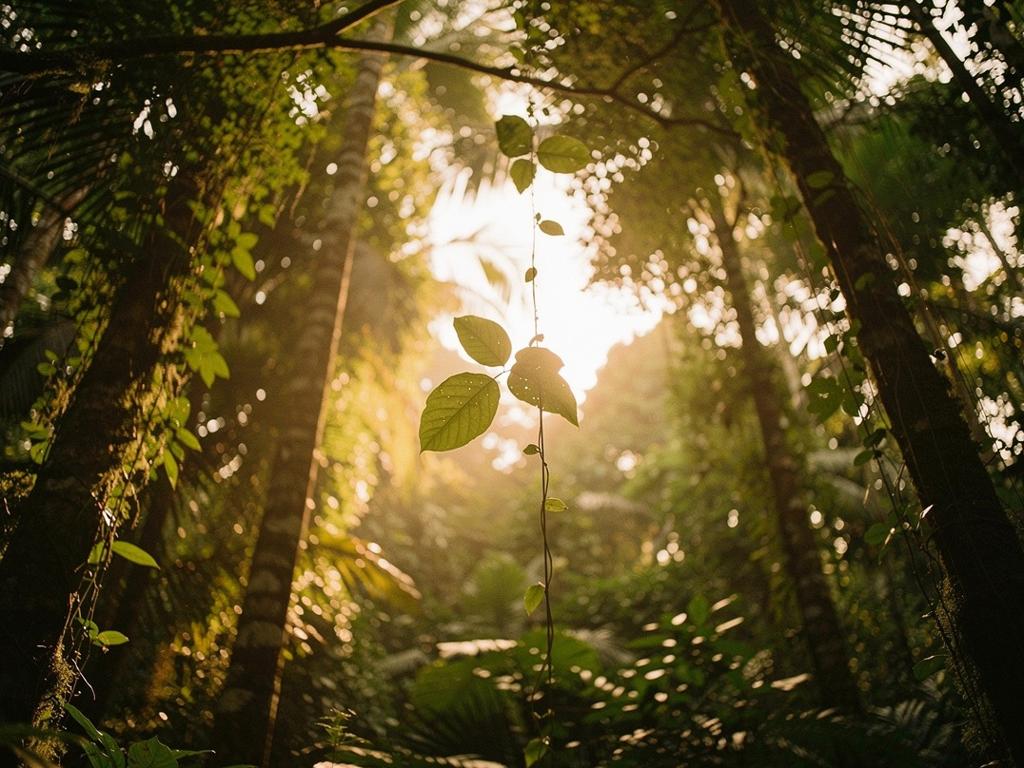
Most advice about healing your relationship with food runs on the same engine: more rules. Count this, cut that, eat at these hours, don't touch those foods after dark. The problem is that rules tend to generate the exact friction they're supposed to fix. You restrict, you rebel, you feel guilty, you restrict again. Round and round. So here's a question worth sitting with. What if the thing that actually shifts how you eat has nothing to do with food at all? A recent survey of 500 adults in the UK looked at how time spent in nature relates to intuitive eating — the practice of eating based on your body's own hunger and fullness signals rather than external diet scripts. The findings were quietly interesting, and they point somewhere most food advice refuses to go. The headline isn't what you'd expect. Time in nature didn't directly correlate with eating more intuitively. Going outside more often didn't, on its own, make people better at reading their own hunger cues. If the link had been direct, the takeaway would be a bumper sticker: touch grass, eat better. Instead, the connection ran through two intermediate traits. People who spent more time outside tended to report higher body appreciation — valuing their body for what it can do rather than how it photographs — and higher self-compassion. Those two qualities, not the nature exposure itself, were what tracked with intuitive eating. In plain terms: nature seems to work on your eating by first working on how you talk to yourself and how you see your body. The food part comes later, almost as a side effect. It isn't hard to see why body appreciation and self-compassion would matter here. When someone is locked in harsh self-judgment, that gets channeled somewhere — often straight into eating behavior. Restriction. Shame cycles after a binge. Emotional eating that has nothing to do with the body wanting fuel. Ignoring the quiet signal that says you're full because the plan said finish the plate. When self-criticism softens, something else becomes possible. You start to trust what your body is telling you. You eat when you're hungry, you stop when you're not, and the volume on the internal rulebook turns down. That's intuitive eating in a sentence, and it's extremely hard to access when you're at war with yourself. This is also why willpower-based approaches tend to collapse. Willpower is just the top layer. Underneath it sits the relationship you have with your own body, and if that relationship is adversarial, the layer on top eventually gives out. We usually file time outside under stress reduction. Walk in the woods, cortisol drops, mood improves — that's the standard story. It's true as far as it goes. But what this research hints at is a slightly different mechanism. Being outside appears to lower the volume of self-criticism in a way that doesn't require any specific practice. You're not meditating. You're not journaling. You're just walking under trees or sitting on a bench, and something in the hierarchy of what matters quietly reshuffles. The body stops being a project. It becomes, for a little while, just a body — a creature in a landscape, breathing. That's a meaningfully different frame than “outside equals less stress equals better choices.” It's closer to “outside gives you a little breathing room from the voice that's been grading you, and in that room, a different relationship with eating has space to form.” The last thing anyone needs is another wellness directive dressed up as liberation. Don't turn nature into a prescription. Don't track your outdoor minutes in an app. The point is to let something soften, not to add another performance metric. That said, if you want practical ways to fold more outdoor time into an ordinary life, here are some low-friction options: Notice what these have in common. None of them are about food. None of them involve a meal plan, a macro ratio, or a grocery list. They're small structural choices that give your nervous system more exposure to a setting where self-criticism tends to loosen its grip. For readers who've spent time in plant-medicine or psychedelic retreat work, none of this will sound foreign. One of the most consistent reports from people after an ayahuasca ceremony or psilocybin journey is a changed relationship with the body — more gratitude, less critique, a sense of being inhabited rather than inspected. Facilitators often point people toward nature for integration work precisely because the outdoors seems to hold whatever shifted during ceremony and let it settle. The food piece is often where that integration lands, quietly. People come home from retreat and notice they're eating differently without having decided to. Portions change. Cravings for things that used to be compulsive just thin out. Sometimes it's dramatic, sometimes barely perceptible. The common denominator is usually the same thing this UK study points at: the self-attack has quieted, and in its absence, the body can be listened to. You don't need a retreat to begin that shift. A walk under trees can start it. But if you've been circling the idea of deeper integration work — or exploring plant medicine as a path toward addressing the root of disordered eating, chronic self-criticism, or the stuck patterns underneath them — know that the two reinforce each other. Ceremony plus nature plus small daily practices tend to compound in ways that no single intervention does alone. If you've spent years trying to fix how you eat with more rules, more tracking, more restriction, this research is a nudge toward a different door. Time outside won't rewrite your eating habits on its own. What it may do, slowly, is build the kind of self-compassion and body appreciation that intuitive eating actually depends on. Those are the roots. The eating is the leaves. The goal isn't to make nature time another optimization task. It's to allow small, repeatable moments where your mind has room to settle and your body gets to exist without being graded. For readers curious about pairing that outdoor rhythm with deeper integration or ceremony work, a range of plant-medicine and psychedelic retreats focused on body, trauma, and relationship-with-self can be browsed on our marketplace here. Start small, start outside, and see what quietly loosens.
Craving More Stories?
Join our ShopAyahuascaRetreats newsletter for the latest updates on thrilling
destinations and inspirational tales, delivered straight to your inbox!
We value your privacy. Your email address will never be shared or published.


Breast Cancer, BRCA1, and a Postpartum Pill: What New Research Suggests
Here's something most new mothers never hear in the exhausted blur of the first postpartum year: when breastfeeding ends, your body has to tear down almost all the tissue it spent nine months building up. It's a demolition job, essentially. And researchers are starting to wonder whether that cleanup — messy, hormonal, poorly understood — might be a hidden window where breast cancer either takes root or doesn't. A recent study published in Cancer Discovery looked at whether a single dose of cabergoline, a drug already used to shut down milk production, could tip that window in a protective direction. The results are genuinely interesting, especially for women carrying BRCA1 mutations. They're also preliminary enough that nobody should be calling their obstetrician about it tomorrow. Pregnancy prompts the mammary glands to grow a lot of new tissue — ducts, lobules, the whole dairy-production apparatus. When nursing stops, most of that tissue has to be dismantled and reabsorbed through a process called involution. It's not quick, and it's not always tidy. The hypothesis the researchers were testing is that abnormal cells which should have been cleared out during this cleanup sometimes get left behind. In a woman whose BRCA1 gene isn't functioning properly, that lingering debris may be where aggressive postpartum breast cancers get their start. BRCA1 doesn't only repair DNA — it appears to play a role in the involution process itself. When it's broken, the cleanup crew doesn't show up to work. That's the backdrop. Enter cabergoline, which suppresses prolactin, the hormone that keeps milk production going. Shut down prolactin, and the breast gets a stronger signal to begin involution. The question: does helping that signal along also reduce the number of problem cells that stick around? The team worked with mice bred to carry faulty versions of BRCA1 and TP53, two genes closely tied to aggressive breast cancer in humans. The mice went through two pregnancies and nursed their pups. Some received a single dose of cabergoline when nursing ended. Others didn't. A third group never got pregnant at all. The tumor rates tell a story: Tumors in the cabergoline group also showed up later in life. That's a meaningful shift — not a cure, not even close, but a sizable dent in a model engineered to produce cancer reliably. Interestingly, the drug did nothing for mice that had never been pregnant, which supports the researchers' theory that the mechanism depends on there being postpartum tissue to clear. Mouse studies are a starting point, not a verdict. So the researchers also pulled health records from nearly 15,000 women in Spain who became mothers at 30 or older, plus more than 690,000 women in Norway. They compared breast cancer rates between women who had taken cabergoline postpartum — usually to suppress milk production shortly after birth — and those who hadn't. Pooled together, the data showed women who'd taken cabergoline had roughly a 69% lower risk of breast cancer. That's a dramatic number. It's also a number to hold loosely. Looked at separately, the Spanish data was borderline and the Norwegian data was inconclusive. Observational records can't prove the drug caused the lower risk — women who take cabergoline postpartum differ from those who don't in ways that are hard to control for. The researchers themselves are careful about this. The timing of the medication in the human records didn't match the timing used in the mouse experiments. Information about how long each woman actually breastfed was missing. The specific tumor subtypes weren't tracked. These aren't footnotes; they're genuinely open questions. If you carry a BRCA1 mutation, you've probably already had conversations about elevated breast cancer risk, screening schedules, and the heavy decisions around prophylactic surgery. Many of the preventive medications currently on the table work by blocking estrogen — which helps for some tumor types but not for the triple-negative cancers that BRCA1 carriers disproportionately develop. Cabergoline is interesting because it would work through a completely different mechanism — not hormonal suppression, but accelerated tissue cleanup during a specific postpartum window. For women who've just had a baby and face elevated risk, the idea of a single-dose intervention is appealing in a way that years of daily medication isn't. There's also a timing issue that doesn't get discussed enough. Pregnancy, in the long run, is associated with lower breast cancer risk — but in the years immediately after childbirth, risk can actually tick upward temporarily. If cabergoline could blunt that temporary spike, especially for high-risk women, it would fill a gap that current medicine doesn't address well. This is not a signal to go asking for a cabergoline prescription for cancer prevention. It isn't approved for that purpose. The evidence is one promising mouse study plus one observational analysis with mixed signals. Clinical trials in humans — the kind that randomly assign women to either take the drug or not, then follow them for years — haven't happened yet. Until they do, nobody actually knows if the benefit holds up. Cabergoline also isn't a benign pill. It can cause nausea, headaches, and dizziness. The researchers specifically flagged that future trials will need to screen carefully for blood pressure issues during and after pregnancy. Taking a medication with real side effects for a benefit that hasn't been proven is bad math. What's quietly exciting about this line of research isn't the specific drug. It's the reframing. For decades, breast cancer prevention has mostly been a conversation about estrogen, genetics, and surgery. The idea that there's a specific biological window — the postpartum involution period — where a short, targeted intervention might change long-term risk is a different kind of thinking. It treats the body as something with its own repair processes that can either be supported or ignored. Whether cabergoline turns out to be the right tool, or just the first clue pointing toward a better one, is a question that will take years to answer properly. Research moves slowly for good reasons. What matters now is that the question is being asked, and that the women most affected — BRCA1 carriers navigating decisions about pregnancy, nursing, and prevention — have one more thing to put on the list of topics worth raising with their care team. If you're drawn to the broader world of healing practices and want to explore retreats focused on recovery, nervous-system repair, or supportive wellness experiences, a curated selection can be browsed on our marketplace here.

Everyday Habits That Build Real Stress Resilience, According to Research
You probably know the person. The one who gets stuck in airport purgatory, absorbs a brutal round of feedback at work, or juggles a week that would flatten most of us — and still shows up grounded. They aren't pretending the stress isn't there. They just don't get hijacked by it. For most of us, stress feels louder than that. It loops. It colonizes the quiet moments. It turns small decisions into weirdly big ones. And when you're in that place, being told to “just manage your stress better” is about as useful as being told to just sleep more when you have insomnia. Here's the thing most wellness advice skips: your capacity to handle stress isn't purely a mindset trick. It's being shaped, quietly, by the stuff you barely think about — what you eat before noon, how long you actually sleep, whether you moved your body today. And this matters especially if you're considering a retreat or plant-medicine journey, because the state you arrive in shapes what you can actually do with the experience. A recent study looked at more than 400 college students across the United States and dug into how their day-to-day habits connected to something called psychological flexibility. That's a mouthful, so let me translate. Psychological flexibility is your ability to pause mid-reaction, notice what you're feeling, and respond on purpose rather than on autopilot. It's the small gap between stimulus and response that lets you choose instead of flinch. Researchers surveyed participants on their eating, sleeping, exercise, and supplement habits, then used statistical modeling to see how those behaviors mapped onto resilience. The twist: they weren't just asking whether healthy habits and resilience correlate (we already assumed they do). They wanted to know how — and whether psychological flexibility was the connective tissue between a well-run body and a mind that doesn't spiral. Short answer: it is. The habits that showed up in more resilient participants seemed to work partly by making people more mentally flexible. Which, honestly, is one of those findings that sounds obvious once you read it, and yet most of us still skip breakfast and sleep five hours and wonder why everything feels sharper than it should. A handful of specific behaviors kept appearing in the more resilient participants. None of them are revolutionary. All of them are the kind of thing you've been meaning to get around to. If you're reading this list and quietly tallying how many of them you're currently doing, same. That's the point. These aren't moonshot interventions. They're the boring foundation most of us ignore while we go hunting for a more exciting fix. Here's where it gets interesting for the readers I usually write for — people weighing an ayahuasca ceremony, an ibogaine program, a psilocybin retreat, or some other plant-medicine journey. Psychedelics and master plants don't work in a vacuum. They work on the nervous system you bring into the ceremony. And a nervous system that's already running on four hours of sleep, caffeine, and whatever was easiest to grab at the airport is a nervous system with less bandwidth to integrate what comes up. Facilitators I've interviewed say the same thing in slightly different words: the people who get the most out of a retreat are usually the ones who arrived already treating their body like it matters. Not because they're perfectly healthy — most of us aren't — but because they've built enough of a baseline that the medicine has something to work with. Psychological flexibility is a huge part of what plant-medicine work seems to cultivate, and the research above suggests you can start building it before you ever drink a cup of brew. Think of it this way. A ceremony can crack something open. What you do with what comes out depends on the shape of your daily life. If you come home from a Peruvian retreat into a schedule that still runs on four hours of sleep and vending machine lunches, the window of change starts closing fast. Integration is really just daily habits with better intention behind them. If you're in the research phase — reading articles, comparing retreats, trying to figure out if plant medicine is actually right for you — the weeks and months before you decide are prime territory for the kind of groundwork that pays off either way. Even if you decide not to book, you end up with a steadier baseline. Not a bad outcome. A few places to start that don't require a personality transplant: None of this is a replacement for the deeper work people often go searching for in a ceremony. Trauma, addiction, long-running depression — those usually need more than better breakfast habits. But the habits are what let the deeper work actually land. The brain you walk into a maloca with is the brain you have to work with, and feeding it well in the weeks before changes what's possible once you're there. We like to think of resilience as a fixed trait — some people have it, some don't, bad luck if you're in the second camp. The research keeps saying otherwise. Your ability to handle stress is partly a mirror of how you're treating your body on an ordinary Wednesday. Which is good news, because Wednesdays are something you can actually influence. If part of what's drawing you toward plant medicine is a sense that stress has started running the show — that the small stuff feels big and the big stuff feels impossible — the retreat decision is worth taking seriously. But so is the quieter work of the weeks leading up to it. For readers who want to take this further, a range of curated psychedelic and plant-medicine retreats can be browsed on our marketplace here, and the same groundwork — sleep, food, movement — that supports daily resilience will also shape how much you get out of whichever ceremony you eventually choose.

What SuperAgers Teach Us About Brain Longevity and Why Connection Matters
There's a particular kind of 82-year-old who can out-remember most 50-year-olds in the room. They recall names, dates, the plot of a book they read three summers ago. Researchers call them SuperAgers, and for the past two and a half decades, a team at Northwestern University has been quietly studying them to figure out what their brains are doing differently. The latest results are worth paying attention to — not because they hand us a miracle supplement or a new biohack, but because they genuinely reshape how we think about staying mentally sharp into our ninth decade. And the single factor that connects almost all of these people is something you can start on today, for free, from your couch. Since the year 2000, Northwestern's SuperAging Research Program has tracked 290 participants, all of them over 80, all of them scoring on memory tests at a level you'd expect from someone in their fifties. The bar for entry is specific: at least 9 out of 15 on a delayed word-recall test. That's not a casual benchmark. Most people in their eighties land well below it. What makes this research different from the usual parade of lifestyle studies is the brain donation piece. Seventy-seven of those participants have, upon passing, donated their brains for postmortem analysis. That gives scientists a rare thing — the ability to compare what someone was doing cognitively in life with what their actual brain tissue looked like afterward. Most longevity research can't do that. It relies on surveys, self-reports, and inference. So when a paper from this group lands in a journal like Alzheimer's & Dementia, it's drawing on something closer to ground truth. The recent publication outlines two separate biological routes to exceptional memory in old age, and the distinction between them matters more than you'd think. Here's the standard story most of us have absorbed: as brains age, they accumulate damaging proteins — amyloid plaques and tau tangles — and those accumulations eventually tip into cognitive decline, dementia, Alzheimer's. Avoid the proteins, avoid the decline. Simple enough. Except it isn't. The Northwestern team found that SuperAgers fall into two camps, and both camps keep their memory sharp through completely different mechanisms. That second group reframes the whole conversation. For years, pharmaceutical research has poured billions into drugs that try to clear amyloid plaques, with mixed results at best. If some brains function perfectly well despite being full of the stuff, then the plaques aren't the whole story. The brain's ability to compensate — to route around damage, to maintain function in the face of pathology — may be as important as whether the damage shows up at all. Think about what resilience actually implies. It suggests the brain has reserve capacity, backup systems, structural strength that gets built up over a lifetime. It suggests that two 80-year-olds with identical brain scans can live very different cognitive lives based on something other than their pathology. For researchers, this cracks open a different kind of question. Instead of asking only how to prevent plaques, we can start asking how to build a brain that doesn't care about them. That's a much more interesting question, and probably a more useful one, because resistance seems to lean heavily on genetics while resilience may be more open to influence from how we live. Which brings us to the part of the study that most people will actually find actionable. When the researchers combed through the lifestyle data looking for common threads, they didn't find a signature diet. They didn't find a specific exercise routine. SuperAgers eat differently from each other, move differently, sleep differently. Some drink wine, some don't. Some are vegetarians, some aren't. What they share is social connection. Deep, consistent, varied social connection. Close relationships maintained over decades. Regular contact with friends and family. Communities they belong to. Not the Instagram-performed version of connection — the real, in-the-flesh, pick-up-the-phone-for-no-reason kind. This lines up with a mountain of other research showing that loneliness is as damaging to physical health as smoking, and that strong social ties reduce chronic stress, keep the mind stimulated, and support emotional regulation. Your brain, it turns out, is a social organ. It evolved to be in constant relationship with other brains. Starve it of that input and it starts to shrink in the ways that matter. If you take one practical thing from any of this, let it be a nudge toward the people in your life. Not a grand overhaul — just small, consistent moves. There's something almost rebellious about this finding. We live in a wellness culture obsessed with optimization — the perfect macros, the right supplements, the ideal sleep stack, the morning routine with twelve steps before breakfast. And here comes a 25-year study saying that the people with the sharpest minds in their eighties aren't necessarily the ones doing all that. They're the ones who kept showing up for their people. Which doesn't mean diet and exercise are irrelevant — they clearly aren't. But it does suggest a priority ordering. If you're going to invest effort somewhere, invest it in the social fabric of your life first. The relationships that make you laugh, argue, feel known, feel needed. The ones that give your brain something to chew on besides itself. For readers interested in the broader map of practices that support long-term wellbeing — including meditation, retreat-based reset, and contemplative work — a range of relevant programs can be browsed on our marketplace here. But the real homework from this study is simpler than any of that: make the call you've been putting off. Then make another one next week. Your 80-year-old brain will thank you.

Menopause, Inflammation, and Brain Health: What a New Study Reveals
Night sweats that soak through sheets. Hot flashes that arrive in the middle of a work meeting. That strange mental static where the word you want is right there, just out of reach. Most women moving through menopause recognize these moments — and most have been told, in one way or another, to simply ride them out. But what if those symptoms are telling us something bigger? Not about discomfort or sleep, but about what's happening inside the brain over the longer arc of a woman's life? A recent paper in Nature Medicine suggests the connection between menopause and brain aging may be more biologically concrete than we thought. Researchers tracked specific inflammatory proteins in the blood of women moving through the menopause transition, then followed similar patterns in nearly 12,000 older women to see whether those markers tracked with memory loss or dementia risk later on. The findings are early, but they're worth paying attention to — especially if you're a woman in your forties or fifties wondering what all this change actually means. The study started small and got bigger. First, scientists analyzed blood samples from 80 women between the ages of 43 and 58. Some were still premenopausal, some were in the thick of perimenopause, and some had already crossed into postmenopause. The team was looking for proteins in the blood that shifted as women moved through the transition. Then they tested whether their findings held up in a much larger group — 2,814 women. And finally, they turned their attention to 11,925 older women to see whether the protein patterns they'd identified earlier were associated with cognitive decline or Alzheimer's dementia. Three stages. Three different scales. One underlying question: is there a biological thread connecting midlife hormonal change to brain aging decades later? Sixteen proteins stood out across the inflammation, metabolism, and brain-cell-signaling categories. Levels of these proteins generally rose as women moved from premenopause to postmenopause. The patterns weren't random — they tracked with reproductive hormone shifts, specifically rising follicle-stimulating hormone and falling estrogen. In other words, the biology of menopause itself seemed to be driving the changes, not just the passage of time. Among those sixteen markers, one kept showing up: CCL2. Its job in the body is to coordinate immune responses by directing immune cells toward areas of inflammation. Think of it as a traffic controller for inflammatory signals. In midlife women, CCL2 levels shifted in step with menopause. In older women, similar protein signatures were associated with faster cognitive decline and a higher risk of Alzheimer's dementia. That's a striking link, but it has to be read carefully. Association is not causation. The study doesn't prove that menopause causes dementia, and it doesn't prove that CCL2 is the mechanism driving brain aging. What it does suggest is that the hormonal churn of midlife may trigger inflammatory changes that leave biological traces — traces that, in some women, might be worth watching. Interestingly, when researchers looked at specific menopause symptoms, night sweats had the strongest associations with these inflammatory protein changes. Hot flashes and night sweats are usually filed under quality of life issues. This research hints they might also be surface signals of something happening at a deeper biological level. No. And it's worth being blunt about that, because headlines on this topic have a way of spiraling. The study found statistical associations between menopause symptoms, blood proteins, and later-life cognitive outcomes. It did not demonstrate that having bad hot flashes means you'll develop Alzheimer's. Plenty of women with intense menopause symptoms live long, cognitively sharp lives. Plenty of women with mild symptoms experience cognitive decline. Biology is messy, and single markers rarely tell the whole story. What the research does suggest is that the window of midlife — roughly ages 45 to 55 for most women — might be a more important moment for brain health than we've appreciated. Changes associated with dementia can begin years, even decades, before noticeable memory problems show up. If menopause-related inflammation plays a role in those early changes, then midlife becomes a potential intervention window rather than just a season to endure. Here's the honest answer: you don't need a specialized CCL2 blood test. It isn't a validated clinical screening tool, and no reputable doctor is going to order one for dementia risk assessment right now. The protein patterns identified in this study are a research finding, not a diagnostic. What you can do is take your symptoms seriously and talk about them with a provider who takes women's midlife health seriously too. A few practical angles: What this research reinforces, more than anything, is that women's midlife health deserves far more attention than it's historically received. For decades, menopause was treated as a nuisance phase to be waited out. The newer framing — one that treats midlife as a critical window for setting up healthy aging — is a much better fit with the actual biology. Inflammation is a thread that runs through many chronic conditions, from cardiovascular disease to cognitive decline. If menopause-related hormonal shifts amplify inflammation, then supporting the body through this transition isn't just about symptom relief. It might be one of the more consequential health decisions a woman makes in her lifetime. None of this means panic. It means informed attention. Noticing patterns. Asking questions. Not accepting dismissive answers about something as significant as how your brain and body are changing. Many women also find real benefit in slower-paced wellness practices during this stretch of life — meditation, breathwork, retreats focused on nervous-system regulation — all of which can help with sleep, stress, and the kind of inflammation that doesn't show up on a blood panel but you can feel in your bones. For readers who want to go deeper on contemplative and recovery-oriented options that support this transition, a range of curated healing and wellness retreats can be browsed on our marketplace here. The research on CCL2 is still early, but your relationship with your own health doesn't have to wait for the science to catch up.

Folate, Depression, and Women: Why the Right Dose Matters
Here's something odd about one of the most common vitamins in your medicine cabinet: taking too little is a problem, and taking too much might be a problem too. A recent analysis of nearly 9,500 women in the U.S. found that folate — vitamin B9, the one tucked into every prenatal, every B-complex, every bargain-bin multivitamin — has a U-shaped relationship with depression risk. The bottom of that U is where you want to be. Both sides climb. That's not the usual story we hear about water-soluble vitamins. The common line is that your body simply flushes the excess, so more is harmless at worst. The newer data suggests the picture is a bit more interesting than that, especially for women, who already face depression at nearly double the rate men do. The study pulled from the National Health and Nutrition Examination Survey (NHANES) between 2009 and 2018 and zeroed in on red blood cell folate — a measurement that reflects long-term folate status rather than what you ate last Tuesday. The researchers identified an inflection point around 985 nmol/L. Below that, every 100 nmol/L bump in RBC folate correlated with roughly a 6% drop in depression risk. Above it, the same bump correlated with about a 3% rise. In plain English: there's a Goldilocks zone. Deficient is bad. Flooded is also, apparently, not great. Somewhere in the middle is where mood seems to behave itself. Why would that be? Folate is a key player in making serotonin, dopamine, and norepinephrine — the neurotransmitters that regulate mood, drive, and emotional steadiness. It's also central to methylation, a biochemical process that touches DNA repair, detox pathways, and, yes, mental health. When any of these systems get starved — or possibly overwhelmed — the downstream effects can show up as low mood, flat motivation, or brain fog. The depression gap between men and women isn't small. The study cited an age-standardized incidence rate of 2,922 per 100,000 for women versus 1,689 per 100,000 for men. Hormonal shifts across the menstrual cycle, pregnancy, postpartum, and perimenopause all play a part. So do social and biological factors that researchers are still untangling. Most women who take folate are taking it for reasons that have nothing to do with mood — pregnancy planning, a general multivitamin habit, a doctor's suggestion during a prenatal visit years ago that never got reassessed. The mental-health angle rarely enters the conversation. But if the U-shape holds up, folate status is quietly influencing something a lot of women are actively struggling with. The main concern with high folate intake isn't acute toxicity — it's what excess folic acid (the synthetic form) can hide. High circulating folic acid can mask a vitamin B12 deficiency on standard blood work. B12 deficiency isn't a trivial thing; left unchecked, it can cause neurological symptoms that get worse the longer they're missed. If folate levels look fine on paper, the real underlying issue can keep progressing in the background. True B12 deficiency is relatively rare outside of strict vegan or vegetarian diets, so this isn't a reason for everyone to panic. But if you're plant-based and taking a folic-acid-heavy supplement stack, it's worth asking your doctor to actually check your B12 — not just assume it's fine because you feel okay. Here's a distinction that gets glossed over on most supplement labels. Folic acid is the synthetic form added to fortified cereals, breads, and most cheap supplements. Your body has to convert it into 5-methyltetrahydrofolate (5-MTHF) — the active form — before it can actually use it. Methylfolate (also labeled 5-MTHF or L-methylfolate) skips that conversion step. It's ready to go the moment it enters your bloodstream. Why does this matter? Up to half of the population carries a variant in the MTHFR gene that reduces how efficiently they convert folic acid into its active form. If you're one of them — and most people have never been tested, so you might be — chugging folic acid is a bit like pouring premium gas into a car that can't quite break it down. The fuel is there; your engine just struggles to use it. Methylfolate sidesteps the whole issue. If you've been taking a folic-acid supplement for years without feeling any difference, or if mood issues have run in your family, it's a reasonable conversation to have with a provider. Switching forms is cheap and low-risk compared to most interventions. You don't need to turn this into a research project. A few straightforward moves cover most of what matters: Folate isn't a cure for depression. It's one input among many — sleep, movement, relationships, sunlight, therapy, sometimes medication, sometimes deeper work. A micronutrient audit won't fix a crisis, and nobody serious is suggesting otherwise. But nutrient status is one of the quieter, less-discussed levers, and for a condition that affects so many women, every lever counts. If you're in the thick of a depressive episode — the kind where getting out of bed feels like a negotiation, where interest in things you used to love has gone flat, where hopelessness has set up camp — please talk to a healthcare provider. In the U.S., the 988 Suicide & Crisis Lifeline is available around the clock. Call or text 988. You don't have to figure this out by yourself. It's worth naming that this folate research sits inside a larger shift in how we talk about depression and the brain. For years the conversation was dominated by SSRIs on one side and lifestyle advice on the other. In the last few years, more people have started looking at other avenues — nutrient optimization, somatic therapy, breathwork, and, increasingly, psychedelic-assisted approaches like psilocybin and ayahuasca. None of these are magic. But the common thread is that depression rarely has a single cause, so single-cause solutions tend to fall short. Fixing a nutrient imbalance might lift the floor. Therapy might rewire a pattern. A plant-medicine ceremony, under genuine care, might surface something that's been stuck for a decade. These approaches don't compete so much as stack. For readers curious about the ceremonial end of that spectrum, a range of thoughtfully vetted plant-medicine retreats can be browsed on our marketplace here. Start where you are. Check your labels this week. If something's been off for a while, make the appointment. The sweet spot — whether we're talking about a vitamin, a dose, or a direction — is usually closer than it looks.
Dreaming of a Psychedelic Retreat?
We have the best deals and offers from thousands of organizers all over the world! Get them into your mailbox every week!
We value your privacy. Your email address will never be shared or published.
