 English
 Deutsch
 Français
 Nederlands
 Español



Reset. Heal. Grow.
Ibogaine and SSRIs: Why the Washout Window Isn't Something to Negotiate
Every few weeks, someone posts a version of the same question in an ibogaine forum. They've booked a retreat. They're on a low dose of an SSRI — maybe 10mg of Lexapro, maybe 25mg of Zoloft — and the clinic told them to be off it for 30 days. But their retreat is in ten. Can they get away with it? Just a little? It's a low dose, after all. Here's the short answer, and I'll spend the rest of this piece explaining why: no. Not safely. And the fact that you're even asking the question suggests you might be booking with the wrong clinic, or the right clinic isn't being firm enough with you. Ibogaine is one of the most powerful tools in the plant medicine and psychedelic world for interrupting addiction and pulling people out of stuck depressive patterns — but it's also the one that will genuinely hurt you if the medical protocol gets sloppy. Ibogaine works on serotonin. So do SSRIs. That's the crude version. The less crude version is that ibogaine is a potent serotonin releaser and reuptake modulator, and it also blocks the hERG potassium channel in the heart, which affects cardiac electrical conduction — specifically the QT interval. Stack a serotonergic medication on top of ibogaine and you get two problems compounding at once: elevated serotonin syndrome risk, and elevated risk of a dangerous cardiac event. People die from ibogaine. It's rare, but it happens, and the deaths that have been documented almost always trace back to one of three things: pre-existing heart conditions, mixing with opioids or other cardiac-active substances, or interactions with prescription medications that weren't properly cleared. SSRIs sit in that third bucket. The half-life is the whole issue — even after you take your last pill, the drug and its metabolites are in your system for days or weeks depending on which one you were on. Fluoxetine (Prozac) is the extreme case — its active metabolite has a half-life of up to 16 days, which is why reputable ibogaine providers ask for six weeks off it, not four. Sertraline, escitalopram, and paroxetine are shorter, but still not something you can flush in ten days. Most credentialed ibogaine clinics — the ones staffed with actual medical professionals, not just facilitators with a heart pulse oximeter — will hand you a washout protocol that looks something like this: Ten days off any of these, at any dose, is not enough. It doesn't matter if you're on 5mg or 50mg. The mechanism of interaction is the same. Dose only affects severity, not whether the interaction happens. This is where I want to slow down, because a lot of people asking about washouts online are trying to problem-solve their way around a conversation they haven't had yet. You cannot just stop an SSRI. Well, you can, but you'll spend a week feeling like you have the flu, plus brain zaps, plus a return of whatever the medication was managing — often intensified by discontinuation. The right path is to talk to the doctor who prescribed the medication, explain that you're planning to attend an ibogaine retreat for depression or addiction, and ask for help tapering. Some prescribers will engage with this openly, especially now that psychedelic-assisted therapy is being discussed in mainstream psychiatry. Others will push back. If yours pushes back and you're still determined to go, find a psychiatrist who works with psychedelic patients — they exist in most major cities now — and get proper tapering support. Depending on the drug and your dose, a taper can take four to twelve weeks on its own. Then you add the washout window on top of that. So if your retreat is in ten days and you're still on your regular dose, the honest answer is that your retreat needs to move. Here's a red flag worth paying attention to: if you tell a retreat that you'll only be ten days off your SSRI and they shrug and say “that should be fine,” walk away. Find another retreat. That answer tells you they either don't understand the pharmacology or they're prioritizing your deposit over your safety. Neither is what you want in a place that's about to give you a substance capable of stopping your heart if things go wrong. A serious ibogaine provider will: If any of those are missing, that's your answer. The clinics doing this right will sometimes turn people away, and that's the sign of a place worth trusting. The ones that never turn anyone away are the ones you read about later. I know the urgency of wanting to go now. When someone finally decides to try plant medicine for addiction or depression, the window between deciding and doing feels precious — like if they wait, the willingness might slip away. That's real. But ibogaine is not a substance you rush toward. It rewards preparation more than almost any other psychedelic, and the preparation window — the weeks of tapering, cleaning up your diet, sleeping better, cutting back on other substances — is genuinely part of the medicine. People who arrive at their ibogaine ceremony having done six weeks of intentional prep almost always report deeper, cleaner experiences than people who fly in raw. Use the extra weeks. Read. Journal. Start moving your body. Have honest conversations with the people in your life about what you're doing and why. Line up someone to help you integrate afterward — ibogaine's afterglow lasts weeks and its lessons can echo for months, but only if you have somewhere to put them. Ibogaine can do remarkable things. It's the only substance I know of that can reliably interrupt an opioid dependency in a single session, and it opens depression in ways that talk therapy alone often can't touch. But the medicine only works if you survive it, and the washout window is one of the few protocol elements that has genuine, documented, non-negotiable stakes. Ten days off any SSRI isn't enough. Reschedule the retreat, taper properly, and go when you're actually ready. For readers weighing this decision, a range of medically screened ibogaine and plant-medicine retreats can be browsed on our marketplace here. Take the time you need to arrive well.
How to Actually Follow Psychedelic News Without Losing Your Mind
Here's a strange thing about the current moment in psychedelics. There has never been more information published about ayahuasca, psilocybin, ibogaine, and MDMA — and there has never been more noise. Twitter threads. Clinical trial press releases. State ballot initiatives. FDA guidance documents. Podcast episodes from every angle. If you're someone who's quietly considering a retreat and trying to figure out whether plant medicine might actually help with your depression, your addiction, or the stuck pattern you can't seem to shake, all that information can feel less like clarity and more like a wall. So let's talk about how to filter it. Because for anyone weighing a real decision — booking a ceremony, choosing between ibogaine and ayahuasca, understanding what's legal where — the news cycle matters more than most people realize. Policy changes affect access. Clinical trial results shape safety conversations. New research reframes what these medicines can and can't do. And a fresh crop of podcasts and newsletters is trying to make that landscape legible. Ten years ago, following psychedelic news meant reading a handful of academic papers and maybe a MAPS bulletin. The audience was small, mostly researchers and a few journalists. That's changed completely. Ayahuasca retreats now operate legally in several countries and openly (if not always legally) in many more. Oregon has a regulated psilocybin services program. Colorado has decriminalized natural medicines. Australia lets psychiatrists prescribe MDMA and psilocybin. Ibogaine is being seriously studied in Texas and at the federal level in the U.S. for opioid dependence. What that means for the ordinary person considering plant medicine is straightforward. The rules that govern whether you can access these substances — and under what conditions, and with what protections — are moving in real time. A retreat that seemed like your only option two years ago might not be your only option next spring. A treatment that felt like fringe territory might be sitting in front of an FDA advisory committee by the time you finish reading this article. Following the news isn't just an intellectual hobby. It's how you avoid getting stuck with outdated information when you're making a real decision with your body and your bank account. There's a difference between wellness content about psychedelics and journalism about psychedelics. Both have their place, but they answer different questions. Wellness content tells you what a ceremony might feel like. Journalism tells you which companies are cutting corners, which retreats have safety incidents on record, which trials failed and why, and which policy fights are shaping your options. If you're serious about this, your feed probably needs a mix of a few things: You don't need to consume all of it. But knowing that these categories exist helps you notice when your feed is heavily tilted toward one and starving on the others. Podcasts have exploded as a way to follow this space. A new one just launched — an audio companion to a well-known psychedelics news outlet, dropping episodes every couple of weeks with a rundown of the previous fortnight's developments in drug development, policy, and access. That kind of format is useful because it forces someone to actually curate. Instead of scrolling through a hundred half-baked posts, you get a person telling you what mattered and why. The trick with any podcast or newsletter in this space is figuring out who's paying for it and what they want from you. Some are funded by biotech companies and will subtly favor whatever molecule their sponsor is developing. Some are funded by retreat operators and will avoid criticizing the retreat model. Some are genuinely independent, funded by subscriptions or grants, and will tell you when a study is weak or a company is misleading investors. A few honest tests you can run on any psychedelics media source: If a source fails most of these, treat it as marketing rather than journalism. That doesn't make it worthless, but you'll want to calibrate accordingly. Let's get concrete. If you're weighing a ceremony this year, here are the news threads that could genuinely change what you decide. FDA guidance on psychedelic clinical trials. The framework the agency uses to evaluate psilocybin and MDMA therapies keeps evolving. That affects which legal, above-ground options might exist for you in a few years, and it shapes how underground and retreat-based practitioners talk about safety. If you're on the fence between waiting for a legal MDMA-assisted therapy program versus flying to Peru for ayahuasca now, this is the news that matters. Ibogaine research and regulation. Ibogaine is the medicine most seriously being investigated for opioid and stimulant addiction. It also carries genuine cardiac risk and requires medical screening most retreats don't offer. If addiction is your reason for looking, following what ARPA-H, Texas, and various academic centers are doing with ibogaine is more useful than any glossy retreat brochure. Country-specific rulings. Ayahuasca's legal status varies wildly. Brazil and Peru have traditional protections. The Netherlands has periodic crackdowns. Costa Rica sits in an ambiguous gray zone that retreat operators exploit successfully but not permanently. Spain, Portugal, Mexico — each has its own quirks. News stories about arrests, court rulings, or new licensing programs directly affect where you can safely and legally sit in ceremony. Safety incidents. This is the ugliest part of the beat and the one retreat marketing will never touch. Deaths do happen. Sexual misconduct by facilitators happens. Retreats that ignore contraindications like SSRIs or heart conditions happen. Independent journalism is often the only source flagging these patterns before they show up in glowing testimonials. Once you've been following this space for a while, you start to notice patterns. A biotech company announces “breakthrough results.” You read the actual paper and find the trial had 40 participants, no placebo control, and a self-reported outcome measure. A retreat center advertises a “traditional Shipibo lineage.” You look into it and find one facilitator who trained for six months. A new decriminalization bill passes. You read the fine print and find it only protects personal possession under a gram. None of this means the underlying thing is fake. It means the story is more complicated than the headline. Getting comfortable with that ambiguity is genuinely useful preparation for plant medicine itself, which is also more complicated than the headline. Nobody comes out of a strong ceremony saying “that was exactly what the Instagram post promised.” The medicine is honest in a way marketing rarely is. So build the habit early. Read the actual studies when you can. Look for critical voices, not just enthusiastic ones. Notice which outlets keep getting things right and which keep hyping the same three companies. Notice which podcasts have the humility to say “we don't know yet.” Following the news is useful. It is not, by itself, preparation for a ceremony. No amount of podcast listening replaces the actual work of sitting with why you want to do this, what you're hoping will shift, and what you'll do if the experience is difficult in ways you didn't anticipate. Plant medicine tends to be uninterested in your intellectual framework. It shows up with its own agenda. What good journalism can give you is a clearer sense of the terrain. You'll know which questions to ask a retreat before you send a deposit. You'll know what a reasonable price range looks like (spoiler: anything under a thousand dollars for a week-long ayahuasca retreat should raise questions, and anything above ten thousand should raise different questions). You'll know which medical conditions genuinely rule you out and which ones a good facilitator can work around. You'll know what integration is and why skipping it is one of the most common mistakes people make. For readers who want to take the next step, a range of curated ayahuasca and plant medicine retreats can be browsed on our marketplace here. Read widely first, sit with what you find, and let the decision take the time it needs.
Datura: Why This Plant Isn't the Psychedelic You Think It Is
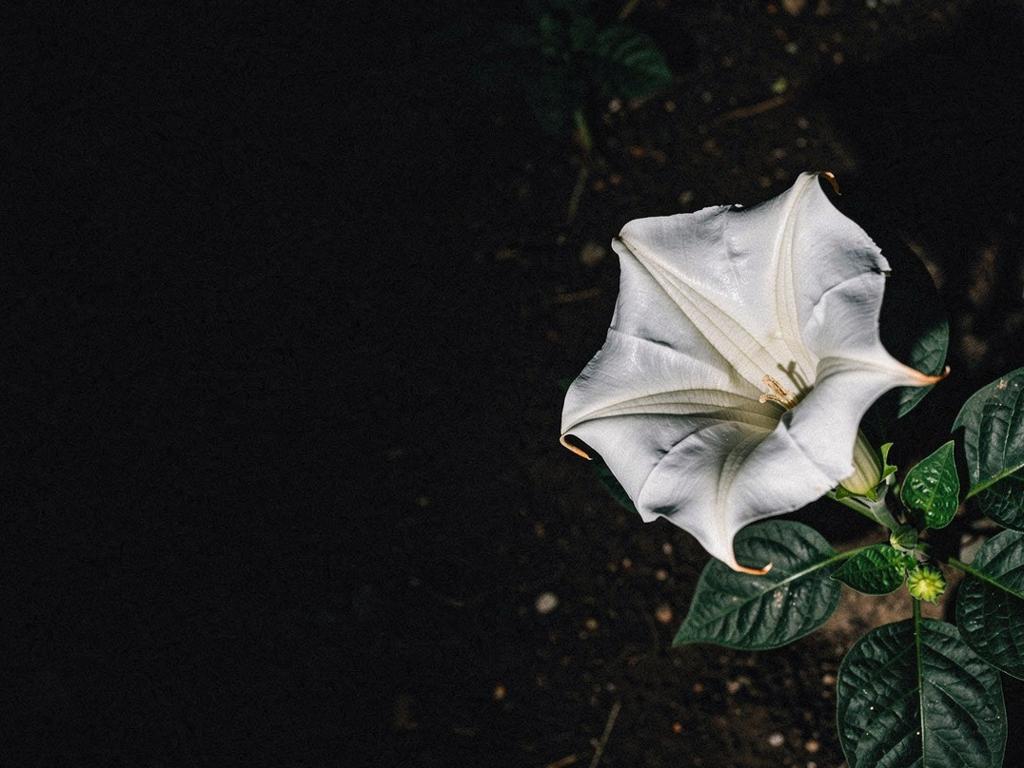
Every few months, someone shows up in a psychedelic forum asking a version of the same question: I have access to a lot of datura growing wild near my house. Should I try it? The answers, from anyone who actually knows the plant, tend to arrive fast and unanimous. Don't. And if you're still curious after reading this, probably still don't. Datura sits in a strange corner of the plant medicine world. It's technically a psychoactive plant with a long history of shamanic use, which makes people file it mentally next to ayahuasca or San Pedro. That's a mistake. Datura is not really a psychedelic in the way most seekers use the word. It's a deliriant, and the difference matters more than almost anything else you'll read about it. Datura is a genus of flowering plants in the nightshade family — cousins to belladonna, mandrake, and henbane. The trumpet-shaped flowers are genuinely beautiful, which is part of the problem. They look inviting. They grow in ditches, backyards, and vacant lots across most of the world. In some regions the plant is so common that people treat it as a weed. The active compounds are tropane alkaloids — mainly scopolamine, atropine, and hyoscyamine. These are the same chemicals that, in tiny medical doses, are used for motion sickness patches and pre-surgical dry-mouth medications. In the doses required to produce a visionary experience, they cross into a completely different territory. This isn't serotonergic psychedelia like psilocybin or DMT. It's anticholinergic delirium, and the phenomenology is closer to a high fever with hallucinations than to a mushroom trip. People who've taken datura and lived to describe it coherently — which, notably, is not everyone who tries it — rarely describe insight or beauty. They describe convincingly real hallucinations of people who aren't there, entire conversations with phantoms, complete loss of the ability to distinguish thought from reality, and days of physical wreckage afterward. Talk to almost any curandero, ayahuascero, or seasoned Western facilitator about datura and you'll get some version of a wince. In parts of the Amazon and the American Southwest, datura and its relatives (toé, brugmansia, jimsonweed) are known and occasionally used — but almost always in tiny, calibrated doses, often blended into other preparations by people with decades of training. It's treated as one of the most dangerous plant teachers in the pharmacopoeia. Not the deepest. Not the wisest. The most dangerous. The reasons are practical and specific: This distinction gets lost constantly, so it's worth spelling out. Classical psychedelics — psilocybin, LSD, DMT, mescaline — work primarily on serotonin receptors. You know you've taken something. You can usually navigate. The visions feel meaningful, sometimes overwhelming, but there's a persistent thread of self that observes. Deliriants work by blocking acetylcholine, a neurotransmitter involved in memory, attention, and the basic distinction between what's happening in the room and what's happening in your head. Under a deliriant, that distinction dissolves. You don't hallucinate a shimmering pattern on the wall. You hallucinate your dead grandmother sitting on the couch, and she's completely real, and you have a full conversation with her, and later you'll insist it happened. That's a categorically different kind of experience — and it's why people who work with plant medicines for healing don't reach for datura. The plant does have a place in traditional practice, but usually as a plant to be studied, respected, and largely avoided rather than ingested. Some Indigenous teachers describe it as a jealous or trickster spirit — a plant that can teach, but which extracts a heavy price and doesn't much care about the wellbeing of the person who approaches it carelessly. Here's the specific pattern that shows up in those online questions. Someone finds datura growing near their house. It's free. It's legal in most places (because nobody wants to eat it). They've read that it's psychoactive. They start thinking, why not? Availability isn't a signal. Poison hemlock is also free and grows wild. The fact that a plant is easy to obtain tells you nothing about whether it belongs in your body. The plants that humans have gathered around ceremonially — the ones with real healing potential — are usually the ones with a long apprenticeship attached. You don't work with ayahuasca alone in your kitchen because you found some vine. You don't work with iboga because you ordered root bark online. The same principle applies here, with more urgency, because datura will hurt you faster and less predictably than either. If you're drawn to plant medicine because you're stuck — depressed, addicted, traumatized, feeling like your life has flattened out — datura is the wrong door. It won't give you what you're looking for, and there's a real chance it takes something from you instead. The impulse behind the search is legitimate. The plant isn't the answer. If you've been reading about plant medicine and something in you keeps returning to the idea that a psychedelic experience might help, there are more established paths worth researching first. Ayahuasca ceremonies in Peru, Costa Rica, or increasingly Europe. Psilocybin retreats in Jamaica, the Netherlands, and legal-therapeutic settings in Oregon and Colorado. Ibogaine programs in Mexico for people specifically working on addiction. San Pedro (huachuma) circles in the Andes for something gentler and more heart-centered. Each of those has real risks and real screening requirements — cardiac issues, medication interactions, mental-health histories all matter. But they're worked with in structured settings by people who've done it thousands of times, who know how to hold a difficult experience, and who don't leave you alone in the middle of the night wondering what's real. That kind of container is the actual medicine, arguably more than the plant itself. A few practical questions worth asking before you commit to any retreat: If any of those questions get vague answers, keep looking. The good operators expect the questions. They're the ones you want. Datura will still be growing in the ditch when you get back. It'll keep growing there. That's fine. Some plants are worth admiring from a distance, and this is one of them. For those interested in exploring plant medicine through paths with better safety records and genuine therapeutic depth, a curated selection of ayahuasca, psilocybin, and other plant-medicine retreats can be browsed on our marketplace here.
Bad Trips: What They Really Mean and How to Move Through Them
There's a specific kind of silence that happens around 3 a.m. in a ceremony space when someone across the room has clearly hit the wall. You can feel it. The breathing changes. A facilitator moves quietly toward them. And whoever is having that experience — whether they're on ayahuasca, psilocybin, or something else — is somewhere the rest of us can't follow. I've sat with plenty of people in those moments. I've also been that person. And what I want to talk about here is the thing nobody puts in the retreat brochure: sometimes a psychedelic experience turns into the worst night of your life. Sometimes it hands you visions of your own neurons firing, or a loop of memory you thought you'd buried, or a sense of dissolving that has nothing peaceful about it. What do you do with that? What does it mean? And should it stop you from ever sitting with plant medicine again? The phrase “bad trip” is almost too small for what it describes. A rough psychedelic experience isn't just unpleasant — it's frequently the most disorienting thing a person has ever gone through. Time bends. Identity gets slippery. Some people report watching their own thoughts fragment, or witnessing what looks like the internal architecture of their brain — neurons, circuitry, cascading electrical patterns that feel too intimate to be watching. Others describe more emotional territory. A childhood memory they haven't touched in thirty years. A conversation with a dead parent that feels shockingly real. The unmistakable sense that they're dying, or already have. In ayahuasca ceremony this often gets folded into the concept of a purge — physical, emotional, spiritual — but that framing can feel a little tidy when you're actually in it. What most experienced facilitators will tell you, if you ask honestly, is that “bad” trips and “breakthrough” trips are often the same trip, just described at different distances. The night is terrifying. The morning after, something has shifted. Six months later, you're calling it the most important experience of your life. But that's the arc that sometimes happens — not always, and not automatically. People love to blame set and setting when things go sideways, and set and setting genuinely matter. But even people who did everything right — clean diet, honest intentions, a legitimate retreat, an experienced curandero — can end up in the pit. Plant medicines and psychedelics don't hand you the experience you ordered. They hand you the one that's waiting. A few honest reasons a session turns hard: None of this means you did anything wrong. The reader who's researching a retreat right now, quietly wondering whether they can handle this — you're not weak for asking. Asking is the first sign you're taking it seriously. Here's where I want to be careful, because there's a real answer and a squishy answer, and both matter. The real answer: for most physically healthy people without a personal or family history of psychosis or bipolar disorder, a psychologically difficult psychedelic experience is not medically dangerous in the way people fear. You are extremely unlikely to “break your brain.” The distress is real, sometimes extreme, but the brain is doing what brains do under a temporarily altered chemistry. When the substance metabolizes, ordinary consciousness returns. The squishy answer: “not medically dangerous” is not the same as “safe to do without support.” A rough night without an experienced facilitator, without integration afterward, and without a stable life to return to can leave real emotional damage. People develop lasting anxiety after bad trips they never processed. Some develop something called HPPD — perceptual disturbances that linger. Others carry a low-grade dread for months. This is the honest downside people don't talk about enough. The difference between a hard experience that heals you and one that harms you is almost never the experience itself. It's what surrounds it. Preparation. Container. Aftercare. If you're already committed to sitting with plant medicine, or you're in a ceremony right now and reading this on a break (unlikely but possible), a few things worth internalizing: People who work with ayahuasca long enough often describe a moment when they stopped negotiating with the medicine. That's the shift. You can't out-think it. You can only allow it. This is the part the ceremony economy consistently underplays. The trip itself is dramatic, cinematic, memorable. The integration — the slow, unglamorous weeks of sitting with what came up — is where change either takes root or evaporates. After a hard experience specifically, integration isn't optional. It's the difference between “I had a terrifying night in the jungle” and “that terrifying night reorganized how I relate to my own fear.” Both are legitimate outcomes. Only one of them justifies the cost of the retreat. Practical integration for someone who just had a rough journey: People who come out of hard ceremonies best aren't the ones who had the easiest trips. They're the ones who took integration seriously. Honest answer: sometimes yes, sometimes no. If your experience left you with lingering anxiety, intrusive imagery weeks later, or a sense that something got knocked loose that hasn't settled, the next step isn't another ceremony — it's therapeutic support. Doubling down on medicine to fix medicine is a well-known way to make things worse. But plenty of people return to plant medicine after a hard night, with more preparation and different intentions, and find something completely different waiting for them. The medicine isn't holding a grudge. It's just responsive to who you are that day. For readers weighing whether a retreat is right for them at all — especially those quietly considering ayahuasca or psilocybin for depression, addiction, or trauma — the useful question isn't “will I have a good trip.” It's “do I have the container to metabolize a hard one.” That means the retreat itself (reputable facilitators, medical screening, real integration support), and it means your life at home (people who know what you're doing, time to recover, therapeutic backup if needed). If that container is in place, a difficult ceremony can genuinely be the doorway people describe. If it isn't, even a beautiful ceremony can leave you stranded. For readers who want to look at what a properly held container actually looks like, a range of vetted ayahuasca and psychedelic retreats can be browsed on our marketplace here. Take your time with the decision — the medicine will still be there when you're actually ready.
What Washington's Psychedelics Week Means for Ayahuasca and Ibogaine Access
Something quietly significant happened in Washington this September. Three separate events — an FDA public hearing on psychedelics, a federal workshop on ibogaine, and a congressional briefing — landed in the same week. For anyone weighing whether to travel abroad for plant medicine or wait for something legal at home, that week is worth paying attention to. I've been tracking the policy side of psychedelics and plant medicine for years, mostly because readers keep asking the same question: is any of this going to become legal where I live, or should I just book the retreat? The honest answer used to be a shrug. It's slightly less of a shrug now. Here's what actually happened, what it means for people considering ayahuasca or ibogaine, and where the real gaps still sit. Policy weeks in Washington usually blur together — panels, coffee, PDFs nobody reads. But when the FDA, a federal health agency, and members of Congress all touch the same topic within days of each other, that's a signal. It means the conversation about psychedelics has moved out of the fringe-conference circuit and into rooms where budgets and rules get made. For the person quietly researching an ayahuasca retreat while reading this on their phone, that shift matters in a specific way. It shapes what happens next: whether ibogaine clinics stay only in Mexico and Costa Rica, whether psilocybin therapy moves beyond Oregon and Colorado, whether veterans can eventually get treatment without a plane ticket. None of it changes what's available to you this month. It changes what might be available in three to five years. It also shapes how retreat centers abroad operate. When U.S. regulators lean in, established retreats often tighten screening, hire medical staff, and get more careful about who they accept. That's a good thing for anyone booking. The FDA held what's called a Part 15 public hearing on psychedelics. If you've never heard of one, don't feel bad — most people haven't. It's a formal listening session where the agency invites the public, industry, researchers, and patient advocates to speak on the record. No decisions get made in the room. But the transcript becomes part of how the agency thinks about future guidance. Attendees described the tone as cordial and, notably, quiet on questions from the FDA itself. That's been read two ways. The optimistic read: the agency is genuinely gathering input before it drafts anything. The skeptical read: they already know what they think and this was procedural theater. Both can be true at once. What's real for you as a potential retreat-goer: That last point is important. If you're drawn to ayahuasca specifically, waiting for a legal U.S. option is probably not a strategy. The legal path for ayahuasca in the States runs through religious-use exemptions (the UDV and Santo Daime churches secured theirs through a 2006 Supreme Court decision), not through pharma approval. The most concrete news of the week came from ARPA-H, the Biomedical Advanced Research and Development agency, which held a proposers' day for something called ASCENT-IBO — an initiative to fund serious ibogaine research. This is federal money getting pointed at a molecule that has, until recently, existed almost entirely outside the U.S. medical system. Ibogaine matters because of what it does for addiction. People who've tried everything — years of methadone, dozens of rehabs, relapses that keep almost killing them — have reported single-session ibogaine treatments that interrupt opioid dependence in ways nothing else has. The catch: ibogaine can be cardiotoxic. It has killed people. It requires cardiac screening, medical supervision, and a facility that knows what it's doing. That's why most ibogaine treatment happens at licensed clinics in Mexico, or in a few settings in Costa Rica, Portugal, and elsewhere. The ARPA-H push doesn't make ibogaine legal in the U.S. tomorrow. What it does is fund the kind of rigorous safety and efficacy work that could, eventually, produce an approved protocol. Kentucky and Texas have already flirted with state-level ibogaine funding aimed at opioid recovery. Federal interest gives that momentum real teeth. If you're currently researching ibogaine for yourself or a family member — usually for opioid, alcohol, or stimulant addiction — here's what hasn't changed: Congressional briefings are strange events. Staffers wander in, grab a sandwich, listen to twenty minutes of expert testimony, and wander back out to their day jobs. The point isn't to change any single lawmaker's mind in the room. It's to plant vocabulary — to make sure that when a bill lands on someone's desk in eighteen months, they've heard the terms before. Veterans' groups have done more than anyone to move psychedelics from taboo to bipartisan curiosity. When a former Navy SEAL testifies that ayahuasca or ibogaine gave him his life back after two decades of PTSD, congressional staff pay attention in a way they don't when a scientist presents charts. That's not a criticism — it's just how the room works. The practical result is a slow, quiet expansion of what's politically thinkable. Federal funding for research. Reciprocity discussions between states. Right-to-try conversations for terminally ill patients. Nothing that changes your Saturday. Everything that changes the landscape a retreat-seeker will navigate in 2030. This is the question I get most, and the honest answer depends on what you're dealing with. If you're struggling with active addiction — especially opioids — and you've cycled through the standard system without lasting relief, waiting for U.S. legalization is a gamble with your life. Reputable ibogaine clinics abroad have been treating people for two decades. The infrastructure exists. It's expensive (typically $6,000 to $12,000 for a proper medical program), it requires travel, and it demands aftercare planning. But it exists now, and no D.C. meeting changes that math for someone in crisis. If you're drawn to ayahuasca for depression, trauma, or a stuck life pattern, the calculus is different. Legal U.S. ayahuasca is not coming through the FDA. It might slowly expand through religious exemptions. In the meantime, retreats in Peru, Costa Rica, Brazil, and a handful of other countries continue to operate — some exceptional, some mediocre, some outright dangerous. The work of choosing well is on you. What to actually look for in a plant-medicine retreat, regardless of what Washington does: Psychedelics week in D.C. wasn't a breakthrough. It was a checkpoint — a reminder that plant medicine and psychedelic healing are slowly, awkwardly, being folded into the machinery of American health policy. That process will take years. It will produce compromises that annoy purists and delight nobody entirely. In the meantime, master plants like ayahuasca, iboga, San Pedro, and psilocybin continue to do what they've done for centuries — in the settings where they've always been used, with the people who've always held that work. The question for the individual reader isn't whether Washington approves. It's whether you've done the honest inner work of asking why you're drawn to this, what you actually need, and whether a retreat is the right container for it. For readers who want to explore what's actually available right now, a curated selection of ayahuasca, ibogaine, and other plant-medicine retreats can be browsed on our marketplace here. Take your time with the decision. The medicine has been around a long time, and it will still be there next month.
Craving More Stories?
Join our ShopAyahuascaRetreats newsletter for the latest updates on thrilling
destinations and inspirational tales, delivered straight to your inbox!
We value your privacy. Your email address will never be shared or published.
Inside the FDA's Psychedelics Hearing: What It Means for Future Access
Something unusual happened at the FDA's White Oak campus recently. Roughly three hundred people showed up in person — with another thousand watching online — for a rare public hearing on whether, and how, psychedelics might one day be approved as therapeutic drugs. If you've been following the slow, sometimes maddening march of psychedelics toward mainstream medicine, this was a moment worth paying attention to. These aren't your standard regulatory meetings. The FDA has only convened two of these so-called Part 15 hearings since 2020. They're informal, discretionary, and usually reserved for topics the agency considers to be in the public interest. Getting one for psychedelics is, in itself, a signal. Around eighty people delivered two-minute comments across the afternoon. Half in person. Half beamed in by video. The audience? Overwhelmingly people from inside the psychedelics field — researchers, clinicians, drug developers, veterans' advocates, and a fair number of true believers. If you were expecting a balanced roomful of skeptics and supporters, this wasn't it. The comments ranged widely, but a few themes kept surfacing. Provider training. Patient safety. Access. Data collection. None of it was groundbreaking for anyone who's been tracking this space — but the accumulation of voices, all pointing in similar directions, is telling in itself. One repeated plea: don't treat psychedelics as drugs that work in isolation. Speakers like Lawrence Leeman from the University of New Mexico pushed for the framing of psychedelic-assisted therapy, with real weight given to preparation and integration. Psychologist Geoff Bathje said he'd been disappointed to watch the agency downplay the therapeutic relationship in clinical trials, treating the drug effect as if it could be cleanly isolated from context. Here's the wrinkle, though. The FDA doesn't regulate psychotherapy. It regulates drugs. So even sympathetic staffers are working within a legal frame that wasn't built for what psychedelic treatment actually looks like in practice. Not everyone wanted mandatory psychotherapy baked into approvals. Peter Hendricks, a professor at the University of Alabama at Birmingham, argued that a blanket therapy requirement would hit hardest on people who already can't afford quality mental health care. Many patients in his trials, he pointed out, are low-income and uninsured. Requiring them to also access a licensed psychotherapist — often out of pocket — could effectively lock them out. His suggestion was cleaner: let the label specify which of three models the evidence actually supports. Safety monitoring. Psychological support. Or full-blown psychotherapy. Different molecules, different indications, different frameworks. Labels aren't just paperwork, by the way. Amna Aslam from Radial made the point that insurers build their coverage rules directly from what's on the label. Write it too narrowly, and reimbursement becomes a nightmare. Write it thoughtfully, and coverage might actually reach the people who need it. Another recurring theme was how restrictive the safety scaffolding around any approval should be. In FDA-speak, that's REMS — Risk Evaluation and Mitigation Strategies. Multiple speakers asked the agency to design REMS on a drug-by-drug basis, rather than slapping a single template across the whole psychedelic class. Lawrence Goldkind, a former FDA staffer himself, pushed for exactly this kind of tailoring. Advocates on this front will likely be pleased. From what we understand, a shared class-wide REMS is very unlikely, at least in the near term. The concern underneath all of this is access. Laurel Kilgour, speaking for the Psychedelic Bar Association, put it bluntly: an overly aggressive risk mitigation framework can actually undermine safety, because it pushes people toward underground alternatives with zero oversight. If the clinic route is impossibly gated, patients will find another route. They always do. Christian Reed, a retired Green Beret speaking on behalf of at-home ketamine company Mindbloom, took this argument even further. Don't lock this inside clinics in a handful of major cities, he told the panel. Don't weigh it down with so much overhead that insurers walk away. Not everyone was in a hurry. Eddie Jacobs, a researcher at Johns Hopkins, argued for a conservative initial rollout — what he called a safety floor anchored close to the trial context. Yes, he admitted, this will limit access at first. Yes, it puts extra weight on providers. But starting stronger and loosening as evidence accumulates, he said, is better than the reverse. Amber Barnato from Dartmouth — a certified psychedelic-assisted therapy facilitator herself — called FDA approval of psychedelics “ethically defensible” but flagged that the underlying evidence is of low certainty. Small trials. Functionally unblinded designs. Her fix was to build ongoing comparative effectiveness studies via registries that actually track things consistently: patients' intentions, expectations, the quality of preparation and integration. Right now, she said, those are captured haphazardly across trials, when they're captured at all. Then there was Susan Taymor Sagy, whose 21-year-old daughter died following psychedelic use. Her comment cut through the room. Public education, she told the panel, cannot be an afterthought. An FDA approval carries enormous cultural weight, and the messaging around it needs to reflect that. Only one speaker showed up as an outright critic: Kevin Sabet, a familiar figure in drug policy debates. He joined virtually, despite being listed to attend in person. He opened by pointing out he had no financial disclosures to make — a barbed reference, presumably, to the many speakers who did. Psychedelics, Sabet argued, should earn approval through science and trials, not through politics or podcasters. He hit the studies for small sample sizes and methodological weaknesses. He also seemed to gesture at Americans for Ibogaine co-founder Bryan Hubbard, who had recently invoked JFK's line about how those who make peaceful revolution impossible make violent revolution inevitable — while advocating for ibogaine access at a veterans' convention. Whatever you think of Sabet's politics, his was one of very few voices at the hearing not cheering the process forward. The rest of the room, as one attendee described it, felt at times a bit self-congratulatory. The moderator asked people twice not to applaud. A few clapped anyway. Most comments focused on mental health indications — depression, PTSD, addiction, the usual suspects. But a small chorus tried to widen the frame. Speakers from Clusterbusters, the Psychedelics and Pain Association, and Cy Biopharma discussed psychedelics for pain, particularly for something like cluster headache, where the standard trial design might not even fit. Cluster headache patients often benefit from sub-perceptual or low doses rather than the full ceremonial experience. One cochlear implant recipient even suggested psychedelics might help patients accelerate the neural learning curve required to make sense of the device. Whether that gets any regulatory traction is another question — but it's a good reminder that the therapeutic possibilities here don't stop at psychiatry. The most striking part of the whole afternoon may have been what didn't happen. In previous Part 15 hearings, back-and-forth between the federal panel and commenters is a normal feature of proceedings. Microphones had been placed in front of each of the nine panellists. The agenda allowed for it. Speakers even rattled through their two-minute slots ahead of schedule, leaving time to spare. And yet, aside from opening remarks, not a single panellist asked a question. Not one word. That silence is what leaves people in the field guessing. What does the FDA actually want to know? What are its private concerns? Which comments landed and which slid past unnoticed? The format didn't reveal any of it — a conveyor belt of two-minute pitches, absorbed in stone-faced quiet by the people who'll eventually write the rules. If you're reading this because you're weighing whether plant medicine or a psychedelic retreat might help with something you're carrying — depression, addiction, trauma, a life pattern you can't seem to break — the takeaway is a mixed one. The regulatory path in the U.S. is inching forward. Slowly. With real disagreement inside the field about what safe access should look like. What it isn't yet is a system you can walk into and get reimbursed for. And even after approvals arrive, the clinical model — dosing in a sterile room, minimal preparation, limited integration — may look very different from what people describe finding in a well-run ceremonial retreat. The debate at White Oak was, in a way, an argument about how much of the ceremonial and relational context to preserve when the medicine gets professionalised. If you want to explore what's already available in the current landscape — legitimate, well-facilitated ayahuasca ceremonies, psilocybin retreats, ibogaine programs for addiction, and other plant-medicine offerings — a curated selection of retreats can be browsed on our marketplace here. Whatever the FDA eventually decides, the older traditions aren't waiting on Washington, and for many people that's exactly the point.
LSD for Anxiety: What Definium's Phase 3 Results Mean for Psychedelic Medicine
Something quietly significant happened in psychedelic drug development this autumn. A company called Definium Therapeutics posted its second positive Phase 3 result for a low-dose LSD product aimed at generalised anxiety disorder — the everyday, grinding kind of anxiety that keeps people awake at 3 a.m. wondering if they left the stove on, or worse. If you're someone weighing an ayahuasca retreat, a psilocybin ceremony, or any other plant-medicine path for your own mental health, this news matters — not because it changes what a retreat feels like, but because it changes the landscape you're making that decision inside. The headline sounds dry. A pharmaceutical company hit its endpoints. Big deal, right? But behind that press release is a slow, real story about how psychedelics are moving from underground use into clinical practice — and how the categories we use to think about them (recreational, sacred, medical, spiritual) are starting to bleed into each other. That's worth understanding before you book anything. Definium's lead candidate, DT120, is an orally dissolving tablet form of LSD dosed at levels far below what anyone would call a recreational trip. The Phase 3 study, called Panorama, enrolled 245 participants across roughly 32 sites in the U.S. and internationally. Volunteers were randomised into three groups: a 100 microgram dose, a 50 microgram dose, or placebo. The blinded period ran twelve weeks, followed by a longer extension phase. The topline result — the thing companies are legally allowed to shout about before the peer-reviewed data lands — was positive. That means the drug beat placebo on the trial's primary anxiety-reduction measure. It's the third positive Phase 3 readout Definium has posted since June, and the second specifically in GAD. In pharma terms, that's a hot streak. The tolerability profile, as reported, looked clean enough for a drug that will almost certainly face intense FDA scrutiny. No single result guarantees approval — regulators want to see full datasets, safety monitoring, and a real-world plan for how the drug gets prescribed and used. But two positive Phase 3s in a row is the kind of foundation that gets a medicine to market. If your mental image of LSD is a 1960s poster, a Grateful Dead bootleg, or a friend-of-a-friend's twelve-hour couch odyssey, the idea of it being prescribed for anxiety probably feels like a category error. Here's the thing: at the microdoses and low-doses being studied clinically, the experience is nothing like a full-blown trip. Some formulations aim to produce measurable neurological effects without hallucinations at all. Researchers have been circling this idea for decades. LSD, psilocybin, and related compounds appear to loosen entrenched patterns of thought — the same rumination loops that fuel chronic anxiety, depression, and addiction. Even at sub-perceptual doses, there's growing evidence they nudge the brain toward flexibility. That's the therapeutic bet: not that you'll have a mystical breakthrough on your lunch break, but that your nervous system will slowly become less rigid. None of this replaces what happens in a traditional ceremony. A ceremonial ayahuasca night, a full psilocybin session, or a San Pedro walk in the Andes operates on entirely different terrain — subjective, symbolic, communal. But the clinical work legitimises the underlying claim these traditions have been making for centuries: these molecules have real effects on human suffering. If you're actively researching a retreat — for depression, trauma, addiction, or just to break out of a life pattern that feels stuck — a corporate Phase 3 result probably feels a long way from what you're planning. You're picturing a maloca, a shaman, a bucket, a difficult night. Not a pill on a clinician's tongue depressor. Still, the news matters for three practical reasons: What it doesn't change: the actual work. Whether you're taking a microdose in a clinical trial or drinking ayahuasca in the Sacred Valley, the medicine only opens the door. You still have to walk through it, and you still have to metabolise whatever's on the other side. Traditional Amazonian and Andean cultures speak of certain plants as teachers — master plants that offer specific lessons if you approach them with respect and preparation. Ayahuasca, tobacco, San Pedro, chacruna. The framing isn't metaphorical for the people who work with these plants. It's operational. The plant is understood to have intelligence, agency, and a curriculum. Pharmaceutical psychedelics like DT120 come from a completely different lineage. They're purified single molecules, synthesised in labs, dosed to the microgram. There's no dieta, no icaro, no maloca, no shipibo textiles glowing in candlelight. There's a clinical setting, a trained monitor, and a validated symptom scale at week twelve. Neither path is inherently superior — but they're not interchangeable either. Someone with severe treatment-resistant anxiety and a limited window for travel may be perfectly served by a clinical protocol. Someone processing generational trauma or looking for a genuine spiritual reorientation is unlikely to find what they need in a hospital room. Ask yourself honestly which one you're actually looking for. Most people don't know until they say it out loud. Anxiety is one target. Addiction is another — and it's where the case for psychedelic medicine gets particularly compelling. There's a long and growing literature on ibogaine for opioid dependence, psilocybin for alcohol use disorder, and ayahuasca for a range of substance patterns. The mechanisms aren't fully understood, but participants consistently describe something like a sudden shift in their relationship to the substance — the compulsion loosens, sometimes overnight. Retreats that specialise in addiction recovery tend to look and feel different from generic ceremony centres. They typically include medical screening, longer stays, and structured aftercare. If you're considering plant medicine primarily to interrupt an addiction, look for centres that treat it that way — not add-ons to a wellness week. A note of caution: no serious practitioner in this space will tell you a single ceremony fixes addiction. What the medicines seem to offer is a window — a period of unusual clarity and openness during which the hard work of recovery becomes possible. Waste that window and you're back where you started. Use it, with support, and things can change permanently. If you're the kind of person who reads Phase 3 press releases (or someone else's rewrite of them), a few things are worth tracking as this field matures: None of this is a reason to wait. The best time to work with plant medicine, if you're called to it, is usually now — not after the market has been reshaped by whichever pharma company gets there first. Just go in informed. The Definium result is one data point in a much larger story about how humans are learning — or relearning — to use these compounds for healing. The jungle and the lab are converging on the same conclusion from opposite ends: certain molecules, taken with intention and support, can shift things that nothing else touches. Whether you approach that through a ceremony in Peru, a clinical trial in Boston, or something in between, the underlying invitation is the same. For readers who want to take this further and see what's actually available right now, a range of curated ayahuasca and psychedelic retreats can be browsed on our marketplace here. Take your time with the decision. The medicine, whichever form you choose, isn't going anywhere.
New Zealand Approves MDMA for PTSD: What It Means for Psychedelic Therapy Access
New Zealand just made a quiet but significant move. Its medicines regulator, Medsafe, has cleared two psychiatrists to prescribe and administer MDMA to patients with PTSD. Not in a research trial. Not on compassionate grounds. As an actual treatment, delivered alongside psychotherapy, to people walking into a clinic. If you've been following the slow drip of legal psychedelic-assisted therapy rolling out across the world — and if you're one of the many readers weighing whether plant medicine or psychedelic healing might help with your own trauma, addiction, or depression — this news matters. Not because it changes access for most people overnight. It doesn't. But because it's another crack in a wall that's been holding for fifty years. Two Kiwi psychiatrists now have authorisation to prescribe MDMA specifically for post-traumatic stress disorder. The treatment isn't handed out as a pill and a wave goodbye. It sits inside a broader therapeutic protocol — psychotherapy sessions leading up to the dosing days, the medicine itself administered under supervision, and integration work afterward. This is the model that late-stage clinical trials have been refining for over a decade, and it's the model regulators keep landing on when they finally say yes. The move comes about a year after the same regulator approved a single psychiatrist to prescribe psilocybin for treatment-resistant depression. Two clinicians can now offer psilocybin in New Zealand. Two others can now offer MDMA. Nobody, yet, holds approval to prescribe both. That's the whole national roster. It's tiny. It's also more than most countries have. Across the Tasman, Australia moved first. In July 2023, Australian regulators rescheduled MDMA and psilocybin for limited medical use — MDMA for PTSD, psilocybin for treatment-resistant depression. That decision made global headlines and, honestly, raised expectations that a wave of patients would soon be walking through clinic doors. The reality has been more sober. Data from the Australian drug regulator suggests fewer than one hundred patients per year have been treated under the scheme. New Zealand's approach is similar in spirit, though it doesn't involve rescheduling the drugs themselves — individual clinicians must instead be authorised as prescribers. In practical terms, patient numbers will almost certainly be smaller in New Zealand than in Australia, at least at first. The interesting shift in Australia is on the payment side. The Department of Veterans' Affairs, a public payer, and Medibank, a private insurer, have both started reimbursing psychedelic therapy in certain cases. That's the first real signal that this treatment might be moving from experiment toward standard-of-care, at least for specific populations. New Zealand isn't there yet. Here's the part nobody puts on a press release. Patients in New Zealand will pay out of pocket. All of it. Estimates at launch sit around NZ$15,000 — roughly US$9,000 — for a full course of MDMA-assisted therapy. There's no government funding, no private insurance covering it, and while the country's medical-expenses claim-back system exists in theory, it's a long way from covering psychedelic treatment through the Accident Compensation Corporation. Fifteen thousand dollars is not a small ask. For someone who's spent years cycling through SSRIs, talk therapy, and possibly ketamine infusions with limited results, it might feel worth it. For most people carrying untreated PTSD — a population that skews toward economic hardship — it's simply out of reach. This is the same story unfolding wherever psychedelic therapy has gone legal: the wealthy get access first, and the rest of the population waits for insurers, governments, or scale to bring costs down. Dr Gary Wynn, one of the two newly approved psychiatrists, is candid about this. He hopes reimbursement will come. He also thinks the way to get there is to start treating patients, gather outcomes, and build a case that public payers can eventually justify. It's a slow game. It's the only game. Wynn's approval took thirteen months to secure. Part of that lag was because he was first through the door — the regulator had never approved an MDMA prescriber before and was essentially building the process in real time. Future applicants might see decisions in closer to six months, which is still slow but no longer glacial. To get approved, clinicians must demonstrate what Medsafe calls “substantial expertise” and lay out in detail how they'll deliver treatment safely. That's harder than it sounds in a country with almost no domestic clinical trials of psychedelics. So where does the expertise come from? Wynn's path is instructive: That stack of qualifications is essentially the current template for anyone hoping to be a legitimate psychedelic prescriber in a country that hasn't built its own training pipeline yet. It's expensive, time-consuming, and requires patching together programs across three continents. Which is why organisations like The Psychedelic Training Centre NZ, run by James Bunn, are trying to build local capacity from the ground up. Wynn expects to dose his first patients within a month or two of approval. His upper limit? Around fifteen patients per year, based on the three-dose protocol MDMA-assisted therapy typically follows. If he also gets approval to prescribe psilocybin — a protocol he's already submitted — those patients would eat into his MDMA capacity, not add to it. One psychiatrist, one clinic, roughly fifteen people a year. Multiply that by the handful of clinicians likely to come online over the next few years, and you start to see why nobody's calling this a psychedelic revolution. It's a foothold. A proof of concept. The more scalable version — where nurses, therapists, and other trained professionals can support dosing under an authorised prescriber's supervision — is what Bunn and others are pushing for. It's the only way the numbers move from dozens to thousands. For most readers researching whether ayahuasca, psilocybin, MDMA, or another plant medicine might help with trauma or addiction, the practical takeaway from New Zealand's move is limited. Unless you're a New Zealand resident with $15,000, a clear PTSD diagnosis, and patience for a waiting list, you're not going to walk into one of these clinics next month. What it does confirm is a broader trend worth paying attention to. Regulators in credible jurisdictions — Australia, New Zealand, Switzerland, parts of the United States — are increasingly willing to allow supervised, therapist-supported psychedelic treatment for specific mental-health indications. The evidence base for MDMA in PTSD and psilocybin in depression keeps getting stronger. The stigma keeps getting weaker. If you've been sitting on the fence about whether plant medicines and psychedelics are a serious healing modality or a fringe experiment, the answer from the medical establishment is shifting, slowly, toward the former. That doesn't mean a ceremonial ayahuasca retreat in Peru and an MDMA session in a New Zealand clinic are the same thing. They aren't. Different substances, different traditions, different contexts, different risks. But they share a working premise: that non-ordinary states of consciousness, held inside a supportive container, can loosen patterns that ordinary therapy struggles to shift. If you're weighing your options and the price tag of clinical MDMA therapy feels out of reach, retreat-based work with other psychedelics or master plants remains a legitimate — and often more accessible — path for many people. Do your homework. Ask about facilitator training, medical screening, and integration support. Cheap doesn't necessarily mean bad, and expensive doesn't necessarily mean safe. For readers who want to explore this further, a range of vetted ayahuasca and psychedelic retreats can be browsed on our marketplace here.
Ayahuasca vs. Psilocybin Mushrooms: Which Plant Medicine Fits Your Healing?
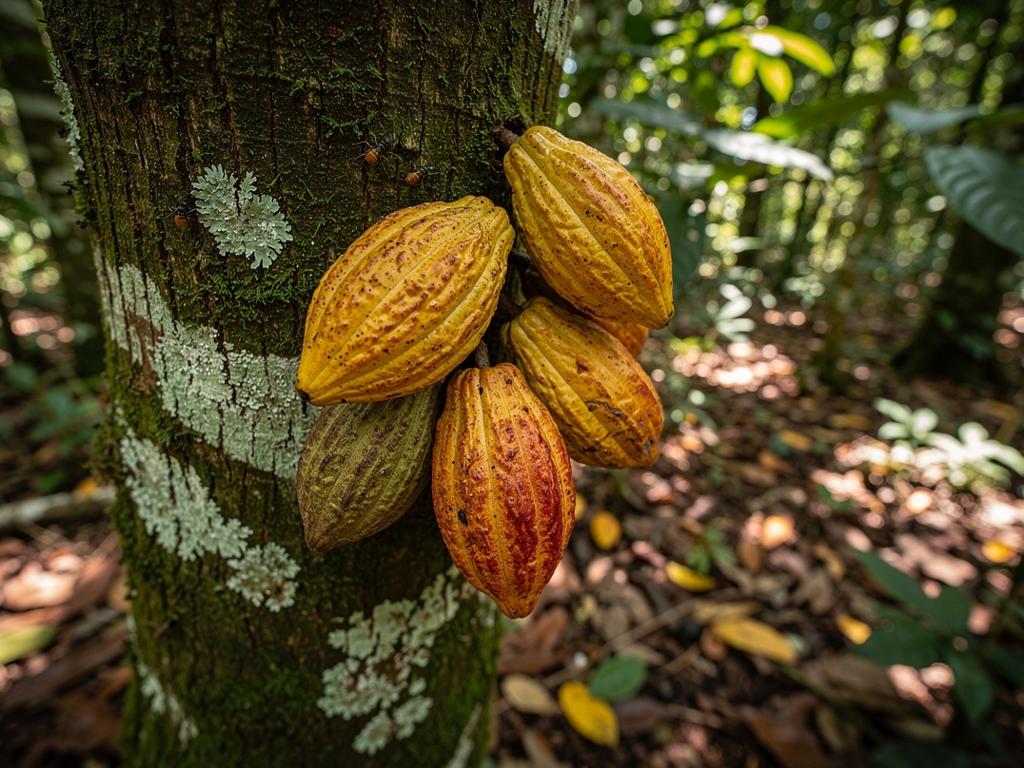
Ask anyone who’s spent time in the plant-medicine world which is “better” — ayahuasca or psilocybin mushrooms — and you’ll get a shrug, followed by a story. That’s because the honest answer is: it depends on you, what you’re carrying, and what you’re hoping to shift. Both are powerful. Both have thousands of years of ceremonial use behind them. And both have helped people crack open patterns around addiction, depression, grief, and trauma that talk therapy alone couldn’t budge. If you’re actively researching a psychedelic retreat and trying to figure out which door to walk through, this is for you. No mysticism-as-marketing. Just what these two master plants actually do, how the experiences differ in practice, and how to think about which might be the better fit for where you are right now. Ayahuasca is a brew — usually a slow simmer of the Banisteriopsis caapi vine with the DMT-containing chacruna leaf. It comes out of the Amazon, carried through centuries of practice by Shipibo, Shuar, and other indigenous lineages, plus the more recent Brazilian churches like Santo Daime and União do Vegetal. You drink it in ceremony, typically at night, guided by someone who has trained for years — sometimes decades — to hold that space. Psilocybin mushrooms grow on almost every continent. Their ceremonial use runs deep in Mazatec traditions in Oaxaca, and traces of ritual mushroom use appear across ancient Europe, North Africa, and beyond. In a modern retreat setting you’ll usually take them as dried mushrooms, a tea, or increasingly as measured truffles at legal centers in the Netherlands or Jamaica. The plants have distinct personalities, and long-time facilitators talk about them almost like people. Ayahuasca is often described as strict, feminine, exacting — a grandmother who will show you exactly what you came to see, whether you asked politely or not. Mushrooms tend to feel more playful, curious, sometimes mischievous. That doesn’t mean they’re gentler. It means they teach differently. Ayahuasca ceremonies run long. Plan for four to six hours in the dark, sometimes with icaros (medicine songs) being sung by the facilitator throughout. The visuals can be extraordinarily detailed — geometric, architectural, alive. Purging is part of the deal. Vomiting, crying, occasional diarrhea, shaking — it isn’t a side effect the tradition apologizes for. It’s considered part of the cleaning. Most people who go through it describe the experience as physically and emotionally demanding in a way that photos and YouTube videos can’t really convey. A psilocybin journey at a moderate-to-high dose typically runs four to six hours as well, but the arc feels different. There’s an onset of visual softening and emotional openness, a peak that can range from euphoric to confrontational, then a long tail where insights settle. Purging is much less common. Some people cry, some laugh, some just lie there staring at the ceiling as their inner world reorganizes itself. Nature-based settings tend to amplify the sense of connection mushrooms are famous for. Here’s a rough side-by-side of what participants commonly report: The research on both is genuinely encouraging, though early. Psilocybin has the bigger stack of clinical trials right now — treatment-resistant depression, end-of-life anxiety, tobacco and alcohol use disorder. The Johns Hopkins and Imperial College work has moved the needle on how mainstream medicine views it. Ayahuasca has fewer controlled studies but a growing body of observational research suggesting real benefit for depression, PTSD, and substance dependence, especially when used in a well-held ceremonial context. For addiction specifically, both have credible track records. Ayahuasca’s reputation in recovery circles is tied partly to the intensity of the experience — many people describe seeing, in visceral detail, exactly what their substance use is costing them and everyone they love. It doesn’t leave much room for denial. Ibogaine gets more headlines for opioid dependence, but ayahuasca has quietly helped countless people step out of alcohol and cocaine cycles. Mushrooms, in the Hopkins smoking-cessation work, showed jaw-dropping quit rates. They seem to loosen the grip of habit by dissolving the story you tell yourself about who you are and what you need. For depression, mushrooms may be the slightly easier entry point. The experience is more contained, the retreat infrastructure in legal jurisdictions is more mature, and the physical toll is lighter. For deep-seated trauma — especially the kind that lives in the body and won’t respond to insight alone — ayahuasca’s longer, more physical process often reaches places mushrooms don’t. That said, plenty of trauma survivors have done extraordinary work with psilocybin. There’s no universal rule. Ayahuasca is not legal to consume recreationally in most countries, including the United States. There are narrow religious exemptions (the UDV won a 2006 Supreme Court case), but the mainstream path for most seekers is traveling to Peru, Costa Rica, Ecuador, Colombia, or Brazil where retreats operate openly. Psilocybin sits in a shifting patchwork: legal in a therapeutic framework in Oregon, decriminalized in several U.S. cities, legal in truffle form in the Netherlands, unregulated in Jamaica, part of a licensed access model in Australia. In 2026 the map keeps redrawing itself. Both medicines carry real risks and both are safer when you do the homework. Key things to sort out before booking anything: Ayahuasca retreats in the Amazon typically run 7 to 12 days and cost anywhere from around $1,200 for a modest local center to $4,000+ for a high-end program with private accommodations, dieta plants, and integration counseling. Psilocybin retreats — most reputable ones being in Jamaica, the Netherlands, or increasingly Portugal — tend to run 4 to 7 days and sit in a similar mid-range price bracket, though the shorter length can make them cheaper overall. Time-off-work matters too. A proper ayahuasca dieta asks you to give up salt, sugar, alcohol, pork, spicy food, and sexual activity for a couple of weeks before and after. Not because the plant is punishing you, but because a quieter body and mind hear the medicine more clearly. Mushroom retreats generally ask for a lighter preparatory protocol, though a few days of clean eating and no alcohol before is standard. Setting matters more than most first-timers realize. The jungle changes you before the brew does — the sounds, the heat, the sheer aliveness of the place is part of the medicine. Mushroom retreats in a coastal villa or a European countryside center offer a different container: gentler, more familiar to Western nervous systems, easier to return to “normal” from. Neither is better. They’re answering different questions. If you’re drawn to the ceremonial depth, willing to travel, and ready for something that will meet you at full volume, ayahuasca is probably calling. If you want something more contained, easier to access legally, and slightly less physically demanding as a first psychedelic experience, mushrooms are a strong starting point. Many people end up doing both over time — they’re not competitors, they’re different teachers. Whichever direction you lean, take your time choosing where you go. Read the facilitator’s background carefully. Talk to past participants. Trust discomfort with a place more than you trust its marketing. For readers who want to compare specific options across both traditions, a curated selection of ayahuasca and psilocybin retreats can be browsed on our marketplace here. Sit with the choice for a few weeks — the right retreat usually feels obvious once you stop trying to force it.
From FDA Approval to Your Therapist's Office: The Long Road Psychedelic Medicines Still Have to Walk
Here's a scene that keeps repeating itself in psychedelic circles. Somebody reads a headline — MDMA showing strong Phase 3 results, psilocybin racking up breakthrough designations, ibogaine being fast-tracked in Texas — and messages their friend group: this is it, it's finally happening. And it is happening, sort of. Just not the way most people assume. Because approval isn't access. A drug can clear the FDA and still be years away from the average person with treatment-resistant depression or PTSD walking into a clinic and receiving it. The path from a regulatory yes to a patient actually sitting on a couch, eyes closed, headphones on, working through their trauma with a trained therapist — that path is long, weird, and full of choke points nobody talks about in the excited threads on X. If you're one of the many readers quietly researching psychedelics as a possible way through addiction, depression, or a stuck life pattern, understanding this gap matters. It shapes what's realistically available to you right now, what might be available in two years, and why so many people are still traveling to legal jurisdictions abroad to sit with plant medicines like ayahuasca and psilocybin rather than waiting for the domestic system to catch up. Let's say a psychedelic-assisted therapy gets FDA approval tomorrow. Champagne corks pop in a few Bay Area boardrooms. Now what? The drug has to be scheduled by the DEA, which for a Schedule I substance means moving it — usually to Schedule II or III — through a formal rulemaking process. That alone typically takes months. Sometimes longer if there's political friction, and psychedelics generate plenty of that. Once scheduled, the substance needs a full Risk Evaluation and Mitigation Strategy — REMS, in the acronym-heavy language regulators love. For psychedelics, REMS programs are unusually intricate because the drug isn't a pill you take home. It's administered in-clinic, over hours, in the presence of trained providers. So the REMS has to specify who can prescribe it, who can administer it, what the room needs to look like, how patients are screened, how adverse events are reported, and how the whole apparatus is audited. Then comes the therapist and facilitator training bottleneck. Psychedelic-assisted therapy isn't like handing someone an SSRI prescription and telling them to check back in six weeks. It requires trained dyads — often two providers per session — who understand set and setting, integration, and how to sit calmly with someone who is, for a few hours, having the most intense internal experience of their life. Training programs exist, but scaling them to meet potential demand? That's a workforce problem we haven't solved. Even once the drug is scheduled and providers are trained, there's the small matter of who pays. A single MDMA-assisted therapy protocol can run three preparation sessions, three medicine sessions of eight hours each with two therapists, and multiple integration sessions afterward. Do the math on clinician time alone and you're looking at something that costs, conservatively, ten to fifteen thousand dollars per course of treatment. Some estimates run higher. Will insurers cover it? Some will, eventually, especially if the outcomes data holds up in the real world. Medicare and Medicaid will move slower than commercial plans. And in the meantime, coverage gaps mean the people most likely to benefit — those with severe, chronic, treatment-resistant conditions who often can't work full-time — are exactly the people least able to pay out of pocket. That's a bitter irony the field hasn't reckoned with honestly enough. State-level rollout adds another layer. Even a federally approved medicine has to be integrated into each state's healthcare system, licensure boards, and controlled-substance rules. Oregon and Colorado have built their own regulated psilocybin frameworks outside the FDA pathway entirely, which creates a patchwork nobody quite knows how to read. A therapy legal in one state might be inaccessible one border over. All of this is why the international retreat scene isn't disappearing anytime soon. When people ask me why anyone would fly to Peru, Costa Rica, the Netherlands, or Mexico to work with ayahuasca, psilocybin, or ibogaine, this is a big part of the answer. The domestic clinical infrastructure isn't ready. Even under the most optimistic timeline, meaningful access at scale in the U.S. is probably three to seven years away depending on the substance and the indication. Meanwhile, master plants like ayahuasca and huachuma have been used ceremonially for centuries — sometimes millennia — by traditions that have developed their own protocols for safety, preparation, and integration. Those protocols are not the same as clinical medicine. They're not better or worse in some absolute sense; they're different tools for overlapping problems. For someone with severe addiction who's exhausted the conventional options, an ibogaine clinic in Mexico or an ayahuasca center in Peru may be the most realistic path currently available. That said, the retreat world is uneven. Some centers are exceptional. Others are careless, and a small number are frankly dangerous. If you're considering this route while the domestic system catches up, the vetting work falls entirely on you. If you're actively researching a retreat rather than waiting for a future FDA-approved clinic near you, here's what I'd tell a friend to look at: Here's the uncomfortable truth about the regulatory slog. A lot of the delay between approval and access is genuinely protective. Rushed rollouts of powerful psychoactive medicines into a healthcare system that isn't prepared for them would produce harm — bad experiences, poorly trained providers, insurance denials that leave people mid-protocol, media backlash that sets the whole field back a decade. The people building the frameworks slowly, arguing over REMS provisions and training standards, are (mostly) trying to prevent that. The frustrating flip side is that people suffering right now don't have the luxury of a five-year wait. Someone with treatment-resistant depression, watching another antidepressant fail, doesn't want to hear about a Phase 3 readout that might, in theory, lead to a therapy their insurance might, in theory, cover in 2029. That tension between doing this responsibly and doing this urgently is the defining fight of the field right now, and I don't think there's a clean answer. What I'd offer, if you're weighing all of this personally: educate yourself deeply before you commit to anything. Read the actual trial data, not just the press releases. Talk to people who've been through it — both the ones who found something and the ones who didn't. Consider your own medical situation with real honesty. And if you decide a retreat is the right next step for you while the domestic system continues its slow build, take the vetting work seriously. For readers who want to look at what's actually available now, a curated selection of ayahuasca, psilocybin, and ibogaine retreats can be browsed on our marketplace here. The regulatory story will keep unfolding in headlines for years. Your own decision about whether, when, and where to sit with these medicines is a smaller, more personal thing — and it deserves the kind of careful attention that a policy timeline can't give you.
Dreaming of a Psychedelic Retreat?
We have the best deals and offers from thousands of organizers all over the world! Get them into your mailbox every week!
We value your privacy. Your email address will never be shared or published.
