 English
 Deutsch
 Français
 Nederlands
 Español



Reset. Heal. Grow.
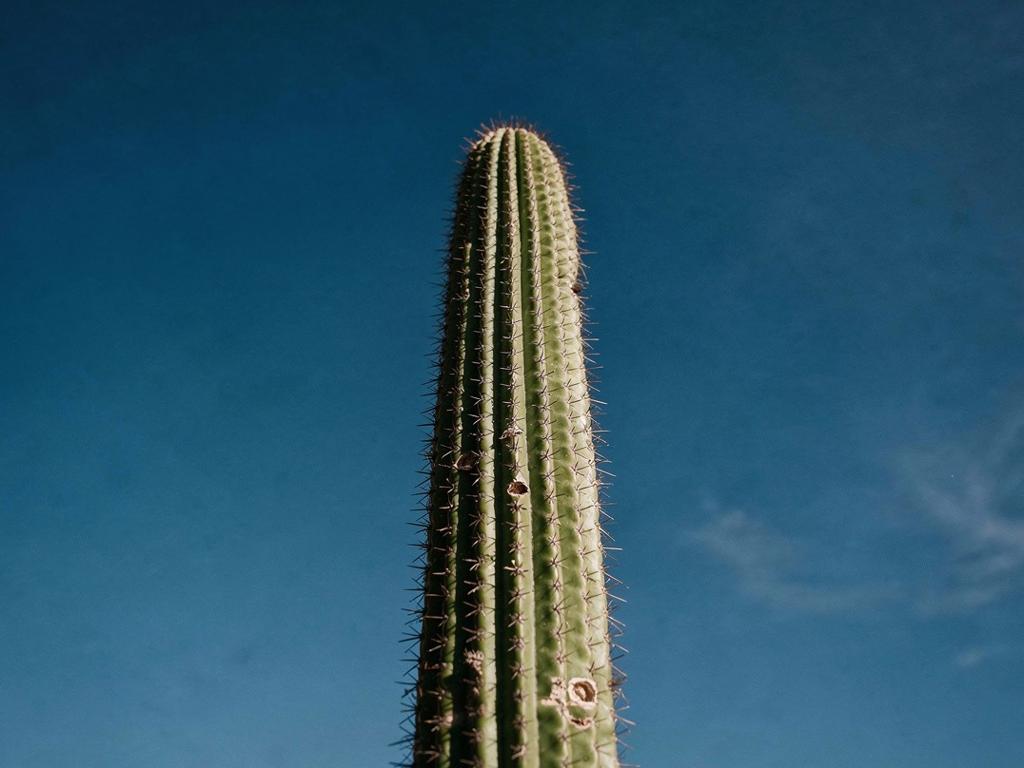
Mescaline Explained: What San Pedro and Peyote Actually Do
Mescaline is the quiet one. While ayahuasca gets the documentaries and psilocybin gets the clinical trials, mescaline — the psychedelic alkaloid found in San Pedro, peyote, and a handful of other cacti — has been sitting patiently in the background of human history for something like six thousand years. Longer, maybe. It's arguably the oldest plant medicine we can prove humans have been using, and yet most people considering a psychedelic retreat today have barely heard of it. That's a shame, because mescaline occupies a very particular niche in the world of psychedelics and plant medicines. It's long. It's warm. It's more embodied than heady. And for a certain kind of seeker — often someone who's tried ayahuasca and found it too intense, or someone drawn to gentler, more sustained states — it can be exactly the right door to walk through. Chemically, mescaline is a phenethylamine — a different family from the tryptamines like psilocybin and DMT. That difference matters. It's part of why the experience has a distinct signature: less kaleidoscopic, more painterly. Colors deepen rather than dissolve. Objects gain a kind of significance rather than warping into abstraction. The two cacti most people encounter it through are San Pedro (Echinopsis pachanoi, also called huachuma) from the Andes, and peyote (Lophophora williamsii) from the deserts of northern Mexico and the southwestern United States. San Pedro grows fast and tall — a healthy plant can reach several meters. Peyote is a slow, small button that takes over a decade to mature, which is one reason its wild populations are in trouble and why ethical retreats almost never work with it. There are also synthetic mescaline and other mescaline-containing cacti like the Peruvian torch. But when we talk about mescaline in a retreat or ceremonial context, we're almost always talking about San Pedro brewed as a thick, bitter green drink. Here's the honest truth about mescaline: it's a long day. Where a psilocybin trip runs four to six hours and ayahuasca hits like a freight train for four hours and lets you off, San Pedro is a twelve-hour arc. You drink in the morning. You are still in the medicine at sundown. The come-up is slow. Most people describe an hour or two of nothing much, then a low nausea, then a gradual brightening — as if someone were slowly turning up the saturation on the world. The peak, if you can call it that, is more of a plateau. You feel physically strong. You want to walk. You notice your body wants to be outside, moving, touching things. The emotional character is what usually surprises first-timers. San Pedro is often called a heart medicine, and while that phrase gets thrown around loosely in retreat brochures, there's something to it. People cry, but not often the wracking, purge-heavy crying of an ayahuasca night. It's more like the crying you do when you finally realize something you've been avoiding for years is actually simple. Mescaline itself is a Schedule I substance in the United States, which means it's illegal to possess in pure form. But the cacti that contain it live in a stranger legal space. San Pedro is legal to grow ornamentally in the U.S. — you can buy one at a garden center — but illegal to prepare for consumption. Peyote is federally illegal except for enrolled members of the Native American Church, who have a specific religious exemption. In Peru, where San Pedro ceremonies are part of a continuous curanderismo tradition going back millennia, the plant is legal and ceremonies are openly available. Mexico allows peyote use within recognized indigenous contexts. In much of Europe, the raw cactus is a legal gray area, though extracted mescaline is not. The practical upshot: if you want to sit with San Pedro or huachuma in a proper ceremonial container, you're most likely going to Peru or, in some cases, Ecuador. A handful of legal jurisdictions elsewhere host it too, but the center of gravity is the Andes. The clinical evidence base for mescaline is thin compared to psilocybin, but it's growing. A large observational study published a couple of years ago tracked people using mescaline outside clinical settings and found significant self-reported reductions in depression and anxiety symptoms months later. Roughly two-thirds of participants who came in with a mental-health diagnosis reported that their symptoms had improved or resolved. The addiction angle is even more interesting. The Native American Church has, for over a century, quietly used peyote as the ceremonial center of what may be one of the more effective indigenous responses to alcoholism in the Americas. Researchers who have studied members of the NAC consistently find lower rates of alcohol dependence than in matched populations. It's not a randomized controlled trial, but it's a pattern that's held up across multiple studies. None of this makes mescaline a treatment. It makes it a candidate — one of several plant medicines that appear to help people rearrange the wiring underneath addictive or depressive patterns. The mechanism is likely a mix of the acute psychedelic experience, the ceremonial context that surrounds it, and the community reinforcement that follows. Take any one of those away and the effect weakens. If you're seriously considering a mescaline retreat, the choice of place matters more than the choice of medicine. A badly-held San Pedro day is not dangerous the way a badly-held ayahuasca night can be, but it can be a wasted day at best and a genuinely destabilizing one at worst. A few things to look for: The most useful way to think about mescaline is by contrast. Compared to ayahuasca, it's less confrontational and less purge-focused — you're unlikely to spend the night hunched over a bucket. Compared to psilocybin, it's longer, more embodied, and less prone to the mind-loops that mushrooms sometimes produce. Compared to ibogaine, it's dramatically gentler and doesn't require the medical supervision ibogaine demands. What you give up with mescaline is speed. Ayahuasca can crack a lifelong pattern open in a single night. Psilocybin can deliver a mystical experience in four hours. Mescaline works more like a long walk through your own interior — steady, cumulative, and often surprisingly practical. People often come away with concrete decisions rather than cosmic revelations. Sell the house. Leave the job. Call the brother you haven't spoken to. That practicality is part of why huachuma is sometimes recommended as a first plant medicine for people who are curious but wary. It's easier to integrate because the insights tend to arrive already dressed for daily life. Mescaline is not for everyone. If you have a personal or family history of psychosis or bipolar I, no responsible facilitator will sit you with any classical psychedelic, and that includes San Pedro. If you're on serotonergic medication, you need to have a real conversation with a doctor about tapering, and no retreat should be pressuring you to do this on their timeline. The long duration is also worth taking seriously. Twelve hours in an altered state is genuinely tiring. People often underestimate how much stamina a mescaline day requires, and the day after tends to be a low, quiet one — not a bad low, but a low. Plan for that. Finally, be honest with yourself about why you're going. Mescaline is not a shortcut around therapy, and the people who benefit most from these ceremonies almost always have some kind of ongoing psychological support in their regular life. The medicine opens doors; the walking through them is still your job. Mescaline is one of the most interesting corners of the plant-medicine world, and it's slowly getting the attention it deserves. If any of this has landed for you and you want to look at what's actually available, a curated selection of San Pedro and huachuma retreats can be browsed on our marketplace here. Take your time with the decision — the plant has been waiting six thousand years, so a few more weeks of research won't hurt.
Psychedelic REMS Explained: How FDA Rules Will Shape Access to Psilocybin, MDMA, and Ibogaine
If you've been following the slow crawl of psychedelic medicine toward mainstream approval, you've probably noticed a shift. The conversation used to be about whether psilocybin or MDMA would ever clear the FDA. Now it's about how — specifically, what the delivery system will actually look like once the paperwork clears. And that boring-sounding acronym, REMS, is about to shape the whole thing. REMS stands for Risk Evaluation and Mitigation Strategies. It's the framework the FDA uses when a drug's benefits are real but its risks need some fencing around them. For anyone considering plant medicine or a psychedelic retreat right now — and quietly wondering what the legal, medical version will feel like in a few years — this is the piece of infrastructure worth understanding. It will decide who can prescribe these therapies, where you can receive them, how long you'll be watched afterward, and whether insurance will touch any of it. Let me walk you through what's coming, why it matters, and where it intersects with the world of retreats and master plants that many readers are already exploring. Think of REMS as the safety scaffolding the FDA bolts onto a drug when a simple warning label isn't enough. For most medications, you get a package insert and maybe a medication guide. For riskier ones — opioids, certain immunosuppressants, thalidomide — the agency layers on additional requirements. Those extra requirements are the REMS. The heaviest version of REMS includes something called ETASU, or Elements to Assure Safe Use. That's where things get specific: certified clinics, trained providers, patient registries, mandatory monitoring windows. It's the difference between "please take with food" and "you may only receive this at a certified center, under a trained clinician, with a documented ride home." Psychedelics are almost certainly heading into ETASU territory. The reasoning is straightforward — these substances alter consciousness for hours, occasionally trigger difficult psychological content, and in some cases carry cardiac or interaction risks. Regulators aren't going to hand a psilocybin prescription to your family doctor and hope for the best. The clearest preview we have is Spravato, the ketamine-derived nasal spray approved for treatment-resistant depression back in 2019. Spravato's REMS is instructive because it already answers, in miniature, most of the questions the field is currently arguing about. Under the Spravato program, patients can't just pick up a prescription and take it at home. They receive the drug in a certified healthcare setting. A clinician observes them for at least two hours. They can't drive afterward. The prescriber, the pharmacy, and the site all have to be enrolled and trained. Every dose is tracked in a registry. Now imagine scaling that model to psilocybin, where the acute experience lasts four to six hours, or LSD, which can stretch beyond ten. Or MDMA, where the emotional intensity peaks around a therapy session rather than a solo dose. Or ibogaine, which brings genuine cardiac considerations and can produce a waking dream state that lasts a day or longer. The REMS blueprint exists — but the requirements will need to stretch dramatically to fit each molecule. One of the more interesting angles here is that a single "psychedelic REMS" probably isn't coming. Each substance carries its own risk profile, and the FDA tends to be granular about that. The through-line is that psychedelics don't behave like ordinary pharmaceuticals, and REMS design has to reflect that. A rushed, one-size-fits-all approach would either be too loose for ibogaine or absurdly restrictive for a mild psilocybin session. There's been serious discussion about whether the FDA might create a shared REMS program — a single set of infrastructure requirements that multiple approved psychedelic drugs could plug into. In theory, this would reduce duplication for clinics. A center certified to deliver psilocybin wouldn't need an entirely separate certification for MDMA. In practice, shared REMS are complicated. They require coordination between drug sponsors who are often direct competitors. They tend to move at the speed of the slowest partner. And the FDA has to be convinced that the shared framework actually protects patients as well as bespoke programs would. Still, given the potential for a cluster of psychedelic approvals over the next several years, some form of shared or interoperable framework seems likely. Otherwise clinics face a certification maze that would strangle rollout before it starts. Here's where this stops being regulatory trivia and starts mattering to actual people considering treatment. Access. The stricter the REMS, the fewer certified sites you'll have — especially in the first years. Rural patients, patients without flexible work schedules, patients without reliable transportation home: all of these people are systematically harder to serve under a heavy ETASU regime. Expect long waitlists in the early phase, concentrated in metro areas. Cost. Every requirement adds a line item. Certified sites need staffing, monitoring rooms, documentation systems, and specialised training. Insurers will negotiate hard on coverage. Out-of-pocket pricing for the first wave of approved psychedelic treatments could rival what people currently pay for a well-run international retreat — sometimes more, once you factor in multiple sessions. Off-label use. Once a drug is approved, physicians can legally prescribe it for conditions beyond the specific indication. But REMS can effectively block that by requiring documentation, registry enrollment, or specific diagnostic codes. So even if a psychiatrist thinks psilocybin might help a patient with OCD, the REMS may make it impractical to prescribe outside the approved use. Here's the honest read. Even in the most optimistic timeline, a fully built-out network of FDA-approved psychedelic clinics is still years away. And when it arrives, it will be narrower than the current retreat landscape — specific indications, specific protocols, specific substances. It won't cover ayahuasca ceremonies with traditional Amazonian curanderos. It won't cover San Pedro walks in the Sacred Valley. It won't cover the kind of extended, dieta-based work with master plants that's been happening quietly for generations. That doesn't make one path better than the other. They serve different purposes. A future FDA-approved MDMA session for PTSD is a clinical treatment — measured, insured, documented. A traditional ayahuasca retreat is a different animal entirely: cultural, ceremonial, longer, and shaped by a lineage rather than a protocol. Some people will benefit from one, some from the other, some from both at different points in their lives. What the coming REMS framework does clarify, at least for me, is how seriously the medical world is starting to take these substances. That's a good thing. It also underlines why the current retreat landscape matters — because for now, and for many indications the FDA won't touch for years, ceremonial and retreat-based work remains the most accessible route to serious psychedelic healing and addiction recovery. The psychedelic regulatory story is going to keep unfolding for years, and it's worth watching. But it shouldn't paralyze anyone quietly weighing whether plant medicine could help them right now. For readers who want to keep exploring, a range of curated psychedelic and plant-medicine retreats can be browsed on our marketplace here. Whatever the FDA decides, the deeper question — whether this kind of work is right for you — remains one only you can answer.
MDMA Therapy vs. Ibogaine: Which Path Fits Your Healing?
People ask me this question more than almost any other: should I do MDMA-assisted therapy or an ibogaine retreat? And honestly, the fact that someone is even weighing the two tells me they're thinking about their healing seriously. These are not interchangeable experiences. They come from different worlds, work on different parts of the psyche, and ask different things of you before, during, and after. So let's actually break it down. Not as a sales pitch for either, but the way I'd talk it through with a friend who's stuck — someone battling addiction, trauma, or a depression that hasn't budged despite years of talk therapy and SSRIs. Both MDMA and ibogaine sit squarely inside the psychedelic and plant medicine conversation, but calling them by the same name is a bit like calling a violin and a chainsaw both “tools with strings.” MDMA is a synthetic compound, first patented over a century ago and best known in the clinical world for its remarkable effect on trauma. In a therapeutic setting — not a nightclub — it produces a state researchers call “fearless introspection.” The amygdala calms down. Oxytocin floods the system. People find they can talk about the worst things that ever happened to them without flinching or dissociating. Ibogaine is a different animal entirely. It's an alkaloid extracted from the root bark of the iboga shrub, used ceremonially for generations by the Bwiti people of Gabon. It doesn't feel loving or soft. It's often described as a “waking dream” or a life review — hours of vivid, sometimes uncomfortable inner cinema where your memories, choices, and patterns get shown back to you. It's also physically demanding: ibogaine slows the heart, requires medical screening, and typically lasts 24 to 36 hours from onset to the “gray day” afterward. Different mechanisms, different vibes, different applications. One opens the heart. The other reboots the operating system. Here's where the honest answer diverges from the internet's answer. Ibogaine has an almost mythic reputation in addiction recovery — particularly for opioid dependence. And that reputation is earned. There's a well-documented effect where ibogaine appears to interrupt withdrawal from opioids in a way no other substance does. People walk into a clinic in active withdrawal and, after the session, describe feeling like the physical craving simply lifted. Not gone forever, necessarily — but the window of clarity it opens is real, and for many it's the doorway out. MDMA's addiction story is more nuanced. It's not primarily an anti-addiction medicine. But because so much addiction is trauma wearing a costume, MDMA-assisted therapy can be transformative for people whose substance use is rooted in unprocessed pain — childhood abuse, combat experience, sexual violence, chronic self-hatred. If you drink to bury something, MDMA helps you look at the something. I'll try to describe them plainly, because a lot of the retreat marketing out there is honestly useless. An MDMA session runs about six to eight hours. You lie down, usually with eyeshades and music, and two trained therapists sit with you. It doesn't feel psychedelic in the visual sense — no fractals, no hallucinations. What you get instead is an unusual clarity and warmth. You can revisit a memory that normally makes you shut down, and this time you stay in the room with it. People cry. People laugh at things that used to only make them cry. The insight is often quiet and matter-of-fact: oh, that's why I do that. Ibogaine is not that. Ibogaine is intense. The onset is heavy — many people feel nauseous, cold, or physically pinned to the mat. The visions can be relentless. You may see people from your past, hear conversations you'd forgotten, watch scenes from your own life play out as if projected on a wall. There's often no therapist doing active work with you during the peak — it's you and the medicine, alone in your head, for a long time. The next day is the “gray day,” a hollowed-out but oddly peaceful window where a lot of the real insight consolidates. One person told me MDMA felt like being held by a wise older sister. Ibogaine, they said, felt like being interviewed by their own soul. Both descriptions ring true. This part matters, and any retreat worth its salt will lead with it. Ibogaine has real cardiac risks. It prolongs the QT interval — the electrical rhythm of the heart — which is why reputable clinics run an EKG, blood work, and a full medication review before dosing. If you have a heart condition, an electrolyte imbalance, or you're on certain psychiatric medications (SSRIs need a lengthy taper), ibogaine is not for you. People have died from ibogaine, almost always in unregulated settings without medical oversight. Never do ibogaine anywhere that doesn't have a physician on site and continuous cardiac monitoring. Full stop. MDMA is generally physically safer in a therapeutic dose, but it's not risk-free. It elevates blood pressure and body temperature. People with cardiovascular disease, uncontrolled hypertension, or a history of serotonin syndrome from other medications need to be careful. And MDMA can be emotionally destabilizing in the weeks after — the “Tuesday blues” are real, and without good integration support, that dip can hit hard. Here's the framework I actually use when people ask: You'll notice I haven't called MDMA a “master plant.” That's because it isn't — it's a lab-made compound. Ibogaine, on the other hand, comes from iboga, which the Bwiti consider a master teacher plant in the same category ayahuasqueros place ayahuasca. That distinction matters if the traditional, ceremonial dimension is important to you. Some seekers want the science; others want the lineage. There's no wrong answer, but knowing which you're drawn to will shape the kind of retreat you end up in. Plenty of people, over the years, end up working with multiple medicines. Ibogaine for the acute break. MDMA for the trauma underneath. Ayahuasca or psilocybin later, for the ongoing spiritual work. This isn't a menu you pick once — it's a longer relationship with your own healing. Neither medicine is magic. I've seen people do ibogaine, feel spectacular for two months, then relapse because they went home to the same apartment and the same friends and the same wound. I've seen people do MDMA therapy, have a beautiful session, and then avoid the harder integration work because the session itself felt so good. The medicine is a lever. It gives you leverage on something that felt immovable. But you still have to move it. Also: legal status matters. Ibogaine is not federally legal in the U.S., which is why most retreats operate in Mexico, Costa Rica, Portugal, or the Netherlands. MDMA-assisted therapy is still moving through the FDA approval process and is available primarily through clinical trials or expanded-access programs, though a handful of legal international clinics offer it too. Do your homework on the specific country and setting. If you've read this far, you're probably not looking for a hype video. You're looking for a real decision. Talk to people who've done both. Read trip reports with a skeptical eye — the good ones and the bad ones. Book a consultation call with any retreat you're considering, and if they won't get on the phone with you before taking your deposit, walk away. For readers who want to take this further, a range of vetted ibogaine and psychedelic-assisted retreats can be browsed on our marketplace here. Whichever medicine you end up choosing — or if you decide the timing isn't right yet — the fact that you're being this careful about the decision is already a good sign. The people who do best with these medicines are almost always the ones who took the question seriously in the first place.
Ibogaine for Complex PTSD: What to Know Before You Consider a Retreat
Every few weeks I get an email that reads roughly the same. Someone in their thirties or forties, exhausted from years of therapy that helped a little but not enough, asking whether ibogaine could finally shift the weight of complex PTSD. They've usually tried SSRIs. Some have tried ayahuasca. A few have tried ketamine clinics. And now they're looking at ibogaine — the West African root bark that keeps showing up in stories about addiction recovery and, increasingly, trauma healing. So let's talk about it honestly. Ibogaine is one of the more powerful psychedelics on the map, and the conversation around it has moved well beyond opioid detox. People with complex PTSD are showing up at clinics in Mexico, Costa Rica, and Portugal because conventional care hasn't touched their symptoms. Some come back changed. Some don't. And some really shouldn't have gone in the first place. Complex PTSD isn't just PTSD with extra steps. The clinical picture involves prolonged, repeated trauma — often starting in childhood — that shapes how a person relates to themselves, other people, and their own body. Emotional flashbacks, chronic shame, dissociation, difficulty trusting anyone, a nervous system that runs hot even when nothing is happening. It's a diagnosis that lives partly in the brain and partly in the tissue. Standard trauma therapy — EMDR, somatic experiencing, IFS, prolonged exposure — can help enormously. But many people plateau. The insights arrive, the timeline gets clearer, and yet the felt sense of danger stays put. That's the wall a lot of people hit before they start looking at plant medicine and psychedelics as a possible next door. Ibogaine is the primary alkaloid in the root bark of Tabernanthe iboga, a shrub native to Central Africa. It's been used ceremonially in the Bwiti tradition of Gabon for generations, largely as an initiatory medicine. In the West, it first got attention in the 1960s as a possible addiction interrupter, and that reputation has stuck — most iboga clinics still market primarily to people struggling with opioids, stimulants, or alcohol. What's newer is the growing use of ibogaine for trauma that isn't tied to substance use. A landmark 2024 Stanford study of special-operations veterans with traumatic brain injury and PTSD reported significant, durable improvements in symptoms after a single ibogaine session in Mexico. That study lit up the field. Suddenly complex PTSD, chronic depression, and treatment-resistant despair started getting mentioned alongside heroin withdrawal. Here's what makes ibogaine different from most other master plants. The experience is long — often 12 to 24 hours of active journey, followed by a lighter afterglow that can last days. Many people describe it as autobiographical: the medicine seems to walk you through your own life, sometimes chronologically, showing scenes you'd forgotten or reframing scenes you thought you'd fully processed. It's less about cosmic union and more about being made to look at yourself with unusual clarity. People imagine psychedelic experiences as swirling colors and unity consciousness. Ibogaine is not that. It's usually described as more austere. Lying still, eyes closed, in a dim room, hearing what many describe as a low buzzing or the sound of a struck wire. Movement is difficult and mostly discouraged — the ataxia is real and lasts many hours. Nausea is common. Some people vomit early in the session. Then the visions begin. For someone with complex PTSD, this is where it gets interesting and where it gets hard. The medicine tends to bring up material without asking permission. Childhood scenes. Family patterns you've been circling in therapy for a decade. Somatic memories the body has been holding onto without your consent. There is no bailing out mid-flight. The experience is what it is until it isn't. Facilitators I've spoken with describe the same recurring pattern: the medicine shows people the origin of a stuck pattern, then shows them living inside it, then — often — offers something like a proposal. A different way of holding it. Not a magic erase, but a shift in relationship to the material. Whether that shift sticks depends heavily on what happens after the ceremony ends. Ibogaine is the psychedelic with the most serious physical risk profile, and this cannot be soft-pedaled. It affects the heart's electrical rhythm — specifically the QT interval — and there have been deaths, most linked to underlying cardiac issues, undisclosed medications, or clinics operating without proper screening. Any reputable ibogaine provider will require: If a clinic waves off any of this or offers to work around a medication issue, walk away. Cost is not the metric that matters here. Well-run ibogaine programs run somewhere between $6,000 and $15,000 for a full stay, and the reason they cost that much is the medical infrastructure. Cheaper isn't a bargain; it's usually a corner cut. Beyond cardiac risk, there's the psychological weight of the experience itself. For someone with complex PTSD, opening this much material in a single session, in an unfamiliar country, far from a therapist who knows their history — that's a lot. Not every trauma survivor is a good candidate. Active dissociative disorders, unstable psychosis history, or ongoing suicidality are usually contraindications, and a serious clinic will tell you so. Say you've talked to your doctor, cleared the cardiac screening, and you still feel called toward this. How do you actually pick a place? A few things to look for, and a few red flags I'd take seriously. Two other things worth mentioning. First, ibogaine is legal in some countries (Mexico, Costa Rica, New Zealand for medical use, and a handful of others) and not in the United States, where it remains Schedule I. Second, the retreat itself is maybe a quarter of the total work. What happens in the six months after — therapy, community, sleep, movement, staying off the substances the medicine may have shaken loose — is where the change either takes root or fades. Honestly? For some people with complex PTSD who have exhausted other options and who clear the medical bar, ibogaine can be one of the more significant experiences of their life. I've spoken to people who describe a before-and-after that stuck years later. I've also spoken to people for whom it opened material they weren't ready to hold, and who spent a hard year putting themselves back together with a good therapist. Both stories are true. Neither is the whole picture. What I'd say is this: if you're drawn to ibogaine, take your time. Read the Stanford study. Talk to a trauma therapist who won't dismiss the idea but also won't cheerlead it. Get the cardiac workup regardless of what you decide, because you'll want that baseline anyway. And if you do move forward, treat the ceremony as the beginning of the work, not the end of it. For readers who want to explore this further, a range of vetted ibogaine and plant-medicine retreats can be browsed on our marketplace here. Whatever you decide, decide it slowly — this is one of those choices that rewards patience and punishes hurry.
Finding Wild Mushrooms at Home: What to Know Before You Forage
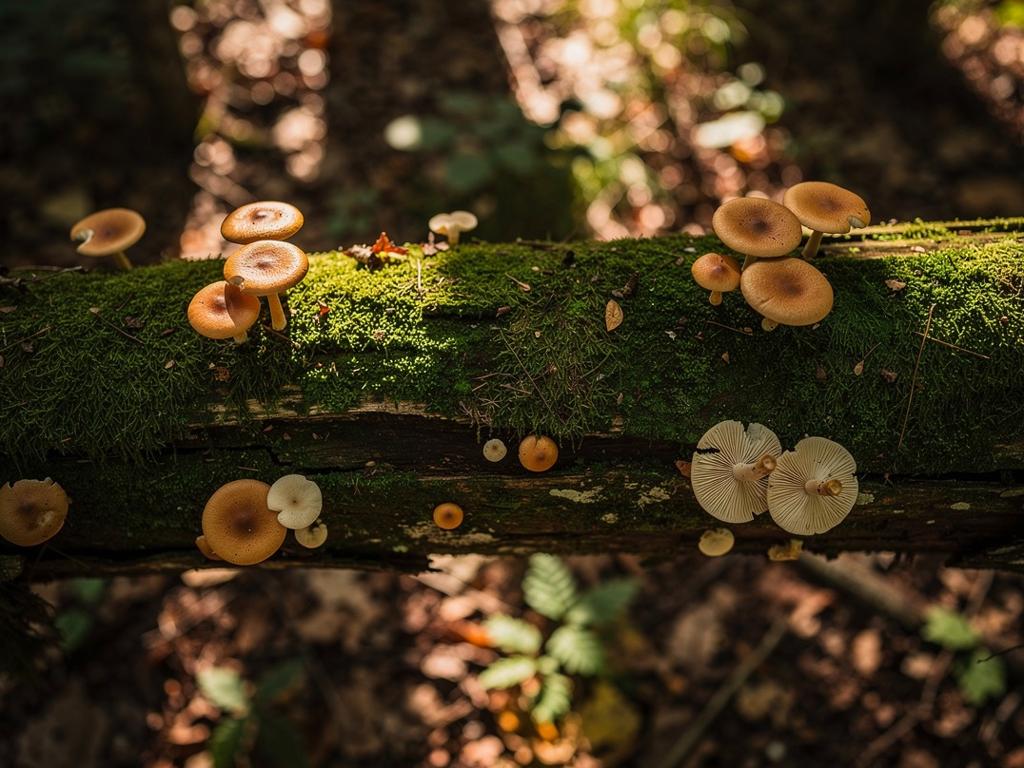
Someone posts a photo to a psychedelics forum every autumn. Blurry mushroom cap, wet grass, caption reads something like — found these in me own backyard, are they shrooms? The replies pile up fast. Half the internet plays mycologist. The other half warns them not to eat anything without a spore print. And somewhere in the middle sits a real question worth taking seriously: what does it actually mean when psilocybin mushrooms start growing where you live, and should that change how you think about using them? I've spent enough time around plant medicine and psychedelic circles to have opinions about this. Not the finger-wagging kind. Just the kind you form after watching people take shortcuts and pay for them later. So let's walk through it honestly — the identification piece, the legal piece, the set-and-setting piece, and the bigger question of whether a backyard flush is really the container you want for whatever you're carrying. The short answer: they've always been there. Psilocybin-producing species like Psilocybe cubensis, Psilocybe semilanceata (liberty caps), and dozens of regional cousins fruit in specific conditions — cool nights, wet mornings, cow or horse pasture in the case of cubensis, and mossy grasslands for liberty caps. If your climate hits those notes in autumn or spring, they're probably closer than you think. The reason more people are noticing them now is partly cultural. Interest in psychedelics has gone mainstream over the last few years — clinical trials at Johns Hopkins, decriminalization moves in Oregon and Colorado, a steady drip of press coverage. When curiosity rises, eyes get sharper. A mushroom that would have been ignored five years ago now gets photographed and posted. It's not that the woods changed. We did. There's also a genuine geographic spread happening. Cubensis, originally tropical, has established populations across the American South, parts of Australia, and Southeast Asia wherever cattle graze. Semilanceata thrives across the UK, Ireland, the Pacific Northwest, and much of northern Europe. If you live in any of those places and haven't been looking, that's the only reason you haven't seen them. Here's the part where I get boring on purpose. Mushroom identification is not a hobby you learn from a Reddit thread. There are lookalikes that will send you to the hospital or kill you outright — Galerina marginata, for instance, contains the same amatoxins as the death cap and grows in similar habitats to some psilocybes. It doesn't care that you were hoping for a good trip. If you're serious about identifying wild mushrooms, at minimum you need to learn: Even seasoned foragers use multiple confirmation methods and cross-check with a local mycological society before consuming anything they picked. If you take one thing from this section: never eat a wild mushroom based on visual identification alone, and never eat one because a stranger online said it looked right. The person confirming your ID has no skin in the game if they're wrong. Legality varies wildly by jurisdiction, and “they grew on my property” is not the get-out-of-jail card people assume. In most of the United States, psilocybin mushrooms remain Schedule I under federal law, and possession is a felony in many states regardless of how you obtained them. Oregon has a regulated therapeutic program. Colorado passed decriminalization. A handful of cities — Denver, Oakland, Detroit, Seattle among them — have deprioritized enforcement. That's not the same as legal. The UK criminalized fresh liberty caps in 2005 after a brief loophole. Most of Europe treats psilocybin as a controlled substance with varying tolerance. The Netherlands allows sclerotia (“truffles”) sold at licensed smart shops. Brazil, Jamaica, and a few other countries have no scheduling of psilocybin at all, which is part of why retreat destinations have clustered there. Growing on your property doesn't grant immunity anywhere I know of. Neither does not knowing they were psilocybes. If law enforcement gets involved, “they just came up in the yard” is unlikely to be the argument that saves you. I'm not offering legal advice — talk to a lawyer in your jurisdiction if this matters to you — but please don't assume a backyard flush is a legal free pass. Okay. Let's say you've correctly identified them, you're in a jurisdiction where the risk feels acceptable to you, and you're thinking about actually using them. Here's where I get uncomfortable, because I've watched too many people rush this part. The reason indigenous traditions, therapeutic clinicians, and reputable retreat centers all obsess over set and setting isn't superstition. Psilocybin lowers the brain's default filters. Whatever you bring into the experience — grief, unprocessed trauma, that fight with your partner from last Tuesday, unresolved questions about your father — gets amplified and put in front of you. That's the mechanism that makes it therapeutic. It's also the mechanism that makes an unprepared trip in your backyard on a Saturday afternoon a genuinely bad idea for a lot of people. A short list of what a solid container usually includes: Backyard shrooms rarely come with any of that. The convenience of finding them tempts people to treat the experience as recreational, and for some folks it stays recreational and fine. For others — particularly people quietly hoping the mushrooms will fix depression, addiction, or something older and heavier — the lack of container turns what could have been a healing experience into a difficult night that produces more confusion than clarity. I'm not going to tell anyone not to work with what grows near them. Traditional cultures did exactly that for thousands of years, and the current retreat industry didn't invent psilocybin healing. But those traditional cultures had elders, ritual scaffolding, and a whole community that knew what to do if things got hard. Most of us don't have that at home. A retreat, at its best, provides the scaffolding you can't easily build in your own life. Trained facilitators. Medical screening for contraindications like SSRIs, lithium, or heart conditions. Dosing that's measured rather than eyeballed from a bag of unknown potency. Integration sessions afterward. Other people going through the same thing, which turns out to matter more than most first-timers expect. It's also expensive, and that's a legitimate barrier. A week-long psilocybin retreat in Jamaica or the Netherlands typically runs somewhere between three and eight thousand dollars once you factor in travel. Not everyone can access that. If you can't, and you're determined to work with mushrooms anyway, then please at least assemble the closest equivalent you can: a sober trusted sitter, real preparation, a proper dose, and a plan for after. For readers who want to take this further with proper support, a range of curated psilocybin and plant-medicine retreats can be browsed on our marketplace here. Whatever direction you go, take the decision seriously — mushrooms in your backyard are a curiosity, but what you do with them is the part that actually matters.
Craving More Stories?
Join our ShopAyahuascaRetreats newsletter for the latest updates on thrilling
destinations and inspirational tales, delivered straight to your inbox!
We value your privacy. Your email address will never be shared or published.
Ibogaine Microdosing and Fatigue: What's Really Going On
You start microdosing ibogaine expecting sharper focus, a calmer nervous system, maybe some of that quiet clarity people talk about after full flood-dose ceremonies. Instead you're yawning at 2pm, dragging through workouts, and wondering if something's wrong. If that's you, you're not imagining it. Fatigue is one of the most commonly reported — and least discussed — effects of ibogaine microdosing, and it's worth understanding before you decide whether to push through, adjust, or stop. I've spent years talking with people who work with ibogaine and other master plants — facilitators, harm-reduction folks, and plenty of retreat alumni trying to stitch their lives back together after ceremony. The tiredness question comes up constantly. Here's what actually seems to be happening, and what tends to help. Ibogaine isn't a stimulant, and it isn't really a psychedelic in the classic sense either. Even at microdose levels — usually somewhere between 10 and 50 milligrams of ibogaine HCl, or a proportional amount of total alkaloid root bark — it interacts with a startling number of systems at once. It touches serotonin, dopamine, opioid receptors, sigma receptors, NMDA. It nudges the heart's electrical rhythm. It seems to reset certain addiction-related brain circuits in ways researchers still don't fully understand. All that activity has a cost. Even a sub-perceptual dose is doing real work in the background, and the body registers that work as effort. Many people describe the fatigue not as sleepiness exactly, but as a kind of heavy stillness — a signal that the system is doing something and would prefer you didn't add a CrossFit class on top of it. There's also the QT-interval issue. Ibogaine can lengthen the heart's electrical cycle, which in higher doses is genuinely dangerous and in microdoses is usually mild but still measurable. A slightly stressed cardiovascular system feels tired. That's not mystical; that's physiology. Here's the thing most people don't want to hear: the tiredness is often part of the mechanism. Ibogaine, in the tradition it comes from, is called a teacher plant — a serious one. Bwiti practitioners in Gabon don't use it casually, and they don't expect it to feel like caffeine. The plant tends to slow you down so you can look at what you've been running from. Microdoses are gentler, but the underlying character is the same. Many people who report fatigue also report that they're sleeping deeper than they have in years, that old cravings have quieted, that emotional material is surfacing during the day in a way it wasn't before. The body pulling energy inward is often a sign the medicine is working, not a side effect to override. That said — and this matters — feeling wiped out for weeks on end isn't a badge of honour. There's a difference between integration fatigue and something being off. A few honest markers, based on what facilitators consistently flag: Ibogaine is not a plant to power through symptoms with. If your body is asking loudly for a break, the correct answer is a break. Most of the microdose fatigue people describe responds to a handful of unglamorous changes. None of these are groundbreaking, but together they usually shift things within a week or two. Sometimes the honest answer is that microdosing ibogaine isn't the right approach for a given person or a given goal. If you're trying to interrupt an opioid dependency, the evidence points overwhelmingly toward a full, medically supervised flood dose in a proper clinical or ceremonial setting — not a slow drip of low doses at home. Microdosing has its place for maintenance, for mood, for gentle inquiry. It is not a substitute for the deep reset a full dose can offer under proper care. For readers weighing the bigger step — a supervised ibogaine experience with medical screening, cardiac monitoring, and integration support — a curated selection of ibogaine and other plant-medicine retreats can be browsed on our marketplace here. Take your time with the choice. Ask hard questions. The good providers welcome them, and the tiredness you're feeling now might turn out to be the quiet start of something bigger.
Psilocybin Therapy for Depression: What Success Actually Looks Like
Ask ten people who've done psilocybin therapy for depression what worked, and you'll get ten different answers. Some describe a single ceremony that lifted a ten-year fog in an afternoon. Others talk about a slow, unglamorous unraveling over months of integration. A few say it didn't do much at all. That range matters, because most of what gets written about psilocybin and mental health lives at the extremes — miracle cures on one end, alarmist warnings on the other. If you're reading this because you've been quietly considering whether psilocybin-assisted work might help with your depression, addiction, or the kind of stuck sadness that talk therapy hasn't touched, the honest picture is somewhere in the middle. Plant medicine and psychedelics are showing real promise. They're also not a shortcut. Here's what people who've been through it actually report, what the research supports, and how to think clearly about whether it fits your situation. Clinical trials on psilocybin for treatment-resistant depression have been running for over a decade now. The Johns Hopkins and Imperial College London studies got most of the headlines, and the numbers are genuinely striking — remission rates in the range of 50 to 70 percent after just one or two sessions, holding up at follow-ups months later. Compare that to standard SSRIs, which help maybe a third of treatment-resistant patients meaningfully, and you can see why the psychiatric world is paying attention. But the trial conditions matter. Participants weren't just handed a capsule and sent home. They spent hours in preparation, took the medicine in a quiet room with two trained facilitators, and did integration work in the weeks after. The dose was calibrated. The setting was safe. That whole scaffolding is what the research is measuring — not psilocybin alone. Recent studies through 2025 have started teasing apart what actually drives the antidepressant effect. It doesn't seem to be a simple neurochemical reset. Brain imaging suggests psilocybin loosens the default mode network — the loop of self-referential thinking that runs on repeat in depression — and gives the brain a window of increased plasticity. What you do with that window is what determines whether the shift sticks. The dramatic before-and-after accounts get shared. The quieter recoveries usually don't, because they're harder to summarize. But they're often the more instructive ones. A woman I spoke with last year had been on antidepressants for eleven years. She'd tried five different medications, ketamine infusions, and years of therapy. Her first psilocybin session, done legally through a Netherlands retreat, wasn't blissful — she cried for four hours and revisited her mother's death in ways she'd spent a decade avoiding. In the two weeks after, she said something interesting: nothing felt euphoric, but the weight was different. Lighter. She could get out of bed without the internal negotiation. Six months on, she'd tapered off her SSRI with her doctor's supervision and was still stable. Another common pattern: people who describe the medicine showing them something specific they'd been avoiding. A behavior. A relationship. A resentment. The ceremony itself doesn't fix it — but they can no longer pretend not to see it. The real work begins the next morning. Not every kind of depression seems equally responsive. From what facilitators and researchers report, psilocybin tends to help most with: It seems to help less reliably with depression that has strong biological or bipolar components, and it's contraindicated for anyone with a personal or family history of psychosis or schizophrenia. This isn't a small caveat. Screening exists for real reasons, and reputable retreats and clinicians will turn people away when the risk profile isn't right. If a program doesn't do a serious medical and psychiatric intake, that's a red flag. There's also the question of what you're hoping for. People who arrive expecting the medicine to do the work for them tend to come away disappointed. People who arrive willing to look at hard things — and to keep looking after the session ends — tend to describe more lasting change. This is one of the questions I get asked most, and the answer varies enormously depending on where and how you do it. In the U.S., Oregon's regulated psilocybin services program runs roughly $1,500 to $3,500 for a single facilitated session, sometimes more with preparation and integration included. Colorado's regulated system is rolling out at similar price points. Clinical trials, when you can get into one, are free — but access is limited and specific. Outside the U.S., psilocybin truffle retreats in the Netherlands are legal and range from around $800 for a weekend group program to $4,000 or more for smaller, more intensive settings. Jamaica has a growing scene where psilocybin is unregulated, and multi-day retreats typically run $2,000 to $5,000. Mexico is another option, though quality varies wildly. Cost isn't just about the medicine — you're paying for the container. Trained facilitators, medical screening, integration support, and a safe physical setting are what separate a therapeutic experience from a recreational one. The cheapest option is rarely the right one when you're bringing something as tender as depression to the table. If there's one thing veterans of this work say over and over, it's that the ceremony is maybe 20 percent of the experience. Preparation is another 30. Integration — the weeks and months after — is the remaining half. Preparation looks like getting your life stable enough to do difficult inner work. Sleeping properly. Cutting back on alcohol and other substances. Reducing caffeine. Journaling about what you want to look at. Some retreats ask for a light dieta — no red meat, no fermented foods, minimal sugar — in the days before. Others don't. Either way, arriving rested and clear-headed dramatically changes the experience. Integration is where the real change either lands or evaporates. This means talking about what came up, ideally with a therapist who understands psychedelic work. It means making the small behavioral changes the medicine pointed to — the difficult conversation, the boundary, the appointment you've been avoiding. It means not immediately booking a second retreat because the first one was intense. Sitting with what happened matters more than chasing another experience. The field is still Wild-West-ish in a lot of places. Some retreats are extraordinary; some are careless; a few are genuinely unsafe. A short checklist that has served people well: Testimonials are useful but limited — people tend to write reviews right after the ceremony, when everything feels profound. The more telling question is how participants are doing six months out. Ask if you can speak to alumni. Psilocybin isn't a cure, and anyone selling it as one should be treated with suspicion. But for a lot of people carrying depression that hasn't budged through conventional treatment, it opens a door that had felt sealed shut. If that possibility is calling you, a range of thoughtfully vetted psilocybin retreats can be browsed on our marketplace here. Take your time with the decision — the medicine will still be there when you're ready.
DMT and Emotional Release: What Really Happens When It All Melts Away
There's a phrase you hear again and again from people who've smoked DMT or sat with ayahuasca: it all just melted away. The anxiety. The tight chest. The years-old grief they'd been dragging around like a soaked coat. Gone, at least for a while. It sounds almost too good, which is exactly why it deserves a closer look — because DMT, psychedelics, and the whole plant medicine landscape are having a genuine cultural moment, and readers researching a retreat deserve more than breathless testimony. I've sat in ceremony. I've interviewed facilitators who've worked with hundreds of participants. And I've watched friends come back from a weekend in the Andes either quietly transformed or quietly shaken. So let's talk plainly about what people mean when they say DMT dissolved something in them, what the research actually suggests, and how to think about it if you're considering a psychedelic retreat for addiction, depression, or one of those stuck patterns that therapy alone hasn't budged. The phenomenon shows up across trip reports with striking consistency. Someone hits the pipe, or drinks the brew, and within minutes — or, with ayahuasca, within a couple of hours — the emotional weight they walked in with just… stops feeling like theirs. Not suppressed. Not distracted from. More like observed from a chair across the room. Neuroscientists have a rough sketch for why this happens. DMT and other classic psychedelics disrupt the default mode network — the part of the brain most active when you're ruminating, self-referencing, spinning the same story about yourself. Quiet that network, and the story loosens. People describe it as ego dissolution, or sometimes just relief. A pause from being themselves. Here's the honest part: that pause is real, and it can be genuinely therapeutic. But it isn't a cure. The story usually comes back. What changes — for people who do the work — is their relationship to it. People new to this often use “DMT” and “ayahuasca” interchangeably, and they aren't the same experience even though the active molecule overlaps. A quick map: If someone tells you they “tried DMT and it changed everything,” it matters a lot which of these they actually mean. A fifteen-minute breakthrough on the couch is not the same medicine as three nights of ayahuasca in a Shipibo maloca. Short answer: the evidence is genuinely encouraging, and also not as tidy as headlines suggest. Clinical trials over the past decade have shown meaningful results for psilocybin-assisted therapy in treatment-resistant depression, alcohol use disorder, and smoking cessation. Ibogaine has a long, mostly underground track record with opioid dependence — enough that clinics in Mexico and Costa Rica have built entire programs around it. Ayahuasca has less controlled research, but observational studies out of Brazil and Peru consistently point to reductions in depressive symptoms and, for some participants, sustained shifts in substance use patterns. The catch is what researchers call the integration gap. The medicine opens something. What you do in the weeks and months after — therapy, journaling, community, changes to how you actually live — is what decides whether the opening becomes a change. People who fly home, brag about the experience on Instagram, and then return to the same routines usually feel the effect fade within a couple of months. People who treat the ceremony as the beginning of the work, not the end of it, tend to hold onto more. If you're weighing a retreat, here's what nobody puts on the glossy website. A serious ceremony is not a spa weekend. Expect: Costs range widely — a week-long ayahuasca retreat in Peru might run $1,200 to $3,500; ibogaine programs at licensed clinics often reach $6,000–$10,000. Cheaper isn't automatically worse, and expensive isn't automatically safer. Facilitator experience, medical screening, and integration support are the real signal. A few things that should make you close the browser tab: Talk to people who've actually attended. Not testimonials on the retreat's own site — actual former participants you find through forums, integration circles, or word of mouth. Go if: you've done meaningful work on yourself already, you have a stable support system to return to, you're not in acute crisis, and you can afford both the retreat and the months of integration that should follow. The people who benefit most from psychedelic retreats tend to arrive prepared and leave ready to keep working. Wait if: you're hoping the medicine will do the work for you, you're currently in a fragile mental state, you're on medications that interact dangerously, or you can't clear the time and money for proper integration afterward. A rushed retreat under bad conditions can genuinely set you back. Neither answer is a moral judgment. Plant medicine is a tool, not a rite of passage. Some of the wisest people I've met in this world took years to decide it was their time. Some never went at all and did their healing other ways. If, after all that, the pull is still there — if you've read honestly and the quiet voice inside says this year — then start looking at specific programs, ask hard questions, and trust your gut on the answers. A curated range of ayahuasca and psychedelic retreats can be browsed on our marketplace here, which is a reasonable place to start comparing what's actually on offer without the hype.
Down the Rabbit Hole: What Psychedelic Exploration Actually Looks Like
There's a specific moment most people hit before they ever sit in a ceremony. It usually happens at two in the morning, browsing forums, reading trip reports, comparing retreats in Peru to clinics in Mexico, wondering if any of it is real or if the whole psychedelic conversation is just another wellness trend wearing feathers. If you've had that moment — or you're having it right now — you're in the right place. The pull toward ayahuasca, psilocybin, and other master plants rarely comes out of nowhere. It usually shows up after something else has already failed. Years of therapy that didn't quite crack the shell. Antidepressants that flattened the lows but stole the highs. A pattern of drinking or numbing you keep swearing you'll break next month. Or just a low, persistent hum of this can't be all there is. Plant medicine gets people's attention because it promises to interrupt that hum. But the road from curiosity to actually booking a retreat is longer and stranger than most articles admit. Let's walk it honestly. A few things happened at once. Clinical research on psilocybin for depression cleared meaningful hurdles. MDMA-assisted therapy for PTSD got closer to regulatory approval than most experts expected a decade ago. Ibogaine emerged from the shadows as a serious contender in addiction recovery, particularly for opioid dependency where nothing else has moved the needle. And ayahuasca, which for centuries stayed in the Amazon, is now offered in ceremonies across five continents. What used to be counterculture is now covered in medical journals. That's the surface story. The deeper story is that a lot of people are quietly desperate — for relief, for meaning, for a way out of loops they can't outthink. Psychedelics offer something rare in modern medicine: an experience, not just a prescription. You don't just take a pill and wait. You go somewhere. You come back different. Or at least that's the pitch. The reality is more textured. Some people come back transformed. Some come back rattled. Some come back and forget most of it within a month if they don't do the work afterward. The medicine is not the destination — it's the doorway. This is the part that trips up newcomers, especially those arriving through the clinical-research door. In the Amazonian traditions where ayahuasca comes from, plants like ayahuasca, chacruna, tobacco (yes, real tobacco, used ritually), chiric sanango, and bobinsana aren't recreational compounds or even medicines in the Western sense. They're considered teachers. Beings. Intelligences you enter into relationship with. You don't have to buy the metaphysics to take the framing seriously. Even skeptics who sit with these plants tend to come out saying something odd — that it felt like a presence, not a pharmacology. That's part of why the retreat container matters so much. A trained facilitator holds the space so that what surfaces during the ceremony can actually be metabolized, not just endured. Here's a rough map of the plants most commonly encountered on the retreat circuit: Each has its own culture, its own risks, and its own kind of person it tends to attract. Lumping them together as “psychedelics” is like lumping surgery and yoga together as “healthcare.” The single biggest reason people I've spoken to book their first plant-medicine retreat isn't curiosity. It's addiction. Or depression that won't lift. Or trauma that has quietly organized their entire adult life around avoiding certain feelings. Psychedelic-assisted work is genuinely promising for these conditions, but not because the substance is magic. What seems to happen is more like this: the medicine temporarily lowers the defenses the mind has spent decades building. The story you tell yourself about who you are gets loosened. The body releases things it's been clenching. You see the addiction, or the fear, or the grief from a strange angle — sometimes with terrifying clarity, sometimes with unexpected compassion. For addiction specifically, ibogaine has the most dramatic short-term reputation. People walk into a clinic dependent on heroin and walk out, often, without withdrawal. That's not a cure — plenty relapse — but it's a real window. Ayahuasca work tends to be slower and more relational, addressing the emotional substrate underneath the addiction rather than the physical dependency. Psilocybin sits somewhere in between and is being studied specifically for alcohol and tobacco use disorders. None of this replaces the daily work. The medicine gives you information and momentum. What you do with them in the following six months determines whether anything actually changes. Budget first, because it's the question people are too polite to ask out loud. A reputable ayahuasca retreat in Peru or Costa Rica typically runs somewhere between $1,500 and $4,000 for a week. Ibogaine clinics with proper cardiac screening cost considerably more — often $6,000 to $10,000 or above. Psilocybin retreats in Jamaica and the Netherlands sit in the middle. Cheap retreats exist and some are fine; many are not. Price is a rough proxy for medical screening, facilitator training, and ratio of participants to helpers, all of which matter more than the thread count of the sheets. Then there are the costs nobody puts on the website: Not every retreat is safe, and not every facilitator is what their website says they are. A few markers I look for when evaluating a place: Green flags: a thorough medical intake before you're accepted, including questions about medications and family history of psychosis. Clear communication about the lineage and training of the facilitators. Small groups. On-site medical support for ibogaine or anything cardiac-relevant. Structured integration support after you leave. Willingness to say no to prospective participants who aren't a fit. Red flags: a facilitator who claims to be the reincarnation of someone famous, or who talks more about their own gifts than about the plants. Big group sizes with a lone shaman. No screening. Sexual boundary weirdness. Pressure to drink more than you're comfortable with, or to stay for extra ceremonies you didn't book. Any suggestion that stopping your SSRIs the day before is fine — it usually isn't, and serotonin syndrome is real. Ask specific questions. How many ceremonies? What plants specifically? Who cooks? What happens if I have a hard night? What's your integration protocol? A serious operator will answer directly. A shaky one will get vague or defensive. The two weeks after a retreat are the strangest. Colors are slightly different. Old friends sound different. You'll want to tell everyone about what happened and simultaneously realize there are no words. Some people feel high and open for a month. Others crash into a low around week two, especially if they haven't planned any structure for the return. Integration is the unglamorous half of psychedelic work, which is why most people skip it and then wonder why the effects faded. It looks like this: journaling, weekly conversation with someone trained to hold post-psychedelic material, a body practice (yoga, walking, swimming — something that keeps you out of your head), and slow, deliberate changes to the parts of your life the ceremony pointed at. If the medicine showed you your drinking is killing you, integration is the actual quitting. None of this is fast. Anyone selling you a one-weekend fix for a twenty-year pattern is selling you something else. Honest answer: for some people, yes, enormously. For some people, no, and they wish they'd done more therapy first. The variable isn't the medicine — it's the person, the container, and what happens after. If you're weighing this decision, sit with it a little longer than feels necessary. Talk to people who've done it, especially ones a year or two out, not the ones who just got back and are still glowing. Read. Screen yourself honestly for contraindications. And if you decide to go, pick your retreat like you'd pick a surgeon, not like you'd pick a vacation. For readers who want to take this further, a range of vetted ayahuasca, psilocybin, and ibogaine retreats can be browsed on our marketplace here. Whatever you decide, decide it with your eyes open — the rabbit hole is real, and it rewards people who walked in slowly.
Why Is LSD Still Illegal? The Strange History Behind the Ban
Here's a question that comes up almost every time someone starts researching psychedelics seriously: if LSD is less physically harmful than alcohol, non-addictive, and once considered one of psychiatry's most promising tools — why is it still classified alongside heroin? It's a fair question. And the answer has almost nothing to do with pharmacology. I've watched this conversation unfold at dozens of integration circles and post-ceremony breakfasts. Someone always brings it up. They've just had a profound experience with ayahuasca or psilocybin, they're piecing their life back together, and they're suddenly furious that something this useful was made illegal in the first place. That anger is understandable. But the story behind the ban is stranger than most people realise, and it's worth telling properly. LSD was first synthesized in 1938 by Albert Hofmann, a Swiss chemist working at Sandoz Laboratories. He wasn't looking for a psychedelic. He was researching circulatory stimulants derived from ergot fungus. Five years later, in 1943, he accidentally absorbed some through his skin and took the world's first acid trip on a bicycle ride home. That bike ride is now a small holiday among psychedelic enthusiasts. Bicycle Day, April 19th. Look it up. For the next two decades, LSD was legal, freely researched, and considered one of the most exciting compounds in psychiatry. Sandoz distributed it to researchers under the trade name Delysid. Thousands of clinical papers were published on its use for alcoholism, depression, end-of-life anxiety, and what we'd now call PTSD. Bill Wilson, co-founder of Alcoholics Anonymous, took it and publicly credited it with helping him understand recovery more deeply. Cary Grant did over 100 sessions and told Good Housekeeping it made him a better man. Then came the 1960s. And this is where the story turns. The short version most people know: Timothy Leary, hippies, Nixon, war on drugs. That's not wrong, but it's incomplete. What actually shifted the political climate was a collision of three things happening at once. In 1968, LSD possession became a federal offense in the United States. Two years later, the Controlled Substances Act of 1970 placed it in Schedule I — the most restrictive category, reserved for substances deemed to have no accepted medical use and a high potential for abuse. That classification has never been meaningfully revisited. It's been over half a century. John Ehrlichman, one of Nixon's senior advisors, admitted years later in a now-famous interview that the drug war was never really about public health. It was about criminalising the antiwar left and Black communities. Whether you take that quote at face value or not, the timing of Schedule I placement lines up uncomfortably well with that political goal. Physically? Not particularly. LSD is one of the least physically toxic psychoactive substances ever studied. There's no established lethal dose in humans. It's not addictive in the pharmacological sense — the body builds tolerance so quickly that recreational bingeing is chemically pointless within days. Multiple large-scale surveys have found no association between psychedelic use and increased rates of mental health problems in the general population. Psychologically, it's a different conversation. LSD can absolutely destabilise someone who's not ready for it, not supported through it, or who has an underlying vulnerability to psychotic disorders. That's a real risk and it deserves respect. It's also the exact risk that a legal, regulated, therapeutic framework would be designed to manage — the way we manage every other powerful psychiatric intervention. Compare this to alcohol, which is legal, physically toxic at accessible doses, responsible for roughly three million deaths worldwide each year, and genuinely addictive. The scheduling makes no pharmacological sense. It never did. Since roughly 2000, a quiet renaissance has been underway. Johns Hopkins, NYU, Imperial College London, MAPS, and dozens of other serious institutions have been running clinical trials on psilocybin, MDMA, and — more recently — LSD itself. The results, particularly for treatment-resistant depression, end-of-life anxiety, and addiction, have been strong enough that the FDA has granted several of these compounds Breakthrough Therapy designation. LSD specifically is being studied again for anxiety associated with life-threatening illness and for cluster headaches, where microdoses appear remarkably effective. Some of this research is being conducted in the same countries that criminalised the substance decades ago. The absurdity is not lost on the researchers. Meanwhile, the plant-medicine world has been quietly doing its own thing for centuries. Ayahuasca ceremonies operate legally in Peru, Brazil, Costa Rica, and a handful of other jurisdictions. Psilocybin retreats have opened in the Netherlands, Jamaica, and now Oregon. Ibogaine clinics run legally in Mexico and treat opioid addiction with success rates that make the pharmaceutical industry uncomfortable. The legal landscape for psychedelics is much more porous than the Schedule I label suggests — you just have to travel for it. Here's why the history is relevant to anyone weighing plant medicine seriously. The framing of these substances as dangerous criminal drugs has shaped, and distorted, almost every conversation the average person has about them. Your family's fear, your doctor's silence, your own hesitation — a lot of it traces back to a policy decision made for political reasons in 1970, not to any honest reading of the evidence. That doesn't mean psychedelics are safe for everyone or that every retreat is legitimate. Both of those things need to be evaluated carefully. But it does mean the automatic reflex of "illegal equals dangerous equals bad" doesn't hold up under scrutiny. Master plants like ayahuasca, huachuma, and iboga have been used in structured, intentional contexts for far longer than any modern government has existed. Their traditions carry hard-won knowledge about safety, preparation, and integration that the pharmaceutical model is only now beginning to appreciate. If you're researching a retreat — for addiction, for depression, for the stuck feeling that finally pushed you to start Googling in the first place — knowing this backstory helps. It tells you why the medicine you're considering is legal in one country and criminal in another. It tells you why your primary care doctor probably can't help you evaluate options. And it tells you that the burden of doing this well falls largely on you: choosing reputable facilitators, preparing properly, integrating what comes up afterward. A few practical takeaways for anyone doing this research: The LSD question — why it's illegal, why that's absurd, why it might change — is really a doorway into a bigger conversation about how we approach consciousness, healing, and the substances that have been part of human life for thousands of years. The laws are catching up slowly. The research is catching up faster. And in the meantime, real work is happening in retreat centers around the world where people are doing this properly, legally, and with genuine care. If any of this has sharpened your curiosity about exploring plant medicine in a supported setting, a curated selection of ayahuasca and psychedelic retreats can be browsed on our marketplace here. The right container makes all the difference — probably more than the substance itself.
Dreaming of a Psychedelic Retreat?
We have the best deals and offers from thousands of organizers all over the world! Get them into your mailbox every week!
We value your privacy. Your email address will never be shared or published.
