 English
 Deutsch
 Français
 Nederlands
 Español
SHOP AYAHUASCA RETREATS BLOG
Ethical Palo Santo: How to Source Sacred Wood Without Harming the Forest

Cleo Adler
June 29, 2026
Your ultimate guide to discover transforming ayahuasca and psychedelic experiences. Dive into serene destinations and elevate your consciousness to unparalled heights.
Discover Ayahuasca & Psychedelic Retreats NowSearch for ayahuasca & psychedelic retreats
Discover retreats, trainings, and holidays from all over the world
Walk into almost any wellness shop in Berlin, Brooklyn, or Bali these days and you'll smell it before you see it — that warm, milky-sweet smoke curling from a bundle of pale wood. Palo santo. The “holy wood” of South America. It's everywhere now, sold in tidy four-stick packets at yoga studios and tucked into $90 ceremony kits on Instagram. And somewhere along the way, a lot of people started asking a reasonable question: is the stuff I'm burning actually ethical?
It's a fair thing to wonder. The plant-medicine and psychedelic world has had to reckon with the same question about ayahuasca, peyote, and even certain master plants — when a sacred Indigenous practice becomes a global wellness product, things get complicated fast. Palo santo sits squarely in that conversation. Here's what I've learned from years of writing about plant medicine, talking to importers, and yes, getting some answers very wrong before I got them right.
What Palo Santo Actually Is
Palo santo (Bursera graveolens) is a tree native to the dry tropical forests of Ecuador, Peru, and parts of Central America. It's a relative of frankincense and myrrh, which is part of why the smoke smells the way it does — resinous, citrusy, almost vanilla at the edges. Indigenous peoples of the region, particularly along Ecuador's coast, have used it for centuries in healing work, spiritual cleansing, and protection. In ayahuasca ceremonies across the Amazon, you'll often see facilitators wave a smoking stick around the maloca before the brew is served. It's part of the ritual furniture of South American plant medicine.
Here's the part that often gets missed: traditionally, palo santo is only harvested after the tree has died naturally and aged on the forest floor for several years. The wood needs that long, slow decomposition for its aromatic resins to fully develop. A freshly-cut palo santo branch doesn't really smell of much. The magic happens in the years after the tree's life ends.
Which means — and this matters — sustainable palo santo, in principle, should never require cutting down a living tree.
So Why Is There an Ethical Problem?
Because demand exploded, and supply chains got murky. When something becomes trendy in the global wellness market, the pressure on the source ecosystem multiplies fast. A few specific issues come up again and again:
- Illegal cutting of living trees. In some regions, unscrupulous harvesters have cut down live Bursera graveolens to keep up with demand, even though the wood from a living tree is inferior. The tree itself isn't globally endangered, but local populations in parts of Ecuador and Peru have been seriously depleted.
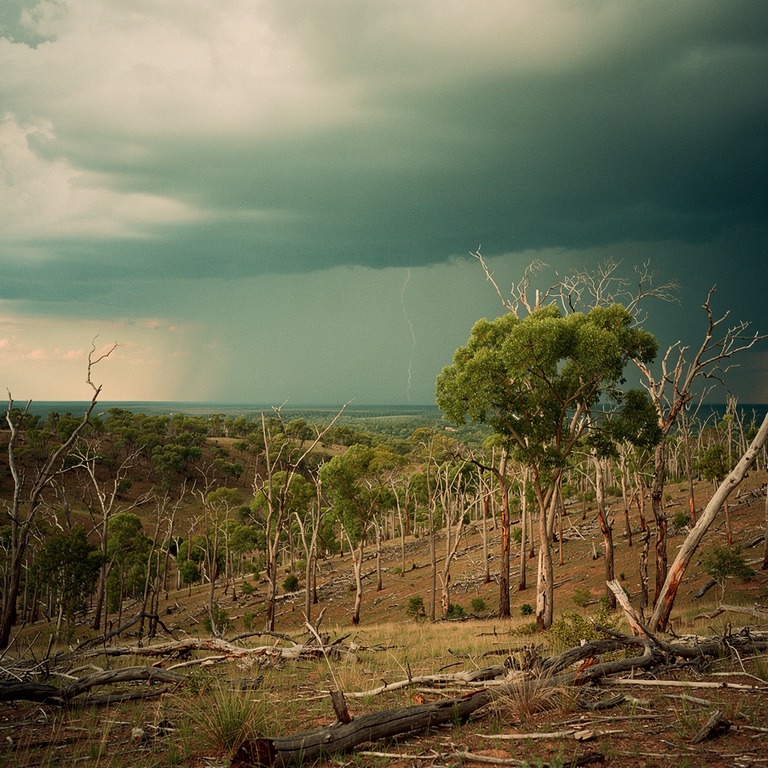
- Habitat loss. The dry tropical forest where palo santo grows is one of the most threatened ecosystems on the continent. Estimates suggest only a small percentage of the original forest remains. The tree's survival is tied to the forest's survival, full stop.
- Bypassed communities. A lot of the price you pay at a European boutique never makes it back to the Indigenous and rural communities whose ancestral knowledge made this wood valuable in the first place.
- Mislabeling. “Sustainable,” “ethically wildcrafted,” and “fair trade” are written on packaging by people who have no real idea where the wood came from. The terms are unregulated. Anyone can print them.
None of this means you have to stop burning palo santo. It means you have to actually pay attention to who you're buying it from.
How to Tell If a Source Is Legitimate
This is the part most blog posts skip, so let's get specific. When I'm vetting a seller — whether for myself or for a retreat recommendation — I look for several concrete things.
- They name the region and ideally the community. A trustworthy seller will tell you the wood comes from, say, Manabí province in Ecuador, harvested by a specific cooperative. Vague “sourced from South America” language is a red flag.
- They explain their harvesting method in plain language. Look for explicit statements that wood is collected only from naturally fallen trees, aged a minimum of two to five years on the forest floor. If they can't articulate this, they probably don't know.
- They can show a chain of custody. Reputable importers work with named cooperatives, often ones registered with Ecuador's Ministry of Environment, which actually does issue permits for palo santo collection. Ask. Real sellers will answer.
- They participate in reforestation. Some of the better-known cooperatives plant new Bursera graveolens seedlings as part of their model. That's the long game.
- The price reflects reality. If a packet of palo santo costs less than a cup of coffee, something is wrong. Ethically harvested, properly aged wood that supports a fair supply chain costs more. Not because anyone's getting rich — because the process is slow and the labor is real.
What to Avoid
Generic Amazon listings with no origin information. Bulk lots on AliExpress. Tourist-trap shops in Cusco or Pisac that sell palo santo bundles for a dollar — much of that is dubious. Anything sold by a wellness influencer who can't tell you who harvested it. And — sorry — most of the “smudge kits” marketed at yoga studios, which tend to combine palo santo with white sage (another plant with its own serious sourcing problems involving Native American communities in California).
Where to Actually Buy It
I'm not going to drop a list of specific brand names here, because the landscape changes and a shop that was solid two years ago might have sold to investors and gone sideways since. But here are the categories worth searching:
- Direct-from-cooperative websites. A handful of Ecuadorian cooperatives ship internationally and run their own e-commerce. Search for terms like “palo santo cooperativa Ecuador” and look for sites that name a specific community.
- Specialist ethnobotanical suppliers in Europe. A few small importers in Germany, the Netherlands, and the UK have built relationships with named producers over many years. These are usually small operations run by people who can answer detailed questions over email.
- Plant-medicine retreat centers. Some reputable ayahuasca and San Pedro retreats in Peru and Ecuador sell palo santo on-site that's sourced through their own community networks. If you've been on a retreat there, that can be one of the cleanest supply chains you'll find.
- Local botánicas and Indigenous-owned shops. In cities with substantial Latin American communities, smaller traditional shops often have better sourcing than the trendy wellness boutiques nearby.
One more practical note: a single palo santo stick, used properly, lasts a long time. You light it, let it smolder for ten seconds, blow it out, and the same stick can serve you for weeks of brief cleansings. If you find yourself burning through bundles, you're probably using too much. Less is more, and that helps the forest too.
The Bigger Picture
Palo santo is part of a wider question that anyone drawn to plant medicine eventually has to sit with: what does it mean to use something sacred from a culture not your own, and how do you do it without contributing to harm? The honest answer involves slowing down, paying more, asking uncomfortable questions, and accepting that convenience and reverence rarely live in the same place.
If you're already on the path of psychedelic healing — looking into ayahuasca, considering an ibogaine program, exploring master plants — these same instincts will serve you well. The retreats and traditions worth your time are the ones that can clearly articulate their relationships with the land and the people who tend it. The ones that can't, won't, or get cagey when you ask — keep walking.
For readers thinking about taking the broader plant-medicine path further, a range of ceremonies and plant-medicine retreats that hold these questions seriously can be browsed on our marketplace here. Burn the wood gently. Ask where it came from. The forest is paying attention even when we aren't.
Craving More Stories?
Join our ShopAyahuascaRetreats newsletter for the latest updates on thrilling
destinations and inspirational tales, delivered straight to your inbox!
We value your privacy. Your email address will never be shared or published.