 English
 Deutsch
 Français
 Nederlands
 Español
SHOP AYAHUASCA RETREATS BLOG
Morning Glory Seeds and LSA: A Forgotten Psychedelic Worth Knowing About

Ezra Caldwell
June 28, 2026
Your ultimate guide to discover transforming ayahuasca and psychedelic experiences. Dive into serene destinations and elevate your consciousness to unparalled heights.
Discover Ayahuasca & Psychedelic Retreats NowSearch for ayahuasca & psychedelic retreats
Discover retreats, trainings, and holidays from all over the world
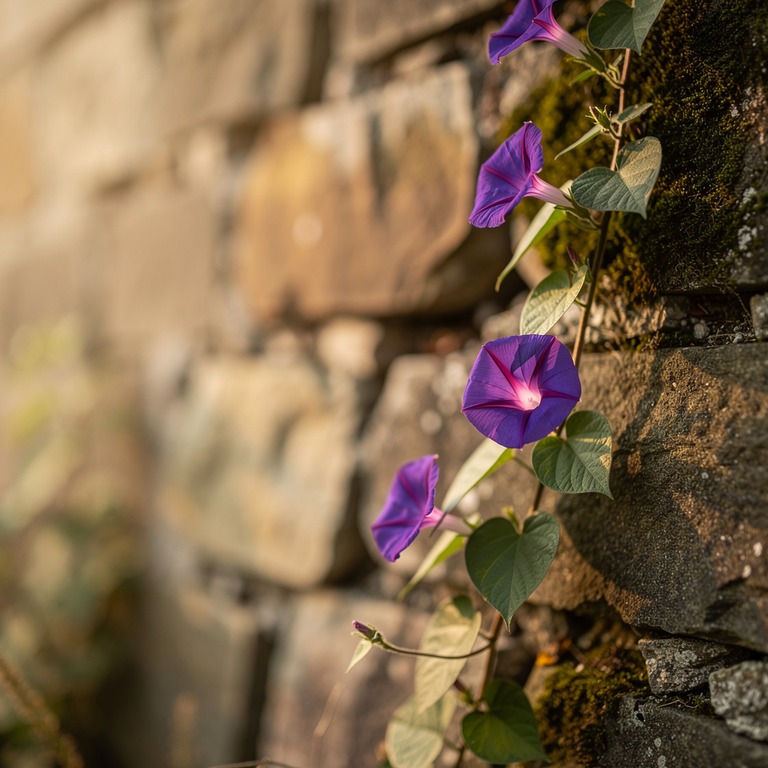
Long before psilocybin made it onto magazine covers and ayahuasca became a wellness buzzword, a humble vine was wrapping itself around fence posts in suburban gardens — quietly carrying one of the oldest psychedelic compounds humans have ever used. Morning glory seeds. The same plant your grandmother might have trained up a trellis contains LSA, a tryptamine cousin of LSD, and there's a long, strange history behind it that almost nobody talks about anymore.
This isn't a how-to. It's a look at what morning glory and its LSA-containing cousins actually are, what the experience tends to be like, and where they fit into the broader conversation about psychedelics, master plants, and addiction recovery. If you're researching plant medicine seriously, this corner of the world deserves at least an honest paragraph or two.
What Is LSA, and How Does It Compare to LSD?
LSA — lysergic acid amide, sometimes called ergine — is a naturally occurring tryptamine found in the seeds of several climbing plants. The two most famous are Ipomoea tricolor (the common morning glory) and Turbina corymbosa, also known as ololiuqui. Hawaiian baby woodrose seeds (Argyreia nervosa) carry it too, often at higher concentrations.
Chemically, LSA is a close relative of LSD. Albert Hofmann, the Swiss chemist who synthesized LSD, was the one who identified LSA in ololiuqui seeds in the 1960s — and he was surprised. At the time, scientists assumed lysergic compounds only came out of ergot fungus. Finding them in a flowering vine reshuffled the whole picture.
The subjective experience is where things diverge. LSD is bright, electric, often euphoric, with a long arc — twelve hours of upholstered geometry. LSA is heavier. Slower. Dreamier. People describe a strong body load in the first hour or two — sometimes nausea, sometimes a lead-blanket sedation — followed by a softer, more introspective headspace that's closer to the threshold between waking and dreaming. It's not a party drug. It's barely even a recreational drug. It tends to put people on the couch, eyes closed, watching their own interior weather.
The Shamanic History Nobody Mentions
Here's the part that gets glossed over in most psychedelic primers: ololiuqui was a sacrament in pre-Columbian Mesoamerica for centuries, possibly millennia, before Europeans arrived. The Aztecs used it. The Zapotec and Mazatec peoples used it. Spanish chroniclers in the 1500s wrote about indigenous healers — the same lineage that worked with psilocybin mushrooms and Salvia divinorum — using ololiuqui seeds in divination, healing, and ceremony.
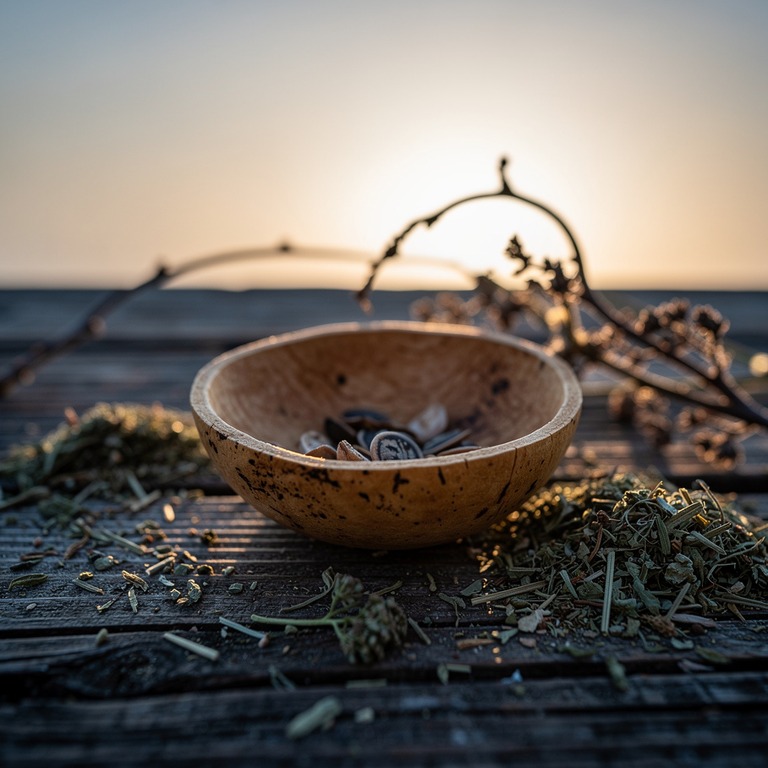
The Spanish, predictably, tried to stamp it out. They labeled it diabolical and drove the practice underground. But it survived. Twentieth-century ethnobotanists like Richard Evans Schultes and Gordon Wasson documented ololiuqui ceremonies still being performed in remote Oaxacan villages well into the modern era. The seeds were ground on a stone, mixed with cold water, strained, and drunk — usually at night, usually with a curandero present.
So when people ask whether morning glory could have been a traditional shamanic medicine alongside ayahuasca, peyote, and psilocybin mushrooms, the answer is yes — it absolutely was. It's just that the lineage was disrupted hard, and unlike ayahuasca, it never got the modern renaissance.
Why Has LSA Stayed in the Shadows?
A few reasons. The first is practical: the experience is rougher around the edges than psilocybin or LSD. The body load is real. Many people who try morning glory seeds describe the first ninety minutes as genuinely unpleasant — a queasy, leaden feeling that has to be ridden out before the more visionary state opens up. That's not a great pitch for the wellness market.
The second reason is that commercial seeds are often coated with fungicides and other agricultural chemicals specifically intended to discourage ingestion. This makes recreational use risky in ways that have nothing to do with the LSA itself. There are documented cases of poisoning that come down to the coatings, not the active compound.
The third reason is legal ambiguity and lack of infrastructure. There's no ololiuqui retreat circuit. No facilitators have built lineages around it the way they have around ayahuasca or San Pedro. The plant exists in a strange limbo — too obscure for the underground, too dirty for the clean-psychedelic-medicine crowd, too historically important to ignore entirely.
LSA, Master Plants, and the Bigger Picture of Plant Medicine
If you spend any time in ayahuasca circles, you hear about plantas maestras — master plants. The term refers to plants that, in the Amazonian view, have a teaching consciousness. They aren't just chemical delivery systems. They're entities with something to communicate to the person who sits with them properly.
Whether you take that framing literally or metaphorically, it changes how you think about a plant like morning glory. Mesoamerican curanderos didn't relate to ololiuqui the way a college student relates to a baggie of seeds from a garden center. They prepared themselves. They held the ceremony at night, in silence, often alone in a dark room. They asked the plant questions and waited for answers.
This is the same relational model you see in serious ayahuasca and psilocybin work today. The compound isn't the point. The context — set, setting, intention, integration — is most of the medicine. People drawn to plant medicine for addiction, depression, or stuck life patterns often discover this the hard way: the substance alone doesn't fix anything. The container around the substance is what does the work.
Should You Actually Try Morning Glory? An Honest Answer
For most people researching their first serious psychedelic experience — especially anyone considering plant medicine for addiction recovery, trauma, or depression — morning glory seeds are not the place to start. Here's why:
- The dosing is unreliable. LSA concentration varies wildly between seed batches, suppliers, and species.
- Commercial seeds are routinely treated with chemicals you do not want in your body.
- There's no established facilitator community to hold space for the experience.
- The body load can be intense enough to dominate the session and crowd out the deeper material.
- Pre-existing cardiovascular conditions make LSA particularly risky — it has vasoconstrictive effects.
None of that means LSA is worthless. For experienced psychonauts with good harm-reduction practices, it can be a genuinely interesting, introspective journey with a distinctive character — closer to a long lucid dream than to a classical psychedelic trip. Some practitioners working in the ethnobotanical lineage do still incorporate it. But it's a specialized tool, not a general entry point.
Where to Go Instead If You're Looking for a Container
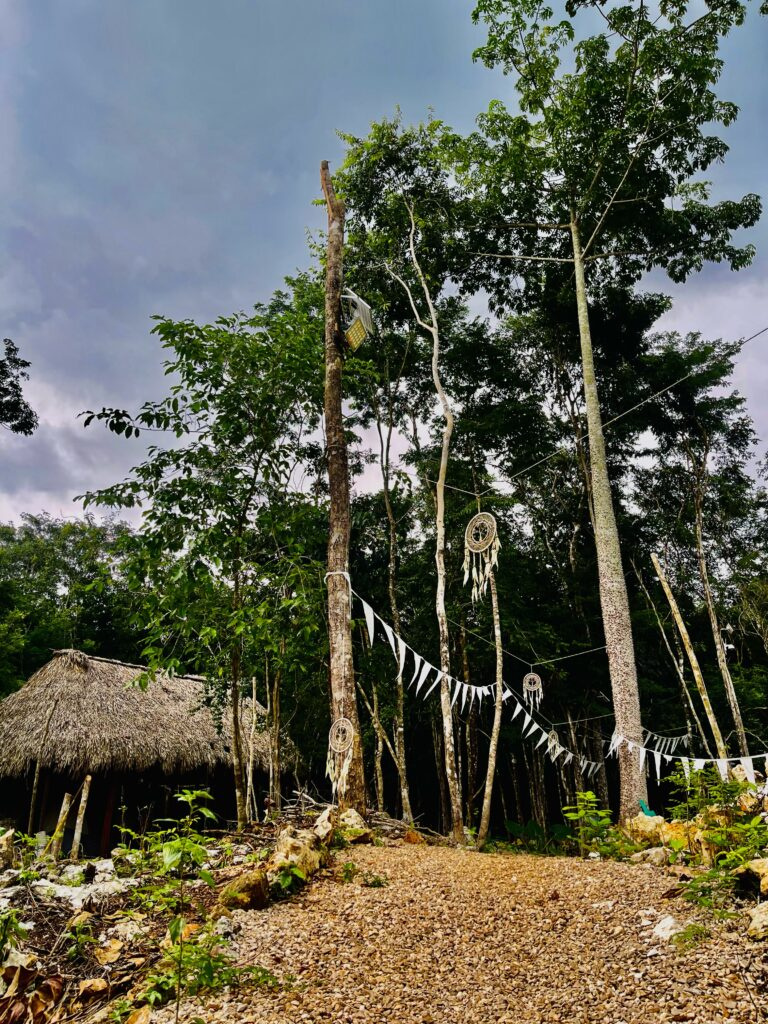
If what's drawing you to LSA is actually the broader pull of plant medicine — the sense that something out there might help you address what years of talk therapy, prescriptions, or willpower haven't — there are better-supported paths. Ayahuasca retreats in Peru, Costa Rica, and increasingly in Europe and North America offer multi-night ceremonies with experienced facilitators, screening protocols, and integration support. Psilocybin retreats in jurisdictions where the medicine is legal or decriminalized are growing fast. Ibogaine clinics, specifically for opioid addiction, have been quietly doing serious work for decades.
Each of these has its own culture, risks, and learning curve. None is a magic bullet. The reader who shows up expecting a single weekend to undo twenty years of patterns is almost always disappointed; the reader who shows up willing to do months of preparation and integration around a ceremony tends to come away changed. That's not mysticism — that's just how the work seems to function across thousands of accounts.
Morning glory and its LSA-containing relatives belong to a much older story than the current psychedelic renaissance suggests, and they're worth knowing about for that reason alone. If, after reading around, you're drawn toward a more structured plant-medicine experience, a curated selection of ayahuasca and psychedelic retreats can be browsed on our marketplace here. Whatever direction you go, do the reading, talk to people who've been, and take your time. The plants, as the curanderos say, have been around a lot longer than we have. They'll still be there when you're ready.

Craving More Stories?
Join our ShopAyahuascaRetreats newsletter for the latest updates on thrilling
destinations and inspirational tales, delivered straight to your inbox!
We value your privacy. Your email address will never be shared or published.