 English
 Deutsch
 Français
 Nederlands
 Español
SHOP AYAHUASCA RETREATS BLOG
Ibogaine and Federal Research: Where the U.S. Actually Stands Right Now

Stella Vance
July 7, 2026
Your ultimate guide to discover transforming ayahuasca and psychedelic experiences. Dive into serene destinations and elevate your consciousness to unparalled heights.
Discover Ayahuasca & Psychedelic Retreats NowSearch for ayahuasca & psychedelic retreats
Discover retreats, trainings, and holidays from all over the world
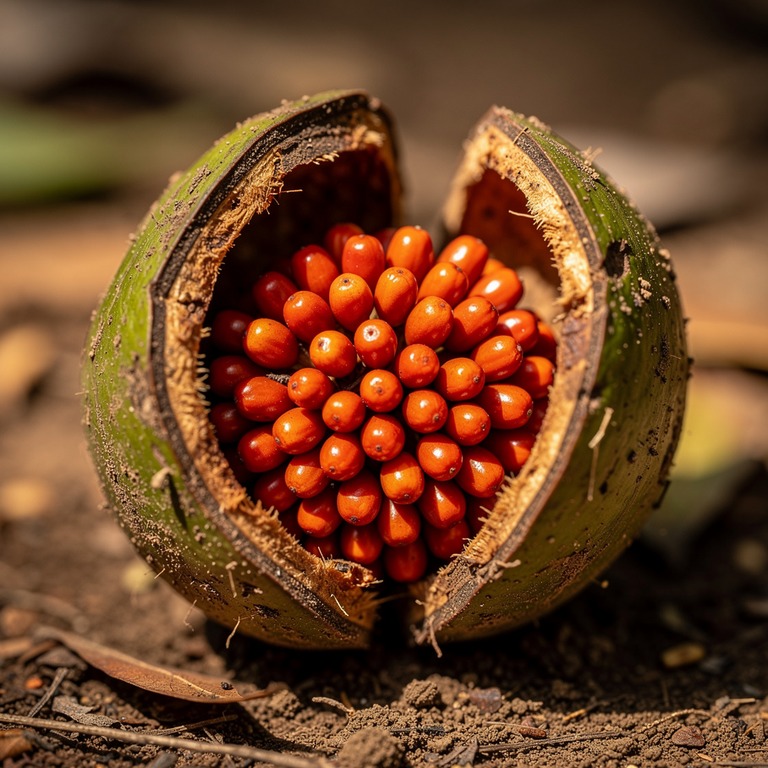
Ibogaine has been the quiet outsider of the psychedelic conversation for decades. Ayahuasca gets the documentaries. Psilocybin gets the clinical trials and the glossy magazine covers. But ibogaine — the alkaloid pulled from a shrub in Gabon called Tabernanthe iboga — keeps forcing its way back into the discussion because of one stubborn fact: it appears to interrupt opioid addiction in a way nothing else quite does.
And now, for the first time in a long time, there are actual signals from Washington that federal research money might flow toward studying it. If you're a person reading this because you or someone you love is drowning in opioids, alcohol, or stimulants — and you've started wondering whether plant medicine could really do what people online claim — this is a good moment to get oriented. Not hyped. Oriented.
What Ibogaine Actually Is, in Plain Language
Ibogaine is one of several psychoactive compounds inside the root bark of iboga, a plant used ceremonially for centuries by the Bwiti people of Central Africa. In the traditional context, it's an initiation medicine — long, difficult, sacred. In the Western context, it got noticed in the 1960s after a young man named Howard Lotsof took it recreationally and realized, mid-experience, that his heroin cravings had vanished. He spent the rest of his life trying to get anyone to take that observation seriously.
Pharmacologically, ibogaine is unusual. It hits multiple receptor systems — serotonin, dopamine, sigma, NMDA, opioid — and its main metabolite, noribogaine, stays in the body for days after the acute experience ends. That long tail seems to be part of why people describe the post-ibogaine window as a genuine reset rather than a comedown. Cravings that had felt like gravity for years often report as simply gone. Not cured — gone in the moment, with real work still to do.
The trip itself, if you want to call it that, is nothing like ayahuasca or mushrooms. Most participants describe a long, dreamlike review of their own life — memories, decisions, patterns — often accompanied by nausea, ataxia, and a heart that needs to be monitored carefully. It's less a spiritual fireworks show and more a forensic audit.
Why Congress Is Suddenly Paying Attention
For years, the ibogaine story lived in a strange corner of the internet: veterans returning from clinics in Mexico saying their PTSD had lifted, opioid users in recovery forums swearing it had saved their lives, and a handful of scientists who refused to let the data disappear. The rest of the establishment mostly looked away, partly because ibogaine is a Schedule I substance in the U.S. and partly because it carries real cardiac risk that can't be waved off.
What's shifted is the sheer scale of the overdose crisis. When more than a hundred thousand Americans a year are dying from drug overdoses, the political calculus around “we can't even study this” starts to crack. Texas moved first, allocating serious state money toward ibogaine research through a public-private partnership. Kentucky flirted with the idea. Bipartisan interest at the federal level has been building — because addiction, uniquely among health crises, tends to touch every zip code and every party.
Recent legislative activity has proposed directing federal agencies to formally study ibogaine's potential in treating opioid use disorder and traumatic brain injury, particularly among veterans. That's the specific wedge being used: veterans. It's harder for a politician to argue against research aimed at people who served, and the reports from veterans who've traveled abroad for treatment have been consistent enough to be difficult to dismiss.
Is This Actually Going to Change Anything Soon?
Here's the honest answer: probably slower than the headlines suggest. A bill authorizing study is not the same as a bill funding treatment, and neither is the same as ibogaine being legal or accessible inside the United States. The realistic path looks something like this:
- Federal research authorization and initial funding — the current stage.
- Formal clinical trials at academic medical centers, probably starting with veterans and opioid use disorder.
- Data collection over several years, with an emphasis on the cardiac safety protocols that already exist in the underground and international clinics.
- Possible FDA breakthrough designation for a purified or modified form of the molecule.
- Rescheduling or a therapeutic-access framework, likely more than half a decade out.
Meanwhile, the treatment itself continues to happen — legally in a handful of countries (Mexico, Costa Rica, Portugal, New Zealand under strict conditions, parts of Brazil), and quietly in underground settings inside the U.S. that most experienced people would not recommend for a substance with genuine cardiac risk.
What This Means if You're Considering Ibogaine Right Now
If you're reading this because the federal news made you wonder whether you should wait for legal U.S. access or look at retreats abroad, a few honest thoughts.
First, ibogaine is not a casual decision. It's not “let's try mushrooms and see how it goes.” It requires medical screening — a proper cardiac workup, EKG, liver function tests, and a serious conversation about every medication and supplement you're on. Reputable clinics will not admit you without this. If a place is willing to skip the screening, that's the loudest possible red flag.
Second, ibogaine works best when it's aimed at something specific. People who go in with a clear intention — usually breaking an opioid, alcohol, or stimulant dependency, or addressing a specific trauma — tend to report more coherent outcomes than people going in for general “healing.” The medicine is directive; it responds well to being asked a real question.
Third, integration is not optional. The window after ibogaine — the days and weeks when cravings are quiet and old patterns feel loosened — is when the actual rebuild has to happen. Therapy, community, changed environment, sometimes medication-assisted treatment as a bridge. People who treat ibogaine as the whole answer usually relapse. People who treat it as an opening tend to do better.

How to Vet a Retreat or Clinic
The quality gap in the ibogaine world is enormous. On one end you have medically supervised clinics with cardiologists on staff, structured pre-screening, and integration support that lasts months. On the other, you have someone dosing people in an Airbnb. The difference is not marketing polish — some sketchy operations look slick. Ask specific questions:
- What cardiac screening do you require before I arrive, and what happens if I fail it?
- Who is medically present during the session — a doctor, a nurse, or neither?
- What's your protocol if my QT interval prolongs mid-session?
- How many sessions have you run, and have you ever had a medical emergency?
- What integration support do you offer after I leave?
- Can I speak to two or three past clients directly?
An operator who welcomes those questions is probably worth considering. An operator who dodges them is not, no matter how compelling the founder's personal story sounds.

The Bigger Picture
What's actually happening in American drug policy right now is a slow, uneven thaw. Psilocybin therapy is legal in Oregon and Colorado under regulated frameworks. MDMA came within a whisker of FDA approval and will get there eventually. Ayahuasca operates through religious exemptions. And ibogaine — the strangest, riskiest, and arguably most powerful of the group when it comes to addiction — is finally getting its turn at the table.
If you're weighing this decision, the federal news is worth knowing but not worth waiting on. Legal U.S. access is years away at minimum. In the meantime, people are still dying of opioid overdose at rates that make the calculus of “wait for perfect research” look grim. That doesn't mean rush into a clinic tomorrow. It means do the reading, do the medical prep, and choose your setting with the seriousness that a Schedule I substance with real cardiac profile deserves.
For readers who want to take this further, a range of vetted ibogaine and plant-medicine retreats can be explored on our marketplace here. Whatever you decide, decide it slowly and with better information than the internet usually provides.


Craving More Stories?
Join our ShopAyahuascaRetreats newsletter for the latest updates on thrilling
destinations and inspirational tales, delivered straight to your inbox!
We value your privacy. Your email address will never be shared or published.