 English
 Deutsch
 Français
 Nederlands
 Español



Reset. Heal. Grow.
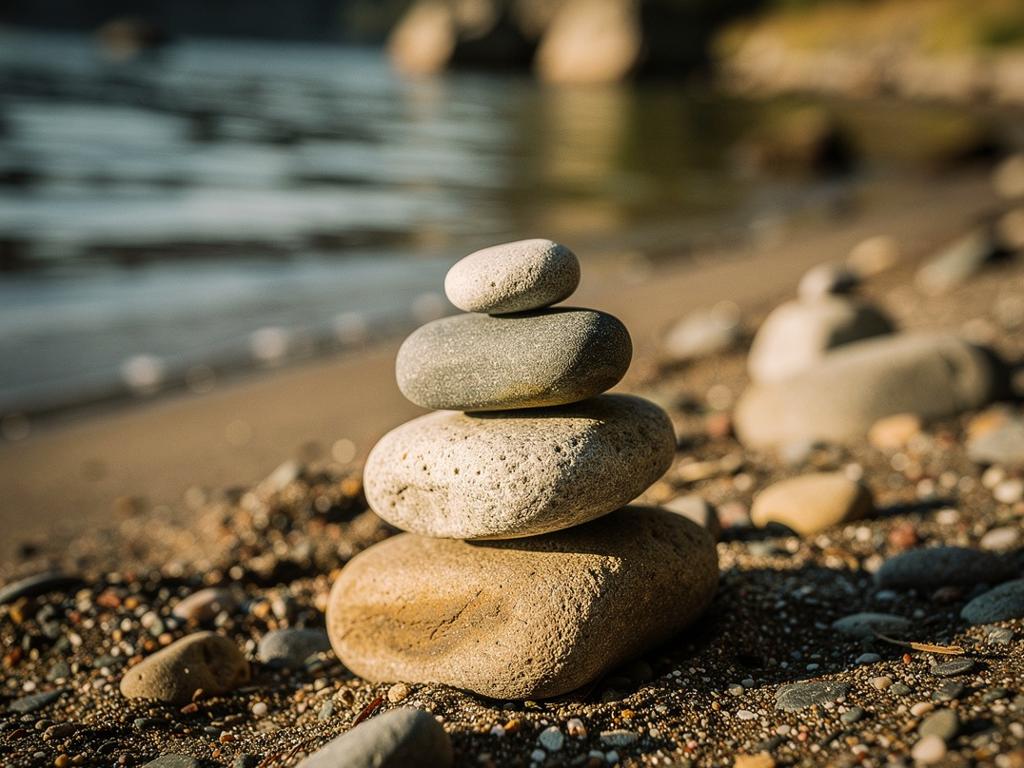
The RAIN Method: A 4-Step Meditation for Working With Anxiety
Anxiety has a way of taking over the room. One minute you're fine, the next you're staring at the ceiling at 3 a.m. running through a mental spreadsheet of everything that could go wrong tomorrow. Most of us try to muscle through it, distract our way out of it, or wait for it to pass. There's another option — a small, portable meditation practice called RAIN that gives you something to actually do when the wave hits. RAIN was developed by meditation teacher Michele McDonald and later refined and popularized by Tara Brach. It's an acronym: Recognize, Allow, Investigate, Nurture (some teachers use Nonidentification for the N — more on that in a bit). It's not a magic trick. It won't erase your anxiety. But it will change your relationship to it, which, over time, is arguably more valuable. Here's the thing about anxiety: the more we push it away, the louder it tends to get. Anyone who's ever tried to force themselves to stop worrying at 2 a.m. knows this. The mind is a stubborn animal. Suppression backfires. Distraction works for about twenty minutes. What RAIN offers is a middle path — a structured way to turn toward what you're feeling without drowning in it. Each step is deliberately simple, which matters, because when your nervous system is in overdrive, you can't remember complicated instructions. Four short words. That's the whole toolkit. You can run through the process in five minutes on a park bench, or spend forty minutes with it on a cushion. Either way works. The mechanics stay the same. The first move is deceptively simple: notice that something is going on. Sounds obvious, but anxiety is sneaky — it often shows up as a foul mood, snapping at a partner, mindlessly refreshing your phone, or that vague unease you can't quite name. Recognition is the moment you pause and say, plainly, oh, this is anxiety. Think of it like this. You're deep in a movie, completely absorbed, feeling every twist. Then the doorbell rings. The movie is still playing, but the spell is broken. You've stepped outside the story. That small step outside is what recognition does with an anxious mood. You go from being inside the experience to being aware that it's happening. Nothing needs to be fixed at this stage. You're not trying to change the feeling or explain it or figure out where it came from. You're just naming it. Without this pause, we tend to slide into whatever coping habit is closest — scrolling, snacking, drinking, working ourselves into the ground. Those things paper over the discomfort. They don't touch it. Allowing is the step people find hardest. It means letting the feeling exist without immediately trying to shove it away. That doesn't mean you like it. It doesn't mean you approve of it. It means you've decided, just for this moment, to stop fighting it. Resisting anxiety is like bracing against a wave. The wave doesn't care. It just keeps coming, and the tension in your body builds. When you soften and let the wave move through, something shifts. The intensity often drops on its own — not because you willed it away, but because you stopped feeding it energy. Tara Brach often uses the phrase let it be. Some people find it useful to whisper that to themselves. Others use a small physical gesture — unclenching the jaw, dropping the shoulders. The point is to signal to your body: I'm not at war with this right now. Once you've stopped bracing, you can look closer. Investigation isn't about interrogating yourself or figuring out why you feel this way — that kind of rumination usually makes anxiety worse. It's more like a naturalist observing an unfamiliar bird. Curious, patient, not in a rush. A useful framework here is what some teachers call the triangle of awareness: thoughts, emotions, and body sensations. Anxiety shows up in all three, and looking at each one separately makes the whole experience more workable. Staying with the body sensations is usually the most powerful part. Anxiety, when you actually sit with the raw feeling of it, is just a set of sensations — energy moving through tissue. Unpleasant, sure. But not solid. Not permanent. If you can rest there for even a minute, you start to notice the sensations shifting on their own. The original teaching had N stand for nonidentification: the recognition that anxiety is something you're experiencing, not something you are. It's a subtle but significant reframe. Instead of I'm anxious, you might notice anxiety is present. The awareness that's watching the anxiety isn't itself anxious. That awareness is steady, and you can rest in it. Tara Brach later suggested N could also stand for nurture, and honestly, both work. Nurturing is where self-compassion enters the practice. After recognizing, allowing, and investigating, you offer yourself something kind. A hand on the chest. A quiet phrase — this is hard, and it's okay to feel this way. It's not saccharine. It's the same thing you'd offer a friend in distress. Most of us are ruthless with ourselves when we're struggling. We add a layer of criticism on top of the original pain. Nurturing interrupts that pattern. It says: you're a person having a difficult moment, and you deserve some warmth. RAIN is a mindfulness practice, and it works well on its own. It also complements deeper contemplative and healing work, which is why many people find themselves gravitating toward retreats — silent meditation, plant-medicine ceremonies, trauma-informed integration circles — as their practice matures. Anxiety often has roots that go deeper than any four-step process can reach, and at some point most serious practitioners want to sit with those roots in a supported container. Whether that means a weekend of vipassana, a longer contemplative retreat, or a ceremonial setting with experienced facilitators, the underlying skill is the same one RAIN trains: the willingness to turn toward what's difficult with curiosity instead of running. For readers who want to keep exploring, a range of meditation and plant-medicine retreats can be browsed on our marketplace here. Start small. Try RAIN the next time you notice your chest tighten or your thoughts start to spiral. Four words. A few breaths. Over time, it stops being a technique you have to remember and starts being something closer to instinct — a way of meeting your own experience with a little more room, and a little more kindness.
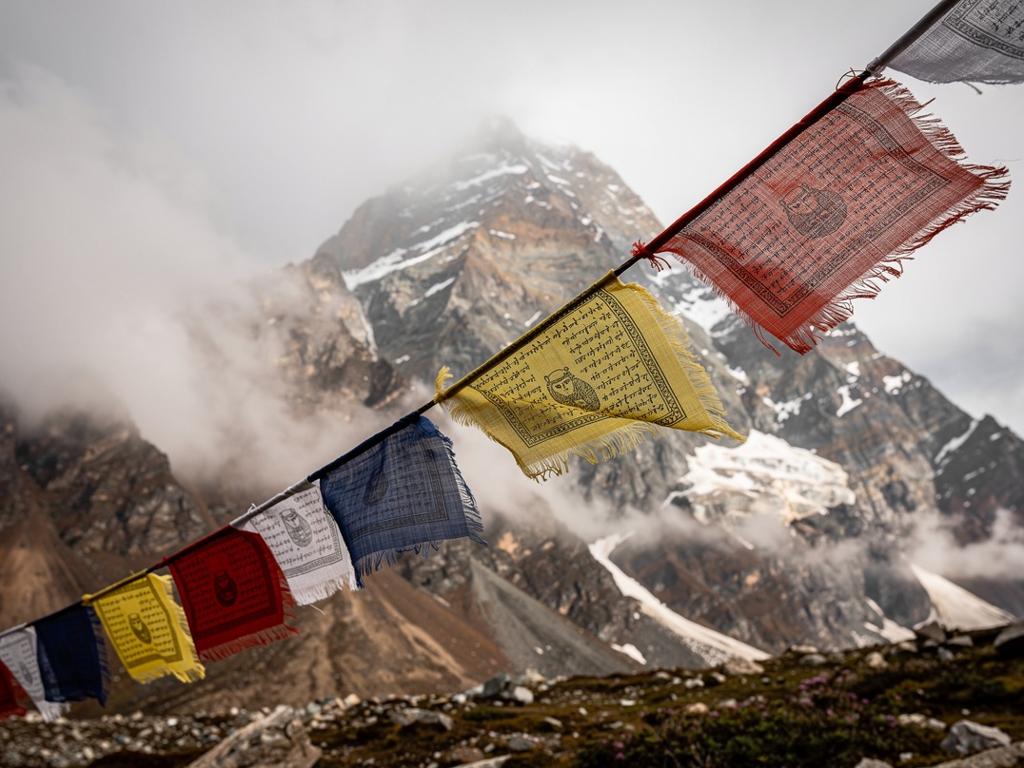
A Prayer for Nepal and Tibet After the Rasuwa Flood
Before dawn on August 26th, a glacier collapsed above Kyirong, on the Tibetan side of the Himalayan border. What followed was the kind of thing you read about in climate reports and never think will actually reach the villages you know by name. A wall of water, mud, and rock tore down through Rasuwa and Nuwakot on the Nepali side, swallowing bridges, homes, and hydropower stations as it barreled into the Bhote Koshi and then the Trishuli. The numbers, as they stand right now, are grim. Nepal’s National Disaster Risk Reduction and Management Authority has confirmed more than 350 dead in Nepal, with over 800 people still missing. Three more deaths in Tibet, hundreds unaccounted for. Many of those swept away were pilgrims on their way to Mount Kailash and Lake Mansarovar — ground held sacred by Hindus, Buddhists, Jains, and Bönpo for as long as anyone has been keeping count. Rasuwa and Nuwakot aren’t abstractions. If you’ve ever traveled the road north from Kathmandu toward the Tibetan frontier, you’ve passed through them. Tea stops. Prayer flags on the ridges. Small monasteries tucked into folds of hillside. Villages that welcomed dharma students and trekkers alike for decades. Much of that is gone now, or buried under debris. The trigger appears to have been a glacial lake outburst — the technical name for what happens when a glacier’s meltwater builds up behind an unstable dam of ice or moraine, and then the dam fails. When that happens in the Himalayas, gravity does the rest. The water accelerates through steep valleys, picks up boulders and forest and everything else in its path, and turns into something closer to concrete than to a flood. The Dalai Lama released a statement the day after, expressing sympathy for those killed and displaced, and offering condolences to the bereaved. He also pointed, gently but directly, to climate change as a probable underlying cause. That’s not a controversial claim among glaciologists. The Hindu Kush–Himalayan region is warming faster than the global average, and the number of glacial lakes flagged as high-risk keeps climbing. Events like this one used to be rare. They are becoming less so. Tenzin Wangyal Rinpoche, the Bön teacher, shared a short prayer with his students in the hours after the disaster: May those who have passed rest in peace. May the injured recover swiftly. May grieving families find strength and comfort, and may all those offering help be guided by compassion and wisdom. It’s the kind of prayer that sits well whether you have a formal practice or not. Nepal has quietly been one of the great centers of Tibetan Buddhism in exile since 1959. Monasteries around Boudhanath, Swayambhunath, Pharping, and up into the hills of Rasuwa and Solukhumbu have hosted generations of teachers whose names now appear on the covers of dharma books read all over the world. If you have taken a Tibetan Buddhist teaching in the last fifty years, chances are the lineage passed through Nepal at some point. For people who came to practice through psychedelics or plant medicine and then found themselves drawn deeper — into meditation, into lineage, into study — Nepal is often where that pivot happens. It’s where teachers are still accessible, where you can sit a retreat for weeks without a credit-card hold on your soul, where the culture around contemplative life is still woven into ordinary streets. Losing infrastructure in Rasuwa doesn’t just hurt the people who live there. It cuts one of the arteries that keeps the dharma flowing out into the wider world. And the pilgrims. Kailash and Mansarovar are not casual destinations. People save for years, train for months, and travel across continents to circle that mountain. That many of the missing were on their way there gives the disaster a particular weight for the global Buddhist and Hindu communities. Disasters bring out the best in a lot of people, and the worst in a smaller but louder group. Nepali authorities have been explicit: give through registered organizations, not through individual GoFundMe pages or social-media appeals from accounts you don’t know. The scams show up within hours. Slick photos, urgent language, wallet addresses. Skip all of it. A few groups that were already operating in Nepal before this happened, and are running relief work now: If you have a personal connection to a monastery, a school, or a village in the affected area — send there. Direct support to a known institution is often the most efficient help of all, because it skips overhead and lands where you know it’s needed. If you don’t have that kind of tie, use the organizations above. Not everyone reading this has cash to spare. That’s fine. There are other things worth doing. There’s a temptation, especially online, to turn a tragedy into a performance — a hot take about climate policy, a spiritual bypass about impermanence, a chance to signal something. Try to resist. The people whose villages washed away don’t need our narratives. They need shelter, medical care, and eventually the resources to rebuild. Everything else is us processing our own discomfort. That said, discomfort is worth sitting with too. This is what climate breakdown looks like at ground level — not a graph, but a valley of mud where a village used to be. It’s worth letting that in rather than scrolling past it. Grief, properly felt, tends to make people more generous and more careful with what they still have. That’s a decent response to a week like this. For those exploring the contemplative path in a broader sense — including through plant-medicine work, meditation, and the traditions that have long shaped Himalayan spiritual life — a range of retreats connected to those lineages and practices can be browsed on our marketplace here. In the meantime: give what you can, where it will actually land, and hold the people of Rasuwa, Nuwakot, and Kyirong in whatever way you know how.
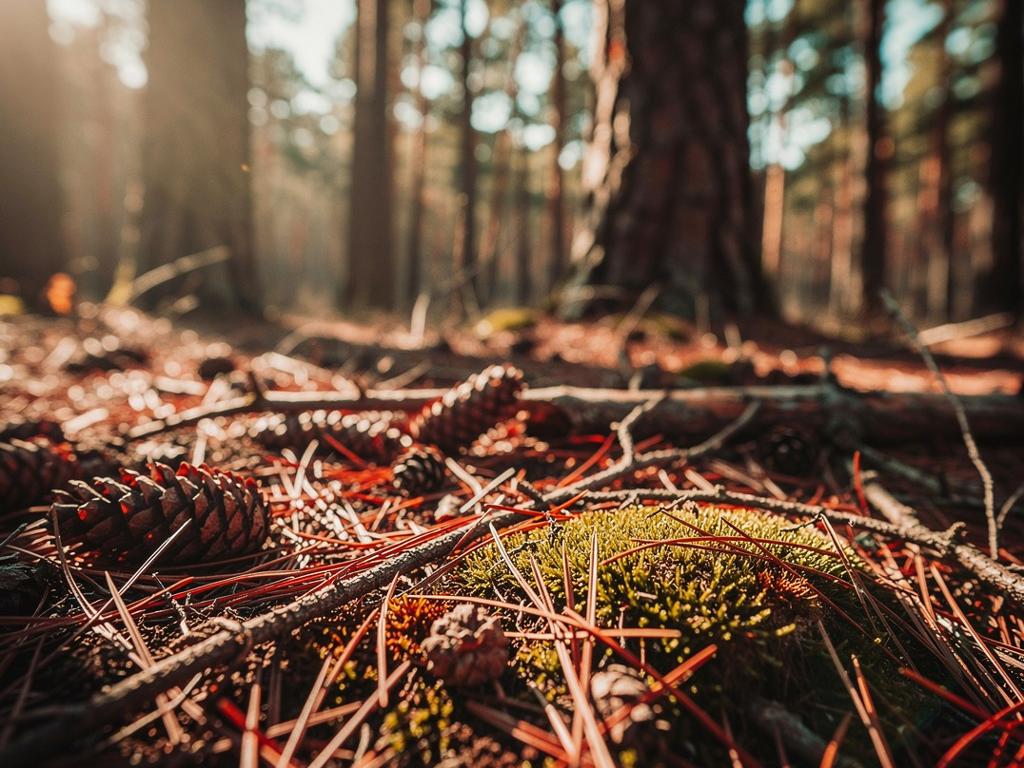
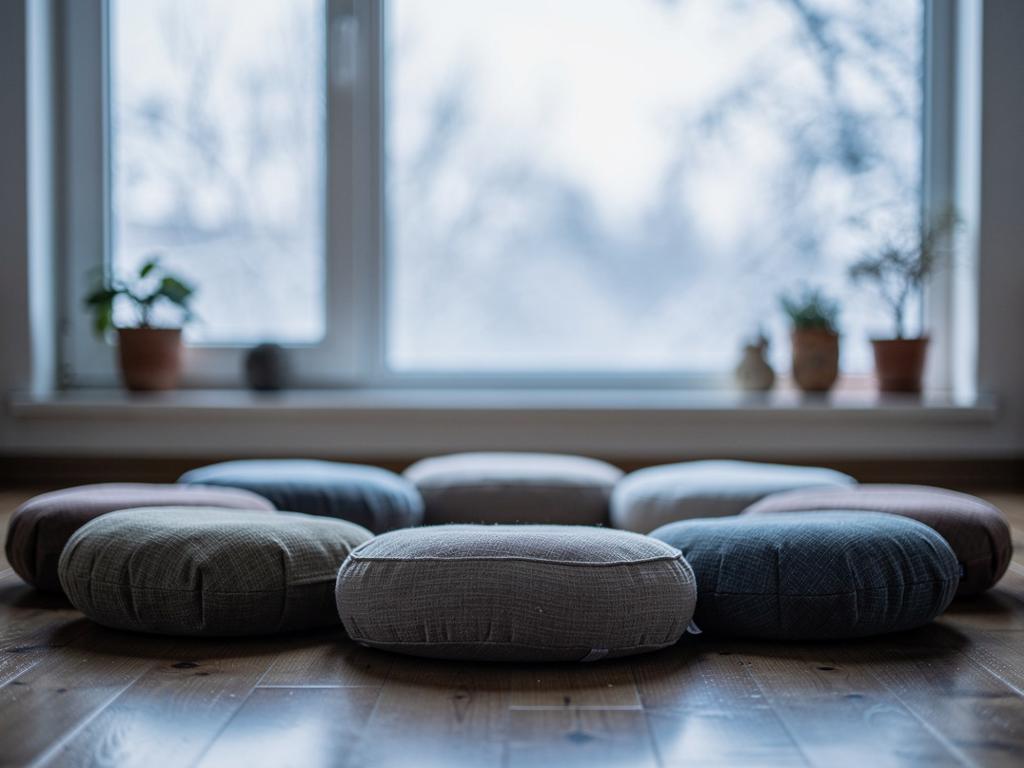
Sacred Dance as Offering: How Movement Becomes Prayer in Vajrayana Buddhism
Picture a candlelit prayer hall in the mountains. Silk robes in saffron and cerulean sweep past a painted mandala. Sixteen dancers step in a slow grapevine pattern, each holding a scarf mounted with an instrument, a flower, a vial of perfume. A chant master intones the liturgy. Hands trace shapes in the air that most onlookers would never recognize as language — but they are. This is not performance. It's offering. And once you understand what's actually happening inside these Himalayan dances, the whole idea of what a spiritual practice can look like quietly cracks open. In Vajrayana Buddhism — the tantric branch that took root across Tibet, Bhutan, Nepal, and parts of the Indian Himalayas — nothing is wasted. Every action, gesture, and breath can be turned toward awakening. That includes dance. The technical term is cham, and it appears in nearly every major ritual context you can name: welcoming a teacher, invoking a deity, closing a multi-day ceremony, celebrating a retreat's end, praying for a lama's long life. The late Nyingma master Thinley Norbu Rinpoche once put it plainly: in this tradition, every movement can become virtue. That's the whole conceptual engine. You take an ordinary human capacity — the body's ability to move in rhythm — and you dedicate it. Multiply it through visualization. Send it outward as an offering to enlightened beings, and then dissolve the whole thing back into emptiness. What's left is merit, presence, and a room full of people who feel something shift. A Bhutanese cham master once explained the appeal this way: gods and humans both love dance, the same way they love flowers. Nobody, he said, can resist the beauty. That's the invocatory logic — beauty calls presence into a space. In Bhutan, when a senior lama, a king, or a distinguished guest arrives at a monastery or public teaching, they aren't greeted with a handshake. They're greeted with a dance called Jipai Pawo Cham — the Majestic Hero's Dance. Two or four pawo, or heroes, flank the arriving guest, hopping and bounding alongside them, rattling small hand drums called damaru. When the procession reaches the reception area, the dancers pivot and perform the full choreography — peaceful, semi-wrathful, and wrathful sections in sequence — while a libation is offered. There's something almost startling about seeing this the first time. In our part of the world, formal greetings tend toward the muted and the transactional. Here, arrival itself is treated as a sacred moment worth marking with sound, motion, and unabashed joy. The dance essentially tells the space: pay attention, something meaningful is happening. Guru Padmasambhava — the eighth-century Indian tantric master who carried Buddhism across the Himalayas — is invoked at Tsechu festivals and prayer gatherings with a cham called Zheng Zhik Pema. Dancers costumed as dakas and dakinis spin and leap while sounding their drums, reciting a liturgy said to summon the Guru instantly. And when the day's ceremony winds down, another dance — Kadrinchenma Cham — closes it out with an unmistakable emotional charge: gratitude, longing, and the wish to see the teacher again. The Drukpa Kagyu tradition, under His Holiness the Twelfth Gyalwang Drukpa, has taken this approach further than most. Their nine-day Avalokiteshvara Drupchen at Druk Amitabha Mountain in Kathmandu is packed with cham dances — some added to the ritual text specifically to boost the auspiciousness of the whole event. And they work. There's a preparatory hum in the air before each dance, a rippling quiet after, and the accumulated effect over nine days is difficult to describe to someone who hasn't sat inside it. The same nuns and monks perform another genre entirely: gurma, or songs of realization. These are folksy, delightful choreographies set to verses that celebrate spiritual life — often composed by lineage masters centuries ago. Gurma get offered at pujas, formal teachings, temple consecrations, and lineage anniversaries. They're also offered when someone completes a long retreat. Imagine walking out of three years of silent practice and being welcomed back into the community by a circle of your peers dancing in your honor. That's the texture of this tradition. None of this appeared from nowhere. The Vedic period — roughly 1500 to 1200 BCE — laid down the substrate for much of what became Buddhist ritual. The Yajur Veda already references rhythmic mantra recitation woven into ceremony. By the time Vajrayana deity yoga was systematized by Indian commentators around 700 CE, the elaborate apparatus of mudras, visualized offerings, and celestial goddesses who multiply those offerings was fully in place. In Nepal's Kathmandu Valley, where the Newar people have preserved a distinctly South Asian flavor of Vajrayana practice, the priestly caste of vajracharyas has kept a yogic dance tradition alive for at least a thousand years. It's called charya nritya — literally, dance as a spiritual discipline. One of its signature pieces, Sodasha Lasya, has the practitioner embody sixteen offering goddesses in sequence. You strum an imagined lute. You mime placing a mala around a deity's neck. You send scent from an invisible incense bundle outward through space. The line between performer, offering, and offered blurs by design. The Tibetan and Bhutanese cousins of this dance appear under the name Rigma Chudruk Cham — Dance of the Sixteen Wisdom Goddesses. Each lineage has its own iteration, but the visual signature is consistent: silk brocade robes, bone ornaments, an apron, wristlets, armlets, a chest emblem, a crown. For centuries these dances were performed only by monks dressed as female wisdom beings, because monks staffed the institutions where the rituals happened. It's only in roughly the last twenty years that women practitioners have been invited to perform dakini cham — both within Himalayan nunneries and at a small number of Dharma centers in the East and West. Here's a corner of the tradition that took me a while to sit with. In Himalayan Buddhism, students frequently compose and recite prayers requesting that their teachers remain in this world. The reasoning is direct: a living teacher is a student's best chance at awakening. But the tradition also holds that dakinis and other celestial beings actively summon great teachers to leave this life for other buddha realms. There's a cosmic tug-of-war going on. Khandro Denga Cham, sometimes called Khandro Tenzhug — the Long Life Prayer to the Dakinis — is performed as an offering to those celestial beings, essentially asking them politely to hold off. The Karma Kagyu nuns of Karma Drubdey Nunnery in Trongsa, Bhutan, dance it to welcome yoginis returning from long retreat, alongside a gurma set to lyrics by the eleventh-century yogi Milarepa. It's a stunning theological move when you think about it: the sacred is negotiated with, not just supplicated. And the medium of negotiation is choreography. Most large Drukpa Kagyu ceremonies close with a gurma called Tashi Cham. Where a standard prayer service ends with a spoken benediction extending auspiciousness to all beings, the Drukpa monastics dance the benediction instead — with real gusto. Each dancer holds streamers in the five colors of the elements and the five wisdoms. They spin them like enormous paint brushes through the air. Feet stomp negativity into the ground. Arms lift joy upward. The lyrics describe the Five Wisdom Buddhas arriving from the five directions to distribute good fortune, and each verse ends with the refrain: how delightful and joyful. That refrain is worth pausing on. So much of what we call spiritual practice in the West gets framed as a solemn, sit-down affair — jaw tight, back straight, eyes closed, working on ourselves. The Himalayan traditions have kept alive an older, wilder possibility: that awakening includes celebration, and that the body celebrating is itself a valid instrument of practice. You may be reading this because you're weighing a contemplative retreat — silent meditation, plant medicine, a monastic stay, something in between. It's worth knowing that the map of contemplative practice is wider than the two or three modalities most Westerners hear about. Sacred dance sits inside that map. So do body-based practices like prostrations, chanting, ritual visualization, and the elaborate offering ceremonies described above. Some retreats in the Nepal and Bhutan circuits include a full immersion in cham or gurma alongside sitting practice, and a handful of Dharma centers in North America and Europe teach charya nritya to lay practitioners. If any of this resonates — the idea that devotion could be embodied rather than only internal, or that ritual practice might be as much about beauty as about discipline — it's worth asking what tradition you're drawn to, what preparation the practice requires, and whether the retreat you're considering treats these forms as living lineage or as decoration. Good centers will tell you honestly which teachers they trained with and what the boundaries of their permission are. For readers who want to take this further, a range of contemplative and plant-medicine retreats — many of which weave in the ritual, ceremonial, and body-based traditions touched on above — can be browsed on our marketplace here. The path in isn't always the one you expected. Sometimes it looks like sitting still. Sometimes it looks like a room full of silk robes moving in a slow, deliberate circle around a painted mandala, and the whole thing is prayer.
Optimizing Meditation Ruins the Practice — and What That Teaches Us About Plant Medicine
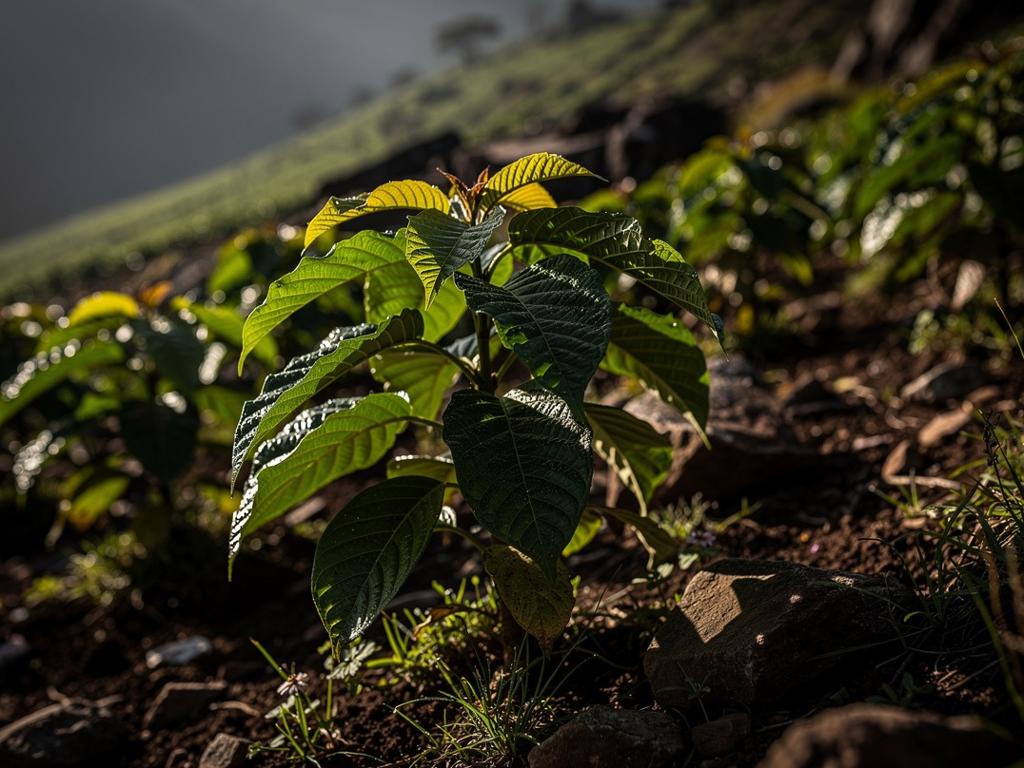
There's a strange trap waiting for anyone who takes their inner life seriously. You start meditating to feel less anxious, then you start tracking your streak. You go on a silent retreat to slow down, then you compare your insights to the person on the cushion next to you. You sit for an ayahuasca ceremony hoping to be changed, then you spend the next week trying to make sure the change is measurable. Somewhere along the way, the thing you were reaching for slipped through your fingers — and you barely noticed. I've watched this happen to smart, thoughtful people at ayahuasca retreats across Peru, Costa Rica, and the Netherlands. They arrive with spreadsheets. They leave with more spreadsheets. And a couple of months later, most of them tell me the same thing: the ceremony was profound, but they can't quite say why it didn't stick. My honest answer is usually uncomfortable. They optimized it. We live inside a culture that treats every activity as a input for an output. Sleep is a metric. Nutrition is a metric. Breathing, of all things, is now something you can score on an app. So when a person raised inside that culture encounters meditation or plant medicine, they instinctively reach for the same tools: goals, benchmarks, before-and-after journals, biometric wearables during ceremony. It feels responsible. It feels like taking the practice seriously. But here's the thing. Contemplative practice — and psychedelic healing, when it works — depends on a temporary suspension of that reaching mind. You cannot optimize your way into surrender. The moment you're monitoring whether you're surrendering enough, you're not. It's the psychological equivalent of trying to fall asleep by checking every thirty seconds whether you've fallen asleep yet. Meditation teachers have been pointing this out for centuries. The Zen tradition calls it gaining mind. Advaita teachers talk about the seeker being the obstacle. What's new in 2026 isn't the trap — it's how sophisticated the trap has become. We've built a wellness industry around selling people better ways to grasp at the ungraspable. Ayahuasca isn't meditation. But the underlying dynamic is more similar than most people realize. Both practices ask you to encounter what's already inside you without immediately trying to manage it. Both punish the controlling mind. Both work best when you show up with intention but without demands. The Shipibo curanderos I've sat with in the Ucayali basin talk about ayahuasca as a teacher plant — one of many so-called master plants that includes tobacco, San Pedro, and a whole family of tree and vine dietas. Their framing is instructive. You don't optimize your relationship with a teacher. You show up, you listen, you follow instructions, and you accept that the lessons come on the plant's timeline, not yours. Most Western first-timers arrive at a retreat unable to hear this at all. They want the download. They want the healing. They want the trauma resolved by Sunday afternoon so they can get back to their jobs. What actually helps with addiction, depression, and stuck patterns is the opposite orientation. The people I've watched get real, lasting benefit from plant medicine are usually the ones who arrived a little bit lost, without a strong theory of what was supposed to happen. They surrendered because they were tired of holding on. That's a very different starting point than someone trying to biohack their consciousness. Some honest self-inventory questions. If more than a couple of these ring true, you might be caught in the reflex: None of these are moral failings. They're just signals that the striving mind has climbed back into the driver's seat. The work isn't to punish yourself for noticing — it's to gently loosen your grip. If you're weighing whether to book an ayahuasca or psychedelic retreat and you recognize yourself in what I've described, here's what I'd suggest instead of building a preparation spreadsheet. First, do the boring, unglamorous groundwork. Cut caffeine and alcohol in the weeks before. Follow whatever dieta the retreat gives you — most reputable Peruvian and Colombian centers will send guidelines about pork, fermented foods, SSRIs, sexual activity, and salt. Do it because they asked, not because you've researched the biochemistry and agree. Some of the surrender starts there. Second, get honest about your intention, then hold it loosely. There's a real difference between arriving with a question — why do I keep sabotaging relationships? — and arriving with a demand — I need this ceremony to fix my avoidant attachment style. The first invites a conversation. The second guarantees disappointment. Third, choose your retreat carefully. This is not the place for optimization thinking, but it is the place for basic due diligence. Look for centers where the facilitators have actual lineage or long apprenticeship, not a weekend certification. Ask how they handle medical screening, particularly around SSRIs, cardiac issues, and psychiatric history. Ask what integration support looks like after you leave — not the brochure answer, the specific answer. If a place can't tell you clearly who you'd call at 2 a.m. six weeks after ceremony, that's a signal. The optimization reflex is most damaging in the weeks after a ceremony. You come home wanting to hold onto what happened. You start journaling every insight, meditating twice as long, telling everyone you meet about the experience. Within a month, the original opening has closed and you're chasing a memory. The people who integrate well tend to do less, not more. They protect a small amount of quiet time each day. They stay in touch with one or two people from the retreat, not because it's on a checklist but because those people know what they went through. They notice when old patterns reassert themselves — the drink after work, the avoidance, the compulsive scrolling — and they treat those moments as information rather than failure. Slowly, over months, something shifts. Not because they willed it. Because they made space for it. This is also why plant medicine helps some people with addiction and disappoints others. The medicine can open a door. Walking through it is a much longer, quieter project than a weekend ceremony can accomplish. Anyone who tells you otherwise is selling something. The deepest teaching I've received from both meditation and ayahuasca is roughly the same, and it's inconvenient for a culture that wants results. You don't get to know in advance what the practice will give you. You don't get to control it. You don't get to grade it. Your job is to show up, do what you were asked to do, and stay curious about what happens. That's frustrating if you're used to being rewarded for effort and cleverness. It's liberating if you're exhausted by the version of yourself that has to manage everything. Most retreat-goers I've met are quietly hoping to become the second person. The path there involves less optimization, not more. If any of this resonates and you're seriously considering plant medicine, take your time with the decision. Read widely, talk to people who've done it, and pay attention to whether the retreats you're drawn to are selling a transformation or offering a container. For readers who want to look at specific options, a range of vetted ayahuasca and plant-medicine retreats can be browsed on our marketplace here. Whichever direction you go, the best preparation is the willingness to stop measuring, at least for a little while, and see what shows up when you do.
When Meditation Turns You Into a Hermit: Finding Your Way Back
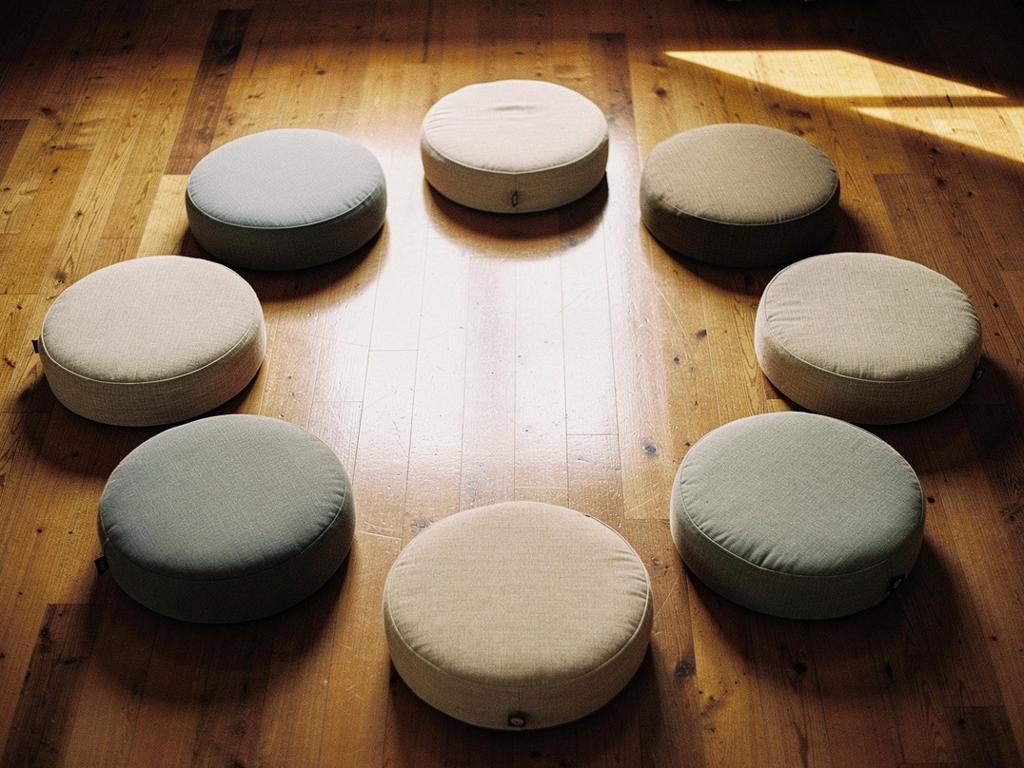
Somewhere between year two and year three of a serious meditation practice, a strange thing happens to a lot of people. The phone stops ringing because you stopped answering. Dinner invitations feel like an imposition. You catch yourself grateful when plans get cancelled. You tell yourself this is equanimity. Detachment. Progress. It might be. Or it might be that your practice has quietly turned you into a hermit, and you're only now noticing the walls. This is a conversation that comes up more than you'd think — in retreat kitchens, in integration circles, in late-night messages from readers who found their way into plant medicine after years of sitting silently on a cushion. Meditation is supposed to open us. Sometimes, done a certain way for long enough, it does the opposite. And figuring out how to come back to the world — without abandoning what you learned in solitude — is its own project. Meditation done well trains you to observe without reacting. That's the whole gig. You watch a thought arise, you watch it pass, you don't get hooked. Applied to social life, though, that same skill can turn into a shrug at everything. Someone tells you about their promotion — you notice the flicker of feeling and let it pass. Someone shares grief — same move. You've become so good at not clinging that you've stopped touching anything at all. Then there's the retreat effect. A week or ten days of noble silence rewires your nervous system toward stillness. Coming back to a noisy world feels like being scraped with sandpaper. So you protect the quiet. You skip the party. You skip the next one. Eventually people stop asking, and you tell yourself that's fine, because your practice is more important. The story feels spiritually respectable. Underneath it, you might just be avoiding. There's also a subtle superiority trap that meditators rarely admit to. When you spend years watching your mind, you start to see how much other people are running on autopilot — the reactivity, the small dramas, the endless takes on things. It becomes tiring to be around. Not because they're bad company, but because you've optimized your inner life for a signal-to-noise ratio the world can't match. That's a lonely road, and it usually doesn't announce itself as loneliness. It shows up as preference. Every serious contemplative tradition warns about this. The Buddhist path talks about the near enemies of the brahmaviharas — how compassion can collapse into pity, how equanimity can collapse into indifference. The near enemies look almost identical to the real thing from the inside. That's what makes them dangerous. You think you're generating spaciousness. You're actually generating distance. The old Zen line about the person who returns to the marketplace with gift-bestowing hands exists for a reason. The point of sitting alone is not to stay alone. It's to become the kind of person who can walk back into the mess of human life with more presence, more patience, more warmth. If your practice is stripping away your capacity to be with people — not just tolerating them, but genuinely enjoying them — something has gone sideways. Ask yourself, honestly: when did you last laugh with someone until you couldn't breathe? When did you last feel a full-body yes to being invited somewhere? When did you last let another person surprise you? If the answers are all fuzzy, that's data. Here's where I'll say something that might sound strange: some of the most stuck long-term meditators I've met have found their way back to the world through psychedelic and plant-medicine work. Not as a replacement for sitting practice — usually as a complement, or a course correction. Ayahuasca in particular has a reputation for dismantling the careful architecture people build around themselves. You can't out-observe an ayahuasca ceremony. The brew doesn't care that you're a skilled meditator. It walks straight past your equanimity and puts you face to face with whatever you've been avoiding — which, for the hermit-meditator, is often the raw, embarrassing hunger to be close to other people. That hunger you've been calling attachment. That need you've been calling ego. Psilocybin work tends to move in a similar direction, though usually with a gentler hand. Ibogaine, for people with genuine addiction or trauma running underneath the withdrawal from life, can be more surgical. San Pedro is famous for softening the heart in ways that make you want to call your mother. Each of these master plants seems to work on a different frequency of the same underlying issue — the disconnection you didn't know you were maintaining. None of these are shortcuts. They're not substitutes for the years of sitting. What they seem to do, for people whose meditation has calcified into avoidance, is crack open the container. You come back to the cushion afterward and find that your practice is different. Softer. More curious. Less defended. You don't have to book a retreat tomorrow to start unwinding this. Some concrete moves that help: There's a version of the spiritual life that ends in a cave. Fair enough — a small number of people are genuinely called to it, and the tradition honors that. But most of us aren't those people. We've just gotten quiet enough, and comfortable enough with our own company, that we mistook a preference for a calling. Coming back to the world isn't a betrayal of what you learned in silence. It's the whole point. The stillness was training. Now you get to see what it's for. If any of this landed a little too accurately, and you're wondering whether a plant-medicine container might help crack the shell you didn't realize you'd built, a curated selection of ayahuasca and psychedelic retreats can be explored on our marketplace here. Not as an escape from your practice — as a way of finally letting it do what it was always meant to do.
Craving More Stories?
Join our ShopAyahuascaRetreats newsletter for the latest updates on thrilling
destinations and inspirational tales, delivered straight to your inbox!
We value your privacy. Your email address will never be shared or published.

A Body Scan for Sleep: Releasing Stress Before Bed
You get into bed, pull the covers up, close your eyes — and your brain immediately queues up tomorrow's calendar, that awkward Slack message, and a low-grade replay of the whole week. Sound familiar? The body doesn't unclench just because the lights went off. Stress lodges itself in the jaw, the shoulders, the belly, the hips. And until you actually notice it, it just sits there, quietly running the show. This is where a body scan earns its keep. It's one of the most reliably useful contemplative tools I've come across — no incense required, no app subscription, no special posture. Just you, lying down, moving your attention slowly through the terrain of your own body. Below is a version I use myself and recommend to people who tell me they can't turn their heads off at night. It takes about twelve minutes. Longer if you're really wound up. Shorter if you fall asleep halfway, which, honestly, is kind of the point. The mechanism isn't mystical. When you deliberately notice sensation — tension in the neck, the weight of your legs on the mattress, the temperature of the air on your cheeks — you pull attention out of the thinking mind and into the sensing body. The default mode network, the part of the brain that spins narratives and rehearses conflicts, quiets down. The parasympathetic nervous system, the one responsible for rest and digestion, gets a chance to take the wheel. That shift is what people usually mean when they say a practice “works.” You're not forcing sleep. You're removing the obstacles to it. There's a difference, and once you feel it a few times, chasing sleep starts to feel as futile as chasing a cat. A body scan also does something subtler: it teaches you where you hold tension without knowing. Most of us have a signature spot — for me it's the space between the shoulder blades, tight as a drum by 9 p.m. For others it's the jaw, or the low belly, or the small muscles around the eyes. Once you locate your spot, you can start unclenching it deliberately during the day, not just at night. Do this in bed. That's it. No cushion, no altar, no timer beeping at you. If a bolster under the knees helps your lower back — and for most people over thirty-five it does — use one. A rolled towel works fine. A pillow under the head, arms a few inches from the body with palms down, feet slightly apart. Let gravity have you. Some people prefer to do this practice in low light rather than complete darkness, at least at first, because pitch black can accelerate the drifting-off before you've actually released the tension. Your call. Experiment. One more thing: don't try to “do it right.” Body scans are famously the practice people tell themselves they're bad at. You're not bad at it. If your mind wanders eighty times, you get to notice eighty times and come back. That's the whole practice. Read this through once, then close your eyes and work from memory. Pausing between steps is the point — if you race, you miss the whole thing. Sometimes the practice knocks you out cold and you don't remember step six. Great. Other times you finish the scan, feel deeply relaxed, and lie there awake for another twenty minutes. That's also fine — you're resting, which is roughly eighty percent of what sleep does for the body anyway. The obsession with actually being unconscious is often what keeps us from getting there. You may also notice emotion coming up. When the body finally exhales after a hard day, grief, irritation, or old memories sometimes surface. Let them pass through. You don't have to solve anything at 11 p.m. Notice the feeling, feel where it lives in the body, breathe there, and keep scanning. People often ask if they should use a recorded voice guiding them versus doing it in silence. Try both. The recorded version is useful when you're new or when your mind is especially loud. Silence has its own quality once you know the sequence — more spacious, more your own. Body scans are foundational in mindfulness-based stress reduction, and they show up in almost every serious contemplative tradition, from Burmese vipassana to Yoga Nidra to the somatic work integration facilitators use with people processing plant-medicine experiences. There's a reason the technique keeps getting reinvented: it works, it's free, and it teaches the nervous system a skill it can use forever. For readers dealing with chronic insomnia, trauma-driven hyperarousal, or the wired-tired aftermath of intense inner work — including the weeks and months following a psychedelic or ayahuasca ceremony — a nightly body scan is one of the humblest and most effective supports you can build into your life. Integration counselors talk a lot about “bringing the medicine into the body.” This is literally that. You're teaching the body it's safe to soften. If a nightly practice feels too ambitious, start with three nights a week. Skip the perfection. Consistency beats intensity every time. Many people arrive at practices like this because something bigger is going on — a stretch of anxiety they can't shake, a grief that won't process, a sense that the surface of their life has grown thin. A body scan won't solve any of that. What it can do is make you a better host to your own experience, whatever's moving through it. For readers exploring deeper healing work — whether that's a meditation retreat, a somatic-therapy intensive, or a plant-medicine ceremony — the nightly scan is a wonderful companion practice for the weeks before and after. If that path speaks to you, a curated selection of retreats focused on healing, integration, and contemplative practice can be browsed on our marketplace here. Tonight, though, just try the scan. Twelve minutes. Lights low. See what your body has been holding, and see if you can let some of it go.
Uganda Buddhist Centre's Push to Build Africa's First Dhamma Retreat
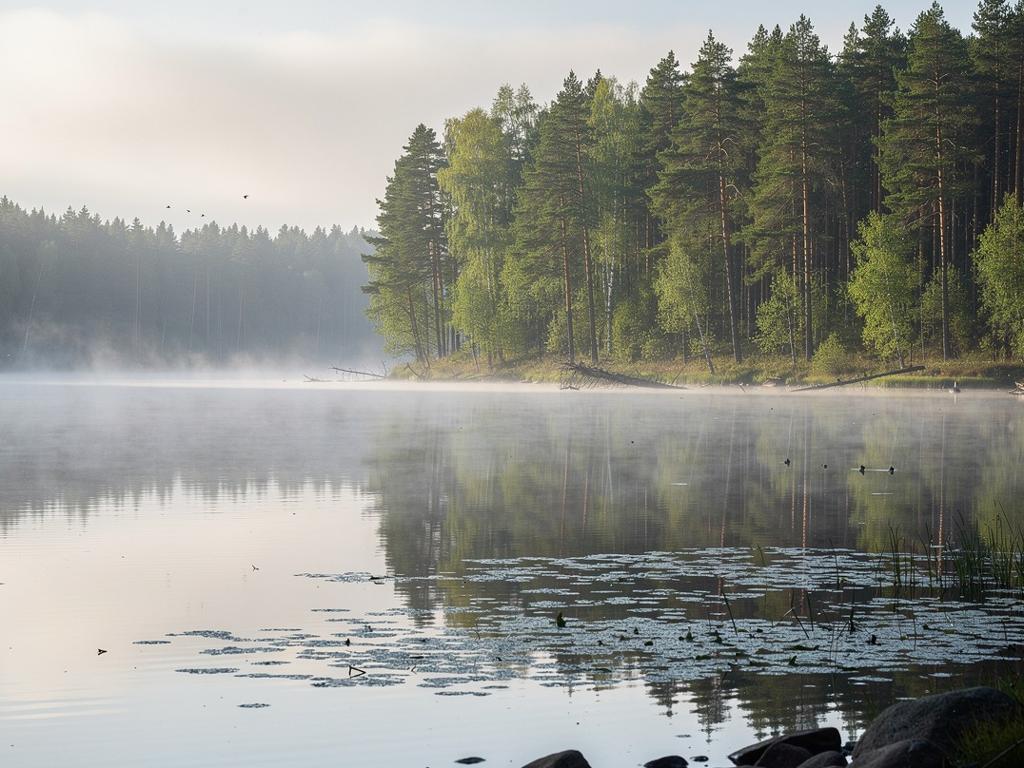
There's a stretch of wetland on the northern shore of Lake Victoria — Lake Nalubaale, as it's known locally, the source of the Nile — that most people passing through Uganda would never notice. Reeds, papyrus, a smear of mist at dawn. Herons picking their way through the shallows. It's the kind of place developers see and think “resort.” The kind of place a military planner sees and thinks “base.” And it's the kind of place a Buddhist monk sees and thinks something else entirely. That monk is Bhante Buddharakkhita, and the wetland in question sits directly next to the Uganda Buddhist Centre, the small but stubbornly persistent community he founded twenty years ago near Entebbe. This year, as the centre marks its second decade, a group of teachers and longtime supporters is trying to raise nearly two million dollars to buy thirteen acres of that wetland — before someone else does. The plan, if the money comes through, is to build what organizers are calling the first retreat centre on the African continent constructed specifically to share the dhamma. Not a repurposed guesthouse. Not a wing tacked onto an existing temple. A purpose-built place where people can sit, walk, eat in silence, and stay long enough for something to shift. That's a big claim, and worth pausing on. Africa has Buddhists — the community in South Africa is decades old, and there are pockets of practice from Senegal to Kenya — but a dedicated retreat centre, the kind of thing Westerners take for granted when they book a week at Spirit Rock or IMS, has not existed on the continent. If UBC pulls this off, they're building a piece of infrastructure the dharma world in Africa has never had. The wetland matters for another reason too. It feeds the schools, the orphanage, and the villages that ring the centre. Fill it in, pave it over, put a resort or a barracks on top of it, and you don't just lose the birds. You lose the food security and water table that a lot of children depend on. So the fundraising pitch is really two pitches at once: preserve an ecosystem, and build a place where people can learn to sit with themselves. If you haven't come across him before, the short version is this. He was born Steven Kaboggoza, into a Ugandan Roman Catholic family, and stumbled into Buddhism in 1990 while studying business in India. Two of his hostel-mates were Thai monks. He got curious. Then he met the Dalai Lama, and by his own account was “hooked.” He was ordained in 2002 in San Jose, California, by Sayadaw U Silananda — making him one of the first African Buddhist monks anywhere. He then spent eight years training under Bhante Gunaratana, the Sri Lankan elder who wrote Mindfulness in Plain English, at the Bhavana Society in West Virginia. In 2005 he went home. Going home was not simple. He's talked openly about the hostility he faced early on — local communities sometimes misread the robes, misread the mission, and on at least one occasion someone shot at him. He calls his approach “Afro-Dhamma,” a phrase he uses to describe what happens when traditional Theravada practice meets African culture, African trauma, and African ways of healing. It's not a marketing slogan. It's what twenty years of teaching in a country still working through its own history has actually looked like. The centre started in 2005 as a small meditation hall. It's grown into something more like a campus. There's a pre-school and primary school called the Buddhist Peace School. There's an African Buddhist High School. There's water infrastructure the surrounding community uses. There's medical outreach. This matters because it complicates the story. UBC isn't a silent retreat compound sealed off from a village. It's woven into the village. The kids in the schools aren't all Buddhists — most aren't. The families using the wells aren't all Buddhists. When supporters talk about protecting the wetland, they're also talking about protecting a small ecosystem of services that a few thousand people rely on. The other thing worth saying: this is a Buddhist project built by an African monk, teaching mostly Africans, in Africa. That's still rare enough to be worth naming out loud. A lot of the dharma that has crossed the ocean in the last fifty years has flowed one direction — Asia to the West, or West to Africa via Western teachers. UBC is a different current. Here's where things stand, as of the current campaign push: Those are real deadlines, not soft targets. If the deposit doesn't land in time, the parcel goes back on the open market, and the most likely buyers are the ones organizers have been trying to head off — resort developers or a military installation. Most people reading this are probably weighing a retreat of their own — maybe an ayahuasca ceremony in the Peruvian Amazon, maybe a psilocybin container in the Netherlands, maybe a ten-day vipassana closer to home. The UBC story isn't directly about any of that. But it's connected, and here's how. The retreat centres we take for granted — the ones with clean lodging, trained facilitators, medical protocols, and enough physical space to actually drop in — didn't appear by accident. Someone bought the land. Someone raised the money. Someone convinced a village council or a zoning board that this weird thing was worth protecting. Every retreat you might book anywhere in the world exists because a small group of stubborn people made it exist, usually against long odds. UBC is that story happening in real time, on a continent that hasn't had its version of it yet. Whether or not you ever end up sitting in Uganda, the fact that the option might exist a few years from now is the kind of quiet expansion of the practice-verse that changes things over decades. The organizers have been careful to frame this as a “stretch gift” at whatever level is meaningful — a hundred dollars or a hundred thousand, both count. Because Bhante Buddharakkhita is a monk and doesn't solicit funds himself, the campaign is run by lay supporters through a GoFundMe page. Donations via donor-advised fund or ACH transfer go through the campaign organizers directly. A quick search for the Uganda Buddhist Centre expansion campaign will get you there. If you're the kind of reader who's already spent time on the cushion — or who's considering a longer contemplative retreat as part of your own path, whether alongside plant medicine work or separate from it — this is one of those rare projects where a small contribution meaningfully changes what's possible for a lot of other people. And if broader retreat exploration is on your mind, a range of contemplative and plant-medicine retreats can be browsed on our marketplace here. The wetland has been there a long time. Whether it stays a wetland — and becomes, alongside it, a place where people learn to sit still — will be decided in the next few weeks.
Why Meditation Belongs in Every Psychedelic Preparation Plan
Here's something most retreat brochures won't tell you: the people who get the most out of an ayahuasca or psilocybin ceremony are almost never the ones who show up cold. They're the ones who've been sitting. Ten minutes a day, twenty minutes a day, sometimes more. Not because a facilitator ordered it, but because at some point they realised their own mind was the terrain they'd be crossing — and it might be worth learning the map first. Meditation and plant medicine are cousins. They point at the same thing from different angles. And if you're weighing a psychedelic retreat for addiction, depression, trauma, or one of those stuck life patterns nobody quite has language for, learning to meditate first is probably the single highest-leverage thing you can do. Not the only thing. But close. Let's talk about why. Strip away the incense and the Instagram quotes and meditation is basically attention training. You pick something to focus on — the breath, a sound, a body sensation — and every time your mind wanders (which it will, constantly, forever), you gently bring it back. That's the whole game. It sounds absurdly simple until you try it for ten minutes and realise your mind is a lunatic. What happens over weeks and months of that practice is measurable. The default mode network — the part of the brain responsible for that endless self-referential chatter about you, your problems, your grievances, your plans — starts to quiet down. Interestingly, this is the same network that psychedelics disrupt, just via a very different route. Meditators and long-term ayahuasca drinkers show overlapping changes on brain scans. They're arriving at similar destinations through different vehicles. The nervous system benefits are the stuff you feel first though. Sleep gets deeper. The knot in your chest loosens. You stop reacting to your partner's tone of voice like it's a personal attack. Small things, but they compound. Picture the first night of an ayahuasca ceremony. You've flown to Peru or Costa Rica or Mexico. You've spent money you probably shouldn't have. You've done the dieta — no salt, no sugar, no sex, no pork — for a week. You're sitting on a mat in a maloca at nine at night, the shaman starts to sing, and then the brew hits. What happens next is not a movie you get to watch from the outside. It's an intense, sometimes overwhelming, encounter with your own mind. Memories surface. Fears surface. Old grief surfaces. And you have exactly one skill that determines whether you drown or ride it: the ability to observe what's happening without immediately clenching against it. That skill is exactly what meditation trains. Meditators tend to have smoother journeys — not because they're spared the hard material, but because they've practised the muscle of staying present with discomfort. When the ceremony gets rough (and it usually does at some point), they know how to breathe, notice, and let the wave pass. Non-meditators sometimes panic, which pours gasoline on whatever's coming up. Facilitators know this. Ask any experienced curandero or psilocybin guide what they wish their participants had done more of before arriving, and meditation is going to be in the top three. Plant medicines get a lot of headlines for treating addiction. Ibogaine for opioid use disorder. Ayahuasca for alcohol dependency. Psilocybin for smoking cessation. The clinical results are real and, in some cases, remarkable. But here's the part that gets under-reported: the substance is not the treatment. The substance is the intervention. The treatment is what you do in the weeks and months after. Meditation is one of the most reliable tools for that follow-through phase. Cravings are, at their core, an attention problem — the mind fixates on relief, on escape, on the substance. A meditation practice teaches you to notice a craving arise, sit with it, and watch it pass without acting. Mindfulness-based relapse prevention has become a standard component of good addiction programs for exactly this reason. The same logic applies to depression's loops and trauma's flashbacks. Psychedelic therapy can crack open new perspective, sometimes dramatically. But if you go home to the same mental habits, the opening closes. Meditation is the practice that keeps it open. It's the daily maintenance on the shift the medicine catalysed. You don't need a cushion, a Sanskrit vocabulary, or a monastery. You need about ten minutes and a willingness to be bored. Here's a stripped-down starter that most people can actually stick with: Apps like Waking Up, Insight Timer, or the free guided sits from Tara Brach and Joseph Goldstein are good places to start if silence feels intimidating. Vipassana retreats — the ten-day silent kind — are a heavier lift but produce dramatic results if you have the vacation days and stamina. Here's the pattern I've watched play out too many times to count. Someone books a psychedelic retreat expecting it to be the answer. They have a genuinely powerful experience. They come home glowing. Six weeks later, the glow has faded and they're basically back where they started, wondering what they paid for. What happened? They had an insight without a container to hold it. The insight was real, but they had no daily practice to metabolise it, no way to keep translating the ceremony's wisdom into ordinary Tuesday life. Meditation is that container. It's how you keep listening to what the medicine told you, months and years after the ceremony ends. People who sit regularly after a ceremony describe it differently. They say the retreat gave them a taste, and the practice is how they slowly cook the actual meal. The changes stick. The relationships shift. The old habits loosen instead of snapping back. Meditation is not a panacea. It won't fix a bad marriage on its own. It won't cure clinical depression by itself. And for some people — particularly those with unresolved trauma — intensive meditation can actually surface material they aren't ready to handle, which is why a therapist in the mix is often smart. The same is true of plant medicine, incidentally. Neither one is a shortcut. Both are tools that reward the people who use them seriously and burn the people who treat them as magic bullets. Pair them with therapy, with community, with sleep and exercise and honest conversation, and you have a real chance at the change you're looking for. If you're at the beginning of researching whether a retreat makes sense for you, start meditating this week. Not next month. This week. By the time you actually sit down in front of a shaman with a cup of something dark and bitter in your hand, you'll have six or twelve or twenty weeks of practice behind you, and it will show. For readers ready to take the next step, a curated selection of ayahuasca and psychedelic retreats can be browsed on our marketplace here — but honestly, the practice comes first. The retreat comes second.
When a Meditation Group Starts Feeling Like a Cult: Spotting the Red Flags
You joined for the silence. Or maybe the breathwork. Maybe a friend swore their anxiety melted after eight weeks of sitting with this group, and you figured — why not. The first few sessions felt like exactly what you needed. Then something shifted. The teacher started referring to himself in the third person. The senior students only laughed at his jokes. Somebody suggested you cut back on seeing your sister because she's lower vibrational. And now you're on Reddit at 2 a.m. typing “is my meditation group a cult” into the search bar. If any of that lands, keep reading. This piece isn't about scaring you away from spiritual community — genuine ones are rare and worth their weight in gold. It's about giving you the vocabulary to name what you might already be sensing. The same instincts matter whether you're evaluating a weekly sit, a silent vipassana center, or a plant-medicine retreat you're thinking about flying halfway around the world for. Meditation communities attract people who are searching. That's not a criticism — most of us who found our way into contemplative practice or psychedelic healing arrived because something in ordinary life stopped making sense. Grief. Burnout. A long addiction. A depression that wouldn't lift. That searching state is beautiful and it's also, unfortunately, the exact psychological terrain that opportunists know how to work. Add to that the intensity of the practices themselves. Long sits, extended fasts, breathwork sessions that alter your state — these techniques legitimately reshape how you think and feel. In a healthy container, that's the whole point. In an unhealthy one, it becomes a tool for making you more suggestible and more dependent on the person interpreting your experience for you. The tricky part is that most sketchy groups don't start sketchy. They start warm. Welcoming. Full of people who seem to genuinely like each other. That's the on-ramp. What matters is what happens six months in, when you've made friends, given money, and started restructuring your life around the schedule. Not every quirky teacher is a cult leader. Not every group with strong opinions about diet or sleep is running a con. Real spiritual traditions have real disciplines, and some of them look strange from the outside. What you're looking for isn't weirdness — it's a specific pattern of control. Here's what to watch: One red flag alone might mean nothing. Three or four together, especially compounding over months, is a pattern. Fair question, and one worth sitting with — because plenty of legitimate retreats look intense from the outside. A ten-day vipassana involves silence, minimal food, and a strict schedule. An ayahuasca dieta at a Shipibo center might mean weeks in isolation eating nothing but plantains and rice. From the parking lot, both could be mistaken for something coercive. The difference lives in a few specific places. First, you know exactly what you're signing up for before you arrive, and the container has clear start and end dates. Second, the practices are in service of your autonomy, not the teacher's authority — the point is that you develop discernment, not that you learn to defer to someone else's. Third, questioning is welcomed. A good facilitator wants you to push back on their interpretations because they know your experience belongs to you. Ask yourself: after six months in this group, am I more sovereign or less? Am I making better decisions in my own life, or am I asking the teacher (or the group chat) before I make any decision at all? Do I trust my own perceptions more or less than when I started? Healthy contemplative practice makes you harder to manipulate over time. Cultish practice makes you easier. If you're researching an ayahuasca or psilocybin retreat while you read this, pay close attention — because psychedelics amplify everything. That's their gift and their risk. In a well-run ceremony, the medicine helps you see your own patterns with unusual clarity. In a poorly-run one, it can make you desperately open to whatever narrative the person at the front of the room is selling. The retreats worth attending share certain features. Facilitators name their lineage and don't get defensive when you ask about their training. There's medical screening before you're accepted, and honest conversation about contraindications with SSRIs, heart conditions, or personal history of psychosis. The pricing is upfront. The schedule is published. Integration support exists after you leave, and it doesn't require you to buy the next-tier package. Nobody tells you that you can only really heal by coming back three more times. Red flags in the psychedelic space specifically include: a charismatic Western “shaman” with no verifiable apprenticeship, sexual boundary-crossing during or after ceremony, pressure to drink more than you're comfortable with, discouragement of talking to doctors or therapists back home, and a business model that quietly funnels every graduate into becoming a recruiter for the next cohort. Some of the best guidance on choosing responsibly, along with vetted options, can be found through our marketplace here. The instinct that brought you to search this is real. Trust it, at least enough to investigate. You don't have to make a dramatic exit tomorrow. You just have to give yourself permission to look clearly at what's happening. A few practical moves that tend to help: Recovery from a high-control group takes time, and it's often accompanied by grief. The community was real. The friendships were real. The moments of genuine insight were real. That's what makes it complicated — you didn't fall for nothing. You fell for something that had real medicine mixed in with the manipulation, which is exactly why so many bright, thoughtful people end up in these situations. It's not a character flaw. It's a specific vulnerability of being human and wanting to grow. Here's the simplest litmus I've found, after years of watching people move through meditation halls, dharma centers, and jungle ceremonies: a good practice returns you to your own life more fully. It sends you back to your relationships, your work, your body, your ordinary Wednesday afternoon — and those things start to feel more alive, not less. A cult, or a cult-adjacent group, does the opposite. It slowly makes the world outside feel dim, and the world inside the group feel like the only place anything real is happening. If that's the direction things are trending, that's the signal. Pay attention to it. The point of sitting with your breath, drinking the medicine, or walking any spiritual road at all is not to disappear into someone else's version of enlightenment. It's to come home to yourself.

Building Resilience: A Meditation Practice for Navigating Life's Hardest Moments
Here's a strange thing about being human: we are almost always mid-difficulty. Something is breaking, someone disappointed us, a health scare showed up, the job is grinding us down, a relationship is fraying at the edges. We know this intellectually. And yet each new hardship still lands as if it were the first, as if we should have somehow arranged our lives to avoid it. Resilience isn't about dodging any of that. It's about how you meet it. And one of the most practical, unshowy tools for meeting difficulty well is a specific kind of meditation — one that quietly changes your relationship to your own suffering without pretending the suffering isn't real. What follows is a walk-through of that practice, why it works, and how to actually sit with it. No incense required. The pop-psychology version of resilience is basically bouncing back. Something knocks you down, you get up, you carry on, ideally with a motivational quote tattooed somewhere on your ribcage. That framing isn't wrong exactly — but it's thin. Adversity changes people. You don't always return to who you were before. Sometimes you shouldn't. A more honest definition: resilience is the capacity to meet what arrives, find your footing again, and move through it without losing yourself in the process. It's not a superpower. It's not stoic denial. It's a set of skills — mostly attentional skills — that you can actually practice. And the practice matters, because stress and difficulty are not optional features of a human life. Failure, in particular, is guaranteed. Not maybe. Guaranteed. The question isn't whether you'll fail; it's what happens inside you when you do. Notice something. When something goes wrong, listen to how you talk to yourself. Most people, when the quarterly numbers tank or the relationship ends or the health results come back bad, slide almost immediately into a certain kind of sentence: Look at the verb. Am. It's a small word doing enormous damage. “I am” makes a state into a trait. It takes a passing experience — the ache of a bad quarter, the burn of embarrassment, the weight of grief — and converts it into an identity. The experience becomes the self. The shift that meditation teachers talk about — sometimes called the liberating shift — is disarmingly simple. You move from I am to I am experiencing. From I'm anxious to there is anxiety here right now. It sounds like word games. It isn't. It's the difference between drowning in a wave and watching one pass through the room. Part of why this shift is hard: your brain is rigged against it. Evolution wired us to notice threats — a lot. Roughly three-to-one, some research suggests, we clock the negative more than the positive. This made total sense on the savannah, where missing a predator was fatal and missing a nice sunset was… fine. In modern life, that same wiring turns every setback into a five-alarm identity crisis. So when a difficult experience shows up and your mind instantly generates the story I am the problem, that's not weakness or vanity. That's ancient hardware doing what it was built to do. Which means overriding it takes deliberate practice. The good news is the override is trainable. One more piece before the practice itself. Emotions feel like statements about reality. They aren't. They're physiological processes moving through the body — chemical, muscular, breath-based. They arise, they crest, they pass. Left alone, most emotions run their course in about 90 seconds. What keeps them alive far longer is the story we wrap around them. Anxiety in the chest is not a fact about your worth. Anger in the jaw is not a verdict on your character. Sadness in the eyes and throat is not proof you're broken. They're weather. Sometimes brutal weather. But weather. If you can hold emotions as processes rather than accusations, you get some room to move. And that room is where resilience actually lives. Here's a practice you can do in about ten minutes. It works best when you're not currently in the middle of a five-alarm crisis — think of it as reps you put in during calmer moments so the skill is available when things get harder. Read through once, then try it. This particular practice comes from a lineage of secular mindfulness — the sort of thing that filters through corporate wellness programs and university mindfulness clinics. It's genuinely useful, and it stands on its own. You don't need any belief system to try it. That said, if you're someone drawn to deeper inner work — perhaps you've been reading about plant-medicine ceremonies, or you're considering a retreat to work with trauma, addiction, or a stuck life pattern — this kind of foundational practice matters more than most people realise. The people who benefit most from intensive experiences aren't the ones who arrive expecting to be fixed. They're the ones who already have some capacity to sit with what arises, name it, and let it move through them. The I am / I am experiencing shift is exactly the kind of skill that comes up during integration — the weeks and months after a big experience, when the insights need to translate into a life. If you can already meet difficult emotions as passing weather rather than proof of your unworthiness, you'll get much more out of whatever deeper work you eventually choose. A few things that tend to trip people up when they try this practice: The teacher Jon Kabat-Zinn talks about being in “wise relationship” with our experience. That phrase has stayed with me. It doesn't ask you to be happy about hard things. It doesn't demand you transcend them. It just asks that you meet them with some clarity — that you don't confuse the wave with the ocean, or the storm with the sky. Resilience, in the end, is that wise relationship. It's the quiet knowledge that difficult things can move through you without becoming you. That you can fail without being a failure. That anxiety can arrive, do its thing, and leave, without conscripting your whole identity in the process. If any of this points toward deeper work — the kind that specifically addresses stuck emotional patterns, trauma, or the harder currents underneath the surface — a range of thoughtfully facilitated plant-medicine and psychedelic retreats can be browsed on our marketplace here. Whatever path you choose, the small daily practice of noticing what you're experiencing — rather than identifying with it — is a good place to start.
Dreaming of a Psychedelic Retreat?
We have the best deals and offers from thousands of organizers all over the world! Get them into your mailbox every week!
We value your privacy. Your email address will never be shared or published.
