 English
 Deutsch
 Français
 Nederlands
 Español







Reset. Heal. Grow.


Meditation Is Wrecking My Sleep: What's Actually Going On
Here's a question that comes up more than you'd think in retreat circles, integration calls, and quiet corners of online forums: why is meditation making my sleep worse? You started sitting because you wanted to feel calmer, clearer, maybe less wired at bedtime. Instead you're staring at the ceiling at 3 a.m., mind unusually alert, body somehow both tired and buzzing. That's not the brochure version. It's a real thing. And it doesn't mean you're doing meditation wrong, or that your nervous system is broken, or that you should quit. It usually means something specific is happening — often several things at once — and once you understand what, you can adjust. This matters especially for anyone preparing for or integrating a psychedelic retreat, where sleep is already going to get shaken up and a steady contemplative practice is one of your best allies. Meditation is often sold as a relaxation tool. It can be. But that's not really what it is. At its core, meditation trains awareness — you're learning to notice what's happening in your mind and body without automatically reacting. And awareness, especially in the beginning, is not always cozy. When you sit and stop distracting yourself, a lot of stuff surfaces. Suppressed emotions, half-processed memories, background anxieties you've been outrunning with work and scrolling. The nervous system starts unwinding material it had filed under "deal with later." Later, apparently, is now — and often at 2 a.m. when your defenses are lowest. This is genuinely similar to what people experience after a plant-medicine ceremony. Ayahuasca, psilocybin, and other master plants tend to loosen up psychological material that then keeps processing for days or weeks afterward. Meditation, done consistently, does a milder version of the same thing. Which is part of why the two practices pair so well — and also why both can mess with your sleep in the short term. Not every case is the same, but the patterns are recognizable. If your sleep has gone sideways since you started (or intensified) a practice, one of these is probably in play. If any of these sound familiar, welcome to a very ordinary experience. It's rarely permanent. It almost always responds to some pretty simple adjustments. The instinct when something isn't working is to either double down or quit entirely. Neither is usually the move. Try these first. Most sleep disruption from meditation is a passing thing. But there's a category of experience — sometimes called meditation-related adverse effects, or in the older Buddhist literature, "the dark night" — that warrants more than a lifestyle tweak. If you're experiencing prolonged insomnia, panic that won't settle, dissociation, or trauma memories flooding back with an intensity you can't hold on your own, please talk to someone qualified. That could be a trauma-informed therapist, a meditation teacher with real training in navigating difficult experiences (not every teacher has this — ask), or a psychiatrist if the sleep loss is severe. There's no medal for white-knuckling through it. The best contemplative teachers I know are the first to say: sometimes you need more than a cushion. This applies double if you're integrating a psychedelic experience. Post-ceremony sleep can already be strange — vivid dreams, early waking, energy running through the body at odd hours. If meditation is adding to the churn rather than helping you land, ease off the intensity and get some human support. People sometimes ask whether they should meditate before an ayahuasca retreat, and whether it'll help or hurt. The honest answer: a steady, moderate practice before you go is one of the best preparations available. It teaches you to stay with intense experience without flinching, which is exactly the skill a ceremony asks of you. Afterwards, meditation becomes an integration tool — a way to keep listening to what the medicine surfaced, without having to keep drinking it. But this is precisely when sleep can get weird. You've been cracked open by the plant, your nervous system is recalibrating, and sitting quietly gives all of that room to keep moving. Expect some rough nights. Sleep tends to normalize over the following weeks as things settle. The move is to hold your practice loosely. Meditate in the mornings. Keep sessions shorter than you think you need. Prioritize walks, food, and time in nature over long formal sits. If you're at a well-run retreat, the facilitators will usually build this rhythm into the integration days for you. If you're doing it on your own afterwards, be your own kind facilitator. Meditation isn't supposed to feel good all the time. Neither is any real inner work. If your sleep has gone haywire, it doesn't necessarily mean the practice is failing — it might mean it's working, and something needs your attention. The task is to figure out what, and to respond with intelligence rather than either abandonment or grim persistence. For readers weighing whether to combine contemplative practice with a plant-medicine journey — or looking to explore ayahuasca and psilocybin retreats that take integration seriously — a range of curated options can be browsed on our marketplace here. Pick one that talks openly about preparation, aftercare, and yes, sleep. The good ones do. In the meantime: shorter sits, earlier in the day, gentler technique. See what shifts in a fortnight. Most of the time, that's the whole prescription.

When Meditation Feels Like a Drug: Understanding the Bliss States
Somewhere around the twenty-minute mark, the room starts to hum. Your body goes warm, then weightless. Colors behind your eyelids sharpen. There's a grin creeping across your face that you didn't authorize. If you've ever come out of a meditation session wondering whether you accidentally microdosed something at breakfast — you're not alone, and you're not broken. You're experiencing something contemplative traditions have talked about for two thousand years, and something psychedelic practitioners recognize immediately. This overlap between deep meditation and plant medicine isn't a coincidence. Both practices work on the same nervous system, both reshape the same default patterns of thought, and both can drop you into states that feel unmistakably altered. For people researching ayahuasca or a psychedelic retreat, understanding this bridge matters — because how you relate to bliss on the cushion tells you a lot about how you'll relate to it in ceremony. The short answer: your brain is a pharmacy, and sitting quietly for long enough hands it the keys. Sustained attention on the breath alters activity in the default mode network — the same brain region that quiets down under psilocybin and ayahuasca. Deep breathing shifts your blood chemistry. Long stillness triggers endogenous DMT release, according to some researchers, though the science there is still cooking. What you feel is real. That warmth spreading through your chest, the pleasant dissolution of body boundaries, the sudden certainty that everything is fine — those are neurochemical events, not imagination. Buddhist teachers have names for these states going back centuries. The Pali canon calls them piti and sukha: rapture and bliss, two of the classical factors of absorption. Yogic traditions describe them as ananda, the intrinsic joy that surfaces when mental chatter drops away. Here's the thing that nobody warns you about in the beginner apps: some people are naturally wired to hit these states quickly. Others sit for years and barely feel a flicker. Genetics, nervous system type, trauma history, and even how much sleep you got last night all play a role. If meditation feels like a substance to you, you may simply have a nervous system that responds strongly to stillness. That's a gift and a complication. Every serious teacher I've spoken to says the same thing when a student comes in glowing about their new blissed-out sits: enjoy it, don't chase it, don't build your identity around it. In contemplative traditions, pleasant states are considered signs that concentration is developing — useful markers, not the destination. The moment you start meditating for the high, you've turned the practice into another form of seeking, and seeking is exactly what you sat down to release. This is where the parallel with plant medicine gets sharp. Ayahuasca ceremonies produce their own version of this trap. First-timers often expect ecstatic visions and cosmic downloads. Sometimes they get them. But experienced facilitators will tell you that the participants who benefit most are often those who sat through discomfort, not those who surfed the pretty parts. The medicine, like the meditation cushion, isn't optimizing for your entertainment. That said — bliss is not a moral failing. If your practice is generating spontaneous joy, that's a legitimate byproduct of doing something right. The mistake is either clinging to it (and being disappointed when it fades) or pathologizing it (and trying to shut it down). Neither approach serves you. Notice it, appreciate it, keep going. If you're regularly experiencing altered states from meditation, a few practical adjustments help you stay grounded without killing the goose. One more thing: some people find that intense meditation practice destabilizes them. It's rare, but it happens. The clinical term is sometimes called meditation-related difficulty, and it's under-discussed in beginner spaces. If your sits are producing anxiety, dissociation, or a lingering sense of unreality that doesn't fade after a few hours, back off the intensity and consult someone qualified. Same rule applies to psychedelic work. If you're researching an ayahuasca or psilocybin retreat and you already get lifted from meditation, you're probably wondering what the ceremony experience will actually feel like for you. Honest answer: meditation-induced bliss and plant medicine are cousins, not twins. The territory overlaps, but the intensity is not comparable. Ayahuasca can dismantle your sense of self for four to six hours. Psilocybin can wash your normal identity out to sea for a whole afternoon. Ibogaine can put you on a thirty-hour journey through your own biography. What meditation offers, even at its most intense, is usually a version of these states you can step out of by opening your eyes. The medicines don't give you that off-switch. But — and this matters — people with a stable meditation practice tend to fare much better in ceremony. They've already learned to observe intense states without panicking. They know how to return to breath when things get overwhelming. They understand that difficult passages are not emergencies. These are the exact skills that separate a fruitful ayahuasca night from a scary one. If you're already comfortable with altered states from sitting, you have a genuine advantage. If meditation reliably alters your consciousness, a few things are worth considering before you book a ceremony. The bridge between contemplative practice and plant medicine has been walked for a long time. Amazonian shamans traditionally combine ayahuasca work with periods of solitude, silence, and dietary restriction — a form of extreme meditation, essentially. Buddhist monks in some lineages have historically incorporated plant allies. These aren't opposing paths; they're two doors into the same house. If your meditation practice is showing you that consciousness has more rooms than you thought, and you're curious about exploring those rooms with the help of ancestral plant medicine, a range of ayahuasca and psilocybin retreats can be browsed on our marketplace here. Take your time choosing. The same discernment you're bringing to your practice is exactly the discernment that matters most when picking a place to sit with medicine.


Mental Fitness vs. Mindfulness: Is the Rebrand Helping or Hurting?
Scroll through any wellness feed lately and you'll notice something odd. We're not really being told to meditate anymore. We're being told to train. To strengthen focus. To build mental fitness. The word mindfulness still shows up, sure, but it's often riding shotgun to a more muscular vocabulary — one borrowed straight from the gym. It's a subtle shift, but a real one. And if you've been sitting on a cushion (or thinking about sitting on one) for any length of time, it's worth asking what's actually happening here. Are we talking about the same practice with new packaging? Or are we quietly changing what meditation is supposed to do? Mindfulness has an image problem in certain rooms. Say the word in a boardroom, a barracks, or a locker room and you'll get raised eyebrows — maybe a joke about crystals. For plenty of people, the term still carries a whiff of incense and vague spirituality, which makes it a hard sell in cultures built on measurable performance. Enter mental fitness. Same underlying tools, mostly. But the framing lands differently. Fitness implies training, effort, a goal you're moving toward. It doesn't ask you to believe anything. It just asks you to show up and do the reps. For a lot of people who'd never book a meditation retreat, that reframing is the difference between trying it and dismissing it outright. Researchers working with the U.S. Army have leaned into this deliberately. When designing contemplative programs for senior military leaders, some instructors have swapped out traditional language for terms like attentional fitness. The reasoning is practical: soldiers won't engage with something that sounds unscientific or quasi-religious, but they'll absolutely train an attention muscle if you frame it like PT. Here's where it gets interesting. When you call something fitness, you're making a claim about outcomes. Push-ups aren't the goal — the chest muscles are. Running isn't the goal — cardiovascular endurance is. The activity is a means; the capacity is the end. Apply that logic to the mind and mindfulness becomes the exercise, while things like focus, emotional regulation, and cognitive flexibility become the muscles. One retired Army general puts it in language his soldiers understand: he calls the practice “zero the mind,” a nod to zeroing a weapon — the process of aligning the sights so your aim matches where the round actually lands. That metaphor does a lot of work in a room that would otherwise tune out. And there's science backing the idea that the tools deliver measurable capacities. A large meta-analysis of more than 100 randomized controlled trials, covering roughly 9,500 participants, found that mindfulness-based interventions produced small-to-moderate improvements across executive attention, sustained attention, working memory, inhibition, and cognitive flexibility. So the fitness framing isn't lying to anyone. The reps really do build something. But — and this is the part that gets under my skin a little — the fitness frame changes the relationship you have with the practice itself. Traditional mindfulness is fundamentally about noticing. You sit, you watch what the mind does, you notice when attention drifts, you come back. There's no scoreboard. There's no personal best. The instruction is famously irritating in its simplicity: notice without judgment. Not notice-in-order-to-fix. Not notice-so-you-can-optimize. Just notice. Fitness language quietly reintroduces the scoreboard. If you're building something, you'll naturally want to measure it. Am I more focused this week? Am I calmer under pressure? Am I getting my money's worth from the twenty minutes I sat this morning? Those questions aren't bad — but they're a different game than the one meditation was originally teaching. One researcher looking at metaphor and the mind flagged phrases like optimize your focus, master your emotions, and organize your thoughts as examples of a broader trend: framing the inner life as something to be managed. And when your inner life becomes a project, it's very hard not to grade yourself on it. Anyone who's spent time around ayahuasca, psilocybin, or other plant-medicine work will recognize this tension immediately. Retreat culture has its own version of the same drift — the pressure to come home from ceremony with a clear takeaway, a life lesson, a specific insight you can plug into your Notion doc. The medicine, though, rarely cooperates on that timeline. Most facilitators I've spoken with — the ones who've been doing this for decades, not the ones with a shiny website and a booking calendar — will tell you the same thing: the work isn't about performance. It's about what you're willing to see. Sometimes what you see doesn't have a use. Sometimes it just changes you slowly, in ways you can't measure for a year. A daily mindfulness practice actually pairs beautifully with plant-medicine work for exactly this reason. Both ask you to build the capacity to sit with what arises without immediately trying to fix, escape, or optimize it. If your meditation practice has trained you to grade every session, you'll walk into ceremony wanting a grade there too. And that's usually where people get stuck. I don't want to be too precious about this. The mental fitness framing is genuinely opening doors that mindfulness alone couldn't push through — soldiers, executives, athletes, first responders, plenty of people who'd never touch a Buddhist-flavored intro course are now practicing something real. That matters. Getting more people to actually train their attention is a net good for the world. At the same time, the frame matters. Consider holding both: The old teachers had a phrase for this — practice without gaining idea. Sit, but don't sit for anything. That instruction sounds absurd in a culture obsessed with ROI, which is probably why it's still worth passing on. If you're new to any of this — meditation, plant medicine, contemplative work of any kind — a few honest suggestions: None of this is meant to knock the people rebranding mindfulness for new audiences. They're doing important work, and language that lands is language that gets used. The invitation is just to notice — quietly, without making a project of it — when the frame starts to swallow the practice. For readers ready to take contemplative or plant-medicine work beyond the app on their phone, a curated range of meditation and psychedelic retreats can be browsed on our marketplace here. Whichever door you walk through, the practice underneath is older than any of the words we've come up with for it.

The Case for Presence: Why Mindfulness Matters Before and After Plant Medicine
Peel an orange. Actually peel it. Smell the oil that sprays out when your thumbnail breaks the skin. Look at the segments before you eat them. Notice the small explosion in your mouth when your teeth press down. If that sounds absurdly slow, ask yourself what you were planning to do with those ninety seconds instead — probably scroll, probably worry, probably nothing you'll remember by tomorrow. This is the strange thing nobody tells you when you start researching an ayahuasca retreat, an ibogaine program, or a psilocybin week in the mountains: the medicine is not the point. The medicine is a magnifier. What it magnifies is your capacity to actually be where you are. And that capacity — presence, attention, whatever you want to call it — is something you can start building today, for free, with a piece of fruit. People book plant-medicine retreats hoping for a breakthrough. Sometimes they get one. But the participants who seem to walk away genuinely changed — the ones whose marriages improve, whose drinking stops, whose depression finally lifts its foot off their chest — tend to share one quiet skill. They know how to sit with what's in front of them without immediately running. Ayahuasca will show you things. San Pedro will crack you open. Psilocybin will loosen the joints of your worldview. None of that matters if you spend the following weeks half-present, thumbing through your phone, replaying old arguments in your head, and generally continuing the exact patterns you paid several thousand dollars to interrupt. The ceremony is a doorway. Mindfulness is what lets you actually walk through it and then keep walking. This is why the best facilitators I've met talk almost as much about breakfast as they do about the brew. What you do with your ordinary hours is what determines whether the extraordinary ones stick. Let's strip the word down. Mindfulness is being here — body and mind in the same place, at the same time, aware of what's actually happening. That's it. No cross-legged posture required. No Sanskrit. You can be mindful cutting carrots. You can be mindful cleaning the toilet. (Yes, really. The toilet is a great teacher because nobody romanticises it.) The old-school Vietnamese Zen framing puts it beautifully: bringing the mind home to the body. Most of us walk around like ghosts of ourselves — the body is at the kitchen sink, but the mind is in a meeting three days from now, or in a fight from 2019, or in some vague fog of dread. Mindfulness is the practice of noticing that split and gently closing it, again and again, thousands of times a day if you can manage it. What grows from that practice is concentration. And concentration, if you let it deepen, produces insight — the kind of quiet clarity where you suddenly understand something about your own behaviour that no amount of thinking-hard has ever produced. Every plant-medicine tradition worth trusting is really teaching this same rhythm. The ayahuasca, the mushroom, the peyote button — they force the rhythm on you for a night. The rest of your life, you have to build it yourself. Here's a practical answer to something people search constantly: how do you actually prepare for an ayahuasca ceremony, or any serious psychedelic retreat, in the weeks beforehand? Yes, you follow the dieta the facilitators send. Yes, you cut out the pork and the sex and the SSRIs (on medical guidance — never just quit a psychiatric medication because a website said so). But the deeper preparation is training your attention. Try this for the two weeks before you fly out: People show up to their first ceremony wired, jet-lagged, and expecting the medicine to do all the work. It won't. Or rather, it will — but you'll be too scattered to receive most of what it offers. The participants who arrive already able to sit still get much more from the experience. This is not a secret. It's just rarely said out loud. Integration is the word everyone uses now, and it's mostly gone fuzzy from overuse. Here's what it actually means: taking the raw material a ceremony hands you and building a different life out of it. That building happens in the ordinary hours — the breakfast, the commute, the awkward phone call with your father, the walk to the corner store. If you can bring even a scrap of presence into those hours, the ceremony continues working. If you can't, the insights fade within weeks and you find yourself booking another retreat, hoping this one will finally stick. I've watched this pattern for years. The people who consume plant medicine as a series of peak experiences tend to stay stuck. The people who treat it as one input into an ongoing daily practice tend to change. The medicine is not a subscription service for enlightenment. It's a rare intervention that only pays off if you do the small, unglamorous work between doses. Practical integration looks like: Something people rarely admit: presence doesn't make the pain go away. It makes you able to be with it. There's a line worth remembering — a practitioner has every right to suffer, but not the right to skip the practice. Meaning: if you're a person working on yourself, you're allowed to hurt. You're allowed to be furious, grief-stricken, lost. But you don't get to let the pain drive the car anymore. This is the actual gift of both mindfulness and plant medicine. Not the absence of suffering — anyone selling that is selling snake oil — but a different relationship to it. You learn to stop running. You learn that when you sit down inside your own difficulty and stay there, breathing, the difficulty starts to reveal what it's been trying to tell you. This is where addiction begins to loosen its grip. This is where the trauma finally has room to be seen. Not because the substance forced it, but because you finally stopped sprinting away. Ayahuasca can bring the material to the surface. Ibogaine can interrupt the neurochemistry of a craving. Psilocybin can dissolve the rigid story you've been telling about yourself. But the work of staying — of not bolting the moment things get uncomfortable — that's yours. And it's a skill you build in ordinary time, with ordinary objects, one orange at a time. If all of this feels like a lot, start absurdly small. Tomorrow morning, when you first stand up, notice your feet on the floor. That's it. Three seconds. Then get on with your day. The morning after, do it again. Add the sensation of the water on your hands when you wash them. A week later, notice the first sip of coffee. Build the muscle. It grows faster than you'd think. Whether or not you ever sit in a ceremony, this practice will change your life. If you do sit in ceremony — and many readers here are seriously considering it — this practice will determine how much of the medicine actually reaches you and stays with you. For those weighing the decision and wanting to explore what's out there, a curated range of plant-medicine and psychedelic retreats can be browsed on our marketplace here. Take your time choosing. Then, before you go, start with the orange.

Beginner's Mind in the Kitchen: What Zen Teaches About Starting Over
There's a story I keep coming back to — one I heard years ago from a food writer who'd landed, post-breakup, in her dead grandmother's rent-controlled apartment near Coney Island. Her father handed her the keys, a bottle of gin, and a warning: don't turn on the oven. It might explode. She'd been a cooking-school student. A caterer. Someone who'd built her entire coping mechanism around the kitchen. And now she was stranded in a 1930s apartment with a stove she couldn't use, an hour and a half by subway from anyone she knew, mourning a relationship and a version of herself that had disappeared. What saved her wasn't the gin. It was a group of small, black-clad Italian grandmothers on Avenue U who took one look at her sad basket of broccoli and a single fig and rolled their eyes so hard she could feel it. “You don't need no oven,” one of them said. “You need to think like a baby, not like a robot.” They didn't know they were teaching her Zen. But they were. The phrase shoshin — beginner's mind — comes from the Japanese Zen teacher Shunryu Suzuki, who ran the San Francisco Zen Center until his death in 1971. His most famous line: “In the beginner's mind there are many possibilities, but in the expert's there are few.” It sounds like a fortune cookie until you actually try to live it. The idea is deceptively simple. Approach whatever you're doing — meditation, cooking, a difficult conversation, a psychedelic ceremony — as if you've never done it before. Drop the expertise. Drop the story about who you are and what you're capable of. Meet the moment fresh. Anyone who has spent time around plant medicine or long-form contemplative practice knows how hard this actually is. We show up to our third ayahuasca ceremony expecting it to feel like the second one. We sit down on the cushion and immediately compare today's meditation to yesterday's. The mind wants patterns. It wants to be the expert. Beginner's mind asks it to stop, and the mind does not like being asked to stop. I bring this up because I talk to a lot of people who are researching their first ayahuasca or psilocybin retreat, and there's a particular trap they fall into. They read everything. They watch every YouTube trip report. They memorize integration frameworks and dieta protocols. By the time they arrive at the maloca, they've built such a detailed mental model of what the experience is supposed to be that the actual experience has almost no room to land. The medicine doesn't care about your research. Ayahuasca in particular has a way of dismantling whatever theory you brought with you, sometimes gently, sometimes not. Facilitators I trust say the same thing in different words: the participants who struggle most are usually the ones who arrived certain they knew what was coming. The ones who benefit most are the ones who came curious. That doesn't mean don't prepare. Preparation matters — dieta, screening for contraindications, choosing a reputable retreat, sorting your integration plan. But there's a difference between preparing your body and your logistics, and pre-writing the script for what the medicine is supposed to show you. The first is wisdom. The second is a setup for disappointment. That last one is the hard one. And it's where the Italian grandmothers come back in. What the women on Avenue U were teaching, in their gruff way, wasn't just how to cook without an oven. They were teaching a whole orientation. Shop daily. Buy what's fresh. Cook it that night. Don't assume today's onion will behave like yesterday's onion, because it won't — it was pulled from a different field on a different day and it has its own moisture, its own sweetness, its own timing in the pan. Every onion is a new onion. Every ceremony is a new ceremony. Every sit on the cushion is its own sit. Every conversation with your partner, your mother, your sponsor is fresh territory whether you want it to be or not. This is also why people who've done a lot of plant-medicine work often talk about the danger of becoming a “psychedelic veteran.” After enough ceremonies, there's a pull toward becoming the guy at the fire who's seen it all — the one who talks about his experiences with jaguars and grandmother spirits in the same tone a sommelier discusses vintages. The medicine tends to humble that guy pretty quickly. It knows an expert when it sees one. Beginner's mind isn't something you achieve. It's something you keep coming back to, usually after realizing you left. A few concrete ways in: A quick word on addiction, because this is where beginner's mind stops being a lovely concept and starts being survival. Ibogaine treatment centers, ayahuasca retreats working with people in recovery, twelve-step communities — they all circle the same insight. The addicted mind is an expert. It knows exactly how tonight is going to go. It has run the movie a thousand times. The recovery mind, when it works, is a beginner. It treats today as unprecedented. It doesn't assume that because yesterday was clean, today is safe, or because last week was hard, this week will be too. It shows up to the same meeting for the ten-thousandth time and finds one new thing to hear. Plant medicine, in the best cases, seems to help crack open that expert mind — long enough for a person to remember they have a choice. Whether that opening turns into lasting change depends almost entirely on what happens after: the integration, the community, the willingness to keep meeting each day as a new day. The woman I started this piece with eventually moved out of her grandmother's apartment, back into her life. But she carried the Avenue U lesson with her — into her marriage, into caring for her aging mother, into every book she wrote after. She said, later, that she thought she'd been writing about food all those years. She realized she'd been writing about survival. That's what beginner's mind is really for. Not becoming a better meditator or a more enlightened ceremony participant, though it helps with both. It's for staying alive to your own life. For not sleepwalking through the parts you think you've already figured out. For letting September be September, even when you're not ready to let go of the side of the pool. If any of this resonates and you're weighing whether to sit in a ceremony this year, plenty of the ayahuasca, psilocybin, and plant-medicine retreats worth considering can be browsed on our marketplace here. Whatever you choose, try to arrive without a script. Every onion is a new onion. Every ceremony too.
Craving More Stories?
Join our ShopAyahuascaRetreats newsletter for the latest updates on thrilling
destinations and inspirational tales, delivered straight to your inbox!
We value your privacy. Your email address will never be shared or published.


Facing Aging, Sickness, and Death: What Decades of Meditation Actually Teach You
There's a comforting fiction that circulates in wellness circles: that if you meditate long enough, or sit with the right teacher, or take the right plant medicine, you'll eventually arrive somewhere beyond suffering. Pain becomes optional. Fear dissolves. You float above the mess of being human. It's a lovely story. It's also not quite true. Even the Buddha, according to those who knew the teachings intimately, kept suffering after his awakening. The Vietnamese Zen master Thich Nhat Hanh put it plainly — the Buddha didn't stop suffering, he learned how to take care of his suffering. That's a very different claim, and it's the one worth paying attention to if you're a practitioner heading into the second half of life, or considering any contemplative path (including plant medicine work) as a way to prepare for what's coming. Most of us haven't really learned to take care of our suffering. When something painful arrives — a difficult diagnosis, a loss, the small daily indignities of a body that no longer does what it used to — we tend to add layers to it. We spin. We catastrophize. We drag in the past and fabricate the future. The original pain, whatever it was, gets buried under a thick coat of story. Practice, at its best, doesn't erase the pain. It gives you something to do with it besides suffer twice. That's a subtler promise than the wellness industry usually makes, but it's the honest one. And it's the one that becomes real — really real, not conceptually real — when your body starts to break down and you can't outsource the problem to a weekend workshop. I'm thinking about this because of an elder teacher in the insight-meditation tradition who is now in his mid-nineties, living with Parkinson's, and still writing about what practice looks like from where he's standing. He spent decades on this stuff. He trained with Thai forest masters. He spent an entire night, once, in Mexico, watching a corpse decompose — an old contemplative practice designed to burn through the mind's denial of death. He wrote a whole book on mortality. And when you ask him whether all that training has made him unafraid, he says: honestly, no. Improvement, yes. Erasure, no. He describes it as a rhythm. A pain shows up — a new one, unfamiliar, unwelcome. He brings awareness to it. He looks at it directly. And in that looking, something eases. He's back in the present moment, and the present moment, as it turns out, is almost always workable. Then, a few minutes or a few hours later, the old conditioned mind creeps back in. How much worse is this going to get? What will I lose next? Will I be able to walk in six months? Suddenly he's asleep again — caught in a future that hasn't happened and probably won't happen the way he's imagining. When he notices he's asleep, he wakes up. When he wakes up, the fear loses its grip. Rinse, repeat. That's it. That's the whole practice, at ninety-plus, at the edge of things. Not some transcendent state of unshakeable peace. Just the ongoing, moment-by-moment noticing of when you've drifted and the willingness to come back. A lot of people show up to ayahuasca ceremonies, psilocybin retreats, or long meditation sits hoping for a permanent fix. A big experience that rewires them. One weekend that solves the fear of death, the grip of addiction, the low hum of depression that's been there since their twenties. Big experiences do happen. They can genuinely reorient a life. I've watched people come out of an ayahuasca ceremony visibly different — softer around the eyes, less armored. Master plants like ayahuasca, San Pedro, and iboga have a way of showing you things about yourself that decades of talk therapy might never reach. That's real, and it shouldn't be dismissed. But here's what the elders in every contemplative tradition — plant medicine included — will tell you if you sit with them long enough: the ceremony is not the point. What you do with it afterward is the point. The insight fades. The neuroplasticity window closes. The old patterns start whispering again within days. If you don't have a practice — some daily discipline of noticing, of coming back — the medicine's gift slips through your fingers. That's why serious retreat centers spend as much time on integration as on the ceremony itself. It's why traditional Amazonian curanderos speak of the dieta — the weeks or months of preparation and follow-through — as being at least as important as the brew. One thing the older teachers say, over and over, is this: don't wait. If you're twenty-five or thirty-five and life is basically fine, that's exactly when to build the practice. Not when the diagnosis comes. Not when your parent dies. Not when you wake up at fifty and realize you've been sleepwalking through most of it. The reason is straightforward. When the hard stuff arrives — and it will — you'll be running on whatever you've already built. If you've spent years developing a quiet capacity to notice your mind and come back to the breath, that capacity will still be there when your body is failing and the fear is loud. If you haven't, you'll be trying to learn a new skill in the middle of a crisis. It's like deciding to learn to swim during a shipwreck. This applies to plant medicine work too. The people who benefit most from an ayahuasca retreat, in my experience talking to facilitators, are almost never the ones treating it as a one-time miracle. They're the ones who already have some practice — meditation, therapy, breathwork, journaling, something — that gives them a scaffold to hold the experience. The medicine opens a door. The practice is how you walk through it and how you stay in the new room. If you're considering a retreat as part of your own preparation for the long haul — for aging well, for facing whatever addiction or trauma or stuck pattern is driving you toward this — here are the things I'd suggest actually paying attention to: There's a story about someone asking Krishnamurti, decades ago, whether he was awake all the time. Krishnamurti apparently laughed and said, of course not — he was still human. That answer contains almost everything worth knowing about this work. Nobody is awake all the time. The point isn't to arrive at some final state. The point is to notice, more and more often, when you've drifted, and to come back — a little more skillfully, a little more kindly, each time. Whether that noticing gets built through sitting practice, through ceremony with master plants, through the slow patient work of recovery from addiction, or through some combination of all three — the underlying skill is the same. You learn to see when you're caught. You learn what to do when you see it. You learn to trust that coming back is always available, even at the very end. For readers who want to explore this kind of preparation more directly, a range of ayahuasca and plant-medicine retreats — the kind that take integration and skilled facilitation seriously — can be browsed on our marketplace here. Wherever you end up going, or not going, the invitation is the same: start now, whatever now looks like. The practice you build today is the practice that will still be there when you need it most.

Genuine Compassion vs. Attachment: A Buddhist Take on Real Love
Most of us think we know what compassion feels like. We tear up at a documentary, we care about a friend going through a rough patch, we love our kids fiercely. Done, right? Compassionate person, tick the box, move on. But sit with the question a little longer and something uncomfortable surfaces. A lot of what we call love is tangled up with what we want, what we need, and what we fear losing. That distinction — between genuine compassion and its very convincing lookalikes — is one of the oldest inquiries in Buddhist practice. And it matters far beyond a monastery cushion. If you're heading into a plant-medicine retreat, working through addiction recovery, or trying to figure out why your relationships keep hitting the same wall, understanding what real compassion actually is turns out to be surprisingly practical. The Buddhist definition is deceptively simple. Compassion is the wish for another being to be free from suffering. Love is the wish for them to be happy. Two sides of one coin. Not a feeling, exactly — more like a stance you take toward other living things. Notice what's missing from that definition. No mention of how the other person makes you feel. No mention of whether you like them. No mention of what you get out of the exchange. Just a wish for their suffering to end and their happiness to grow. That's it. And that's why it's so much harder than it sounds. The by-product of holding that stance, over time, is a mind that quiets down. A settled nervous system. Something like actual peace, as opposed to the frantic peace we manufacture by trying to control everyone around us. But — and this is the catch — you don't get there by nodding along with the concept. Believing compassion is important and actually practising it are two entirely different sports. Here's where it gets awkward. Much of what passes for love in ordinary life is attachment dressed up in love's clothes. The parent who cannot bear to see their child struggle — is that pure care for the child, or is it partly the parent's own inability to sit with discomfort? The friend who obsessively worries about someone — concern, or a projection of their own anxiety? The new romance in which your partner appears flawless — genuine appreciation, or the brain doing its dopamine trick? Attachment has a tell. It exaggerates the good qualities of whoever we're focused on, downplays or refuses to see the difficult ones, and collapses the moment reality intrudes. Marriages that fall apart in the first couple of years often do so not because love failed but because there wasn't much real love there to begin with — mostly projection and expectation, and once the projections shifted, so did the feeling. None of this makes attachment evil. It's human. It's how our nervous systems bond with the people who feed us, protect us, and keep us company. But it's not compassion. And confusing the two leads to a specific flavour of suffering that plant-medicine work tends to surface with brutal clarity. People who sit with ayahuasca, psilocybin, or other master plants often describe experiences of what they call unconditional love — an overwhelming sense of being held, of loving everything, of understanding for the first time what love actually is. It's one of the most reported and most life-altering aspects of these medicines. But here's what facilitators know that first-timers often don't. The ceremony itself is not the hard part. The hard part is what happens six weeks later, when you're back at your desk, arguing with your partner about the dishwasher, and the ocean of love you felt in the maloca has evaporated. That's when the distinction the Buddhists have been making for centuries becomes urgently relevant. The love you touched in ceremony was closer to genuine compassion — impartial, universal, not dependent on the object behaving well. The love you're trying to feel toward your partner right now is riddled with expectation, history, and unmet needs. Integration work, done well, is largely about learning to bring that quality of open, non-transactional care into ordinary life. Not the fireworks — those don't last, and they weren't meant to. The stance. The willingness to want someone's well-being even when they're annoying you. You can run a quick internal check. Ask yourself a few questions about the concern you're feeling for someone: The answers won't be flattering. That's fine. The point isn't to grade yourself as a good or bad person — it's to see the mechanism clearly. Genuine compassion rests on a firm foundation of reason and recognition: this being wants to be happy, this being wants to be free of suffering, therefore I wish them well. Full stop. It doesn't wobble when the person disappoints you, because it wasn't propped up by them pleasing you in the first place. Compassion isn't a personality trait you either have or don't. It's a capacity you develop. Buddhist practice offers concrete methods — loving-kindness meditation, tonglen, the systematic cultivation of the four immeasurables — but you don't need to become a Buddhist to use them. What you need is repetition and honesty. Start smaller than feels dignified. The person cutting you off in traffic wants to be happy and free from suffering, same as you. So does the coworker you find insufferable. So does the ex you're still angry at. You don't have to like them. You don't have to invite them for dinner. You just have to notice, briefly, that they are a being who suffers, and let a flicker of genuine wish for their well-being pass through you. Do that a hundred times and something quietly rewires. Retreats — plant-medicine ones especially, but also silent meditation retreats — accelerate this by dissolving, temporarily, the ego structures that keep us defended. That's their genuine gift. What they cannot do is finish the work for you. The daily practice of catching yourself in attachment, naming it, and gently orienting back toward real care is the whole game. Everything else is preparation. If you're considering plant medicine because addiction, depression, or trauma has hollowed you out, the compassion piece may sound distant right now. Fair enough. What's worth knowing is that many people in recovery discover that self-compassion — the same clear-eyed wish for one's own suffering to end, without the syrupy self-pity or the harsh self-loathing — is one of the load-bearing walls of lasting change. The addicted self is, among other things, someone who has confused attachment with love for a very long time. Attachment to substances, to states, to being someone. Learning to hold yourself with genuine compassion rather than attachment is not a small skill. It's arguably the skill. Ceremony can open the door. What you do in the months after is what walks you through it. For readers curious to explore this in a supported setting, a range of ayahuasca and psilocybin retreats with strong integration programmes can be browsed on our marketplace here. Whatever path you choose, the work is the same on the other side of it — learning, one ordinary day at a time, the difference between wanting someone and wishing them well.

The Three Poisons of Buddhism: Practices to Loosen Their Grip
There's an old Buddhist diagnosis of why we suffer that I keep coming back to, especially in the days after a ceremony or a hard week or a conversation I wish I'd handled better. It says the mess we make of our inner lives comes down to three things: wanting, pushing away, and checking out. The tradition calls these the three poisons — greed, hatred, and delusion — and almost every spiritual bruise you can name traces back to one of them. What I find remarkable is how honest the framework is. It doesn't ask you to believe anything supernatural. You can test it against your own week and see if it holds up. It usually does. Most religions agree that suffering exists and that wisdom and kindness reduce it. Buddhism goes further and names the mechanism. According to the second noble truth, we suffer because we misread reality. We keep expecting things — including ourselves — to be solid and permanent. They aren't. Everything shifts. Everything ends. And yet we cling to a made-up center called “me,” and organize our whole life around defending it. Once you've built that fortress, the three poisons run the operation. You chase what feels good for the self (attachment). You shove away what threatens it (aversion). And everything that neither flatters nor threatens you gets ignored (indifference). The old texts picture these as a rooster, a snake, and a pig — the greedy one, the angry one, and the checked-out one, chasing each other in a circle at the hub of the wheel of existence. From those three, the tradition says, sprout the “eight worldly concerns” — pleasure and pain, praise and blame, fame and obscurity, gain and loss. That list is really just shorthand. In practice, the ego finds infinite ways to slice the world into for-me and against-me. That slicing is the whole problem. Here's the thing: you already know what it feels like to be free of them, even if only for a minute. Think of someone you love without conditions — a child, a partner, a friend, an old dog. In the moment you'd trade your comfort for theirs without a second thought, the poisons simply aren't there. No grasping. No aversion. No fog. Just a clear, warm attention that costs you nothing. That's the state the practices below are trying to make more available. Not as a peak experience, but as a baseline. Below are three angles on the same work — mindfulness, love, and letting go. You don't have to pick one. They stack. The Pali word for the poisons is kilesas. Translators have called them defilements, afflictions, stains — but the phrasing I like best is “torments of the heart.” That's what they are. They aren't character flaws stamped into you at the factory. They're weather systems that pass through, and if you're not paying attention, you'll mistake them for the sky itself. The trap is identification. The moment you tell yourself “I'm a greedy person” or “I'm an angry person,” you've handed the poison a permanent lease. Mindfulness cuts that lease short by treating each surge of craving or resentment as a thing to be observed rather than a thing to be. You get better at whatever you rehearse — so if you meet greed with more grasping (even grasping for it to go away), you strengthen greed. If you meet anger with more anger, you know how that story ends. A small example. A friend of mine adopted a dog who snores like a chainsaw. For months she'd wake up furious every night. The snoring didn't change. Her relationship to it did — she started noticing the annoyance, letting it exist without arguing with it, and watching it pass. Now she sleeps. The dog still snores. This is what practice looks like in real life. Small, unglamorous, effective. The second angle is the heart. Three classical practices — generosity (dana), loving-kindness (metta), and tonglen — map cleanly onto the three poisons. They're not sentimental. They're specific medicines for specific illnesses. Generosity treats greed. Craving is rooted in a felt sense of scarcity — that there isn't enough, that you aren't enough. Giving something away, whether it's money, time, attention, or a genuine listening ear, quietly contradicts that belief. Every act of dana is a small piece of evidence that you already have enough to share. Repeat it often enough and the panic-hoarding reflex starts to relax. Loving-kindness treats hatred. Aversion depends on the story that some people are fundamentally separate from you — that they're on the other team. Metta practice is the deliberate, repeated wish for the wellbeing of yourself, then those you love, then those you're neutral about, and finally those you can't stand. James Baldwin wrote that people cling to their hates because they sense that once the hate is gone, they'll have to face the pain underneath it. That's exactly what metta gently exposes. Tonglen treats delusion. The core delusion is the sense of being a separate self, cut off from everyone else's suffering. Tonglen practice inverts our normal reflex — instead of breathing in pleasant things and pushing away unpleasant ones, you breathe in the suffering of others and breathe out relief and space. It sounds counterintuitive. It works. Over time it dissolves the wall between “my pain” and “their pain” and reveals what was always true — that they were never separate. A note on trauma, because it matters here. A lot of us are walking around with unmetabolized personal and collective trauma — pandemic aftermath, generational grief, the weight of histories most of us didn't consent to inherit. One hallmark of trauma is the conviction that you're alone in your suffering and somehow to blame for it. That's hatred pointed inward, and it thickens the fog. Tonglen doesn't erase trauma, but it slowly reintroduces the truth that suffering is shared. That alone can loosen a lot. Underneath greed, hatred, and delusion is one common muscle — grasping. Attachment is grasping at what you want. Aversion is grasping at the version of reality where the unwanted thing isn't there. Ignorance is grasping at a familiar story about who you are and what the world is, and refusing to look at anything that contradicts it. Three flavors, one grip. So the question that sits at the start of the Buddhist path and at every step after is a plain one: of the things you're holding on to, which are you afraid to put down? Your honest answer says more about who you think you are than any personality test ever will. Is it the boxes in the basement? A story about your career? A grudge you've carried for a decade? A spiritual identity? Even the framework of Buddhism itself can become something you clutch. This isn't a moral judgment. The thing in your hand isn't necessarily bad. Renunciation, in this sense, isn't about giving up pleasure or possessions. It's about noticing where the grip has become the problem — where you're holding so tightly that the holding itself is what's hurting. People who sit with ayahuasca or psilocybin often describe experiences that look, from a distance, like a chemically assisted crash course in exactly this teaching. The self-concept loosens. The grip weakens. You watch your attachments, your resentments, and your convenient fictions from a small distance and understand — often for the first time — that you aren't any of them. That's a real experience. It can also be brief. The three poisons framework becomes useful in the days and weeks after such an experience, because it gives you language for what you saw and a set of practices for keeping the door open. A single ceremony can show you the room. Mindfulness, the heart practices, and the daily work of letting go are how you keep walking back in when the door starts to close. Integration, in other words, is not a mystery. It's just this — noticing the poisons in real time and choosing a different response, over and over, until the choosing becomes second nature. If any of this resonates and you're weighing a retreat as part of your own inquiry, a range of curated plant-medicine and psychedelic retreats can be browsed on our marketplace here. Whatever you do next, the work is the same — see the grasping, meet it kindly, and let a little more of it go each time.
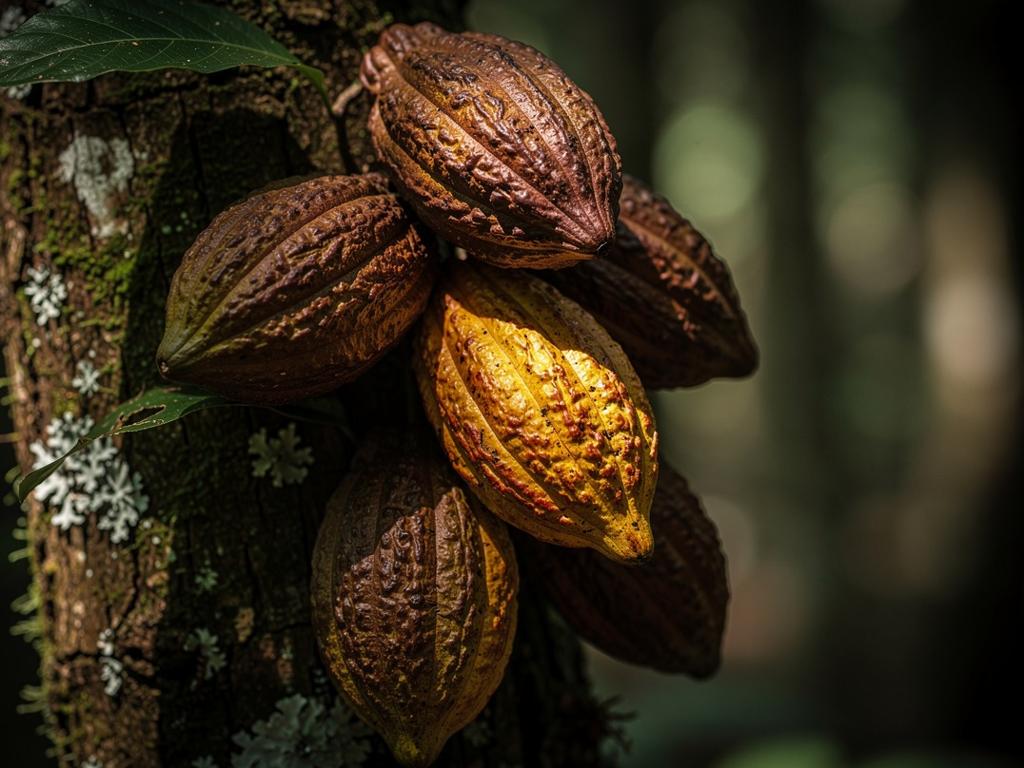
Gratitude Meditation: A Simple Practice That Actually Changes How You Feel
Somewhere between the third notification and the second cup of coffee, most of us have forgotten to notice anything at all. Gratitude meditation is the small, unfashionable practice of stopping — briefly, deliberately — and letting appreciation surface on purpose. It sounds almost too simple to matter. The research suggests it matters quite a lot. I've spent years around people preparing for and returning from plant-medicine ceremonies — ayahuasca, psilocybin, San Pedro — and one pattern shows up again and again. The participants who integrate their experiences most gracefully tend to already have some kind of daily contemplative practice. Gratitude meditation is one of the easiest on-ramps I know of. No cushion required, no incense, no lineage. Just a few minutes and a willingness to pay attention to what's actually good. At its core, meditation is the practice of pointing your attention somewhere on purpose and gently returning it there when it drifts. That's it. The object can be your breath, a candle flame, a mantra, a body sensation, or — in this case — the specific texture of feeling grateful for something or someone. Researchers describe gratitude meditation as a form of mindfulness practice that focuses awareness, with warmth and care, on the things and people you appreciate. It isn't affirmation. You're not repeating “I am grateful, I am grateful” in your head like a mantra you don't quite believe. You're sitting with the actual felt sense of appreciation and letting it grow. The roots run deep. Buddhist monastics open their day with gratitude chants. Indigenous elders across the Americas begin ceremony by thanking the earth, the sky, the four directions, the plant and animal kin. In Tibetan traditions, practitioners even offer thanks for their suffering — for the way it cracks them open. Long before the word “mindfulness” started appearing on wellness podcasts, humans across cultures were already doing this. Here's the honest answer: gratitude meditation reliably makes you feel more grateful in daily life. That sounds circular until you consider what feeling grateful actually does to a person. People who cultivate gratitude tend to cope better with stress, hold healthier relationships, orient toward meaning rather than material accumulation, and report higher self-esteem. Studies on gratitude-focused meditation specifically have linked it to reductions in anxiety and depressive symptoms — reductions that go beyond what non-gratitude mindfulness practices produce on their own. There's also evidence of better emotional regulation, greater life satisfaction, improved body image, and lower stress markers. None of this is magic. It's the compounding effect of noticing what's already good, over and over, until noticing becomes the default. The brain gets very good at whatever you rehearse. Most of us have been rehearsing complaint for years without meaning to. This is the part that gets less airtime, and it's the part I care about most. Ayahuasca, psilocybin, ibogaine, and other master plants tend to produce experiences of profound thankfulness — a kind of raw, uncomplicated appreciation for being alive, for the people who've loved you, for the mystery of the whole thing. Ceremony participants often describe weeping with gratitude at three in the morning for reasons they can't articulate the next day. The problem is that these openings fade. Two weeks after a retreat, the ordinary noise of life reasserts itself. This is where integration lives or dies. A gratitude meditation practice — even a short one — is one of the most effective ways I've seen people extend and stabilize what the medicine showed them. It's a bridge between the ceremony room and Tuesday morning. For anyone working through addiction recovery, this matters double. Addiction is, among other things, a disorder of what the mind attends to. Craving hijacks attention. Gratitude practice is a slow, quiet rewiring of where the mind rests when it's not being pulled. Combined with psychedelic-assisted work — whether that's ibogaine for opioid dependence, psilocybin for alcohol use, or ayahuasca for the deeper trauma often underneath — a daily gratitude sit becomes something like scaffolding. The medicine opens the door. The practice keeps you walking through it. You don't need an app, a teacher, or a special posture. Here's a version that works. It takes about ten minutes, though five is plenty on a busy day. That's the whole thing. Do it once and it's a nice moment. Do it daily for a month and something shifts. A few things nobody mentions. First, don't force gratitude that isn't there. Manufactured thankfulness is worse than none — it teaches you to lie to yourself, which is the opposite of what any real contemplative practice is for. If you sit down and feel numb, sit with the numbness. If you feel grief, sit with the grief. The gratitude will come back on its own timeline. Second, gratitude practice is not a bypass. It doesn't excuse bad situations, abusive relationships, or the very real pain of unresolved trauma. Some people — especially those with heavy trauma histories — find that trying to force positive states creates more internal conflict. If that's you, work with a therapist or an experienced integration coach, particularly if you're combining this with plant medicine. Third, gratitude for suffering is an advanced move. Tibetan monks can pray thanks for their difficulties because they've been at this for decades. If you're three weeks out from a hard ceremony and someone tells you to be grateful for your trauma, feel free to ignore them. That kind of orientation, if it comes, arrives on its own. What I've come to believe, after enough ceremonies and enough conversations with people rebuilding their lives after them, is that the big experiences aren't what change us. The small daily returns are. A ten-minute sit doesn't sound like much next to a night in the maloca. But the sit is what makes the night stick. Whether you're preparing for your first ayahuasca retreat, integrating a psilocybin experience, working through addiction recovery, or just tired of feeling ambient dread every time you check your phone — this practice costs nothing and asks almost nothing. Try it for a week. See what happens. And if this article has you thinking about how gratitude practice might fit into a fuller plant-medicine journey, a curated selection of ayahuasca and psychedelic retreats — many with strong integration and contemplative components — can be browsed on our marketplace here.
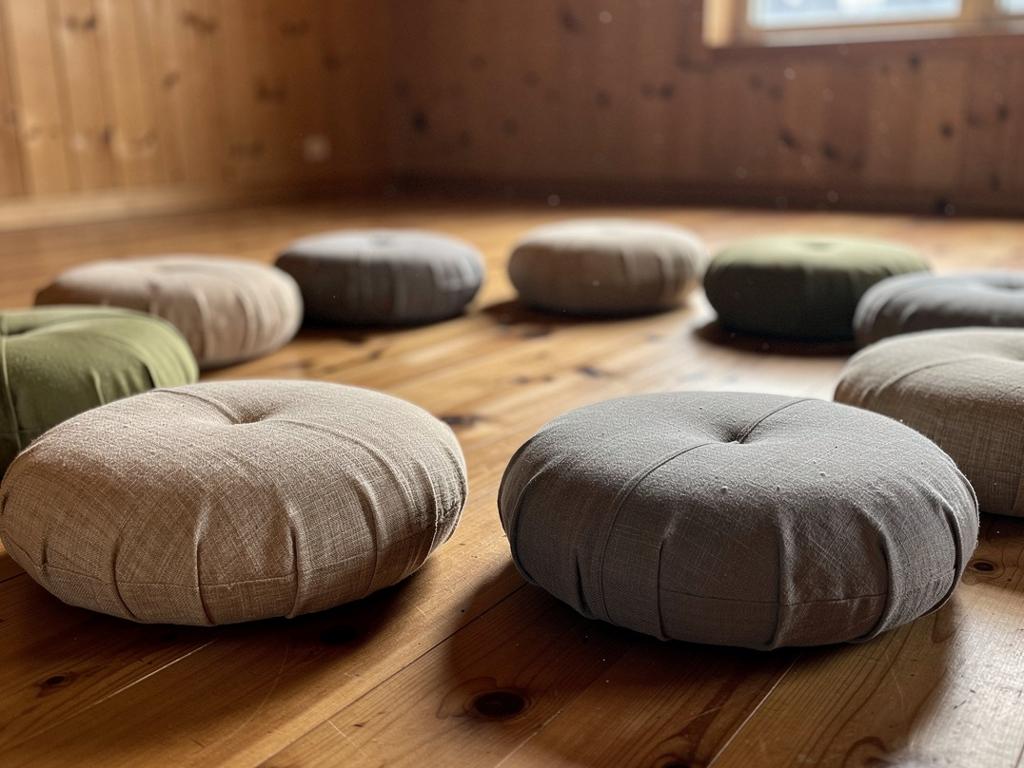
Is Meditation Actually Proven to Work? What the Research Really Says
Every few months, someone asks me — usually over a coffee, sometimes at a retreat kitchen table — whether meditation is actually proven to do anything. Not the marketing version. The real version. Does sitting on a cushion with your eyes closed for twenty minutes a day change your brain, your body, your life? Or is it just expensive silence? It's a fair question. And the honest answer is more interesting than either the true believers or the skeptics want to admit. Meditation has been studied more rigorously than almost any contemplative practice in history — thousands of peer-reviewed papers, brain scans, controlled trials, meta-analyses. Some of what those studies found is remarkable. Some of it is oversold. And some of the loudest claims collapse the moment you look at the methodology. So here's what I've pieced together after years of reading the literature, talking to researchers, and sitting through more silent retreats than I care to count. Consider this the version I'd give a friend who's genuinely curious and doesn't want to be sold anything. Let's start with what's well-established. Mindfulness-based programs — particularly the eight-week MBSR (Mindfulness-Based Stress Reduction) protocol developed at UMass in the late 1970s — have been tested in hundreds of clinical trials. The strongest evidence points to modest but real reductions in anxiety, depression, and chronic pain. A large meta-analysis in JAMA Internal Medicine found effect sizes roughly comparable to antidepressants for mild-to-moderate depression. Not a miracle cure. Not nothing. Sleep improvements show up consistently too. So does reduced rumination — that hamster-wheel of self-critical thinking that keeps a lot of people awake at 3 a.m. Blood pressure drops slightly in regular meditators. Cortisol patterns shift. These aren't fringe findings; they've been replicated across labs. Where things get more speculative is the neuroscience. You've probably seen the claims: meditation thickens your prefrontal cortex, shrinks your amygdala, rewires your default mode network. Some of that has genuine support — Sara Lazar's work at Harvard on gray matter density is often cited for good reason. But a lot of the flashier brain-scan headlines come from small samples, short follow-ups, and studies that were never properly replicated. The brain does change with practice. How much, how fast, and how meaningfully — that's still being worked out. Now the honest part. A significant chunk of meditation research is, methodologically speaking, not great. Small sample sizes. No active control groups (comparing meditators to people on a wait list tells you almost nothing). Self-selected participants who were already predisposed to like the practice. Publication bias — positive results get published, null results quietly disappear. A 2014 review commissioned by the U.S. Agency for Healthcare Research and Quality looked at nearly 19,000 meditation studies and concluded that only 47 were rigorous enough to draw firm conclusions from. That's a rounding error. It doesn't mean meditation doesn't work. It means most of what you've read about it online is built on shaky foundations. There's also the awkward matter of adverse effects. For years, the field pretended meditation was universally beneficial — a bit like early SSRI marketing. It isn't. Willoughby Britton at Brown University has documented cases of practitioners experiencing anxiety spikes, depersonalization, dissociation, and re-emergence of traumatic memories, particularly during intensive silent retreats. This doesn't invalidate the practice. But if a facilitator tells you meditation has no downsides, they're either uninformed or selling something. This is where the conversation gets interesting for readers who found their way here through the psychedelic door. Meditation and psychedelics are often framed as opposites — one slow and gentle, the other fast and overwhelming. In practice, they're increasingly seen as complementary, and the research communities have started talking to each other in a serious way. Both practices, done properly, tend to reduce activity in the default mode network — the brain circuit associated with self-referential thinking and rumination. That overlap isn't coincidence. Longtime meditators frequently report that psilocybin or ayahuasca ceremonies feel like accelerated versions of states they've touched briefly in years of practice. And people coming down from intense psychedelic experiences often find that a sitting practice is the single most useful integration tool available. If you're weighing an ayahuasca retreat, ibogaine treatment, or psilocybin journey, a consistent meditation habit — even ten minutes a day — makes the experience more workable. You'll be less thrown by unusual mental states. You'll have some capacity to observe your own mind under pressure. That skill is not optional if you're planning to sit in ceremony. Here's a wrinkle most articles skip: "meditation" isn't one thing. It's a bucket term covering wildly different practices. And the research often lumps them together in ways that obscure more than they reveal. Different practices produce different results. Loving-kindness meditation won't lower your blood pressure the way TM might. Vipassana won't calm your nervous system the way a simple breath practice does in the first weeks. When someone says "studies show meditation does X," the first useful question is: which meditation, done by whom, for how long? A lot of people first encounter serious meditation on a retreat — a weekend, a ten-day Vipassana, or as the container around a plant-medicine ceremony. Retreats compress practice in a way daily sitting can't. Ten days of noble silence will change your relationship with your own mind, for better or worse, in ways twenty minutes of app-guided breathing never will. That intensity is why retreats work, and it's also why they occasionally go sideways. If you're carrying unprocessed trauma, active addiction, or serious mental-health conditions, the depth of a silent retreat can surface material you weren't prepared to meet. This applies double for retreats involving ayahuasca, psilocybin, or ibogaine — the plant amplifies whatever you bring. A good facilitator will screen for this. A great one will turn people away when the timing is wrong. Some practical questions worth asking before you book anything: Meditation is one of the better-supported psychological interventions we have for stress, anxiety, mild depression, sleep, and chronic pain. The evidence is real, though frequently overstated. The neuroscience is intriguing but still maturing. And the practice isn't risk-free — particularly at retreat intensity, and particularly when combined with plant medicines. The most honest thing I can tell you: the research points in a direction, but it can't sit on the cushion for you. Whether meditation "works" for any specific person depends on the practice they choose, the teacher they find, and — mostly — whether they actually keep doing it when it stops being novel and starts being boring. That last part is where nine out of ten people quietly quit. If you're drawn to explore this territory alongside plant medicine, a range of meditation-integrated ayahuasca and psychedelic retreats can be browsed on our marketplace here. Start with what you can actually commit to. Ten honest minutes a day beats an hour you'll abandon by February.
Dreaming of a Psychedelic Retreat?
We have the best deals and offers from thousands of organizers all over the world! Get them into your mailbox every week!
We value your privacy. Your email address will never be shared or published.
