 English
 Deutsch
 Français
 Nederlands
 Español
SHOP AYAHUASCA RETREATS BLOG
Why Rest Isn't a Reward: Rethinking Stillness in a Productivity-Obsessed World

Ezra Caldwell
August 31, 2026
Your ultimate guide to discover transforming ayahuasca and psychedelic experiences. Dive into serene destinations and elevate your consciousness to unparalled heights.
Discover Ayahuasca & Psychedelic Retreats NowSearch for ayahuasca & psychedelic retreats
Discover retreats, trainings, and holidays from all over the world
It was a Tuesday afternoon in late September — one of those days that feels like summer forgot to leave. I had a deadline at five. I went to the park anyway.
I brought a blanket, some cheese, a couple of pears, and a thermos of tea I'd filled mostly out of muscle memory. A book sat in my bag. I never opened it. For roughly two hours I sat on the grass, watched the light drift through the oaks, and thought about nothing in particular.
And for most of those two hours, I felt guilty. Not because anyone needed me. Not because something was on fire back home. But because somewhere in the operating system of how I understand my own worth, an ordinary afternoon spent doing nothing productive felt suspiciously like failing at life. Like something I'd eventually be asked to justify.
I stayed anyway. And something quietly rearranged itself in me — the same thing that has rearranged itself every time I've gone back since.
When Did Rest Become Something You Have to Earn?
At some point — gradually, culturally, so slowly that most of us didn't clock it — rest stopped being a natural part of being alive and became a prize you unlock after enough labor. You rest after you finish. You relax when the work is done. The unhurried afternoon comes only after the busy one, and only if you've checked enough boxes to feel like you've paid for it.
This story is so thoroughly baked into modern life that most of us have forgotten it's a story. It feels like common sense. It feels like being a responsible adult. It feels, the way deeply absorbed beliefs always feel, like simply the way things are.
The costs, though, are real and they compound. When rest has to be earned, it always gets postponed. The to-do list is never truly finished — there's always one more email, one more errand, one more reasonable thing you could knock out first. What fills the space instead is a low-grade, permanent exhaustion we've collectively agreed to call normal. We manage it with caffeine and the recurring promise that things will slow down after this project, after this season, after this stretch. The slowing down doesn't tend to arrive on its own. You have to choose it.
What Your Brain Actually Does When You Do Nothing
Neuroscientists have a name for the network of brain regions that lights up during unstructured, wakeful rest: the default mode network. It's the system associated with self-reflection, memory consolidation, creative problem-solving, and the slow, quiet work of making meaning out of what you've been living through.
Put plainly: doing nothing is how your mind digests being alive. The empty space isn't wasted — it's where integration happens. It's why solutions arrive in the shower and grief moves during long walks and you finally understand what someone meant three weeks after they said it.
Humans aren't built for perpetual output. We're built for rhythm — effort and rest, engagement and withdrawal, action and reflection. When we strip out one half of that rhythm, we don't just get tired. Over time we get lost. Disconnected from the thread of our own experience. Deaf to the quieter signals telling us what we actually need, what we actually want, what's actually wrong.
Real unscheduled nothing is how you find that thread again. Not a mindfulness app. Not a productivity hack disguised as self-care. Just nothing.

The First Thirty Minutes Are Always Awful
That September afternoon, I didn't meditate. I didn't journal. I didn't set an intention. I sat outside with food I ate slowly and nowhere I needed to be.
The first half hour was genuinely uncomfortable. My mind kept drafting the work email I hadn't sent. I mentally itemized what I could've finished if I'd stayed at my desk. I had the strong suspicion I was doing leisure wrong — performing rest rather than actually resting. That, incidentally, is one of the more ridiculous experiences a person can have: sitting on a picnic blanket, worrying you're bad at sitting on a picnic blanket.
I stayed anyway. I ate a little more. I watched a golden retriever ignore a frisbee three times in a row. And somewhere in the second hour, something shifted. Not dramatically. My shoulders dropped. My breath slowed without instruction from the management. The afternoon opened into something I didn't quite have a name for but recognized instantly. Presence. Full, unhurried presence in an unremarkable day.
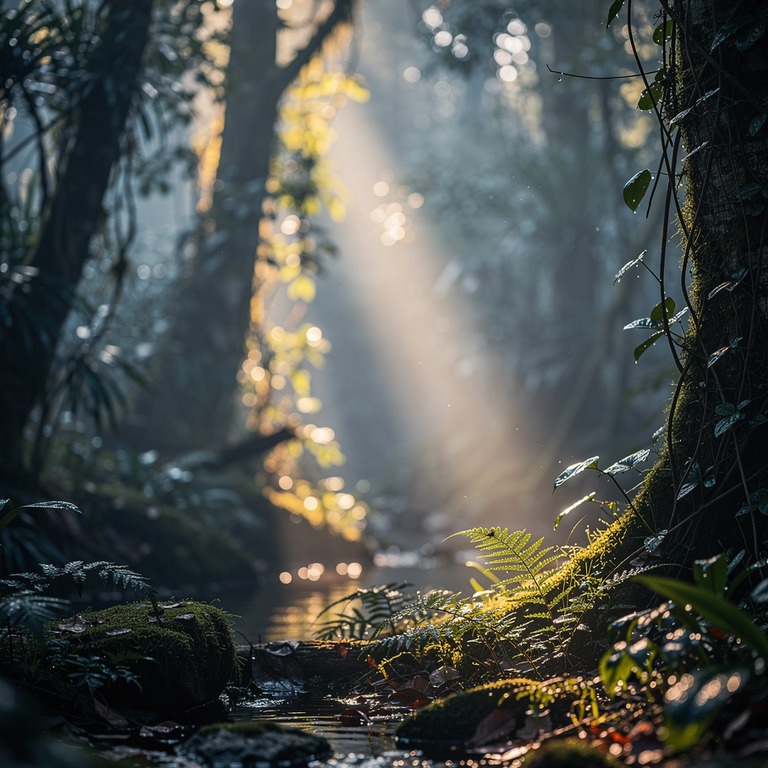
The oaks, I noticed, had no opinion about my inbox. Nature genuinely does not care whether you're being productive. There's a specific relief in that — one the body seems to find before the mind catches up.
A Small, Strange Practice for Getting Back to Yourself
So how do you actually push back against the perpetual-productivity default? I won't suggest meditation, because this isn't about meditation. I won't prescribe a number of minutes, because turning rest into a metric misses the whole point.
What I'll suggest instead is smaller and weirder: go outside with something simple to eat, and no plan for the time. Try this:
- Pick somewhere that isn't your house or your office — a park, a bench by water, a patch of grass behind the library.
- Bring one small pleasure. A pastry. Fruit. Tea. Something you'll eat slowly.
- Leave the podcast. Bring a book if you want, but give yourself explicit permission not to open it.
- Silence the phone or leave it in the bag. Face down at minimum.
- Stay long enough for the discomfort to peak and pass. Usually an hour, sometimes more.
The discomfort will come. The reflex to grab your phone, the running inventory of what you should be doing instead — that's the productivity guilt looking for a foothold. It's not a signal to leave. It's a signal that you needed to come.
Stay through it. Eat something. Watch what's around you. When every hour has a purpose, you're always serving the hour instead of being in it. This is the practice of climbing back in: showing up somewhere pleasant, with no goal except to be there.
Rest Belongs on the List, Not After It
You're allowed to stop. Not after you finish. Not once you've earned it. Not when things magically calm down of their own accord. Now, in the actual life you have — the messy, unfinished one.
Doing nothing isn't laziness. It isn't self-indulgence. It isn't hours stolen from the people and work that matter to you. It's maintenance. It's the rhythm your nervous system was engineered around. The afternoon you keep postponing isn't a prize at the end of a completed list. It's part of the list. It belongs in the week the same way sleep belongs in the day — not a bonus for when everything else is done, but a foundation without which everything else quietly falls apart.
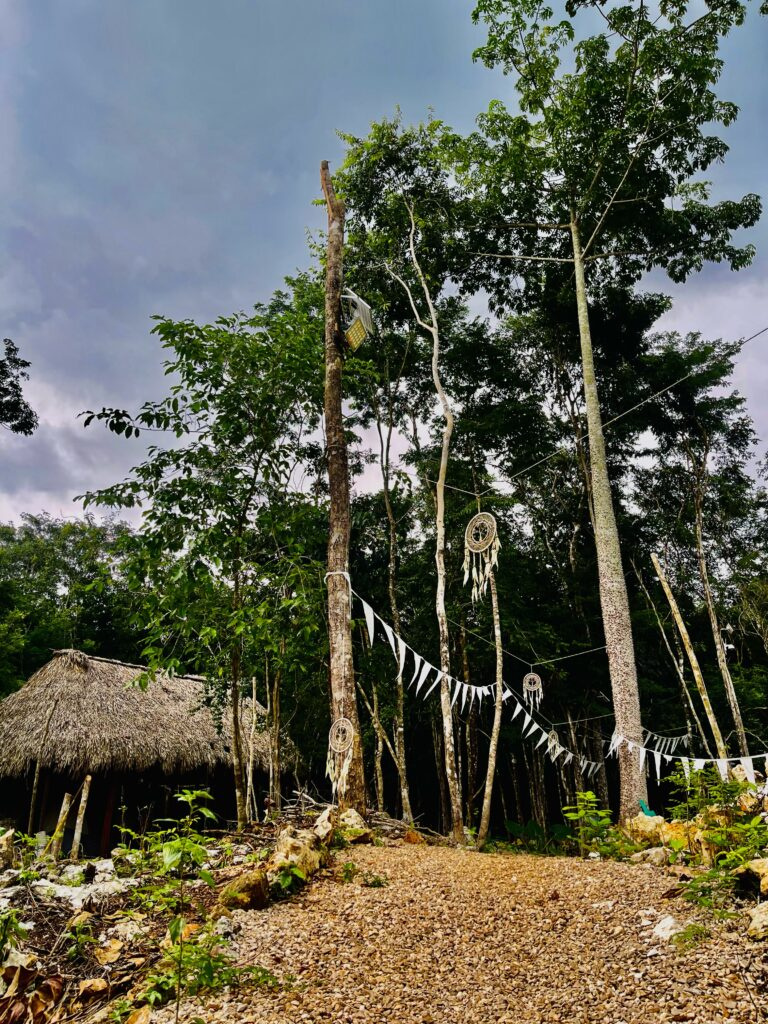
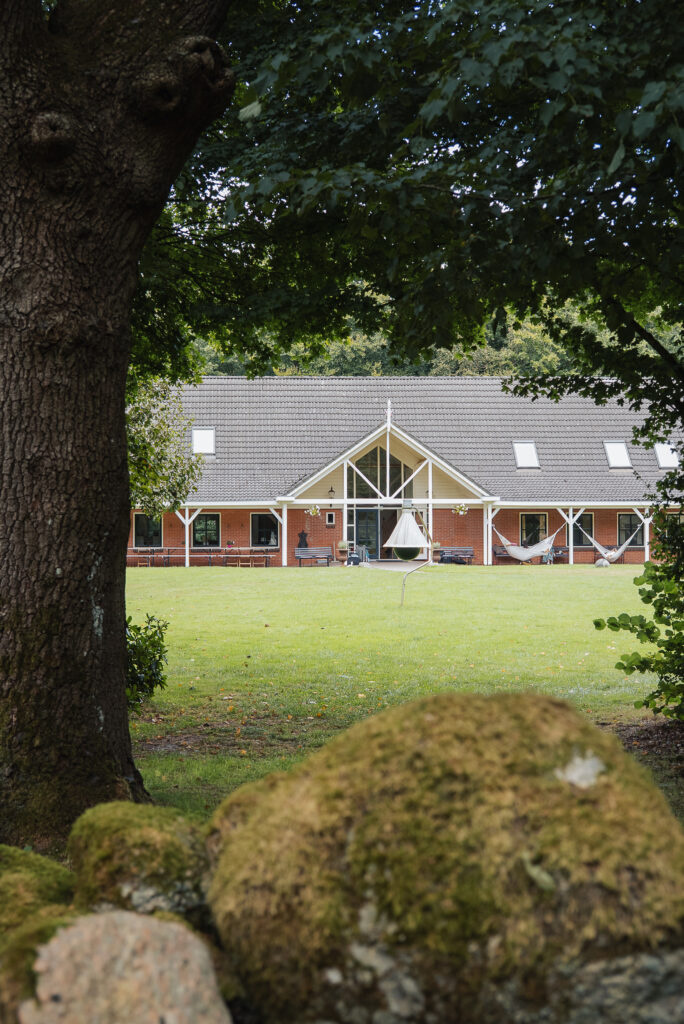
This same principle sits at the heart of most contemplative and plant-medicine traditions I've spent time around: the recognition that healing, insight, and even ordinary clarity require fallow ground. Ceremonies build in integration days for a reason. Retreats build in silence for a reason. Whatever practice draws you — a silent morning in your own backyard or something more structured — the underlying rhythm is the same. If a longer, guided version of this ever calls to you, a range of meditation and healing retreats can be browsed on our marketplace here.
I go back to that park now, most weeks. I bring something simple. I sit on the grass. I don't always manage to quiet the guilt, but I stay anyway. Staying anyway — that, I've found, is most of the practice.

Craving More Stories?
Join our ShopAyahuascaRetreats newsletter for the latest updates on thrilling
destinations and inspirational tales, delivered straight to your inbox!
We value your privacy. Your email address will never be shared or published.