 English
 Deutsch
 Français
 Nederlands
 Español
SHOP AYAHUASCA RETREATS BLOG
Bobinsana and the Icaro of Love: A Shipibo Master Plant Explained

Lila Novak
August 27, 2026
Your ultimate guide to discover transforming ayahuasca and psychedelic experiences. Dive into serene destinations and elevate your consciousness to unparalled heights.
Discover Ayahuasca & Psychedelic Retreats NowSearch for ayahuasca & psychedelic retreats
Discover retreats, trainings, and holidays from all over the world
The first time I heard a facilitator sing a bobinsana icaro, I didn't know what I was listening to. I only knew my chest cracked open. Someone next to me started weeping quietly. Someone else laughed. The maestro kept singing, low and unhurried, and the whole maloca felt like it was tilting toward something softer than we'd walked in with. Later, when I asked what that song was, the answer was almost too on-the-nose: the icaro of love.
That's the reputation bobinsana has among Shipibo curanderos. It's the plant of the heart. And if you're researching ayahuasca, plant medicine, or master plants generally — trying to figure out what any of this actually means before you spend money on a retreat — bobinsana is worth understanding. Not because you'll drink it (you probably won't, directly), but because it tells you something important about how the Shipibo actually work with plants, and why that matters for anyone considering a ceremony.
What Bobinsana Actually Is
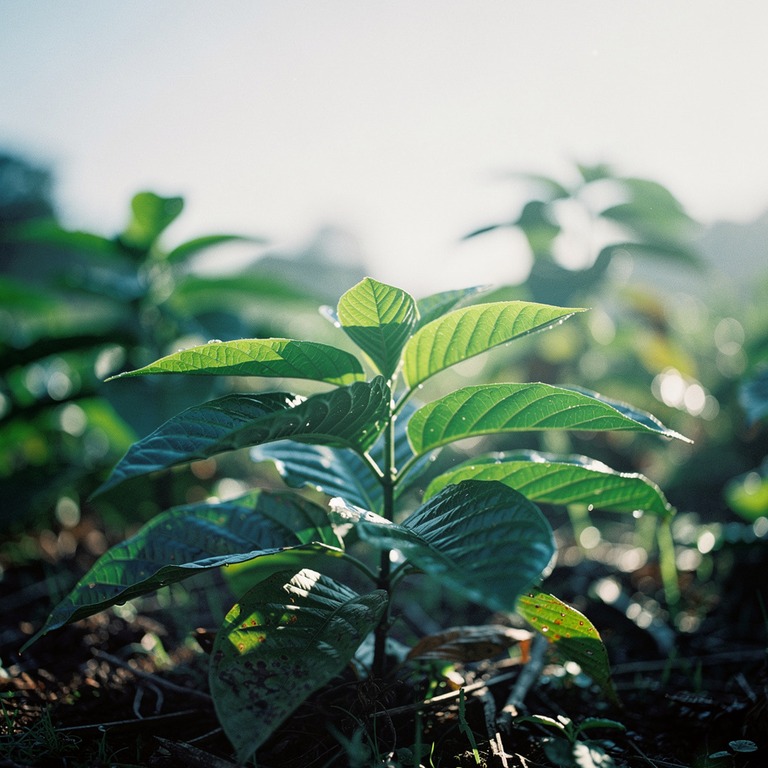
Bobinsana (Calliandra angustifolia) is a shrub that grows along riverbanks in the Peruvian, Colombian, and Brazilian Amazon. If you've seen a photo, you remember the flowers — pink, feathery pom-poms that look like something a child would draw if you asked them to invent a jungle plant. It thrives in wet, unstable ground where the river keeps rearranging the soil, which the Shipibo consider part of its teaching: it's a plant that stays rooted while everything around it moves.
Traditionally, the bark, roots, and leaves are used in a few different ways. Curanderos prepare tinctures, macerations in aguardiente, and decoctions taken as part of a dieta — the strict, isolated plant apprenticeship where a person lives on bland food, no salt, no sugar, no sex, no contact, and drinks a single plant for weeks so it can, in the Shipibo view, teach them directly. Bobinsana is one of the classic dieta plants. It's also sometimes added in small amounts to ayahuasca brews, though this varies enormously by lineage and maestro.
Outside the Amazon, it's showing up in Western wellness contexts as a tincture people take for grief, heartbreak, and what one friend of mine called “the kind of sadness that doesn't have a story attached.” Whether it does anything measurable in that form is genuinely unclear. The plant contains alkaloids and flavonoids, and there's some very preliminary research on antioxidant activity, but no serious clinical work. What we have is centuries of indigenous use and a lot of anecdote.
Why the Shipibo Call It the Plant of the Heart
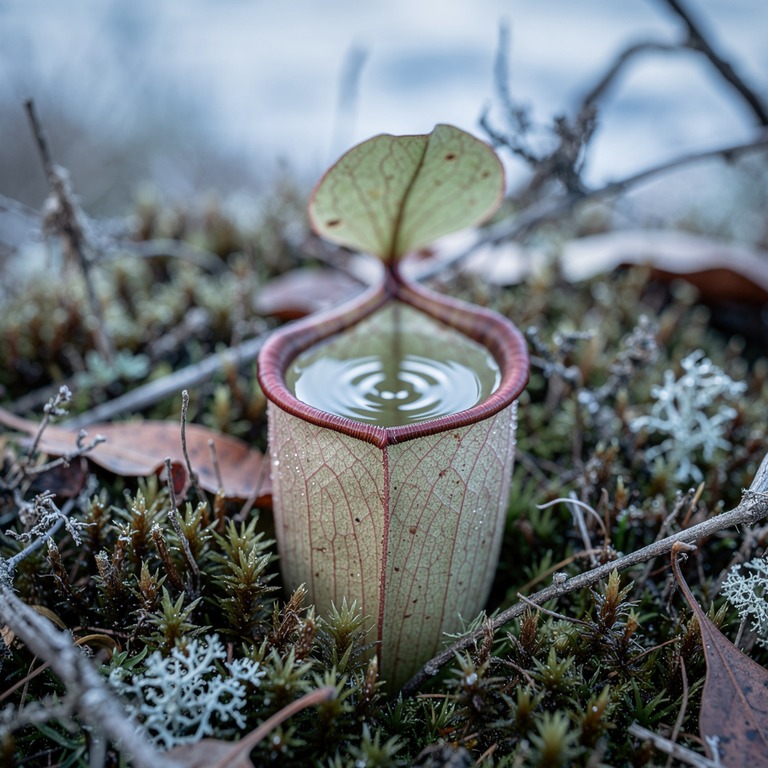
In Shipibo cosmology, plants aren't ingredients. They're teachers with distinct personalities, and each one has an icaro — a song the plant sings to the curandero during dieta, which the curandero then learns and sings back during ceremonies. The icaro isn't decoration. It's how the plant's medicine is delivered. When a maestro sings bobinsana's icaro over you during an ayahuasca ceremony, the idea is that bobinsana itself is present, doing its work through the song.
Bobinsana's specialty, in this tradition, is the emotional body. Grief. Attachment. The armor people build after being hurt. The Shipibo describe it as a plant that opens the heart without breaking it — that softens without leaving you defenseless. Curanderos often work with bobinsana for participants who are stuck in old relational patterns, who can't seem to feel their own feelings, or who have loved someone they can't stop mourning.
You'll hear it called the “icaro of love,” but that translation is a little too Hallmark. The love in question isn't romantic. It's closer to the capacity to be connected — to yourself, to other people, to the world you actually live in. A lot of people arrive at ayahuasca retreats specifically because that capacity has gone offline, whether through trauma, addiction, depression, or just decades of grinding through life with the volume turned down. Bobinsana, in the Shipibo framing, is the plant that helps turn it back up.
How This Shows Up in Ceremony
If you attend an ayahuasca retreat with Shipibo-lineage facilitators, you may or may not ever hear bobinsana named out loud. The icaros are usually sung in Shipibo or a mix of Shipibo and Spanish, and unless you ask afterward, you probably won't know which plant a particular song called on. What you'll notice is the shift in the room. Certain songs bring visions. Certain songs bring nausea and purging. Certain songs bring what people describe as a wave of tenderness, sometimes accompanied by crying they weren't expecting.
That last category is often bobinsana. Participants describe:
- A sudden softening in the chest, sometimes physically warm.
- Memories of specific people — often ones they've lost or become estranged from — arriving without drama, just presence.
- An urge to forgive someone, or to be forgiven, without the usual mental gymnastics.
- Old grief that had been stored somewhere in the body finally moving through.
- A quiet sense that they are, in fact, loved — by whom or what is often unclear, and it doesn't seem to matter.
None of this is guaranteed. Ceremony is not a slot machine. But if you go into a retreat curious about the emotional side of the work — not the fireworks-and-geometric-visions side, but the quieter cardiac side — knowing bobinsana exists helps you understand what's happening when the room shifts and you feel something you can't name.
Master Plants and Why the Category Matters
Bobinsana belongs to a broader category the Shipibo call plantas maestras, or master plants. This is one of those terms that gets thrown around loosely in Western psychedelic circles, so it's worth being precise. A master plant, in the Amazonian sense, isn't just any medicinal plant. It's a plant that has a spirit strong enough to teach — meaning that if you diet it properly, under a curandero's guidance, it will show up and instruct you.
The classic master plants include ayahuasca itself, chacruna, tobacco (mapacho), chiric sanango, ajo sacha, noya rao, and yes, bobinsana. Each has a personality. Chiric sanango is famously ruthless and cold, good for shaking loose fear. Ajo sacha clears heavy energies. Noya rao is considered one of the most sacred and difficult. Bobinsana, by comparison, is gentle. That gentleness is why it's often recommended for people newer to plant medicine, or for those working specifically with heartbreak, addiction relapse patterns, or the kind of self-hatred that no amount of talk therapy has budged.
Here's the thing worth knowing before you book anything: the quality of a psychedelic retreat depends heavily on whether the facilitators actually understand this system, or whether they're doing a stripped-down version dressed in indigenous aesthetics. A real Shipibo maestro has typically spent years in dieta with dozens of plants. That's the source of their icaros. When you're comparing retreats, the question isn't just “is it ayahuasca” — it's “who's holding the space, what's their training, and whose tradition are they actually rooted in.”
What This Means If You're Considering a Retreat
If you're reading this because you're weighing whether to book an ayahuasca or psychedelic retreat — maybe for addiction, maybe for depression, maybe because you're just tired of being who you've been — bobinsana is a small window into the bigger question you're actually asking. Which is: does any of this stuff work, and if so, how?
The honest answer is that plant medicine can help people in ways conventional treatment hasn't. Studies on psilocybin for depression and ibogaine for opioid dependence are increasingly hard to dismiss. Ayahuasca research is messier but promising, especially for treatment-resistant depression and PTSD. But the healing isn't in the chemistry alone. It's in the whole container — the songs, the diet, the setting, the people holding the space, the days of preparation, and the weeks of integration afterward when you have to actually live differently. Bobinsana is a good example of that. It's not a molecule doing a thing. It's a relationship being formed, over ceremonies, between a person and a plant and the humans translating between them.
A few practical things worth doing before you commit to any retreat:
- Ask specifically about lineage. Which tradition, whose apprenticeship, how many years.
- Ask about screening — reputable centers turn people away for good reasons (certain medications, certain psychiatric histories, cardiac issues).
- Ask about aftercare. If nobody mentions integration, that's a red flag.
- Ask about the dieta. Are you being asked to prepare, or is this a plug-and-play weekend?
- Trust your gut on the marketing. If it reads like a spa brochure, it probably is one.
None of this guarantees a good experience. Ceremony work is genuinely unpredictable, and anyone who tells you otherwise is selling something. But it does dramatically raise the odds that whatever happens to you, happens inside a container that can actually hold it.
If any of this resonated and you want to see what's actually out there, a curated selection of ayahuasca and plant-medicine retreats can be browsed on our marketplace here. Bobinsana may or may not ever be named in the ceremonies you attend — but if you feel your chest go warm one night and don't know why, you'll have a guess.

Craving More Stories?
Join our ShopAyahuascaRetreats newsletter for the latest updates on thrilling
destinations and inspirational tales, delivered straight to your inbox!
We value your privacy. Your email address will never be shared or published.