 English
 Deutsch
 Français
 Nederlands
 Español
SHOP AYAHUASCA RETREATS BLOG
Closing a Five-Year Ayahuasca Cycle: What a Family Fire Ceremony Actually Looks Like

Ezra Caldwell
August 16, 2026
Your ultimate guide to discover transforming ayahuasca and psychedelic experiences. Dive into serene destinations and elevate your consciousness to unparalled heights.
Discover Ayahuasca & Psychedelic Retreats NowSearch for ayahuasca & psychedelic retreats
Discover retreats, trainings, and holidays from all over the world
Five years is a long time to work with a plant. Long enough to lose count of the ceremonies. Long enough that the questions you brought to your first ayahuasca night sound almost quaint when you read them back in an old journal. And long enough, some traditions hold, that a cycle wants to be closed properly — not just drifted away from.
I want to talk about what that closing can look like. Specifically: a family fire ceremony at the end of a multi-year relationship with ayahuasca and other master plants. This isn't a technique post. It's more of a field note for anyone who has been drinking for a while and is starting to wonder whether the work has a natural endpoint, or how you'd even know.
Why Cycles Matter in Plant Medicine Work
In most traditional Amazonian lineages, ayahuasca isn't seen as an open-ended lifestyle. It's understood as a teacher you sit with for a period — sometimes a season, sometimes years — and then the relationship changes shape. The curanderos I've spent time with talk about cycles the way a farmer talks about crop rotation. Something is planted. Something grows. At some point, the field rests.
The Western retreat scene doesn't always frame it this way. There's a subtle pressure — from Instagram, from your ayahuasca-curious friends, from the retreat centers themselves — to keep going back. Another ceremony. Another dieta. Another master plant. And for some people, that's genuinely the right path. But for others, the medicine has already said what it came to say, and continuing to drink is a way of avoiding integration rather than deepening it.
A cycle-closing ritual is how you mark the difference. It's a way of telling yourself, your family, and the plants: this chapter is complete. I received what I received. I'm not walking away, but I'm not going to keep asking the same question.
What a Family Fire Ceremony Actually Involves
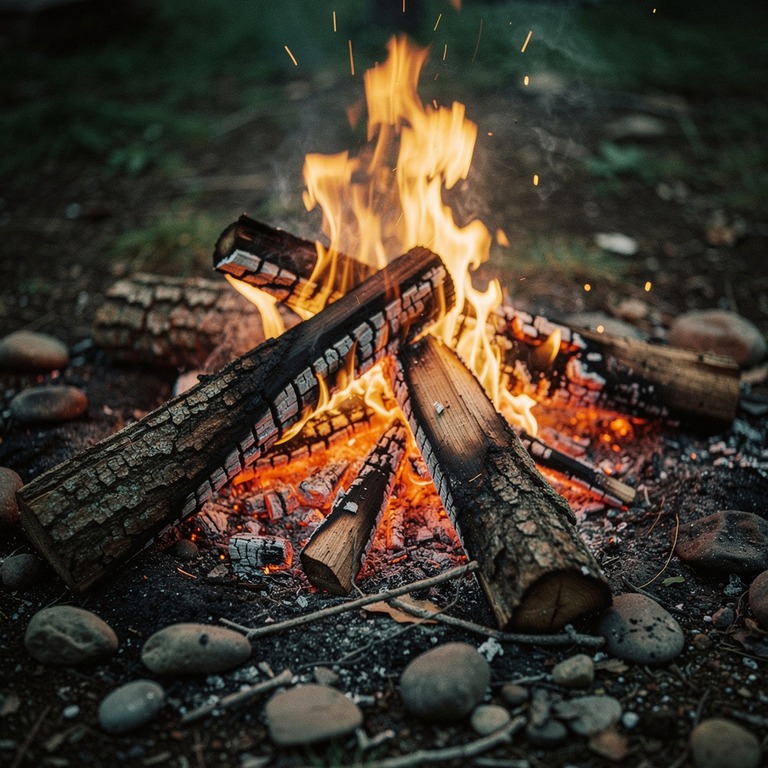
Fire ceremonies show up across many traditions — Andean, Amazonian, North American, Vedic. The specifics vary wildly, and I'd steer you away from anyone selling a rigid template. But the shape is usually similar: you gather people who witnessed some part of the journey, you build a fire with intention, and you offer things to it that represent what you're releasing or acknowledging.
For a family closing after long ayahuasca work, the ingredients I've seen used include:
- Journals or written pages from ceremonies over the years — some read aloud, most burned unread
- Small objects from mesas or altars that no longer belong on them
- Tobacco, mapacho, or copal as offerings, depending on tradition
- Letters written to the plants themselves — thanking, apologizing, or simply saying goodbye for now
- Food shared afterwards, often something simple that carried the family through hard years
What matters isn't the props. It's who's around the fire. A cycle-closing that includes the people who lived alongside your medicine work — partners, kids old enough to understand, sometimes parents or siblings — does something a solo ritual can't. It publicly retires the identity of “the one who's doing the plant medicine journey” and lets you become, again, just a member of the household.
Signs a Cycle Might Be Closing
People ask how you know. Honestly, it's rarely a lightning bolt. It's more that the ceremonies start feeling like reviews of material you've already covered. The visions get quieter, or repetitive. The insights during the night are ones you could have written down beforehand. That's not a failure of the medicine — it's often the medicine telling you the classroom is empty now.
Some other signals I've heard from people who've closed cycles well:
- Life outside ceremony has become more interesting than life inside it.
- Integration work — therapy, movement, relationships, ordinary joy — is producing more change than the ceremonies themselves.
- You catch yourself booking retreats out of habit or identity rather than a genuine call.
- A trusted maestro or facilitator gently suggests you rest.
- The idea of not drinking for a year brings relief rather than anxiety.
Any one of those on its own isn't decisive. Several of them together usually is. And if you're in the middle of active healing — working through addiction, deep trauma, or acute depression — this is not the moment to romanticize “closing the cycle.” Closing implies you've done the work the plants asked of you. It's a completion, not an exit.
Integration Doesn't End When the Cycle Does
Here's the thing nobody tells you at your first retreat: the real work happens in the years between and after ceremonies. Ayahuasca can show you the pattern. It can loosen the grip of an addiction, illuminate a piece of buried grief, reorganize your relationship with your own mind. But the actual living-differently part? That's on you and the people around you, and it takes far longer than any weekend retreat brochure suggests.
A closing ritual is powerful precisely because it forces you to look at that ongoing work honestly. When you burn a stack of journals from ceremonies past, you're also implicitly asking: what did I actually do with what I was shown? Did I leave the relationship that the medicine kept pointing at? Did I stay sober? Did I call my father? Did I stop performing the version of me that everyone had gotten used to?
If the answer is mostly yes, the fire feels like graduation. If the answer is mostly no, the fire is uncomfortable, and probably necessary. Either way, the ritual gives you a container to be honest inside of.
What Comes After the Fire
People imagine that closing a cycle means never touching ayahuasca again. Sometimes it does. More often, it means the relationship changes register. Maybe you sit once a year instead of four times. Maybe you shift to working with different master plants — bobinsana, ajo sacha, chiric sanango — in longer, quieter dietas rather than intensive ceremonies. Maybe you become someone who supports others' journeys without needing to be inside your own.
What tends not to work is treating the closing as a permanent contract you sign with yourself. The plants don't work that way, and neither do humans. The point of the ritual isn't to lock a door. It's to acknowledge, with witnesses, that a specific chapter is complete — so that anything that comes next arrives fresh, not as a continuation of momentum.
If you're weighing whether you're at the beginning, middle, or end of your own cycle, that question is worth sitting with before you book your next ceremony. For readers who want to explore what a considered, well-facilitated ayahuasca or plant-medicine retreat looks like at any stage of the journey, a curated selection can be browsed on our marketplace here. Wherever you are in your relationship with the medicine — first ceremony, tenth year, or somewhere in between — the honest question is always the same: what is being asked of me now, and am I willing to answer it?


Craving More Stories?
Join our ShopAyahuascaRetreats newsletter for the latest updates on thrilling
destinations and inspirational tales, delivered straight to your inbox!
We value your privacy. Your email address will never be shared or published.