 English
 Deutsch
 Français
 Nederlands
 Español
SHOP AYAHUASCA RETREATS BLOG
Ayahuasca and the Trap of Chasing a Better Version of Yourself
Liam Beckett
September 4, 2026
Your ultimate guide to discover transforming ayahuasca and psychedelic experiences. Dive into serene destinations and elevate your consciousness to unparalled heights.
Discover Ayahuasca & Psychedelic Retreats NowSearch for ayahuasca & psychedelic retreats
Discover retreats, trainings, and holidays from all over the world
Here's something almost nobody tells you before your first ayahuasca ceremony: the medicine doesn't care about your goals. It doesn't care that you want to be more productive, less anxious, a better partner, a calmer parent, or a version of yourself that finally has their act together. Show up with a shopping list of upgrades and the vine will, more often than not, hand you back exactly what you didn't want to see.
I've watched this happen at retreats in the Sacred Valley and along the Ucayali. People arrive convinced that plant medicine is a kind of accelerated self-improvement course — a shortcut to the enlightened, high-performing self they've been chasing since their late twenties. And then something strange happens. The ceremony strips the goals away. What remains is often uncomfortable, tender, and closer to the truth than anything a productivity app has ever offered.
This tension — between wanting to become more and being asked to sit with what already is — sits at the heart of every honest conversation about psychedelics, master plants, and addiction recovery. It's worth getting clear on before you book anything.
The Optimization Mindset Doesn't Survive First Contact
Most people researching an ayahuasca retreat are, whether they'd admit it or not, looking for a fix. Something to break the depression loop. Something to end the drinking. Something to make the anxiety quieter. That's not a bad reason to explore plant medicine — it's actually one of the most human reasons there is. But the framing matters.
If you approach ceremony the way you'd approach a business goal — with metrics, timelines, and expected returns — the experience tends to feel like a cosmic prank. Facilitators who've been holding space for twenty years will tell you the same thing, usually with a small laugh: the people who come in with the tightest agenda are almost always the ones who cry the hardest on night two.
The plants don't respond to agendas. They respond to willingness. And willingness is a much weirder, softer thing than most Western seekers arrive with.
What Master Plants Actually Do (and What They Don't)
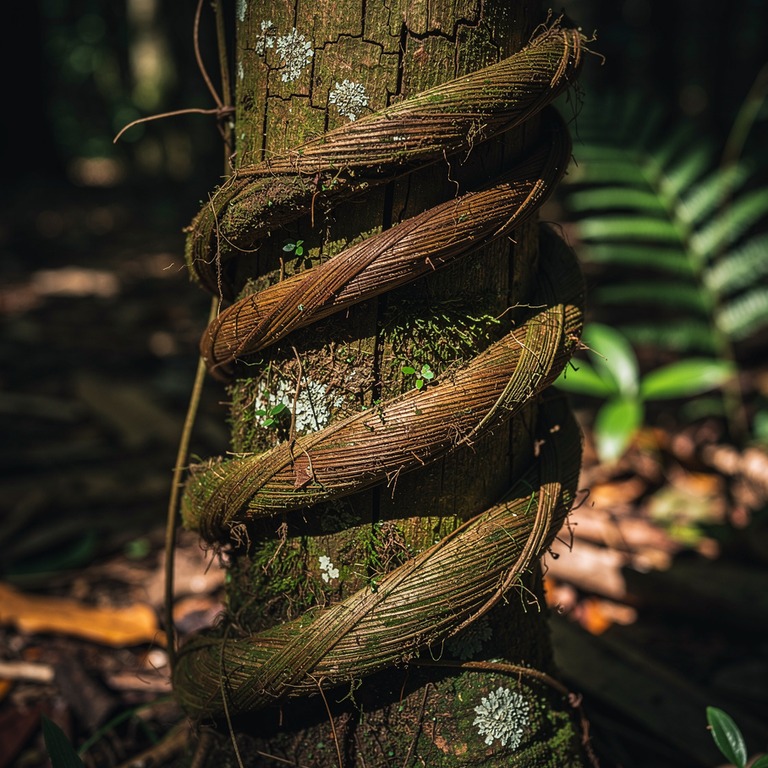
The Amazonian traditions call ayahuasca, tobacco, San Pedro, and a handful of others maestros — master plants. The word is deliberate. These aren't tools you use. They're teachers you sit with. The relationship is closer to studying with a difficult, brilliant mentor than to taking a supplement.
Here's what master plants tend to do, in my experience and in the reports of the several hundred participants I've interviewed over the years:
- They show you the pattern underneath the pattern — the reason you keep dating the same person, drinking the same amount, avoiding the same conversation.
- They surface grief you've been outrunning, sometimes grief you didn't know you had.
- They make your body a much more honest reporter of what's actually going on inside you.
- They loosen the grip of stories you've told yourself for so long that you mistook them for facts.
Here's what they don't do: hand you a new personality, make your problems disappear, or reward you for arriving with a self-improvement plan. If a retreat's marketing suggests otherwise, that's a red flag worth taking seriously.
Ayahuasca, Addiction, and the Question of Real Change
The most compelling research on ayahuasca — and on ibogaine, psilocybin, and other psychedelic medicines — clusters around addiction and treatment-resistant depression. This is where the promise is most concrete, and also where the framing problem is sharpest.
If you're considering a retreat because you want to stop drinking, stop using, or step off a decade-long treadmill of substances that stopped working years ago, plant medicine can genuinely help. The mechanism, as best we understand it, isn't magic. It's that these substances create a temporary window where you can see your own behavior without the usual defenses. The story you've been telling about why you drink dissolves for a few hours. In its place is something rawer and more accurate.
But — and this matters — that window closes. What you do with what you saw is the actual work. The people I've watched sustain real recovery after ceremony tend to share a few traits:
- They arrived humble. Not defeated, but honestly out of ideas.
- They stayed for proper integration — usually at least a week on-site, and months of follow-up work.
- They didn't treat the medicine as a graduation certificate. They kept sitting with what came up long after the ceremony ended.
- They built a life on the other side that made the old pattern less necessary. Community, purpose, small daily practices.
The ones who relapsed, in almost every case, treated ceremony as a fix rather than a beginning. They wanted the plant to do the work. It doesn't work that way. It never has.

Choosing a Retreat When You're Not Sure What You Need
If you're actively researching where to go, a few practical filters worth applying:
Look at how they screen you. A serious retreat will ask about your medications, your mental health history, your reasons for coming. If they don't — if they'll take anyone with a credit card — walk away. SSRIs and MAOIs interact dangerously with ayahuasca. Certain heart conditions rule out ibogaine entirely. A retreat that doesn't ask isn't protecting you.
Look at their integration offering. The ceremony is maybe 20% of the value. The other 80% is what happens in the days after and the months following. Retreats that offer only ceremony and a shuttle to the airport are selling you an experience, not a healing container.
Look at the lineage. Who trained the facilitators? How long have they been practicing? Are they connected to a tradition, or did they take a workshop somewhere and start pouring? This is a place where credentials aren't formalized, so the questions matter more, not less.
Look at how they talk about outcomes. If a retreat promises transformation, guaranteed breakthroughs, or life-changing results, they're either naive or dishonest. Both are disqualifying. The best facilitators I know are almost boringly modest about what the plants can do.
The Quiet Reason to Sit With Plant Medicine
Somewhere between the productivity culture that got you here and the healing culture that promises to fix you, there's a third possibility. You sit with the medicine not to become better, and not to get fixed, but to become slightly more acquainted with what's actually true about your life.
That's not a sexy pitch. It won't sell a $4,000 retreat package. But it's closer to what the tradition actually offers. The reason people come back to ceremony year after year isn't because they keep needing new upgrades. It's because the relationship with the plants — like any real relationship — deepens with time. You stop asking it to save you. You start listening.
Whether that path is right for you is a genuinely personal question. Some people need a therapist and a walking practice more than they need ayahuasca. Some people have been in therapy for fifteen years and need something that reaches deeper than talk. Some people should absolutely not be near these substances at all — the contraindications are real. Honest self-assessment is the first and hardest step.
If, after all that, you're still curious, the work now is finding the right container. For readers who want to take this further, a range of carefully vetted ayahuasca and plant-medicine retreats can be explored on our marketplace here. Sit with the decision the way you'd sit with the medicine — patiently, without needing to solve it in a single afternoon.

Craving More Stories?
Join our ShopAyahuascaRetreats newsletter for the latest updates on thrilling
destinations and inspirational tales, delivered straight to your inbox!
We value your privacy. Your email address will never be shared or published.