 English
 Deutsch
 Français
 Nederlands
 Español

Reset. Heal. Grow.
Ibogaine Mesodosing vs. Flood Dose: Which Protocol Fits Your Situation?
Somewhere around the third or fourth conversation I had with people who'd actually done ibogaine, a pattern started showing up. Half of them had gone to a clinic in Mexico or Costa Rica for a full flood dose — the big, 24-hour, strap-in-and-pray kind of session. The other half were quietly doing something very different at home: small, careful doses spread across weeks, sometimes months. Same medicine. Totally different experiences. And honestly, very different results. If you're reading about ibogaine because something in your life has gotten heavy — addiction, treatment-resistant depression, a trauma loop you can't seem to unstick — this is one of the first forks in the road you'll run into. Flood dose or mesodose? It's not a trivial question, and most of the content out there treats it like one or the other is obviously correct. It isn't. Ibogaine is the main psychoactive alkaloid from the root bark of Tabernanthe iboga, a shrub that grows in the forests of Gabon and surrounding parts of Central Africa. The Bwiti use it in initiation ceremonies — big, long nights with ancestors and ritual. In the West, it showed up in the 1960s when a heroin user named Howard Lotsof noticed that a single dose knocked out his withdrawal and most of his cravings. That observation became the foundation of modern ibogaine addiction work. What makes ibogaine different from other psychedelics and plant medicines is that it isn't primarily recreational or even primarily visionary. It interrupts opioid receptor activity, resets neurotransmitter systems that chronic use has beaten into a specific shape, and seems to do something structural to the brain's reward circuitry. People describe the full experience as part dream-review, part surgical procedure. It's rough. It can also be, for the right person at the right moment, genuinely life-changing. The dose shape is what we're talking about today. Same molecule, very different protocols. A flood dose is the classic clinical protocol — usually somewhere between 15 and 20 milligrams per kilogram of body weight, administered under medical supervision, with EKG monitoring and emergency medication on hand. For a 70-kilo person, that's roughly a gram to a gram-and-a-half of ibogaine HCl. It is not a small amount. Here's what the night tends to look like. You take the dose. Within 45 minutes to an hour, the room starts to shift. There's a loud auditory tone — people describe it as a buzz, a ringing, the sound of the medicine arriving. Then the visionary phase kicks in: eyes closed, you're pulled through what people often call a life review, memory after memory presenting itself without warning. Sometimes it's family. Sometimes it's the first time you used. Sometimes it's a scene from when you were seven that you'd completely forgotten. That phase runs four to eight hours. Then there's a long, exhausted introspective tail — another 12 to 24 hours of lying still, processing, often sleepless, often uncomfortable physically. Your heart rate drops. Movement is hard. By the second morning you're wrung out but, if things worked, something has shifted. Flood dose makes sense when: Mesodosing sits between microdosing (sub-perceptual, often with other substances) and a flood. Think doses in the range of 100 to 300 milligrams, taken once every few days or once a week, over a stretch of weeks or months. You feel it. You're not tripping, but there's a definite shift — mood lifts, cravings quiet down, sleep sometimes gets strange, dreams get vivid. People use the time between doses to do real work: therapy, journaling, exercise, honest conversations. This protocol has grown in popularity for a few reasons. First, it's more accessible. A full flood requires a clinic, a facilitator team, and typically $5,000 to $10,000 or more. Mesodosing can be done at home (with appropriate caution — more on that shortly). Second, it's gentler on the cardiovascular system because peak doses never get close to flood territory. Third, and I think most importantly, some people simply aren't candidates for a flood — maybe their heart can't handle it, maybe they can't take a week off their life, maybe the sheer intensity isn't a fit for their nervous system. Mesodosing tends to work better for: Honestly, the answer depends on what you're trying to solve. If you're kicking opioids and you want the clinical phenomenon that put ibogaine on the map — the near-complete elimination of acute withdrawal and the collapse of cravings — a flood is what the research and anecdote both point to. Mesodosing won't do that in the same way. The receptor reset seems to require the big dose. But if what you're carrying is a long, grinding depression, or trauma that hasn't responded to years of talk therapy, or a stuck pattern that's not about a substance at all — mesodosing might actually serve you better. It gives you time to integrate between doses. It doesn't demand that you reorganize a week of your life. And for some people, especially those with sensitive nervous systems or complex PTSD, the slow approach is less likely to overwhelm the window of tolerance that healing actually requires. There's also a middle path that gets less discussion: a flood followed by occasional booster or mesodoses over the following year to maintain and deepen. Several of the better clinics now build this into their aftercare protocol. Ibogaine has killed people. Not often, not in anything close to the numbers of the drugs it's used to treat, but it has. The deaths almost all trace back to pre-existing cardiac issues (particularly long QT syndrome), interactions with other drugs still in the system (methadone being the big one — it needs to be fully cleared), or sessions run without medical screening and monitoring. Before any flood dose, you need: an EKG with a QT interval reading, liver function tests, a serious conversation about every substance currently in your system, and a facilitator or clinician who's done this many times. Before any mesodose protocol, you still need the EKG and the medication review — the cardiac risk is lower at lower doses but not zero. If anyone offers you ibogaine without asking about your heart, walk away. That's the clearest red flag in this entire space. The other piece people underestimate is integration. Ibogaine's visionary phase is only the beginning. The real work happens in the three to six months afterward, when the window of neuroplasticity is open and old patterns are easier to replace than they'll ever be again. Flood or mesodose, you want a therapist, a practice, a support structure. Going into this medicine without an integration plan is like having surgery and skipping physical therapy. If you're seriously considering ibogaine, don't start with a plane ticket. Start with a few conversations. Talk to a facilitator — a real one, with references — about your situation and ask them honestly whether they think flood or mesodose is a better fit, and why. Get a cardiac workup from a doctor who can read an EKG for QT prolongation. Look up the clinic or facilitator; see how long they've operated, what their protocols are, whether they screen rigorously or whether they'll take anyone with a credit card. Read trip reports, but read a lot of them, including the hard ones. People who had tough integrations. People for whom it didn't work. People who went back for a second session. The full picture is more useful than the highlight reel. If you want to see what structured ibogaine and plant medicine programs actually offer — the clinics, the protocols, the aftercare — a range of curated ibogaine and psychedelic retreats can be browsed on our marketplace here. Whatever you decide, decide it slowly. This medicine rewards preparation and punishes the opposite, and the gap between a good ibogaine experience and a bad one is almost entirely in the work you do before you ever take the first dose.
Why Organized Religion Often Clashes With Psychedelics and Plant Medicine
Ask anyone who has sat through an ayahuasca ceremony and then tried to explain it to their devoutly religious uncle at Thanksgiving. The conversation tends to go sideways fast. There's a particular flavor of alarm that shows up — not polite curiosity, not even skepticism, but something closer to spiritual dread. And it's worth asking why. Why do so many deeply religious people react to psychedelics and master plants with such heat? The short answer is that psychedelics, ayahuasca especially, offer something organized religion has historically preferred to meter out carefully: direct, unmediated experience of what people call the sacred. That's not a small thing. That's the whole business model of institutional faith, challenged in a single evening by a cup of brown liquid brewed from a vine and a leaf. Let's get into the actual reasons, because they're more interesting — and more human — than you might expect. Most mainstream religions in the West are built around intermediaries. Priests, pastors, imams, rabbis — someone with training, ordination, a lineage. The idea is that encountering the divine is a serious matter, not something you do alone on a Tuesday night with a cup of tea. Scripture, sacrament, and clergy sit between the ordinary person and the ineffable. That structure has held for centuries, and it works — for the institutions, at least. Psychedelics bulldoze that structure. A first-time ayahuasca drinker in the Peruvian jungle may come out of a ceremony absolutely convinced they've met God, or something close enough to it that the distinction stops mattering. They didn't need a sermon. They didn't need a confession booth. They needed a shaman, a dieta, and the courage to drink. From the perspective of someone whose faith is organized around orthodox gatekeeping, that's not inspiring — it's threatening. If people can get to the mountaintop without the church, what's the church for? The resistance isn't really about the substance. It's about who gets to say what counts as a real spiritual experience. Here's the thing a lot of people miss. The modern religious hostility toward psychedelics isn't ancient. It's largely a product of the mid-20th century — the Nixon-era drug war, the fallout from Timothy Leary, the political alliance between American evangelicalism and law-and-order conservatism. Several generations of churchgoers grew up being told that psychedelics belonged in the same bucket as heroin and crack cocaine. That framing stuck. So when someone raised in that world hears the word ayahuasca, they're not thinking about Shipibo shamans or decades of ethnobotanical research. They're hearing “drugs” — full stop. The association was built deliberately, over decades, and it will take a while to unbuild. Fair enough. But it means the hostility you encounter often isn't theological at all. It's cultural muscle memory from a political campaign that happened before most of us were born. And ironically, the historical record cuts the other way. Many of the world's religions have psychedelic footprints in their own backyards. Soma in the Vedic hymns. The Eleusinian Mysteries in ancient Greece, which were almost certainly ergot-based. The sacramental use of peyote in Native American churches. Even some scholars argue, controversially, for entheogenic influence on early Christianity. The idea that spirituality and plant medicine are opposites is historically recent and historically weird. Let's be honest about something else. Psychedelic experiences can be genuinely frightening, and not just for religious people. Ego dissolution, encounters with entities, confrontations with your own shadow material at three in the morning in a jungle maloca — these aren't gentle experiences. People scream. People cry for hours. People meet things they can't explain. If your worldview holds that there's a literal devil, and that spiritual deception is a real risk, then an evening of visions and voices looks less like healing and more like an open door you shouldn't have opened. From inside that framework, it's not an irrational fear. It's a consistent one. You can disagree with the premise and still understand why someone operating from it would be alarmed. The irony is that many ayahuasca practitioners would partly agree. Serious ceremonies are run with care precisely because the territory is strange. Shamans speak openly about protection, discernment, and the real possibility of encounters that aren't benevolent. The disagreement isn't about whether the territory is spiritually charged. It's about whether a trained ceremonial container can navigate it safely. Religion, at its organized best, tends to prize self-mastery. Fasting, prayer, discipline, restraint. Many traditions view the body and its appetites with some suspicion and the clear mind as the proper vessel for the divine. Psychedelics ask you to do something that looks like the opposite — to surrender control, to let something work on you, to go wherever the experience takes you. That surrender reads very differently depending on your framework. For a ceremonialist in the Amazon, it's the whole point. The medicine shows you what you need to see; your job is to stop fighting. For someone shaped by a tradition that treats the sober, disciplined, self-governing mind as the moral baseline, deliberately dissolving that mind sounds like an abdication rather than a path. Both views have a point. Neither is self-evidently right. But they come from such different premises that they talk past each other almost immediately. One place this tension gets especially sharp is addiction. Religious communities have been doing recovery work for a long time, and twelve-step programs, which are quietly spiritual in their bones, have helped millions of people get and stay sober. That's real. Meanwhile, there's a growing body of research and anecdote suggesting that plant medicines — ibogaine for opioid dependency, ayahuasca for alcohol and stimulant use, psilocybin for tobacco cessation — can produce dramatic, sometimes lasting shifts in people who've tried everything else. For a reader researching plant medicine as a last resort for addiction, this is often the exact crossroads they're standing at. The traditional path has worked for others; it hasn't worked for them; and now there's this other door. A few honest points worth sitting with: If you're weighing a retreat partly because conventional recovery hasn't held, you're not betraying anyone. You're trying to live. That matters more than the categories. If you're seriously considering an ayahuasca or psilocybin retreat and your family or faith community reacts badly, a few practical thoughts from people who've been through this exact wringer: The friction between organized religion and psychedelics isn't going to resolve in your lifetime, and it doesn't need to for you to make a sound decision about your own healing. These are old traditions bumping into each other, and they'll keep bumping. Your job is narrower: figure out what you need, choose carefully, prepare well, and go in with your eyes open. For readers who want to look at specific options with that kind of care in mind, a curated range of ayahuasca and plant-medicine retreats can be browsed on our marketplace here. Take your time with it. The decision is worth sitting with.
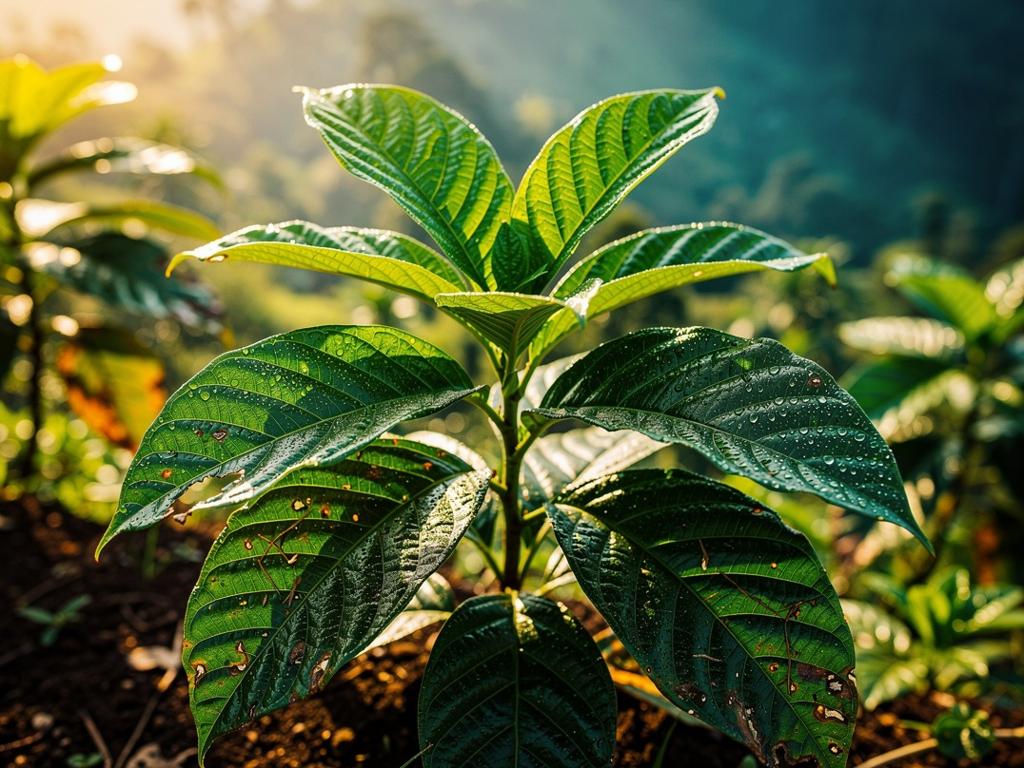
Breakthroughs in Plant Medicine: What Really Happens When the Walls Come Down
There's a specific moment people talk about when they come back from an ayahuasca retreat. It's not the vision of a jaguar or the cosmic light show the Instagram crowd likes to post about. It's quieter than that. It's the moment somebody realizes, often around the third ceremony, that the story they've been telling themselves for twenty years isn't actually true. That moment is what facilitators mean when they say the word breakthrough. And it's worth understanding before you spend three thousand dollars flying to Peru. I've sat in enough ceremonies — and interviewed enough people who've sat in more — to know that the word gets thrown around loosely. Someone cries hard for an hour and calls it a breakthrough. Someone sees geometric patterns and calls it a breakthrough. Those can be meaningful, sure. But a real breakthrough with ayahuasca, psilocybin, or any of the master plants tends to look less dramatic and feel more permanent. It's a hinge the door swings on. After it happens, you can't quite go back to seeing things the way you did before. The clichéd version is fireworks: ego death, oneness, the universe revealed. That happens for some people. For most, it's smaller and stranger. A woman I interviewed last year — forty-one, divorced, two kids, a career in finance that she described as “a very expensive cage” — told me her breakthrough came on night two of a seven-day ayahuasca retreat in the Sacred Valley. She saw her father, who had died when she was nine, sitting at the end of her mat. He didn't say anything profound. He just looked at her. And she realized, somewhere underneath thirty years of accumulated grief, that she had been quietly furious at him for leaving. She wept. Then she laughed. Then she went back to normal consciousness and spent the next four days integrating what she'd just understood. Six months later, she told me her relationship with her kids had changed in ways she couldn't fully articulate. That's a breakthrough. Not pyrotechnics. A single clear seeing that reorganizes something downstream. Psychedelic healing works on this kind of mechanism more often than it works on the dramatic one. The plant — ayahuasca, San Pedro, psilocybin, ibogaine — turns down the volume on your default mental patterns long enough for you to notice what's underneath them. What's underneath is usually something you've been avoiding. Sometimes for decades. I want to be careful here because I don't want to oversell this. Talk therapy works. For some people, it's exactly the right tool. But there's a reason addiction counselors, trauma specialists, and depression researchers have started paying serious attention to psychedelics over the past decade. Something about the pharmacology of these substances — the way DMT, psilocybin, and iboga interact with serotonin receptors and default mode network activity — makes it easier for a person to see their own patterns from the outside. Think of it like this. Your brain is a city, and over the years you've worn deep ruts in certain streets. The commute from “something stressful happened” to “pour a drink” or “self-attack” or “shut down and ghost everyone” has become automatic. Therapy, done well, helps you notice the ruts and slowly build new roads. Psychedelics, done well, briefly suspend the ruts entirely. For a few hours, the whole city is flat again. You can see where you've been driving and why. This is why plant medicine for addiction has such a growing body of evidence behind it. Studies on ibogaine for opioid use disorder, psilocybin for alcohol use disorder, and ayahuasca for various compulsive patterns all point in the same direction: the substance doesn't do the recovery for you, but it dramatically shortens the distance between you and the thing you've been avoiding. The thing underneath the drinking. The thing underneath the heroin. The thing underneath the twelfth doom-scroll of the night. This is the question I get asked more than any other, and I'll give you the honest answer: most people who ask it are more ready than they think, and a few people who ask it shouldn't go yet. Here's how I'd sort it out. If you tick those boxes, the next question is which plant and which setting. Ayahuasca retreats in the Peruvian Amazon are the archetypal experience — strong, long, deeply ceremonial, usually run by curanderos trained in the Shipibo tradition. Psilocybin retreats, often held in Jamaica or the Netherlands, tend to be gentler and more therapist-led. Ibogaine, which is largely used for addiction recovery, is almost always run in Mexico or Costa Rica with medical staff on hand because of its cardiac risk profile. San Pedro — huachuma — is softer and more heart-centered, often done in a single long daytime session. I've visited places that were extraordinary, and I've visited places I'd never send a friend. The difference isn't the brochure. Here's what I actually look for. Here's the part nobody warns you about: the week you get home is often harder than the ceremonies. You're raw. You've just seen something true about yourself or your life, and now you're back in traffic, in meetings, in the same kitchen with the same partner. The temptation to shove the whole experience into a drawer labeled “that time I went to the jungle” is enormous. The people who get real, lasting change from plant medicine are the ones who treat the retreat as the start of the work, not the end. They journal. They go to therapy. They make the small, boring, concrete changes the medicine pointed them toward — the conversation they'd been avoiding, the job they finally quit, the drink they finally put down. Addiction recovery, in particular, lives or dies in this window. The ceremony showed you the door. Walking through it is still on you. Soul exploration is a nice phrase, but what plant medicine really offers is a kind of forced honesty. For a few hours, you can't lie to yourself. What you do with the truth once the medicine wears off — that's the whole game. If any of this resonates and you want to look at specific options, a curated selection of ayahuasca and psychedelic retreats can be browsed on our marketplace here. Take your time with the decision. The right retreat, at the right moment, with the right support around it, can be one of the most useful things you ever do for yourself — and the wrong one, rushed into for the wrong reasons, is just an expensive weekend. The difference is almost always in the preparation.
How Many Steps a Day for Weight Loss? New Research Points to 8,500
The 10,000-step target has been treated like gospel for so long that most people never stop to ask where it came from. Spoiler: it came from a 1960s marketing push for a Japanese pedometer. Not a lab. Not a clinical trial. A product launch. And yet it's shaped how an entire generation thinks about daily movement. So when a new meta-analysis in the International Journal of Environmental Research and Public Health went digging through decades of randomized trials to figure out what step count actually correlates with lasting weight loss, the number it landed on raised eyebrows for being both lower than the old folklore and genuinely achievable. The headline figure: roughly 8,500 steps a day. That's a meaningful difference. The gap between 8,500 and 10,000 might sound trivial on paper, but in real-world terms it's the difference between a goal most people quietly abandon and one they can realistically sustain. Here's what the research actually says, and how to think about applying it without turning your life into a step-tracking spreadsheet. The meta-analysis pulled together 18 randomized controlled trials focused on lifestyle interventions for obesity management. Fourteen of those studies, covering a pooled sample of 3,758 participants, were analyzed in depth. Researchers tracked daily steps alongside body weight through two distinct phases: the active weight-loss window, which averaged about eight months, and the maintenance window that followed, averaging roughly ten months. Crucially, step counts weren't self-reported. Every study used pedometers or accelerometers, which cuts out the usual guesswork that plagues movement research. (Anyone who's ever estimated their own activity knows how generous that estimate tends to get.) That methodological rigor is part of why this analysis is worth paying attention to. At baseline, participants were walking about 7,280 steps a day. By the end of the interventions, they'd worked their way up to around 8,454. During the active weight-loss phase, the group lost an average of 4.4% of their body weight. During maintenance, they held onto about 3.3% of their original weight loss. Modest numbers, maybe, but they held across months. Here's the finding that surprised me most. Daily step count wasn't strongly linked to how much weight people initially lost. It was strongly linked to whether they kept it off. The meta-regression showed that every additional 1,000 daily steps corresponded to 1.1% to 1.3% greater weight maintenance over the long term. In other words, walking isn't the main lever for shedding pounds — but it's one of the better levers for not putting them back on. That reframes how we should probably think about step counts entirely. Walking is a maintenance tool. A keep-things-steady tool. Not a crash intervention. This actually tracks with what a lot of behavior-change researchers have been saying for years. Weight loss tends to come from a shift in calorie intake and sometimes a serious bump in training intensity. Weight maintenance, which is where most people fail, comes from the boring, repeatable daily habits that fit into real life. Walking is the archetype of that kind of habit. If you're starting from scratch, 8,500 steps sounds daunting. In practice it's about 70 to 90 minutes of walking at a moderate pace, spread across the day. That's not one monster session — that's your morning coffee walk, the stroll to grab lunch, the loop around the block after dinner, and the general movement of a day where you're not glued to a chair. If you already run errands on foot, walk during calls, or get up and move between meetings, you may be closer to the target than you think. Most desk workers I know are shocked to discover they're sitting at around 3,000 to 4,000 steps on a normal workday. The gap to 8,500 feels big, but it closes fast once you start looking for pockets of movement. A few practical ways people stack steps without making it a project: The study authors suggested building up gradually — adding 250 to 500 steps every few days until you hit your target. That's a smarter approach than trying to jump from 4,000 to 8,500 overnight and then burning out by week two. Steps are one input. They're not a magic variable, and they won't carry the whole load on their own. Diet quality matters more than most people want to admit. Strength training protects muscle mass as you lose weight, which keeps your metabolism from tanking. Sleep is the quiet multiplier that most people underestimate — chronic short sleep makes every other health goal harder. Stress regulation affects hunger hormones in ways that no amount of walking can offset. What walking does well is sit underneath all of that as a baseline. It's low-impact, almost injury-proof when done sensibly, it costs nothing, and it gives you time to think without a screen in your face. For people navigating any kind of recovery process — from addiction, from depression, from the slow fog of a stuck life — the daily walk is often the first habit that quietly rebuilds the sense that you're doing something for yourself. I'd also push back gently on the obsession with hitting a specific number. If 8,500 feels right for you, great. If 7,000 is what fits your knees, your schedule, and your actual life, that's also a win over the 4,000 you were doing before. The research supports a dose-response relationship, meaning more walking tends to produce better maintenance outcomes — but there's no cliff where 8,499 steps fails and 8,500 succeeds. The 10,000-step rule was never science. The 8,500 figure is grounded in actual pooled data, but it's a guideline, not a commandment. What matters is building a daily movement habit you'll actually sustain for years, because sustainability is where the maintenance magic happens. If you're using walking as part of a broader reset — whether that's rebuilding after a hard chapter, supporting a recovery process, or just trying to get unstuck — pair it with the other pieces that matter: how you eat, how you sleep, how you move your body under load, and how you take care of your mind. Many readers who find themselves rethinking those bigger questions eventually look into immersive reset experiences, and a range of wellness and plant-medicine retreats focused on exactly that kind of groundwork can be browsed on our marketplace here. Lace up. Start where you are. Add a few hundred steps this week. The compounding is where the real story is.
Legal DMT? Untangling the Murky World of Plant Medicine Legality
Someone posts on a forum that they just bought legal DMT. Comments explode. Half the thread insists they're going to jail; the other half claims it's perfectly fine because the plant isn't scheduled, only the molecule is. Both camps are partly right and mostly wrong. Welcome to the strange legal gray zone around ayahuasca, psychedelics, and the master plants that have been quietly moving across borders for decades. If you're the kind of person who's been researching plant medicine for weeks — reading about ayahuasca ceremonies in Peru, wondering whether a psychedelic retreat could help with addiction or depression that regular therapy hasn't touched — you've probably run into this same wall of contradictions. Let's walk through what's actually true, where the law is genuinely ambiguous, and why so many retreat-seekers end up booking a trip abroad instead of trying to piece something together at home. The short answer: DMT, the molecule, is a Schedule I controlled substance in the United States and in most countries that signed the UN Convention on Psychotropic Substances. Possessing, selling, or synthesizing it carries serious penalties. That part isn't ambiguous. Here's where it gets interesting. DMT occurs naturally in a surprising number of plants — Mimosa hostilis root bark, Psychotria viridis (chacruna), Phalaris grasses, even common reeds growing in ditches. In many jurisdictions, the plants themselves aren't scheduled. You can buy Mimosa root bark on the open market as a natural dye, which is technically its legal use. The moment you extract the DMT from that bark, though, you've committed a felony in the eyes of federal law, regardless of how you got the raw material. So when someone online says they bought legal DMT, what they usually mean is they bought a plant that contains DMT. The plant is legal. What's inside it is not. This is a distinction that will not hold up in court if you're caught with a flask and a separatory funnel. Ayahuasca is the brew that put DMT on the map for most Westerners. It combines the Banisteriopsis caapi vine (which contains MAO inhibitors) with a DMT-containing plant like chacruna. Drink it, and the MAOIs allow the DMT to become orally active, producing a ceremony that can last four to six hours. In the United States, two religious organizations have won legal exemptions to use ayahuasca as a sacrament: the União do Vegetal, after a unanimous 2006 Supreme Court decision, and certain branches of Santo Daime. If you're not a member of one of those churches, drinking ayahuasca on US soil remains federally illegal, even though caapi vine on its own is unscheduled and widely sold. Internationally, the picture varies wildly: If you're serious about trying ayahuasca, the honest path is to travel to a country where it's legal or clearly tolerated and sit with a reputable facilitator. The underground scene in the US and UK exists, but you're accepting legal risk on top of the already-significant risks of the medicine itself. The surge in interest around ayahuasca and other master plants isn't random. For the past decade, something quiet has been happening — people in their thirties, forties, fifties who have tried everything the mainstream mental-health system offers and are still stuck. Addiction that won't release its grip. Depression that antidepressants dull but don't resolve. Grief that calcified into a kind of permanent background noise. Trauma that talk therapy circles but never quite lands on. These people start reading. They find accounts of veterans whose PTSD lifted after a single ibogaine session. Accounts of long-term opioid users who walked out of an iboga retreat without cravings for the first time in a decade. Accounts of a corporate lawyer who drank ayahuasca in the Peruvian Amazon and finally cried for the first time since childhood. The research on psilocybin for treatment-resistant depression. The growing body of work on psychedelic-assisted therapy for addiction recovery. You read enough of these stories and the obvious question appears: can I just order some? The answer, almost always, is no — not safely, not legally, and not in a way that recreates the setting that makes these experiences useful instead of destabilizing. Let's say, hypothetically, you managed to get hold of DMT or an ayahuasca brew. You sit in your bedroom, drink it, and wait. What happens next is where the romantic forum stories tend to go quiet. Ayahuasca brings up material. That's the whole point. People purge, often violently. People weep for hours. People relive trauma they'd buried so deeply they didn't know it was there. In a ceremony with a trained facilitator, an icaro being sung over you, and someone nearby who's seen this a thousand times before, those experiences become workable. Alone in your apartment with no container around you, they can become destabilizing in ways that take months or years to integrate. And that's assuming the brew is dosed correctly, the plants were sourced cleanly, and no medications you're taking will interact dangerously with the MAOIs. SSRIs plus ayahuasca is a well-documented path to serotonin syndrome. Certain blood pressure medications become dangerous. Even some foods — anything aged, fermented, or high in tyramine — can trigger a hypertensive crisis. This isn't fear-mongering. It's the reason traditional practice puts so much emphasis on dieta, on facilitators, on the physical container of a ceremony. The plant medicine is one ingredient. The context is the other. If you've decided a psychedelic retreat is worth seriously exploring, a few markers separate the real ones from the operations that are mostly selling an aesthetic: If you came here searching for a legal workaround to try DMT at home, the honest answer is that the workarounds are mostly illusions — legally shaky, practically dangerous, and spiritually hollow compared to what the medicine can actually offer in its proper context. The master plants evolved alongside the cultures that work with them, and that pairing matters more than most Westerners want to admit. If you came here because you're genuinely weighing whether a retreat could help with something you've been carrying, the picture is more hopeful. The infrastructure for legal, well-run plant medicine work exists. It's mostly outside the US, it requires real preparation and real integration, and it isn't a magic bullet — but for the right person at the right moment, it can crack open something that years of other approaches couldn't touch. Take your time with the decision. Read widely, talk to people who've actually sat in ceremony, and be suspicious of anyone promising you a specific outcome. If something in all of this keeps pulling at you, a curated selection of ayahuasca and plant medicine retreats can be browsed on our marketplace here, which is a reasonable place to start comparing what's actually out there.
Craving More Stories?
Join our ShopAyahuascaRetreats newsletter for the latest updates on thrilling
destinations and inspirational tales, delivered straight to your inbox!
We value your privacy. Your email address will never be shared or published.

Why That First Real Meditation Session Feels Like a Door Opening
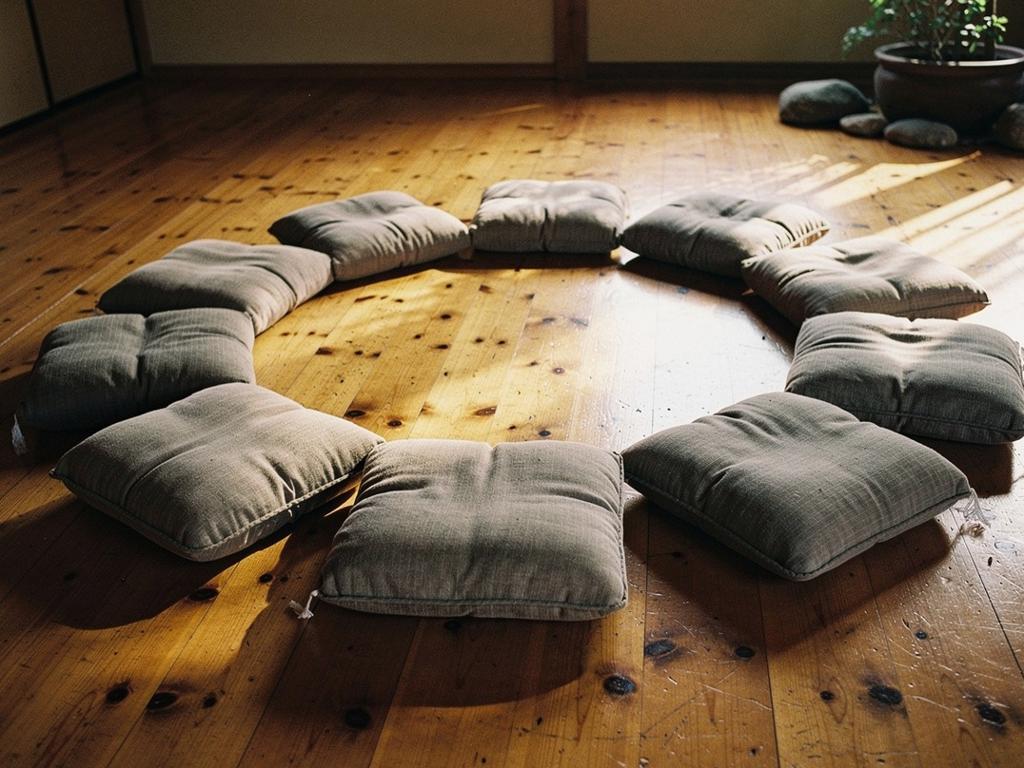
Something strange happens the first time a meditation actually lands. You sit down expecting the usual mental traffic jam — grocery lists, half-finished arguments, that email you forgot to send — and instead, for maybe thirty seconds or three minutes, the volume drops. The chatter doesn't vanish, exactly. It just stops feeling like you. For people quietly researching ayahuasca or psychedelic retreats, that first taste of stillness matters more than most realize. It's often the thing that cracks the door open — the small evidence that there's something underneath the daily noise worth exploring further. And for anyone weighing whether to spend real money flying to Peru or Costa Rica to drink a bitter brew in a jungle hut, understanding what meditation can and can't do first is one of the smartest things you can do. Most people's early attempts at meditation are, frankly, boring. You download an app. You sit on the couch. You try to “clear your mind,” which immediately produces more thoughts than you've had all week. After ten minutes you decide this isn't for you and go back to scrolling. Then — sometimes months later, sometimes years — something different happens. Maybe you're on retreat. Maybe you're just exhausted enough that your usual mental defenses are down. You settle in, and somewhere around minute fifteen the floor drops out. Not dramatically. Just a sense of spaciousness where the inner monologue used to be. A warmth across the chest. The strange recognition that you've been bracing against something your whole life and you can, apparently, stop. People describe it in wildly different ways. Some feel physical sensations — tingling, heat, a kind of gentle electricity. Others describe it as emotional: a wave of unprompted gratitude, or tears for no clear reason. Some just feel very, very quiet. What they all share is a quiet astonishment that this was available the whole time. The science is less mystical than the experience. Sustained attention — the kind you develop with meditation — gradually quiets the default mode network, the brain circuitry responsible for self-referential thinking and the running internal narrative. When that network goes offline, even briefly, the sense of being a small anxious self at the center of everything softens. Here's the interesting part for anyone looking at plant medicine: psychedelics like psilocybin and the DMT in ayahuasca appear to do something structurally similar, just far more dramatically. Imaging studies have shown that both experienced meditators and people on moderate psilocybin doses show reduced default mode network activity. The experiences aren't identical — not even close — but they rhyme. This is why so many ayahuasca facilitators ask whether you have a meditation practice before you book. It's not snobbery. It's a practical observation that people who've already spent time watching their own minds tend to handle intense inner experiences with less panic. A good ayahuasca ceremony can last six or seven hours. For most of that time, you're lying on a mat in near-darkness with your eyes closed, with no way to distract yourself. If the only thing you've ever done with your attention is point it at screens, those hours will feel very long. Possibly unbearable. People with even a modest meditation practice — twenty minutes a day for a few months — tend to describe their first ceremony differently. They still get frightened. They still sometimes meet material that shakes them. But they have a muscle for staying with discomfort rather than fleeing it, and that muscle is maybe the single most useful thing you can bring into the maloca. A few concrete reasons meditation helps before a plant-medicine retreat: You don't need to become a monk. You don't need an app subscription. You need, honestly, a timer and a willingness to be bored for a while. Start with ten minutes a day. Sit upright on a cushion or a chair — doesn't matter — and pay attention to your breath. When you notice you've drifted into thought (you will, dozens of times), gently come back. That's it. That's the whole practice. The “gently coming back” part is where the real work happens. It's not about achieving some clean, empty state. It's about building the capacity to notice where your attention has gone and redirect it without self-criticism. After a few weeks, extend to twenty minutes. After a few months, consider a weekend silent retreat if the opportunity arises. By the time you're sitting across from a shaman asking about your intentions, you'll have months of evidence that your mind is survivable company for hours at a stretch. That alone is worth more than any pre-retreat supplement protocol. Meditation isn't a replacement for therapy, and it isn't a replacement for plant medicine either. People sometimes meditate for years and never crack through certain stuck patterns — trauma that lives in the body, addictions that have their own gravity, depressions that don't yield to attention alone. This is partly why the current interest in psychedelic-assisted work exists in the first place. Some things need a bigger lever. It's also worth saying that meditation can bring up difficult material on its own. Long retreats especially can surface grief, anxiety, and old memories that most people would rather leave filed. If you've got significant trauma history, start with a trauma-informed teacher or a somatic practice like TRE before you commit to ten-day silent intensives. The point of all this work — meditative or psychedelic — is integration, not spiritual bypassing. The people who seem to get the most from ayahuasca and other master plants are rarely the ones chasing the biggest experience. They're the ones who've already done some version of the inner work and come to the medicine with specific questions, honest intentions, and the patience to let the answers land in their own time. Meditation builds exactly those qualities. If a quiet session has recently cracked something open for you — and you're starting to wonder what else might be possible with more targeted support — that curiosity is worth following carefully. Read widely. Talk to people who've been through it. Keep sitting. And when you're ready to explore the next layer, a range of thoughtfully curated ayahuasca and plant-medicine retreats can be browsed on our marketplace here, where you can filter by tradition, length, and the kind of support that fits where you actually are. The door that opened in that first real meditation isn't a one-time event. It's the start of a longer conversation with your own interior — one that plant medicine can deepen, but never replace.
Psychedelics in 2026: What the Last Quarter Changed for Retreat-Seekers
If you've been quietly watching the psychedelics space while deciding whether to book a retreat, the last three months have been a lot to track. New DEA proposals, state-level backpedals, fresh clinical trial data, and prescribers quietly setting up shop in New Zealand — the field is moving fast enough that a decision you make this autumn could look very different from one you'd have made in spring. So here's an honest, non-industry-insider walk-through of what actually shifted in Q3 of 2026, what it means for someone considering ayahuasca, psilocybin, or another plant medicine, and what to keep an eye on heading into the end of the year. No jargon unless it's necessary. No hype. Just the stuff that matters if you're the one weighing whether to spend two weeks in the Peruvian jungle or six hours in a licensed Oregon service center. The single most useful thing to understand before booking anything is that psychedelic law in 2026 is not one law. It's dozens of overlapping rules — federal, state, international, and in some cases municipal — that contradict each other on a regular basis. The quarter's news didn't fix that. If anything, it widened the gap. In the United States, the DEA moved again to place a cluster of tryptamines into Schedule I, which is the most restrictive category. For readers trying to parse what that means practically: Schedule I substances are the ones the federal government says have no accepted medical use and high abuse potential. Whether that's accurate for the molecules in question is a scientific debate; whether it affects your ability to legally sit in ceremony on U.S. soil is clearer. It makes it harder. At the same time, Oregon walked back a planned fee hike that would have made its regulated psilocybin program meaningfully more expensive to operate. That matters because Oregon remains the most mature legal psilocybin framework in the country, and when operating costs climb, retreat prices follow. The reversal is modest good news for anyone pricing out a legal domestic option. You might reasonably ask: if I'm thinking about a traditional ayahuasca ceremony in Costa Rica, why should I care about FDA frameworks or clinical trial read-outs? Three reasons. The quarter brought continued discussion of the FDA's evolving framework for psychedelic-assisted therapy — the agency is clearly still figuring out how to evaluate treatments where the drug and the therapy are inseparable. That's a hard problem. Traditional drug approval assumes you can measure the molecule in isolation. With psychedelics, the setting, the facilitator, and the integration work are part of the mechanism. The regulators know this. They're just not sure what to do about it. One of the more interesting under-the-radar developments: New Zealand now has prescribers legally able to recommend MDMA in certain clinical contexts. That's a small country making a big move, and it fits a broader pattern — Australia, parts of Europe, Canada's special access scheme, and various Latin American jurisdictions are each carving out their own paths. What this means for a retreat-seeker is simple. Your options are no longer binary. It isn't just "illegal underground ceremony" versus "wait for the FDA." There's a growing middle layer of legally sanctioned or legally tolerated access points, each with different rules about who qualifies, what the protocol looks like, and whether a foreigner can even participate. Don't assume any of this is easy to navigate from the outside. The paperwork, residency requirements, and medical screening involved in a legal access pathway are often more intensive than booking a retreat. But if legality is a non-negotiable for you — because of a security clearance, a custody situation, a professional license — these programs are increasingly worth researching. Ayahuasca sits in its own category, legally and culturally. It's not being evaluated by the FDA. It's not scheduled by name in most countries, though its DMT content puts it in a grey zone almost everywhere outside its traditional Amazonian context. The quarter's regulatory news in the U.S. doesn't directly change the ayahuasca retreat landscape, but it shifts the backdrop. A few trends worth noting if ayahuasca is on your shortlist: A thread that keeps running through quarterly updates: psychedelics and master plants are being studied, with varying degrees of rigor, as tools for addiction recovery. Ibogaine for opioid use disorder has the most dramatic preliminary data. Psilocybin has solid trial results for alcohol and tobacco. Ayahuasca shows signal for substance use broadly, though the research base is thinner. None of this means plant medicine is a cure. It means that for a subset of people, in the right container, with the right preparation and follow-up, a psychedelic experience can create a window where change is suddenly possible. The window closes. What you do while it's open is what matters. Any retreat that promises you'll walk out healed is either naive or lying. If you're considering plant medicine specifically because you're struggling with addiction, a few honest notes. Ibogaine carries real cardiac risk and must only be done at a facility with proper medical screening and monitoring. Ayahuasca interacts dangerously with SSRIs and some other medications. Psilocybin is physiologically safer but psychologically demanding. The decision isn't just "which substance" — it's which setting, which facilitator, and whether your current life can hold whatever surfaces. A few things worth tracking if you're the type who likes to make a decision with the current map in hand: News cycles are seductive. They can make you feel like you're preparing by reading, when really you're just reading. If you've been researching for more than a few months and still haven't moved, that's worth noticing. Not every reader of this kind of article should book a retreat — but if you keep coming back to the question, there's usually a reason. A short checklist before you commit to anything: The regulatory and research story will keep evolving — every quarter brings its own round of shifts, and the next one is already shaping up to be interesting. For readers who want to move past reading and start looking at specific options, a curated range of ayahuasca and plant-medicine retreats can be browsed on our marketplace here. Whatever you decide, decide slowly. This is one of those choices that rewards patience.
Safety in Ayahuasca Ceremonies: Red Flags, Boundaries, and How to Protect Yourself
Here's something the glossy retreat brochures rarely mention: not every ceremony space is safe. Most are. Many facilitators are serious, trained, and genuinely devoted to the work. But a small, persistent minority use the altered, vulnerable state ayahuasca produces as cover for behavior that would be criminal anywhere else. If you're researching your first retreat — or your tenth — this is the conversation you deserve to have before you book, not after something goes wrong. Ayahuasca sits at an uncomfortable intersection. It's a sacred plant medicine with centuries of traditional use, and it's also a largely unregulated industry where almost anyone can hang a shingle, call themselves a shaman, and start pouring brew. That gap — between the depth of what the medicine opens up and the thinness of professional accountability around it — is where harm lives. So let's talk honestly about it. Ayahuasca dissolves the boundaries most people rely on to protect themselves. You're often lying down in the dark, physically immobilised by the medicine, emotionally cracked open, sometimes unable to speak or sit up. Your sense of time distorts. Your usual threat-detection goes offline. You've been told, often repeatedly, to surrender and trust the process. In the right container — trained facilitators, clear ethical protocols, witnesses present, consent established while sober — that surrender is where the healing happens. In the wrong container, it's an open door. Facilitators have unobstructed physical access to people who literally cannot consent in any meaningful legal sense. Combine that with cultural reverence (the shaman is treated as a channel for the spirits), language barriers, remote jungle locations, and a group dynamic that discourages anyone from making a fuss, and you have conditions that occasionally attract exactly the wrong kind of person to the role. None of this is theoretical. Reports of non-consensual touching, grooming, and sexual assault at ayahuasca retreats surface regularly in survivor communities, in investigative journalism, and in the quiet conversations that happen after people get home and process what actually occurred. The industry's response has been patchy at best. Before we get to the red flags, it helps to know what normal looks like. In a well-run ceremony, physical contact from facilitators is minimal, purposeful, and predictable. A hand on the shoulder during an icaro. A supportive arm if you need to walk to the bathroom. A blanket adjusted when you're cold. That's roughly the range. Any touch that happens should be something you were told about during the pre-ceremony briefing. Reputable retreats explain, in daylight, exactly what the facilitators do and don't do — including whether any form of bodywork, limpia (energetic cleansing), or close physical contact is part of their practice. You should be asked for consent, and told you can withdraw it at any point without any spiritual consequence being implied. Here's a quick benchmark for what you should see at a safe retreat: Most harm is predictable in hindsight. The warning signs tend to show up long before anyone drinks the brew — in how the retreat markets itself, how it answers your emails, and how it talks about past participants. Watch for the lone-genius setup: one charismatic shaman, no apparent oversight, a cult of personality around him (and it's almost always a him). Watch for retreats that can't or won't name their lineage, won't tell you where the facilitator trained, or get defensive when asked about credentials. Traditional Shipibo, Shuar, and other Amazonian lineages have apprenticeships that take decades. Someone who did a two-week course in Pucallpa and is now running ceremonies for Westerners is not the same thing. Also pay attention to the language. If the website leans heavily on words like “sacred container,” “divine masculine energy,” or anything suggesting the shaman has special sexual-spiritual gifts to share with participants, run. If testimonials are vague and ecstatic but nobody will put you in touch with a past participant, that's a pattern. If the retreat discourages you from using your phone, keeping a journal, or talking to other participants about your experience, that's a bigger pattern. Some questions worth asking out loud before you pay a deposit: A retreat that answers these cleanly is probably fine. A retreat that gets evasive, offended, or spiritually superior is telling you something important. This is the part people need to hear plainly: the altered state does not override consent. Ever. If something happens in ceremony that feels wrong — a touch that lingers, a facilitator who seems too interested, physical contact that was never discussed — your instinct is correct, even if you can't articulate why in the moment. The medicine does not grant anyone permission to touch your body in ways you didn't agree to while sober. If you can speak, speak. “No.” “Stop.” “Get away from me.” These words still work in Spanish, English, or whispered into the dark. If you can't speak, try to move your body away. If you can't move, remember what happened as clearly as you can and tell someone the moment you're able. Afterwards, write it down. Dates, times, who was present, what was said, what was done. Memory under the influence of DMT is slippery, and shame has a way of making people doubt themselves within hours. A written account made while things are still fresh is both for your own clarity and, if you decide to pursue it, for any later reporting. First: it was not your fault. Not because you drank the medicine, not because you went to a remote location, not because you trusted someone wearing feathers. Predators use the structure of ceremony specifically because it isolates people and complicates reporting. That is on them, not on you. Second: you have options, and none of them require you to decide right now. You can talk to a trauma-informed therapist, ideally one familiar with psychedelic experiences. You can contact organisations like the Chacruna Institute, which maintains resources for survivors of ayahuasca-related abuse. You can report to local authorities in the country where it happened, though this is often legally complicated. You can warn others by posting in survivor forums, by name, with specifics — this is how most of the known patterns got documented in the first place. Integration after this kind of experience is its own long process, and it looks nothing like the integration your retreat probably talked about. It involves grief, rage, and often a complicated relationship with the medicine itself. Many survivors eventually return to plant medicine in different, carefully chosen contexts. Many don't. Both are legitimate. None of this should scare you away from ayahuasca if you've been called to it. The medicine itself isn't the problem. The problem is the thin layer of accountability that currently surrounds Western access to it. You can navigate that layer with care. Prioritise retreats that have been operating for years with consistent staff. Prioritise ones run by, or in genuine partnership with, indigenous communities who have reputational skin in the game. Prioritise ones that make their safety protocols boring and explicit rather than mystical. Trust organisations that treat you as an adult making a medical and spiritual decision, not as a seeker who needs to be opened up. Ask the awkward questions. Note how the answers feel in your body, not just how they read on paper. If you're between two options and one feels cleaner, trust that. The medicine will still be there if you take an extra three months to find the right place. For readers who want to take this further, a range of vetted ayahuasca and plant-medicine retreats can be browsed on our marketplace here. Choose carefully, ask every question twice, and remember that any space worth sitting in will welcome your scrutiny rather than resent it.
What Your Afternoon Nap Might Be Telling You About Your Health
Lying down for twenty minutes in the middle of the day feels like one of the most innocent things a body can do. You’re tired, you close your eyes, you wake up and get on with it. Nothing to think about. And in your sixties, seventies, eighties, that afternoon rest starts to feel almost inevitable — nighttime sleep gets lighter, mornings arrive earlier, and the nap slides into the routine without anyone really deciding it should. Here’s the thing most of us miss, though. A nap isn’t only rest. It’s also a readout. Energy levels, sleep quality at night, inflammation, the state of your circadian clock — all of it can quietly show up in how, when, and how long you sleep during the day. Often well before anything feels obviously wrong. That’s why a long-running study on napping patterns in older adults is worth a careful look. Not because naps are suddenly the villain. They’re not. But because the shape of your napping may be carrying information about your overall health that most people — and most doctors, honestly — don’t think to read. The study followed more than 1,300 adults, most of them in their seventies and eighties, for up to 19 years as part of a long-term aging cohort. Rather than ask people to remember their napping habits (which, let’s be honest, nobody remembers accurately), researchers strapped wearable devices on participants for about ten days at the start of the study to objectively measure daytime sleep. They zeroed in on four features of napping. How long each nap lasted. How often naps happened. How consistent the pattern was from day to day. And when during the day those naps actually occurred. Then they tracked health outcomes over the following years — specifically all-cause mortality — while adjusting for the usual suspects: nighttime sleep duration, existing chronic conditions, baseline health status. The question was simple. Does the way a person naps carry a signal of its own, separate from general aging and illness? Three patterns jumped out. People who slept longer during the day had a higher risk of dying over the follow-up period — each additional hour of daytime sleep was tied to roughly a 13% increase in mortality risk. More frequent napping mattered too. Each extra daily nap was linked to about a 7% higher risk. Timing was the sneakier variable. People who napped in the morning had around a 30% higher risk compared with those whose naps clustered later in the afternoon. Morning sleepiness, in other words, looked meaningfully different from a post-lunch slump. None of this means a nap is causing harm. The researchers are careful about that. The more useful framing is that longer, more frequent, or earlier naps may be surfacing when something else is already shifting — disrupted circadian rhythms, poor-quality nighttime sleep, cardiovascular strain, early neurological changes. The nap isn’t the problem. It’s the smoke, not the fire. Daytime sleep sits at the intersection of a lot of systems. Your brainstem decides how alert you feel. Your heart and vascular system influence how much oxygen is making it where it needs to go. Your metabolism shapes how steady your energy stays through the afternoon. And your circadian clock, that internal 24-hour timer, decides when you’re supposed to be awake in the first place. When all of that is humming, a nap is usually short, occasional, and lands in the natural afternoon dip somewhere between 1 and 3 pm. When one of those systems starts to drift — poor sleep architecture overnight, sleep apnea you don’t know you have, a medication that’s sedating you more than it used to, an early inflammatory process — the nap pattern tends to drift with it. That’s what makes the findings on morning napping interesting. Needing to sleep at 10 am is biologically weird for most adults. Your cortisol should be peaking, your core temperature rising, your brain gearing up. If that’s not what’s happening, the body is telling you something worth hearing. Let’s head off the obvious misreading. The study is not saying stop napping. A short afternoon nap, especially one in the 20 to 30 minute range, is one of the better things most adults can do for alertness, mood, and cognitive performance. Pilots do it. Surgeons do it. There’s nothing wrong with resting your eyes after lunch. What the research is pointing at is change over time. The signal shows up when: Any one of those shifts is worth paying attention to. All of them together are worth a conversation with a doctor who’s willing to look beyond “you’re just getting older.” If daytime sleep is quietly expanding, there are a few obvious places to look before you accept it as inevitable. Nighttime sleep quality is the first one — not just how many hours, but whether you’re actually cycling through deep and REM sleep or waking fragmented without remembering it. A sleep study can be startlingly revealing here, especially for undiagnosed sleep apnea, which is wildly underdiagnosed in older adults and shreds overnight recovery without any dramatic symptoms. Cardiovascular health is the next layer. Fatigue that drives napping can trace back to anything from mild heart failure to anemia to blood pressure medications doing a little too much of their job. Mood matters too — depression often shows up first as “I’m just so tired all the time” rather than as classic sadness. And metabolic shifts, especially around blood sugar regulation, can quietly turn afternoons into a wall of drowsiness. None of this is cause for panic. It’s cause for curiosity. The body is a decent communicator when you’re willing to listen in a specific way. There’s a cultural reflex, particularly in the wellness world, to treat tiredness as a moral failing — proof you didn’t optimize hard enough, didn’t biohack your sleep, didn’t drink the right adaptogen. That’s mostly unhelpful. Fatigue is data. Napping is data. The urge to lie down at an unusual time of day is data. The useful question isn’t “how do I nap less?” It’s “why is my body asking for rest in a different way than it used to?” Sometimes the answer is boring and fixable — you’re under-sleeping at night, you’re dehydrated, you started a new medication. Sometimes it points toward something that deserves a closer look. Either way, you learn something. And for readers whose exhaustion runs deeper than nap patterns — the kind of bone-level tiredness that comes from years of stress, unprocessed grief, or stuck patterns the body refuses to let go of — rest alone sometimes isn’t enough to shift it. Many people in that place end up exploring contemplative or plant-medicine work as a way to interrupt the loop, and a range of relevant retreats can be browsed on our marketplace here. Pay attention to what your body is telling you in the quiet hours. It’s usually right.
The Surprising Power of Acceptance: What Anxiety Taught Me About Healing
For most of a year, I woke up at 3 a.m. like clockwork. Heart hammering. Mind already three laps into the same panicked circuit — what if I can’t keep up at work, what if the money runs out, what if I’m alone forever. By sunrise I’d doze off again, then haul myself through the day like a shell of a person, nodding in meetings, pretending I was fine. I wasn’t fine. I was a highly sensitive person who had spent decades flinching at other people’s opinions, and the scaffolding I’d built around that fear had just collapsed. What finally pulled me out wasn’t a technique or a pill or a breakthrough. It was something stranger and quieter — the slow, deeply counterintuitive practice of accepting that the anxiety could stay. I want to tell you how that happened, because I meet a lot of people now — in my counseling work, at retreats, in the quiet corners of plant-medicine integration circles — who are doing the same thing I was doing. Stirring the muddy water with everything they’ve got, trying to make it clear. I’ve been sensitive since before I knew the word for it. After any conversation with a new person, I’d run the whole thing back frame by frame — the pauses, the half-smiles, the one awkward joke I made — trying to decode exactly what they thought of me. Did they like me? Had I embarrassed myself? Had they noticed the thing I was most insecure about that week? In daily life, I rarely spoke freely. There was a background hum of fear that if people saw who I actually was, they’d turn away. Socializing didn’t feel like connection. It felt like an exam I kept not quite passing. Exhausting, honestly. But for years I compensated. I studied psychology. I traveled. I pushed myself to show up to things even when every nerve in me wanted to cancel. Life wasn’t easy — but it was manageable. Until it wasn’t. In 2019 I ended a fifteen-year relationship. Within the same stretch of months I moved into a new apartment and started a new job. Love, home, work — the three load-bearing walls of a life — all gone or under construction at the same time. I had no idea who I was anymore. No idea where any of this was heading. That’s when the anxiety I’d quietly carried for years grew teeth. It wasn’t background hum anymore. It was a full-time roommate. My sleep went first. Then my energy. Then my interest in anything that used to feel like mine. I showed up at work. I answered emails. I smiled at the right moments. Inside, there was almost nothing. Here’s the embarrassing part. I had a psychology background. I could have diagnosed myself before breakfast. But knowing the theory and actually being able to use it on yourself when you’re the one drowning — those are two different worlds, and I didn’t have the strength to swim between them. What finally cracked something open was giving up. Not giving up on life — giving up on the project of fixing myself. I stopped trying to recover on a deadline. I stopped treating my own healing like a sprint I was losing. If I couldn’t fix myself, maybe I could at least stop punishing myself for being broken. So I did embarrassingly small things. I took myself out to dinner and ordered what I actually wanted. I bought myself a shirt I didn’t need. I picked up little gifts for no reason — a candle, a notebook, a weird ceramic cup. Slowly, almost without noticing, I stopped being my own enemy. And one unremarkable afternoon, a stubborn little voice rose up in me and said, okay. Now I want to fight back. I read the self-help books. I watched the videos. I tried the techniques. And I started to meditate, which at first felt genuinely awful. I’d sit down and my mind would detonate. Old arguments, future disasters, grocery lists, a sudden urge to scratch my ankle. Five minutes felt like forty. Every fiber of me was yelling, get up, this isn’t working, you’re bad at this too. But something underneath the noise was quietly insisting this was the right door, even if I couldn’t get it open yet. So I kept sitting. Three or four times a week. Five minutes stretched to ten, ten to twenty, twenty to forty. No bliss. No white light. No breakthrough. Just me, learning the plain, unglamorous skill of staying. Roughly a year in, something shifted. A wave of anxiety rose up — same shape, same heat, same old familiar grip. But this time I noticed something underneath it: there was a part of me watching the wave. The anxiety was absolutely there. And so was the one noticing it. And the one noticing was calm. It was the first time I understood, not as an idea but as a felt thing, that I wasn’t my anxiety. The anxiety was moving through me like weather moves through sky. The sky doesn’t argue with the storm. It doesn’t have to. It just holds it. Around that time I picked up a book on Morita therapy — a Japanese approach developed over a century ago by the psychiatrist Shoma Morita — and it put language around what my cushion had been teaching me the hard way. Morita’s core idea landed with an almost comic simplicity. Feelings aren’t under our control. We can’t reason our way out of anxiety, pep-talk our way out of grief, or willpower our way into calm. Trying to erase a feeling only feeds it. The harder you stir muddy water trying to clear it, the muddier it gets. What we can control is what we do. Morita called this arugamama — accepting things as they are — and then taking the next action anyway. Anxious? Fine. Bring the anxiety along and send the email. Go to work. Wash the dishes. Live your life with anxiety riding shotgun instead of standing on the curb waiting for it to leave. I had spent years waiting to feel better so I could live better. Morita said I had it backwards. Live first. The feelings follow. This isn’t one of those stories that ends with and then the anxiety vanished forever. I’m still highly sensitive. I still occasionally snap awake at 3 a.m. for no good reason. The difference is what happens next. Here’s what has actually worked for me, stripped of mysticism: I want to be honest about where this fits in the wider world of healing practices. A lot of people reading something like this are also wondering about deeper interventions — therapy, somatic work, psychedelic-assisted work, ayahuasca ceremonies, plant medicine retreats, the growing conversation around psychedelics and addiction and depression. Those paths can crack things open in ways that years of sitting on a cushion never will. I’ve seen it in clients. I’ve seen it in myself. But here’s what I keep noticing: people come back from a ceremony with insight pouring out of them, and then the hard part begins. The insight has to become a life. And the daily skill that makes integration actually stick looks a lot like what Morita was pointing at — the quiet willingness to let a feeling be there while you do the next right thing. The master plants show you the sky. The practice is learning to live as the sky when there’s no medicine in your system, when it’s a Tuesday, when the anxiety is doing its old number again. If you’re weighing a retreat right now, that’s worth factoring in. Ceremony is not a shortcut past the practice. It’s a doorway that opens onto the practice. The people who seem to get the most out of plant-medicine work are the ones who already know how to sit with discomfort a little — or who are willing to learn after. I eventually trained as a psychological counselor. When clients sit across from me now, desperate to delete their anxiety, I recognize the look. It’s the look of someone stirring muddy water with everything they’ve got, convinced that if they just stir harder it’ll clear. I tell them what I wish someone had told me earlier: you don’t have to win against your own mind. Your feelings are weather. You are the sky. The anxiety, the 3 a.m. dread, the exhausting worry about what people think of you — none of it is the enemy. It’s just something passing through something vast. You don’t have to fix yourself before you live your life. You can bring the whole messy bundle along, one small action at a time. And one day — maybe a year from now, maybe sooner — you’ll catch sight of the watcher too. The calm one who was there the whole time, waiting for you to stop fighting long enough to notice. If any of this resonates and you’re curious about going deeper through ceremony, integration work, or guided plant-medicine settings, a range of psychedelic and plant-medicine retreats can be explored on our marketplace here.
Dreaming of a Psychedelic Retreat?
We have the best deals and offers from thousands of organizers all over the world! Get them into your mailbox every week!
We value your privacy. Your email address will never be shared or published.
