 English
 Deutsch
 Français
 Nederlands
 Español
SHOP AYAHUASCA RETREATS BLOG
Psychedelic Retreats: An Honest Guide for the Quietly Curious
Axel Hartley
July 4, 2026
Your ultimate guide to discover transforming ayahuasca and psychedelic experiences. Dive into serene destinations and elevate your consciousness to unparalled heights.
Discover Ayahuasca & Psychedelic Retreats NowSearch for ayahuasca & psychedelic retreats
Discover retreats, trainings, and holidays from all over the world
Most people who eventually sit in an ayahuasca ceremony spend months circling the decision first. They read one blog. Then five more. They talk to a friend of a friend who came back from Peru either radiant or rattled — sometimes both. And somewhere in that research spiral, the question stops being what is ayahuasca and starts being should I actually do this.
If that's where you are right now, this piece is for you. Not a hype reel. Not a warning label either. Just the stuff I wish someone had told me before I first sat down on a mat in the Amazon, wondering what I'd signed up for. Ayahuasca and other master plants have been part of practical human experience for a very long time — thousands of years, in some traditions — and the current wave of psychedelic retreats sits on top of that lineage in ways that are sometimes beautiful and sometimes messy.
What a Psychedelic Retreat Actually Is (and Isn't)
A retreat, in the sense we're talking about, is a structured multi-day container in which you take a plant medicine — usually ayahuasca, sometimes psilocybin, San Pedro, ibogaine, or kambo — under the guidance of facilitators. The good ones include preparation calls beforehand, a specific diet, ceremony nights with music and support, and integration work in the days after. The bad ones hand you a cup and hope for the best.
It's not a spa. It's not a vacation. You will probably be uncomfortable at some point — physically, emotionally, or both. The purge (yes, the vomiting; yes, sometimes the other end) is not a bug in the software. In the Shipibo tradition it's considered part of how the medicine works, moving stuck material out of the body. Most people who come back saying it changed their life also came back saying it was the hardest week of their life. Both things are true.
What a retreat also isn't: a treatment. No reputable facilitator will tell you ayahuasca will cure your depression, fix your marriage, or end your addiction. What they'll say — if they're honest — is that plant medicine can crack something open. What you do with the crack is on you.
How Much Does an Ayahuasca Retreat Actually Cost?
Ballpark numbers, because vague answers help no one. In Peru, a well-run 7-day ayahuasca retreat runs roughly $1,500 to $3,500 all-in for accommodation, ceremonies, food, and facilitation. In Costa Rica or Mexico, expect $2,000 to $5,000 for a similar length. In the Netherlands or Portugal, where psilocybin truffle retreats operate legally, you're looking at €800 to €2,500 for a shorter format. Ibogaine treatment, which is medicalised and requires cardiac screening, runs $6,000 to $15,000 and up.
Then there are the hidden costs no one lists on the website:
- Flights, sometimes to a jungle city you've never heard of, plus a boat or bus ride to the retreat itself.
- Time off work — count the full week, plus a soft landing period afterward when you probably shouldn't be running important meetings.
- Integration therapy back home. Budget for at least three or four sessions with a psychedelic-informed therapist. This is not optional.
- The pre-retreat diet, which for ayahuasca means cutting out certain foods, alcohol, and often SSRIs weeks in advance — sometimes requiring medical supervision.
Cheap retreats exist. Some of them are genuinely run by traditional healers on modest budgets, and those can be extraordinary. Others are cheap because they cut safety corners. If a place doesn't screen your medical history or ask about your medications, that price tag isn't a bargain — it's a red flag.
Can Plant Medicine Actually Help with Addiction?
This is where I want to be careful, because the field is full of overclaims. Here's what the research and the honest practitioner reports suggest, as of the last few years.
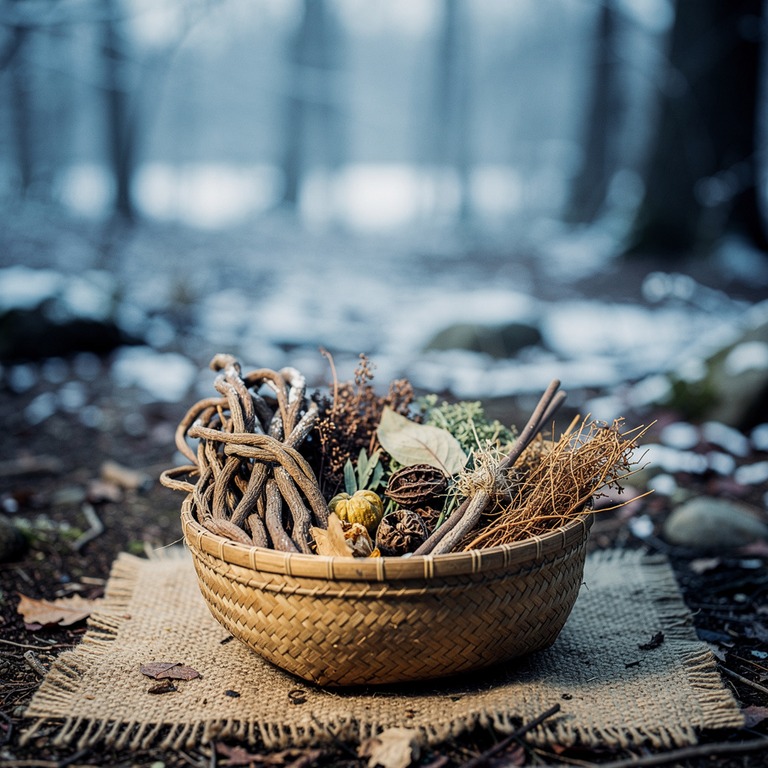
Ibogaine, derived from the West African iboga root, has the strongest anecdotal and clinical track record for interrupting opioid dependence. It appears to reset something in the brain's reward circuitry, and many people describe leaving treatment without the physical cravings that dominated their lives. It's also cardiotoxic and has killed people. It should only ever be taken in a facility with cardiac monitoring and trained medical staff. Full stop.
Ayahuasca has a longer, quieter history with alcohol dependence, tobacco addiction, and compulsive patterns broadly — the kind of stuck loops that sit downstream of trauma. The mechanism isn't a chemical reset so much as a confrontation. People often report seeing their addiction from the outside, understanding what it's been protecting them from, and leaving with a different relationship to the substance. Psilocybin trials at Johns Hopkins and NYU have shown similar effects for smoking cessation and alcohol use disorder, with retention rates that put most conventional treatments to shame.
None of this makes plant medicine a magic bullet. Relapse rates without integration and ongoing support are high. What psychedelics seem to do, at their best, is create a window — a few weeks where old patterns feel optional instead of mandatory. Whether you walk through that window depends on the boring, unglamorous work you do afterward.
How to Choose a Reputable Retreat
This is where most first-timers go wrong. They pick based on Instagram aesthetics or a friend's enthusiastic recommendation, without asking the questions that actually matter. Here's what to screen for:
- Medical screening. A good retreat will ask about SSRIs, MAOIs, heart conditions, family history of psychosis, and current medications. If they don't ask, walk away.
- Facilitator-to-participant ratio. Ideally one experienced facilitator per four to six participants in ceremony. Groups of thirty with two facilitators are ceremonies waiting to go sideways.
- Lineage and training. Who trained the shaman or facilitator? How long have they been serving medicine? A curanderoo who apprenticed for fifteen years in a Shipibo community is a different proposition than someone who did a two-week course in Tulum.
- Integration support. Do they offer post-retreat calls or connect you with therapists at home? A retreat that drops you at the airport and disappears is doing half the job.
- Consent and safety culture. Ask directly about their protocol for sexual misconduct, medical emergencies, and psychological crises. A serious operation has serious answers. A vague one doesn't.
- Reviews from people who look like you. A retreat that works beautifully for seasoned meditators in their forties may not be right for someone in their first year of sobriety.
One more thing: trust your gut on the intake call. If the person on the other end feels evasive, salesy, or dismissive of your concerns, that's data. The medicine is powerful. The container has to match it.
What Master Plants Ask of You
In the Amazonian traditions, ayahuasca isn't the only teacher. There's a whole category of what's called plantas maestras — master plants — each with its own character and lessons. Tobacco (real mapacho, not commercial cigarettes) is considered the grandfather of them all. Bobinsana opens the heart. Chiric sanango teaches courage. Working with these plants often involves a dieta, a period of isolation and specific food restrictions during which the plant is said to reveal itself to you in dreams and visions.
You don't need to buy the metaphysics to take this seriously. Whether you frame it as spirit-of-the-plant or as your own psyche using plant chemistry as a mirror, the experience tends to demand honesty. People describe seeing patterns in their lives they'd been avoiding for decades. Old grief comes up. Old anger. Sometimes joy so uncomplicated it feels unfamiliar.
What master plants seem to ask, in return, is that you take the insights home and actually change something. Not everything. Just one thing. The people I've watched flourish after retreats are almost always the ones who came back and did small, boring, consistent work — therapy, sobriety, harder conversations with people they loved, quieter mornings. The people who chased the next ceremony six weeks later tended to end up where they started.
Before You Book
Sit with the decision for at least a month. Read three books — Michael Pollan's on psychedelics broadly, Rachel Harris on ayahuasca specifically, and one first-person account from someone whose life doesn't look like yours. Talk to a therapist about why you're considering this now. If they're psychedelic-informed, even better; if not, their questions will still be useful.
Then, if it still feels right, look carefully. A range of vetted ayahuasca and plant-medicine retreats — with lineage details, medical protocols, and honest participant reviews — can be browsed on our marketplace here. Whatever you choose, choose slowly. The medicine has been here for millennia. It'll still be here next season.

Craving More Stories?
Join our ShopAyahuascaRetreats newsletter for the latest updates on thrilling
destinations and inspirational tales, delivered straight to your inbox!
We value your privacy. Your email address will never be shared or published.