 English
 Deutsch
 Français
 Nederlands
 Español
SHOP AYAHUASCA RETREATS BLOG
Dreaming of Ayahuasca: What It Means When Ceremonies Visit You at Night

Ezra Caldwell
July 3, 2026
Your ultimate guide to discover transforming ayahuasca and psychedelic experiences. Dive into serene destinations and elevate your consciousness to unparalled heights.
Discover Ayahuasca & Psychedelic Retreats NowSearch for ayahuasca & psychedelic retreats
Discover retreats, trainings, and holidays from all over the world
Some people finish an ayahuasca retreat and, three weeks later, wake up sweating from a dream where they were back in the maloca. The icaros. The candlelight. The rope of the visions unspooling behind their eyes. And then — nothing. Just their bedroom ceiling and a strange sense that something continued without them.
If this has happened to you, you're not losing your mind. Dreams about ayahuasca — before, between, or years after ceremony — are one of the more common threads that come up when people talk honestly about their relationship with plant medicine. They rarely get discussed in the glossy retreat brochures. But they show up in the private messages, the integration circles, and the quiet conversations at breakfast the morning after.
Let's actually talk about what's going on.
Why Ayahuasca Shows Up in Your Dreams
Ayahuasca is a strong pharmacological event and a strong psychological event at the same time. The brew contains DMT and MAO inhibitors that produce vivid visual and emotional experiences, and the ceremony itself is a container packed with meaning — music, darkness, other people processing their own material, sometimes the smell of mapacho or agua de florida. Your nervous system files all of that away. It doesn't just evaporate when you fly home.
Dreams are, among other things, how the brain sorts through unfinished business. If ceremony surfaced material you didn't fully process — grief you touched but didn't finish crying out, a memory that flickered past too fast, an emotion you clamped down on because you were embarrassed to make noise — that material tends to come back looking for another crack at consciousness. Sometimes it comes back wearing the exact costume of the original event.
There's also the simpler explanation: you spent hours or days in an altered state. Your brain now has a template for that state. Under the right conditions — REM sleep, stress, hormonal shifts, even just thinking about the retreat before bed — it can reproduce fragments of the template on its own. No brew required.
The Different Flavors of Ayahuasca Dreams
People report a few distinct types, and it helps to know which one you're having.
- The replay dream. You're back in the maloca. The facilitator is pouring the cup. You're aware you already did this — sometimes you're aware you're dreaming — and you're being handed another dose of whatever you didn't finish last time.
- The visitation dream. Images, geometries, or beings that felt distinctly ayahuasca-flavored show up in an otherwise ordinary dream. You might be at work, and then suddenly the walls breathe in that specific way, or a figure that reminds you of a ceremony vision walks through.
- The teaching dream. The dream carries the same instructional quality some people report during ceremony — a message, a metaphor, a clear directive about your life. These often feel more coherent than normal dreams and are harder to shake off in the morning.
- The purge dream. Less common, but real: dreams involving strong emotion, sometimes physical sensations of nausea or release, that echo the somatic side of ceremony. People occasionally wake up crying.
- The anticipation dream. Happens before a retreat. Your subconscious is already rehearsing. Sometimes reassuring, sometimes anxious, sometimes both in the same night.
None of these are pathological. They're the mind doing what minds do when they've been given a lot to metabolize.
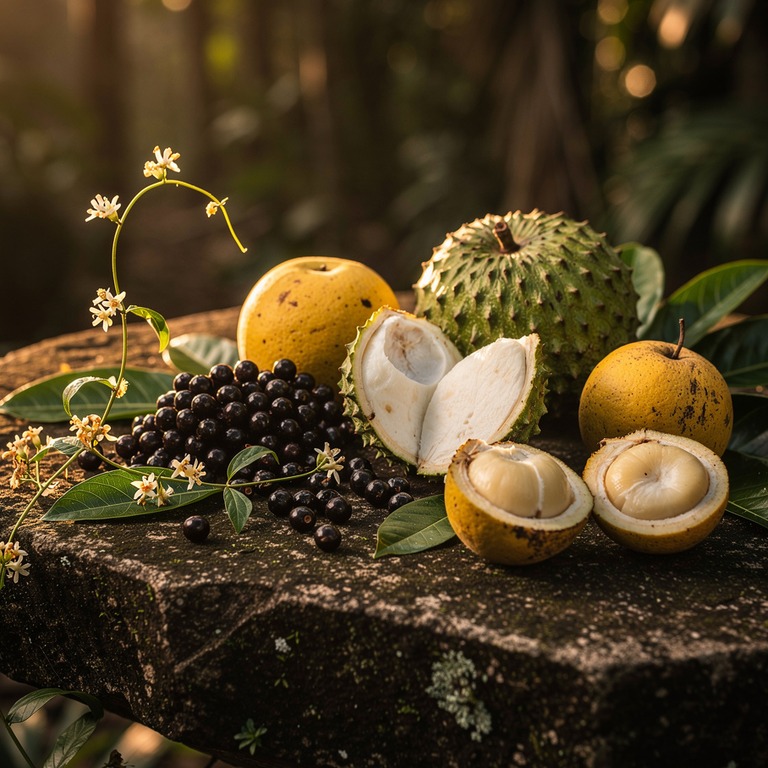
Is This a Sign the Medicine Is Still Working?
Short answer: probably yes, in the sense that integration is a longer arc than most first-timers expect.
Traditional Amazonian frameworks talk about master plants as teachers whose lessons unfold over months or years, not hours. From that perspective, a dream visit isn't a bug in the system — it's part of the curriculum. The plant, in this view, is continuing a conversation that started in the ceremony. Whether or not you buy the animist framing, the phenomenological experience matches: something that got opened during ceremony hasn't fully closed, and it uses your dream-state as a workshop.
The more clinical framing arrives at a similar place through a different door. Psychedelic-assisted therapy research has shown that the weeks and months following a session are when much of the psychological rearrangement actually happens. Neuroplasticity stays elevated. Default patterns loosen. Dreams during this window are often more vivid across the board, not just ayahuasca-themed ones. Your inner housekeeping is running on higher settings.
Which brings up a useful point for anyone still deciding whether to attend a retreat: the ceremony is the smaller part. The bigger part is what you do with the six weeks that follow. If dreams are one channel through which the work continues, they deserve attention, not dismissal.
What to Do With an Ayahuasca Dream
You have options. Here's what tends to actually help.
- Write it down before you move. Dreams evaporate fast. Keep a notebook by the bed. Even fragments — a color, a phrase, a feeling — are worth capturing. You'll be surprised how many patterns emerge over months of scribbled notes.
- Sit with the emotion, not the imagery. The visuals are the vehicle. The feeling is the cargo. Ask: what was I actually feeling in that dream? Sadness? Relief? Fear I hadn't named? That's the material worth working with.
- Bring it to integration. If you have an integration therapist, coach, or trusted circle from your retreat, dreams are perfectly legitimate content. A good integration guide will treat them the same way they'd treat any other post-ceremony experience.
- Resist the urge to book another retreat immediately. A vivid dream can create a hunger to return to ceremony. Sometimes that pull is genuine. Sometimes it's avoidance dressed up as devotion — going back to the medicine because sitting with what already came up feels harder than another journey. Give it time before deciding.
- Talk to someone who's been there. Not a random forum. Someone whose ayahuasca experience you'd actually trust. Dream content is very personal and gets flattened badly by anonymous internet advice.
When Dreams Feel Overwhelming
Most ayahuasca dreams are neutral or useful. But it's worth naming the ones that aren't.
If you're having recurring distressing dreams, nightmares that disrupt sleep for weeks, or dream content that's leaving you dissociated during the day — that's a signal to reach out to a professional who understands psychedelic aftercare. Not every therapist gets it, but a growing number do. This kind of aftershock is more common in people who went into ceremony carrying unprocessed trauma, and it's not something to white-knuckle through alone. It doesn't mean you're broken or that the medicine was wrong for you. It means the container needs to be bigger than the retreat itself provided.
Reputable retreats build aftercare into their model precisely because this happens. If you're still in the research phase and comparing options, that's one of the sharpest questions to ask: what does their integration support actually look like, six weeks out? Six months out? A place that shrugs at the question is telling you something.
The Longer View
People who've been around plant medicine for a while tend to talk about it less as a set of discrete events and more as a relationship that keeps unfolding. Dreams are part of that relationship. So are the songs that get stuck in your head months later. So are the moments when you catch yourself acting differently in an old situation and can't quite explain why.
If you're still weighing whether to sit with ayahuasca at all — reading articles like this one at midnight, going back and forth — the dream question might actually be useful data. The medicine doesn't just visit for one weekend. It tends to move in for a while. That's the honest version of what you're signing up for, and it's worth knowing before you book anything.
For readers who want to take this further, a curated selection of ayahuasca retreats with real integration support can be browsed on our marketplace here. Whatever you decide, treat the dreams that come — before or after — as part of the work, not a strange side effect of it.

Craving More Stories?
Join our ShopAyahuascaRetreats newsletter for the latest updates on thrilling
destinations and inspirational tales, delivered straight to your inbox!
We value your privacy. Your email address will never be shared or published.