 English
 Deutsch
 Français
 Nederlands
 Español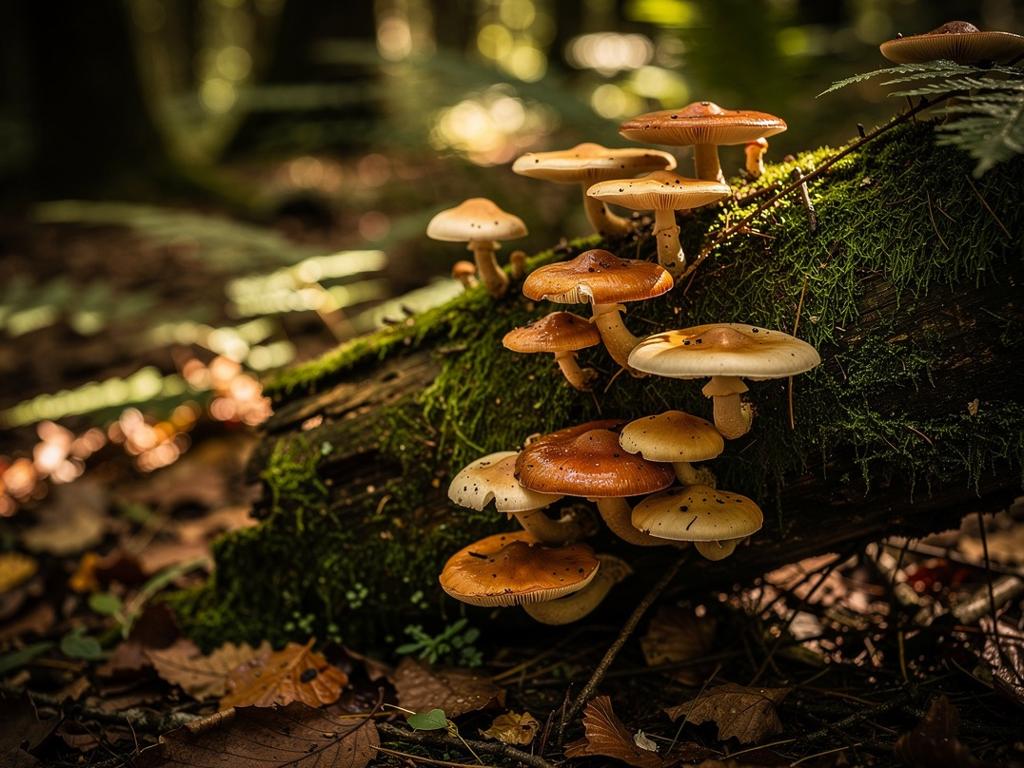



Reset. Heal. Grow.

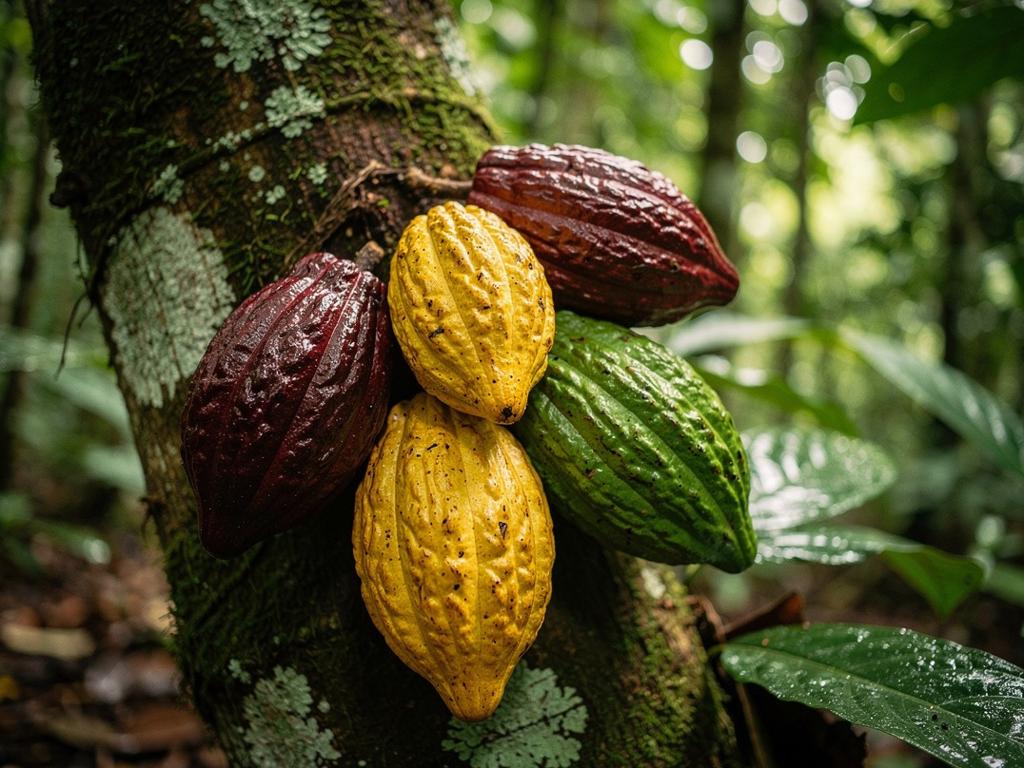
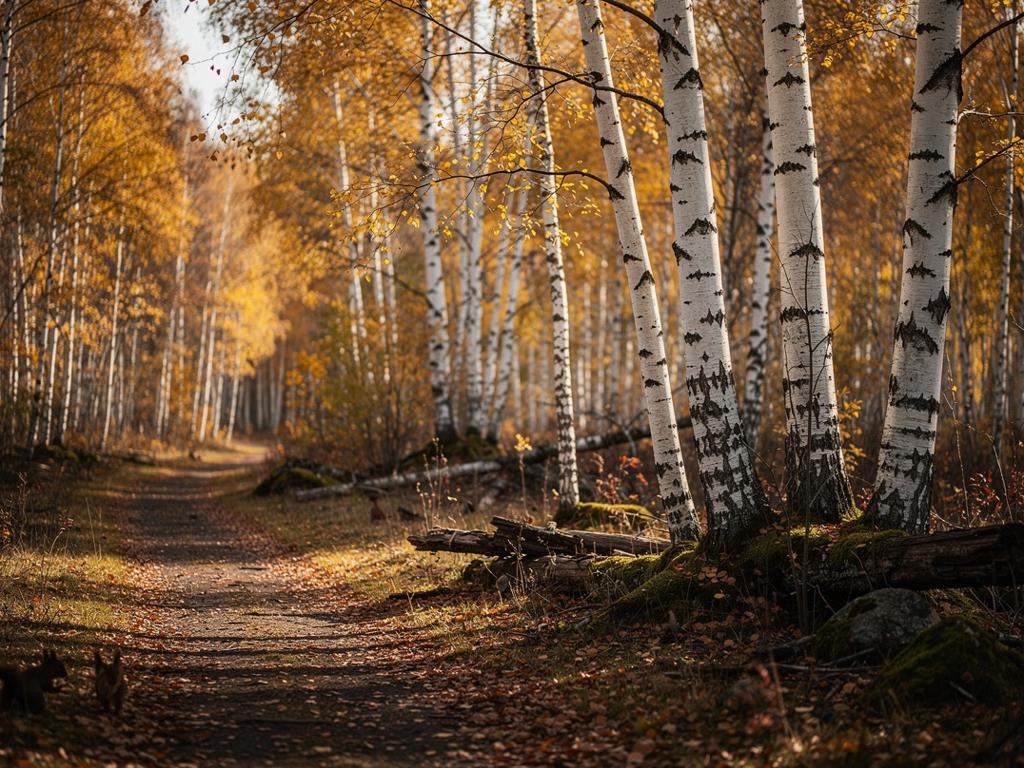
Forest Bathing for a Restless Mind: A Practical Guide to Shinrin-Yoku
There's a particular kind of exhaustion that doesn't respond to sleep. You've closed the laptop, you've silenced the phone, you've maybe even poured a glass of something — and your mind is still rehearsing the meeting from this morning, drafting the email you forgot, replaying a text you probably shouldn't have sent. The body wants to rest. The mind didn't get the memo. Telling yourself to relax rarely works. Relaxation, as anyone who's ever tried to force it knows, has a cruel habit of becoming one more task on the list. There is, however, a quieter approach — one that doesn't ask the mind to shut up, but gives it somewhere else to go. The brush of cool air on the back of your neck. The scrape of rough bark under your palm. A bird calling from somewhere you can't quite locate. This is the gentle premise behind shinrin-yoku, the Japanese practice better known in English as forest bathing. And while this isn't plant medicine in the ayahuasca sense, it belongs in the same broader conversation — the one about how deliberately shifting our relationship with attention can soften anxiety, loosen stuck patterns, and prepare the ground for deeper work. Many people considering a psychedelic retreat find that practices like forest bathing become a kind of training wheels for ceremony: a way to practice presence before presence gets much more intense. The term shinrin-yoku was coined in Japan in the early 1980s, originally promoted by the country's forestry ministry as a public-health intervention. The literal translation — forest bathing — confuses a lot of first-timers, who show up looking for a stream or a hot spring. There is no water. The “bathing” refers to immersing yourself in the atmosphere of the forest: light, scent, sound, air, texture. It's also not hiking. When you hike, your attention has a job — a trail to follow, a summit to reach, a mileage target to hit. Forest bathing deliberately removes those scaffolds. You might walk, but you might also sit against a tree for forty minutes. The point isn't distance covered. The point is the depth of attention paid to wherever you happen to be. You might listen to leaves rustling without needing to identify the species of tree. You might watch sunlight shift across a patch of moss. You might rest your palm against a trunk you've walked past a hundred times and finally notice the texture of it. Simple acts. But in a world engineered to shred attention into thirty-second fragments, simplicity turns out to be the point. Think about how often your attention changes direction in a regular hour. A notification. A new tab. A headline. A memory of something you were supposed to do by Thursday. We've trained ourselves to live inside a constant churn of micro-redirections, and even when the external demands stop, the internal ones don't. The mind keeps serving up prompts because it's been rewarded for doing so. A forest doesn't demand anything back from you. A tree isn't waiting for a reply. Birdsong doesn't want your take. Clouds drifting over the canopy aren't asking to be liked, screenshotted, or forwarded to a group chat. You can simply notice these things without being required to do anything about them. For an overstimulated nervous system, that distinction is enormous. This is also why forest bathing isn't really about forcing the mind to go blank. The mind thinks — that's its job. The practice instead invites you to become genuinely interested in something outside your thoughts. Thoughts still appear. But they stop being the only thing on the stage. Over the past two decades, researchers have taken shinrin-yoku seriously enough to study it under lab conditions and in the field. A 2023 systematic review and meta-analysis published in the International Journal of Mental Health Nursing looked at 36 studies covering more than 3,000 participants and found that forest bathing interventions were associated with meaningful reductions in symptoms of anxiety and depression. Other reviews have reported short-term improvements in measures of stress, anger, and mood. Honest caveats, though. The studies vary a lot — in design, sample size, duration, and in what the researchers actually mean by “forest bathing” (some studies use two-hour guided sessions, others use three-day residential programs). A fair reading of the evidence is: there's a real signal here, especially for stress and mild-to-moderate anxiety, but we shouldn't oversell it. Forest bathing is not a treatment for clinical depression or a substitute for therapy, medication, or — if you're exploring that path — guided plant-medicine work. What it does seem to be is a reliable way to drop into a different state of attention. That matters because the state itself is a kind of raw material. From there, deeper practices get easier. Trying to stop thinking is a losing battle. It's like trying not to think about a white bear. The more you push, the louder the thinking gets. Shinrin-yoku sidesteps the whole fight. Instead of asking you to empty your mind, it asks you to become curious about the world around you. Listen carefully to a forest for ninety seconds and you'll start hearing in layers. First the obvious birds. Then, underneath, individual calls begin to separate — this one closer, that one further. Underneath those, leaves shifting. A branch rubbing somewhere. Something small rummaging through dry leaf litter. Your thoughts are probably still running the whole time. But they're sharing the room now, and that changes everything. The aim isn't to suppress thought. It's to redirect attention. You don't have to wrestle every worry that pops up. You can notice it, nod at it, and bring your awareness back to what's actually happening around you. Here's something nobody tells you about mindfulness practices in general: you can do them perfectly and still feel like garbage. You might walk into the woods anxious and walk out anxious. You might spend the first fifteen minutes mentally arguing with your mother. None of that means you failed. Forest bathing guides often use the word invitation rather than exercise, and I think that's exactly right. An exercise can be done wrong. An invitation just points you toward something — you can accept it or not, deeply or shallowly, today or tomorrow. This creates space for something that mindfulness culture often loses when it morphs into another self-improvement grind: a bit of kindness toward your own experience. You get to arrive exactly as you are. The forest isn't checking your energy at the door. If you want to try something concrete, this is a good starter. Twenty minutes of this and you may have nothing tangible to show for it. No miles logged. No photo. No completed task. Which, honestly, may be the whole point. One of the more interesting things forest bathing surfaces is awe — and not the kind that requires a national park and a wide-angle lens. Awe can emerge from paying close enough attention to something ordinary. Look at moss on an old trunk long enough and it starts to resemble a miniature forest. Watch light move through leaves and a familiar patch of woodland reshapes itself minute by minute. Consider that the oak you're leaning against may have stood in that exact spot through decades of storms, winters, and droughts. Your current worries don't disappear in the face of that — they just briefly take on a different scale. They stop being the entire weather system of your mind. For people navigating depression, addiction, or the sticky aftermath of trauma, that shift in scale can be a real moment. It's one of the reasons practices like this often pair well with deeper psychedelic work, where perspective-shift is a central ingredient. If you're reading this while quietly weighing whether to book an ayahuasca or psilocybin retreat somewhere down the line, forest bathing is a surprisingly useful place to start. Not because it's a lightweight version of ceremony — it isn't the same thing at all — but because it builds the exact attentional muscles that make ceremony survivable and integratable. Learning to sit with discomfort without immediately reaching for distraction. Learning to notice without needing to fix. Learning that the mind doesn't need to be quiet for presence to arrive. Many facilitators I've talked with say the people who get the most out of their retreats arrive with some kind of established practice — meditation, breathwork, time in nature. Not because it makes the experience easier (sometimes it makes it harder, honestly). But because it gives them a familiar handrail to return to during the intense parts, and a vocabulary for the integration work that follows. If something in this points you toward the deeper end of the pool, a range of plant-medicine and psychedelic retreats can be browsed on our marketplace here. Start where you are, though. A quiet patch of trees nearby, twenty unhurried minutes, one hand on bark — that's a legitimate beginning, and the forest isn't asking you to become someone else before you step inside.
FDA Opens the Door on Ibogaine Trials: What It Means for Addiction Recovery
Something shifted this week in the slow dance between U.S. regulators and the psychedelic field. The FDA — the same agency that spent decades treating these molecules as untouchable — just published a request for information laying out what an early-stage ibogaine clinical trial might actually look like. If you're sitting at your kitchen table reading about plant medicine for addiction, trying to work out whether ibogaine or ayahuasca or psychedelics might be a legitimate option for you or someone you love, this is the sort of development that matters more than the usual headline noise. I want to walk through what the agency said, what it means for people considering treatment, and what it doesn't mean. Because regulatory movement is not the same as a prescription pad, and the gap between "the FDA is thinking about this" and "your doctor can offer this" is still a long one. The request for information landed on the same day the agency closed public comment on its broader considerations document for the future therapeutic use of psychedelic drugs. Timing like that isn't accidental. It signals that ibogaine — the alkaloid pulled from the iboga root, used ceremonially in Gabon for centuries and increasingly chased by people desperate to break opioid dependence — is being taken seriously enough to warrant a dedicated conversation. Here's the shape of the hypothetical trial the FDA sketched out. Participants would be enrolled in sequential dose-ascending groups, with a ceiling of 10 mg per kilogram of body weight. People would be dosed one at a time. Any dose escalation between cohorts would have to pass review from a safety committee, a data monitoring board, and the agency itself. That's a careful, slow protocol — exactly the kind of thing you'd expect given ibogaine's reputation. And the cardiac monitoring piece is where the agency really leaned in. Dosing would happen in an inpatient unit set up for cardiac emergencies, with continuous monitoring until any abnormal rhythms resolve and the patient's QTc interval returns close to its pre-dose baseline. The notice flags that this could take up to 36 hours. If you've ever heard someone casually suggest ibogaine as a weekend fix for addiction, read that sentence again. People searching for help with heroin, fentanyl, alcohol, or long-term benzodiazepine dependence often stumble across ibogaine the same way others find ayahuasca: through a friend, a podcast, a quiet corner of the internet where survivors share what finally worked. The stories can be remarkable. A single intensive experience, followed by months of integration, and years of use patterns dissolve. I've interviewed enough people who've done it to know those stories aren't fabrications. But I've also sat with facilitators who've lost clients. Ibogaine's cardiac risk is real, and it's the single most important thing to understand before you spend a dollar on a retreat. The FDA's proposed protocol — genotyping participants for CYP2D6 to screen out slow metabolisers, pausing opioid agonists and SSRIs beforehand, strict stopping rules, cognitive testing out to 12 months — isn't bureaucratic overkill. It's a map of exactly what responsible treatment looks like. If you're weighing a clinic in Mexico or Costa Rica (where most ibogaine work currently happens, because it's not legally available for treatment in the U.S.), use the FDA's criteria as your shopping list: If a retreat shrugs off any of those questions, that's your answer. Walk away. This comes up constantly in reader emails, so let's name it. People drawn to master plants for addiction recovery tend to be comparing three paths: ibogaine, ayahuasca, and — increasingly — psilocybin. Ibogaine is the heavy artillery. One long, physically demanding experience (12 to 24 hours of active effects, plus days of recovery) that often produces a kind of life review and, famously, interrupts opioid withdrawal almost immediately. The research pointing at its mechanism — restoration of certain neurotrophic factors, reset of dopamine receptors — is genuinely interesting, which is partly why federal bodies like NIDA and ARPA-H are now putting money into coordinating ibogaine research. Ayahuasca, by contrast, is a longer relationship. Most people don't resolve addiction in a single ceremony. They sit with the brew across multiple nights, often in a diet of several ceremonies over a week or two, and the work is slower, more emotional, more relational. Communities like Takiwasi in Peru have been running structured ayahuasca-based addiction programs for decades, with publicly available outcome data. If you want the long version, the Wikipedia entry on ayahuasca is a decent starting point. Psilocybin sits somewhere in the middle — shorter, less physically taxing than ibogaine, and the subject of ongoing trials for alcohol and tobacco dependence. It's not a direct substitute for either of the other two, but for some people it's the right doorway. None of these are magic. All of them require preparation, a competent container, and real integration work afterward. The FDA's draft protocol is a reminder of just how much structure the clinical world thinks responsible treatment demands. In the same week the FDA floated its ibogaine protocol, Compass Pathways was out talking about pricing for its psilocybin program and what a slow commercial launch might look like. New Mexico is inching toward a medical psilocybin framework, though a controversial landlord-approval rule has advocates pushing back. Potential brand names for future psychedelic medicines are being quietly registered. What all this adds up to, for a regular person: the medicalised path is coming, but it's going to be expensive, limited to specific diagnoses (treatment-resistant depression first, in all likelihood), and years away from being broadly accessible. If you're struggling now, the clinical pipeline is cold comfort. Which is why the underground and quasi-legal retreat landscape — the ayahuasca centers in Peru and Brazil, the ibogaine clinics in Mexico, the psilocybin programs in the Netherlands and Jamaica — still carries most of the weight. It's imperfect, uneven in quality, and sometimes dangerous. But it's also where real healing is happening right now for people who can't wait another five years. If you're seriously considering a retreat, treat the FDA's draft protocol as a baseline. Not a reason to only consider FDA-approved treatment (there isn't any yet, for addiction via ibogaine), but a reference point for what careful, evidence-informed practice looks like. A few practical steps worth taking before you book anything: None of this is meant to scare you off. Plant medicine has genuinely helped people the medical system had written off. I've watched it happen. But the FDA's quiet document this week is a useful mirror — it tells us what the people whose job is to be cautious think responsible treatment requires, and it gives the rest of us a framework for asking better questions. For readers who want to take this further and see what's actually being offered, a range of curated ibogaine, ayahuasca, and psilocybin retreats can be browsed on our marketplace here. Take your time with the decision. Whatever path you choose, choose it with your eyes open.
The Exercise Sweet Spot Linked to 30% Lower Heart Risk
For decades, the public-health message has been simple: get 150 minutes of moderate exercise a week and you’ve done right by your heart. Brisk walk here, a bike ride there, maybe a weekend yoga class, tick the box, move on. It’s a tidy number. It fits on a government pamphlet. And it turns out it’s probably not enough — at least not if you want the kind of cardiovascular protection that meaningfully bends the curve on heart attack, stroke, and heart failure risk. A large analysis out of the UK Biobank, tracking more than 17,000 adults over nearly eight years, suggests the real sweet spot sits closer to 560 to 610 minutes of moderate-to-vigorous activity per week. That’s where researchers started seeing reductions in cardiovascular risk north of 30%. The 150-minute minimum? It bought participants a modest 8 to 9% reduction. Helpful. Hardly transformative. Before you close this tab in despair, hear me out. The number sounds brutal on paper. In practice, once you actually look at what counts as “moderate-to-vigorous,” it’s a lot more reachable than it reads — and the shift it asks of you is less about joining a gym and more about rebuilding the shape of your days. Researchers followed 17,088 adults with an average age of 57. Rather than asking them to self-report their workouts (famously unreliable — we all round up), participants wore wrist accelerometers for a full week. That gave the team objective data on how much people were actually moving, not how much they thought they were. They also measured cardiorespiratory fitness through VO2 max estimates — a snapshot of how efficiently the heart, lungs, and muscles work together to deliver and use oxygen. Then they tracked cardiovascular events over the follow-up: heart attacks, strokes, heart failure, and atrial fibrillation. The pattern that emerged was pretty clean. More movement, lower risk. More fitness, lower risk. And the two things reinforced each other. What makes this study interesting isn’t that it overturns the 150-minute guideline. It doesn’t. It confirms that even modest activity helps if you’re coming from a sedentary baseline. The novelty is in the dose-response curve: benefits kept climbing well past the official recommendation, and the real inflection point for serious risk reduction sat roughly four times higher than the minimum. Divide 560 by seven and you get about 80 minutes a day. Which still sounds like a lot — until you remember that “moderate-to-vigorous activity” is a surprisingly generous category. It includes: Stacked across a day, 80 minutes might look like this: a 30-minute morning walk with the dog, a 20-minute lunchtime loop around the block, a short strength session or bike ride in the afternoon, and a 15-minute walk after dinner. No gym required. No special outfit. No $200 class pass. Compare that to what most of us actually do: sit for work, sit in a car, sit at dinner, sit on the couch, then try to redeem it all with a single hour of effort somewhere in the week. Spoiler — one hour of exercise doesn’t cancel out ten hours of sitting. Previous research has made that uncomfortably clear. Here’s the piece that often gets lost. The study didn’t only find that time matters. It also found that cardiorespiratory fitness — your actual conditioning level — independently predicted outcomes. Two people can log the same weekly minutes and have wildly different fitness depending on intensity, how often they push into breathless territory, and how their bodies have adapted over time. VO2 max is the shorthand here. It’s one of the single strongest predictors we have for long-term cardiovascular health and even all-cause mortality. And unlike many health markers, it responds to training. You can raise it. The catch is that it generally doesn’t rise much if every workout stays comfortably in the chatty-pace zone. Which is where the occasional hard effort earns its keep. A brisk uphill walk where you can’t quite hold a conversation. A short interval session on the bike. A jog that leaves you a little winded. You don’t need to train like a cyclist — you just need to visit the harder end of your capacity often enough that your body remembers it exists. The honest answer: you don’t schedule your way to 560 minutes a week with willpower alone. You engineer it into the architecture of your days. Some things that genuinely work for people I’ve talked to: None of that requires a gym membership or a trainer. It requires noticing how much of your day is spent still, and deliberately breaking it up. If you’re hitting 150 minutes a week and feeling good, don’t beat yourself up — you’re doing better than most. But if the goal is deeper cardiovascular resilience as you age, this study is a nudge that the minimum isn’t the maximum return. There’s a meaningful difference between the dose that keeps you out of trouble and the dose that builds a heart that can handle whatever your sixties, seventies, and eighties bring. And if you’re starting from near-zero? Don’t fixate on 560. Start with 10 minutes a day. Then 20. The curve bends fastest at the beginning — the move from sedentary to lightly active is the single biggest health upgrade available to most adults. Everything after that is compounding interest. Movement, like most things worth doing, rewards consistency more than intensity. The people who still move well at 75 aren’t the ones who crushed CrossFit for a year in their forties. They’re the ones who kept walking, kept carrying things, kept finding reasons to use their bodies, decade after decade. If building that kind of life appeals to you, a range of wellness and movement-focused retreats can be browsed on our marketplace here — the kind of reset that can help you rewire habits that have calcified over years of desk work.
After-Work Habits That Quietly Wreck Your Nervous System (And What Actually Helps)
You know the kind of day I mean. The one where your jaw is tight by lunchtime, your inbox has become a personal enemy, and by the time you kick off your shoes at home, you're not sure whether you want to cry, eat an entire bag of chips, or stare at your phone until your eyes dry out. Most of us pick the phone. Here's the uncomfortable truth I've come to accept after years of talking with people in integration circles, retreat sharing groups, and quiet post-ceremony conversations: the things we reach for when we're fried are often the exact things that keep us fried. They numb. They distract. They buy us ninety minutes of forgetting. But they don't actually give the nervous system what it's asking for, which is usually something embarrassingly simple — rest, honesty, and a little tenderness. I want to walk through five of the sneakiest ones. Not because I'm above them (I'm absolutely not), but because naming them has been one of the more useful things I've done for my own recovery from a decade of running on adrenaline. You pick up the phone to “decompress.” Three minutes, tops. Then it's forty-five minutes later and you've absorbed an argument between strangers, three videos about a war you can't fix, and an ad for a mattress you don't need. The brain reaches for the screen because slowing down means feeling, and feeling after a hard day is often the last thing we want to do. The problem is that the algorithm doesn't know what you actually need. It knows what keeps you tapping. Those are rarely the same thing. What I've swapped in, slowly, over the last couple of years: None of this looks impressive. That's sort of the point. The nervous system doesn't need more stimulation at the end of a stimulating day. It needs less. People who've sat in plant-medicine ceremonies often come home and discover this the hard way — the practices that integrate the experience are quiet, repetitive, almost boring. And they work. “I'm good.” “It wasn't a big deal.” “I'll deal with it later.” Most of us learned these phrases before we had adult teeth. They were useful once. They probably kept us safe in households where big feelings weren't welcome. But emotions are patient creatures — they don't evaporate when ignored. They just file themselves away and come back later as insomnia, a short temper, a weird ache in your chest at a stoplight. One of the recurring lessons I hear from people after an ayahuasca ceremony is some version of this: the medicine didn't give them new information. It gave them permission to feel what they'd been carrying around for twenty years. That's a lot of work to outsource to a plant. You can do a little of it on a Tuesday evening by simply saying out loud, to yourself or a trusted person, today was hard. That one sentence does more than most of us give it credit for. It's not weakness. It's maintenance. When stress hits, the first thing a lot of us do is pile on. Why am I like this? Other people manage. I should be stronger. As if the goal of being human is to feel nothing. Stress is information. Sometimes it's telling you that you've said yes to too many things. Sometimes it's telling you that a particular person in your life is a leak in the boat. Sometimes it's telling you that the way you're structuring your week is simply unsustainable, and no amount of green juice will fix it. The useful question isn't “why am I so stressed?” It's “what overwhelmed me, and what, if anything, can I shift?” I think a lot about something a facilitator told me once in the Sacred Valley, between ceremonies, when I was wound tight and trying to perform relaxation. She said: stress isn't the enemy. Resistance to stress is. The body wants to shake it off and move on. We're the ones who clamp down and keep it stuck. This one got me for years. Just one more email. One more load of laundry. One more small task, and then I'll sit down. The finish line kept moving. It always does. Rest isn't a reward. It's biology. Your brain can't consolidate memory, repair tissue, or regulate mood while it's constantly on standby waiting for permission to shut down. And nobody is going to issue that permission on your behalf. Your boss won't. Your family won't. The calendar won't. You have to be the one who closes the laptop. When I finally started treating rest as non-negotiable — the way I treat brushing my teeth — a strange thing happened. My work got better. Not more, but better. More honest. More alive. I had been producing for the algorithm; I started creating for myself again. The difference was visible to anyone who knew what to look for. This is the same lesson at the heart of most psychedelic healing work, by the way. The actual medicine isn't the ceremony. It's the integration — the slow, unglamorous process of letting your system restore itself. People who skip that part tend to end up chasing the next experience instead of living a different life. After a brutal day, comfort looks like a glass of wine, a food-delivery order, a shopping cart full of things you won't remember buying, or three more episodes of a show you're not really watching. None of this is evil. The problem is when it becomes the only move you've got. Real recovery is quieter and, honestly, less fun in the short term. It looks like a conversation that matters. A walk without earbuds. Writing a page in a journal nobody will read. Going to bed at a reasonable hour. These things don't promise escape. They offer something better — a nervous system that stops bracing for impact. This is also where plant medicine gets misunderstood. People sometimes approach ayahuasca or psilocybin retreats as a kind of ultimate instant relief — a weekend that will fix everything. The honest facilitators I know push back on this hard. The ceremony can crack something open. What you do in the weeks and months afterward is what determines whether anything actually changes. Master plants are teachers, not escape hatches. If you want something concrete to try tonight, here's the shape of an evening that tends to work for most people I've talked to: It's not revolutionary. That's exactly why it works. The biggest reframe I've stolen from the people I most admire in this world — the elders, the facilitators, the therapists who've seen a lot — is this: a bad day doesn't mean you're failing at life. It means your body is asking for care instead of criticism. Those are very different responses, and most of us default to the wrong one. When I'm wrung out, I try to picture the tired version of me as a kid who had a rough day at school. I wouldn't tell that kid to try harder. I'd make her something warm, find her a blanket, and let her go to bed early. The adult version deserves the same treatment. She's just better at hiding how much she needs it. If any of this is landing because you're also quietly wondering whether something deeper — grief, addiction, old trauma, a stuck pattern — is driving the exhaustion, that's worth taking seriously. Therapy helps. Community helps. And for some people, carefully chosen plant-medicine work helps too, when the timing and support are right. A range of thoughtfully run ayahuasca and psychedelic retreats can be browsed on our marketplace here if you want to see what's out there without committing to anything. Tomorrow will ask plenty of you. Tonight doesn't have to.
Arthur Sze on Poetry, Translation, and Language as a Raft
There's a line attributed to the Buddha about a raft — you build it to cross the river, and once you're on the other side, you don't strap it to your back and keep walking. The teaching is about doctrine, mostly. Teachings as tools, not identities. But poets have been borrowing the image for a long time, because it maps so cleanly onto what language actually does: carries us somewhere, then asks to be released. Arthur Sze — poet, translator, longtime resident of northern New Mexico — has spent decades thinking about this. His work moves between English and classical Chinese, between the particular glint of a juniper branch and the harder-to-name registers of attention. In a recent conversation with the writer Jhani Randhawa, he circled back to that raft image more than once. Not as metaphor-decoration, but as something closer to a working principle for how he writes, how he translates, and how he sits with the problem of saying anything true at all. I want to walk through some of what came up, because it has real bearing for anyone interested in contemplative practice, in translation, or in the stranger places where poetry and plant medicine quietly overlap. Sze was named U.S. Poet Laureate — a role that usually gets framed in civic terms, as if poetry's job were to represent something. He takes a different angle. For him, the laureateship is less a platform than an invitation to listen harder, especially across languages. His own body of translation work — moving Tang Dynasty poets like Wang Wei and Li Bai into contemporary English — isn't a side project. It's central to how he understands what a poem is for. Classical Chinese, as he describes it, resists the English habit of pinning everything down. A character can hover between noun and verb. Pronouns drop away. Time blurs. When you translate, you're forced to make choices the original didn't ask for. You lose things. You gain other things. Mostly you learn how much your own language is quietly doing to your perception without telling you. This is where the raft starts to matter. Translation makes the raft visible. You see the construction. You see the joints. You stop mistaking the vessel for the water. The Buddhist raft parable, if you haven't bumped into it: a traveler builds a raft from branches to cross a dangerous river. On the far shore, grateful, they're tempted to carry the raft onward out of attachment. The Buddha's point — don't. The raft served. Let it go. Sze's extension of this is subtle. He isn't suggesting a poet should abandon language. He's suggesting the poet should hold it the way a ferryman holds an oar — with care, with skill, without confusing the tool for the shore. A poem that works, in his telling, is one that gets the reader somewhere and then quietly dissolves. You remember the river crossing. You don't necessarily remember every plank. This has implications beyond poetry. Anyone who's done sustained contemplative practice — meditation, sitting with a mantra, or for that matter sitting in a ceremony with ayahuasca or psilocybin — knows the uncomfortable moment when the technique itself becomes an obstacle. The breath you were following becomes a thing you're grasping. The icaro you loved becomes a thing you're clinging to. The raft gets heavy. Sze doesn't talk about psychedelics directly in the interview. But the resonance is there for anyone who's listening. The experiences people describe during a well-held plant medicine ceremony — the ego's grammar dropping away, the usual noun-verb-noun structure of selfhood going soft — are often experiences of language being seen for what it is. A raft. Useful. Not the river. I've sat with facilitators who were also poets. It's a more common pairing than you'd expect. Both practices — writing a poem, drinking ayahuasca — ask you to tolerate not-knowing for extended periods. Both reward patience. Both punish the ego's attempt to produce a satisfying summary. Sze talks about how a poem often doesn't know what it's about until the final draft, sometimes not even then. You follow an image because it has heat. You trust the heat. You don't demand the image explain itself. The parallel to a ceremony is almost too neat: you follow what rises because it has weight, you trust the weight, you don't demand the vision submit to interpretation. Here's what both practices seem to teach, over time: This last one tends to be the hardest for people new to either practice. Western culture rewards articulation. If you can't put it into words, we tend to assume, either you don't understand it or it isn't real. Both poetry and plant medicine push back against this, patiently and sometimes brutally. One of the quieter claims Sze makes is that translation itself is a form of meditation. You sit with a line in a language that isn't yours. You turn it. You try six versions. You delete five. You come back the next morning and all six were wrong but the attempt taught you something about the sixth. This is not so different from sitting on a cushion and watching the breath — or, for that matter, sitting in a maloca and watching an image unfold in the dark. In every case the practitioner is trying to receive something accurately without distorting it with their own agenda. The ego wants to produce a result. The practice wants you to produce attention. Sze speaks about Chinese poets who wrote about mountains for forty years without exhausting the subject. The mountain was never finished. Neither was the practice of looking at it. There's a lesson here for retreat-goers who imagine that one ceremony, one week in Peru, one encounter with the vine will finalize something. It usually doesn't. What it does — if you're lucky and the setting is sound — is open the first page. If you're reading this because you're actually considering booking a plant medicine retreat — ayahuasca, psilocybin, San Pedro, something else entirely — Sze's framing gives you a useful question to carry with you. Not the obvious one (will this work? will I feel better?) but a quieter one: are you ready to let the raft go? Many first-time retreat participants arrive hoping to acquire something. An insight, a healing, a story to tell. The more experienced facilitators I've spoken with gently redirect this. The point of a ceremony, they'll say, isn't to collect something new. It's to put down some of what you're already carrying. The vocabulary you've built for your suffering. The identity you've constructed around your diagnosis. The script you keep rehearsing about why your life looks the way it does. These scripts are rafts, too. They got you here. They may have saved your life more than once. You don't need to resent them. You just, at some point, need to notice when they've become heavier than the river they were built to cross. If Sze's framing resonates and you want to carry it into your own practice — on the cushion, on the page, or in ceremony — here are a few things worth trying: Sze is, in person and on the page, exactly this kind of guide. He takes language seriously enough to translate it across millennia, and lightly enough to admit when a word fails. That combination — rigor without clinging — is rarer than it sounds, and worth seeking out wherever you can find it. If any of this stirs something, and you want to explore how contemplative traditions and plant medicines actually meet in practice, a range of ayahuasca and plant-medicine retreats that take integration and language seriously can be browsed on our marketplace here. Pick the one whose descriptions feel honest rather than aspirational. That tends to be the better raft.
Craving More Stories?
Join our ShopAyahuascaRetreats newsletter for the latest updates on thrilling
destinations and inspirational tales, delivered straight to your inbox!
We value your privacy. Your email address will never be shared or published.

Night Owls and Health: Why Your Body Clock Might Be Costing You More Than Sleep
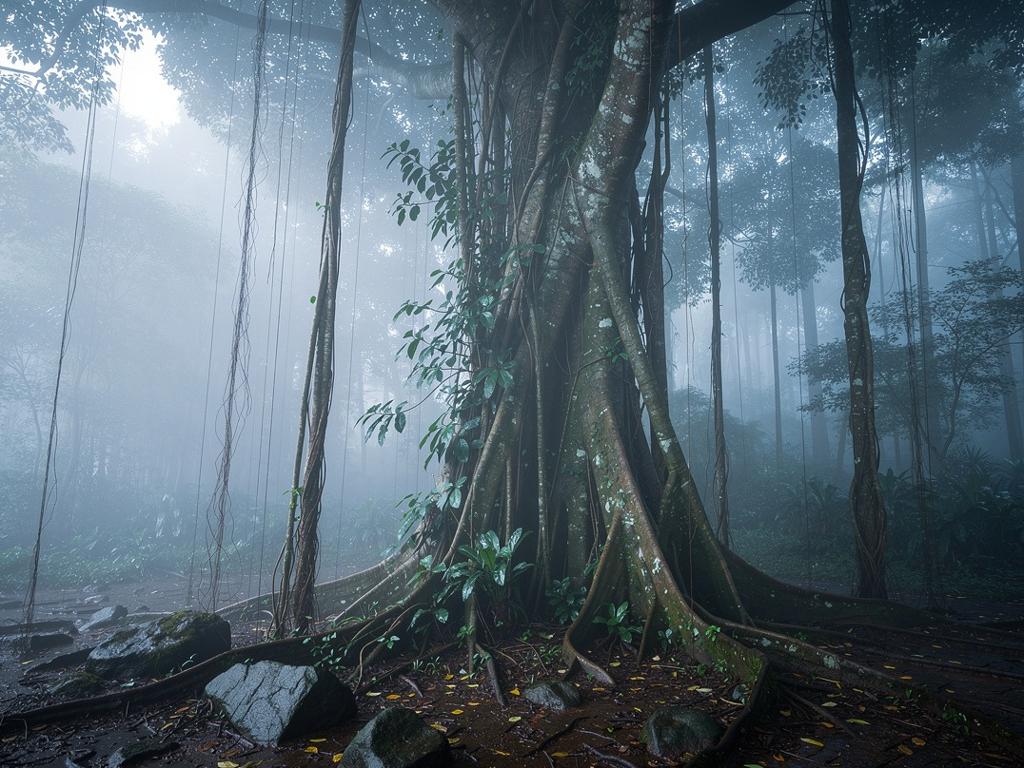
You know the feeling. The alarm goes off at some ungodly hour, and your body — which only really hit its stride around midnight the night before — is being asked to perform like it's noon. You stumble to the kitchen. You drink the coffee. You pretend to be a functional adult in a 9 a.m. meeting. And you tell yourself this is just how adult life works. Turns out it might not be that simple. A long-running study out of Finland has been tracking what happens to night owls who spend decades working on an early-bird schedule, and the findings are more sobering than I expected when I first read the paper. We're not talking about grogginess. We're talking about whether people stay healthy enough to keep working at all. The study followed more than 5,600 adults from the Northern Finland Birth Cohort of 1966 — people who were all 46 years old at the start and still in the workforce. Researchers assessed each person's chronotype, which is a fancy word for whether you're naturally wired to be a morning person, an evening person, or somewhere in the middle. They also looked at genetic markers linked to morningness, because chronotype isn't just a lifestyle choice. It's partly baked into you. Then they waited. For twelve years, through 2023, they tracked who ended up receiving a disability pension — the kind of benefit people get when their health genuinely stops them from working. The question wasn't about preference or productivity. It was about whether your body clock at midlife predicts whether you can keep going. The headline result: evening types had roughly 1.7 times the risk of receiving a disability pension compared with morning types. The effect held for men and women more or less equally. Even when researchers controlled for education, income, and occupation — the usual suspects — the association stuck around. Here's the twist that makes the study interesting rather than just alarming. When researchers also factored in participants' health behaviours and work schedules, that elevated risk shrank significantly. In other words, being a night owl by itself probably isn't the villain. The villain is being a night owl trapped in a schedule built for larks. More than 70% of the evening types in the study were working standard daytime hours — not evening shifts, not flexible arrangements, not anything that resembled their natural rhythm. That's years, sometimes decades, of forcing your biology to clock in before it's ready. Chronic sleep debt. Low-grade fatigue that becomes your baseline. Habits that erode because you're too tired to cook, exercise, or do the small daily things that keep a body running. You can see how that compounds. Poor sleep leads to poor recovery. Poor recovery leads to poor health. Poor health, over a long enough timeline, leads to not being able to work. The researchers were careful to point out this is observational data, so it can't prove direct causation. But the picture it paints is coherent, and anyone who's spent years white-knuckling an incompatible schedule probably recognises it. I write mostly about plant medicine and retreats, so you might wonder what a sleep study has to do with any of that. More than you'd think. A huge number of people who show up to ayahuasca ceremonies, psilocybin retreats, or any kind of serious healing container arrive already running on empty. They're exhausted. They've been pushing against their biology for years. And they often expect a single week in the jungle to repair what a decade of chronic depletion created. It doesn't work that way. Facilitators I've spoken with repeatedly say the same thing: people who arrive deeply sleep-deprived have a harder time with ceremony. The nervous system doesn't have the reserves. Integration suffers afterward because the body can't consolidate what it's processing. If you're thinking about any kind of plant medicine work, your relationship with sleep in the months leading up to it matters as much as the diet or the intention-setting. The same goes for depression, addiction, and the other stuck patterns people hope a retreat might shift. Chronic sleep misalignment is one of the quietest, most underestimated drivers of all of those. You can do deep work with ayahuasca or ibogaine or San Pedro and still come home to a schedule that's slowly dismantling you. The medicine shows you what needs to change. The actual changing happens in your daily life, and sleep is almost always part of that picture. If you suspect you're one of the people this study is really describing, a few things are worth taking seriously. None of them are revolutionary. They're just the things most of us know and don't do. One of the quiet themes running through serious plant-medicine traditions is that healing work rests on an unglamorous base. Diet. Water. Sleep. Time outdoors. The ceremonies themselves are the dramatic peaks, but what makes them work — or not — is the terrain of ordinary life around them. If that terrain is scorched by years of chronic depletion, the medicine has less to work with. Western culture tends to treat sleep as the thing you shave off to make room for everything else. Productivity, hustle, early meetings, late deadlines. The Finnish data is a small, sober reminder that this trade has a bill, and it comes due later, often decades later, often as something more serious than fatigue. If you've been feeling that bill is already arriving in your own life, it's worth paying attention. And if you're the sort of person for whom this article is landing because you're already considering a bigger reset — a plant-medicine retreat, a serious step back from the life you've built, a period of deliberate healing — rest is where that work begins and where it has to continue. For readers wanting to take that further, a range of curated plant-medicine and healing retreats can be browsed on our marketplace here. Whatever you decide, start by giving your body back the sleep it's been asking for. Everything else gets easier from there.
Protein, Aging, and Frailty: What a New Study Says About Staying Strong
Picture the version of yourself you want to be at 75. Still carrying your own suitcase through an airport. Hiking a slow trail without needing to sit halfway up. Getting out of a low chair without that small internal negotiation. These unglamorous moments are the real measure of aging well, and they rest on something most of us barely think about until it starts slipping: muscle. A study published this year out of Nanjing has been circulating in the longevity corners of the internet, and it's worth a closer look — not because it offers some miracle food, but because it quietly reinforces something researchers have been saying for a while. What you eat in your 60s and 70s shapes whether your body remains a reliable partner or starts becoming a liability. And for readers of this site, where conversations often turn toward ayahuasca, psychedelics, addiction recovery, and the deeper work of becoming whole, physical resilience matters more than people like to admit. You can't do a week-long plant medicine retreat if your body can't handle the week. The study followed 5,484 adults aged 60 and older in Nanjing, China. Researchers screened each participant for frailty — a clinical term for the state where your body becomes noticeably less resilient. Frail people tire faster, move slower, lose weight they didn't mean to lose, and take longer to recover from a cold or a fall. It's not the same as being old. Plenty of 80-year-olds aren't frail, and plenty of 65-year-olds unfortunately are. Alongside the frailty assessment, participants filled out a food questionnaire covering how often they ate red and white meat. The researchers then compared people hitting China's recommended meat intake for older adults against those eating meat less often. Simple design, large sample, interesting result. About 17% of the group was classified as frail. Among those who ate meat at the recommended frequency, the odds of being frail were roughly 30% lower than among those who ate it less often. That gap held up even after the researchers controlled for age, physical activity, chronic illness, and vegetable intake. It stayed consistent across sexes, across urban and rural residents, and across most age brackets. Here's where it gets interesting. In adults 80 and older, the meat-frailty link essentially disappeared. The researchers float a few plausible reasons: appetite tends to shrink past 80, digestion becomes less efficient, chronic conditions multiply, and the body's ability to actually use the protein you eat — a phenomenon called anabolic resistance — gets worse. In other words, at a certain point, eating the protein isn't enough. Your system also has to be able to do something with it. This matters because it undercuts any lazy reading of the study as 'eat more meat, live forever.' The real takeaway is more nuanced. Protein helps, up to a point, and only when your body can still handle it. After that, the game shifts to a wider set of interventions — strength training, managing illness, sometimes supplementation. Before anyone takes this as license to double their steak intake, a few important caveats. First, this was a cross-sectional study. The researchers looked at diet and health at a single point in time. That design can show a correlation but can't prove cause and effect. It's entirely possible that healthier people simply ate meat more often — because they could chew it, afford it, cook it, or digest it. Frailty might be the reason they ate less meat, not the result of it. Second, meat is one source of protein among many. The study used meat as a proxy for a certain pattern of eating, not as a prescription. Beans, lentils, tofu, tempeh, eggs, fish, dairy, nuts, and seeds all contribute to the same goal: giving your muscles the amino acids they need to rebuild themselves on a daily basis. If you've chosen a plant-based path for ethical, environmental, or personal reasons, the research doesn't contradict that choice. It just reminds you to be deliberate about where your protein comes from. Third, protein without movement is only half the equation. Muscle is a use-it-or-lose-it tissue. You can eat perfectly and still lose strength if you spend your days sitting. Resistance training — even light, consistent work with bands or bodyweight — gives your body the signal to keep the muscle you're feeding. The old recommendations hover around 0.8 grams per kilogram of bodyweight. Most researchers working on aging now think that figure is too low for people over 60. Many suggest something closer to 1.0 to 1.2 grams per kilogram, with some going higher for adults doing regular strength work. For a 70-kilogram person (around 155 pounds), that's somewhere between 70 and 90 grams of protein a day — more than most older adults are actually eating. Distribution matters too. Your body can only use so much protein at once, so spreading intake across three or four meals is more effective than loading it all into dinner. A rough rule of thumb: If your appetite has shrunk — which happens to almost everyone eventually — smaller, more frequent meals tend to go down easier than big plates. Protein-rich snacks become more useful than they sound. Here's the connection a lot of retreat-seekers miss. Plant medicine ceremonies, whether we're talking about ayahuasca, psilocybin, San Pedro, or ibogaine, are physically demanding. You're often fasting beforehand, following a strict dieta, sitting upright for hours in ceremony, sometimes purging, sometimes sleeping poorly for days on end. People in their 50s, 60s, and 70s increasingly show up at retreats hoping to work on long-held trauma, process grief, or address stuck patterns around addiction. The ones who do best, from what facilitators I've spoken with consistently report, are the ones who arrived with a baseline of physical resilience. That resilience is built slowly, in the months before the retreat even gets booked. Eating enough protein. Walking daily. Doing some form of resistance training. Managing blood sugar. Sleeping as well as circumstances allow. None of this is sexy, and none of it will show up on a retreat brochure, but it's the quiet foundation that lets the deeper work actually land. I've watched people have beautiful ceremonies and then struggle to integrate because they were too physically depleted to do the walking, journaling, bodywork, and conversation that integration demands. I've also watched older participants surprise everyone — including themselves — because they'd spent the previous year quietly getting stronger. One study doesn't change the world, and this one definitely doesn't. But it points in the same direction as a growing body of research: as you age, protein and movement matter more, not less. The meat finding is interesting, the 30% figure is attention-grabbing, and the caveats are real. Take it as another small nudge rather than a mandate. If you're weighing a retreat somewhere down the line — whether that's six months or six years out — treat the preparation as part of the medicine. Build the body you want to show up in. For readers thinking about this kind of deeper work, a range of curated plant medicine and ayahuasca retreats can be browsed on our marketplace here, and most of them will tell you the same thing from a different angle: the strongest version of you is the one that gets the most out of the experience.
When Being Easy to Please Hides a Lifetime of Self-Erasure
My partner asked me, somewhere around the fifth year of knowing each other, what kind of tea I actually liked. Not what I'd drink. What I liked. I stared at the kettle for a long second and realized I had no answer ready. Not because I didn't have taste buds. Because somewhere along the way I'd stopped letting myself notice them. That tiny moment is the kind of thing that gets talked about in integration circles after a plant medicine ceremony — the small, almost comically ordinary question that cracks something wide open. And it's the kind of pattern a lot of people bring with them into a ceremony space without ever naming it: the quiet, lifelong habit of being the easy one. For a long stretch of my life, “low-maintenance” sounded like praise. Easy to travel with. Easy to date. Easy to sit next to on a long flight because I'd eat whatever snack you handed me and watch whatever movie you queued. People said these things about me warmly, and I collected the warmth like proof I was doing something right. What I didn't see — what took a therapist, a few hard conversations, and eventually a sweat lodge in the Peruvian highlands to show me — was that being easy wasn't a personality. It was a strategy. A finely-tuned, decades-old strategy for staying safe in rooms where having preferences felt expensive. If you grew up anywhere that moods could flip the atmosphere in seconds, you probably learned the same trick. You read the room before anyone spoke. You made yourself small, agreeable, portable. Wanting something specific felt like handing someone a loaded weapon and asking them not to use it. I've spent the last several years reporting on ayahuasca and other plant-medicine retreats, interviewing facilitators across Peru, Costa Rica, and the Netherlands, and sitting in more ceremonies than I can comfortably count. One thing I hear from facilitators almost universally: the people who arrive calling themselves “chill” or “here for whatever comes up” are often the ones with the most intricate armor. Plant medicine has a way of noticing. Ayahuasca in particular tends to turn the camera around. You can't disappear into the group when the medicine is specifically asking you what you want, what you've been avoiding, what you've been swallowing for twenty years to keep the peace. The master plants aren't impressed by your low-maintenance credentials. A facilitator I interviewed in the Sacred Valley put it bluntly: “The people pleasers struggle the hardest. Not because the medicine is cruel to them. Because the medicine won't let them keep doing the thing that got them this far.” Before I started paying attention, my vocabulary was a very narrow set of reflexes. See if any of these sound familiar: None of those are answers. They're exits. And after enough years of saying them, the shocking part isn't that other people stopped asking — it's that you stop knowing. The preference-making muscle atrophies. The question “what do I want?” starts to produce actual static. I remember one retreat participant, a woman in her late forties, describing her second ceremony night. She said the medicine kept asking her, over and over, a single question: what color is your life? And she couldn't answer. Not because she was being evasive. Because she genuinely did not know. She had been living someone else's palette for so long that she'd lost her own. This isn't a soft lifestyle issue. The research on people-pleasing — sometimes called fawning, the fourth and least-discussed trauma response after fight, flight, and freeze — links it to higher rates of depression, anxiety, chronic illness, and yes, addiction. If you've trained yourself to never want anything out loud, you'll often find yourself quietly wanting things that numb the wanting itself. Alcohol. Food. Overwork. Scrolling. The patterns differ. The underlying hunger doesn't. I've seen this up close in the ibogaine and ayahuasca work being done with people in addiction recovery. The substance of choice is almost always secondary to the question underneath it: what did you need that you were never allowed to ask for? The plant medicines don't magically answer that. They just hold the space quiet enough that you can finally hear yourself asking. If you're reading this while weighing whether to book a psychedelic or plant-medicine retreat, and some of this is landing a little too hard, here's the practical part. The work of reclaiming your own voice doesn't start in ceremony. It starts in the weeks before, and it continues long after the plane ride home. Here's a hard-won bit of advice: if you are someone who tends to go along with whatever the group is doing, be especially careful about which retreat you choose. The industry has grown fast, and not every operation is set up to hold people with trauma histories well. Some places run large groups, loose screening, and facilitators whose credentials are, let's say, aspirational. Look for retreats that ask you a lot of questions before accepting you. Look for a medical and psychological intake form that is slightly annoying in its thoroughness — that's a good sign, not a red flag. Look for facilitator-to-participant ratios you'd be comfortable with if things got hard. Ask what happens if you have a difficult night. Ask what integration support looks like after you leave. If the answers are vague or evangelical, keep looking. And trust the small no. If something in the sales conversation makes your shoulders tighten, that's information. The whole point of this work is learning to listen to that signal — you may as well start during the booking process. Months after that tea-kettle moment, I started catching the old reflex earlier. Someone would ask what I wanted, and I'd feel the “whatever's fine” rising up like muscle memory. Sometimes I'd still say it. Sometimes I'd stop, take a breath, and answer the actual question underneath. Both counted as progress. The thing nobody told me — the thing I had to learn by testing it, in dozens of small survivable ways — is that the people who truly love you were never loving the edited version. They were waiting, patiently, for the rest of you to show up. The plant medicines, when they're held well, do a similar thing. They don't give you a new self. They just make it harder to keep hiding the one you already have. If any of this is landing in your chest the way that car-ride question once landed in mine, the exploration is worth taking seriously. A range of thoughtfully-run ayahuasca and plant-medicine retreats can be browsed on our marketplace here — not as a prescription, but as one honest option among several for anyone ready to start asking what they actually want.
Does Gratitude Journaling Actually Work? What a 34-Country Study Reveals
Gratitude journaling has become one of those practices everyone seems to recommend. Your therapist mentions it. The retreat facilitator hands you a notebook on day one. The integration coach suggests three good things before bed. And somewhere along the way, a quiet question starts to form in the back of your mind: does any of this actually do what people say it does? Until recently, the honest answer was a shrug. Most of the research on gratitude practices had been done on small groups of mostly Western college students over short periods — not exactly the gold standard. A new multinational study, running across 34 countries with more than 10,000 participants, has finally given us something sturdier to work with. And the results are interesting precisely because they're more nuanced than the usual wellness-influencer version of the story. The team wanted to answer two questions at once. First, do gratitude practices genuinely shift how people feel? Second — and this is the part that's rarely tested — do they work the same way for a software engineer in Berlin as they do for a farmer in rural Kenya or a nurse in São Paulo? To find out, they ran what the paper calls a “megastudy,” which really is the technical term and not something I made up. Participants were randomly assigned to one of six brief gratitude exercises or to a neutral control task. The gratitude interventions were the usual suspects: writing a letter of thanks, listing things you're grateful for, reflecting on a specific grateful moment, and a few variations on those themes. Afterward, researchers measured a cluster of well-being outcomes — mood, optimism, life satisfaction, envy, feelings of indebtedness, and so on. Nothing exotic. These are the same exercises you'd find in a journaling app or a self-help book. The difference is scale and geography. The single most consistent result across all 34 countries was this: gratitude practices reliably improved what psychologists call positive affect. In plain English, people felt better immediately after doing them. Not transcendent, not life-changed, but noticeably lighter. That effect held up whether participants were in Japan, Argentina, Nigeria, or Finland. If you've ever scribbled three things you were thankful for before bed and noticed your shoulders drop a little, this is the mechanism. It's real. It's measurable. And it appears to work across wildly different cultures and worldviews, which is more than you can say for most wellness interventions. The honest caveat is that the lift tends to be modest and short-lived. Think of it like a cup of good coffee rather than a week in the mountains. Useful, repeatable, worth doing — but not a cure for anything serious on its own. Here's where the study gets more interesting than the usual gratitude cheerleading. The other outcomes researchers measured — life satisfaction, optimism, reduced anxiety, lower envy — were much more variable. In some countries, those benefits showed up clearly. In others, barely at all. And the specific type of gratitude exercise mattered: writing a letter did different things than listing items, which did different things than reflecting on a single moment. Why does this matter? Because a lot of people are sold gratitude journaling as a kind of all-purpose psychological multivitamin. The study suggests that's overstating the case. Gratitude practices are reliably good at one specific thing — nudging your mood in the right direction — and inconsistently helpful at everything else. That's not a reason to stop. It's a reason to recalibrate expectations. Anyone who's sat through a plant-medicine ceremony knows that the real work starts after you leave the maloca. Integration — the long, often unglamorous process of weaving what you glimpsed into your daily life — is where most of the lasting change happens, or doesn't. And journaling is one of the few practices that nearly every facilitator, from Shipibo curanderos to clinical psilocybin researchers, recommends during that phase. The question is: what kind of journaling, and for what purpose? This study offers a useful frame. If you're using a daily gratitude list to steady your mood during the raw weeks after a ceremony, you're using the practice for exactly what it does best. If you're expecting it to resolve the deeper material a session surfaced — grief, anger, unprocessed trauma — you're asking it to do work it isn't suited for. In my experience talking to people after retreats, the ones who do best treat journaling as one tool among several. They might use a gratitude practice in the morning to set a tone, and separately keep a longer, messier integration journal where they wrestle with the hard questions. Different tools for different jobs. If you want to put this research to work in a practical way, a few things stand out: Big studies are powerful, but they're also blunt instruments. This one measured immediate changes right after a single intervention. It didn't track what happens if you keep up a gratitude practice for six months, or two years. It didn't look at whether the practice helps with clinical depression, PTSD, or addiction recovery — all areas where plant medicines and psychedelic therapies are drawing serious research attention. So the honest summary is this: gratitude journaling is a validated, low-cost, low-risk tool for lifting mood in the short term, across a remarkably wide range of cultures. Whether it does more than that for you specifically — and whether it holds up over the long haul — remains an open question you'll have to answer with your own experience. That's not a dismissive conclusion. It's actually how most useful practices work. They give you something small and reliable, and the rest is up to what you build around them. For readers who are weighing a retreat or already deep in integration, think of gratitude as one layer in a stack. The ceremony or practice brings up the material. Breathwork, somatic practices, or therapy help you process it. A good integration circle gives you witnesses. And a daily journaling habit — gratitude included — keeps the baseline of your nervous system a little more regulated while all of that unfolds. None of those pieces does the whole job alone. But together they add up to something that can genuinely shift the shape of a life. If a retreat is part of what you're considering as the next layer in that stack, a range of plant-medicine and psychedelic retreats focused on healing and integration can be browsed on our marketplace here. Whatever you choose, keep the notebook open. Even the small practices, done consistently, tend to carry more weight over time than anyone expects.
Breast Cancer Risk: Why Knowing the Science Isn't Changing Our Habits
Here's something strange about health. We can know, with real certainty, that a specific behavior raises our risk of a specific disease — and still not change it. Not out of denial, exactly. More out of the thousand small frictions of a regular life. A fresh survey of nearly 33,000 American women put numbers on that gap, and the numbers are worth sitting with. Ninety-one percent of women knew that being sedentary raises breast cancer risk. Only 27 percent were actually hitting recommended activity levels. That's not an awareness problem. That's something else entirely. The American Cancer Society asked women about the risk factors we tend to hear most about: physical activity, alcohol, body weight, smoking, family history, and breastfeeding. The research team zeroed in on what they call modifiable risk factors — the ones your daily choices can genuinely influence, as opposed to the ones baked into your genes or your reproductive history. Then they did something clever. They compared what the women knew with what the women reported actually doing. Knowledge in one column, behavior in the other. The space between them tells a story that most prevention campaigns don't want to talk about. One honest caveat worth flagging: these were women already enrolled in cancer research studies. Which probably means they're a bit more health-literate than the general population. So if anything, the gap between knowing and doing is likely even wider out in the real world. Movement was the widest canyon. Ninety-one percent understood the inactivity link. Twenty-seven percent were meeting activity guidelines. That's a two-thirds drop between what people know and what people do — a gap big enough to drive a bus through. Alcohol told a similar story. Eighty-five percent of the women knew that drinking raises breast cancer risk, and yet 69 percent still reported drinking at least sometimes. Weight showed up with the same pattern: 89 percent understood that carrying excess weight matters, while 47 percent met the study's healthy-weight marker. Smoking was the one real success story. Ninety-nine percent knew it raises risk, and 71 percent were nonsmokers. Decades of public health messaging about cigarettes have actually moved the needle on behavior — probably the clearest proof we have that this stuff can work, given enough time and cultural pressure. Some of the survey's most interesting findings had less to do with the gap and more to do with where our mental model of risk is just plain off. Nearly everyone — 99 percent — knew that a family history of breast cancer raises your risk. True enough. But here's the piece that often gets lost: more than 85 percent of women who develop breast cancer don't have any family history at all. The disease overwhelmingly shows up in people who were never flagged as high-risk by their genes. If you've been telling yourself you're safe because your mother and aunts were fine, that's a story worth revisiting. And at the other end: only 55 percent of women knew that breastfeeding is associated with lower risk. Among Black women in the survey, that dropped to 45 percent. Breastfeeding isn't a magic bullet and it isn't an option for everyone, but it is a legitimate protective factor that barely registers in public conversation about prevention. It's tempting to look at these numbers and shrug — well, people just need to make better choices. That framing lets a lot of other factors off the hook. Behavior doesn't happen in a vacuum. Whether you can walk 30 minutes a day depends on whether you have a safe sidewalk, decent weather, childcare, and a job that doesn't eat your evenings. Whether you drink less depends on your social circle, your stress load, and whether every work event involves a glass of wine in your hand. Weight is tangled up with sleep, hormones, income, food access, and genetics in ways no checklist can untangle. Breast cancer risk itself is layered. Age, genetics, reproductive history, environmental exposures, and plain luck all play roles that lifestyle can't override. No one's claiming that walking more and drinking less will guarantee anything. The honest claim is narrower: these choices can shift the slice of risk that's actually within your reach. If you want to translate the research into something you can actually do this week, a short list helps more than a long one: The goal isn't a perfect record. It's picking the one or two shifts that fit your life and that you can actually sustain for years, not weeks. Something the survey didn't measure, but that keeps showing up in the broader health literature, is the role of chronic stress in long-term disease risk. The nervous system that's been running hot for a decade shows up in inflammation markers, sleep quality, hormone balance, and the kinds of coping behaviors — the second glass of wine, the skipped workout — that this very survey tracked. This is where the conversation about physical health starts to overlap with the conversation about inner health. Many people drink or overeat or stop moving because something underneath hurts. Addressing the underneath — through therapy, through contemplative practice, through community, sometimes through more intensive healing work like plant-medicine retreats or trauma-focused programs — can shift the daily behaviors in ways willpower alone rarely does. None of that is a prescription. It's just an honest observation: the knowledge-behavior gap often isn't a knowledge problem. It's an everything-else problem. And the people who close it tend to be the ones who've found a way to feel better in their own skin, not the ones who've simply read more health articles. There's no single habit that decides whether anyone develops breast cancer. Plenty of the picture is outside our control, and pretending otherwise just adds guilt to an already heavy load. But the survey points somewhere useful. For most women, nudging movement up a little and being more deliberate about alcohol are two of the clearest places to put your attention. Not because they're guaranteed to work, but because they're where the evidence is strongest and the barrier to starting is lowest. If part of your interest in the knowledge-behavior gap is really about addressing the deeper patterns — the stress, the stuck feelings, the habits that resist all your best intentions — a range of healing and recovery retreats focused on exactly that work can be browsed on our marketplace here. The right environment, sometimes, is what finally lets the knowing turn into doing.
Dreaming of a Psychedelic Retreat?
We have the best deals and offers from thousands of organizers all over the world! Get them into your mailbox every week!
We value your privacy. Your email address will never be shared or published.
