 English
 Deutsch
 Français
 Nederlands
 Español


Reset. Heal. Grow.

What Happens When a Happy Person Drinks Ayahuasca?
Most of what gets written about ayahuasca assumes you're showing up wounded. Depression, addiction, a marriage that fell apart, trauma buried so deep you had to fly to Peru to find it. That's a real story — probably the dominant one — but it's not the only one. A quieter question keeps surfacing in retreat circles: what actually happens when someone who's already content, already stable, already reasonably happy sits down with the brew? I've spent enough time around ceremonies, and interviewed enough facilitators, to say the honest answer isn't what most people expect. Happy people don't get a gold star and a shorter night. They don't get skipped over by the medicine. And they don't necessarily have the easy, blissful experience they were quietly hoping for. What they get is something else — often stranger, sometimes more useful, occasionally more confronting than what the wounded pilgrims sitting next to them go through. There's a persistent idea in the psychedelic space that plant medicine is emergency surgery. You show up bleeding, the shaman patches you up, you fly home changed. It's a compelling narrative and it's true often enough to keep getting repeated. But it's also incomplete, and it puts off a lot of curious, well-adjusted people who assume they'd be wasting a ceremony spot they don't deserve. Ask any experienced facilitator and they'll tell you the room is more mixed than the internet suggests. Yes, there are people processing grief and addiction and PTSD. There are also entrepreneurs who like their lives but feel a soft ceiling they can't name. Artists who want to see further. Parents who feel grateful but slightly numb. Meditators who've hit a plateau. Grandmothers who read a book and got curious. The medicine doesn't check your intake form before it decides what to show you. Master plants — ayahuasca chief among them — have been used ceremonially for far longer than the modern trauma-recovery frame has existed. In the Amazon, curanderos drink the brew as part of their ongoing training, not because they're broken. It's a tool for perception, for relationship, for maintenance. The idea that you need to be suffering to earn a seat is a very Western import. Here's the honest range, drawn from participants who genuinely reported arriving in a good place. Their experiences tend to fall into a few loose patterns — none guaranteed, all common enough to mention. None of these are the “bad trip for a good person” that people sometimes fear. They're just what happens when a medicine that shows you what's true meets someone whose truth happens to be mostly okay. Ayahuasca isn't a happiness detector. It doesn't scan you for suffering and then dose the experience accordingly. What it does — as best as anyone who works with it can articulate — is turn the volume up on whatever's already there, and route your attention toward whatever you've been steering around. For someone in crisis, that often means unearthing the crisis. For someone at peace, it can mean showing them the edges of that peace: where it's real, where it's constructed, and what's underneath it if you keep looking. Both are useful. Neither is easy. The old ceremony joke — that ayahuasca gives you what you need, not what you want — applies just as much to the content person as to the desperate one. There's also a subtle thing worth mentioning. People who arrive happy sometimes have the hardest time surrendering, because they don't feel the same urgency. A person walking into ceremony to save their life will accept almost anything. A person walking in curious and cheerful can find themselves quietly negotiating with the medicine, trying to steer, trying to stay comfortable. The plants tend not to reward this. Surrender turns out to be easier when you're desperate. Fair question, and the honest answer depends on why you're asking. If your life is genuinely good and you're mostly curious, sitting in ceremony is a legitimate choice — but curiosity alone is a thinner intention than most facilitators would recommend. Ceremonies are demanding. The nights are long. The purge is real. Going in without a real question tends to produce experiences that feel meaningful in the moment and evaporate a month later. The happy people who seem to get the most out of plant medicine usually come in with something more specific than “I'm curious.” A few examples I've heard hold up over time: These are intentions that tend to be met, in one form or another. “I want to have a cool experience” usually isn't, or at least not in a way that sticks. The integration piece — what happens in the weeks and months after — is where the difference between the wounded pilgrim and the contented pilgrim shows up most clearly. People in recovery tend to have obvious markers: cravings shift, sleep changes, a compulsion softens. People who arrive well often report subtler, harder-to-describe changes. Common ones: a lower tolerance for their own bullshit, especially in relationships. More willingness to have conversations they'd been postponing. A small but real shift in what they spend time on. Sometimes a career adjustment that isn't dramatic but is decisive. A softer relationship with achievement. More patience with people they love and less with people they were pretending to like. None of this looks miraculous from the outside. From the inside, it often feels like being handed a slightly cleaner set of glasses. There's also a specific thing that seems to happen to people who were doing well before ceremony: they become better at noticing when they're drifting. The plants don't fix anything permanently — that's not how any of this works — but they seem to give people a reference point. A sense of what “true” feels like, so they can tell when they've wandered off from it. If you're reading this because you're one of the contented curious — you're doing fine, life is decent, you're not running from anything, and something in you is still pulling toward the vine — a few honest points. Take the physical side seriously. Happy people sometimes assume that because they're not in crisis, they don't need to prepare as carefully. The dieta, the medication screening (especially SSRIs and MAOIs), the sleep, the logistics of getting to and from a jungle center — all of it matters just as much for you. The medicine doesn't grade on a curve. Pick a retreat where the facilitators actually screen participants and don't just process credit cards. Ask what happens on a hard night. Ask how many facilitators are in the maloca. Ask about integration support after you leave — that's where a lot of the real work happens, and it's the part cheaper retreats tend to skip. If you'd like a starting point for what a well-run program looks like, a curated selection of ayahuasca retreats can be browsed on our marketplace here. And go in with a real question, even if the question is just “show me what I'm not seeing.” The medicine tends to meet you where your attention actually is. Happy or not, that's the part you bring.
Three Ayahuasca Ceremonies In and Nothing Happened — What Now?
You sat through three ceremonies. You drank the cup each time. You did the dieta, you set the intention, you cried a little at the icaros because the melody was beautiful — but the actual thing everyone talks about? The visions, the ego death, the sobbing catharsis, the ancestors showing up in the corner of the maloca? Nothing. Or close enough to nothing that you're now sitting at your kitchen table wondering if you wasted your money, your vacation days, and a small chunk of your dignity. This happens more than the ayahuasca community likes to admit. Read enough retreat testimonials and you'd think the brew is a slot machine that always pays out. It isn't. And if you're someone who's been quietly hoping a plant medicine ceremony could help crack open a stuck pattern — addiction, depression, a grief you can't name — the silence after three ceremonies can feel like a very specific kind of rejection. It's not rejection. It's information. Let's talk about what it might actually mean, and what to do next. First, the mechanical stuff. The active compound in the brew — DMT — needs an MAO inhibitor (the vine itself) to become orally active. Different retreat centers cook their medicine differently. Some brews are thin. Some are thick. Some batches genuinely under-perform because the vine was young, the chacruna leaves were sparse, or the reduction wasn't long enough. It happens, and no reputable curandero pretends otherwise. Then there's you. Body weight, gut bacteria, current medications, what you ate three days ago, how much sleep you got, whether you're on an SSRI or coming off one — all of it changes how the medicine lands. Antidepressants especially can blunt or completely block the experience, and if you tapered too recently, receptor sensitivity can still be off. This is one of the reasons any facilitator worth their salt asks about your prescription history before serving you. And there's the psychological layer, which is trickier. Some people arrive so wound up, so braced for a spiritual mugging, that their nervous system just… clamps shut. The medicine can't work on a system that's white-knuckling the mat. Others arrive expecting fireworks and don't recognize the quieter shifts — the slight softening, the odd dream two nights later, the argument they didn't have with their partner the following week. Here's a thing the retreat brochures underplay: the fireworks version of an ayahuasca ceremony is one style of experience among many, and it's not necessarily the most therapeutic one. Plenty of people who report zero visuals and no dramatic purge come home and find, over the following weeks, that they've stopped drinking. Or started returning their mother's calls. Or lost interest in the person they were sleeping with who made them feel like garbage. Master plants — ayahuasca, San Pedro, iboga, tobacco in the traditional sense — often work in a longer arc than a single night. The Shipibo talk about the plants as teachers who visit you in dreams, in ordinary waking moments, in the way a song suddenly makes sense. If you're only measuring the ceremony itself, you're watching the wrong window. That said, if you truly got nothing — no shift in mood, no strange dream, no new thought pattern, no somatic sensation during the ceremony — then something is worth looking at. Which brings us to the practical question. Three ceremonies at a single retreat is a reasonable sample size, but it's not conclusive. Before you either double down or walk away, work through these honestly: If you work through that list and still feel drawn to plant medicine, a different lineage or a different medicine is often more useful than another round at the same place. San Pedro (huachuma) tends to be gentler, more heart-opening, and works well for people who found ayahuasca closed off to them. Psilocybin retreats — legal in the Netherlands, Jamaica, and increasingly elsewhere — offer a different quality of introspection that some people find more accessible. Iboga is a much bigger commitment and shouldn't be a second-attempt whim. Some traditions say the plants test you. That the first ceremonies are the medicine getting to know you before it does any real work. There's a poetic truth to this — long-term drinkers in the Santo Daime and UDV lineages describe experiences that only unfold after years of regular participation. If you're on a genuine path with a genuine community, patience is the correct posture. But — and this is the part the poetic version leaves out — patience is also what unscrupulous centers rely on when they want you to keep booking. If someone is telling you to come back for a fourth, fifth, sixth ceremony while charging premium prices and never checking in about your medications, your history, your integration, or your life outside the retreat, that's not a lineage. That's a business model. The honest middle path: give the medicine a fair shot with proper preparation, at a well-run center, with a facilitator who treats you as a whole person. If after that you still get nothing, believe the information. Not every tool fits every hand. Ayahuasca is one path among several, and it isn't a moral failing to discover it isn't yours. Whether you plan to sit again or not, the weeks after a ceremony that felt like a nothing-burger are the most underrated part of the process. Integration is where the ceremony finishes itself. A few things that reliably help: None of this requires more medicine. Some of the deepest work happens in the aftermath of a ceremony that felt uneventful, precisely because you weren't overwhelmed and had bandwidth to notice small things. If you came to ayahuasca hoping it would lift depression or crack an addiction, and it appeared to do nothing, please don't file that as “plant medicine doesn't work for me” and close the book. The literature on psychedelic-assisted recovery — particularly ibogaine for opioid dependence and psilocybin for treatment-resistant depression — is real and growing, but the mechanism isn't magic. It's a neurological window during which change becomes more possible. What you do inside that window matters more than the size of the fireworks. A quiet ceremony can still open the window. Sometimes for a week. Sometimes for months. If you use that time — therapy, community, honest conversations, the boring unglamorous work of showing up differently — the ceremony that seemed like a dud can turn out to have done its job. If you want to explore what's out there with clearer eyes — different lineages, different medicines, different formats — a range of ayahuasca and plant-medicine retreats can be browsed on our marketplace here. Choose slowly. Ask hard questions. And whatever you decide, trust that three quiet ceremonies is a beginning, not a verdict.
Ibogaine Microdosing and Lithium Orotate: What to Actually Know
Somewhere between the flood-dose ibogaine treatment centers of Mexico and the quiet corners of online recovery forums, a smaller conversation has been building. It's about microdosing iboga — sometimes paired with a supplement called lithium orotate — as a slower, less dramatic way to work with this African root. Not the ceremony. Not the 36-hour visionary marathon. Just small, regular doses, taken with intention, over weeks or months. I've spent enough time around ibogaine, psychedelics, and the addiction-recovery world to know this topic gets messy fast. There's real signal here, and there's also a lot of wishful thinking. If you're considering microdosing iboga — or stacking it with lithium orotate — you deserve the honest version, not the Instagram version. So let's walk through it. Ibogaine is the primary psychoactive alkaloid in the root bark of Tabernanthe iboga, a shrub from West Central Africa where it's used ceremonially in the Bwiti tradition. In its full dose, it's known as one of the more physically demanding master plants — a long, introspective experience often used to interrupt opioid, alcohol, and stimulant addictions. Microdosing skips the ceremony entirely. Instead of one large session, people take sub-perceptual amounts — often somewhere between 20 and 300 milligrams of root bark, or a small fraction of that in isolated ibogaine HCl — on a schedule. The reported goals vary. Some people microdose to smooth out post-acute withdrawal after a full ibogaine treatment. Others use it for mood regulation, focus, mild depression, or to feel more grounded during long stretches of sobriety. A smaller group uses it for what they describe as ongoing soul exploration — a kind of steady, gentle contact with the plant rather than a single dramatic meeting. Here's the thing though: iboga is not psilocybin. It sits differently in the body. Even at small doses it can affect the heart, particularly QT interval, and it interacts with a long list of medications. Microdosing does not erase those cardiac considerations. It softens them, but it does not eliminate them. Anyone considering this should have a recent EKG and, ideally, bloodwork. Lithium orotate is not the prescription lithium carbonate used for bipolar disorder. It's a supplement sold over the counter in much of the U.S., dosed in the range of 1 to 20 milligrams of elemental lithium — a fraction of what a psychiatrist would prescribe. Advocates describe it as a mood stabilizer, anti-inflammatory, and neuroprotective agent. Skeptics point out that the human research on low-dose lithium is thin, mostly older, and often observational. Why does it come up in ibogaine microdosing circles? A few reasons. People coming off opioids or alcohol often deal with unstable moods, irritability, and sleep that refuses to cooperate. Low-dose lithium has a reputation — anecdotal, mostly — for taking the edge off that chaos. And in the small subculture that treats iboga microdosing as a long-term project, lithium orotate gets recommended as a kind of buffer: something that supports mood and neurons while the iboga does its slower work. Is there a clinical trial confirming this combination is safe or effective? No. There isn't. What exists is user reporting, a handful of forum threads, and the clinical intuition of a few harm-reduction practitioners. That's not nothing. But it's not a green light either. The short version: probably fine for most healthy adults at conservative doses, but there are real reasons to be careful and no reason to be cavalier. Ibogaine's headline safety concern is cardiac. It can prolong QT interval, which in rare cases triggers dangerous arrhythmias. Most reported deaths in the ibogaine literature involve either pre-existing heart conditions, hidden electrolyte imbalances, or dangerous drug interactions — particularly with methadone, other long-acting opioids, SSRIs, and stimulants. Microdoses carry a much smaller cardiac load, but people with a family history of heart issues, low potassium or magnesium, or eating disorders should think twice. Lithium at supplement doses is generally considered low-risk, but it's still a mineral your kidneys have to process. Anyone with kidney disease, thyroid problems, or a history of lithium sensitivity should talk to a doctor first. And if you're already on prescription psychiatric medication — SSRIs, benzos, mood stabilizers, antipsychotics — the picture gets complicated quickly. Iboga plus SSRIs is a documented bad combination. Adding lithium on top just adds variables. In my conversations with facilitators and integration coaches, the people drawn to iboga microdosing usually fall into three camps. First, post-treatment addicts — folks who did a full ibogaine flood at a clinic and are now in the fragile six-to-twelve-month window where relapse risk is highest. Microdosing, sometimes with lithium orotate, gets used as a scaffolding for that period. It's not a cure. It's a support beam. Second, people who never wanted a full ceremony but are curious about iboga's reputation for helping with stuck patterns — chronic low-grade depression, avoidance, the sense that nothing quite lands. These are often the readers who've already tried psilocybin microdosing and want something with different qualities. Iboga is more grounding, more physical, and, in my experience, less pleasant. It doesn't sparkle. It sits with you. Third, people using it for what I'd call maintenance — long-time meditators, therapists, folks in the psychedelic-assisted recovery world who treat small iboga doses as an ongoing dialogue with the plant. This is the smallest group and, honestly, the group I trust most, because they're rarely evangelizing. Most people who end up microdosing iboga responsibly got there after some kind of guided experience — a full ibogaine treatment, a provider consultation, or a structured retreat setting where they learned what the plant actually feels like in their body. Trying to build the whole practice yourself from scratch, using powder bought online, without ever meeting the plant properly, is how people get hurt. Or, more often, how they just get nothing out of it because they're dosing wrong. A good iboga or ibogaine retreat does a few things that are hard to replicate on your own. Medical screening. Cardiac monitoring. Facilitators who can tell whether what you're experiencing is normal or a warning sign. And, critically, an integration framework — the part where you figure out what to actually do with what came up. That last piece is usually what separates people who benefit long-term from people who have a big experience and then drift back to old patterns within a year. If you're weighing whether to book something, the questions worth asking a provider are boringly practical: What's your medical screening protocol? Who monitors participants during the experience? What's your position on microdosing afterward, and do you support integration for six months or just wave people off at the airport? The answers tell you almost everything. Ibogaine has been studied on and off since the 1960s, primarily for opioid dependence. The clinical picture is genuinely promising for addiction recovery — a 2024 Stanford study on ibogaine for traumatic brain injury and PTSD in veterans made headlines for good reason, and earlier observational work has consistently shown meaningful reductions in opioid withdrawal and craving. That's the substance's real claim to fame. Microdosing specifically? Almost no formal research. What we have is animal studies suggesting low-dose ibogaine and its metabolite noribogaine may support neuroplasticity and mood regulation, plus a growing pile of user reports. That's a legitimate hypothesis, not a proven therapy. Anyone selling you certainty here is either uninformed or selling something. Lithium orotate research is even thinner. Low-dose lithium in drinking water has been correlated with lower suicide rates in some population studies, and there's a small body of work suggesting neuroprotective effects. But dose-response, long-term safety in supplement form, and interactions with psychedelics are basically uncharted territory in the peer-reviewed literature. If you're seriously considering this path, slow down. Iboga rewards patience and punishes urgency. A reasonable sequence — and I want to be clear this is general orientation, not medical advice — usually looks something like this: Iboga is not a supplement you take for a boost. It's one of the more serious plant medicines humans have relationships with, and it takes those relationships seriously in return. The people I've watched benefit most from it are almost always the ones who approached it with a bit of dread, a lot of preparation, and no shortcuts. For readers who want to explore this in a supervised setting first, a range of ibogaine and iboga-focused retreats can be browsed on our marketplace here. Whatever you decide, decide it slowly — this plant tends to reward that.
Does Ibogaine Cause Precipitated Withdrawal? What Opioid Users Should Know
If you're researching ibogaine for opioid addiction, you've probably run into a scary-sounding phrase: precipitated withdrawal. It shows up in Suboxone conversations, in methadone forums, and increasingly in ibogaine discussions too. The question people keep asking, quietly, is the one that actually matters before booking a retreat: does ibogaine slam you into withdrawal the way naloxone does, or is it different? Short answer: ibogaine does not cause precipitated withdrawal in the classical sense. But the full answer is more interesting than that, and if you're weighing an ibogaine retreat for opioid dependence, it's worth understanding what actually happens when the alkaloid meets an opioid-adapted nervous system. This is the kind of detail reputable providers will walk you through in intake — but it helps to arrive already knowing the shape of it. Precipitated withdrawal is what happens when a drug knocks opioids off their receptors faster than the body can adjust. Think of it as withdrawal on fast-forward. Instead of the slow, grinding descent of natural withdrawal over 12 to 72 hours, you get the whole thing compressed into 30 to 90 minutes of pure hell. Vomiting, sweating, muscle spasms, the works. It's what makes naloxone (Narcan) so effective in overdose reversal and so unpleasant if you're not overdosing. Buprenorphine — the active ingredient in Suboxone — can trigger it too, which is why induction protocols require you to be in visible withdrawal before your first dose. The mechanism is straightforward: buprenorphine binds tightly to mu-opioid receptors but only partially activates them. If a full agonist like heroin or oxycodone is still on those receptors, buprenorphine shoves it off and replaces a strong signal with a weaker one. The nervous system reads that as a crash. So precipitated withdrawal is a receptor-displacement problem. And that's the first clue about why ibogaine behaves differently. Ibogaine isn't a mu-opioid antagonist. It's not a partial agonist either. Its pharmacology is genuinely weird — one of the reasons scientists have been picking at it for decades. It touches serotonin receptors, NMDA receptors, sigma receptors, nicotinic receptors, and yes, opioid receptors, but not in the aggressive displacement way naloxone does. What ibogaine seems to do is more like a reset. Its active metabolite, noribogaine, appears to modulate the mu and kappa opioid systems in ways that reduce craving and blunt withdrawal symptoms rather than triggering them. This is why people who arrive at an ibogaine clinic in early withdrawal often describe the withdrawal easing — sometimes dramatically — within a few hours of dosing. That's the opposite of precipitation. The catch: ibogaine is not a gentle substance. It's a powerful psychoactive that induces a long, dreamlike, sometimes brutal introspective state lasting anywhere from 8 to 24 hours. Cardiac effects are real. It's not the pharmacology that's dangerous — it's the substance itself demanding respect. Two places, mostly. First, people confuse ibogaine with naloxone or naltrexone because all three get lumped under "addiction interruption." They're not the same class of intervention at all. Naloxone reverses overdose. Naltrexone blocks receptors long-term. Ibogaine does something else entirely — it appears to reset opioid tolerance and interrupt craving through mechanisms that are still being mapped. Second, and this is important: the timing of your last opioid dose matters enormously. Not because ibogaine will precipitate withdrawal, but because taking ibogaine while a long-acting opioid is still saturating your receptors is genuinely dangerous — cardiac risks go up, and the experience itself becomes unpredictable. Reputable providers require specific windows before administration. Rough guidelines used by experienced clinics (and yours should tell you their exact protocol): These aren't arbitrary. They exist because ibogaine works best — and safest — on a body that's already begun the withdrawal process. A clinic that hand-waves this or promises to dose you straight off methadone is telling you something important about their standards. Here's what people who've been through it tend to describe. You arrive at the clinic in early withdrawal — restless, achy, uncomfortable but not incapacitated. Medical screening happens: EKG, bloodwork, cardiac evaluation, honest disclosure of every substance in your system. This part is non-negotiable at any facility worth your time. You take the flood dose. Within an hour or two, several things shift. The withdrawal symptoms recede. A high-pitched auditory buzz — the classic ibogaine "telephone" — sets in. You lie down, close your eyes, and enter what most people describe as a waking dream state: fragmented autobiographical scenes, symbolic imagery, a strange sense of being shown things about your own patterns of use. It's not recreational. Most people find it hard, not fun. By hour 24 or so, the acute effects fade. What tends to be striking is what's absent — the craving, in many cases, isn't there. Not gone forever necessarily, but quiet in a way that hasn't been quiet for years. That window is the opportunity ibogaine offers. It's not a cure. It's a doorway. How does it stack up against the standard options? Honestly, differently enough that direct comparison is tricky. The most honest thing to say is that ibogaine is not a magic bullet, but for a specific kind of person — someone who has cycled through traditional treatment, who is medically cleared, and who is willing to do the psychological work afterward — it can be a genuine turning point. That's the pattern experienced facilitators keep describing. If you're seriously considering an ibogaine retreat for opioid use, the pre-screening conversation should feel more like a medical intake than a sales call. A few things to listen for: A clinic that welcomes these questions is one worth taking seriously. A clinic that gets defensive is answering the question for you. Ibogaine won't yank you into precipitated withdrawal the way Suboxone or naloxone can. Its pharmacology doesn't work through aggressive receptor displacement, and the lived reports from thousands of participants back this up — most people feel withdrawal ease, not intensify, as the medicine takes effect. The real risks with ibogaine live elsewhere: cardiac safety, drug interactions, poor screening, and inadequate aftercare. Those are the things worth focusing on. Opioid addiction is one of the hardest patterns a nervous system can settle into, and there's no shame in looking outside the standard playbook for a way through. If you're at the point where you're reading long articles about ibogaine pharmacology, you already know that. For readers who want to take this further, a range of vetted ibogaine and plant-medicine retreats can be browsed on our marketplace here — the ones with the medical rigor and integration support this kind of work actually requires.
Ayahuasca and the Inside-Out Journey: What Retreat-Seekers Should Know
There's a phrase people who've sat with ayahuasca keep circling back to: the way out is in. It sounds like a bumper sticker until you're three hours into a ceremony, staring at some memory you'd buried under fifteen years of coping mechanisms, and suddenly the phrase feels less like poetry and more like a technical description of what's happening in your nervous system. If you're reading this, you're probably somewhere on the research spiral — reading forum posts at midnight, comparing retreat centres, wondering whether ayahuasca might actually help with the thing you can't seem to shake. Depression that won't lift. A drinking habit that keeps winning. Grief that hardened into numbness. Or just the low-grade sense that you've been living someone else's life. This piece is for you. Not as a sales pitch — plant medicine isn't for everyone, and I'll say that more than once — but as an honest map of the territory. Ayahuasca is a brew. That's the least mystical way to put it. It's traditionally made from two Amazonian plants: the Banisteriopsis caapi vine and the Psychotria viridis leaf, usually called chacruna. The vine contains MAO inhibitors that let the DMT in the leaf become orally active. Without both, you get nothing. This combination — figured out by Indigenous peoples of the Amazon basin centuries before Western pharmacology existed — is one of the more remarkable examples of plant knowledge in human history. The tea itself is thick, bitter, and unforgettable in a way you probably won't enjoy in the moment. Ceremonies typically run four to six hours and are led by a curandero, taita, or facilitator — the word depends on the tradition. Shipibo lineage sounds different from Santo Daime, which sounds different from a Colombian yagé ceremony, which sounds different again from a contemporary Western retreat run by people trained across multiple lineages. Not all of these are equal. Not all of them are safe. More on that in a bit. What people are actually seeking, though, isn't the brew. It's contact — with something inside themselves they've lost track of, or something larger than themselves they suspect exists. Ayahuasca has a reputation for delivering both, sometimes in the same night. The research is finally catching up with what Amazonian healers have been saying for a long time. Studies out of Brazil, Spain, and Canada have shown reductions in depression scores after even a single ceremony, with effects that can persist for weeks or months. There's a growing body of case work — not yet gold-standard clinical trials, but not nothing — on ayahuasca's role in helping people step out of substance dependency, particularly alcohol and stimulants. Ibogaine, a different plant medicine derived from the iboga root, has an even more specific reputation for interrupting opioid addiction. San Pedro and psilocybin come up in conversations about depression and end-of-life anxiety. These are called master plants for a reason — practitioners in traditional contexts describe them as teachers, each with a distinct personality and pedagogy. You don't take them so much as apprentice to them. Here's what I've watched happen, more than once: someone arrives at a retreat convinced their problem is the drinking, or the panic attacks, or the failed relationships. Three ceremonies later, they realise the problem underneath the problem is something that happened when they were nine years old that they've never fully looked at. The plant doesn't fix anything. It shows them the wiring. Whether they rewire it afterward is up to them, their therapist, their integration circle, and about a thousand small decisions they make in the six months after they fly home. People want to know this and rarely get a straight answer, so let me try. You drink the tea. For the first thirty to sixty minutes, nothing much happens, and you start wondering whether you got a weak cup. Then you notice the room is breathing. Colours start to bleed. If you close your eyes, geometric patterns appear — the classic phosphene lattice that shows up across many psychedelics. Then, if the medicine takes you deeper, the visions become narrative. You might see landscapes, beings, memories, versions of yourself. Somewhere in there, most people purge. Vomiting, sometimes crying, sometimes the other end. This isn't a side effect — it's considered part of the medicine's work in traditional understanding, a physical release of what the body has been holding. Retreats hand out plastic buckets for a reason and nobody in the maloca will judge you for using yours. The emotional territory varies wildly: All of these are normal. None of them are the point. The point is what you do with what you saw. The retreat scene has exploded, and with the growth has come a real spread in quality. Some centres are extraordinary — decades of lineage, rigorous screening, medical support, thoughtful integration. Others are guys who did an ayahuasca weekend two years ago and now charge four thousand dollars to pour tea for strangers. The difference matters enormously when you're about to spend a week in an altered state of consciousness in a jungle. Things to actually ask about before you book: Prices range roughly from $1,500 for a modest week in Peru to $5,000-plus for well-established centres with medical staff and structured integration. Cheaper isn't always worse, and pricier isn't always better, but rock-bottom pricing usually means corners cut somewhere. The ceremony is maybe twenty percent of the work. The preparation before and the integration after are where the actual life change lives. Preparation usually involves a dieta — dietary restrictions in the weeks leading up. No pork, no red meat, no fermented foods, no alcohol, minimal caffeine, no recreational substances, and often no sexual activity for a stretch before ceremony. This is partly about MAOI safety (some foods can trigger dangerous reactions) and partly about arriving at the medicine with a quiet system. Skip this at your own risk. People who show up hungover and full of stimulants tend to have rough nights. Integration is the harder, longer part. In the weeks after a retreat, people commonly report a window — sometimes a month, sometimes three — where old patterns feel loosened and new choices feel possible. This is precious and finite. What you do with it determines whether the retreat becomes a story you tell at parties or an actual pivot point in your life. Practical integration looks like: journaling, therapy (ideally with someone psychedelic-literate), integration circles, gentle movement, time in nature, and radical honesty with yourself about what came up. It also looks like resisting the urge to book the next retreat immediately. The medicine gave you material. Sit with the material. Plant medicine isn't a shortcut. It's not a substitute for therapy, for treatment of serious mental illness, or for the slow work of building a life you actually want to live. People with personal or family history of psychosis or bipolar disorder should be especially careful — ayahuasca can trigger episodes that are hard to walk back. Certain medications, particularly SSRIs, SNRIs, and MAOIs, are dangerous combinations. Being honest with a facilitator about your history isn't optional; it's the difference between a hard night and a medical emergency. And still — for the right person, at the right moment, with the right support — sitting with ayahuasca or another master plant can shift something that years of talk therapy circled without landing. I've watched people find their way out of addictions they'd given up on. I've watched grief finally move. I've also watched people spend a lot of money to have an intense experience and change nothing. Which one you become is not up to the plant. If, after all this, you're still curious — and curiosity that survives the caveats is a good sign — the range of ayahuasca and plant-medicine retreats worth considering can be browsed on our marketplace here. Take your time with the decision. The medicine will still be there when you're ready.
Craving More Stories?
Join our ShopAyahuascaRetreats newsletter for the latest updates on thrilling
destinations and inspirational tales, delivered straight to your inbox!
We value your privacy. Your email address will never be shared or published.
Matcha, Meditation, and Plant Medicine: What Actually Calms a Racing Mind
There's a moment, usually around the third sleepless night in a row, when you start Googling things you swore you'd never Google. Ayahuasca retreats in Peru. Psilocybin therapy in Oregon. Whether matcha actually does anything or if it's just green marketing. If you've landed here, you probably know that feeling — the low hum of a mind that won't switch off, the sense that something bigger has to give. I've spent years writing about plant medicine, sitting in ceremony, and interviewing the people who run retreats. And one thing keeps surfacing in almost every conversation with facilitators: the loud experiences — the ayahuasca night, the psilocybin journey, the ibogaine flood — only work if the quiet practices around them are real. Daily rituals. Breath. A cup of something warm at sunrise. The unglamorous stuff. So let's talk about both ends of that spectrum. The small daily nudges that keep a chaotic mind manageable, and the bigger plant-medicine work that a lot of readers are quietly considering. They belong in the same conversation more than most people realise. Most retreat-seekers I've spoken to didn't wake up one morning craving a ceremony. They arrived after years of trying things that half-worked. SSRIs that flattened the edges but killed the highs. Therapy that helped them describe the problem in better vocabulary without actually shifting it. Meditation apps left half-finished on the phone. The pattern is almost universal. Ayahuasca, psilocybin, ibogaine, San Pedro, and the other so-called master plants tend to enter the picture when someone realises their nervous system needs something more than analysis. These medicines don't fix a person the way an antibiotic clears an infection. What they seem to do — from the research and from thousands of first-hand accounts — is loosen the grip of entrenched patterns long enough for the person to see them clearly and choose differently. That's why the daily practices matter. If you never build the calm ground underneath, the ceremony becomes a fireworks display you can't remember by Wednesday. The medicine opens a door. You still have to walk through it, and keep walking, for months afterward. Before we get to the bigger question of whether a psychedelic retreat makes sense for you, it's worth being honest about the daily habits that quietly do the heavy lifting. None of these are revolutionary. All of them are boring. That's why they work. None of this replaces plant medicine for someone dealing with deep trauma or addiction. But if you're weighing a retreat and you've never given the small stuff an honest try, the retreat is likely to be less useful than you think. Facilitators can tell within an hour of arrival which participants have a practice at home and which don't. It shows up in how they integrate. The term master plants comes from Amazonian traditions, where certain plants are understood as teachers — beings that transmit knowledge to the person who sits with them properly. Ayahuasca is the most famous, but there are dozens: chacruna, tobacco (mapacho, not cigarettes), San Pedro, ajo sacha, bobinsana, chiric sanango, and many more. Some are psychoactive. Many are not. All are used, in traditional contexts, within a structured relationship of dieta — a period of dietary and behavioural restriction that prepares the body to receive whatever the plant is offering. This is where a lot of Western retreat-seekers get tripped up. They come expecting a psychedelic experience and instead find that the ceremony is maybe fifteen percent of the work. The rest is preparation, integration, and honest reckoning. A good retreat treats the medicine as sacred and the participant as an adult who has homework. Psilocybin work runs on similar principles, even outside the Amazonian tradition. So does ibogaine, which has become one of the more compelling options for people trying to interrupt opioid or alcohol addiction. The substances differ. The underlying structure — prepare seriously, sit properly, integrate honestly — does not. This is the question I get most. Honest answer: probably not this month, and possibly not this year. That's not me being discouraging. It's me repeating what every experienced facilitator I trust has said in some form. A retreat tends to be a genuinely good idea when someone has: If most of those boxes check, a well-chosen retreat can be one of the more significant decisions a person makes. If they don't, more preparation usually beats faster booking. The plants have been around a long time. They will still be there next year. Once you decide the timing is right, the choice of retreat matters more than the choice of substance. I've seen people have beautiful ayahuasca ceremonies at modest jungle centres and miserable ones at expensive polished ones. Reputation, screening, and the quality of the facilitators are what determine the outcome — not thread counts and infinity pools. A few things worth checking, in no particular order: how thoroughly they screen participants (a five-minute form is not screening); how many people are in ceremony at once (smaller is usually better); whether facilitators are trained in trauma-informed care, not just tradition; what happens if someone has a hard night; and what integration support looks like after you go home. That last one is where a lot of centres quietly fall short. Ask specifically. If the answer is vague, keep looking. For readers who want to take this further, a range of curated ayahuasca and plant-medicine retreats can be browsed on our marketplace here. Take your time with it — the right retreat is worth waiting for, and the mind that decides carefully tends to be the mind that gets the most out of the experience once it arrives.
Thinking About Trying LSD for the First Time? Read This First
So you've never taken LSD, and you're curious. Maybe a friend mentioned it changed how they saw their depression. Maybe you read a study about psilocybin and addiction and started falling down a rabbit hole. Maybe you're just tired — tired of the same loops in your head, the same patterns you can't seem to break. Whatever brought you here, welcome. Let's talk honestly. I've spent years covering psychedelics and plant medicine retreats — sitting in ayahuasca ceremonies, interviewing facilitators, listening to people describe their first mushroom trip at fifty-two after a lifetime of white-knuckling anxiety. What I've learned is this: the internet is full of hot takes on psychedelics, but very little of it is written for the person who's actually about to do this. That's you. So let's slow down. The stereotype is still stuck in 1968 — tie-dye, Grateful Dead, some guy named Rainbow handing out sugar cubes at a festival. That's not who's exploring psychedelics right now. The demographic has shifted, hard. The people I meet at retreats are software engineers who can't sleep, nurses processing pandemic burnout, veterans with PTSD, moms who lost a child, guys in their late twenties trying to quit drinking without another AA meeting. Most first-timers aren't chasing a party. They're chasing relief. And there's a growing body of research — from Johns Hopkins, Imperial College London, MAPS — suggesting that substances like psilocybin, MDMA, and ayahuasca may help with treatment-resistant depression, addiction, and trauma when used in the right container. Emphasis on right container. That phrase is doing a lot of work in that sentence. Here's something worth knowing before you go further. LSD is a synthetic compound. Ayahuasca, psilocybin mushrooms, San Pedro, iboga, peyote — these are what people in this world call master plants. They're not just chemistry. They come with lineage, ceremony, and a whole cosmology built around them by cultures that have used them for generations. Does that mean LSD is inferior? No. Plenty of people have had profound, life-reorganizing experiences on acid. But if you're looking at psychedelics because you want healing — not just novelty — the plant medicine path tends to come with more structure, more support, and more of a framework for making sense of what happens. Nobody can fully answer this for you, and anyone who claims to is either lying or hasn't done it. But some things are consistent enough across accounts to be worth naming. Time gets weird. You might feel like an hour has passed when it's been ten minutes. Or the opposite. Emotions come in waves — grief you didn't know you were carrying, joy that seems to arrive from nowhere, fear that feels ancient. Visuals happen, but they're rarely the point. Most people who come out of an ayahuasca ceremony or a high-dose mushroom session don't talk about the geometry. They talk about seeing their father clearly for the first time. Or realizing they've been angry at themselves for thirty years. It can also be uncomfortable. Sometimes very uncomfortable. Ayahuasca involves purging — vomiting, sometimes worse — and there's a reason people call it la purga. On mushrooms or LSD, difficult passages are common. This is not a failure. In psychedelic-assisted work, the hard parts are often where the medicine actually does its job. You just want someone experienced nearby when it happens. Here's the honest answer: no, you don't need a retreat to try psychedelics. People have had beautiful experiences with a trusted friend in a well-prepared living room. But retreats exist for a reason, and the reason is this — set and setting matter more than almost anything else, and most of us are terrible at engineering our own. A good retreat gives you: A bad retreat gives you none of those things and charges you three thousand dollars for the privilege. This is why choosing carefully matters so much. Read reviews from multiple sources. Ask about facilitator training. Ask what happens if someone has a medical or psychological emergency. If they get defensive, walk away. Short answer: the research is genuinely promising, and it's one of the most active areas of clinical study right now. Ibogaine has shown remarkable results with opioid addiction — some clinics report that a single treatment can interrupt withdrawal and cravings in ways nothing in Western medicine has matched. Ayahuasca has a long track record with alcohol dependency, particularly in the Amazonian traditions and increasingly in secular therapeutic settings. Psilocybin trials at Johns Hopkins showed strong outcomes for tobacco cessation. But — and this is important — psychedelics are not a magic delete button for addiction. What they seem to do is crack open a window. They give you a few hours where the compulsion loosens its grip and you can see your own patterns from the outside. What you do with that window is the rest of the work. Therapy, community, changed environments, honest self-inventory. The medicine is a catalyst, not a cure. The single biggest mistake first-timers make is arriving with a specific outcome in mind. "I want to heal my depression." "I want to understand my mother." "I want to stop drinking." These are reasonable intentions, but if you clutch them too tightly, the experience often gives you something completely different — and you'll spend the whole time frustrated instead of paying attention to what's actually being offered. The people I've watched get the most out of this work show up with something more like: "I'm open. Show me what I need to see." That's a very different posture. It's harder than it sounds. Physical safety with classical psychedelics — LSD, psilocybin, mescaline — is actually well-documented. They're not addictive in the pharmacological sense, and lethal overdoses are essentially unheard of at reasonable doses. The bigger risks are psychological. If you have a personal or family history of schizophrenia or bipolar disorder, most facilitators will (and should) turn you away. Certain SSRIs can blunt the experience or interact dangerously with substances like ayahuasca, which contains MAO inhibitors. The other risk is bad facilitation. There are real predators in this space — people who use altered states to manipulate participants, especially women. This is not a fringe concern; it's an ongoing problem in the underground scene and even at some legal retreats. Trust your gut during your research. If a facilitator's online presence feels culty, grandiose, or evasive about their training, believe that signal. LSD is Schedule I in the U.S. and illegal in most countries. Psilocybin is decriminalized in a handful of U.S. cities and legally available in therapeutic contexts in Oregon and Colorado as of the past couple of years. Ayahuasca is legal in Peru, Brazil, Costa Rica, and several other countries, which is why most reputable retreats operate abroad. Ibogaine is legal in Mexico and a handful of other places. This landscape shifts constantly — check current status before you book anything. Slow down. The rush to try psychedelics is often the same energy that got you stuck in the first place — the belief that the next thing will finally fix you. It might help. It might help a lot. But it works best when you approach it the way you'd approach any real surgery: with preparation, respect, and a plan for recovery. Read widely. Talk to people who've done it. Journal about why you're drawn to this. Get honest about what you're actually hoping for. And when you're ready to look at what a supported experience might look like, a curated selection of ayahuasca, psilocybin, and plant medicine retreats can be browsed on our marketplace here. Whatever you decide, decide it slowly.
First Psychedelic Trip: What Every Beginner Should Actually Know
So you're thinking about your first psychedelic experience. Maybe it's psilocybin mushrooms at a friend's cabin. Maybe it's a proper ayahuasca ceremony in Peru you've been eyeing for months. Maybe it's LSD at a music festival — which, for the record, I wouldn't recommend as a starting point, but people do it anyway. Whatever the substance, whatever the setting, the questions tend to be the same. What does it feel like? How much should I take? What if I panic? Is this actually going to help me, or am I about to have the worst night of my life for no good reason? Let's talk about it honestly. Not the Instagram version. Not the retreat brochure version. The version I wish someone had given me before my own first ceremony, when I was equal parts terrified and curious and pretending to be neither. Almost nobody takes psychedelics because they're bored. When I interview people at ayahuasca retreats — the ones who've flown from Toronto or Berlin or Melbourne to sit in a jungle maloca — they're usually there because something in ordinary life stopped working. Antidepressants that plateaued. Grief that wouldn't resolve. An addiction quietly running the show. A marriage in trouble. A career that looks fine on paper and feels like sandpaper. Master plants — that's what curanderos in the Amazon call ayahuasca, huachuma (San Pedro), and their relatives — have been used for what we'd now call addiction recovery, trauma work, and soul exploration for centuries. The Western clinical world is finally catching up. Serious research at Johns Hopkins, Imperial College London, and NYU has been looking at psilocybin for depression, treatment-resistant anxiety, and end-of-life distress. Ibogaine has a growing (and complicated) reputation for interrupting opioid dependence. This isn't fringe anymore. Still, none of that research means your first psychedelic experience is going to be therapeutic. It might be. It might also be strange, uncomfortable, boring in patches, or unexpectedly funny. Going in with the right expectations matters more than almost anything else. You'll hear these two words a lot. They're not marketing fluff. They're the closest thing psychedelic culture has to a safety protocol. Set is your mindset. What's going on in your head the week leading up, the day of, the hour before. Are you exhausted? Recently broken up? Fighting with your mother? Anxious about a work deadline? Whatever you bring in, the medicine will amplify. Psychedelics don't create emotional material out of nowhere — they turn the volume up on what's already there. Setting is where and with whom. A quiet room with someone sober and trustworthy present is a different universe from a crowded festival. A vetted retreat with experienced facilitators is a different universe from a stranger's living room. The setting shapes the experience more than most first-timers realize. Practical checklist before you sit with anything: The honest answer: it depends on the substance, the dose, and you. Psilocybin at a moderate dose tends to come on within 30 to 60 minutes. Colors get a little brighter. Music sounds thicker, more layered. Emotions arrive without a lot of warning — you might laugh until your face hurts, then cry about your grandfather for twenty minutes, then feel a strange calm you haven't felt in years. It usually lasts four to six hours. Ayahuasca is different — heavier, longer, more medicinal in feel. There's often a purge (vomiting, sometimes diarrhea, occasionally tears — the traditions consider all of it part of the cleanse). Visions can be intricate. Time distorts. Six hours can feel like an entire life. Some people meet what they describe as the plant itself, or ancestors, or aspects of themselves they'd forgotten. Others get a night of nothing much and are quietly furious about the airfare. Both outcomes are normal. LSD is longer still — eight to twelve hours — and tends to feel more mental than physical, more idea-driven than emotional, though it varies wildly by person. The one thing almost every first-timer underestimates is the afterward. The come-down, the next morning, the next week. Your baseline can feel oddly gentle. Small things you used to snap about seem less important. This window — sometimes called the integration period — is where the real work happens, if any is going to happen. Every experienced facilitator I've spoken with says the same thing: there are no bad trips, only difficult ones. That reframing sounds like a platitude until you're inside one. If fear arrives — and for a lot of first-timers, it does at some point — the instinct is to fight it. Don't. Fighting it is what turns discomfort into panic. The old advice still holds: The thing about difficult moments in ceremony is they're often the most useful part. What you resist tends to be the thing you needed to look at. That's not mysticism — it's how the brain works when its usual defenses are turned down. Physically, classic psychedelics (psilocybin, LSD, DMT, mescaline) are among the least toxic substances humans put into their bodies. You are not going to overdose on mushrooms in any medically meaningful sense. That's the good news. The complications are elsewhere. Ayahuasca contains MAOIs, which interact dangerously with SSRIs, some blood pressure medications, and various foods (aged cheese, cured meats, certain fermented things). If you're on antidepressants, you need to work with a knowledgeable doctor on a tapering plan long before ceremony. Ibogaine can affect the heart and requires medical screening — an ECG at minimum. People with a personal or strong family history of schizophrenia or bipolar disorder should generally avoid classic psychedelics; the risk of destabilization is real. Then there's the psychological safety of the setting itself. The plant-medicine world has genuine masters and also plenty of grifters, tourists in shaman's clothing, and outright predators. Vetting matters. Talk to former participants — not the ones on the retreat's website, the ones you find yourself. Ask about safety protocols, medical screening, what happens if someone has a hard time, and how women in particular are looked after (this last question separates serious operators from sketchy ones quickly). For a genuine first experience with a serious substance, a well-run retreat is almost always the better call. You get medical screening, experienced facilitators, a container designed for the state you're about to enter, and integration support after. You also get taken out of your daily environment, which matters more than it sounds. Home experiences aren't inherently worse — plenty of people have had profound psilocybin sessions in their own living rooms with a trusted sitter. But they require you to be your own facilitator, and first-timers rarely know what they don't know. If you're leaning toward a formal setting, spend real time comparing options. Lineage of the facilitators, size of the groups, medical support on site, integration offerings, and reviews from actual attendees all matter more than the beauty of the location. For readers ready to look at specific options, curated ayahuasca and plant-medicine retreats can be browsed on our marketplace here — starting there tends to be less overwhelming than the open internet. Whatever you choose, take it seriously. This isn't a party. It's not a vacation, exactly. Done well, it's one of the more consequential things a person can do with a weekend of their life. Done badly, it's an expensive way to be scared for six hours. The difference is almost entirely preparation.
Psilocybin vs. LSD: Which Psychedelic Is Right for Your Healing Journey?
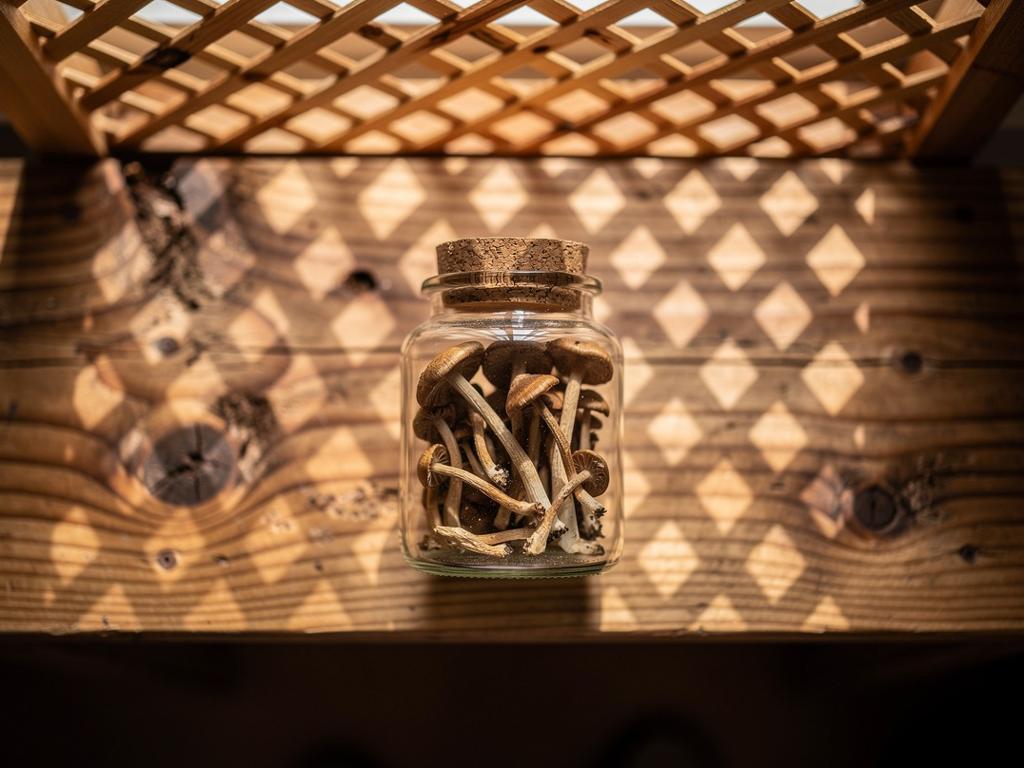
The question comes up in almost every conversation I have with people considering their first serious psychedelic experience: mushrooms or LSD? It sounds like a matter of taste, like picking red wine over white. It isn't. These two substances behave differently in the body, feel different in the mind, and tend to serve different kinds of inner work. Choosing between them — or deciding they're both worth exploring — is a real decision, and it deserves more than a Reddit shrug. I've sat with both. I've watched close friends have life-shifting experiences with psilocybin and equally profound ones with LSD. I've also seen people pick the wrong molecule for their situation and spend eight hours wishing they'd chosen differently. So let's walk through what actually separates these two, why it matters for anyone considering a psychedelic retreat or ceremony, and how to think about which one might suit you. Psilocybin is the psychoactive compound in what most people call magic mushrooms — dozens of species in the Psilocybe genus, growing on every inhabited continent. Humans have been eating them ceremonially for thousands of years. The Mazatec people of Oaxaca were using them in healing rituals long before Western scientists ever heard the word. Psilocybin converts to psilocin in your body, binds to serotonin receptors, and shows you something. What it shows you tends to feel old. Earthy. Bodied. LSD is a laboratory child. Albert Hofmann synthesized it in 1938 from ergot fungus, discovered its psychoactive punch by accident five years later, and gave the twentieth century a new tool for exploring consciousness. It's a semi-synthetic molecule active at doses measured in micrograms — extraordinarily potent by weight. It also hits serotonin receptors, but with a different affinity profile, and the experience it produces reflects that. Cleaner, in a sense. More electric. More architectural. Both are classic serotonergic psychedelics. Both can produce ego dissolution, mystical experiences, and lasting shifts in perspective. But the texture of the two journeys is genuinely distinct, and that texture matters more than most first-timers realize. A moderate psilocybin dose — say, 2 to 3.5 grams of dried Psilocybe cubensis — usually comes on within 30 to 60 minutes. There's often a wave of nausea in the first hour. Your body might feel heavy, or trembly, or both. Colors deepen. Patterns emerge in wood grain, in fabric, in the veins of leaves. And then, somewhere in hour two, the thing you came for arrives. People often describe mushrooms as feeling alive — as if there's an intelligence in the experience meeting them halfway. This is why psilocybin sits so comfortably alongside ayahuasca and other master plants in the plant medicine world. It has a personality. It can be tender. It can also be blunt in ways that leave you laughing and crying at the same time. Emotional material tends to come up in waves, often connected to specific memories, relationships, or unresolved grief. The whole experience typically runs four to six hours, with a gentle taper. The comedown is usually kind. Many people sleep well the night of a mushroom journey and wake up quiet, reflective, sometimes changed in ways they can't yet articulate. That afterglow is one reason psilocybin has become the darling of clinical research into depression, end-of-life anxiety, and addiction recovery. LSD is a longer trip — 8 to 12 hours is normal, and the last stretch can drag if you're tired. The come-up is subtler than mushrooms and less physical. You don't get that gut-level nausea. Instead you get a slow-building buzz, a sharpening of the visual field, a sense that your mind is speeding up while the world is holding still. The character of an LSD experience skews cerebral. Ideas cascade. Connections between disparate concepts feel obvious and important. Visuals are often geometric — fractals, breathing walls, tracers, the shimmer of pattern behind ordinary surfaces. Emotionally, LSD can be intense, but it's rarely as tender as psilocybin. It's more likely to hand you a philosophical breakthrough than a good cry. That's a generalization, of course. Set and setting shape everything. LSD also has more of a stimulant edge. Your jaw might clench. Sleep won't come easily even after the trip ends. Some people love this quality — the sustained clarity, the long runway for exploring an idea or a landscape. Others find it exhausting, especially in the final hours when the visuals fade but the wakefulness lingers. Here's where the choice really matters. If your interest in psychedelics is therapeutic — if you're circling this question because of depression, anxiety, addiction, trauma, or a stuck life pattern — psilocybin is usually the more suitable starting point. There are a few reasons. LSD has its place. Some people, especially those wrestling with rigid thinking, creative blocks, or entrenched worldviews, find that LSD's cognitive flexibility is exactly the medicine they need. It's also easier to microdose consistently because the material is stable and precisely dosable. But for the kind of deep, felt-sense healing that draws most people to plant medicine, mushrooms tend to be the better tool. Most people don't actually get to choose the molecule at a retreat — they choose the retreat, and the medicine comes with it. Ayahuasca retreats offer ayahuasca. Psilocybin retreats offer psilocybin. LSD retreats are much rarer, partly because of legal risk and partly because the long duration doesn't lend itself to a traditional ceremonial format. So the real practical question is: what kind of experience are you drawn to? If you want the earthy, embodied, plant-medicine texture — ayahuasca or psilocybin. If you want something more cerebral and less rooted in indigenous tradition, LSD is harder to find in a supported retreat setting but does exist in some European contexts. Ask yourself: Your honest answers point somewhere. A skilled facilitator can help you sort the rest. Both substances are classic psychedelics with excellent physiological safety profiles at recreational and ceremonial doses. Neither is addictive in the pharmacological sense. Neither has a known lethal dose in humans through direct toxicity. That said, they are not without risk. People with personal or family histories of schizophrenia, bipolar I, or psychotic disorders should generally avoid both. SSRIs blunt the effects and can complicate the experience. Certain heart conditions raise the stakes. And the psychological risk — a genuinely difficult trip that leaves you shaken for weeks — is real for anyone, especially without proper support. This is the argument for doing this work in a container with experienced people rather than solo in your apartment on a Tuesday. Legally, psilocybin is decriminalized or legally accessible in a growing number of jurisdictions — Oregon and Colorado in the U.S., the Netherlands for truffles, Jamaica for mushrooms outright. LSD remains a controlled substance in nearly every country. This is another reason you'll find far more psilocybin retreats than LSD ones. If someone asked me which I'd recommend for a first serious psychedelic experience with healing intentions, I'd say mushrooms, in a proper setting, with people who know what they're doing. If they asked me which I'd recommend for a curious mind wanting to expand its philosophical horizons on a long free Saturday with a trusted friend, I might say LSD. Neither answer is universal. Both are honest. The deeper truth is that the molecule matters less than the container. A well-held psilocybin ceremony with skilled facilitators will do more for you than a chaotic LSD session with acquaintances, and vice versa. Preparation, intention, setting, and integration shape the outcome as much as the substance itself. If you're drawn to explore psilocybin in a supported ceremonial setting, a curated range of psilocybin retreats can be browsed on our marketplace here. Take your time with the decision. This is worth doing well.
Trip Drawings and Visionary Art: Why Psychedelics Turn People Into Artists
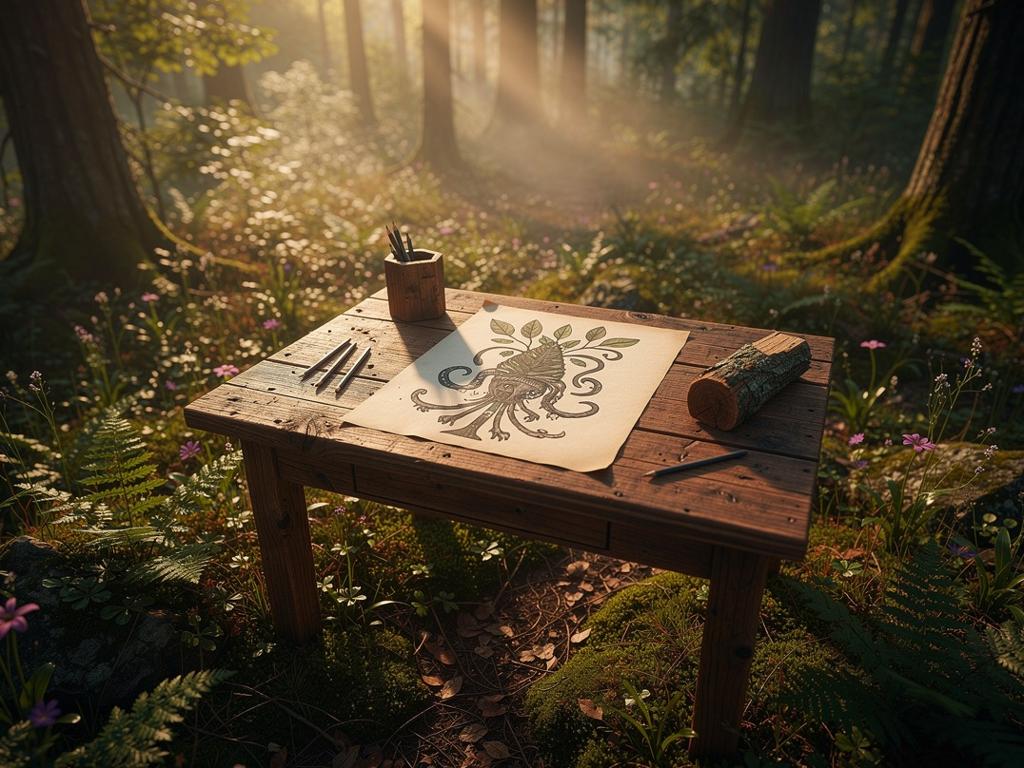
The first time I saw someone pull out a sketchbook the morning after ceremony, I thought it was a bit precious. Then I looked over their shoulder. Spirals within spirals, a jaguar's face melting into geometric lattice, a figure standing under something that looked like a doorway made of feathers. The person drawing wasn't an artist. They were a software engineer from Denver who hadn't picked up a pencil since high school. And they were shaking a little, the way you shake when you've just remembered something important. This is one of those quiet corners of the psychedelic world that doesn't get talked about much. People come home from ayahuasca retreats, psilocybin sessions, San Pedro nights in the mountains — and they draw. Or they write compulsively. Or they buy watercolors for the first time in twenty years. It's not a marketing pitch. It's just something that happens. And if you're weighing a retreat right now, understanding this creative aftershock is actually useful information about what plant medicines do and how integration works. The short answer: they flood your visual cortex with information you don't have language for. DMT, psilocybin, mescaline — all of them produce what researchers call closed-eye visuals, but that phrase is doing a lot of heavy lifting. What you actually experience is closer to seeing an entire private cosmology unfold behind your eyelids. Fractals. Vines that breathe. Faces that shift between animal and human. Geometry that seems to be trying to tell you something. When you come back to ordinary consciousness, most of it starts leaking away within hours. This is where the pen comes out. Drawing isn't about producing art — it's about grabbing onto the imagery before it dissolves. It's a memory technique, essentially. The Shipibo weavers of the Peruvian Amazon have been doing a version of this for centuries, translating the songs and visions of ayahuasca ceremony into the intricate geometric patterns you see on their textiles. Those patterns aren't decoration. They're notation. There's also something happening neurologically. Psychedelics loosen the grip of the default mode network — the part of your brain responsible for maintaining your sense of a fixed, narrative self. When that grip loosens, regions of the brain that don't normally talk to each other start comparing notes. Visual processing mixes with emotion. Memory bleeds into imagination. For a lot of people, this cross-wiring lingers for days or weeks after a ceremony, and it often shows up as a sudden urge to make things. If you scroll through the visionary art that comes out of the retreat world, you'll notice patterns. Not because everyone is seeing the same thing, but because certain forms seem to be baked into the deep architecture of psychedelic states. A few common motifs: None of this is proof of anything metaphysical. It might be that these motifs are hardwired into the human visual system, released when normal filters go offline. It might be something else. Honestly, sitting with the ambiguity is part of the work. What matters more is what the drawings do for the person making them. I've watched people crack open old grief while sketching a scene from ceremony they hadn't been able to describe in words. I've watched a former addict fill an entire notebook in the weeks after an ibogaine treatment, drawing the same doorway over and over until something in him settled. The drawing is the integration. It's not decorative — it's how the nervous system files what happened. Here's something worth understanding if you're considering a retreat for addiction recovery, depression, or trauma. One of the reasons plant medicines like ayahuasca and ibogaine show promise for these conditions is that they bypass the verbal, narrative mind — the same mind that has been telling you the same story about yourself for years. The trouble is, once you're back in ordinary consciousness, that narrative mind takes over again. It's very good at explaining away what you experienced. Talking about a ceremony to your therapist can sometimes flatten it into something manageable, which is the opposite of what you want. The insight starts to feel like a nice idea rather than a lived truth. Drawing sidesteps that. It keeps the experience in a form the narrative mind can't quite metabolize and dismiss. This is why many facilitators actually encourage journaling, sketching, or working with clay in the days after ceremony. It's not arts-and-crafts filler. It's a way of preserving the medicine's message in a language that doesn't decay as fast as words do. The master plants — as the Amazonian tradition calls them — are said to teach directly, through image and sensation, and the drawings are a way of continuing that conversation after the plant leaves your system. If you do end up sitting in a ceremony and something wants to come through your hand afterwards, a few practical thoughts from people who've been through it: One retreat coordinator I spoke with in the Sacred Valley keeps a stack of cheap sketchbooks in the integration room and hands them out on the last morning. She told me the ones who use them are the ones who tend to hold onto their gains six months later. Anecdotal, obviously. But it tracks with what the research on psychedelic-assisted therapy keeps showing: integration practices — anything that keeps the experience alive in the body and the imagination — are what turn a single ceremony into actual change. You'll sometimes see stunning visionary art from established painters — the Pablo Amaringo lineage, for instance, has produced some of the most detailed depictions of ayahuasca visions in the world. It's easy to look at that work and feel like your own scratchings don't measure up. But that misses the point entirely. The finished painting is a byproduct. The real event is the act of translating something ineffable into a mark on paper. It's a form of prayer, honestly, though I'm cautious about that word. It's also a form of therapy, though I'm cautious about that word too. Somewhere between the two, in a space our culture doesn't have great language for, the drawing becomes a way of taking the medicine seriously. That's ultimately what plant medicine work asks of you. Not belief. Not certainty. Just the willingness to treat what happened as real enough to be worth returning to, again and again, in whatever form you can. For some people that looks like sitting silently at dawn. For others it's writing at length. For a surprising number, it turns out to be a pencil and a cheap notebook at 6am, trying to catch the tail of something before it disappears. If any of this resonates and you're circling the idea of your own first ceremony, a range of curated ayahuasca and plant-medicine retreats can be browsed on our marketplace here. Bring the sketchbook. You might not need it. You might.
Dreaming of a Psychedelic Retreat?
We have the best deals and offers from thousands of organizers all over the world! Get them into your mailbox every week!
We value your privacy. Your email address will never be shared or published.
