 English
 Deutsch
 Français
 Nederlands
 Español
SHOP AYAHUASCA RETREATS BLOG
When Ayahuasca Goes Wrong: Psychosis, Mental Health Screening, and the Risks Nobody Advertises
Axel Hartley
July 11, 2026
Your ultimate guide to discover transforming ayahuasca and psychedelic experiences. Dive into serene destinations and elevate your consciousness to unparalled heights.
Discover Ayahuasca & Psychedelic Retreats NowSearch for ayahuasca & psychedelic retreats
Discover retreats, trainings, and holidays from all over the world
Somewhere on the internet right now, a person is typing a story into a forum thread. It goes something like this: they went to an ayahuasca retreat hoping to heal, and instead they came home hearing voices. Or unable to sleep for weeks. Or convinced, with a clarity that terrifies their family, that something followed them out of the jungle.
These stories exist. Not many, relative to the number of people who sit in ceremony each year — but enough that anyone considering a psychedelic retreat deserves an honest conversation about them. Most retreat websites won't have that conversation with you. So let's have it here.
The story the marketing pages skip
Ayahuasca has become the poster child for plant-medicine healing. You've seen the language — trauma dissolved, addictions lifted, depression walked off like a heavy coat. A lot of that is real. Clinical trials, observational studies, and countless first-person accounts point to genuine therapeutic value, particularly for people stuck in patterns that talk therapy alone hasn't shifted.
But ayahuasca is not a wellness smoothie. It's a powerful psychoactive brew containing DMT and MAO inhibitors, taken in a setting designed to crack you open. For most participants, that crack becomes an opening. For a small minority — and this is the part the glossy retreat sites tend to hide behind fine print — it becomes a fracture that takes months or years to close, if it closes at all.
The most serious of those adverse outcomes is psychosis. And the people most at risk of it are often the same people most drawn to plant medicine in the first place: those carrying heavy trauma, family histories of mental illness, or a quiet suspicion that something in their psyche is already fragile.
What ayahuasca-induced psychosis actually looks like
Psychiatric literature on this is thin but growing. The pattern, when it appears, tends to unfold in one of two ways. The first is an acute episode during or immediately after the ceremony — someone becomes disoriented, terrified, unable to distinguish the visionary state from consensus reality, and doesn't come back down when the pharmacology should have worn off. The second is a delayed onset, sometimes weeks after returning home, where symptoms creep in: intrusive voices, paranoid thoughts, ideas of reference, sleep collapse, a growing certainty that spirits or entities are still present and interactive.
People who've been through it often describe the second kind as harder to name. You've had a profound ceremony. You expect to feel changed. When the changes start to feel less like insight and more like intrusion, it's easy to explain them away — that's just the download, that's just my ego resisting, that's just an entity attachment I need to work with. Meanwhile, actual clinical symptoms are consolidating.
Family members are often the first to notice. If someone you love comes back from a retreat and their behavior scares you, trust that instinct. Early intervention matters. Psychiatric care in these situations is not a betrayal of the medicine — it's the responsible next step.
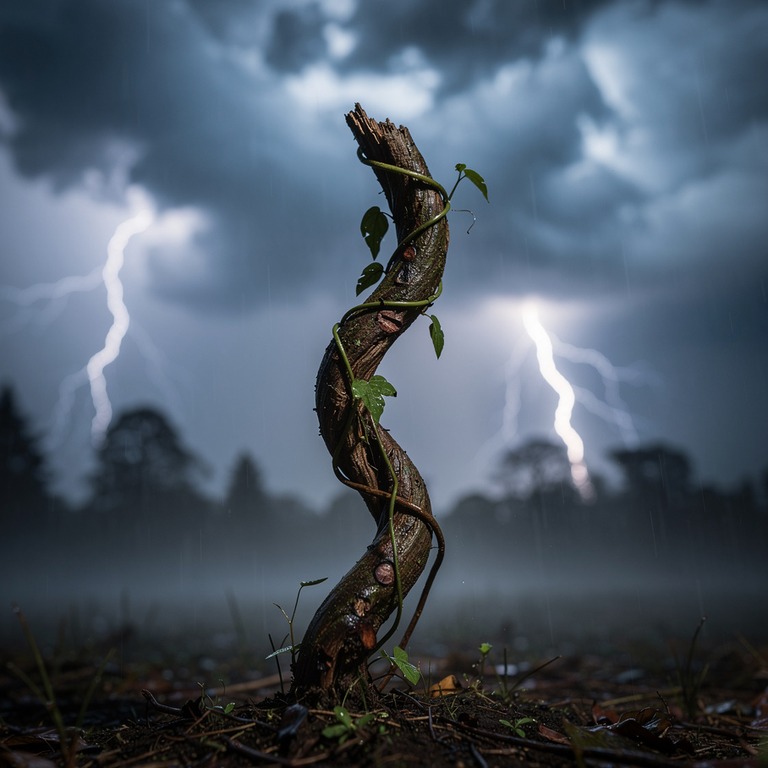
Who is genuinely at higher risk?
No screening system catches everyone. But there are patterns in the case reports and in what experienced facilitators quietly acknowledge. If any of the following describe you, ayahuasca deserves a much longer conversation with a medical professional than the online intake form provides.
- Personal history of psychosis, schizophrenia, schizoaffective disorder, or bipolar I with psychotic features.
- A first-degree relative (parent, sibling) with any of the above. Genetic vulnerability is real, and psychedelics can act as a trigger for a first episode that might otherwise have stayed latent.
- Current or recent use of SSRIs, SNRIs, MAOIs, tramadol, lithium, or stimulants — the pharmacology here is not just a rule on a form, it's serious.
- Active dissociative symptoms, unmanaged PTSD with frequent flashbacks, or a sense that reality already feels thin.
- Recent psychiatric hospitalization or ongoing suicidal ideation.
- Heavy cannabis use, especially daily high-THC use, in the months leading up to a retreat — the interaction with psychosis risk is underappreciated.
None of these are automatic disqualifiers in every case. But they should stop the booking process cold until you've talked with a psychiatrist who understands psychedelics — not a facilitator whose income depends on you saying yes.
How reputable retreats actually screen (and how the sketchy ones don't)
The difference between a solid retreat and a dangerous one is usually visible in the intake process before you ever board a plane. A trustworthy operation will ask uncomfortable, specific questions about your psychiatric history, your medications, your family history, and your reasons for coming. They'll want a phone or video call, not just a form. They'll say no to some people, and they'll tell you why.
The red flags run in the other direction. A retreat that never asks about mental health history. A facilitator who tells you the medicine will “know what you need” and dismisses your concerns about a family history of schizophrenia. A place that offers to hold ceremony for anyone with the money to attend, regardless of what they disclose. A brochure that promises specific outcomes — depression cured, PTSD healed — as if the plant were a prescription drug with a guaranteed mechanism.
Ask direct questions before you book:
- What medical and psychiatric conditions do you screen out, and who reviews the intake?
- What's your protocol if a participant has a psychotic break during ceremony?
- Is there a medical doctor or nurse on site or on call?
- How far is the nearest hospital, and what's the transport plan?
- What integration support do you offer after the retreat, and for how long?
- Have you ever had a participant experience a serious psychiatric event, and how did you handle it?
If those questions annoy the person on the other end, you have your answer.
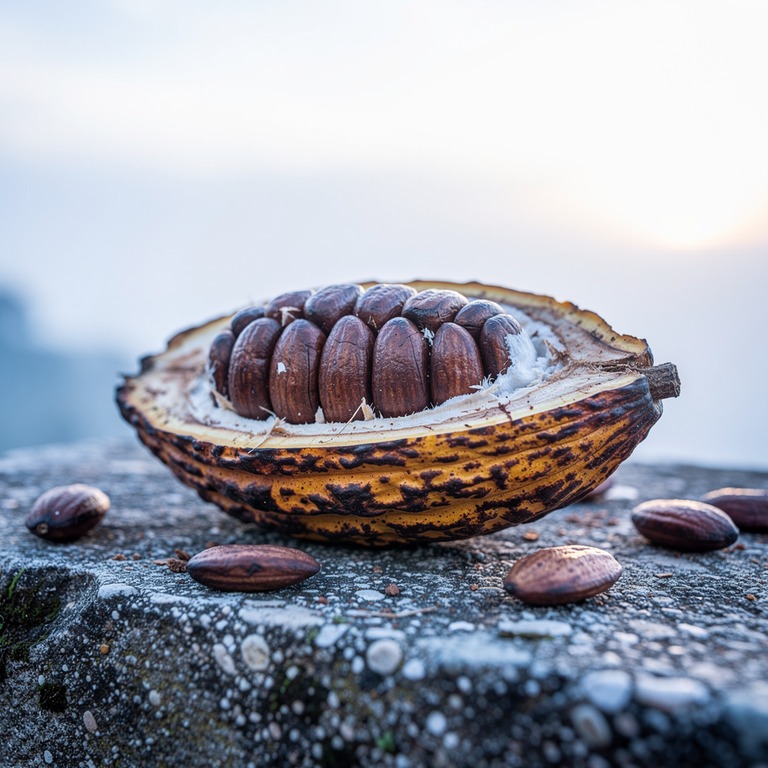
The integration gap where most damage compounds
Even when the ceremonies themselves go well, the weeks after are where trouble tends to consolidate or resolve. Retreats that hand you an incredible experience and then wave goodbye at the airport are doing half the job. Integration — the ongoing work of making sense of what happened and weaving it back into ordinary life — is where genuine healing lives, and it's also where early warning signs of a bad outcome first appear.
A good integration setup includes structured group calls in the weeks after the retreat, access to a facilitator or integration coach who can distinguish spiritual emergence from clinical crisis, and a clear referral pathway to a psychedelic-informed therapist if things start heading somewhere concerning. Ask about all of that before you pay a deposit.
And build your own support scaffold too. Line up a therapist at home before you leave. Tell one trusted person your full itinerary and what you're doing. Plan a landing week where you don't jump straight back into work. These are unglamorous logistics, and they are worth more than any additional ceremony night.
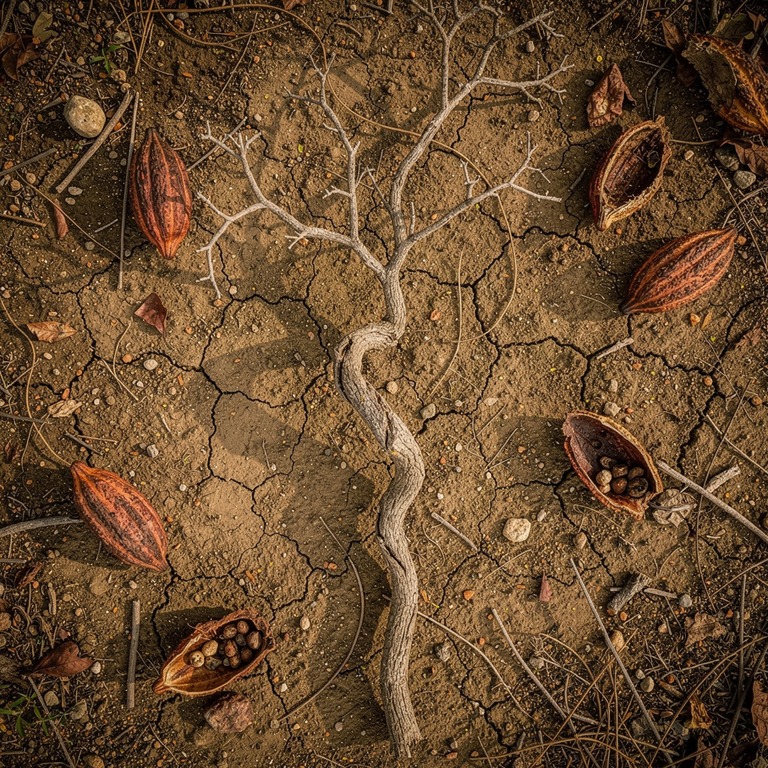
Weighing the decision honestly
None of this is meant to scare anyone away from plant medicine. The genuine potential of ayahuasca — for addiction recovery, for depression that hasn't budged, for grief and trauma that have calcified — is real, and for a lot of people it's the most significant experience of their adult lives. Master plants have earned their reputation across centuries for good reason.
The point is that psychedelic healing carries actual risk, and the risk isn't distributed evenly. Some people should walk toward the medicine. Some should walk carefully. Some should walk the other way, at least for now, and revisit the question when their mental health foundations are steadier. Only you and a good clinician can tell which one is you — a retreat's marketing copy can't.
If you've done the honest work, cleared the screening, and feel ready, a wide range of carefully vetted ayahuasca retreats can be browsed on our marketplace here. Take the extra week to ask the hard questions before you book. The retreat that answers them well is the one worth attending.

Craving More Stories?
Join our ShopAyahuascaRetreats newsletter for the latest updates on thrilling
destinations and inspirational tales, delivered straight to your inbox!
We value your privacy. Your email address will never be shared or published.