 English
 Deutsch
 Français
 Nederlands
 Español
SHOP AYAHUASCA RETREATS BLOG
Treating Depression with Psilocybin Truffles: What a Second Journey Can Reveal
Luca Reeves
July 13, 2026
Your ultimate guide to discover transforming ayahuasca and psychedelic experiences. Dive into serene destinations and elevate your consciousness to unparalled heights.
Discover Ayahuasca & Psychedelic Retreats NowSearch for ayahuasca & psychedelic retreats
Discover retreats, trainings, and holidays from all over the world
There's a particular kind of quiet that settles into a room after someone's second psilocybin session ends. Different from the first. The first trip is mostly astonishment — the walls breathing, the ego dissolving, the sudden conviction that everything is going to be different now. The second one? That's where the actual work tends to begin. And for people using truffles to treat depression, that second journey is often the one that matters most.
I've spent enough time around plant-medicine and psychedelic retreats — sitting in on ceremonies, talking to facilitators in the Netherlands where truffles remain legal, following up with participants months later — to notice a pattern. People come in hoping psychedelics will fix them. What actually happens is stranger, slower, and more useful than that.
Why Psilocybin Truffles Are on More Depression Treatment Radars
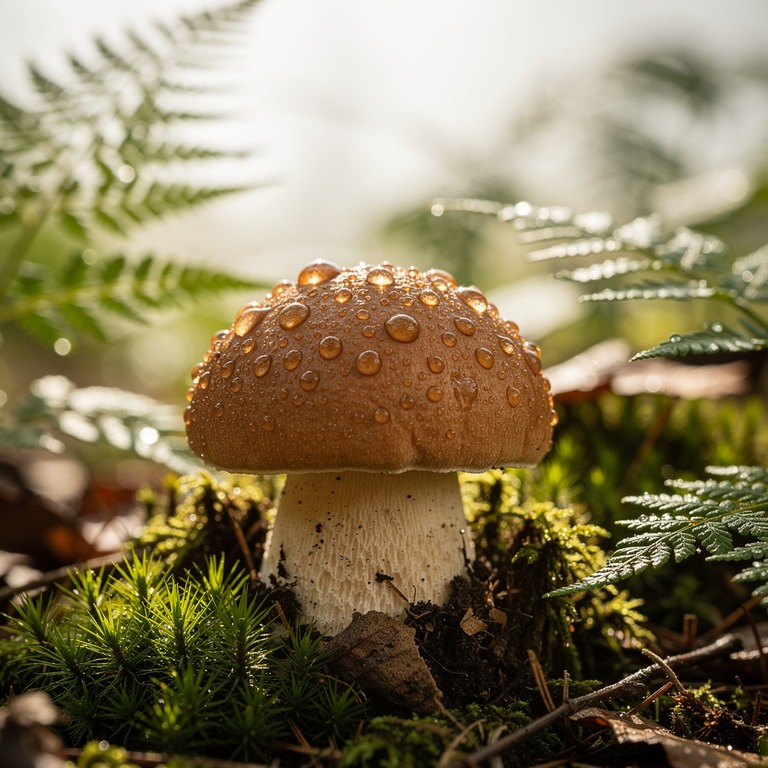
Truffles — the sclerotia of certain psilocybin-producing fungi — occupy an odd legal niche. In the Netherlands they're sold openly, which is why most of the legitimate psilocybin retreats you'll find operate out of places like Amsterdam, Utrecht, or the Dutch countryside. The active compound is the same one that's been studied at Johns Hopkins, Imperial College London, and NYU for treatment-resistant depression. Clinical trials over the past several years have shown response rates that outperform SSRIs for a meaningful subset of participants, particularly those who've cycled through multiple medications with diminishing returns.
That research is why people are showing up at retreats now who wouldn't have considered it a decade ago. Software engineers on their third antidepressant. Nurses who've been quietly depressed since their twenties. Parents whose depression hardened after a loss. The demographic has shifted from psychonauts to patients — and the framing has shifted with it.
Still, psilocybin isn't a pill you swap in for citalopram. It's a full-day event, sometimes two, with preparation before and integration after. And what happens inside that day tends to divide neatly into two kinds of experience: the opening, and the excavation.
The First Trip: Everything Lights Up
Most people's first truffle session is the beautiful one. The dose is usually moderate — maybe 15 to 25 grams of fresh truffles depending on the facilitator's protocol and the participant's weight and sensitivity. You lie down with an eye mask, headphones playing a curated music set, and a sitter or two nearby. Within forty minutes, the world softens.
What people report from a first session tends to cluster around a few themes:
- An overwhelming sense that they are loved, or lovable, often for the first time in years
- Vivid geometric visuals that shift into meaningful imagery — a childhood house, a parent's face, a landscape they've never seen
- A physical release: tears, laughter, sometimes trembling as long-held tension leaves the body
- A conviction that the depression is not who they are — it's something they've been carrying
This is the trip people write about. It's the one that gets Instagrammed (metaphorically — good retreats don't allow phones in the ceremony space). And it's genuine. The neuroplasticity spike, the default mode network quieting, the flood of connection — all of it is real.
But here's what almost no one tells you about a first psilocybin session for depression: the afterglow fades. Sometimes within days, sometimes within a few weeks. And when it does, some people crash harder than before, because they thought they were done.
The Second Trip: Where the Actual Work Happens
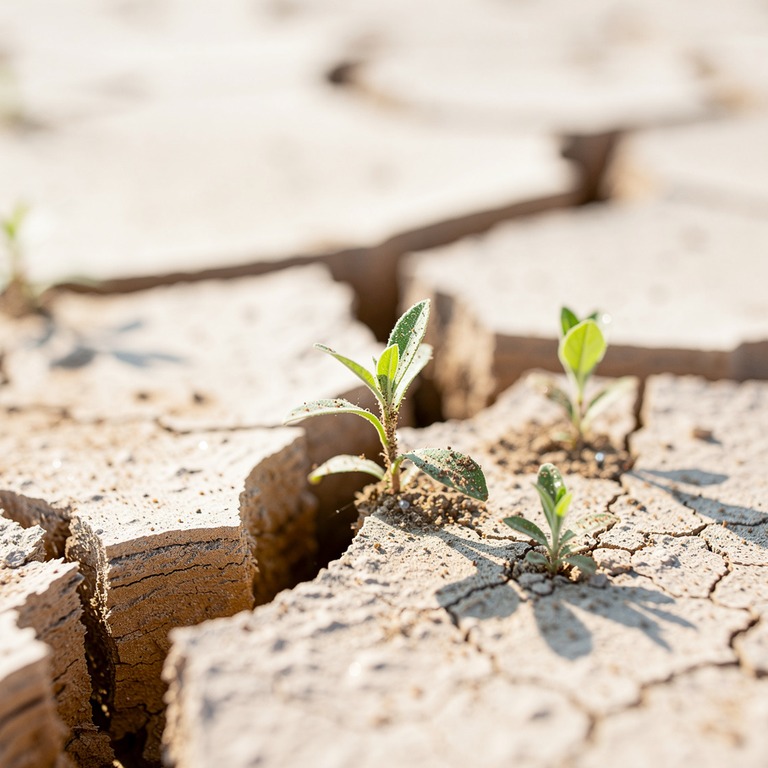
The second session tends to feel different from the moment the truffles hit. Less carnival, more clinic. People describe it as heavier, more surgical, sometimes uncomfortable in ways the first one wasn't. This isn't a failure of the medicine — it's usually the medicine doing what depression treatment actually requires.
In depression, the material that needs to surface is rarely pleasant. It's the memory of being seven years old and realizing no one was coming. It's the resentment toward a partner you've been swallowing for a decade. It's the grief you never let yourself feel because you were too busy functioning. A second psilocybin trip tends to open those specific rooms — the ones the first trip only walked past.
Facilitators who've sat with hundreds of sessions will often tell you the second journey is when they see people actually change, not just feel changed. There's a difference. The first trip generates insight. The second one forces you to sit with what the insight implies. Which is usually harder.
What to Expect If Your Second Session Feels Rough
If you're considering a truffle retreat and you've read glowing accounts of first-timers, prepare yourself for the possibility that your second session — if there is one — might not match that tone. That's not a warning to scare you off. It's the opposite. Knowing this in advance is what lets you stay with the experience instead of fighting it.
A few things worth knowing:
- Rough doesn't mean bad. A difficult psychedelic experience, well-supported, is often the more therapeutically valuable one. Facilitators call it "working with what arises," and there's decades of evidence that the material you resist during a session is usually the material you most needed to meet.
- Set and setting matter more the second time, not less. If you were nervous before your first trip, you know the drill. By the second, some people get complacent — skimping on preparation, going in tired, treating it casually. Don't. The medicine will meet you at whatever depth you show up to.
- Integration is where depression actually lifts. The trip is the ignition. The weeks after — journaling, therapy, honest conversations, changed habits — are the engine. Retreats that only offer the ceremony and send you home without integration support are selling you half a product.
- One session is rarely enough for depression. Most reputable psilocybin retreats offer at least two sessions across a long weekend for exactly this reason. The clinical trials that produced the impressive numbers used multiple dosing sessions too.
Choosing a Retreat If You're Working with Depression
Not every truffle retreat is equipped for people using the medicine to treat mental illness. Some are geared toward well-adjusted seekers looking for spiritual experience. That's a different program. If depression is your reason for going, look for a few specific things:
Ask about the screening process. A retreat that takes a fifteen-minute intake call and clears you is not paying attention. Serious operators want to know your medication history, your family psychiatric history, whether you're actively suicidal, whether you have bipolar disorder or a personal or family history of psychosis. If they don't ask, that's a red flag.
Ask about the facilitator-to-participant ratio. Anything worse than one facilitator per four participants is thin. Ideally you want closer to one-to-two or one-to-three, with at least one facilitator who has clinical training in addition to psychedelic experience.
Ask what happens if your session gets hard. The answer should involve specific practices — physical presence, grounding techniques, permission to feel what's arising — not vague reassurance. And ask what integration looks like: how many sessions, over how many weeks, with whom.
Finally, trust your instincts about the operators themselves. Depression makes people vulnerable to charismatic figures promising transformation. A good facilitator will be honest about what psilocybin can and can't do, will not promise you'll be "healed," and will treat you as a competent adult making a serious choice — not as a lost soul who needs saving.

The Longer Arc
People who use psilocybin truffles to treat depression and get lasting results tend to share a few habits. They don't treat the retreat as a one-and-done. They keep working — with a therapist, ideally one who understands psychedelic integration, and often with lifestyle changes that would have felt impossible before the sessions. They stay in touch with the insights that surfaced, even the uncomfortable ones. They accept that depression, for many people, is a chronic condition being managed rather than a bug being patched.
The second trip that felt heavier than the first? For most people who follow through, that's the one they end up grateful for. Not because it was pleasant, but because it was honest.
If you're weighing this decision and want to see what's actually out there, a range of legal psilocybin truffle retreats can be browsed on our marketplace here. Take your time with the choice — the retreat you pick matters at least as much as the medicine itself.

Craving More Stories?
Join our ShopAyahuascaRetreats newsletter for the latest updates on thrilling
destinations and inspirational tales, delivered straight to your inbox!
We value your privacy. Your email address will never be shared or published.