 English
 Deutsch
 Français
 Nederlands
 Español




Reset. Heal. Grow.
The Mediterranean Lifestyle and 30% Lower Mortality: What a 105K Study Found
Here's something worth sitting with. A study tracking more than 105,000 adults over roughly 13 years found that people who most closely mirrored the traditional Mediterranean way of life had a 30% lower risk of dying during the study period than those who lived farthest from it. Not 3%. Thirty. And the twist? It wasn't only about the olive oil. Food gets most of the headlines when we talk about the Mediterranean diet — the leafy greens, the whole grains, the fish, the famous drizzle of extra-virgin on everything. But the researchers behind this analysis were asking a bigger question: what happens when you measure the whole lifestyle? The naps. The long walks. The dinners that stretch into three hours because nobody's checking their phone. The sleep. The friends who actually show up. Turns out, that broader pattern may matter more than any single ingredient on the plate. The data came from the Lifelines health study in the Netherlands — 105,812 adults, followed for a median of about 13 years. Rather than scoring participants only on what they ate, the team used something called the MEDLIFE Index, a tool designed to capture 23 separate habits associated with traditional Mediterranean living. Those habits fell into a few buckets: food choices (vegetables, legumes, whole grains, olive oil, moderate wine with meals), meal customs (eating with others, not snacking constantly, resting after lunch), physical activity (both deliberate exercise and the ambient movement of daily life), sleep quality, and social connection. Each participant got a score. Then the researchers tracked mortality over the following decade-plus. They also did something smart. They checked whether the lifestyle-mortality link held up across different income and education levels — because it's one thing to say "healthy habits help" and another to prove that help reaches people who aren't already comfortable. Participants with the highest MEDLIFE scores had a 30% lower risk of death during the study period than those with the lowest scores. That association survived even after researchers controlled for other health and lifestyle factors, which is a meaningful signal in a study of this size. But the picture got more layered when socioeconomic status entered the frame. People who scored high on the lifestyle index and had the highest incomes saw roughly a 46% lower mortality risk compared with the baseline group. Those with high scores and the most education landed at around 33%. Read that carefully, because it's easy to misinterpret. The numbers don't mean money or diplomas themselves add years to your life. They reflect comparisons between groups within one study, and the direction tracks with what we already know about health inequality globally — people with more resources tend to have more room to live well. The healthier lifestyle still pulled mortality down across the board. It just pulled hardest where other conditions were also favorable. This is the part I keep coming back to. When somebody tells me they're "doing the Mediterranean diet," they usually mean they swapped butter for olive oil and started buying more lentils. Fine. Both good moves. But the lifestyle score in this study also rewarded things like: Each of these correlated with lower mortality risk on its own. Stack them, and you get the full Mediterranean effect. The eating pattern is one leg of the stool. The rest of the stool matters just as much. Which should be oddly freeing. If you've been beating yourself up because you can't quite get the dinner thing perfect, maybe the better lever this month is sleep. Or a standing weekly walk with a friend. Or just not eating lunch at your desk for the fifteenth day in a row. You don't need a plane ticket. You don't need a kitchen full of specialty ingredients, either. What you need is a slow, honest look at how your days are actually structured — and where small adjustments could compound over years. A few places to start: Studies like this are useful for a reason that goes beyond "eat more olives." They remind us that longevity isn't a single intervention. It's the accumulated weight of hundreds of small daily choices — what we eat, how we rest, who we spend time with, how often we move our bodies, whether we feel part of something. That framing matters for anyone considering deeper healing work, including the readers who come to this site weighing a plant-medicine retreat for depression, addiction, or burnout. Ceremony can crack something open. Integration — the quiet work of changing your actual daily life afterward — is what makes the opening stick. A powerful night in a maloca won't do much if you return home to the same four hours of doom-scrolling, the same solo microwave dinners, the same chronic sleep debt. In other words: the Mediterranean lifestyle research is really a study about integration, even though nobody uses that word. It's about whether your days, stacked up over decades, point you toward health or away from it. Observational studies of this size are powerful but not perfect. They show association, not pure cause and effect. People who sleep well, move often, and eat whole foods tend to have other things going for them too — stable jobs, safer neighborhoods, less chronic stress. The researchers controlled for a lot of this, but no model catches everything. Still, the signal is consistent with decades of other research. Live more like someone from a Mediterranean coastal village in 1965, and your odds improve. Not guaranteed. Improved. That seems worth taking seriously. For readers whose interest in longevity, healing, and lifestyle redesign runs deeper — and who are curious about retreats that pair plant medicine with the kind of lasting daily-habit shifts this research points to — a range of curated plant-medicine and wellness retreats can be browsed on our marketplace here. The real work, as always, begins the morning after you come home.

Why Real Rest Feels Impossible — And What Plant Medicine Reveals About It
A friend of mine came back from a ten-day ayahuasca retreat in the Sacred Valley and told me, half-laughing, that the hardest part wasn't the brew. It wasn't the purging, or the long nights in the maloca, or the strange geometry he saw behind his eyelids. The hardest part, he said, was the afternoons. Nothing scheduled. No phone. No podcast. Just a hammock, the sound of the river, and himself. He described it as a kind of low-grade panic that took three days to burn off. I've heard versions of this from dozens of people. They sign up for ayahuasca or psilocybin or a San Pedro retreat looking for breakthroughs with depression, addiction, trauma, or that gnawing sense of being stuck. What ambushes them is something simpler and, in some ways, more exposing: the sheer discomfort of being still. Of resting. Of not performing, not optimizing, not even healing on a schedule. So let's talk about that. Because the inability to rest — real rest, not the Netflix-and-doomscroll kind — is sitting underneath a lot of what sends people toward plant medicine in the first place. And it's worth understanding before you book anything. Here's the awkward truth. Most of what we call rest is just a different flavor of labor. A long weekend of “relaxing” that involves five flights, three restaurant reservations and an Instagram carousel is not rest. Neither is lying in bed with a phone three inches from your face, thumb twitching through fifteen apps. The body might be reclined. The nervous system is still running laps. The South Korean philosopher Byung-Chul Han writes about this. He describes modern life as an achievement culture — one where we've internalized the role of boss and worker simultaneously, driving ourselves harder than any external master ever could. In that frame, rest becomes suspicious. Rest looks like falling behind. Rest looks like someone else lapping you while you nap. So we fake it. We call vacations rest. We call wine rest. We call the hour after work when we scroll through TikTok rest. And then we wonder why we wake up on Monday feeling like we got hit by a bus. The nervous system knows the difference even when we don't. Nearly everyone I've met at a plant-medicine retreat was tired. Not sleepy-tired — the deeper kind. The tired that eight hours of sleep won't touch. Some had tried therapy for years. Some were in recovery from addiction and had done the work on paper but still couldn't locate anything resembling peace. Some had excellent lives on the outside and a persistent sense of being somehow absent from them. Ayahuasca, in that context, isn't really a treatment. It's a confrontation. The brew — a bitter decoction of the Banisteriopsis caapi vine and chacruna leaf, prepared by Amazonian traditions over generations — doesn't give you rest. What it does, if the setting is good and the facilitator knows their work, is show you the machinery that's been keeping rest out of reach. The compulsions. The old loops. The identity you've been performing for so long you forgot it was a performance. Plant medicine for addiction works along similar lines. Ibogaine, used carefully in medical settings for opioid dependence, interrupts withdrawal and seems to open a window where the addicted self can be seen from the outside. Psilocybin shows up in clinical trials now for depression and alcohol use disorder. The common thread isn't that these substances fix you. They create a pause long enough for you to notice what you've been running from. In the Amazonian traditions, ayahuasca is one of a family of what are called master plants — teacher plants. Tobacco (the real stuff, mapacho, not the Marlboro variety), bobinsana, chiric sanango, ajo sacha, and others. Shamans work with these plants through long periods of isolation called dietas, often weeks of near-silence, bland food, no sugar, no salt, no sex, no distraction. The whole architecture is designed to quiet the ordinary mind so the plant's intelligence can be heard. Notice what that is. It's enforced rest. Not spa rest. Not productivity-boosting mindfulness-at-your-desk rest. It's a stripping-away. A deliberate removal of the inputs that normally fill the inner silence. People who've done dietas describe the first days as excruciating and the later days as something close to the natural state they'd been chasing their whole lives. This is why a serious ayahuasca retreat is not a weekend wellness getaway. The medicine is one part. The silence around it is another. The dieta before and after is another. If someone is selling you a two-night ayahuasca experience with a cocktail hour on arrival, that's a different product entirely. Call it something, but don't call it plant medicine as the traditions understand it. If you're sitting with the question of whether to actually do this — and plenty of readers of this site are — a few honest things to weigh. And one more thing people rarely say out loud. You will not come home fixed. You might come home different. The ceremony is maybe twenty percent of the work. The rest is what you do with it over the next year, which brings us back around to the whole problem of rest. Here's what nobody tells you in the glossy retreat brochures. The ceremony is often easier than the Tuesday morning three weeks later when you're back at your desk and the insights are starting to blur. Integration — the slow, unglamorous work of letting the experience actually change your life — demands exactly the capacity for stillness that most of us arrived without. This is where a lot of psychedelic healing goes sideways. People have a profound night with the medicine, feel reborn for about ten days, then slide back into the same patterns because the surrounding life was built by the person they were trying to leave behind. The job is still the job. The phone is still the phone. The relationship with their own time is unchanged. The people I've seen actually transform after a plant-medicine experience almost always do some version of the same thing afterward. They carve out genuine rest. Not an app. Not a program. Real unstructured time. A morning walk without headphones. A weekly sit, even ten minutes. A Sabbath, however they define it — one day a week where the phone stays in a drawer and nothing is optimized. The medicine opened the door. The practice of stillness is what keeps the door open. The Irish poet David Whyte once described rest as the conversation between what we love to do and how we love to be. I think about that line often. It reframes rest as something other than collapse. It makes it an alignment — the moment the inner life and the outer life stop fighting each other. Plant medicine, at its best, can crack that conversation open. It can show you, sometimes with startling clarity, where your life has drifted from your own values, where fear has been running the show, where you've been using substances or achievements or busyness to avoid the simple, terrifying act of being present with yourself. That's not a small thing. For people dealing with addiction, trauma, or long-term depression, that kind of seeing can be the beginning of a different life. But it's a beginning, not a destination. The medicine shows the door. Walking through it looks a lot like learning, finally, how to rest. If any of this is landing for you, and you're starting to feel seriously curious about where and how such work gets done, a range of thoughtfully vetted ayahuasca and plant-medicine retreats can be browsed on our marketplace here. Take your time with the decision. Rushing toward rest is one of those paradoxes the medicine will catch you on anyway.
Can Mindset Really Lower Inflammation? What New Research Suggests
Here's something that caught my attention this year: a growing body of research suggests that chronic inflammation — the slow, smoldering kind linked to heart disease, cognitive decline, and most of the conditions we fear as we age — might respond to things that have nothing to do with supplements, elimination diets, or cold plunges. Three of the most promising levers appear to live in your head and in your relationships. That matters for anyone exploring psychedelic healing or plant medicine, because so much of what people describe after an ayahuasca ceremony or a psilocybin retreat sounds suspiciously like these same psychological shifts. A renewed sense of agency. A clearer reason to be alive. Reconnection with people they'd drifted from. If those changes aren't just poetic — if they're measurably anti-inflammatory — then integration work isn't woo. It's biology. A 2024 paper in the Journal of Psychosomatic Research, led by psychologist Margie Lachman at Brandeis, pulled data from the long-running Midlife in the United States project and looked at 1,244 adults between 34 and 82. The team zeroed in on three psychological traits — sense of control, purpose in life, and social support — and compared them against five inflammatory biomarkers in participants' blood. The headline: people who scored higher on all three had meaningfully lower inflammation. They also reported better day-to-day functioning and fewer chronic conditions. Lachman and her colleagues coined a useful phrase for these traits — psychosocial anti-inflammatories — and the term is starting to spread through the longevity research world for good reason. The leading hypothesis for why this works is almost comically simple. These mindsets lower perceived stress. Stress fuels inflammation. Lower the fuel, lower the fire. Lachman's lab is currently mapping that pathway in more detail, but the general direction is well supported by decades of psychoneuroimmunology work. Lachman defines sense of control as the belief that you can bring about the outcomes you want in your life, even when obstacles show up. Interestingly, her data shows that for most people this trait doesn't collapse in midlife — it actually peaks there. The whole midlife-crisis narrative, she argues, is largely a story we tell ourselves rather than something the research supports. If agency feels thin for you right now, the advice is unglamorous but effective. Pick one domain — your sleep schedule, a stalled project at work, a conversation you've been avoiding — and make a concrete decision you then follow through on. Then do it again next week. Every time you act on something within your reach, you reinforce the quiet internal evidence that your choices actually matter. These small acts stack. This is also, not coincidentally, one of the most consistent reports from people who sit with master plants. Addiction recovery stories in particular often hinge on the moment someone stops experiencing themselves as a passenger in their own life. Whether that shift comes from a ceremony, from therapy, or from stubbornly honoring a 6 a.m. walk for ninety days running — the biological downstream looks similar. Purpose gets mythologized to a ridiculous degree. People wait around for some capital-P Calling to arrive, and in the meantime live as though their days don't require a reason. The research is much kinder than that. Purpose, as measured in these studies, is simply having a clear sense of why you're getting out of bed and engaging with the world. One study of 2,558 older adults found that people with a higher sense of purpose developed Alzheimer's dementia later than their lower-purpose peers. They also lived longer — about 89 on average versus 85. Four years is not a rounding error. Four years is grandchildren, projects, chapters of a life. To build this, start by noticing what consistently makes a day feel like it counted. For some people that's creative work. For others it's caregiving, teaching, gardening, running a small side thing that doesn't pay well but matters. Then — and this is the part people skip — restructure your week so that activity isn't the first thing to get cut when you're busy. Protect it the way you'd protect a doctor's appointment. Three questions. Sit with them for ten minutes on a Sunday. You'll usually find more raw material than you expected. The third psychosocial anti-inflammatory is social support, and Lachman is careful to distinguish it from social connection. You can have a thousand contacts, a packed calendar, and still score zero on this metric. Social support is the felt sense that there are specific people you could call at 2 a.m. in a crisis and they'd actually show up. It requires trust and reliability, not quantity. A study of over 8,000 participants tracked across five years found that strong social support changed how perceived stress translated into C-reactive protein, a key inflammation marker. In plain English: people with good support absorbed less biological damage from the same amount of life stress. A separate multi-cohort analysis found the opposite pattern for social isolation — consistently elevated inflammation across adulthood, including both CRP and interleukin-6. Strengthening this doesn't mean becoming a social butterfly. It means picking two or three relationships that already have some depth and tending to them deliberately — a weekly phone call, an actual visit, the willingness to say the hard thing when something's wrong. And, crucially, being willing to let those people show up for you. Many of us are much better at giving support than receiving it, and the biology seems to care about both directions. The reason I'm writing about this on a plant-medicine site is that these three traits — agency, purpose, support — map almost perfectly onto what people say they're seeking when they book an ayahuasca retreat or sit with psilocybin. They don't usually show up asking for a mystical experience. They show up stuck, feeling like life is happening to them, drifting, lonely in ways that have nothing to do with how many people are in the room. A well-run ceremony can crack those patterns open. But — and this is the part that gets undersold — the retreat itself is only the opening move. The lasting shift happens in the weeks and months after, when you either rebuild your life around those insights or watch them fade. If the psychosocial research is right, the specific things worth rebuilding around are exactly the ones Lachman's team identified. Make the hard decision you've been dodging. Protect the activity that gives your week a shape. Call the friend you keep meaning to call. None of this requires plant medicine. Some people arrive at agency, purpose, and real connection through therapy, through long walks, through showing up to the same meeting every Tuesday for a year. Plant medicine, when it works, often just removes the obstacles that kept those shifts out of reach. The follow-through is still yours. Correlation isn't causation, and the MIDUS data is observational. People with lower inflammation might, for reasons we haven't untangled yet, find it easier to feel purposeful and supported in the first place. The arrow probably runs both ways. That said, the stress-pathway hypothesis is biologically plausible and consistent with a lot of other evidence, so acting on it is a reasonable bet even while the mechanism gets nailed down. Also worth saying: no mindset shift is a substitute for addressing serious depression, trauma, or untreated medical conditions. If you're reading this while white-knuckling through a genuine mental health crisis, the move isn't to journal harder about purpose. It's to get real support — a clinician, a crisis line, a trusted person who can help you take the next step. For readers who sense that some of this stuck-ness is exactly what's drawing them toward plant medicine, a range of curated ayahuasca and psychedelic retreats can be browsed on our marketplace here. Whatever path you take, the small acts — the decision made, the hour protected, the honest text sent — are already doing real work on your biology. That's a surprisingly hopeful thing to carry into a week.
The Quiet Link Between Steady Drinking and Depression — And Why It Matters If You're Considering Plant Medicine
A nightly glass of wine starts as a small decompression ritual. Then it's two. Then it's the thing you reach for before you've even taken off your shoes. Most people never clock the shift — and that's exactly what makes it worth paying attention to, especially if you're the kind of reader who's quietly researching ayahuasca or another plant medicine because something in your emotional life feels stuck. A long-running study followed 941 adults across the U.S. Gulf Coast for nine years, mapping how their drinking patterns moved alongside their depression symptoms. The results aren't dramatic in a headline-grabbing way. They're something quieter and, honestly, more useful: a reminder that the baseline habits you drag into a ceremony room — alcohol among them — shape what the medicine can actually do for you. Researchers tracked participants through five surveys over nearly a decade in a region that had absorbed one gut-punch after another — the Deepwater Horizon spill, hurricanes, the pandemic. People there had plenty to drink about. The team sorted everyone into four groups based on how their alcohol use changed (or didn't) over time. Here's the part worth sitting with. Depression symptoms worsened in two groups: the people whose drinking was climbing, and the people whose drinking was simply steady and high. You didn't have to be sliding into heavier use to see your mood erode. Staying put at an already-elevated level did the same work, just more patiently. The low-and-stable and decreasing groups? No meaningful mood decline. Which, if you squint, is almost the whole story: either keep it light, or move the needle down. Both futures looked kinder than the middle. Most ayahuasca retreats and plant-medicine centers ask you to abstain from alcohol for at least two weeks before you arrive — some ask for a month. People sometimes read that as a quaint rule, a vibes-based purity thing. It isn't. The dieta exists because alcohol and psychedelic healing pull in opposite directions, and this study quietly underscores why. Ayahuasca, psilocybin, ibogaine, San Pedro — these are often described as master plants precisely because they ask you to look at your coping patterns with uncomfortable honesty. If one of those patterns is a bottle of wine a night that you've told yourself is harmless, the medicine is likely to bring that into the room. Many facilitators I've spoken with say the same thing: the people who struggle most during ceremony are often the ones who entered with a nervous system marinated in daily alcohol and told nobody. The nine-year data gives this folk wisdom some teeth. Chronic steady drinking — not just binge episodes — correlates with depression that quietly thickens over years. If that's part of what's brought you to the edge of booking a retreat in the first place, the pre-retreat sobriety window isn't an inconvenience. It's a diagnostic. The researchers were careful to point out what their study couldn't do. It's observational, which means it can show associations but can't tell you which thing caused which. Does heavier drinking slowly wear down mood? Or do people with worsening mood lean harder on alcohol? The honest answer is almost certainly: yes. What tends to happen is a loop. A rough patch nudges you toward a drink. The drink offers an hour of relief and then borrows against tomorrow's baseline. Tomorrow feels a little heavier, so the drink comes a little earlier. The brain's own stress-regulation tools — the ones that normally let you ride out a bad afternoon without chemical help — start to atrophy from disuse. After a few years of this, you're not drinking because you had a bad day. You're drinking because the capacity to metabolize a bad day without alcohol has quietly left the building. This is the exact territory where plant medicine often becomes relevant. Ayahuasca retreats for addiction and depression don't work by magic — they work partly by forcing a hard reset on these loops, surfacing what's underneath, and offering an experience of being okay without the usual crutches. But that reset only takes if the crutch isn't waiting for you at the airport bar on the way home. If you're in the research phase — reading retreat reviews at midnight, bookmarking centers in Peru or Costa Rica or the Netherlands — these are the questions I'd want you to sit with first. Not to talk yourself out of a retreat, but to make sure you walk in with your eyes open. Reputable retreats will give you a dieta — a list of foods, substances, and sometimes behaviors to avoid in the weeks leading up to ceremony. Alcohol is always on it. So are most recreational drugs, certain medications (especially SSRIs — this is a serious interaction, not a suggestion), aged cheeses, fermented foods, pork, and often sexual activity for a stretch. Treat the alcohol-free window as its own small experiment. Notice what rises in the evenings when the usual off-switch isn't available. Notice whether you sleep differently after a week. Notice what emotions have been sitting underneath the wine, waiting. Facilitators I trust say this pre-work does half the heavy lifting of the ceremony itself. By the time you're drinking the brew, you've already met some of what you came to meet. If a center doesn't ask you about alcohol use during intake, or waves off the dieta as optional, that's a flag. Serious plant-medicine work requires serious preparation, and any facilitator who doesn't take your baseline substance use into account is not practicing responsibly. The good centers screen carefully — sometimes to the point of turning people away — because they know what can go sideways when someone arrives with an unaddressed drinking pattern. Your mood doesn't come with a dashboard, but your habits leave footprints. If your drinking has been quietly elevated for a few years and your emotional weather has been worsening in step, those two things are almost certainly talking to each other — and no amount of psychedelic ceremony will outrun that conversation. The medicine will, in fact, insist on having it. None of this is a reason not to pursue plant medicine. It's a reason to pursue it well. Clean up what you can clean up first. Get honest with a doctor if drinking has a grip you can't easily break. Pick a center that asks hard questions during intake rather than just taking your deposit. For readers who want to take this further, a range of carefully reviewed ayahuasca and plant-medicine retreats can be browsed on our marketplace here. The best ceremonies I've witnessed weren't the most dramatic ones. They were the ones where the person showed up prepared — rested, sober for a month, clear about why they came. That preparation isn't a side quest. It's where the healing starts.
The Power of the Pause: A Mindful Practice for Not Reacting
Here's something strange about being a person. A three-line email can hijack your afternoon. An offhand comment from your partner can rattle around your skull for three days. A minor disappointment at work can convince you, somewhere around 11pm on a Tuesday, that your whole life needs restructuring. We tend to blame the trigger. The rude colleague. The traffic. The text that wasn't returned. But sit with it long enough and a different culprit emerges — not the event itself, but the chain reaction the mind kicks off the second the event lands. The event takes two seconds. The reaction can take two weeks. This is one of the oldest observations in contemplative practice, and it shows up again and again in people returning from meditation retreats, plant-medicine ceremonies, and long therapeutic processes. The insight is almost embarrassingly simple: there's a gap, however small, between what happens to us and what we do about it. Learning to find that gap — and standing in it for even a breath — changes almost everything. Buddhist teachers have a word for the engine behind this: tanha, usually translated as craving or thirst. It's the low-level current of wanting that runs underneath most of our thinking. Wanting things to be different. Wanting to be seen. Wanting to be right. Wanting the discomfort to stop. We don't choose it; it just hums along in the background. Attached to that craving is a set of habitual reactions. Someone cuts you off in traffic and your nervous system reads it as a personal insult. Your manager gives you lukewarm feedback and within ninety seconds you've drafted a mental resignation letter. A friend takes a day to text back and the mind has already built a case that the friendship is ending. The original moment is tiny. The construction we build on top of it is enormous. And here's the kicker — most of that construction happens below the threshold of awareness. You don't notice yourself choosing to spiral. You just find yourself, forty minutes later, scrubbing dishes with murderous energy, replaying a conversation that lasted eleven seconds. The mind did its thing. You went along for the ride. Pausing before you react isn't the same as suppressing. It isn't talking yourself out of a feeling, or putting on a brave face, or pretending the comment didn't sting. All of that is just another kind of reaction — one dressed up in spiritual clothing. What the pause actually offers is a sliver of choice. You can be furious without hurling the furious thing back. You can feel rejected without launching a campaign to prove you aren't. You can be anxious without chasing every anxious thought down a rabbit hole for the next six hours. The feeling is allowed to exist. What you do next is the part you get a say in. Teachers of plant medicine often talk about this same muscle, though in different language. In ayahuasca ceremony, the brew tends to amplify whatever is already happening in your psyche — including your habits of reactivity. People sometimes describe watching their own reactions unfold in slow motion, finally slow enough to study. The pause the medicine creates between feeling and flailing is one of its quieter gifts, and the work after ceremony is largely about keeping that pause available in ordinary life, when nothing exotic is happening and the dishwasher is just broken again. You don't need a cushion, a teacher, or a weekend workshop to start. You need maybe twenty seconds and a willingness to look at what's happening instead of charging ahead on autopilot. Here's a shape that works for a lot of people. Put the feeling into plain words. Not an essay about it — just a name. I feel irritated. I feel anxious. I feel small. My mind is racing. No analysis required. No decision about whether the feeling is justified. Naming is enough on its own. There's a quiet distinction worth paying attention to: I am angry versus I feel angry. The first makes the emotion into an identity. The second makes it into weather — real, present, worth noticing, but not the whole of who you are. Weather passes. Identities tend to dig in. You can go even simpler. This is anger. This is fear. Something is happening in my mind right now. The labeling is doing the work. It's not meant to banish the feeling, just to put a tiny bit of daylight between you and it. Once you've named the thing, drop your attention into whatever your body is doing. The jaw is often the first to tell you. Shoulders too. Maybe the chest feels like someone's sitting on it, or the stomach has balled itself into a fist. Breathing shallow and high in the chest is almost universal. Describe what you find, out loud or silently. My shoulders are tight. My breath is short. There's heat in my face. You're not trying to fix the sensation. You're just acknowledging it exists. This matters because thoughts can time-travel. They'll yank you into a replay of yesterday's argument or a rehearsal of tomorrow's confrontation. The body can't do that. The body is only ever here. Feeling your feet inside your shoes, or the air moving in through your nose, is a shortcut back to the present — and the present is the only place where you actually have any choice. Now watch what your mind is saying about the situation. A text arrives: Can we talk later? Within a second, the mind has produced a full narrative. They're mad. I did something wrong. This is going to be bad. Here's the move. Try reframing it as: I'm having the thought that they're upset with me. It sounds like semantic nitpicking. It isn't. That small shift turns a verdict into an observation. The thought is still there. You're just no longer standing inside it. Thoughts can be loud and convincing and still be wrong. A thought that feels like a fact is still, at the end of the day, a thought. Learning to tell the difference is one of the quieter superpowers available to a human being. Say you open your inbox and there it is — the email that makes your blood pressure jump. Your fingers want to fire back immediately. Instead, pause. Name it: I'm angry. Feel it: the clenched jaw, the tight shoulders, the short breath. See it: I'm having the thought that this person is deliberately disrespecting me. Then wait. Don't suppress the anger. Don't talk yourself into thinking it's fine. Just stand in the pause for a moment longer than feels natural. Maybe you still send a reply. Maybe you wait an hour and realize you misread the tone. Maybe you're still angry but write something measured instead of something you'd regret by lunch. The feeling didn't vanish — it just stopped running the show. Here's the part most people skip. The pause is much harder to find when you're already activated. If you only try to practice during emergencies, you'll fail during emergencies. The skill has to be built when nothing is wrong. Take a few minutes a day. Sit somewhere comfortable. Ask yourself what you're feeling, where you feel it, and what your mind is telling you about it. Not during the fight with your partner. Not when the client email arrives. On a boring Wednesday morning while the kettle boils. Over months, something shifts. The pause starts showing up on its own, uninvited, in the exact moments you need it. The gap between stimulus and reaction widens by a hair, then by a breath, then by whole seconds. Those seconds are where your life actually gets lived — not in the automatic lashing-out, but in the small, considered choices you make instead. Many people deepen this kind of work inside a longer container — a silent sit, a therapeutic process, or a plant-medicine ceremony that forces the pause into view whether you're ready or not. If any of that calls to you, retreats centered on meditation, integration, and plant-medicine work can be browsed on our marketplace here. Whatever path you take, the practice itself remains the same: notice, name, feel, and give yourself one more breath before you decide what happens next.
Craving More Stories?
Join our ShopAyahuascaRetreats newsletter for the latest updates on thrilling
destinations and inspirational tales, delivered straight to your inbox!
We value your privacy. Your email address will never be shared or published.

Forest Bathing Explained: A Guided Shinrin-Yoku Practice for City-Weary Minds
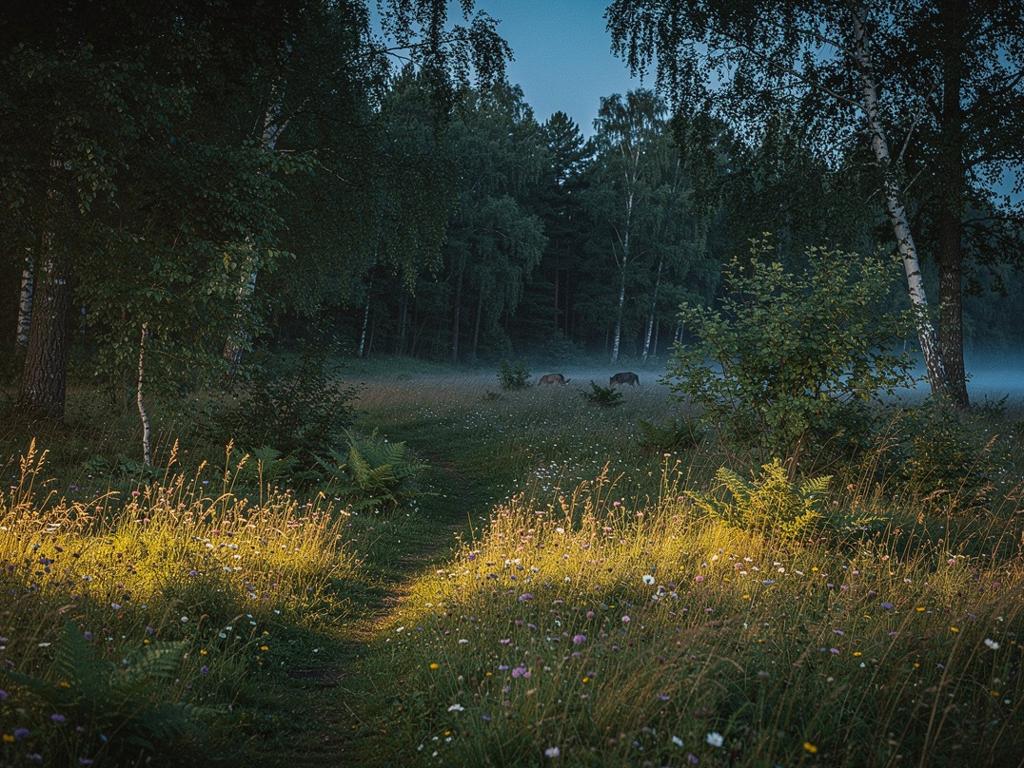
Somewhere between the fluorescent hum of the office and the blue wash of the phone at midnight, most of us lose the thread. We stop noticing air. We stop noticing light. We stop noticing that the body — this breathing, water-filled, dirt-descended thing we drag through meetings — was built for something a lot older than drywall. Forest bathing, or shinrin-yoku in the Japanese that first named it, is the practice of putting that body back into the only room it was ever really designed for. It isn't hiking. It isn't a workout. There's no summit, no step count, no app. You walk slowly, or you don't walk at all. You stand under a tree and breathe. That's the whole thing. And it turns out that doing this on purpose, with a little attention, moves something in people that no amount of scrolling ever does. The Japanese Forestry Agency coined the term shinrin-yoku in the early 1980s — a response, oddly enough, to a mental-health crisis among city workers. The prescription was almost comically simple: go to a forest, slow down, use your senses. No equipment. No destination. Just presence among trees. What makes it a practice rather than just a nice walk is the pace and the attention. You're not covering ground. You're letting ground cover you. People who guide these sessions often spend two or three hours moving less than a kilometre, stopping to notice bark texture, the sound of a specific bird, the way light shifts when a cloud passes. If that sounds boring, give it twenty minutes. Boredom tends to dissolve into something closer to relief. And no, you don't need an old-growth forest. A city park with mature trees works. A patch of woods behind a suburban cul-de-sac works. The point isn't scenery — it's contact. Researchers in Japan, South Korea, and Finland have been measuring what happens to the body during these walks for about two decades now. The numbers keep landing in the same place: cortisol drops, blood pressure settles, parasympathetic nervous system activity rises, and immune markers called natural killer cells tick upward and stay elevated for days afterward. A lot of this seems to be driven by phytoncides — airborne compounds that trees release as part of their own defense system. We inhale them. Our bodies respond. It's not mystical; it's chemistry we evolved alongside for a very long time. Add in the negative ions near moving water, the microbial diversity in forest soil that your gut has quietly missed, and the simple absence of traffic noise, and the whole experience starts to look less like wellness fluff and more like the baseline our physiology was tuned for. None of this is a substitute for proper mental health care if you need it. But as a weekly habit? It's one of the cheapest, most reliable interventions on offer. Here's a stripped-down version of a guided meditation you can do standing or sitting under a tree. Read it through first, then go outside and try it from memory. Pause between steps. There's no stopwatch. That's it. No incense, no app subscription, no certification required. The practice is the thing. Readers who find their way to this corner of the internet are often weighing something bigger — an ayahuasca ceremony, a psilocybin retreat, an ibogaine program, a serious conversation with master plants. Forest bathing isn't the same thing. Nobody is suggesting it is. But the two practices are closer cousins than they might first appear. Everyone who sits with plant medicine will tell you the same thing eventually: the ceremony is the easy part. What matters is what happens before and after. Preparation and integration — the quiet weeks of walking, eating simply, journaling, and letting the nervous system settle — are where the real work lives. A regular forest practice is one of the better preparation tools available. It teaches your body what calm feels like without substances, so that when something stronger comes along, you have a reference point for coming back. For people navigating addiction recovery or working through depression and trauma with the help of psychedelic healing, time in nature isn't optional background scenery. It's part of the medicine. Facilitators who've been doing this for years will often prescribe forest walks between ceremonies, not because it's quaint, but because it works. A few things worth saying plainly. If you're expecting to feel transformed after one walk, you probably won't. The effect is cumulative and quiet. Most people notice it around the fourth or fifth outing, often retroactively — oh, I've been sleeping better this month. Weather matters less than you think. Light rain is actually ideal; the air thickens with phytoncides and ions after it. Cold is fine if you dress for it. The one thing that genuinely interferes is bringing your phone out to document the experience. If you can't resist, leave it in the car. And if you live somewhere without easy access to woods — a dense city, a treeless suburb — the research still suggests that even a single mature tree in a courtyard, visited regularly, offers something. Not everything, but something. Our bodies are not picky. They just want contact. The most interesting shift that happens with a steady forest practice isn't physiological. It's a slow erosion of the sense that you are a visitor to the natural world. You start to notice that the water in your body once moved through stone, that the minerals in your bones were pulled from soil by plants you'll never meet, that the calm you keep chasing in retreats and apps and supplements was sitting under a hemlock the whole time, waiting. That shift matters because so much of modern suffering seems to rest on a quiet, unspoken assumption that we're separate — from each other, from the ground, from anything that isn't a screen. Fifteen minutes under a tree, done regularly, is a surprisingly effective argument against that assumption. For readers who want to take the next step beyond a park bench — whether that's a dedicated forest-therapy retreat, a plant-medicine ceremony, or an integration-focused program that combines the two — a range of relevant retreats can be browsed on our marketplace here. Go for a walk first, though. The trees are a good place to start.
Garden Meditation: A Quiet Outdoor Practice Worth Trying
There's a particular kind of attention that only shows up outdoors. You notice it the moment you stop scrolling, step past the back door, and let your eyes settle on something that isn't a screen — a leaf twitching, a sparrow doing its angular little hop across the path, light shifting through branches you've walked past a hundred times. Garden meditation is simply the practice of staying with that attention a bit longer than you usually would. It doesn't require a beautiful garden. It doesn't require a cushion, an app, a teacher, or forty-five uninterrupted minutes. A fire escape works. A shared courtyard works. One stubborn basil plant on a windowsill works. What matters is that you give your senses something living to orient around, and that you keep bringing yourself back when your mind wanders off — which it will, repeatedly, because that's what minds do. On the surface it sounds self-explanatory: sit in a garden, meditate. But there's a subtle shift that distinguishes it from most seated practices. Where traditional meditation often uses the breath as an anchor, this one uses the environment. You become an observer of your immediate surroundings — not a critic, not an identifier of species, just a quietly interested witness. The point isn't to achieve a serene, empty mind. (Nobody achieves that, by the way. Not consistently. The people who claim to are usually selling something.) The point is to notice what's actually in front of you — the shape of a shadow, the smell of soil after rain, the way bees seem to know exactly where they're going — and to gently return your attention there each time it drifts to tomorrow's inbox. Think of it as sensory anchoring. The world becomes the thing you keep coming back to, the way the breath is in other practices. And because the natural world is endlessly varied, boredom is less of a hazard than you might expect. Spending time in nature and practicing mindfulness are two activities that reinforce each other in ways researchers have been trying to measure for decades. Both ask you to slow down. Both invite a kind of noticing that modern life actively discourages. The Kaplans — Rachel and Stephen, environmental psychologists — proposed what's known as Attention Restoration Theory back in the late twentieth century. The idea is that natural environments give the directed, effortful part of our attention a break, letting it recover from the constant demands of urban and digital life. More recent work has broadly supported this, with modest but real effects on things like working memory and attentional control. The gains aren't miraculous. They're more like what a decent night's sleep does — small, cumulative, worth having. Then there's awe. A longitudinal study led by María Monroy and Dacher Keltner found that on days when participants reported experiencing more awe — the feeling that comes from encountering something vast or beautiful or strange — they also tended to report lower stress and higher wellbeing. Gardens, even small scruffy ones, are quietly full of awe if you let yourself look. A spider web catching the morning light. The improbable architecture of a dandelion. The simple fact that any of this grows at all. No elaborate routine. Five or ten minutes is plenty to begin with. Here's a straightforward way in. You don't need a quarter-acre lot to make this work. Apartment-dwellers can sit on a balcony and watch how the sky shifts over the course of ten minutes — more varied than most people realize. A regular park bench, visited often enough, becomes a kind of outdoor meditation seat. Even a single healthy houseplant by a window gives you something living to observe. Mindful gardening is another option — watering, pruning, repotting, pulling weeds. The repetitive, low-stakes nature of these tasks lends itself to attentiveness. You're not trying to garden efficiently; you're using the activity as an excuse to be in your senses. If sitting still feels wrong on a given day, try a slow outdoor walk and bring the same quality of attention to it: feet on ground, air on skin, sound around you. What makes any of this work isn't the beauty of your surroundings. It's the quality of attention you bring. A rough urban square observed with real curiosity will do more for you than a botanical garden walked through while mentally composing emails. For people exploring deeper contemplative paths — including those weighing more intensive work with plant medicines or psychedelic retreats — a steady outdoor mindfulness habit can be genuinely useful preparation and integration. Not because it mimics those experiences; it doesn't. But because it builds the muscle of paying attention to what's actually happening, which is the same muscle that gets stretched during ceremonial work and leaned on heavily afterward. Integration, in particular, often asks you to find meaning and continuity in ordinary life after an extraordinary experience. Sitting with a flowerbed and watching bees for ten minutes is excellent integration practice. It's small. It's quiet. It teaches you to find texture in the regular world rather than always chasing peak states. A caveat worth stating plainly: garden meditation isn't a treatment for clinical anxiety, depression, or trauma. It can support general wellbeing, help you decompress, and sharpen your capacity for presence. It is not a replacement for therapy, medical care, or properly held psychedelic work. Treat it as one small, free, always-available tool among many. The first few times you try this, you'll probably feel a bit silly. That's fine. You'll also probably find your mind racing more than you expected, because sitting still outdoors is one of the few remaining situations in modern life where there's no input designed to grab you. The brain, deprived of its usual stimulation, will offer up every unfinished thought it's been saving. Let it. Keep coming back to the leaf. Over weeks, something shifts. You start noticing things on your walk to the shops that you never saw before. The light at a particular time of day. The specific smell of your street after rain. The weird dignity of pigeons. None of this is life-changing on its own. Added up, over months, it's the quiet beginning of a different relationship with the world — one less filtered through screens and schedules. For readers who feel the pull toward deeper contemplative or ceremonial work alongside a daily nature practice, a range of plant-medicine and mindfulness-oriented retreats can be browsed on our marketplace here. In the meantime, step outside today. Even for five minutes. Look at something green. See what happens.
Anxious Brains Run Low on Choline: What a New Study Means for Mental Health
Most conversations about anxiety circle back to the same cast of characters — serotonin, cortisol, sleep debt, screen time. All of them matter. But a quieter character has been sitting in the back of the room for years, and new research just pulled it under the stage lights: choline. A recently published meta-analysis found that people living with anxiety disorders consistently show lower levels of choline-containing compounds in the brain compared to people without anxiety. That's a striking pattern, and it opens up a different way of thinking about what chronic worry actually does to the organ doing the worrying. It also quietly intersects with something anyone considering plant medicine or a psychedelic retreat should probably know — because what you bring to a ceremony, nutritionally and neurologically, shapes what you get out of it. The researchers pulled together previously published human studies that used proton magnetic resonance spectroscopy — a brain-imaging technique that reads chemical signatures from living tissue. The participants spanned several diagnoses: generalized anxiety disorder, panic disorder, social anxiety, OCD, and PTSD. A fairly wide net. One finding kept surfacing across the data. People with anxiety disorders had lower concentrations of choline-containing compounds in the cortex — the outer, wrinkly layer of the brain that handles decision-making, emotional regulation, and the kind of higher-order thinking we rely on when we're trying not to spiral. In the higher-quality studies, the gap averaged about 8%. That isn't trivial. The researchers called this a “transdiagnostic” finding, which is a fancy way of saying it showed up across different anxiety conditions rather than belonging to any single one. They also noted lower levels of N-acetylaspartate, a compound often used as a marker of healthy, functioning brain cells. Two signals pointing in the same direction. Choline is an essential nutrient — meaning your body can't produce enough of it on its own, so you have to eat it. It's a precursor to acetylcholine, a neurotransmitter deeply involved in memory, attention, learning, and mood. It also helps maintain the integrity of cell membranes, which is a bigger deal than it sounds. Membranes are how brain cells talk to each other. When imaging researchers talk about “choline-containing compounds,” they're measuring metabolites tied to cell membrane turnover. Translation: how actively your brain cells are repairing, maintaining, and communicating. Low readings in those compounds suggest the machinery isn't firing on all cylinders. Here's the part worth sitting with. Chronic stress — the kind that defines life for someone with an anxiety disorder — appears to burn through choline faster than the brain can replenish it. Stress hormones alter how your brain uses and recycles the nutrient. A nervous system stuck in fight-or-flight mode is, in effect, running a metabolic deficit. Over months and years, that deficit compounds. This is the question anyone with a skeptical bone in their body will ask, and the honest answer is: we don't know yet. Correlation isn't causation. It's entirely possible that anxiety depletes choline, that low choline worsens anxiety, or that both are true in a feedback loop that gets harder to interrupt the longer it runs. What the study does suggest is that nutrition and mental health aren't separate conversations. The brain is a physical organ. It needs raw materials. When those materials run low, the symptoms we label as “psychological” may partly reflect a biochemistry that's out of balance. None of this means popping choline supplements will fix anxiety. It won't. But it does mean that if you're carrying a chronic anxiety load, your diet is quietly doing work in the background — for you or against you. If you're reading this on a site about ayahuasca and psychedelic retreats, you probably already suspect what I'm about to say. The nutritional state you walk into a ceremony with matters. The traditional ayahuasca dieta — restricting salt, sugar, processed foods, pork, alcohol, and often sex and screens for days or weeks beforehand — isn't just ritual theatre. It's a reset. It lightens the load on a nervous system that's been running hot, and it gives the brain a cleaner baseline from which to do difficult work. Many people arrive at ayahuasca, psilocybin, or ibogaine retreats precisely because anxiety, trauma, or depression haven't yielded to anything else. If their brains are already running a nutritional deficit — and the research increasingly suggests many anxious brains are — then skimping on the preparation phase is like trying to run a marathon on three hours of sleep. You can do it. You just won't get the result you came for. Experienced facilitators know this. The good ones talk about diet, hydration, and nervous-system regulation weeks before you set foot in the ceremony space. The less experienced ones hand you a kombucha and wish you luck. Choose accordingly. If you want to shore up your choline intake without reaching for a bottle, food does the job well. The best sources are concentrated and recognizable: The daily adequate intake sits around 425 mg for women and 550 mg for men. Most people in Western countries fall short, and vegans or vegetarians who don't deliberately include legumes and cruciferous veg can run particularly low. Anxiety is complicated. It has roots in genetics, early experience, nervous-system patterning, trauma, relationships, and yes — biochemistry. The choline finding doesn't rewrite that picture. It adds a layer to it. One more variable that quietly influences how your brain feels when it wakes up in the morning. If you're actively working on anxiety — whether through therapy, medication, meditation, breathwork, or a plant-medicine journey — the nutrient side of the equation deserves a seat at the table. Eat the eggs. Eat the fish. Prepare properly if you're heading toward a ceremony. And remember that healing, especially the kind that lasts, tends to happen on multiple fronts at once rather than through any single magic bullet. For readers who want to go deeper into the preparation side of this work, a range of curated psychedelic and plant-medicine retreats — many of which take dietary preparation seriously — can be browsed on our marketplace here. Whatever path you choose, give your brain the raw materials it needs. It's doing more work than you can see.

Rebuilding After Devastating Loss: A Grief Survivor's Honest Map
Some stories don't need embellishment. The woman behind this one lost her husband on an ordinary Wednesday — he collapsed in their bedroom, said one word (“911”), and was gone before the hospital staff could do much about it. Eighteen days earlier, her eldest son's father had also died. In less than three weeks, four children lost two fathers. A fifteenth wedding anniversary came and went without the person it belonged to. I'm writing about her story because it maps onto something I see constantly in the plant-medicine and retreat world: people arriving at ceremonies not because they want a mystical experience, but because the life they planned has stopped existing and they have no idea how to assemble a new one. Grief, in the clinical sense, is one of the most common reasons people quietly book an ayahuasca retreat or a psilocybin container. And whether or not plant medicine is part of your path, the architecture of rebuilding looks remarkably similar. Her framework — survive, stabilize, remember, rise — wasn't invented at a desk. She lived it first, then named it. That's usually how the real ones go. She spent her career as a project engineer. Refinery outages, billion-dollar builds, the kind of work where you can't fake your way through a timeline. In that world there's a term called the as-found condition. Before you fix a troubled project, you document reality — not the version you wish were true, not the version that would be convenient, but the actual broken state in front of you. Skip that step and every repair that follows is built on a lie. Without planning to, she started doing the same thing in her journal. I am not sleeping. I am angry at him for leaving. I am angry at God. I don't know how to do this without him. No performance. No “I'm doing okay, thanks for asking.” Just the raw inventory. If you've ever considered a retreat for grief, trauma, or depression, this is the quiet work you need to do before you ever get on a plane. Facilitators I trust always say the same thing: medicine amplifies whatever you bring. If you arrive still pretending you're fine, the ceremony will usually find a way to disabuse you of that. Better to meet reality on your own couch first, with a notebook and a honest hour, than to meet it for the first time at three in the morning in a jungle maloca. A month in, she wrote: As a planner, I'm always thinking of the future, but now there is no future with him physically. Planning hadn't just been her job. It had been how she oriented herself to being alive. There was always a next milestone, a contingency, something ahead to walk toward. Now there wasn't. So she shrank the scope. Take care of the kids. Take care of yourself. Rest. Don't make every decision today. One second. One minute. One hour. One day. If that sounds unimpressive, that's because grief isn't impressed by ambition. It's impressed by durability. She also learned the hard way that functioning well is not the same as healing. Her hair started falling out. Her body told the truth her calendar had been dodging. This is the piece a lot of high-functioning people miss — the ones who show up to work on time, run the household, answer the condolence texts, and genuinely believe they're processing it. The nervous system keeps a separate ledger. It always collects. If any of those sound familiar, that's useful data. Not a diagnosis — just a signal that something underneath wants attention you haven't given it. Eighteen years together. Fifteen married. They operated as a we. When death ended the we without her consent, she was left with a question she wasn't expecting: Who is me? She started looking much further back than the marriage. Back to the nine-year-old she used to be — fearless, mouthy, independent. And she realized she couldn't quite find her. She couldn't remember where she'd lost her, or when, or in which room of her life she'd set her down. So she started digging. Looking for the places where pain had taught her to hide, shame had taught her to dim down, fear had taught her that being fully seen could get her hurt. Decades in male-dominated industries where she'd softened to seem less threatening in one meeting and hardened to be taken seriously in the next. Both strategies had worked. That's why it took her so long to see what they'd cost. This is where the plant-medicine conversation gets interesting, because this excavation work — looking for the parts of yourself you buried along the way — is almost exactly what people describe after a well-held ayahuasca ceremony or a psilocybin session. The visionary content varies wildly. The through-line, over and over, is some version of: I met the kid I used to be, and I realized I'd abandoned her. Master plants, in the Amazonian tradition, are sometimes described as teachers who show you what's actually there — not what you wish were there, not what you've been performing. Which is a reasonable description of what grief does too, honestly. The medicine just does it faster and with more vivid imagery. Both routes lead to the same uncomfortable room: the one where you have to look at who you've become and ask whether that person is actually you. Buried in those first catastrophic weeks of her journal, almost in passing, she'd written: Went to the beach with friends. We had a nice time. For years she barely noticed the sentence. Later she realized it told the truth about returning to life better than anything else she wrote. Her husband was dead. She was devastated. And she had a nice time at the beach. Both things, in the same body, on the same day. Joy had walked into the room without asking grief to leave first. That's the piece almost no one tells you — not grief counselors, not retreat marketing copy, not the self-help industry. You don't move through grief in a straight line and arrive at joy on the other side. The two learn to coexist. You laugh at a joke before you think you're allowed to. You notice the light on a wall and feel genuinely moved by it. And you don't love your person any less for it. Rebuilding doesn't mean leaving the dead behind. Loving the life still available to you is not a betrayal of the life that ended. This is the lesson most people have to learn five or six times before it sticks. Plant medicine isn't a shortcut through grief. I want to say that clearly, because the marketing in this space sometimes implies otherwise. Ayahuasca won't give you your husband back. Psilocybin won't rewrite the facts. Ibogaine, as powerful as it is for addiction, isn't going to make the loss not have happened. What a well-run psychedelic retreat can do, in the right conditions, is accelerate the kind of excavation she described — the going-back, the meeting of the person you used to be, the honest look at the armor you've been wearing. Research on psilocybin for prolonged grief and for depression linked to bereavement is cautiously promising. People I've interviewed after grief-focused ceremonies often describe something like a compressed version of what took her years in a journal. If you're weighing a retreat for this kind of work, a few honest things to think about: You also don't have to do any of this through plant medicine. Grief groups, somatic therapy, a competent trauma therapist, long walks, a journal, time — these all work. Medicine is one legitimate path among several. For readers who do feel pulled toward exploring it, a range of grief- and healing-focused plant medicine retreats can be browsed on our marketplace here. If your life has become something you never planned, you don't have to solve all of it today. Start with what's true. Make the next thing smaller. Notice what you're carrying. Look back with tenderness at whoever you used to be — she's probably still in there, under years of becoming whoever you had to become. And when joy walks in uninvited, let her stay.
Can Creative Hobbies Really Slow Aging? What New Research Says About Reading, Music, and Longevity
Here's a question worth sitting with: what if the paperback on your nightstand, the half-finished knitting project, the Sunday afternoon spent wandering a museum — what if those were pulling the same kind of weight for your long-term health as your morning run? It sounds like the kind of claim that belongs on a wellness influencer's reel, somewhere between collagen smoothies and cold plunges. But a recent analysis out of University College London quietly suggests exactly that. Researchers tracked thousands of adults and found that people who regularly engaged in arts and cultural activities — reading, listening to music, crafting, going to concerts, visiting galleries — appeared to be aging more slowly at the cellular level. The effect was roughly comparable, they noted, to the biological benefits of regular exercise. That's a sentence worth re-reading. And it opens up a much more interesting conversation about what healthy aging actually looks like, especially for anyone who's grown tired of being told their life needs more optimization. The team worked with data from 3,556 adults across the U.K., looking at how often participants engaged in arts and cultural activities and comparing those habits against modern measurements of biological aging. Not chronological age — the number on your birthday cake — but how old your body appears to be at the molecular level. They used something called epigenetic clocks. In plain English: tools that read chemical changes to your DNA and estimate how fast or slow your body seems to be aging. Someone could be 50 on paper and have the biological markers of a 45-year-old, or a 55-year-old, depending on how life has been treating their cells. What showed up in the data was fairly consistent. People who engaged in creative and cultural activities more often — and especially those who dabbled across several kinds of activities rather than sticking to one — tended to show signs of slower biological aging. The strongest results came from the newer epigenetic measures designed to actually predict long-term decline. Weekly engagement correlated with roughly 4% slower biological aging compared to those who rarely participated. That's not nothing. That's in the neighborhood of what regular exercise gets you. The mechanism isn't magic, and it's not really mysterious either. It lines up with what we already know about stress, inflammation, and the nervous system. Chronic stress accelerates biological aging. It wears down multiple systems — cardiovascular, immune, cognitive — in ways that show up on these epigenetic measurements. Creative activities seem to interrupt some of those pathways. Previous research has linked arts engagement to reduced stress hormones, lower markers of inflammation, better mood regulation, and improved cardiovascular health. These aren't vague feel-good benefits. They're measurable physiological shifts. Different activities also seem to deliver different ingredients. Reading demands sustained attention and gives your brain narrative structure to chew on. Music regulates emotion and seems to tune the nervous system in ways researchers are still mapping. Crafting pulls together focus, fine motor movement, novelty, and tactile input — a surprisingly dense cognitive workout disguised as a quiet evening. Concerts, museums, and group activities add the social dimension, and social connection remains one of the most robust predictors of long-term health outcomes we have. The diversity finding is where things get genuinely interesting. People who spread their engagement across several kinds of activities tended to age more slowly than those who did just one. The theory is that variety exposes the brain to broader forms of cognitive, emotional, and social stimulation — more inputs, more adaptation, more resilience. If you've been reading around the plant-medicine and psychedelic retreat space, this probably sounds familiar in an oblique way. People who come back from an ayahuasca ceremony or a psilocybin retreat often describe reconnecting with creative impulses they'd shelved years ago. Someone starts painting again. Another person picks up the guitar that had been collecting dust. A third suddenly finds themselves reading for pleasure for the first time since college. That's not a coincidence, and it's not just the afterglow talking. A lot of what makes psychedelic healing stick — the integration part, the part that happens in the weeks and months after ceremony — looks very much like what this study describes. Engagement. Curiosity. Emotional availability. The willingness to be moved by things. Facilitators who do this work well will tell you the same thing: the medicine opens a door, but what you do with your ordinary waking life afterwards is where the real repair happens. Creative, cultural, and contemplative practices seem to be among the sturdiest bridges between a profound experience and lasting change. The brain that comes home from a well-held retreat is, in a sense, hungry for exactly these kinds of inputs. Most mainstream longevity advice reads like a to-do list designed by someone who really loves spreadsheets. Exercise five times a week. Eat the leafy greens. Sleep eight hours. Lift heavy things. Take the supplements. Track the metrics. Repeat forever. None of that is wrong. The data behind those recommendations is solid. But this new research pushes back gently on the idea that healthy aging only comes from habits that look productive, measurable, or physically demanding. The brain, it turns out, also responds to feeling absorbed. To being emotionally moved. To curiosity. To the small, unquantifiable pleasure of making something with your own two hands or losing an hour inside a piece of music. Practically, that could look like any of these: None of these require a gym membership. None of them require optimization. They just require showing up, repeatedly, to something you find interesting. There's a quieter message buried in this research, and I think it matters especially for people drawn to deeper healing modalities — plant medicine, meditation, somatic work, the whole territory. We tend to look for transformation in big, dramatic places. The ceremony. The week-long retreat. The breakthrough. Those things can be real and valuable. But longevity, in both the biological and the meaningful sense, is also built in the dailiness. In what you listen to on a Tuesday evening. In whether you let yourself be curious about something new in your forties. In whether you still read novels, or go to the gallery alone, or sit at the piano even when nobody's listening. Healthy aging — the kind worth having — isn't just about adding years. It's about staying porous. Staying moved. Remaining the kind of person who can be surprised by a book, a song, a stranger at a concert. If you're exploring deeper work alongside everyday creative practice, many of the plant-medicine and psychedelic retreats that pair ceremony with integration-focused aftercare can be browsed on our marketplace here. The real work, though, keeps happening in the smaller rooms of your actual life — the ones with the bookshelf, the record player, the half-finished sweater on the chair.
Dreaming of a Psychedelic Retreat?
We have the best deals and offers from thousands of organizers all over the world! Get them into your mailbox every week!
We value your privacy. Your email address will never be shared or published.
