 English
 Deutsch
 Français
 Nederlands
 Español
SHOP AYAHUASCA RETREATS BLOG
Hitting Your 30s and Suddenly Everything Matters: When Plant Medicine Enters the Picture

Stella Vance
July 9, 2026
Your ultimate guide to discover transforming ayahuasca and psychedelic experiences. Dive into serene destinations and elevate your consciousness to unparalled heights.
Discover Ayahuasca & Psychedelic Retreats NowSearch for ayahuasca & psychedelic retreats
Discover retreats, trainings, and holidays from all over the world
Something weird happens around 30. You wake up one Tuesday, look at the ceiling, and realize the script you've been running on since college has quietly expired. The job that used to feel like progress feels like a treadmill. The relationships that ran on autopilot need actual attention. And the low hum of anxiety you'd been ignoring since your mid-twenties? Suddenly it's the loudest thing in the room.
If this sounds familiar, you're in a very large club. I hear some version of this story almost every week from people considering an ayahuasca retreat or a psychedelic journey for the first time. They're not chasing a trip. They're chasing an answer to a question they can't quite put into words yet. And that's usually when master plants and psychedelics start showing up in their search history — quietly, in incognito tabs, at 1 a.m.
Why Your 30s Crack You Open
Your twenties are a survival decade for most people. You're figuring out how to pay rent, how to be in a relationship, how to hold down a job that doesn't destroy you. There's not a lot of bandwidth for existential audits. You outrun the harder questions by staying busy.
Then the busyness stops working. Somewhere between 29 and 34, the momentum you built runs into the wall of everything you haven't dealt with — the family stuff, the grief you postponed, the version of yourself you performed to get through your twenties. It's not a crisis exactly. It's more like the operating system asking you to restart.
This is also, not coincidentally, when a lot of people start looking hard at ayahuasca, psilocybin, and other plant medicines. Not because they're bored. Because the standard tools — therapy, exercise, a new hobby, a weekend away — are helping but not touching whatever's underneath.
What People Actually Come to Plant Medicine For
The stereotype is the burnt-out tech bro chasing a mystical experience in Peru. The reality is a lot more ordinary and a lot more human. Here's what actually shows up at retreats:
- People trying to break a pattern with alcohol, weed, or something harder — often after years of white-knuckling it in recovery.
- People carrying trauma they've talked about in therapy for a decade without the weight actually shifting.
- People with a low-grade depression that doesn't quite meet the clinical threshold but has quietly eaten the color out of their life.
- People who feel disconnected from something they can't name — their body, their intuition, a sense of meaning.
- People grieving a parent, a marriage, a version of themselves.
Ayahuasca in particular seems to attract people whose problem is not that they don't know what's wrong. They know. They've been in therapy. They've read the books. What they haven't been able to do is feel it fully enough to move it. Plant medicine, at its best, does that — it takes what your mind already understands and finally lets your body catch up.
Ayahuasca, Psilocybin, Ibogaine: What's the Difference?
A lot of first-time researchers land on ayahuasca because it has the most cultural gravity, but it's worth understanding that the psychedelic landscape has several legitimate doors. Each one opens onto different terrain.
Ayahuasca is a brew made from the Banisteriopsis caapi vine and (usually) chacruna leaves, prepared in the Amazon for thousands of years. Ceremonies run five to seven hours, happen at night, and typically involve singing (icaros), purging, and a facilitator who has trained for years. Most people go for emotional and spiritual work. It's not recreational and it doesn't pretend to be.
Psilocybin mushrooms tend to be gentler in structure — often shorter ceremonies, sometimes daytime, less physically intense. Retreats in the Netherlands, Jamaica, and increasingly Mexico offer legal or grey-legal frameworks. Many people find them a more accessible entry point.
Ibogaine is the heaviest of the three and belongs in a different conversation. It comes from the iboga root in West Africa and has a serious clinical track record for interrupting opioid and stimulant addiction. It's also cardiotoxic and requires medical screening. If you're researching ibogaine, you're probably not doing it for personal growth — you're doing it because something is threatening your life.
San Pedro (huachuma) and peyote are mescaline-containing cacti with long ceremonial traditions in South America and among Indigenous North American communities. They tend to be gentler, longer, more heart-opening, more grounded in the body.
Can Psychedelics Actually Help With Addiction?
Short answer: the evidence keeps stacking up in the yes column, but it's not magic and it's not for everyone.
The research on psilocybin for alcohol use disorder out of NYU and Johns Hopkins has been striking — participants who received two psilocybin sessions alongside therapy showed dramatic reductions in heavy drinking days that held up months later. Ibogaine has a longer, messier history of interrupting opioid dependence, with clinics in Mexico and Costa Rica working with people who've failed every other intervention. Ayahuasca has its own body of anecdotal and small-study evidence around addiction, particularly with cocaine and alcohol.
Here's what I'd tell someone considering plant medicine specifically for addiction recovery: the substance is maybe 30 percent of the outcome. The other 70 percent is what you do with it. Pre-ceremony preparation, a facilitator who understands addiction (not all do), and — critically — an integration plan that includes real human support after you get home. People who treat ayahuasca as a one-shot cure tend to relapse. People who treat it as the beginning of a much longer piece of work tend to actually change.
What Are Master Plants, Really?
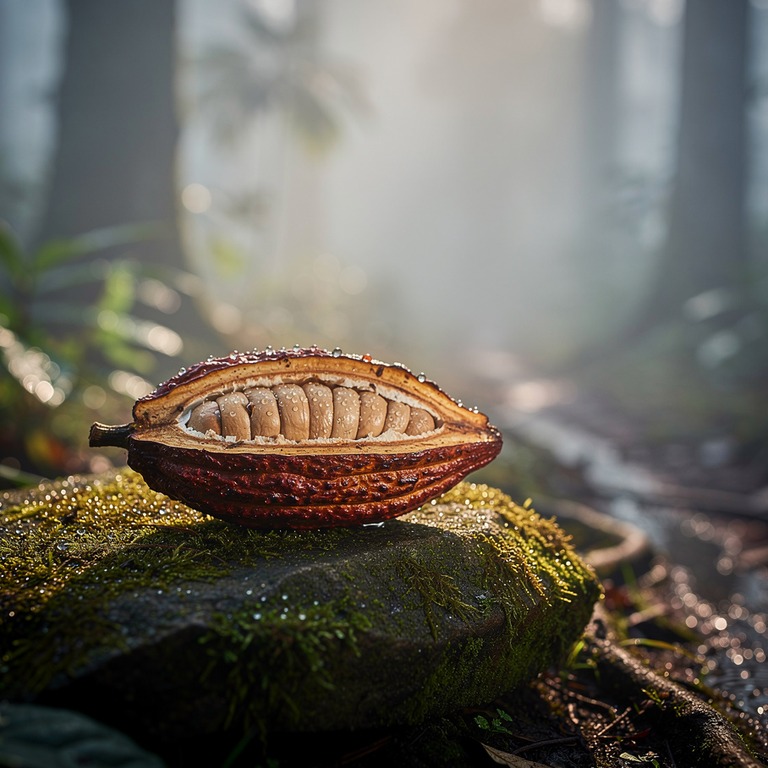
You'll hear this phrase a lot in the ayahuasca world and it's worth unpacking. In the Amazonian traditions, master plants (or plantas maestras) are plants that teach — meaning that when prepared and worked with in specific ways, they impart something to the person who works with them. Ayahuasca is one. So are tobacco (mapacho), bobinsana, chiric sanango, ajo sacha, and many others most Westerners have never heard of.
Working with a master plant traditionally involves a dieta — a period of isolation, dietary restriction, and daily consumption of the plant under the guidance of a curandero. It's slow, quiet, and nothing like the ceremony-heavy weekend retreat model. If you find yourself drawn to that deeper end of the tradition, know that it exists and that a handful of centers in Peru still teach it properly. It's not the entry point for most people, but it's worth knowing the tradition has depth well beyond the ceremony night.
How to Choose a Retreat Without Getting Burned
The retreat industry has exploded, and quality varies wildly. Some centers are lineage-based operations run by people who trained for decades. Others are Instagram-driven weekend packages run by someone who did an ayahuasca retreat two years ago and decided to become a shaman. Telling them apart matters.
Things to actually look at:
- Who runs the ceremonies? Ask for their name, their training, how long they've been pouring medicine. A legitimate facilitator will answer without defensiveness.
- What's the medical screening? If they don't ask about SSRIs, heart conditions, or family history of psychosis, walk away. This is basic safety.
- What's the group size? Twenty-plus people per ceremony with one facilitator is a red flag. Smaller ratios mean someone can actually attend to you if things get hard.
- What does integration look like? If the retreat ends the morning after the last ceremony with a hug and a shuttle to the airport, that's a problem. Look for centers that offer post-retreat integration calls or connect you with integration therapists at home.
- Are there testimonials from people whose experiences went sideways? Every reputable center has had difficult experiences. The ones that pretend otherwise are selling something.
What About the Cost?
A well-run ayahuasca retreat in Peru or Costa Rica typically runs $1,500 to $3,500 for a week, including food, lodging, and ceremonies. Psilocybin retreats in Jamaica or the Netherlands are in a similar range. Ibogaine treatment in a proper medical setting runs much higher — often $6,000 to $10,000 — because of the medical monitoring involved.
If a retreat costs $500 for a week including flights from anywhere, be suspicious. If it costs $15,000 for a weekend, be equally suspicious. The middle band is where the reputable operators live, and even within that band, the price tells you less than the questions above.
Before You Book Anything
Sit with the impulse for at least a month. Plant medicine isn't going anywhere and the urgency you feel is often part of what you'd be going to work on. Use that month to journal about what you actually want from the experience — not the mystical version, the honest version. What in your life do you want to look different six months from now? What have you tried already? What are you afraid of?
Talk to a therapist if you have one. Talk to someone who's done it if you don't. Read at least one book that isn't a cheerleading pamphlet — Rachel Harris's Listening to Ayahuasca is a fair place to start.
For readers who want to take the next step, a curated range of ayahuasca and psychedelic retreats can be browsed on our marketplace here. Your thirties are a strange, cracked-open decade, and the questions you're asking are the right ones — even if the answers take a while to arrive.

Craving More Stories?
Join our ShopAyahuascaRetreats newsletter for the latest updates on thrilling
destinations and inspirational tales, delivered straight to your inbox!
We value your privacy. Your email address will never be shared or published.