 English
 Deutsch
 Français
 Nederlands
 Español





Reset. Heal. Grow.
The Psychedelic Renaissance: Why Science Is Revisiting Plant Medicines for Addiction and Depression
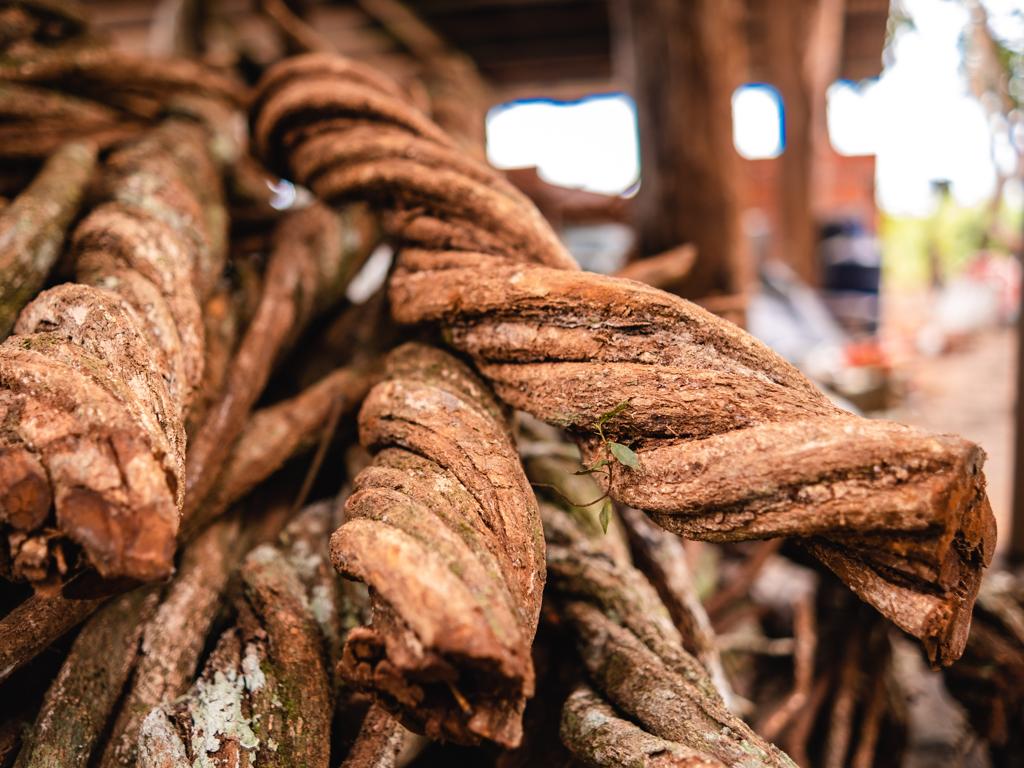
Something strange has happened over the past decade. Substances that were treated as cultural radioactive waste for half a century — LSD, psilocybin, mescaline, MDMA, ayahuasca — are now being studied at Johns Hopkins, Imperial College London, NYU, and a growing list of universities that wouldn't have touched this work in 1995. Psychedelics and the broader family of master plants are no longer fringe. They're showing up in peer-reviewed journals, in regulatory filings, and in conversations between therapists and clients who have run out of other options. If you're researching a retreat — quietly, maybe a little nervously — you've probably noticed the shift too. The tone has changed. The people writing about plant medicine for addiction recovery aren't all wearing tie-dye. Some of them are clinicians. Some are veterans. Some are recovering executives who tried everything else first. So what actually happened? Why did the science come back, and what does the current evidence really say? Most people forget — or were never taught — that there was a first wave. Between roughly 1950 and the late 1960s, more than a thousand scientific papers were published on psychedelics. Humphry Osmond, the British-Canadian psychiatrist who actually coined the word psychedelic in 1957, was treating alcoholics with LSD and getting results that would make a modern addiction researcher sit up straight. Mescaline, freshly synthesized from the peyote cactus, was being studied alongside Albert Hofmann's LSD, which Sandoz had been distributing to researchers since 1938. Then the door slammed shut. A combination of factors — the CIA's grotesque MK-Ultra mind-control program, Timothy Leary turning Harvard into a self-promotion machine, alarmist government films, and a recreational scene that genuinely did produce casualties — collapsed the entire research field. By 1970, the Controlled Substances Act in the U.S. had placed these molecules in Schedule I, the most restrictive category. Studying them legally became almost impossible. Careers built on that work evaporated. Here's the part that gets glossed over: the science didn't die because the science was bad. It died because the political climate made the science unfundable and the researchers unemployable. Promising data on alcoholism, end-of-life anxiety, and depression simply sat on shelves for decades, waiting. The thaw started slowly. In 2009, Britain's chief drug adviser David Nutt publicly argued that alcohol and tobacco were measurably more harmful than LSD, MDMA, and psilocybin. He was fired. But his data — and the controversy — cracked something open. Other established researchers began publishing again. MAPS (the Multidisciplinary Association for Psychedelic Studies) and the Beckley Foundation kept funding work that universities were too nervous to underwrite directly. The findings that emerged over the next decade and a half are the reason you're reading this article today: None of this means psychedelics are a miracle. It means the evidence base has grown thick enough that ignoring it is no longer intellectually defensible. If there's one thread that keeps surfacing in this work, it's addiction. The early Saskatchewan LSD trials in the 1950s were aimed at alcoholism. Modern psilocybin work has revisited that exact question and found echoes of the same results. Ayahuasca retreats in Peru and Costa Rica are quietly full of people working on alcohol, cocaine, and opioid dependence. Ibogaine, derived from the iboga root in West Africa, has built its underground reputation almost entirely on opioid interruption. Why? The honest answer is that nobody fully knows. The leading theories involve a combination of neuroplasticity — these substances appear to make the brain temporarily more flexible — and the psychological experience itself, which often delivers something that feels like a confrontation with whatever the person has been avoiding. Patients describe seeing the shape of their own behavior from outside it, sometimes for the first time. That's not a mechanism a pharmaceutical company can patent, which may be part of why the research took so long to come back. The takeaway for someone considering plant medicine for addiction: this is a serious avenue worth taking seriously, but it isn't a one-shot cure. The people who get lasting benefit tend to do real preparation, real integration, and real life-restructuring afterward. The ceremony is the doorway, not the destination. Here's where the current renaissance differs from the 1960s in a way that actually matters. The first generation of researchers tried hard to isolate the molecule from its context. That was the dominant scientific instinct of the era — strip away the ritual, the music, the setting, the shaman, and measure the chemical. The randomized controlled trial, which became the gold standard of pharmacology, is built on exactly that logic. It turns out that with psychedelics, you can't really do that. Set and setting — the mindset you bring and the environment you're in — shape the experience more than the dose does, past a certain point. The Indigenous traditions that had been working with ayahuasca, peyote, and psilocybin mushrooms for centuries already knew this. They built elaborate frameworks around the medicine: dietary preparation, songs, intentions, community, aftercare. Modern researchers are, somewhat sheepishly, beginning to admit that those frameworks aren't decoration. They're part of what makes the medicine work. This is why the better retreats today combine clinical seriousness with traditional practice. The facilitators have read the papers and spent years apprenticing with elders. Neither half alone is enough. If you're sitting at your laptop wondering whether to actually do this — book a flight, take time off work, drink something that will reorganize your inner life for a few hours — the science gives you reasons to take the option seriously. It doesn't give you reasons to be reckless. A few things worth thinking through honestly: The psychedelic renaissance is real, the evidence is meaningful, and the door that closed in 1970 is genuinely open again — but as a participant, not just an observer, you're walking into something that asks for respect. For readers who want to explore this further, a thoughtfully curated range of ayahuasca and plant-medicine retreats can be browsed on our marketplace here. Take your time. The medicine isn't going anywhere, and neither is the question you're trying to answer.

Aaron Rodgers, Ayahuasca, and What Athletes Are Finding in the Brew
When a four-time NFL MVP says a jungle brew helped him play the best football of his life, people listen. Or at least they click. Aaron Rodgers spent part of his off-season talking openly about drinking ayahuasca in South America, and the quote that made the rounds — that the experience taught him to unconditionally love himself — has been replayed everywhere from sports radio to wellness podcasts. It's a strange sentence to hear from a quarterback. It's also, if you've spent any time around ayahuasca ceremonies, a pretty common one. I've sat in maloca after maloca over the years, interviewed facilitators on three continents, and watched a lot of people walk out of ceremony saying things that would have sounded ridiculous to them a week earlier. So when Rodgers credits ayahuasca with sharpening his game, I don't roll my eyes. But I also don't think his story is the green light some headlines made it out to be. Plant medicine is more interesting, more demanding, and more uneven than a single celebrity testimonial can suggest. On a long-form interview with Aubrey Marcus, Rodgers described the experience as the gateway to a season he called the best of his career. He didn't talk about visions or geometric patterns or the usual psychedelic furniture. He talked about being able to love himself without conditions — and how that, in turn, changed how he showed up for teammates. The football, in his telling, followed the inner work, not the other way around. That framing matters. It's easy to read his comments as “ayahuasca made me a better quarterback,” but he was careful to put the relational piece first. He talked about leadership, about caring before performing, about modeling something for the locker room. Whether or not you buy any of it, it's a more honest description of what people typically report after ceremony than the clickbait version suggests. It's also worth saying: Rodgers has a track record of trying unconventional things. He's done long ayurvedic cleanses involving ghee and a level of dietary discipline most of us couldn't manage for a weekend. The ayahuasca trip wasn't a one-off spiritual tourism stunt. It was one chapter in a longer experiment with how he tends to his nervous system, his attention, and his stress load. Context like that matters when you're trying to figure out whether his experience has anything to teach yours. The brew is made by boiling the Banisteriopsis caapi vine with the leaves of chacruna, which contain DMT. The vine is what makes the DMT orally active — without it, you'd just digest the compound and feel nothing. Indigenous Amazonian peoples have been preparing this combination for a very long time, in ceremonial contexts that involve song, diet, and a trained person holding the space. The drink itself tastes like swamp water that has a personal grudge against you. Most people purge — vomiting, sometimes more — and that's considered part of the work, not a side effect to manage away. The journey itself usually lasts four to six hours. People describe visual landscapes, encounters with what feel like beings or intelligences, and waves of memory and emotion that arrive uninvited. Sometimes the night is gentle. Sometimes it is one of the hardest things you've ever done. The cliché that ayahuasca gives you what you need rather than what you want exists because people keep repeating it after their ceremonies. It's annoyingly accurate. The reason this matters for someone considering a retreat: ayahuasca isn't a recreational drug, and the people who treat it like one tend to have rough nights. It's a long, demanding, often confronting experience. The container around it — the facilitators, the group, the location, the integration support afterward — does a lot of the heavy lifting in determining whether the experience helps you or destabilizes you. This is where the research catches up to the anecdotes, slowly. Clinical trials over the past several years have looked at psilocybin for treatment-resistant depression, MDMA for PTSD, and ibogaine for opioid dependence, with results that have made even cautious researchers raise their eyebrows. Ayahuasca specifically has a smaller but interesting body of research suggesting effects on depression, addiction patterns, and what people loosely call “stuck” thinking. Here's what the honest version of that story sounds like: For people specifically considering plant medicine for addiction, the picture is genuinely promising and genuinely complicated. Ibogaine has the most dramatic short-term results for opioid dependence, but it carries cardiac risks and needs medical screening. Ayahuasca and psilocybin show up in studies on alcohol use disorder and various behavioral addictions, often with strong outcomes when paired with therapy. None of it replaces the long, unglamorous work of actually changing your life. It can, sometimes, give you the leverage to start. The boom in psychedelic retreats has been a mixed blessing. There are facilitators doing extraordinary work — people who trained for years, who run small groups, who follow up with participants months later. There are also operations that charge five figures for a long weekend and have no business serving medicine to anyone. The gap between those two ends of the spectrum is enormous, and the marketing often looks identical. If you're researching a retreat, a few things separate the serious from the sketchy: Celebrity endorsements of psychedelics make me slightly nervous, even when I think the celebrity is being sincere. The reason is simple: when someone famous credits a substance for a transformation, a lot of people hear “I should try that” without hearing the rest of the sentence. Rodgers wasn't recommending ayahuasca to his fans. He was describing his own experience. Those are different things. If his story has piqued your curiosity, the useful question isn't “should I drink ayahuasca?” It's “what am I actually hoping a psychedelic experience will do for me, and is there a path to that which makes sense given my life right now?” For some people, the answer is a well-chosen retreat with a long preparation runway. For others, it's therapy, or a meditation practice, or treating a sleep disorder, or a year of quiet work before any plant medicine enters the picture. The interesting thing about ayahuasca is that it tends to amplify whatever you bring to it. Bring confusion and it can amplify confusion. Bring intention and it can amplify that too. The honest pitch for plant medicine isn't that it's transformative — it's that it can give you a rare, vivid look at yourself, and what you do with that look is the actual work. Rodgers seems to have done something with his. Most people who walk out of ceremony do too, eventually, if they have the support around them to keep going. For readers who want to take this further, a range of vetted ayahuasca and plant medicine retreats can be browsed on our marketplace here. Whether you end up booking one or not, the better outcome is that you make whatever decision you make with your eyes open — about the medicine, the container, and what you're actually walking toward.

Ayahuasca and Grief: What Prince Harry's Story Reveals About Plant Medicine Healing
A 12-year-old boy loses his mother in one of the most public tragedies of the late twentieth century. He doesn't cry. Not really. Not for years. He grows into a man who carries that silence like a second skeleton — and then, somewhere in his late thirties, he drinks a bitter Amazonian brew under the care of facilitators and something finally gives way. That's the story Prince Harry told a journalist not long ago, and whatever you think of the man or the monarchy, the disclosure mattered. Ayahuasca, once a fringe curiosity, keeps surfacing in the lives of people who've tried everything else. Veterans. Recovering addicts. Therapists. And now a duke. The interesting question isn't whether his experience was real to him — clearly it was — but what it tells the rest of us about plant medicine, grief, and the long shadow of trauma that ordinary talk therapy sometimes can't reach. The short version: he'd convinced himself, somewhere deep down, that crying was the only proof of love he could offer his mother. If he wasn't weeping, he wasn't grieving properly. If he wasn't grieving properly, he was a bad son. That story had been running in the background of his life for decades. Under ayahuasca, with what he called “the proper people” around him, the script collapsed. He described a sudden clarity — that his mother wanted him happy, not theatrically broken. The weight he'd been carrying wasn't an unmet duty to cry. It was the refusal to accept she was actually gone, paired with the belief that joy would somehow betray her memory. That's a remarkably specific insight to come out of a single ceremony. And it's also exactly the kind of insight ayahuasca facilitators hear repeated, in different shapes, from participant after participant. The medicine doesn't give people new information so much as it dismantles the protective stories they've built around old information. Talk therapy is brilliant at many things. Sitting with a grief that's been frozen since childhood is sometimes not one of them. The reason is mechanical, not mystical. When a child experiences something the nervous system can't process — a parent's sudden death, a car crash on a Paris road, a funeral watched by a billion strangers — the body files the experience somewhere language can't easily reach. You can talk about it for years and still feel nothing. Ayahuasca and other psychedelic medicines appear to loosen that filing system. The default-mode network — the part of the brain that runs your familiar self-story on a loop — quiets down. Memories surface with their emotional charge intact, sometimes for the first time. People weep over losses they thought they'd processed. They feel rage they didn't know they were carrying. They forgive people they didn't know they hadn't forgiven. None of this is magic, and it isn't a shortcut either. The medicine opens a door. Walking through it is still the participant's work. Here's where it gets interesting. The clinical research, while still early, keeps pointing in a consistent direction. Studies on ayahuasca-assisted treatment for depression, PTSD, and substance dependence have shown meaningful reductions in symptoms — often after just a handful of ceremonies, and often holding up months later. Observational work with long-term ceremony participants tends to find lower rates of problem drinking and drug use than in matched populations. This isn't proof of a cure. It's proof that something interesting is happening that deserves more research. The combination of DMT and the MAO inhibitors in the ayahuasca vine appears to do something that synthetic psychedelics alone don't quite replicate — a longer, more emotionally textured experience that seems to lend itself to autobiographical work. For people stuck in patterns — the same depressive loop, the same drink at 6 p.m., the same relationship dynamic with three different partners — master plants like ayahuasca, iboga, and psilocybin can break the pattern's grip long enough for a person to see it from the outside. Whether they choose to live differently afterward is, again, on them. Harry mentioned in passing that his ayahuasca experience created distance between him and his older brother. That detail deserves more attention than it usually gets in these stories. Plant medicine changes people. Not always dramatically, not always permanently, but often enough that family members notice. The person who comes home from a retreat sometimes sees old relationships differently. They have less patience for certain dynamics. They want to talk about things the family doesn't want to discuss. They've been somewhere the people they love haven't, and there's no easy way to share the territory. This is one of the genuinely difficult costs of doing this work, and reputable retreats will talk about it during preparation. If you're considering a ceremony, expect that: None of this is a reason not to go. It's a reason to choose carefully and prepare honestly. The phrase Harry used — taking ayahuasca with “the proper people” — is doing a lot of quiet work in that sentence. The difference between a well-run ceremony and a poorly run one is the difference between cathartic and catastrophic. If you're looking at retreats, the questions worth asking are unglamorous and specific: Cost varies wildly, from a few hundred dollars for a single ceremony in a city to several thousand for a week in Peru or Costa Rica. Higher price doesn't guarantee quality, but suspiciously cheap usually means corners cut. You don't need a public tragedy to qualify. Grief doesn't grade itself. A parent who died when you were a child, a divorce you never quite recovered from, a friend lost to suicide, a version of yourself that disappeared somewhere along the way — these are all reasons people end up sitting in ceremony. Two honest cautions, though. First, ayahuasca is not a single dose of healing. People who walk in expecting one night to fix twenty years of pain usually walk out disappointed, or worse, destabilised. The medicine tends to show you what needs work, not do the work for you. Second, the post-ceremony period matters more than the ceremony itself. Plan for it. Take time off afterward. Have a therapist lined up. Don't book a retreat the week before a major work deadline or your sister's wedding. Treat integration as part of the cost, not an afterthought. For readers who want to take this further, a range of vetted ayahuasca retreats can be browsed on our marketplace here. Whether or not booking one ends up being the right call for you, the decision deserves the time you're already giving it.

What Celebrity Ayahuasca Stories Actually Tell Us About Real Ceremonies
Every couple of months, a celebrity comes back from Costa Rica or Peru and tells a late-night host they drank ayahuasca and went to hell. The clip goes viral. The comments split between “sounds horrifying” and “where do I sign up.” And somewhere in the middle, a real person — maybe you — is sitting with a browser tab open, wondering whether any of this applies to their actual life. It's a fair question. Ayahuasca is having a long, loud cultural moment, and the loudest voices in it are not always the most useful ones. So let's take a famous account — the one where Megan Fox described her ceremony in Costa Rica as both “hell” and a “good bonding experience” — and use it as a way into the stuff that actually matters when you're considering a psychedelic retreat for yourself. Fox said she went in thinking the retreat would be “five-star” — some kind of upscale jungle experience with nice sheets and a wellness menu. What she got was the middle of the jungle, no food after 1 p.m., and a maloca full of strangers preparing to drink a bitter brown brew. This is one of the most common mismatches between expectation and reality, and it trips up a lot of first-timers. The retreats getting the most legitimate work done are usually not the ones with infinity pools and turndown service. Traditional plant medicine work tends to be physically simple on purpose. You sleep in a basic cabin. You eat plain food — no salt, no sugar, no oil, no meat, depending on the lineage. You sweat. You sit in silence. The point isn't deprivation as virtue; it's that ayahuasca works on a body and mind that haven't been buffered by comfort all week. If you find yourself comparing retreats and one of them mentions spa treatments and gourmet menus alongside the ceremony schedule, that's worth a second look. Not automatically a red flag — some hybrid places do solid work — but ask the obvious question: what's the dieta, and who's leading the ceremonies? Ayahuasca is a brew, not a single drug. The two essential ingredients are the Banisteriopsis caapi vine and a DMT-containing leaf, usually chacruna (Psychotria viridis). The vine contains MAO inhibitors that allow the DMT in the leaf to become orally active — without that combination, you'd just digest the DMT and feel nothing. This is genuinely one of the more remarkable pieces of ethnobotanical knowledge on the planet, given that the people who figured it out did so without a chemistry lab. The reason this matters for you, the prospective drinker, is that the MAOI component is what creates the dieta requirements you'll read about — no tyramine-rich foods, no SSRIs, no certain medications, no recreational drugs in the lead-up. These aren't optional preferences. Mixing ayahuasca with the wrong substance can be dangerous in ways that have nothing to do with the psychedelic experience. Any retreat worth its salt will send you a detailed medical and dietary screening before they take your deposit. If they don't, walk. Fox described the ceremony beginning with everyone drinking lemongrass tea to induce vomiting together — what she called a “good bonding experience.” For anyone reading this and recoiling: yes, that's a real thing, and yes, it's part of the territory. The traditional word for it is la purga. The purge. Ayahuasca itself frequently induces vomiting, and most lineages frame this not as an unpleasant side effect but as a central feature — the body releasing what the mind has been holding. Some ceremonies open with a separate emetic to clear the system first; others let the brew do that work on its own. Either way, by night two or three, you've stopped being precious about it. Things that are normal during an ayahuasca ceremony and that no one warns you about clearly enough: None of this is failure. All of it is the medicine doing exactly what people have used it to do for centuries. If you go in expecting a clean, dignified, Instagram-friendly experience, you're going to fight the process. Surrendering to the mess is, in a real sense, the work. The most quoted part of Fox's account is the bit about feeling like she was in hell for eternity, with no beginning, middle, or end — and then her ego dying. That phrasing tends to either fascinate people or freak them out. Here's what it actually points to. Ego death, in the psychedelic sense, isn't a metaphor for feeling humble. It's a specific experience where the usual sense of being a continuous self — the narrator in your head — temporarily dissolves. People describe it as terrifying, liberating, or both. The “eternity” language comes from the fact that during these experiences, time doesn't work the way it normally does. Five minutes can feel like a lifetime. There's no clock, no anchor, no exit door you can locate. This is also where the therapeutic potential lives, and why ayahuasca and other plant medicines are being seriously studied for addiction, depression, and trauma. When the usual self goes offline, the rigid stories you tell about who you are and what's wrong with you — the “psychological prison,” to borrow the phrase — can loosen enough that something else becomes possible. People who have been stuck in patterns for decades sometimes report a single ceremony shifting something that years of talk therapy couldn't reach. Sometimes. Not always. Anyone who promises you healing as an outcome is selling, not telling. This is the question worth sitting with. A celebrity describing a difficult-but-meaningful ceremony on a talk show is entertainment. Your decision to spend two thousand dollars and a week of your life on a plant medicine retreat is not. Honest reasons to consider an ayahuasca retreat: Reasons to wait, or to choose something gentler: The plant medicine space has grown faster than its quality controls. There are extraordinary, lineage-rooted centers run by people who have been doing this for decades. There are also opportunists who watched the trend and opened a center last year. Telling them apart requires asking better questions than most websites will answer on their landing page. Some things to ask before you book: If something here speaks to you, the available ayahuasca and plant-medicine retreats can be browsed and booked on our marketplace here. Read carefully, ask the awkward questions, and trust your gut on the answers — the right ceremony at the right time can be quietly life-changing, and the wrong one is mostly just expensive.

Ibogaine Afterglow or Manic Episode? Understanding the Line
A few weeks after an ibogaine session, people often describe feeling lit up from the inside. Sleep needs drop. Ideas come faster. The cravings that ran their life for years have gone quiet, and suddenly everything feels possible. For many, this is the famous ibogaine afterglow — a window of clarity that gets talked about in hushed, almost reverent tones in recovery circles. But here's the thing nobody at the retreat tends to mention upfront: that afterglow can shade into something else. Racing thoughts. Grandiosity. Impulsive decisions. Three hours of sleep feeling like enough. At a certain point, what looked like healing starts to resemble hypomania — and occasionally something more serious. This is one of the more honest conversations happening right now in the psychedelic healing space, and it deserves a clear-eyed look. If you're considering ibogaine for addiction or thinking about plant medicines as part of your recovery, you should understand both the gift and the risk of what comes after the ceremony ends. Ibogaine, derived from the root bark of the West African iboga shrub, is unusual among psychedelics. The experience itself is long — often 24 to 36 hours — and deeply introspective rather than visually overwhelming in the ayahuasca sense. People describe reviewing their lives like a film reel, encountering memories they'd buried, and feeling the physical hooks of opioid or stimulant withdrawal simply… release. What follows can be remarkable. In the days after, many participants report a kind of psychological reset. Old triggers feel distant. The internal monologue softens. There's a sense of having more room inside one's own head. Mood lifts. Energy returns. For someone coming out of years of addiction, depression, or trauma loops, this can feel like the first real exhale in a long time. That window — sometimes called the afterglow — is one of the reasons ibogaine has gained such a strong reputation in addiction recovery, particularly for opioid dependence. It buys time. It gives the nervous system a chance to settle. And for people committed to integration work, it can become the foundation of something genuinely durable. Now the other side. The same elevated mood and energy that makes the afterglow so promising can, in some people, escalate. The clinical word is hypomania, and at its more intense end, mania. The signs are recognizable if you know what to look for: None of these on their own is a diagnosis. Everyone gets excited after a transformative experience. But when several of them cluster, and when they last more than a few days, what's happening isn't pure healing anymore. It's a mood state that needs attention. People with a personal or family history of bipolar disorder are at higher risk. So are those who go into ibogaine while already in a mixed or elevated mood. Many reputable facilitators screen carefully for this — and the ones who don't are a red flag in themselves. The neuroscience is still being mapped, but a few things are clear. Ibogaine and its metabolite noribogaine affect serotonin, dopamine, and the opioid system in ways that linger for weeks. The half-life of noribogaine is long — far longer than most psychedelics. So the brain isn't just processing a single peak experience; it's slowly working through a cascade of neurochemical shifts. Add to that the psychological weight of what often surfaces during the journey itself. Some people come out of an ibogaine session having confronted childhood material, identity questions, or relational ruptures that had been sitting under the surface for decades. The mind, freshly unburdened, can race to make sense of it all — and sometimes races too fast. There's also the social piece. The afterglow tends to land in an environment of validation. Other participants are euphoric. Facilitators are encouraging. Recovery from addiction feels real for the first time. It's a setting that doesn't easily produce the friendly skepticism a friend back home might offer if you announced you were going to liquidate your savings to start a sanctuary in Costa Rica. This is the hard part, because mania has a particular quality: from the inside, it feels right. Telling yourself in advance to be wary of grandiose plans is a bit like telling yourself in advance not to fall in love. So the work has to be structural, not just willpower. A few things that genuinely help: The better ibogaine providers — and there are good ones, particularly in jurisdictions where the work is legal and medically supervised — have gotten more sophisticated about this in recent years. You'll see careful psychiatric screening before acceptance, cardiac monitoring during the session (ibogaine has real heart-related risks that deserve their own conversation), and structured aftercare that runs for weeks or months rather than hours. Questions worth asking any provider you're considering: If a retreat gets uncomfortable with these questions, that tells you something. The serious operators welcome them, because they've thought through the answers and know that informed participants do better. None of this is meant to scare anyone off ibogaine. The medicine has helped a lot of people interrupt addiction patterns that nothing else could touch, and the afterglow at its best is a real, useful, biologically meaningful window for change. The point is just that a window is a window — meant to be used carefully, not jumped through. The people who seem to get the most lasting value from ibogaine aren't the ones who felt the highest highs in the weeks after. They're the ones who used that clarity to do steady, slightly boring work: showing up to therapy, repairing relationships, rebuilding routines, eating real food, going to bed at a reasonable hour. The medicine cracks something open. What you put in afterwards is what stays. For readers who want to take this further, a range of vetted ibogaine and plant-medicine retreats can be browsed on our marketplace here. Whatever path you choose, go in with eyes open — to the gift and to the edges of it. That's what makes the difference between a peak experience and a real change.
Craving More Stories?
Join our ShopAyahuascaRetreats newsletter for the latest updates on thrilling
destinations and inspirational tales, delivered straight to your inbox!
We value your privacy. Your email address will never be shared or published.

Inside the Rise of Luxury Psilocybin Retreats: What You Actually Get for $7,000
Somewhere between the wellness spa weekend and the underground ceremony in a friend-of-a-friend's basement, a new category has quietly taken shape: the luxury psilocybin retreat. Five-figure flights aside, you're now looking at programs in Jamaica, Costa Rica, and the Netherlands that charge anywhere from $3,900 to nearly $7,000 for a week, mushrooms included. The clientele isn't who you'd expect either. It's lawyers, founders, surgeons, mid-career people who've quietly read every Michael Pollan paragraph twice and want to know what the fuss is about — in a setting where nobody is going to call the cops. I've spent enough time around plant medicine and psychedelic spaces to feel both excited and twitchy about this trend. On one hand: more people getting access to real psychedelic healing, in safer settings, with proper integration. That's progress. On the other hand: a lot of money is flooding in, and not all of it is arriving with clean intentions. So let's actually look at what these retreats offer, what they cost, and whether you — sitting there reading this, weighing whether to spend the equivalent of a used car on a week with mushrooms — should consider one. The shorthand is easy: a multi-day program at a private property, usually in a jurisdiction where psilocybin sits in a legal grey or green zone, with screened participants, trained facilitators, and a ratio of staff to guest that would make most yoga retreats jealous. The longer answer is more interesting. These programs are designed less like a vacation and more like a structured therapeutic arc — preparation, ceremony, integration — wrapped inside the trappings of a five-star stay. What you're really paying for is the container. A villa with thirteen rooms tucked away on a river, two pools, organic meals, a maloca or ceremony space that doesn't smell like the last guy's cologne. One facilitator for every three or four guests. Pre-retreat coaching calls. Six weeks of group integration after you've gone home and your boss is wondering why you keep crying during meetings. That's the product. The mushrooms, ironically, are maybe a third of it. Here's where I have to be honest with you, because the entire psychedelic retreat space is starting to develop the same uncomfortable rhetoric the wellness industry mastered years ago — the implication that if you really want to heal, you'll find the money. I don't buy it. Plenty of people have had transformative psychedelic experiences for the cost of a tank of gas. The mushroom doesn't know what you paid for it. What the money actually buys you is risk reduction and follow-through. Specifically: If you have $7,000 and you'd otherwise be eating mushrooms alone in your apartment on a Tuesday, the retreat is probably the better bet. If $7,000 means second-mortgaging something or canceling a year of therapy to afford it, that math gets ugly fast. There are quieter, smaller, more affordable options out there — including community-based circles in legal jurisdictions and lower-cost retreats in Mexico and Jamaica. The luxury version is one tier of a wider menu, not the only entry point. Most reputable luxury retreats are explicit that they're not designed for people in acute mental health crisis. The phrase used inside the industry is "healthy normals" — people whose lives function, who aren't actively suicidal or in psychotic territory, but who feel stuck. Numb. Career on autopilot, marriage on autopilot, evenings disappearing into a glass of wine and a screen. That kind of stuck. These programs also screen for harder stuff: family history of schizophrenia, current medication conflicts, recent major loss. If you're carrying severe trauma or you're in recovery from substance dependence, a generic luxury retreat may not be the right room for you. Ibogaine programs, dedicated trauma-informed psilocybin therapy, or ayahuasca centers with strong medical staff are different animals built for different work. Don't let glossy marketing convince you a five-star villa is equivalent to a clinical setting — it isn't. The honest reader profile, in my experience, looks like this: late thirties to mid-fifties, professionally accomplished, has read at least one psychedelic book, hasn't tripped since college (if ever), wants the experience inside a setting that feels grown-up and safe. If that's you, the luxury retreat category is genuinely built around your nervous system. The structure across reputable programs is remarkably similar, which is reassuring — it suggests the practitioners are talking to each other and converging on what works. A typical arc: Notice how little of that is the trip itself. Maybe twelve hours out of a hundred-and-twenty-hour program. The rest is scaffolding — the thing that determines whether your six hours of altered consciousness becomes a permanent shift or a fading memory you'll bring up at dinner parties for the next year. Not every retreat charging luxury prices is delivering luxury care. As money has poured into the psychedelic space, I've watched programs spring up that are essentially weekend parties dressed in shamanic costume. A few things to look for, and look out for: The good operators welcome scrutiny. They'll send you their facilitator bios, walk you through the medical screening, and tell you who they've turned away and why. If a program won't engage with those questions, your wallet has its answer. The psychedelic retreat industry is growing fast — projections for the broader psychedelic medicine market run into the tens of billions over the next decade. Regulation is shifting too, with Oregon and Colorado already operating legal psilocybin therapy frameworks and several other states inching that direction. The FDA hasn't approved psilocybin for general therapeutic use yet, but clinical trials for depression and end-of-life anxiety have produced results compelling enough that approval feels like a question of when, not if. What this means practically: in five years, the $7,000 luxury retreat in Jamaica may have local equivalents at a fraction of the price. Community-based psilocybin centers, insurance-covered clinical sessions, lower-cost retreats with the same quality of care. The current premium reflects scarcity and legal complexity more than the underlying value of the mushroom or the work. If cost is the only thing keeping you from exploring this, the menu is widening every year. That said, the work itself isn't going to get any easier just because the price drops. Psychedelics aren't a shortcut — they're an accelerant. They show you what's there. The discipline of integrating what they show you, of actually changing the patterns they illuminate, is still on you, retreat or no retreat. The honest answer depends on what you're after. If you're a curious, reasonably healthy person who wants to explore psilocybin in a setting designed not to traumatize you, and you can afford it without financial strain, a well-run luxury retreat is one of the safest, most supported ways to do that work right now. If you're carrying heavier stuff — addiction, severe trauma, treatment-resistant depression — you want a program built specifically for that, not a wellness retreat dressed up as therapy. And if you've read this far and something in you is leaning toward yes, take that seriously. Curiosity that persists past the second article is usually pointing somewhere. For readers ready to look at specific options, a range of vetted psilocybin retreats can be browsed on our marketplace here. Take your time with the choice. The right container matters more than the right price tag.
Psychedelic Research: Landmark Studies on Plant Medicine and the Brain
If you're reading this, you've probably already gone past the point of casual curiosity. Maybe a friend came back from Peru looking lighter than you'd seen them in years. Maybe you've read about ibogaine clinics in Mexico treating opioid dependence when nothing else worked. Maybe you're tired — quietly, persistently tired — and you want to know whether the buzz around psychedelics is real science or wishful thinking. Good news: there's actual research. A lot of it. Psychedelic research has been quietly accumulating since the early 2000s, and the findings around ayahuasca, psilocybin, MDMA, and the broader family of master plants are genuinely interesting. Not miracle-cure interesting. Not influencer-promising-enlightenment interesting. But solid, peer-reviewed, this-deserves-attention interesting — especially for people thinking about addiction recovery, trauma, or the kind of depression that hasn't budged for years. Here's a tour through the studies that matter, what they actually found, and what it means for someone weighing a retreat. Psychedelic science had a strange century. In the 1950s and 60s, researchers ran thousands of studies on LSD — looking at it as a tool for psychotherapy and, notably, as a treatment for alcoholism. Some of the results were striking. Then 1970 happened. The Controlled Substances Act made the compounds illegal in the United States, funding dried up, and for roughly three decades the field went dark. What we now call the psychedelic renaissance kicked off in the 1990s, when a US-approved study by Rick Strassman cracked the door back open. Everything that follows happened in the last 30 years, much of it in the last ten. That's worth remembering when someone tells you psychedelic healing is "ancient wisdom now proven by science." The wisdom is ancient. The science is young, and still finding its footing. Strassman administered roughly 400 doses of DMT to about 60 participants between 1990 and 1995 at the University of New Mexico. What people reported was strange enough that he ended up calling DMT "the spirit molecule" in his 2001 book of the same name. Participants described visions, intense emotion, out-of-body states, and — this is the part that still raises eyebrows — apparent contact with entities that felt independent of their own minds. Fast forward to 2019. Researchers at Imperial College London ran the first proper brain imaging study on DMT, measuring electrical activity with EEG. They found that DMT suppresses the brain waves associated with normal waking consciousness while ramping up the waves typically seen during dreaming. The participants weren't asleep. They were in what the researchers described as a waking dream — eyes closed, fully conscious, brain doing something it doesn't usually do. This matters for anyone considering an ayahuasca ceremony, because DMT is the visionary component of the brew. Whatever you've heard about journeys, the underlying neurology is real and increasingly mappable. Two studies stand out here. The first, from Dennis McKenna and Charles Grob in 1996, looked at long-term members of the União do Vegetal — a Brazilian religious group that drinks ayahuasca ceremonially. Compared to a control group with no plant-medicine history, the UDV members showed lasting shifts in personality: more emotional steadiness, more optimism, fewer inhibitions, more outgoingness. Several members had struggled with alcohol or depression before joining. After regular ceremonial use, those issues had largely resolved. The second is a 2018 Brazilian study on treatment-resistant depression. Participants who hadn't responded to conventional antidepressants experienced rapid improvement after a single ayahuasca session — and the researchers found that the brew reduces activity in the default mode network, a brain region known to be hyperactive in depressed people. That's a real mechanistic clue, not just a vibe. None of this means you should book a flight to Iquitos tomorrow. But if you've been wondering whether the addiction-recovery and depression stories around ayahuasca have any scientific weight, the honest answer is: yes, some, and it's growing. Roland Griffiths at Johns Hopkins ran a 2006 study that's now considered foundational. Participants who took psilocybin under controlled conditions frequently rated the session as one of the five most meaningful experiences of their lives — comparable, many said, to the birth of a child or the death of a parent. Years later, the meaning was still there. A 2011 study by Grob then showed psilocybin could meaningfully reduce anxiety in patients with advanced-stage cancer. End-of-life dread is one of the cruelest things a person can face, and standard medications often do little. A guided psilocybin session, repeatedly, seems to help people make peace with their mortality — months after the substance is long out of their system. Then in 2017, Robin Carhart-Harris and colleagues at Imperial College published work showing that two doses of psilocybin could rapidly lift treatment-resistant depression. They described it as something like a reset. Improvements held for up to six months. The researchers were also careful to note something that anyone considering a retreat should hear clearly: the quality of the experience predicted the antidepressant effect. Set, setting, and integration aren't decorative add-ons. They're part of the medicine. This is where it gets technical, but stick with me — it's worth knowing. In 1998, Franz Vollenweider's lab in Zurich showed that LSD and psilocybin produce their effects by binding to a specific serotonin receptor called 5-HT2A. When researchers blocked that receptor with another drug, the psychedelic effects didn't happen. That single finding established the neurochemical anchor for most of the classic psychedelics. Carhart-Harris's group then built on this in two ways. First, in 2014, they showed that psilocybin dramatically increases communication between brain regions that don't usually talk to each other — possibly explaining experiences like synesthesia (tasting color, hearing shapes, that sort of thing). Second, in 2016, they captured the first images of a brain on LSD and found that the drug quiets the default mode network, the system associated with our sense of self. When the DMN goes quiet, the ego loosens. That's the neural correlate of what people in ceremony describe as oneness, dissolution, or the experience of being something larger than themselves. If you've ever wondered why people come back from a psychedelic retreat saying things like "I'm not who I thought I was," this is part of the answer. For a few hours, the brain network most responsible for maintaining "who you are" goes offline. MDMA isn't a classic psychedelic — it works on different receptors and produces a different kind of experience. But Michael Mithoefer's 2011 study showed that MDMA-assisted therapy was both safe and effective for people with treatment-resistant PTSD. Combat veterans, survivors of abuse, people who'd tried every other approach — many of them experienced significant, lasting reductions in symptoms after just a few therapy sessions paired with MDMA. The mechanism seems to involve a temporary reduction in fear response, which allows participants to revisit traumatic memories without being overwhelmed by them. The therapy does the work. The medicine creates the conditions. A few honest takeaways from sitting with this body of research: None of this is meant to push you toward a booking. The decision to drink ayahuasca, sit with psilocybin, or work with any master plant is a serious one — and the research, encouraging as it is, doesn't override the need for careful self-assessment. Talk to your doctor about medication interactions (SSRIs and ayahuasca are a known concern). Be honest about your mental health history. Pick a place that screens you back. For readers who want to take this further, a curated selection of ayahuasca and psychedelic retreats can be browsed on our marketplace here — useful if you want to see what reputable facilitators actually offer rather than guess from a Google search. The research is encouraging. The medicine is powerful. The decision is yours to make slowly, with as much information as you can gather.
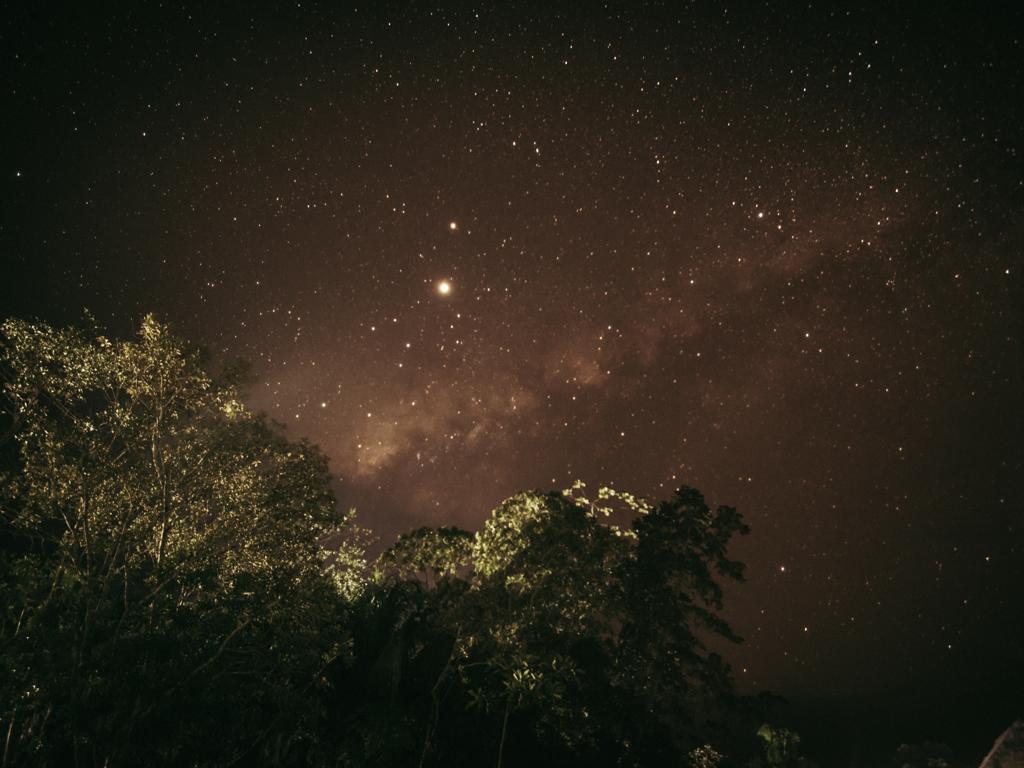

Ayahuasca Integration: Should You Really Go Back to Work the Next Day?
Here's a question that comes up in almost every pre-retreat conversation I have: Can I go straight back to work the morning after an ayahuasca ceremony? The honest answer is yes, technically — and also, please don't. Those two things are not in conflict. Let me explain. Plant medicine experiences sit at a strange intersection. Physically, ayahuasca doesn't leave you with the throbbing headache of a tequila night. There's no chemical hangover in the conventional sense. But the ceremony works on layers most jobs aren't built to accommodate — the emotional, the psychological, sometimes the spiritual. Pretending those layers don't exist on Monday morning is one of the fastest ways to undercut everything you just paid good money and emotional courage to do. By sunrise, most of the active alkaloids have moved through your system. You might even feel oddly clear — that quiet, washed-clean sensation people sometimes describe as the “afterglow.” Some folks bounce out of the maloca convinced they've never felt better. Don't trust that feeling entirely. It's real, but it's also fragile. Underneath the clarity, your nervous system has just been through something. The brew tends to pull buried material to the surface: grief you'd shelved, anger you'd rationalized, memories you didn't know you still carried. Even if the night felt mostly gentle, your psyche is now doing the slow work of filing all of it. That filing doesn't pause because your calendar says 9 a.m. standup. I've watched people return to their desks twelve hours after a ceremony and burst into tears over a routine email. I've watched others snap at colleagues, lose words mid-sentence, or feel suddenly claustrophobic in a meeting room. None of them were “high.” They were integrating, in the worst possible setting for it. Ceremony space is held intentionally. Soft lighting, music, someone trained to sit with whatever comes up. The office is the opposite — fluorescent lights, performance metrics, small talk by the coffee machine, the expectation that you'll be cheerful and competent and unbothered. The contrast can be jarring in ways you won't predict until you're standing in it. There's also the question of who you're around. Plant medicine tends to make people emotionally porous for a few days. Energies, moods, tensions — you pick them up more easily. A passive-aggressive Slack message that you'd normally roll past can land in your chest like a small punch. A colleague's bad day becomes your bad day. Most workplaces are not designed for porous people. And then there's the simpler, more practical issue: your judgment isn't quite normal yet. Decisions made in the 48 hours after a ceremony often feel obvious and right in the moment, then look strange a week later. Don't quit your job, don't end a relationship, don't fire anyone, don't send the long email you've been drafting in your head for months. Wait. If you can swing it, give yourself at least two clear days after the final ceremony before you re-enter normal life. A long weekend is the minimum I'd recommend to anyone. A full week is better, especially after a multi-night retreat or your first time with the medicine. Use the time deliberately. This isn't holiday — it's the second half of the work. And keep your social calendar light. This is not the week to host dinner parties or catch up with the friend who drains you. Choose your company carefully — the people who can hear “the ceremony brought up some heavy stuff about my dad” without flinching or trying to fix it. I know not everyone has a flexible employer or a savings cushion. Sometimes the choice is between doing the retreat at a less-than-ideal time or not doing it at all. If you're in that situation, you can still stack the deck in your favor. Schedule the ceremony for a Friday or Saturday night if your retreat allows it, so you have at least the weekend to land. Tell one or two trusted people what you're doing — not the whole office, but someone who'll cover for you if you need to slip out of a meeting and breathe for ten minutes. Block off the easiest, lowest-stakes tasks for your first day back and protect that calendar fiercely. No big presentations. No conflict conversations. No new projects. You're a maintenance shift, not a creative engine, for at least a week. And if you can take a single mental-health day instead of nothing, take it. One day of intentional rest beats five days of grinding through with raw nerves. Integration is one of those words that gets thrown around in psychedelic circles until it stops meaning much. In practice, it's just this: the slow, often unglamorous process of taking what you saw during the ceremony and translating it into how you actually live. The insights matter, but the behavior change is where the medicine earns its reputation. Some of this is internal — journaling, meditation, sitting quietly with what came up. Some of it is external. People come home from ayahuasca and start having harder, more honest conversations. They renegotiate friendships. They look at their drinking differently. They notice that a job they tolerated for years is quietly killing something in them. None of that happens at the speed of a workweek. If you've been considering plant medicine to address something specific — addiction patterns, depression that won't lift, trauma that keeps re-running — the integration period is arguably more important than the ceremony itself. The medicine shows you the door. Integration is whether you actually walk through it. Plan for it the way you'd plan for surgery recovery, because in a real sense that's what it is: recovery, not a vacation. Everyone reacts differently. Some people genuinely do feel ready to work the next day and have no issue. Others fall apart for a week. Most land somewhere in the middle. You won't know your pattern until you've sat with the medicine at least once, so build your first retreat with maximum margin and adjust from there. Watch for the false bounce-back. Many people feel great for 24 hours, then crash on day three or four when the emotional material starts surfacing in earnest. The crash is normal and it passes, but it's miserable to navigate in the middle of a board meeting. Plan your buffer with day four in mind, not day one. If you're on prescription medication — particularly SSRIs, MAOIs, or anything affecting serotonin — talk to the retreat facilitators well in advance, and ideally to a doctor who understands plant medicine. This isn't optional. The interactions can be serious. For readers thinking seriously about taking the step, a range of ayahuasca retreats with proper preparation and aftercare support can be browsed on our marketplace here. Choose one that talks as much about integration as it does about the ceremony itself — that's usually the tell that the facilitators actually know what they're doing. Whatever you decide about the Monday-morning question, give the experience the respect it deserves. You wouldn't run a marathon and clock straight into work afterward. This is the same principle, just applied to a part of yourself you can't see in the mirror.
Microdosing Psychedelics at Work: What the Science Actually Says
A few years back, the CEO of a marketing startup got fired for taking a tab of LSD before a company meeting. Not a recreational dose — a sliver, what people in certain circles call a microdose. He said it would sharpen his focus. The board said it violated company policy. The internet, predictably, lost its mind for about forty-eight hours and then moved on. But the question underneath that story hasn't gone anywhere. Does microdosing psychedelics actually do what people claim it does? Is it a legitimate cognitive tool, a placebo with great PR, or just an expensive way to get on the wrong side of the law? If you're reading this, you've probably wondered. Maybe a friend swears by it. Maybe you've read a profile of a founder who credits LSD with their breakthrough. Maybe you're curious whether the same compounds being studied for depression and addiction might quietly help you, too. Here's what the research actually shows, what experienced clinicians say, and why the relationship between microdosing and the deeper work of plant medicine is more interesting — and more honest — than the workplace-hack version of the story. A microdose is a sub-perceptual dose. That's the technical definition. You take roughly a tenth of what a recreational user would take — somewhere around 10 to 20 micrograms of LSD, or 0.1 to 0.3 grams of dried psilocybin mushrooms — at intervals over weeks or months. The idea is that you feel almost nothing. No visuals, no ego dissolution, no cosmic download. Just a faint shimmer underneath your normal day. People who microdose report better mood, more creative thinking, sharper focus, an easier time meditating, and reduced anxiety. Those are the claims. The protocol most often cited — one day on, two days off — comes from psychologist James Fadiman, who's been writing about this since the 1960s. He's the godfather of the whole movement, and he's also remarkably measured about what he thinks it does. What microdosing is not is a psychedelic experience. You don't journey on a microdose. You don't confront your shadow or meet ancestors or weep through twenty years of unprocessed grief. That's macrodose territory — heroic doses, as researchers call them — and it's a fundamentally different thing. Conflating the two is one of the more common mistakes people make when they start reading about this stuff. Short answer: not really. Not yet, anyway, and possibly not at all in the way enthusiasts hope. The most rigorous study to date, published a few years ago in eLife, ran a self-blinded trial where participants took either real microdoses or placebos. Both groups reported improvements in mood, energy, and cognition. The catch? The improvements were essentially identical. The active-dose group didn't outperform the placebo group in any meaningful way. The researchers' polite conclusion was that the reported benefits of microdosing appear to be largely placebo-driven. That's not nothing. Placebos are powerful. If taking a tiny dose of something exotic makes you believe you'll be sharper and calmer, you probably will be sharper and calmer for a while, because expectation shapes experience. But you can get the same effect from a daily ritual, a multivitamin, or — if we're being honest — a decent cup of coffee. Researchers at Johns Hopkins, who run the most established psychedelics program in the country, have been blunt: the strong evidence for psychedelics as a therapeutic tool lives almost entirely at the high-dose end. The benefits don't seem to scale down. If anything works at microdose levels, it's most likely a mild antidepressant effect from nudging the serotonin system — which is also exactly what SSRIs do, with fewer legal complications and decades more safety data. The tech industry's romance with microdosing isn't really about the pharmacology. It's about the story. Steve Jobs famously called taking LSD one of the most important experiences of his life. Founders trade Fadiman's protocol like a productivity hack. The narrative goes: smart, ambitious people gain an edge by treating their brains like an OS that can be patched and optimized. And look — the underlying impulse isn't crazy. Psychedelics genuinely do something to cognition. People who take real, meaningful doses in well-held settings often describe lasting shifts in perspective, creativity, and emotional flexibility. The mistake is assuming you can get those benefits in tenth-strength increments while still running a 10 a.m. stand-up. You can't, mostly. The actual transformative effects of psychedelics seem to require the full experience — the discomfort, the surrender, the eight hours where you cannot, under any circumstances, lead a meeting. That's not a bug. That's the point. The deep work happens precisely because the usual self is offline. This is the part of the conversation that gets glossed over in glowing founder profiles. LSD, psilocybin, and MDMA are Schedule I substances in the United States. Possessing them is a federal crime. Microdosing at work, the way the Iterable CEO learned, can also end your career fast — even in companies that consider themselves enlightened about substance use. Then there are the practical issues. When you're sourcing tabs or mushrooms from someone you met through a friend of a friend, dose accuracy is a fantasy. People aim for 15 micrograms of LSD and accidentally take 80. Suddenly the wall is breathing during a budget review. Researchers have heard versions of this story more times than they care to count. Some honest concerns to sit with if you're considering this: If you've gotten this far, you might be sensing the more interesting question underneath all this. People aren't microdosing because they want to optimize quarterly OKRs. Most of them are quietly hoping for something deeper — relief from depression, a way out of an addiction, a softening of trauma, a sense that there's more to life than the loop they've been running for fifteen years. That's the territory where psychedelics genuinely shine, and it's not microdose territory. Clinical trials with psilocybin for treatment-resistant depression have produced results that legitimately surprised the researchers. Ibogaine has helped people walk away from opioid dependency in ways nothing else has. Ayahuasca ceremonies, conducted in traditional contexts with experienced facilitators, have given people decades of stuck patterns to chew on in a single night. These are the master plants — substances that traditional cultures have worked with for generations, in settings designed to hold the weight of what they bring up. The honest framing is this: a microdose is a hack. A retreat is a reckoning. They're different tools for different jobs. If what you actually want is a slightly better Tuesday, drink a coffee and go for a walk. If what you want is to look honestly at why your Tuesdays feel the way they do — that's a different conversation, and it probably involves a real dose, a real container, and people who know what they're doing. The thing about psychedelic healing — the real thing, not the productivity version — is that it works in the opposite direction from optimization. It asks you to slow down, not speed up. It rewards surrender, not control. The Silicon Valley pitch of move-fast-and-break-things is almost exactly the wrong posture for the work. People who come out of a well-run retreat tend to describe months of integration afterward. Slow re-entry. Conversations with a therapist or guide. Changes that show up not as a sudden flash of insight but as a different relationship to their own habits over time. None of that fits in a microdose protocol. None of it shows up in a single ceremony, either — the integration is the medicine, in many ways. If you're weighing whether this path makes sense for you, take your time. Read accounts from people who've done it. Ask hard questions about lineage, safety screening, and what happens if something difficult comes up in ceremony. The good operators welcome those questions. The sketchy ones don't. For readers who want to explore this more seriously, a range of vetted ayahuasca, psilocybin, and other plant-medicine retreats can be browsed on our marketplace here. It's a quieter and more considered route than the workplace microdose — and, by most accounts of the people who've actually done both, a far more useful one.
Why Venture Capital Is Skeptical About Oregon's Legal Psilocybin Market
Oregon did something genuinely historic when it voted to create the first state-regulated psilocybin program in the country. For anyone interested in psychedelics, plant medicine, or the slow drift of mushrooms out of the underground and into licensed spaces, it was a moment worth marking. So you'd assume the venture capital crowd — the same people pouring tens of millions into psychedelic startups — would be lining up at the border with checkbooks open. They're not. Several of the most active investors in the psychedelics space have quietly made it clear they're skipping Oregon, at least for now. Their reasoning is worth understanding, because it tells you something useful about where this whole industry is heading — and what it might mean for the kind of retreat experience you can actually book in the years ahead. Measure 109 created a framework where adults can take psilocybin under the supervision of a licensed facilitator at a licensed service center. It's not medical. It's not recreational. It's a third thing — call it supported use — and it sits inside a single state while psilocybin remains a Schedule I substance at the federal level. That last detail is doing a lot of heavy lifting in this story. The companies preparing to operate in Oregon are mostly retreat centers, training programs for facilitators, and small clinic-style operations. Some are familiar names in the psychedelic retreat world — outfits that have spent years running ceremonies in places like the Netherlands or Jamaica and now want a foothold inside the United States. On paper, it looks like the beginning of a real market. Talk to people running psychedelic-focused venture funds and a few specific objections come up again and again. None of them are about whether psilocybin works. They're about whether a business built around it can make money under the rules as written. The first issue is taxes. Because psilocybin is federally illegal, businesses handling it get hit by the same IRS provision — Section 280E — that has been making life miserable for cannabis operators for years. In plain English: you can't deduct normal business expenses like rent, payroll, or marketing the way an ordinary company can. Your effective tax rate balloons. Margins that already look thin get sliced even thinner. The second issue is the math of a single session. A ketamine clinic — currently the closest legal comparison in the US — can move a patient through treatment in roughly an hour or two. A psilocybin session runs significantly longer; six hours is a reasonable baseline once you add preparation and the come-down. That's one room, one facilitator (sometimes two), one client, for most of a working day. Even at premium pricing, the unit economics get tight fast. The third issue is scale. Venture capital looks for businesses that can grow ten or a hundred times larger with an injection of cash. A retreat center on a 124-acre property in southern Oregon is a beautiful thing. It is not, in the VC sense, scalable. You can't ship it. You can't 100x it. You can open a second one, eventually, and that's about it. The money is mostly flowing somewhere else: toward biotech companies running clinical trials on psilocybin, MDMA, and related compounds, hoping to get them approved as prescription medicines through the FDA. If that approval comes — and several late-stage trials suggest it might, for conditions like treatment-resistant depression and PTSD — those companies suddenly have a federally legal product, insurance reimbursement, and a defensible patent position. That's a very different business than running ceremonies in a wooden lodge with a facilitator who sings to you for six hours. It's pharmaceutical psychedelics. It's also where most of the venture capital has gone for the past several years, and it explains a lot about the public conversation around psychedelic healing — what gets covered, what gets funded, what gets framed as legitimate. Here's where it gets interesting for the person actually researching whether to sit in a ceremony. The VC cold shoulder toward Oregon isn't necessarily bad news. In some ways it might be the best thing that could happen to the experience itself. When venture money flows in, it brings expectations. Growth targets. Standardized protocols. Pressure to move clients through faster. The retreat world has spent decades being shaped by tradition, by individual facilitators, by lineage, by the slow accumulation of practice. The places that resist quick scaling are often the ones doing the most careful work. That said, there are some practical things worth knowing if you're weighing Oregon as a destination versus going to an established ayahuasca or psilocybin retreat abroad: Most of this VC drama is centered on psilocybin specifically, because that's what Oregon legalized. But it sits inside a bigger conversation about plant medicine as a whole. Ayahuasca, San Pedro, iboga, peyote — what indigenous traditions often call master plants — operate in a legal and cultural space that's even more complicated than mushrooms in Oregon. They're not on the table for state-level legalization in the US anytime soon, and the established retreats for these medicines are almost entirely outside the country. For people seeking help with addiction, depression, or the kind of stuck patterns that talk therapy hasn't budged, the choice often comes down to: wait for a clinical pipeline that may or may not deliver a relevant treatment in five years, try the new Oregon model when it opens up, or travel to an established retreat tradition that has been doing this work for decades or centuries. None of these is automatically the right answer. They're different doors into different rooms. What's clear is that the underground-to-legal transition is messier than the headlines suggest. The investors backing away from Oregon aren't doing it because they think psychedelics don't work. They're doing it because they think the business model is hard. Those are different things, and confusing them leads to bad decisions on both ends — investors missing real opportunities, and seekers assuming that what gets the most funding must be the best path to healing. If you're somewhere in that 22-to-60 bracket of adults quietly looking into this for real reasons — addiction in the family, depression that won't lift, grief that's gone on too long — the most useful thing you can do is ignore the industry noise and ask basic questions of any program you're considering: You won't find these answers in a glossy brochure. You'll find them in long phone calls, honest references, and the willingness of a retreat to talk about hard cases instead of dream testimonials. The legal landscape will keep shifting. Oregon will figure out its market, or it won't. Colorado, which passed its own measure shortly after, will run its own experiment. Federal approval for psilocybin therapy could land within a few years. None of that changes the basic question for the person reading this: is plant medicine the right next step for you, and if so, with whom, where, and when? For readers who want to explore this further with a clearer view of the options, a curated range of ayahuasca and psilocybin retreats can be browsed on our marketplace here. Take your time with the decision. The medicine isn't going anywhere, and the right container is worth waiting for.
Dreaming of a Psychedelic Retreat?
We have the best deals and offers from thousands of organizers all over the world! Get them into your mailbox every week!
We value your privacy. Your email address will never be shared or published.
