 English
 Deutsch
 Français
 Nederlands
 Español
SHOP AYAHUASCA RETREATS BLOG
Microdosing Iboga for Dopamine Issues: What You Should Actually Know

Cleo Adler
June 2, 2026
Your ultimate guide to discover transforming ayahuasca and psychedelic experiences. Dive into serene destinations and elevate your consciousness to unparalled heights.
Discover Ayahuasca & Psychedelic Retreats NowSearch for ayahuasca & psychedelic retreats
Discover retreats, trainings, and holidays from all over the world
Microdosing iboga is one of those topics that lives in the gap between forum gossip and actual clinical research. People whisper about it. A few swear by it. Most have no idea what they're talking about. And yet, if you spend any time in the corners of the internet where folks discuss addiction recovery, ADHD, depression, or the strange flatness that follows years of stimulant use, you'll hear iboga root bark mentioned — usually in tones that mix awe with a healthy dose of caution.
Let's talk about what microdosing iboga actually involves, why dopamine sits at the center of the conversation, and what someone considering this path should think hard about before they start. This is plant medicine territory, and iboga is not a substance to treat casually — even at small doses.
What Is Iboga, and Why Do People Microdose It?
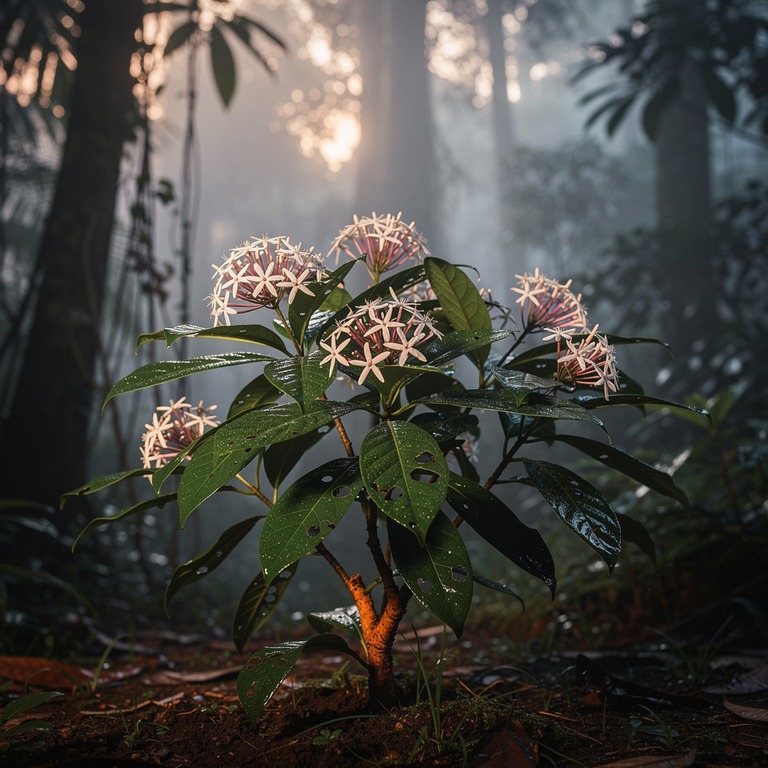
Iboga (Tabernanthe iboga) is a shrub native to West Central Africa, mostly Gabon and Cameroon, where the Bwiti tradition has used it ceremonially for generations. The root bark contains a family of alkaloids, the most famous being ibogaine — the compound that's made headlines for its ability to interrupt opioid and stimulant addictions, sometimes in a single high-dose session.
A full ibogaine flood dose is intense. We're talking 12 to 36 hours of waking dream-state, deep autobiographical review, and significant cardiovascular load. That's the version you see at clinics in Mexico, Costa Rica, and increasingly other jurisdictions. Microdosing is something different: people take small amounts of root bark — often 100 to 300 milligrams — with the goal of subtle, sub-perceptual effects over weeks or months.
The motivations vary. Some are stacking it onto recovery from opioid or stimulant addiction, hoping to keep cravings quiet between flood sessions. Others are dealing with post-acute withdrawal, where dopamine receptors are sluggish and motivation has gone missing. A smaller group is experimenting with iboga the way people experiment with psilocybin microdosing — for mood, focus, or what they vaguely call “stuckness.”
The Dopamine Question: Why Iboga Keeps Coming Up
If you've burned through your dopamine system — years of cocaine, methamphetamine, heavy stimulant prescriptions, or even just compulsive screen and porn use — you might find yourself in a strange flat zone. Nothing feels rewarding. You can't get yourself to start anything. Pleasure feels theoretical. This is the territory where people start researching iboga.
Here's what's interesting: ibogaine and its primary metabolite noribogaine appear to act on the dopamine system in unusual ways. Rather than flooding receptors like an amphetamine, they seem to modulate — interacting with sigma-2 receptors, NMDA receptors, and various dopamine and serotonin pathways simultaneously. Animal studies have shown that ibogaine can help normalize dopamine signaling after chronic stimulant exposure. That's not a guarantee for humans, but it's why the substance keeps showing up in conversations about addiction recovery and post-stimulant burnout.
The honest answer to “does microdosing iboga restore dopamine function?” is: we don't really know. There's anecdote, there's mechanistic plausibility, and there's almost no rigorous clinical data on the microdose protocol specifically. Most of the published research is on flood doses for addiction interruption. Anyone who tells you the science is settled here is either selling you something or hasn't read enough of it.
The Safety Conversation Nobody Wants to Have
Iboga is not psilocybin. It is not LSD. The safety profile is genuinely different, and this is where a lot of well-meaning people get themselves into trouble.
The main issue is cardiac. Ibogaine prolongs the QT interval, which in plain terms means it can disrupt the heart's electrical rhythm in ways that have, in rare cases, been fatal. The risk goes up dramatically if you have:
- Any history of arrhythmia, long QT syndrome, or heart disease in your family
- Low potassium or magnesium levels
- Use of SSRIs, methadone, or many other medications that also affect QT
- Active stimulant use (a particularly dangerous combination)
- Liver issues that affect how the body metabolizes alkaloids
At microdose levels the risk is lower than at flood-dose levels — but it's not zero, especially with repeated daily dosing that allows ibogaine and noribogaine to accumulate. Noribogaine has a long half-life. The drug stays in your system. This is why anyone serious about exploring iboga, even at low doses, gets bloodwork and an EKG first. Not optional. Not paranoid. Standard practice.
What Microdosing Iboga Actually Feels Like
From what people who've done it describe, a true microdose of iboga root bark is subtle. Some report a slight warming sensation, mild stimulation, easier focus, and a kind of quiet emotional steadiness. Others get nothing. A handful overshoot the dose and end up with nausea, ataxia (that wobbly, drunk-feeling coordination loss iboga is known for), and a tracer-laden visual field that's well past sub-perceptual.
The bark itself is unforgivably bitter. People who've worked with it say the taste is genuinely difficult — like chewing aspirin mixed with damp earth. Capsules help. Most experienced practitioners suggest starting much lower than you think you need to, waiting a full day to see how your body responds, and never dosing daily without breaks.
A common protocol you'll see discussed: small dose two or three times per week, with rest days in between, for a defined period — maybe four to eight weeks — followed by a longer break to assess what's actually changed. Daily dosing is where accumulation risks rise and where people start running into trouble.

How This Fits Into a Real Recovery Plan
If you're reading this because you're stuck — addicted, depressed, exhausted by your own patterns — please hear this clearly: microdosing iboga off the back of a Reddit thread, alone, with no medical screening and no integration support, is not a recovery plan. It's a gamble with a substance that deserves more respect than that.
What does a reasonable approach look like? Usually some version of:
- Cardiac screening (EKG, electrolyte panel, medication review) before anything goes in your mouth.
- Working with a practitioner or harm-reduction coach who actually knows iboga, not someone who's read a few articles.
- Considering whether a supervised flood-dose session in a reputable clinic might be more appropriate than a microdose experiment, depending on what you're trying to address.
- Building integration practices — therapy, somatic work, community — that hold whatever shifts the medicine produces.
- Being honest about other substances and medications. Iboga interacts with a lot of them, and some of those interactions are dangerous.
Iboga sits in an interesting place in the master plants family — alongside ayahuasca, San Pedro, and peyote — as a teacher plant with a long traditional lineage. Treating it like a nootropic supplement misses the point and creates real risk. For readers who want to explore this more seriously, a range of ibogaine and iboga retreat programs with medical screening and trained facilitators can be browsed on our marketplace here.
The dopamine question, the addiction question, the “am I broken?” question — these are real, and plant medicine can sometimes be part of an answer. Just not a shortcut, and not without the work that surrounds it.
Craving More Stories?
Join our ShopAyahuascaRetreats newsletter for the latest updates on thrilling
destinations and inspirational tales, delivered straight to your inbox!
We value your privacy. Your email address will never be shared or published.