 English
 Deutsch
 Français
 Nederlands
 Español
SHOP AYAHUASCA RETREATS BLOG
What Makes an Ayahuasca Retreat Actually Good? Lessons from a Top-Rated European Center

Fiona Holloway
June 2, 2026
Your ultimate guide to discover transforming ayahuasca and psychedelic experiences. Dive into serene destinations and elevate your consciousness to unparalled heights.
Discover Ayahuasca & Psychedelic Retreats NowSearch for ayahuasca & psychedelic retreats
Discover retreats, trainings, and holidays from all over the world
There's a particular silence at three in the morning inside a ceremony space — the kind you only notice once the icaros have stopped and the kettle in the back is being set for the next round. That silence tells you almost everything you need to know about a retreat. Is it held? Is someone awake? Is the person two mats over being looked after? If you're researching where to drink ayahuasca for the first time, that's the question underneath every other question you're asking.
I want to talk about what actually makes an ayahuasca retreat worth your money and your nervous system — using a European center that's been picking up serious recognition lately as a useful reference point. Not to sell you on them. To give you a framework for sizing up any retreat you're considering, whether it's in Peru, the Netherlands, Costa Rica, or a converted farmhouse in Spain.
Why European Ayahuasca Retreats Are Having a Moment
For a long time, the assumption was that if you wanted real ayahuasca you had to fly to the Amazon. That's still a beautiful path, and for some people it's the right one. But over the last decade a handful of European centers — most notably in the Netherlands, where a legal grey area around the brew has been navigated through religious-use frameworks — have built infrastructure that, frankly, some jungle camps can't match. Trained medical support on standby. Multi-day preparation calls. Integration coaches you can actually reach a month later.
One of those centers, OMMIJ, was named best ayahuasca retreat in the LUX Resorts and Retreats Awards a couple of years ago, and they've been quietly expanding since — with a second location in Spain joining their original Dutch healing house. The name itself is a play on the Dutch words for to me or about me, which gives you a sense of how they frame the work: not as a spiritual fireworks show, but as a slow return to your own body.
Whether or not you ever set foot in one of their ceremonies, the model is worth studying. Because the things they do well are exactly the things you should be looking for everywhere.
How Much Does an Ayahuasca Retreat Cost, and What Are You Paying For?
This is the question I get asked more than any other, and the honest answer is: anywhere from around 400 euros for a weekend in a European setting to 3,000+ dollars for a ten-day immersion in the Sacred Valley. The price spread is enormous, and price alone tells you very little about quality.
What you should actually be paying for, regardless of location:
- Pre-screening. A real medical and psychological intake — not a checkbox form. If nobody asks about your SSRIs, your blood pressure, or your family history of psychosis, walk away.
- Ratio of facilitators to participants. One to four is excellent. One to eight is workable if the team is experienced. One facilitator for fifteen people in deep states is a liability.
- Preparation support. The dieta isn't just a food list. Good retreats walk you through emotional and spiritual preparation in the weeks beforehand.
- Integration. What happens for the thirty days after you leave is arguably more important than the ceremony itself. If the retreat ghosts you the morning after closing circle, that's a structural failure.
- Aftercare for the hard cases. Sometimes people open material that needs more than a group share to metabolize. Is there a therapist on call? A coach you can book? A community to come back to?
A cheap retreat that nails those five things is a better buy than an expensive one that doesn't.
Ayahuasca for Addiction, Depression, and Stuck Patterns: What's Actually Known
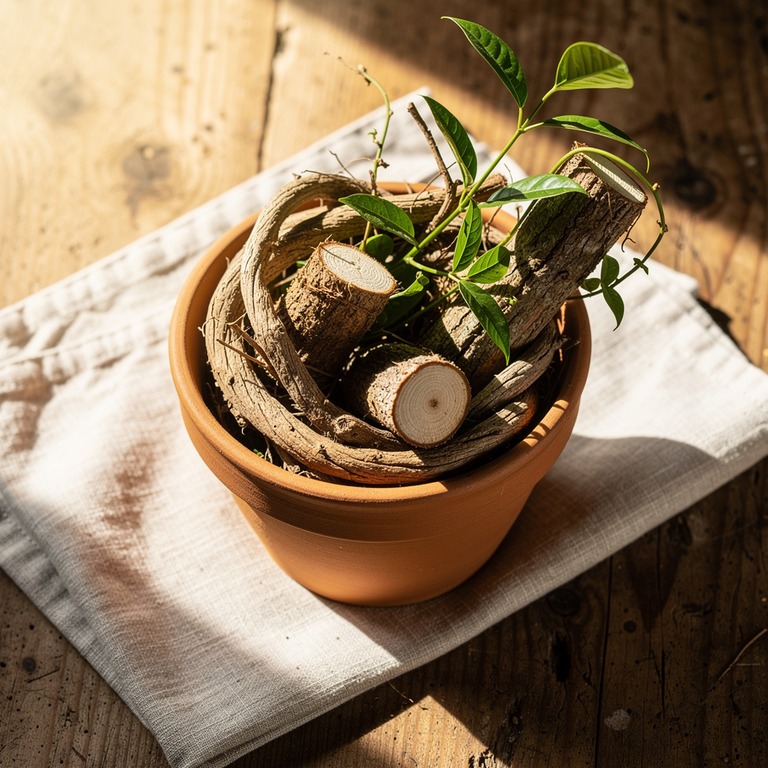
A lot of people researching plant medicine right now aren't doing it for curiosity. They're doing it because something in their life has refused to budge — a drinking habit, a depression that hasn't moved despite years of SSRIs, a trauma loop that keeps surfacing in their relationships. Ayahuasca has earned its reputation here partly through clinical research and partly through twenty-plus years of consistent participant reports.
The research is genuinely promising. A small but growing body of work — including studies on ayahuasca's effects on treatment-resistant depression — has shown rapid and sometimes lasting reductions in depressive symptoms after a single ceremony. Work on addiction, particularly with stimulant and alcohol dependence, suggests the brew can interrupt craving patterns in ways traditional pharmacology hasn't matched. These aren't fringe findings anymore. They're being taken seriously by researchers at major universities.
That said — and this matters — ayahuasca is not a cure. It's a catalyst. People who go in expecting a magical fix tend to come out disappointed or, worse, retraumatized. People who go in willing to do the slow work afterward — therapy, lifestyle changes, integration circles, sometimes more sittings spaced months apart — tend to be the ones telling life-changing stories two years later. The plant shows you the door. You still have to walk through it, hungover and confused, every single day.
What a Ceremony Actually Feels Like (the Boring, Real Version)
Skip the YouTube testimonials for a minute. Here's what a typical first night looks like at a well-run retreat. You arrive in the afternoon. There's an intake circle where everyone says, often awkwardly, why they're there. You're given a mat, a bucket (you'll use it; making peace with this is part of the work), water, tissues, a blanket. Lights go down around 8 or 9 pm.
The facilitator pours small cups. You drink. It tastes like the inside of an old tree mixed with regret. You sit. Forty minutes pass and you start to wonder if it's working. Then it works. What happens next is wildly individual — some people see geometry, some see nothing visual at all and instead feel decades of held grief move through their chest, some have conversations with parts of themselves they'd forgotten existed. Some throw up and feel reborn. Some don't throw up and feel cheated. The icaros — the medicine songs sung by the facilitator — guide the rhythm of the night.
By 2 or 3 am, things soften. People sleep, or sit quietly, or step outside to look at the stars and cry. The next morning there's tea and slow conversation and the strange clarity of having been somewhere you can't quite describe. That's it. That's the whole technology. Everything around it — the diet, the songs, the integration — is what makes the technology work.
Red Flags When Choosing an Ayahuasca Retreat
If you take nothing else from this post, take this list. These are the things that should make you close the browser tab:
- No medical screening, or screening that feels rushed.
- Facilitators who claim to be shamans after a six-month apprenticeship.
- Photos of participants on the website without obvious consent context.
- Promises of healing specific conditions ("cures depression," "ends addiction").
- No mention of contraindicated medications anywhere on the site.
- Mixed-gender sleeping arrangements with no privacy considerations.
- Facilitators drinking heavily themselves during ceremony to "hold the space" — a real practice in some lineages, a red flag when done by underqualified people.
- No integration support whatsoever, or integration sold as an expensive add-on.
- A vibe of spiritual hierarchy where the facilitator is treated as a guru.
- Anyone who tells you ayahuasca is safe for everyone. It isn't.
The good retreats — the ones doing this work seriously, whether they're in Iquitos, Catalonia, or a converted Dutch farmhouse — won't tick any of those boxes. They'll be honest about who shouldn't drink, transparent about their team's background, and almost suspiciously calm about the whole thing. Real medicine work doesn't need to oversell itself.
The Quiet Work That Happens After You Get Home
Nobody wants to talk about this part because it isn't glamorous, but it's where retreats either pay off or don't. You'll come home and your partner will ask how it was and you won't have words. You'll be raw for about two weeks. Music will hit different. Old grudges will feel smaller, or much larger, or just suddenly negotiable. Then real life — the inbox, the commute, the in-laws — will reassert itself, and you'll feel the door starting to close.
This is the integration window. The retreats that take this seriously will have built you a structure for it: weekly group calls, a private community, a coach you can voice-message. Without that scaffolding, even a profound ceremony tends to fade into a beautiful memory that didn't quite change anything. With it, the small daily shifts compound into something that, a year later, looks like a different life.
If you've read this far, you're probably closer to booking than you realized — and the next step is finding a place whose values and practices match what you actually need. A range of vetted ayahuasca retreats across Europe, Peru, Costa Rica, and beyond can be browsed on our marketplace here. Take your time choosing. The right retreat is worth waiting six months for; the wrong one isn't worth a weekend.
Craving More Stories?
Join our ShopAyahuascaRetreats newsletter for the latest updates on thrilling
destinations and inspirational tales, delivered straight to your inbox!
We value your privacy. Your email address will never be shared or published.