 English
 Deutsch
 Français
 Nederlands
 Español






Reset. Heal. Grow.

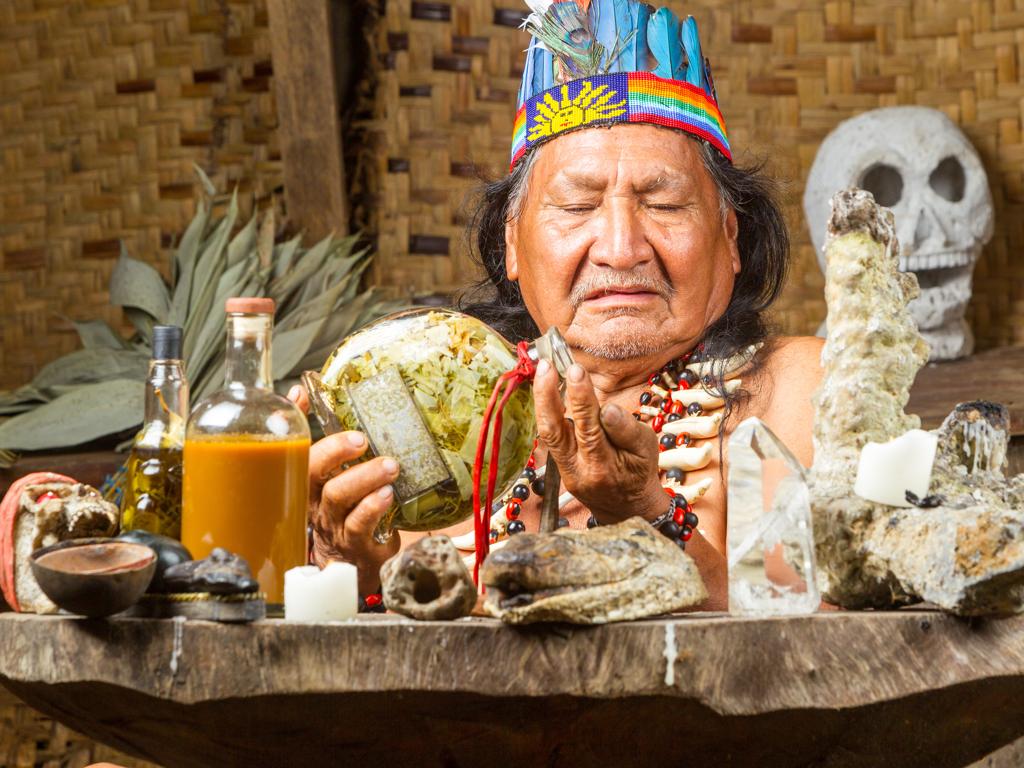
Ketamine for Depression: What the Latest Trial Results Mean
Ketamine, a medication primarily used as an anesthetic, has been explored as a potential treatment for severe forms of depression. Its fast-acting nature makes it an attractive option for patients experiencing sudden bouts of suicidality. However, the latest trial results from Atai Life Sciences, a leading company in the field of psychedelics, have raised questions about its efficacy. The trial, conducted by Perception Neuroscience, a subsidiary of Atai, involved 102 patients with treatment-resistant depression. These patients were administered either a 60mg dose of PCN-101, a 30mg dose, or a placebo. The results showed that patients who received the 60mg dose did not experience significant improvement in their depression symptoms compared to those who received the placebo. This outcome is particularly noteworthy given the current landscape of depression treatment. With many patients not responding to traditional therapies, the search for alternative treatments is urgent. Ketamine, with its unique mechanism of action, had been seen as a promising candidate. The failure of this trial, however, underscores the complexity of treating depression and the need for continued research. The trial's methodology involved administering the drug intravenously and then assessing the patients' depression symptoms 24 hours later using the Montgomery-Åsberg Depression Rating Scale. The lack of significant improvement in the treatment group compared to the placebo group is a critical finding. It suggests that, at least in the context of this study, ketamine may not offer the therapeutic benefits that were hoped for. The implications of this trial are multifaceted. For patients and their families, the news may be disappointing, especially for those who have been waiting for new treatment options. For the field of psychedelic research, this trial serves as a reminder of the challenges involved in developing effective treatments. It highlights the need for rigorous scientific testing and the importance of not overstepping the bounds of current evidence. Atai Life Sciences has announced plans to continue reviewing the data from the trial to determine the next steps. This approach is prudent, given the potential that subgroup analyses or further research could uncover beneficial effects that were not immediately apparent. Ketamine is not the only psychedelic compound being explored for its therapeutic potential. Psilocybin, the active ingredient in magic mushrooms, and MDMA, commonly known as ecstasy, are also under investigation for their possible roles in treating mental health disorders. The journey of these substances from recreational drugs to potential therapeutic agents is a complex one, marked by both promise and challenge. The approval of Spravato, a drug based on ketamine, by the FDA in 2019 for the treatment of severe depression, marked a significant milestone in this journey. It demonstrated that, with rigorous testing and regulatory approval, psychedelic-derived medicines could enter the mainstream of psychiatric treatment. However, the path forward is not without its obstacles. Regulatory hurdles, public perception, and the need for high-quality clinical trials are just a few of the challenges that must be overcome. The recent trial results, while disappointing, are a part of this process. They contribute to the growing body of evidence that will eventually guide the development and use of psychedelic medicines. The latest trial results on ketamine's effectiveness in treating depression are a sobering reminder of the complexities and challenges inherent in psychiatric research. While they may dampen some of the enthusiasm surrounding psychedelic medicine, they do not diminish the potential that these substances hold. Instead, they underscore the importance of a cautious, evidence-based approach to developing new treatments. As the field of psychedelic medicine continues to evolve, it is crucial that researchers, clinicians, and patients remain committed to the principles of rigorous scientific inquiry and patient safety. The future of psychedelic medicine is promising, but it must be built on a foundation of solid evidence and careful consideration of both the benefits and the risks of these powerful substances.
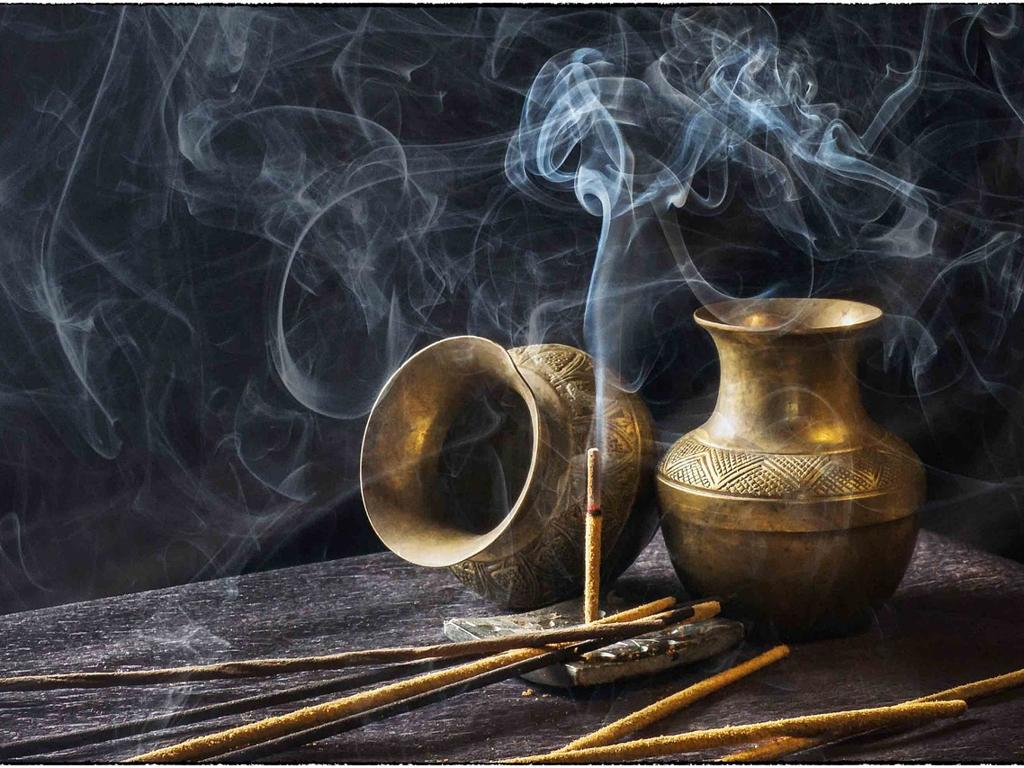
What Ibogaine Actually Teaches You: Lessons From the Other Side of Treatment
People come to ibogaine for one reason, usually. They want the addiction to stop. Whether it's heroin, fentanyl, methadone, alcohol, or some tangled combination, the pitch is almost too clean: one long session with a powerful African root, and the withdrawal vanishes. The cravings quiet down. The story ends. Except it doesn't end. That's the part nobody puts on the retreat brochure. Ibogaine isn't a finish line — it's a strange, exhausting, sometimes unbearable doorway. And what people actually learn on the other side of it is often very different from what they expected to learn. This piece is for anyone weighing ibogaine treatment for addiction, or trying to understand what a friend or family member just went through. Plant medicine doesn't hand you a new life. It hands you information. What you do with it is the rest of the work. Ibogaine is a psychoactive alkaloid found in the root bark of Tabernanthe iboga, a shrub native to West Central Africa. The Bwiti tradition in Gabon has used iboga ceremonially for generations — initiation, ancestor work, deep personal reckoning. Outside that context, ibogaine became known in the West for something more specific: it appears to dramatically interrupt opioid withdrawal and reset the brain's response to certain addictive substances. The mechanism is still being studied, but the lived experience is striking. People who've been physically dependent for years describe walking out of a session without the bone-deep sickness they expected. Cravings, in many cases, drop to a whisper. That's the part that gets attention — and rightly so. For someone who's been trapped in a cycle, the idea that one treatment could break the physical hold is staggering. But here's where the misunderstanding starts. Interrupting withdrawal is not the same as curing addiction. The substance does something profound to your nervous system. It does not, on its own, repair the reasons you started using in the first place. Most psychedelic experiences clock in at four to eight hours. Ibogaine runs longer — often 24 to 36 hours from first dose to the point you can walk steadily again. The first phase is sometimes called the visionary state, and it's where the famous “life review” happens. Memories surface, sometimes in vivid sequence, sometimes scattered. People describe watching their lives from the outside, observing choices they'd buried for decades. The second phase is more cognitive — quieter, more reflective. You're processing what came up. The body is doing heavy lifting too: ibogaine slows the heart rate significantly, which is why reputable clinics require an EKG, blood work, and continuous cardiac monitoring. This is not a substance to take in a friend's living room. The cardiac risks are real, and most ibogaine-related fatalities trace back to inadequate medical screening. By the third phase, you're tired in a way you've probably never been tired. People talk about a kind of grey clarity that lasts for days. The body is exhausted; the mind is unusually quiet. And then — this is the part nobody warns you about enough — you have to go home. If you read enough first-person accounts, certain themes show up over and over. Not in the marketing copy. In the honest reports — the ones written months or years later, when the dust has settled. That last point is the one most people underestimate. The session is dramatic. The integration is mundane. And mundane is what changes a life. This question comes up constantly from people researching plant medicine for addiction, so it's worth addressing directly. Both ayahuasca and ibogaine have been studied as tools for addiction recovery, and both have produced remarkable case reports. They are not interchangeable. Ibogaine is, by most accounts, the more medically demanding of the two. The cardiac risk is higher. The session is longer. It's particularly effective at interrupting opioid dependence — something ayahuasca generally is not designed to do. If your primary issue is physical dependence on opioids, ibogaine is the more direct intervention. Ayahuasca tends to work differently. It's better suited to longer-arc work — depression, trauma, behavioural addictions, alcohol patterns, the existential layer of why-am-I-like-this. Many people who first encounter plant medicine through ibogaine eventually find their way to ayahuasca ceremonies for ongoing integration work. The two can complement each other across years, not weeks. Master plants — the broader category these medicines fall into — share something important: they show you things. They don't decide for you. Whichever path fits your situation, the work after the ceremony is what determines the outcome. This is where I get blunt. The ibogaine world has reputable clinics doing careful, life-saving work. It also has cowboys. The difference between the two can be the difference between recovery and a coroner's report. If you're seriously considering treatment, look for these markers: Mexico and Costa Rica host most of the legal, medically-supervised clinics serving North Americans, since ibogaine is unscheduled in those countries. The legal status in the United States is more restrictive — ibogaine is a Schedule I substance there — which is why most treatment-seekers travel. If you're reading this because you or someone you love is stuck in addiction, here's the honest path forward. Do your research slowly. Talk to people who've been through it — not just the ones the clinics put forward, but the harder-to-find ones who'll tell you what didn't work. Get a real medical workup before you commit. Build your aftercare plan before you book the session, not after. And don't expect ibogaine to do the work that therapy, community, and time are supposed to do. The people who do well with ibogaine treatment tend to share a particular quality: they treat it as the beginning of something, not the end. They line up integration support, change their environment, take the post-session window seriously, and accept that the medicine has shown them what to do — but it's still on them to do it. If something here resonates and you want to explore further, a curated selection of ibogaine and plant-medicine retreats can be browsed on our marketplace here. Take your time with the decision. The right retreat, at the right moment, with the right aftercare around it — that's what changes things. Not the medicine alone.
Dreaming of a Psychedelic Retreat?
We have the best deals and offers from thousands of organizers all over the world! Get them into your mailbox every week!
We value your privacy. Your email address will never be shared or published.
