 English
 Deutsch
 Français
 Nederlands
 Español
SHOP AYAHUASCA RETREATS BLOG
Ibogaine Retreats Explained: What a Psychospiritual Journey Actually Involves

Fiona Holloway
June 4, 2026
Your ultimate guide to discover transforming ayahuasca and psychedelic experiences. Dive into serene destinations and elevate your consciousness to unparalled heights.
Discover Ayahuasca & Psychedelic Retreats NowSearch for ayahuasca & psychedelic retreats
Discover retreats, trainings, and holidays from all over the world
The first time someone tells you about ibogaine, they usually say something like, “It showed me my entire life in one night.” That's the line. It gets repeated in recovery rooms, on forums, in late-night phone calls between people who've been chewing on the idea of a retreat for months. And it's not exactly wrong — but it's also not the whole story.
Ibogaine is one of the heaviest plant medicines on the planet. Heavier than ayahuasca in some ways. Longer than psilocybin. More physically demanding than almost anything else in the psychedelic landscape. It's also the substance with the most credible track record for interrupting opioid addiction, which is why people in genuine crisis end up googling it at three in the morning. If that's where you are, or if you're somewhere further back in the research process, here's an honest look at what ibogaine retreats actually involve.
What Ibogaine Actually Is
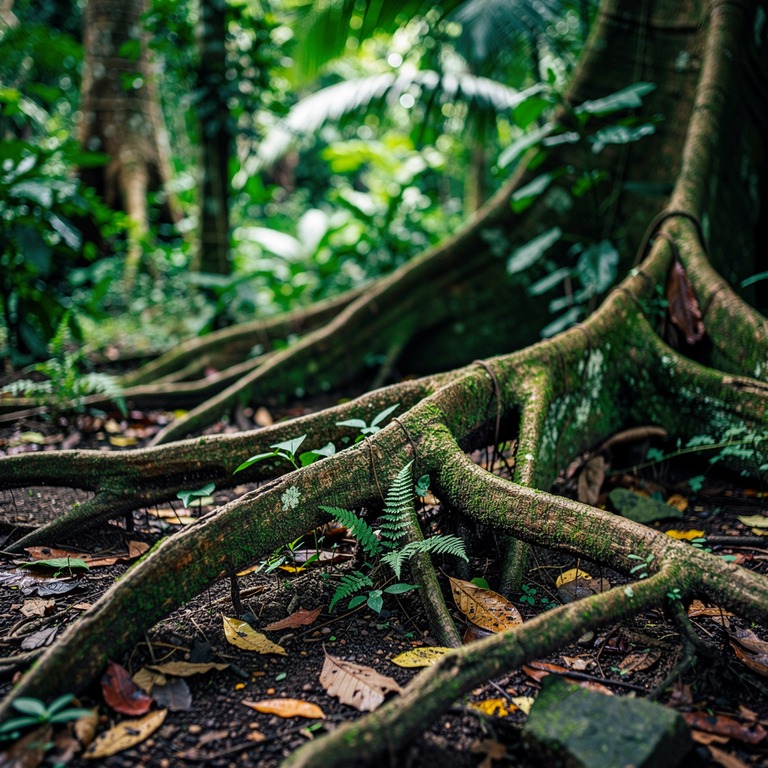
Ibogaine is an alkaloid extracted from the root bark of the iboga shrub, which grows in the rainforests of central west Africa — Gabon, Cameroon, parts of Congo. In its traditional context, iboga is used by the Bwiti, an initiatory spiritual tradition where the plant is taken in large quantities during multi-day rites of passage. It's a master plant in the truest sense: revered, feared, treated with enormous care.
In the modern psychedelic and addiction-recovery world, ibogaine usually shows up in one of two forms. There's purified ibogaine HCl, which is what most medical-model clinics use because the dose is precise. And there's total alkaloid extract or whole root bark, which keeps the full spectrum of compounds intact and is more common in psychospiritual or Bwiti-influenced retreats. Different teachers prefer different forms for different reasons, and neither is automatically better.
The experience itself lasts a long time. Plan on twelve to twenty-four hours of active effects, followed by another day or two of what people call the “gray day” — exhausted, raw, processing. Most retreats keep you on-site for at least a week.
Why People Look Into Ibogaine in the First Place
The biggest single reason is addiction. Specifically opioids — heroin, fentanyl, oxycodone, methadone — because ibogaine has a documented ability to dramatically reduce or eliminate physical withdrawal in a single session. That's not marketing. It's been observed clinically since the 1960s, and there's enough peer-reviewed research now that several countries treat ibogaine as a legitimate (if still experimental) addiction intervention. People walk into a clinic strung out and walk out, days later, without the gnawing physical craving. That alone is reason enough that ibogaine retreats exist.
But opioid recovery isn't the only doorway. Plenty of people arrive looking for something else entirely:
- Depression that hasn't budged through years of therapy or medication
- Long-buried trauma — childhood, combat, sexual violence
- Stimulant or alcohol dependency
- A sense of being stuck in a life pattern they can see clearly but can't break
- Genuine spiritual searching, often after other plant medicines have opened a door
Ibogaine has a reputation, deserved, for being unusually direct about showing you your own life. Where ayahuasca tends to move in waves of imagery and emotion, ibogaine often feels more like watching a documentary about yourself. The memories that surface are specific. The lessons feel almost lectured. People describe meeting parts of themselves they'd written off, or seeing a relationship in completely new terms, or understanding — finally — why they keep doing the thing they keep doing.
What a Ceremony Actually Feels Like
You'll usually start in the evening, after a medical screening earlier in the day. The room is dark or low-lit. You're lying down — and you'll stay lying down, because ibogaine produces ataxia, which means your coordination is gone. Standing up is a bad idea for many hours.
The first phase, often called the visionary phase, comes on within an hour or two. Eyes closed, you start seeing — and the word “seeing” is doing a lot of work here. Some people describe it as a flood of autobiographical memory played at high speed. Others get more symbolic, archetypal material. Many hear a buzzing or whirring sound, almost mechanical. There's frequently a sense of being shown something by an intelligence that isn't you. Whether you call that the plant, the unconscious, or something else is up to you.
The second phase is more reflective. The flood slows. You're still inside the experience but able to think about it, examine specific scenes, ask questions and get answers. This can go on for hours. Time becomes essentially meaningless.
The third phase is the long tail. Physical exhaustion, sensitivity to light and sound, sometimes nausea, and a strange kind of mental clarity that sits underneath the tiredness. Sleep often doesn't come for another day. When it finally does, it's usually deep.
The Risks Nobody Should Gloss Over
Ibogaine is the psychedelic with the most serious safety profile concerns, and any retreat worth its fee will tell you this upfront. The risk isn't really psychological — it's cardiac. Ibogaine prolongs the QT interval, which in plain language means it can disrupt the electrical rhythm of the heart. In a healthy screened person, in a properly run setting, this risk is manageable. In an unscreened person with an undiagnosed condition, it can be fatal.
Non-negotiables when evaluating a retreat:
- Pre-arrival medical screening including ECG, liver function, and a thorough cardiac history
- On-site medical staff — ideally a doctor or nurse — during the entire dosing window
- Continuous cardiac monitoring while you're under
- Magnesium and potassium supplementation protocols, which reduce cardiac risk
- A clear policy on what medications and substances must be cleared from your system, and how long that takes (SSRIs, methadone, stimulants — these timelines are not optional)
If a retreat is cagey about any of these, walk away. There's no version of ibogaine where the spiritual depth justifies skipping the medical infrastructure. The retreats with the best long-term outcomes are also, without exception, the ones with the strictest screening.
How to Tell a Good Ibogaine Retreat From a Bad One
The ibogaine world is smaller than the ayahuasca world, but it's grown fast in the last few years, and not every operation is equal. A handful of things to look at:
Lineage and training. Is the lead facilitator trained in a recognized tradition or by a recognized medical body? Bwiti-trained practitioners, ibogaine providers who came up through GITA-aligned programs, clinicians with addiction-medicine backgrounds — these are signals. Vague spiritual credentials are not.
Integration support. The ceremony is maybe a third of the work. What happens in the weeks and months afterward decides whether the insight lands or evaporates. Reputable retreats offer post-retreat integration calls, group sessions, or referrals to integration coaches. If the relationship ends when you leave the property, that's a red flag.
Honesty about what ibogaine can't do. If a retreat promises a cure, run. Ibogaine interrupts patterns. It opens a window. What you do with that window is on you — and on whatever support structure you build around it. A facilitator who says this plainly is more trustworthy than one who promises transformation.
Reasonable group size. Ibogaine isn't a group ceremony in the ayahuasca sense. Each person needs close attention. Be skeptical of large cohorts.
Preparing for an Ibogaine Retreat
The preparation window matters more than people realize. A few practical things:
Get your medications sorted with your prescribing doctor well in advance. SSRIs and SNRIs typically need to be tapered weeks before, not days. Methadone has its own long timeline. Buprenorphine has its own. Stimulants, including ADHD medications, need to be cleared. Do not improvise this part.
Eat clean for at least a couple of weeks before — less sugar, less alcohol, more whole foods. Your body is about to do something difficult; show up rested. Sleep matters more than any superfood.
Spend some honest time with the question of what you actually want from the experience. Not the spiritual version of the answer — the real version. “I want to stop using” is real. “I want to know why I've sabotaged every relationship I've had” is real. “I want to feel something other than numb” is real. Write it down. Bring it with you.
And tell someone you trust what you're doing. Not for permission — you're an adult — but because integration is easier when you have at least one person who knows where you went and is curious to hear what came back with you.
After the Ceremony
The week after is strange. You'll feel physically tender for a few days. Emotionally, many people report a kind of quiet — the constant background noise of craving or self-criticism turned way down. This is sometimes called the “afterglow,” and it can last weeks. It's a window. Use it.
Build something during this period. Therapy appointments scheduled. New routines actually started. Honest conversations actually had. The ibogaine showed you the map; the walking is yours to do. People who treat the retreat as the end of the work tend to drift back toward where they started within months. People who treat it as the beginning tend to be having different conversations a year later.
For readers who want to take this further, a range of vetted ibogaine and plant-medicine retreats can be browsed on our marketplace here. Take your time with the decision — the right retreat is worth waiting a few months for, and the wrong one isn't worth any price.
Craving More Stories?
Join our ShopAyahuascaRetreats newsletter for the latest updates on thrilling
destinations and inspirational tales, delivered straight to your inbox!
We value your privacy. Your email address will never be shared or published.