 English
 Deutsch
 Français
 Nederlands
 Español


Reset. Heal. Grow.

Ibogaine and Fentanyl: Why Timing Off Opioids Matters Before Treatment
Here's something nobody puts on the brochure: showing up to an ibogaine clinic still wet from fentanyl is one of the fastest ways to turn a potentially life-changing treatment into a disaster. People do it anyway. Sometimes because they're desperate. Sometimes because a clinic told them it'd be fine. Sometimes because they didn't know any better. If you're researching ibogaine as a way out of opioid addiction — especially fentanyl — the question of when you take it matters almost as much as whether you take it. Plant medicine isn't magic. It works with biology, not against it. And fentanyl has rewritten a lot of what we thought we knew about getting off opioids. Ibogaine is the active alkaloid in the root bark of the iboga shrub, a plant used ceremonially by the Bwiti tradition in Gabon and Cameroon for generations. Sometime in the 1960s, a young heroin user named Howard Lotsof took it recreationally and noticed his withdrawal symptoms — the cramps, the sweats, the bone-deep craving — simply weren't there. He spent the next several decades pushing ibogaine as a treatment for opioid dependence. The science caught up slowly. Researchers found that ibogaine appears to reset opioid receptors, dampen withdrawal, and produce a long, dreamlike introspective state that many people describe as a kind of life review. For some, one session ends years of dependency. For others, it takes more than one. For a few, it doesn't work at all. And for a small but real number, it kills them. That last part is the part most marketing copy skims over. Ibogaine has cardiac risks. It can prolong the QT interval. People with undiagnosed heart issues, electrolyte imbalances, or recent stimulant use have died on the table. A reputable clinic screens for all of this. A less reputable one takes your deposit and hopes for the best. Here's where things get specific. Ibogaine treatment was developed and refined in an era when the opioid of concern was heroin — sometimes oxycodone, sometimes morphine. Fentanyl is different in ways that matter clinically. Fentanyl is fat-soluble. It binds tightly to fatty tissue throughout the body and releases slowly over days, sometimes weeks. With heroin, a person could detox, wait a few days, and arrive at a clinic relatively stable. With fentanyl, the drug is still leaching out of your system long after your last dose. Show up too soon, and the ibogaine flood dose hits while your receptors are still occupied. The result is unpredictable: incomplete relief, worse withdrawal on the back end, dangerous interactions, or a treatment that simply doesn't take. Most experienced ibogaine providers now ask fentanyl users to switch to a short-acting opioid like morphine for one to two weeks before treatment, then taper down. Some require a longer washout. The exact protocol varies, but the principle doesn't: you cannot treat fentanyl dependence the same way you'd treat heroin dependence. Anyone who tells you otherwise either hasn't been paying attention or is lying. Online communities of people who've been through ibogaine — the Reddit threads, the private forums, the recovery groups — are full of accounts that follow a similar arc. Someone gets desperate. They find a clinic, often a cheaper one. They're told their fentanyl use isn't a problem. They go. The experience is brutal. The cravings come back within days. They feel worse than before, and now they've spent thousands of dollars they didn't have. The pattern usually breaks down something like this: None of this means ibogaine doesn't work for fentanyl users. It means the preparation is non-negotiable. The people I've spoken with who got real, lasting relief from a single ibogaine treatment did the unglamorous work first: switched off fentanyl onto a cleaner short-acting opioid, stabilized for two to four weeks, got proper bloodwork, fixed their potassium and magnesium levels, ate real food, slept. Then they went to a clinic with a doctor on staff. This is where the research phase pays off. The ibogaine world is half compassionate practitioners and half opportunists. Telling them apart isn't always easy, but there are signals. A serious clinic will: Warning signs include vague answers about medical screening, pressure to book quickly, refusal to discuss fentanyl protocols specifically, and any promise of a guaranteed cure. Real practitioners don't promise cures. They promise their best work. A lot of clinics now offer 5-MeO-DMT — sometimes called bufo — a day or two after the ibogaine session. The reasoning is that ibogaine breaks the addiction loop while 5-MeO-DMT, a much shorter and more transcendent experience, can help cement the psychological reset. Some people swear by the combination. Others find the 5-MeO too intense after the long ibogaine journey and skip it. What matters more than which add-ons a clinic offers is what happens in the weeks and months after you go home. Ibogaine creates a window — typically described as lasting anywhere from a few weeks to a few months — where cravings are reduced and old patterns feel less automatic. What you do in that window decides whether the treatment holds. People who stack the deck with therapy, community, exercise, and structure tend to keep their gains. People who go straight back to old environments tend not to. Take the timeline seriously. If you're using fentanyl, do not book a clinic for next week. Find a provider who will walk you through a proper pre-treatment plan, even if it means waiting an extra month. That extra month is what makes the difference between a treatment that works and one that doesn't. Talk to people who've been through it. The ibogaine community online is unusually candid — both the success stories and the failures get shared, and reading enough of them gives you a realistic picture of what to expect. Ask hard questions. Be suspicious of anyone who answers them softly. For readers who want to take this further and explore vetted ibogaine and plant-medicine programs that handle pre-treatment protocols seriously, a curated selection can be browsed on our marketplace here. Whatever route you choose, the most important variable isn't the clinic — it's whether you arrive prepared. Ibogaine rewards patience. Fentanyl punishes the lack of it. The space between those two facts is where your real decision lives.
Before You Microdose Psychedelics: 5 Things Worth Knowing First
Microdosing has gone from fringe biohacker experiment to dinner-party small talk in roughly a decade. Tech workers do it. Painters do it. Increasingly, new mothers wrestling with postpartum depression are quietly doing it too. And somewhere in the middle of that crowd is probably you — curious, a little cautious, wondering whether tiny amounts of psilocybin or another psychedelic might actually take the edge off whatever you’re carrying. Before you order anything from a friend-of-a-friend or pack a bag for a retreat, slow down. Microdosing isn’t risk-free, and the research everyone cites in headlines is messier than the headlines suggest. Here’s what I’d want a thoughtful friend to tell me before I started — drawn from years of sitting in ceremony, talking to facilitators, and watching readers wade through this decision. A microdose is roughly a tenth of a recreational dose — usually somewhere between 0.05 and 0.25 grams of dried psilocybin mushrooms, or a comparable sub-perceptual amount of LSD. The whole point is that you don’t trip. You don’t see geometric patterns crawling up the walls. You go to work, fold laundry, answer emails. The effect, if there is one, is supposed to be subtle: a slightly brighter mood, a touch more presence, fewer of those 3 a.m. thought-spirals. That’s the pitch, anyway. The reality is that responses vary wildly. Some people swear by their Monday-Wednesday-Friday protocol. Others feel nothing for weeks and quietly wonder if they wasted their money. A few notice anxiety creep up instead of down. It’s less a miracle and more a tool — one that works for some people, in some seasons, and not for others. Psychedelics are in the middle of a serious scientific second act. Universities and biotech companies are running clinical trials for psilocybin-assisted therapy on depression, addiction, end-of-life anxiety, and PTSD. Some early results have been genuinely striking. A few studies on full-dose psilocybin for treatment-resistant depression have produced response rates that would make any pharmaceutical company sit up straight. But here’s the catch: microdosing specifically has weaker evidence than the headlines suggest. A lot of the data comes from self-report surveys, where people who chose to microdose tell researchers it helped. That’s prone to placebo effects and selection bias — people who try it and feel nothing tend not to fill out the follow-up survey. Placebo-controlled trials so far have shown that much of the benefit may be expectation-driven. That doesn’t mean microdosing does nothing. It means the picture is fuzzier than your wellness podcast probably let on. Read the actual papers if you can. Look at sample sizes. Notice whether the study was blinded. If your decision is going to lean on science, lean on it honestly. I know. You probably don’t want to bring this up with your GP. The conversation can be awkward, and depending on where you live, you might worry about legal blowback or judgment. But there are real medical reasons to have it anyway. Psychedelics interact with a longer list of medications than people realize. SSRIs and SNRIs — the most commonly prescribed antidepressants — can blunt psilocybin’s effects and, in rare cases, contribute to serotonin syndrome at higher doses. Lithium combined with classical psychedelics has been linked to seizures. MAOIs, tramadol, certain migraine medications, and some antipsychotics all complicate the picture. Cardiovascular conditions matter too, because psychedelics nudge blood pressure and heart rate. If your regular doctor isn’t the right person, look for a harm-reduction clinician or an integration therapist who works in this space. Several telehealth services now specialize in psychedelic preparation consultations. You don’t need permission. You need information. This part rarely makes it into the wellness blogs, but it matters. Most of the plant medicines now sold to Western consumers — ayahuasca, peyote, San Pedro, iboga, psilocybin mushrooms — come out of long Indigenous lineages where people protected this knowledge through colonization, criminalization, and outright theft. Buying a baggie from a guy at a music festival is one thing. Pretending it has no history is another. Ask the practical questions. Where was the substance grown or harvested? If it’s a synthetic compound, who manufactured it and to what purity standard? If it’s a traditional medicine, are the people who originally cultivated this practice receiving anything in return — economically, or through proper credit? Reputable retreat centers will be transparent about all of this. Sketchy ones won’t. That tells you something. Sourcing also has a sharp safety edge. Street-bought LSD has been adulterated with research chemicals for decades. Mushrooms can be misidentified — some look-alikes will land you in the ER. If you’re going to do this, do it with material whose origin you can vouch for. People assume support systems matter for full ceremonies — the all-night ayahuasca sit where you might cry, vomit, or rearrange your understanding of your childhood. Microdoses are smaller, so the assumption goes, the scaffolding can be smaller too. Not quite. Even sub-perceptual amounts can loosen something. Old memories surface unexpectedly during an ordinary Tuesday morning. Grief you thought you’d handled shows up at your desk. The dose is small but the territory it touches isn’t. Before you start a protocol, think through: Integration isn’t just a buzzword from psychedelic Twitter. It’s the difference between an interesting Tuesday and a meaningful shift. Whatever the medicine stirs up, you still have to live with it on the other side. This one I’ll add from my own observation, because it gets skipped almost everywhere. Microdosing works best as part of a larger effort, not as a substitute for one. The people I’ve watched benefit most were already in therapy, already moving their bodies, already trying — and the microdose was a small assist on a road they were walking anyway. The people who treated it as a hack to bypass the hard work tended to circle back disappointed within a few months. If you’re considering psychedelics because of addiction, severe depression, or trauma that hasn’t responded to anything else, a full-dose container — a properly held ceremony or a clinical setting — may actually be more appropriate than a microdose protocol. Master plants like ayahuasca and iboga have a long track record in addiction recovery precisely because of the depth of the encounter, not despite it. A microdose won’t do what a ceremony does. They’re different tools for different problems. Psychedelics in any form aren’t a shortcut. They’re a magnifying glass — they enlarge what’s already there, including the parts you didn’t plan to look at. Microdosing is a gentler version of that magnifier, but it’s still the same instrument. Used carefully, with medical input, good sourcing, real support, and honest self-questioning, it can be one useful ingredient in a larger recovery or growth process. Used carelessly, it’s just another wellness trend you’ll quietly abandon by autumn. For readers who feel pulled toward something deeper than a microdose — a held container, experienced facilitators, time away from ordinary life — a range of vetted psychedelic and plant-medicine retreats can be browsed on our marketplace here. Take your time. The medicine, in whatever form, will still be there when you’re actually ready.
Oregon's Psilocybin Market Explained: What the First Legal Psychedelic Program Means for Seekers
Picture this: a state inside the United States where you can, legally and openly, sit with a trained facilitator and take a measured dose of psilocybin mushrooms. Not in a back room. Not in a borrowed cabin in the woods. In a licensed service center, with paperwork, with insurance, with a guide who answered to a regulator. That state is Oregon, and the program it built has quietly reshaped what the conversation around psychedelics and psychedelic-assisted addiction recovery looks like in this country. If you've been reading about ayahuasca retreats in Peru, ibogaine clinics in Mexico, or master plants more broadly, Oregon is a different animal — and worth understanding before you book anything. It's the closest thing North America has to a regulated psilocybin experience, and the way companies have scrambled to enter that market tells you a lot about where psychedelic healing is actually going. Back in 2020, Oregon voters passed Measure 109. The measure didn't legalize mushrooms the way Colorado later legalized weed. It created something narrower and stranger: a supervised psilocybin services program, where licensed facilitators administer the substance to adults in licensed service centers. No take-home prescriptions. No dispensary model. You show up, you have your session, you integrate, you go home. The program took years to design. Rules around dosing, facilitator training, equity access, and product testing all had to be hammered out by a state advisory board. By the time the first service centers opened their doors, the country had its first legal, above-ground psilocybin offering. For people who'd been chasing this experience through underground circles or international retreats, it was a quiet earthquake. And here's where it gets interesting for anyone tracking the business side. Most U.S. psychedelics companies — the ones developing psilocybin and related compounds as FDA-approved medicines — explicitly refused to touch the Oregon program. Why? Because psilocybin is still a Schedule I substance federally. Participating in a state-legal but federally illegal market is a regulatory minefield, especially if you're trying to also run clinical trials with the FDA. One of the more telling moves in the early days came from a company called Field Trip Health. Field Trip ran two very different operations under one roof: a drug development arm working on novel psychedelic molecules, and a network of clinics offering ketamine-assisted therapy in the U.S. and Canada, plus a single psilocybin-focused clinic in Amsterdam where the legal landscape is friendlier. In 2022, the company announced it was splitting itself in two. The drug development side was rebranded Reunion Neuroscience and kept its Nasdaq listing. The clinic side stayed under the Field Trip Health & Wellness banner and moved to a Canadian exchange — the same kind of exchange that has allowed U.S. cannabis companies to trade publicly despite operating in federally illegal territory. The corporate logic was elegant. By cleaving the company in two, the clinic business could enter Oregon's psilocybin market without dragging the drug-development side into federal-law headaches. The Canadian exchange was the workaround. It's the same playbook cannabis used a decade earlier, and watching psychedelics companies adopt it tells you the industry has officially grown up — or grown cynical, depending on your view. Corporate news is fine for industry watchers, but you're probably here for a different reason. You're trying to figure out whether psilocybin, ayahuasca, or some other master plant could help you with depression, trauma, addiction, or a stuck life pattern that hasn't budged after years of conventional treatment. The Oregon model matters because it changes your options. Before Oregon, your legal-ish choices were narrow: Oregon added a fifth path: a domestic, regulated psilocybin session. That's huge for people who can't travel, can't afford a week-long international retreat, or want the legal protection of operating inside a sanctioned program. It's also limited. Oregon's service centers can't treat you as a patient in the medical sense — they're not allowed to diagnose, to bill insurance, or to claim psilocybin treats anything specifically. You're a client receiving a supervised experience, not a patient receiving a prescription. People often ask whether they should book Oregon or fly to the Amazon. The honest answer is that these are different experiences pointing at different things, and the right one depends on what you're after. None of this is medical advice. If you're on SSRIs, lithium, or have a personal or family history of psychosis or bipolar I, all of these need a serious medical conversation before you even start researching seriously. A lot of readers landing on articles like this aren't curious tourists. They're people who've tried everything for alcohol, opioids, stimulants, or behavioral addictions and watched it fail. The reason psychedelics keep entering this conversation is that the early clinical data, while still preliminary, is genuinely interesting. Psilocybin trials at Johns Hopkins showed striking abstinence rates in heavy smokers. Ayahuasca has a decades-long track record in Brazilian recovery communities. Ibogaine, despite serious cardiac risks that require medical screening, has produced what users describe as a single-shot interruption of opioid withdrawal that no other substance approaches. None of this is a guaranteed cure. People relapse. People have hard experiences. But the pattern of "one or two well-prepared sessions producing change that years of talk therapy didn't" shows up too often to dismiss. What the Oregon model proves is that the regulatory walls are crackable. Once a state shows you can run a legal psilocybin program without the sky falling, other states pay attention. Colorado followed with its own framework. More are circling. The shape of psychedelic-assisted recovery in 2026 looks meaningfully different from how it looked five years ago. If you're seriously considering plant medicine — Oregon psilocybin, an ayahuasca retreat, an ibogaine clinic, or something else — slow down. The single best predictor of a good outcome isn't the substance. It's the preparation, the facilitator, and the integration work afterward. Read everything. Talk to people who've done it. Get honest with yourself about why you're going and what you'd do if the experience surfaces things you weren't expecting. And vet the place. Ask about medical screening, facilitator training, what happens if you have a difficult moment at 3 a.m., what integration support looks like in the weeks after you go home. A good retreat or service center will answer these questions plainly. A sketchy one will dodge. If you want to compare options across countries, modalities, and price points, a range of curated ayahuasca and psilocybin retreats can be browsed on our marketplace here. Take your time with the decision — the right container matters more than the calendar.
Ayahuasca and the Twelve Steps: An Unlikely Partnership for Addiction Recovery
Ten years sober this month. I say that not as a flex but because the person typing this sentence shouldn't, by any reasonable accounting, still be alive. Heroin track marks on my neck. Benzos washed down with whatever was open at breakfast. Crack binges that ate weekends, then weeks, then years. For more than two decades I was in the bottom of the ninth, down by a lot, and the umpire was checking his watch. Two things kept me here. One was a small room with bad coffee and a circle of folding chairs. The other was a bitter, oily tea brewed in the Amazon. Most people in recovery treat these as enemies. Most people in the plant-medicine world treat them as incompatible. I'm going to make the case that they're actually the same thing wearing different clothes — and that for an addict who's serious about getting free, they belong together. Ayahuasca is a remarkable psycho-spiritual tool. It can pull up buried memories you'd sworn were gone. It can crack open something that feels like genuine contact with the sacred. For some people, a single ceremony is the most significant night of their lives. I'm not going to undersell that — I've sat in maloca after maloca and watched people meet themselves for the first time. But here's the part nobody tells you on the retreat website: the experience is an engine without a transmission. The vine shows you the thing. It does not, by itself, do the thing. You can have the most shattering vision of your life on a Saturday and be back to lying to your spouse by Wednesday if there's no structure to catch what you saw. This is what people mean when they talk about integration, and for an addict the question becomes very specific: integration into what, exactly? That's where the Twelve Steps come in — and where a lot of psychedelic seekers immediately roll their eyes. Stay with me. The preamble to the Steps, as it appears in the original Big Book, opens with this line: "Rarely have we seen a person fail who has thoroughly followed our path." The load-bearing word is thoroughly. Most people who claim the Steps don't work for them never actually did them. The Steps are simple. They are not easy. Finding enough honesty, open-mindedness, and willingness to take them all the way through is brutally hard, even when your life depends on it. Strip out the cultural noise and what you have is a structured, spiritually-informed system designed to produce what Bill Wilson called "a personality change sufficient to bring about recovery." Twelve practical instructions. A method for facing the wreckage. A way to find what the program politely calls "a god of your own understanding" — which, for the record, can be the ocean, the forest, the part of you that's bigger than the part that wants to use, or the great mystery itself. Dogma is not the point. Dogma was never the point. The Twelve Steps end where they begin: in service. You wake up, you grow up, you reconnect to the human community, and then you turn around and offer your hand to the next person crawling toward the door. That's it. That's the whole thing. Walk into most abstinence-based meetings and announce you just got back from an ayahuasca retreat in Peru and watch the temperature in the room drop ten degrees. The objection is obvious: all intoxicants are off the table, and a brew that produces hours of visions clearly counts as one. Plenty of people in recovery have a long history of using psychedelics recreationally — and they didn't get sober from it, so why would now be different? Meanwhile, in the plant-medicine world, the Steps get treated like a wheezy old relic of failed mainstream rehab. The language alone — "powerless," "defects of character," "made amends," and the dreaded G-word — provokes a visceral flinch. Many people in ceremony got court-ordered to meetings at some low point in their lives and still carry that resentment. The pushback I hear most often: "I'm done feeling like a broken person who needs to confess. Plant medicine treats me as whole." Both sides have a point. Both sides are also missing something. The Steps without genuine spiritual contact become hollow performance — what Wilson himself warned about as "the world of spiritual make-believe." Plant medicine without structure becomes another form of seeking the next big experience while your actual life quietly falls apart. Either one alone is a bicycle with one pedal. This is the honest question, and it deserves an honest answer. Most addicts I know who've worked with ayahuasca did not find it euphoric in any addictive sense. The brew can produce moments of joy, even bliss, but it is not a reliable pleasure-delivery system the way heroin or cocaine or alcohol are. Neurochemically, the alkaloids involved don't appear to hammer the dopamine pathways in the nucleus accumbens the way classic drugs of abuse do. The research that exists suggests classical psychedelics don't accumulate the protein markers in the brain's reward circuitry that researchers increasingly tie to compulsive use across substances. Tolerance doesn't build the way it does with opioids. Physical dependence isn't observed in long-term ritual users. So on paper, the abuse potential is low. In practice, here's the caveat I'd hand any addict considering a retreat: the danger isn't the brew, it's what your addict brain does with the brew. People with addictive patterns can absolutely turn ayahuasca into a fantasy escape — chasing visions, hopping retreats, building an identity around being a "plant medicine person" while their actual life never changes. That's not the medicine misbehaving. That's the disease finding a new outfit. The protection against this is exactly what the Steps offer: rigorous honesty with another human being, accountability, a community that knows you well enough to call you on your stuff, and a daily practice that doesn't require an exotic substance to function. Here's what the marriage looks like when it works. Ayahuasca opens the door. It lowers defenses, surfaces memories, makes denial feel embarrassing in real time. The honesty, open-mindedness, and willingness that the Steps demand — and that most of us cannot manufacture on a normal Tuesday — become unusually available in the days and weeks after a serious ceremony. That window is precious, and it closes. Without action, the insights blur. Without structure, the breakthroughs become party stories. But if you walk out of a retreat and straight into a Fourth Step inventory, or a serious round of amends, or genuine service work, the medicine gets metabolized into actual life change. Research on ayahuasca's effects on neuroplasticity suggests there's a real biological window where new patterns form more easily. The Steps give you something specific to build during that window. What this might look like in practice: Huston Smith said it cleanly: "The goal of the spiritual life is not altered states but altered traits." A great ceremony is an altered state. A different way of treating your kids, your partner, your money, and the stranger ahead of you in line — that's an altered trait. The Steps were built specifically to produce the second one. If you're in recovery and seriously considering a plant-medicine retreat for the addiction piece, a few things matter more than the brochure photos. For readers ready to take this further, a curated range of ayahuasca and plant-medicine retreats — including programs that explicitly welcome people in recovery — can be browsed on our marketplace here. Both roads are real. I've walked both. The resentments each side carries toward the other tend to evaporate the longer you stay free, because what you notice eventually is that they're pointed at the same thing — a life where you're awake, useful, honest, and no longer at war with yourself. Sober life is good. It turns out it's even better with a vine and a circle of folding chairs.
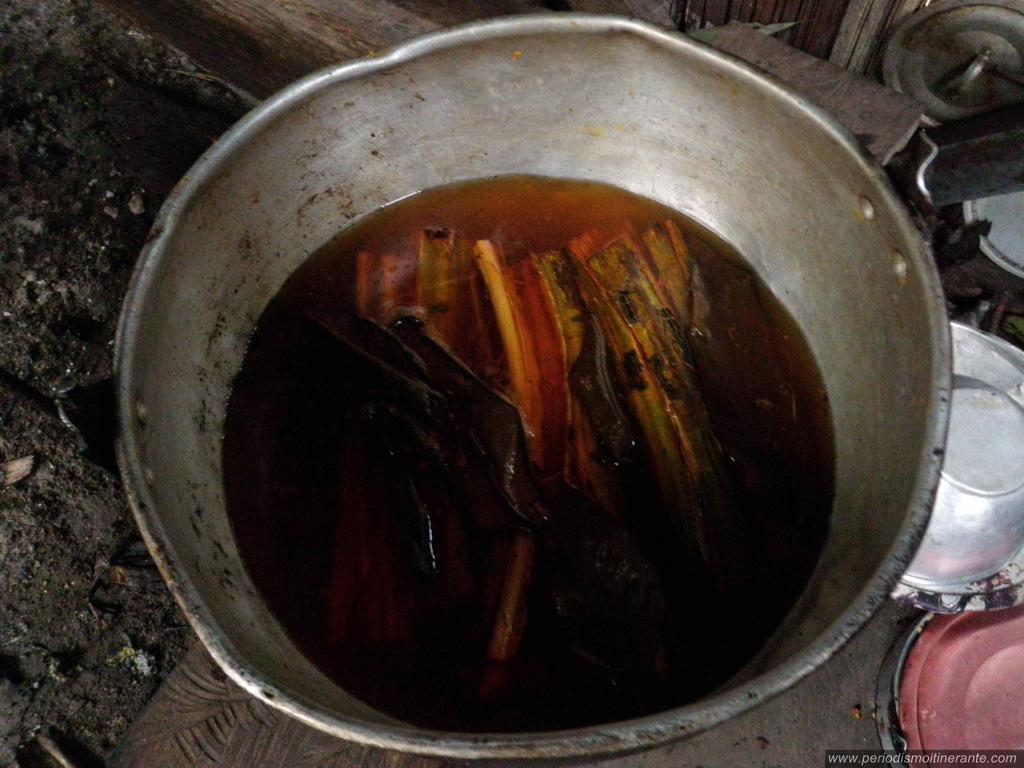
Ibogaine and Magnesium: What the Safety Conversation Is Really About
Anyone who has spent time researching ibogaine has run into the same uncomfortable fact early on. This isn't a gentle plant medicine. It's a powerful psychedelic with a real cardiac risk profile, and that risk is the single biggest reason serious treatment centers screen so carefully before accepting clients. Lately, one piece of that safety conversation has been getting more attention in retreat circles: magnesium. The short version is that ibogaine can mess with the heart's electrical timing — specifically something called the QT interval — and low magnesium makes that worse. Several facilitators now load clients with magnesium before dosing, and many in the ibogaine recovery world consider it close to standard practice. Whether you're weighing ibogaine for opioid dependence, a stuck depression, or any of the other reasons people travel for this medicine, it's worth understanding what's actually going on here. Most plant medicines people compare ibogaine to — ayahuasca, psilocybin, San Pedro — are not particularly dangerous to the cardiovascular system in healthy adults. They have their own intensities, their own contraindications, but a screening process for them looks fairly different. Ibogaine is its own animal. A single flood dose can keep a person in an altered, dreamlike state for 24 to 36 hours, and during that window the heart is being asked to do something unusual. The specific concern is QT prolongation. Without getting too deep into the cardiology, the QT interval is the time it takes the heart's ventricles to reset between beats. Ibogaine stretches that interval. When the QT gets long enough, the heart becomes vulnerable to a chaotic rhythm called torsades de pointes, which can be fatal. The handful of ibogaine-related deaths documented in the literature almost all involve some combination of pre-existing cardiac issues, undisclosed medications, ongoing opioid use, or electrolyte imbalances — and magnesium is the electrolyte that keeps coming up. Magnesium is the unsung mineral. It plays a quiet role in something like three hundred enzymatic reactions in the body, and one of those jobs is stabilizing the electrical activity of the heart. When magnesium runs low, the heart's repolarization gets sloppy, the QT interval tends to drift longer, and the risk of arrhythmia climbs. Pair that with a drug that already prolongs the QT — like ibogaine — and you've stacked two risk factors on top of each other. The flip side is that magnesium repletion, done before and during the session, appears to shorten the QT back toward normal and give the heart a more stable platform to ride out the experience. In emergency medicine, IV magnesium is actually one of the first-line treatments for torsades. So the logic is straightforward: top up the mineral that protects against the exact bad outcome you're trying to prevent. This isn't a fringe protocol. Reputable ibogaine clinics in Mexico, Costa Rica, and elsewhere have been pre-loading clients with magnesium for years. What's changed recently is that the practice is being discussed more openly in online communities, and prospective clients are starting to ask about it directly. There's no single accepted recipe, and the specifics depend on the facility, the client's baseline labs, and the form of ibogaine being used (HCl flood dose looks different from a low-dose protocol or a TA extract). But the general shape is recognizable across reputable providers: If a center isn't doing some version of this, that's a meaningful red flag. The same goes for anyone offering ibogaine in a casual setting — a hotel room, an Airbnb, a weekend gathering with no medical staff. Magnesium loading is one piece of the puzzle. It does not replace ECG monitoring, IV access, a doctor on site, and emergency equipment within arm's reach. Safer is not the same as safe, and it's worth being honest about that distinction. Magnesium pre-treatment reduces one specific risk. It doesn't address structural heart problems, undiagnosed long QT syndrome, dangerous drug interactions with SSRIs or methadone, or the very real psychological intensity of the experience itself. People sometimes assume that if they hear a clinic uses a particular protocol, the procedure must be routine and low-risk. It isn't. Ibogaine remains one of the most demanding interventions in the plant-medicine space, both physically and psychologically. That's not a reason to dismiss it. For people stuck in opioid dependency, ibogaine has done things no other treatment has managed to do — interrupting withdrawal, resetting craving, opening a window where the underlying pain that drove the addiction becomes addressable. The case studies are striking. The community of people who credit ibogaine with saving their lives is large and growing. But the risk-reward math only works when the safety side is taken seriously, and magnesium is part of taking it seriously. If you're at the stage of evaluating specific ibogaine providers, here's what's worth probing during your consultation calls. Reputable facilitators will answer these without hesitation: A center that gets defensive about safety questions, or that brushes off concerns about heart screening, is telling you something important. Walk away. The good providers know this conversation is happening and they welcome it — partly because it filters out clients who aren't taking the work seriously, and partly because they've seen what happens when corners get cut. Ibogaine sits in an interesting place within the broader world of plant medicines for addiction recovery. Ayahuasca has its own quiet history of helping people address compulsive patterns, particularly around alcohol and cocaine. Psilocybin is the subject of growing clinical trials for tobacco and alcohol dependence. Each of these master plants approaches the underlying terrain differently. Ibogaine's specialty is the brutal mechanical work of interrupting opioid dependence — and it pays for that capability with the steepest safety requirements in the field. Magnesium is a small part of a much larger conversation about doing this work responsibly. The fact that retreat communities are talking openly about cardiac protocols, electrolyte management, and screening criteria is genuinely encouraging. A decade ago, that conversation barely existed in public. Now it's happening in forums, in private discussions between facilitators, and in the questions prospective clients show up with. If you're weighing this path, take your time. Read widely. Talk to people who've been through it on both ends of the experience — the ones who'd do it again and the ones who wouldn't. For readers who want to take the research further, a range of vetted ibogaine and plant-medicine retreats can be browsed on our marketplace here. Whatever you decide, decide it with full information, including the unglamorous parts — like the mineral content of your blood — that ultimately determine whether the journey goes the way it should.
Craving More Stories?
Join our ShopAyahuascaRetreats newsletter for the latest updates on thrilling
destinations and inspirational tales, delivered straight to your inbox!
We value your privacy. Your email address will never be shared or published.
Ayahuasca, Trauma, and the Brain: What a Six-Month Amazon Study Actually Found
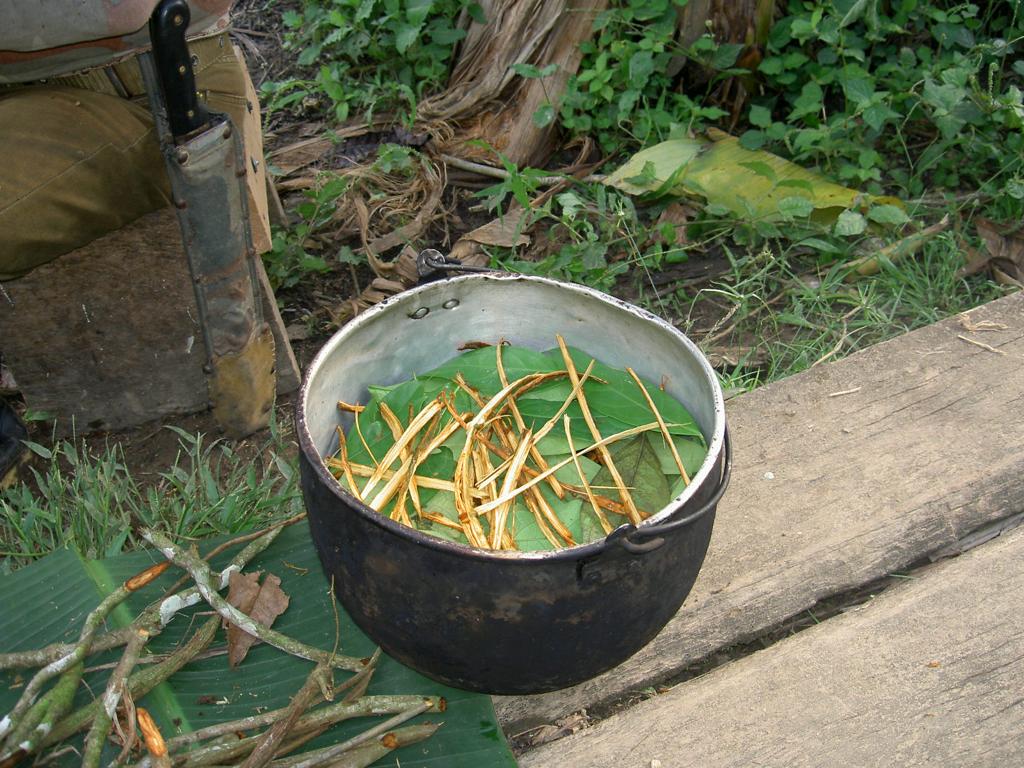
Most people who travel to the Amazon for an ayahuasca retreat aren't doing it because of a research paper. They're going because something in their life isn't working — a depression that won't lift, a trauma they can't seem to metabolize, an addiction that keeps winning. The science usually shows up later, after the fact, as a kind of validation for what they already felt happen. But the science is finally catching up. A naturalistic study tracking 63 people who attended ayahuasca ceremonies at a retreat center deep in the Peruvian Amazon offers one of the more interesting data points we have on what this brew may actually do to mental health — and, more surprisingly, to the way certain genes express themselves. The findings are worth understanding if you're seriously weighing whether plant medicine might help you. Here's what the researchers found, what it means in plain language, and what it doesn't mean. Because in the world of ayahuasca and psychedelics, the gap between hype and evidence is wide enough to fall into. What makes this study unusual is where it took place. Most psychedelic research happens in sterile clinical settings — fluorescent lights, eye masks, a therapist in a chair, synthetic compounds dosed by milligram. This one happened at an actual retreat in the rainforest, with traditionally prepared brew, Shipibo-style ceremonies, and the kind of conditions people actually book when they travel to Peru. Participants filled out standardized psychological questionnaires three times: before their first ceremony, the morning after their last one, and again six months later. The instruments were the ones clinicians use — the Beck Depression Inventory, the State-Trait Anxiety Inventory, the Self-Compassion Scale, a global distress measure called CORE-OM, and a childhood trauma questionnaire. Saliva samples were also collected before and after the retreat to look at something most psychedelic studies have never examined: epigenetic change. That last piece matters. Epigenetics is the layer of biology that sits on top of your DNA and tells genes when to switch on or off. Trauma — especially childhood trauma — is known to leave epigenetic marks. The question the researchers wanted to ask was whether ayahuasca might somehow reach down to that level. The psychological results were, frankly, striking. Depression scores dropped substantially between pre-retreat and the morning after the final ceremony. Anxiety scores dropped. Global distress dropped. Self-compassion — which is a slower-moving trait that's notoriously hard to shift — went up significantly. And here's the part that matters most: when participants were re-tested six months later, those improvements held. In some cases they had deepened slightly. The effect sizes were large by clinical research standards. We're talking Cohen's d values north of 0.8 across multiple measures, which is the kind of number that would make a pharmaceutical company very excited if it came from a pill they were trying to sell. A few things worth flagging honestly: That said, the pattern is consistent with what other research on ayahuasca and psilocybin has shown: meaningful, sustained reductions in depression and anxiety after a small number of carefully-held experiences. The brew isn't doing nothing. One of the more interesting threads in the study had to do with childhood trauma. Participants who scored higher on the childhood trauma questionnaire showed greater improvement in depression after the retreat. Read that twice. The people walking in with the heaviest histories tended to come out with the biggest shifts. That tracks with a theory that's been circulating in the plant-medicine world for a long time — that ayahuasca seems to do something specific around stored trauma, memory, and the emotional weight attached to old experiences. Practitioners talk about it in mystical terms. Researchers are starting to talk about it in terms of memory reconsolidation, fear extinction, and the brain's ability under psychedelics to re-file traumatic material with less of a charge attached. There's a caveat the study authors are careful about, and you should be too. The same mechanism that lets someone reprocess trauma can re-traumatize them if the setting is wrong — bad facilitator, no preparation, no aftercare, no container to actually integrate what comes up. This is one of the reasons the question of where you do this work matters as much as whether you do it at all. Here's the part that made this paper genuinely novel. The team looked at DNA methylation on two genes — SIGMAR1 and FKBP5 — both of which have been implicated in stress, mood regulation, and psychiatric vulnerability. SIGMAR1 in particular is interesting because the alkaloids in ayahuasca are thought to bind to and modulate that receptor. After the retreat, methylation on SIGMAR1 had shifted significantly. Even more intriguingly, the people with higher childhood trauma scores showed larger methylation changes. This is the first time any psychedelic has been shown to produce a measurable epigenetic shift in a human study. Now — and this is important — nobody knows yet what that shift actually means at the level of biology. A 2% change in methylation might translate into meaningful changes in how the gene gets expressed, or it might be biological noise. Hypermethylation typically silences genes, but it can also do other things depending on where on the gene it lands. The researchers are appropriately cautious. What they've found is a signal worth chasing, not a conclusion. Still: the idea that a few nights of ceremony might reach down into the epigenetic layer — the same layer that trauma writes onto in the first place — is genuinely new territory. If it holds up in larger studies, it reframes what we think these master plants are actually doing. Reading a study like this can do one of two things. It can push you toward booking the first retreat that comes up in a Google search. Or it can make you a smarter, more careful consumer of an experience that deserves real care. The second is better. A few honest thoughts on translating research into a decision: The honest state of psychedelic research on ayahuasca is that we have a handful of small studies, a lot of anecdote, and the beginning of a serious attempt to understand mechanism. The epigenetic angle in particular opens a door. If trauma can be passed down through generations via epigenetic marks — and there's real evidence suggesting it can — then the question of whether a psychedelic might help unwrite some of those marks becomes one of the most important questions in mental health. We're not there yet. The samples are too small, the controls too loose, the mechanisms too poorly understood. But the trajectory is clear, and the people working on it are serious. For anyone watching this space because they're hoping it might help with their own depression, addiction, or trauma, that should be cautious good news. If something in this study resonates with where you are right now and you want to look further, a range of carefully vetted ayahuasca retreats can be browsed on our marketplace here. Whatever you decide, decide slowly — the brew has been around for centuries, and it will still be there next month while you do your homework.

Ibogaine and Traumatic Brain Injury: What the Stanford Veterans Study Actually Found
Something unusual happened in a Stanford-led study published in Nature Medicine. Thirty Special Operations veterans — men carrying years of blast exposure, traumatic brain injuries, PTSD, depression, and in some cases active suicidal thoughts — flew to a clinic outside the United States, took a single dose of ibogaine paired with intravenous magnesium, and came back measurably different. Not slightly better. Not statistically nudged. Different in a way that the researchers described using effect sizes most psychiatric drugs never come within shouting distance of. If you've been quietly researching ibogaine for yourself or for someone you love — maybe a brother who came home from deployment and never really came home, maybe your own stuck pattern of addiction or depression — this study is worth understanding properly. Not the headline version. The actual one. Because ibogaine is powerful, it's serious, and the conversation around it has been a mess of hype and fear for decades. Let's slow down and look at what the Stanford team did, what they found, and what it means for anyone considering a psychedelic retreat involving this particular plant medicine. Ibogaine comes from the root bark of Tabernanthe iboga, a shrub native to Central Africa, where it's been used for generations in Bwiti spiritual ceremonies. In Western medicine, it's been studied mostly as a treatment for addiction — specifically opioid use disorder, where people have reported interrupted withdrawal and long stretches of sobriety after a single session. Pharmacologically, ibogaine is strange even by psychedelic standards. It touches NMDA, kappa and mu opioid, sigma, nicotinic, serotonin and dopamine systems, and it spikes neurotrophic factors like BDNF and GDNF that are linked to brain plasticity and repair. The experience itself isn't really a “trip” in the colorful, visionary sense people associate with ayahuasca or psilocybin. It's been called an oneirogen — a dream-inducer. Sessions last many hours, often well over a day, and participants describe long, lucid review states where memories, decisions, and unresolved material surface in a way that feels examined rather than chaotic. Think less fireworks, more long, brutally honest conversation with yourself. So why are veterans — particularly Special Operations veterans — seeking it out? Because the standard menu isn't working well enough. SSRIs, talk therapy, EMDR, exposure protocols: these help some people, but remission rates for combat-related PTSD hover stubbornly in the 20–40% range. Veterans account for roughly 20% of suicides in the U.S. while making up around 6.4% of the population. When the official toolbox keeps coming up short, people start looking elsewhere — and ibogaine has been quietly building a reputation in those circles for years. The protocol is called MISTIC — Magnesium–Ibogaine: the Stanford Traumatic Injury to the CNS protocol. The magnesium part matters. Ibogaine's biggest historical safety concern is cardiac: it can prolong the Q–T interval, which in rare cases has led to fatal arrhythmias. Magnesium shortens the Q–T interval and has protective effects against drug-induced prolongation. Coadministering it isn't a cure-all, but the Stanford team built the protocol around the idea that supplementing magnesium during ibogaine dosing meaningfully reduces cardiac risk. Thirty male Special Operations veterans were enrolled. All had a history of TBI, most of it classified as mild and largely caused by repeated blast exposure. Half met criteria for major depressive disorder, nearly half for an anxiety disorder, and 23 of the 30 for PTSD. They received about 12 mg/kg of oral ibogaine alongside the magnesium protocol, with vital sign monitoring throughout. Treatment also included complementary therapies and integration support, which is worth noting — this wasn't ibogaine in isolation. The primary outcome was the World Health Organization Disability Assessment Schedule (WHODAS-2.0), a standard measure of how well someone functions in daily life. Secondary outcomes covered PTSD severity (CAPS-5), depression (MADRS), anxiety (HAM-A), suicidal ideation, and a battery of cognitive tests. Here's where the numbers start to look almost suspicious — until you read the methodology and realize the team measured carefully. And the safety picture? No unexpected or serious adverse events. No clinically meaningful Q–T prolongation. The most common side effects during dosing were headache, nausea, mild ataxia (wobbliness, basically) and intention tremor — all transient, all resolving within a day. Very. And the Stanford authors say so themselves. This was a prospective observational study, not a randomized controlled trial. There was no placebo arm. Participants knew they were getting ibogaine. They had self-selected into the treatment by traveling abroad to receive it, which means motivation and expectancy effects are baked into the results. The sample was 30 men, all from a specific Special Operations background, all with similar injury profiles. None of that invalidates the findings — but it does mean we can't extrapolate confidently to civilians, women, different TBI etiologies, or different psychiatric profiles. There's also the integration piece. MISTIC included complementary treatments and structured aftercare. Some unknown percentage of the benefit is likely attributable to the holding container around the ibogaine experience, not just the molecule itself. That's not a criticism — it's how serious psychedelic therapy works — but it matters for anyone imagining they could replicate this by simply dosing alone. What the study does do, convincingly, is signal that controlled trials are warranted and that the magnesium-coadministered protocol appears far safer than ibogaine's historical reputation suggests. That's a meaningful shift. Ibogaine remains a Schedule I substance in the United States, which is why this research had to be conducted on participants who traveled out of the country for treatment. Legal ibogaine clinics operate in Mexico, Costa Rica, Portugal, and a handful of other jurisdictions, with wildly varying levels of medical screening, cardiac monitoring, and aftercare. This variance is the single most important thing to understand before booking anything. If you're weighing a retreat, here's what to actually ask about — and what good answers look like: Ibogaine is not ayahuasca. It's not psilocybin. The experience is longer, more demanding on the body, and carries real cardiac considerations that the more commonly discussed plant medicines simply don't. It's also not for everyone — people with significant heart conditions, certain medications, or untreated substance dependencies that haven't been properly stabilized are poor candidates regardless of how badly they want relief. That said, what the Stanford work suggests — and what the broader field of psychedelic research keeps suggesting — is that some of these compounds, used carefully and within structured protocols, may do things conventional psychiatry has struggled to do for decades. Reduce PTSD. Lift treatment-resistant depression. Interrupt addiction. And, in this case, possibly help heal the cognitive and emotional consequences of brain injury that the medical system has largely written off as permanent. That's not a small claim, and it deserves the rigorous trials that are now being planned. For readers who want to keep exploring this thread responsibly, a curated selection of ibogaine and plant-medicine retreats can be browsed on our marketplace here. If you're reading this because someone you love is hurting, or because you are, the most useful thing this study offers isn't permission to rush. It's evidence that the door is wider than it looked, and that the people walking through it — with proper screening, proper monitoring, and proper integration — are sometimes finding what they came for.

Psychedelic Startups Worth Knowing About: A Plain-English Guide for Retreat-Seekers
Here's a question I get a lot from people sniffing around the edges of an ayahuasca or psilocybin retreat: Why is every other headline now about a psychedelic startup raising millions of dollars? Good question. Because if you're the kind of person seriously weighing whether plant medicine could help with depression, addiction, or that low hum of stuckness that no amount of journaling seems to fix, the answer matters. The money flowing into psychedelics is reshaping what's available, what's legal, and what kind of healing you can realistically access in the next few years. I'm going to walk you through what's actually happening in the startup world — without the jargon — and then bring it back to the only thing you probably care about: what this means for someone considering a retreat. Because here's the truth nobody in a pitch deck will tell you: the renaissance happening in labs and clinics is running parallel to, not replacing, the older tradition of ceremony, master plants, and the people who've been holding this work for generations. A few years ago, almost every psychedelic startup was a biotech company. They were trying to take psilocybin, MDMA, ibogaine, and various analogs through clinical trials, hoping to get them approved by regulators as medicines. That's still happening — and the trials are producing some genuinely jaw-dropping results, particularly for treatment-resistant depression and PTSD. But the landscape has gotten wider. Now there are companies building software to guide people through trip-like states without any substance at all. There are clinics offering legal, supervised ketamine therapy in dozens of US cities. There are AI platforms designing new psychedelic molecules from scratch. There are firms working on non-hallucinogenic versions of these compounds — yes, really — that aim to deliver the antidepressant punch without the eight-hour journey. And there are a handful of well-funded outfits trying to make synthetic mescaline, 5-MeO-DMT, and novel tryptamines into shelf-stable, prescribable medicine. Investors are betting this becomes a multi-hundred-billion-dollar industry within a decade. Whether you find that thrilling or a little nauseating probably depends on your relationship with the plants. Both reactions are reasonable. Roughly speaking, what's getting funded falls into four buckets. Knowing the difference helps you read the news without your eyes glazing over. Each of these affects you, the retreat-curious reader, in different ways. The drug developers will eventually make MDMA-assisted therapy and psilocybin therapy legal options in the US and Europe. The clinic networks already give you a legal entry point through ketamine. The tech companies are mostly noise, with the occasional gem. The discovery startups won't touch your life for years. Here's where I want to be honest with you. The biotech wave is exciting, but it isn't going to replace the experience of sitting in a maloca in the Peruvian Amazon, drinking ayahuasca brewed by someone whose grandmother brewed it, and confronting whatever it is you've been running from for twenty years. Those are different events. Both can heal. They're not the same thing. A clinical psilocybin trial gives you a precisely measured dose, a therapist in a clean room, eyeshades, and a curated playlist. A ceremony gives you icaros sung in Shipibo, a bucket, the sound of the jungle at three in the morning, and a worldview that treats the medicine as a teacher rather than a treatment. The clinical setting is safer in some ways and thinner in others. The ceremonial setting is richer in some ways and riskier in others. Anyone telling you one is strictly better than the other is selling something. What the startup boom does change for you: Because the industry is exploding, a lot of retreat centers have popped up that frankly shouldn't exist. Here's what I look for when someone asks me to vet a place — whether it's ayahuasca in the Amazon, psilocybin in Jamaica, or ibogaine for addiction in Mexico. The same skepticism applies to clinics, by the way. A ketamine clinic that doesn't include therapy alongside the infusion is mostly just selling you a dissociative experience. That can take the edge off depression for a few weeks. It probably won't change your life. I'll close with the thing I think gets lost in the investor-deck version of this story. The traditions around ayahuasca, peyote, San Pedro, iboga, and psilocybin mushrooms didn't show up because someone spotted a market. They've been refined over centuries, sometimes millennia, by people who understood these plants as relatives, not assets. The science is finally catching up to what those traditions already knew about consciousness, trauma, and addiction — which is a beautiful thing. But the catching-up is the point. The plants were here first. If you're researching a retreat right now, hold both truths at once. The clinical research is real and worth following. So is the older knowledge that says these are teachers, not treatments — and that what they teach you has to be lived out in your daily life or it slowly fades. The startups can build the delivery infrastructure. They can't build the courage it takes to actually sit down and drink the brew. For readers who want to take the next step, a range of vetted ayahuasca, psilocybin, and ibogaine retreats can be browsed on our marketplace here. Take your time with the decision. The medicine, in whatever form you eventually meet it, will wait.
Ayahuasca for Treatment-Resistant Depression: What a Landmark Clinical Trial Actually Found
Depression that refuses to budge is a particular kind of exhausting. You've tried the SSRIs. Maybe the SNRIs. Maybe therapy, maybe ketamine, maybe a sabbatical that didn't sabbatical the way you hoped. And somewhere around the third or fourth failed protocol, you start googling things you wouldn't have googled five years ago. Ayahuasca. Psilocybin. Plant medicine. Master plants. The search histories of people quietly drowning are remarkable. So let's talk about a study that keeps showing up in those searches — a randomized, placebo-controlled trial out of Brazil that tested whether a single dose of ayahuasca could shift treatment-resistant depression in a measurable way. Not anecdote. Not vibes. Actual MADRS scores, actual control group, actual statistical significance. Here's what the researchers found, why it matters, and — honestly — what it doesn't tell you about whether a retreat is the right move for your situation. A research team led by Fernanda Palhano-Fontes ran a double-blind study with 29 adults who had been diagnosed with treatment-resistant depression — meaning at least two prior antidepressants hadn't worked. Half received a single dose of ayahuasca. The other half got a placebo designed to mimic the bitter, earthy unpleasantness of the brew so participants couldn't easily guess which group they were in. That detail matters more than it sounds. Designing a convincing placebo for a substance that makes you purge and see geometry is genuinely hard. Depression severity was tracked using two well-established clinical instruments: the Montgomery-Åsberg Depression Rating Scale (MADRS) and the Hamilton Depression Rating Scale. Researchers measured baseline scores before dosing, then again on days one, two, and seven afterward. The compressed timeline is on purpose — one of the genuinely strange things about psychedelics is how quickly the antidepressant signal appears, in contrast to the four-to-six weeks SSRIs typically need. The ayahuasca group's MADRS scores were significantly lower than the placebo group's at every measurement point. By day seven, 64% of the ayahuasca group met the threshold for clinical response. In the placebo group, that number was 27%. There was also a trend toward full remission in the ayahuasca arm by the end of the week — a finding small studies usually can't quite reach statistical confidence on, but which lines up with what later psilocybin work has shown. A few things worth flagging here. First, effect sizes — basically, how big the difference between groups was — kept growing from day one to day seven. The ayahuasca group wasn't just feeling better immediately and then sliding back to baseline. They were getting better as the week went on. That's a pattern researchers find genuinely interesting, because it suggests something more durable than a chemical mood lift. Second, this was 29 people. It's a real, peer-reviewed, well-designed trial — but it's small. Replicating these results at scale, with diverse populations and longer follow-up windows, is still ongoing work in the broader psychedelic research field. The signal is strong enough that it shouldn't be dismissed. It's also not yet strong enough to call ayahuasca a treatment in the regulated, prescription-drug sense. Conventional antidepressants tinker with serotonin levels over time, hoping the brain settles into a better baseline. Ayahuasca does something stranger. The brew contains DMT, a powerful psychedelic, combined with MAO-inhibiting compounds from the Banisteriopsis caapi vine that let the DMT survive your digestive system and reach the brain. The result is several hours of intense altered consciousness — visions, emotional content surfacing in unexpected ways, sometimes very physical purging, sometimes very confronting psychological material. Researchers studying this and related compounds think the antidepressant effect probably isn't about the visuals or the trip narrative itself. It seems to involve a temporary loosening of the brain's default-mode network — the circuitry that handles rumination, self-referential thinking, the same loop of self-criticism that depression tends to grind on. When that loop briefly quiets, people often report being able to see themselves and their situation from outside the loop. The therapeutic value, if there is one, seems to live in what you do with that opening in the days and weeks afterward. This is part of why ayahuasca is being studied at all instead of being lumped with recreational substances. The mechanism is genuinely different. And for treatment-resistant patients — people for whom standard mechanisms haven't worked — a different mechanism is, at minimum, an interesting lead. If you're reading this because you're personally considering a retreat, here's where I'd slow down. A controlled clinical trial happens in a hospital setting with medical screening, prepared participants, and emergency support a few doors away. It is not the same experience as showing up to a ceremony in the jungle, in Spain, in Costa Rica, or in someone's basement. Outcomes outside a clinical setting depend enormously on: The trial measured what ayahuasca can do under near-ideal conditions. Most retreats are not near-ideal conditions. Some are excellent, some are mediocre, and a few are genuinely unsafe. The decision you're making isn't really "is ayahuasca an antidepressant" — the research says it has antidepressant properties. The decision is whether a specific retreat, run by specific people, is the right context for you to encounter it. A few honest pieces of guidance from years of writing about this world. Don't go off your antidepressants without a doctor — the interaction between SSRIs and ayahuasca is dangerous, and any reputable retreat will require a supervised taper weeks in advance. Be skeptical of any place that doesn't ask detailed medical and psychiatric questions before booking. A retreat that just takes your money and shows up to greet you at the airport is not a retreat that's looking out for you. Take preparation seriously. The diet, the abstaining from alcohol and casual sex and pork and whatever else the tradition you're working with asks for — it's not arbitrary. It's a way of arriving with less noise so the experience has room to work. Take integration even more seriously. The week after a ceremony is when the actual rewiring happens, or doesn't. Plan for quiet time. Plan for a therapist, ideally one familiar with psychedelic experiences. Plan to not make any major life decisions for at least a month. And be honest with yourself about why you're going. Ayahuasca isn't a magic eraser for depression. The clinical data is genuinely encouraging — that 64% response rate at day seven is the kind of number that makes psychiatrists sit up — but the people most likely to benefit are the ones who treat the ceremony as the beginning of work, not the end of it. The Palhano-Fontes trial is one of several lines of evidence converging on the same conclusion: classical psychedelics, used carefully and in supportive contexts, seem to do something for depression that the current generation of antidepressants struggles to do. Psilocybin has a fuller research portfolio at the moment, partly because it's easier to dose-standardize than ayahuasca. But the Brazilian work on ayahuasca is part of the same broader picture, and it deserves a wider audience than it gets. None of this is medical advice, and a single small trial doesn't rewrite psychiatry. What it does do is give people who've been failed by the existing options a legitimate, peer-reviewed reason to keep asking questions. If you've been quietly carrying treatment-resistant depression for years and the headlines about psychedelic research keep catching your eye — that instinct isn't naive. The science is real, even if it's still early. For readers who want to take this further, a range of carefully vetted ayahuasca retreats can be browsed on our marketplace here. Whatever you decide, do the slow homework first — your future self will be grateful you didn't rush the choice.

The Psychedelic Boom: What Could Actually Go Wrong With Plant Medicine
The psychedelics conversation has shifted fast. Five years ago, telling a coworker you were considering an ayahuasca retreat got you a raised eyebrow. Now it gets you a podcast recommendation and a friend-of-a-friend's WhatsApp contact in Costa Rica. Money is pouring in. Clinical trials keep making headlines. And somewhere between the Netflix documentaries and the LinkedIn evangelists, a quieter group of voices has been waving a flag — including many of the women who built the modern psychedelics field from the inside. Their message, more or less: slow down. Plant medicine and psychedelics can do remarkable things for addiction, depression, and trauma. They can also cause real harm when the setting is sloppy, the operators are dodgy, or the participant isn't ready. If you're researching a retreat right now, you deserve to hear both halves of that sentence — not just the inspirational one. Researchers and clinicians who've spent careers studying psilocybin, MDMA, and ayahuasca tend to talk about these compounds with a particular tone — respectful, a little wary, often awed. What they don't do is promise miracles. That's a tell worth paying attention to when you're scrolling through retreat websites that absolutely do promise miracles. The phrase “breathless enthusiasm” keeps coming up in conversations with senior figures in the space. The concern isn't that psychedelics don't work. It's that the cultural pendulum has swung so far toward hype that disappointment, harm, and political backlash are now baked into the trajectory. Anyone old enough to remember the 1960s knows how this story can end if the field overpromises. What does that mean for you, the person deciding whether to fly to Peru next spring? It means treating any retreat that sounds like a TED Talk with extra skepticism. A grounded facilitator will tell you what the medicine probably won't do, who shouldn't drink it, and what aftercare looks like. A hype merchant will tell you it changed their life and yours will too. One of those people is more likely to keep you safe. A lot of the public conversation about plant medicine runs on personal stories. Stories are powerful and they matter — but they aren't clinical evidence, and they're not a reliable guide to whether ayahuasca will help your particular brain. Researchers studying psychedelic-assisted therapy have been careful to distinguish what trials actually show from what enthusiasts claim on Twitter. Here's the honest landscape as of 2026. Psilocybin and MDMA have produced genuinely impressive results in trials for treatment-resistant depression and PTSD. Ibogaine has long-standing observational evidence for interrupting opioid addiction, though it carries serious cardiac risk. Ayahuasca has a smaller but growing research base around depression and trauma. None of it adds up to a guarantee. None of it replaces a competent psychiatrist or a real therapist. When you read a retreat's claims, look for hedged language and citations to actual studies. When you read absolutes — “cures addiction,” “heals all trauma,” “awakens your true self” — read them as marketing, because that's what they are. Master plants like ayahuasca, San Pedro, and iboga deserve more honesty than that, and so do you. One uncomfortable subplot of the psychedelic renaissance: the people most likely to benefit are often the least likely to afford the treatment. Approved psychedelic-assisted therapy in clinical settings can run thousands of dollars per session. Retreats abroad range from a few thousand to well over ten thousand for a week. Insurance coverage remains spotty at best. Some of the most pointed concerns from clinicians have focused on this gap. If psilocybin therapy becomes a $5,000 perk for the well-insured while people with the worst trauma, the worst addiction, and the fewest resources can't get near it, the field will have failed its own stated mission. There are organizations trying to close that gap. Progress is slow. For prospective retreat-goers, the access question shows up in a different form: budget honestly. Add up the retreat fee, flights, travel insurance, pre-retreat dieta groceries if you're prepping at home, and — critically — money for integration therapy afterward. That last line item is the one people forget. Integration is where the actual change happens, and a good therapist who understands psychedelics is not cheap. Let's name the harder stuff. Psychedelics can destabilize people. That's part of how they work — they loosen the grip of habitual thought patterns — but loosened thought patterns are not always pretty. People can surface trauma they didn't consciously remember. People can have psychotic episodes if there's an underlying vulnerability. People can leave a retreat more fragile than they arrived, especially if the facilitators aren't trained to catch them. There's also the deeply human problem of bad actors. The psychedelic space has had its own reckoning with abuse — facilitators crossing sexual and ethical boundaries with vulnerable participants in altered states. It happens more than the marketing suggests. The intimacy of the work, combined with the power asymmetry between guide and participant, creates exactly the conditions where predatory behavior can hide. Asking about a retreat's ethics policy, complaint procedure, and gender balance among facilitators is not paranoid. It's basic. And then there's the medication issue. Some psychedelic protocols require participants to taper off SSRIs, MAOIs, or other psychiatric medications beforehand. Doing this without proper medical supervision is dangerous on its own — and combining a taper with an intense ceremony, far from your normal support network, can leave people in genuinely difficult shape. Any retreat that tells you to stop your meds without involving a doctor is a retreat to walk away from. Okay, the warnings are on the table. Plenty of people still go, and plenty come back saying it was one of the most meaningful weeks of their lives. The difference between those people and the ones who come back worse is usually preparation and discernment. A short checklist of questions worth asking before you book: If a retreat answers those questions cleanly, you're probably looking at a serious operation. If they get defensive or evasive, you have your answer. Psychedelics aren't snake oil and they aren't sacrament-as-medicine that solves everything. They're powerful tools that, in the right hands and the right context, can crack open patterns — around addiction, depression, trauma, grief, stuck creative work — that years of conventional approaches couldn't budge. They can also waste your money or, worse, hurt you. Both things are true at once, and the people who refuse to hold both truths are the ones most likely to mislead you. If you're considering a retreat, take your time. Read first-person accounts from people who didn't have transformative experiences as well as the ones who did. Talk to a therapist before you book, not after. Be honest with yourself about why you're going — running toward something is different from running away from something, though both can be valid. For readers ready to look at specific options, a curated selection of ayahuasca and psychedelic plant-medicine retreats can be browsed on our marketplace here. The renaissance is real. So are the risks. Walking in with both eyes open is the whole game.
Dreaming of a Psychedelic Retreat?
We have the best deals and offers from thousands of organizers all over the world! Get them into your mailbox every week!
We value your privacy. Your email address will never be shared or published.
