 English
 Deutsch
 Français
 Nederlands
 Español





Reset. Heal. Grow.
The Wall Street Bet on Short-Acting Psychedelics: What It Means for Patients
Picture a depression treatment that works in twenty minutes. Not weeks. Not a six-hour ceremony with a trained sitter and a playlist of Brian Eno. Twenty minutes, sublingual tablet under the tongue, back to your life by lunch. That's the bet a growing crowd of biotech venture capitalists is now placing on the next wave of psychedelics — and it's quietly reshaping what plant-medicine healing might look like for millions of people who never plan to set foot in a jungle. For the better part of a decade, most established healthcare investors stayed at arm's length from psychedelic startups. The science looked promising. The optics? Less so. But a handful of firms have stopped hedging, and the deals they're cutting tell you a lot about where mainstream medicine thinks this whole field is heading — and where it isn't. The first wave of publicly-traded psychedelic companies — think the ones developing synthetic psilocybin or pharma-grade ibogaine — chased the experience itself. Their drugs produced long, immersive sessions that required a trained therapist sitting bedside for four, six, sometimes eight hours. Beautiful in theory. A nightmare to scale. The new wave is different. Investors are now writing checks for compounds engineered around one ruthless question: how do you get the antidepressant effect without tying up a clinic room and a licensed practitioner for an entire afternoon? The answer, increasingly, is short-acting molecules — synthetic versions of 5-MeO-DMT (the famously intense compound found in certain toad secretions and Amazonian plants), or so-called non-hallucinogenic psychedelics that may rewire the brain without ever sending the patient on a trip at all. One Boston-based firm has been the loudest voice in this shift, putting money into a Dublin company working on a 30-minute-to-two-hour 5-MeO-DMT treatment for treatment-resistant depression, and another startup pursuing psychedelic-inspired drugs stripped of their hallucinogenic effects. More recently, the same investor incubated a new venture developing a sublingual 5-MeO-DMT tablet with effects expected to last just 15 to 20 minutes. That company launched with a $60 million Series A from a roster of mainstream healthcare funds — money that wouldn't have touched this space five years ago. Here's the uncomfortable math. A psychiatrist at a major academic center has estimated the U.S. might need tens of thousands of newly trained psychedelic-assisted therapists once these treatments hit the market. We don't have them. Training pipelines are years behind demand. And if every dose of psilocybin requires a six-hour appointment with two trained facilitators, the cost per patient quickly drifts into territory most insurance plans won't touch. So the investor logic goes like this: a 20-minute treatment fits inside an existing clinic visit. It can be administered by staff already on payroll. It doesn't require a special preparation week or a three-session integration arc. From a pure access standpoint — getting an effective treatment to the largest number of people — it's the difference between a boutique luxury and actual medicine. I'll be honest. Reading that, part of me cheers. Another part of me winces. Because the long sessions aren't just a logistical inconvenience — for a lot of people, the slow descent and the human presence are the medicine. Compressing the whole thing into a sublingual tablet may scale, but scaling and healing aren't always the same thing. If you're researching ayahuasca, ibogaine, or a psilocybin retreat right now — maybe because therapy hasn't worked, or because addiction has worn down everyone in your life including you — none of this biotech news is going to be available to you anytime soon. The clinical trials are early. FDA approval, if it comes, is years out. Insurance coverage is further still. In the meantime, retreats remain the only legal pathway in much of the world to access these compounds, and they offer something the pharmaceutical model probably never will: ritual, community, and time. That said, the pharma push matters even if you never take a clinical drug. Here's why: What it won't do is replace the retreat experience. A short-acting tablet in a beige clinic chair is not the same animal as three nights of icaros in a maloca, and anyone selling you on that equivalence is selling you something. This is the question I get asked the most, and the honest answer is: nobody fully knows yet. The master plants — ayahuasca, San Pedro, peyote, iboga — have been used in ceremonial contexts for centuries, sometimes millennia. The traditions around them include diet, song, prayer, and a relationship with a specific lineage. Strip out the alkaloid, synthesize it in a lab, deliver it in 20 minutes, and you have something pharmacologically similar but contextually unrecognizable. Some researchers argue the molecule does the heavy lifting and the ritual is decoration. Others — including a lot of facilitators who've sat with thousands of participants — would tell you the ritual is the medicine, and the compound is just the doorway. My read, after years around this work, is that both are partly right. The molecule opens something. What you do with what gets opened depends entirely on the container. A clinical setting offers safety, screening, and standardization. A traditional retreat offers depth, integration, and a framework of meaning that's hard to manufacture in a hospital. Different tools, different jobs. The mistake is pretending one makes the other obsolete. Of all the conditions being studied, addiction is where the case for psychedelic healing looks strongest — and where the gap between clinical trials and real-world need is widest. Ibogaine retreats in Mexico and Costa Rica have been quietly interrupting opioid addiction for years. Ayahuasca has a substantial body of evidence supporting its use for alcohol and stimulant dependence. Psilocybin trials at major universities have shown remarkable results for tobacco and alcohol use disorders. The biotech world is paying attention. But the drugs furthest along in trials are mostly aimed at depression and PTSD, because those markets are larger and the regulatory path is clearer. Addiction recovery — especially the kind that involves a long, difficult experience confronting your own patterns — may end up being one of the things the retreat world keeps doing better than the clinic, simply because the work doesn't compress neatly into 20 minutes. If you're reading this because addiction is the reason you're considering a retreat, a few honest things to keep in mind: The short version: the science is real, the money is finally flowing, and within the decade we'll probably have at least a few legal, clinically-approved psychedelic medicines. That's good news for access and good news for stigma. But it doesn't make the retreat tradition obsolete. If anything, the contrast between a 20-minute tablet and a multi-day ceremony will make people more aware of what each offers, and more able to choose the path that fits their situation. For some people, that path is a clinical trial. For others, it's months of preparation followed by a week in the Amazon. For a lot of folks, it's somewhere in between — microdosing, breathwork, integration circles, slow work over years. There's no single right answer, and anyone telling you otherwise hasn't sat with enough people on the other side of these experiences. If you're closer to the retreat end of the spectrum and want to see what's actually out there, a curated selection of ayahuasca, psilocybin, and plant medicine retreats can be browsed on our marketplace here. Take your time with the decision. The medicine isn't going anywhere, and the version of you that's ready will know when it shows up.

Silent Meditation Retreats: An Honest Guide for Curious Beginners
Sitting in silence for seven days sounds peaceful until you actually try it. Then the mind shows up — loud, opinionated, weirdly obsessed with a conversation you had in 2014 — and you remember why most of us fill every quiet moment with podcasts. A silent meditation retreat is a deliberate confrontation with that noise. Done well, it can quiet years of mental static. Done badly, or done too soon, it can rattle you in ways you didn't sign up for. This is the honest version of what a silent retreat is, what to expect, and how to figure out if you're ready for one — or whether you'd be better served by something else first. I write mostly about plant medicine and psychedelic retreats, and I bring that lens here on purpose: many people who land in ayahuasca or psilocybin ceremonies eventually find themselves curious about silent practice, and vice versa. The two paths talk to each other more than most people realise. A guided ten-minute sit on your phone is a snack. A silent retreat is a fast. The format itself is the medicine — no music, no soothing voice in your ear, no notifications, often no eye contact, no reading, no journaling for some traditions, no phone. Just you, a cushion, a schedule, and whatever your nervous system has been postponing. Most retreats sit somewhere on a spectrum. On one end, vipassana courses in the S.N. Goenka tradition run a strict ten days with two hours of sitting before breakfast and roughly eleven hours of practice total. On the other end, weekend retreats at insight meditation centres or Hridaya-style settings include some teachings, gentle movement, and a softer ramp into silence. Zen sesshins, Tibetan retreats, and Christian contemplative weeks each have their own flavour. Pick the wrong one for your temperament and you'll spend three days wondering if you've made a terrible mistake. The shared thread is that no one talks. Not at meals. Not in the hallways. Not even, ideally, with your eyes. The first time you eat a slow, silent dinner with thirty strangers, it feels comically awkward. By day three, it feels like the most natural way humans have ever shared a meal. Schedules vary, but the rhythm is recognisable across traditions. Here's a fairly typical retreat day, give or take an hour: Walking meditation matters more than people expect. After your third hour on the cushion, the slow, deliberate pace of a walking session feels like a gift from the gods. Meals, also — eating a single raisin for ten minutes sounds absurd until you do it and notice your jaw has been clenched for two decades. One thing newcomers underestimate: the boredom. Real, gnawing, almost physical boredom on day two or three. That's not a sign you picked the wrong retreat. It's usually the doorway. The mind exhausts its familiar entertainment loops and starts to settle into something quieter underneath. Silent retreats aren't for everyone, and certainly not for everyone right now. I'd push back gently on the idea that you should just leap into a ten-day vipassana because someone in your podcast feed said it changed their life. Some people genuinely aren't in a stable enough place for that much unstructured contact with their own psyche. A few honest questions worth sitting with before you book: None of these are dealbreakers in isolation. They're just signals worth taking seriously. A good teacher would rather you wait six months and come prepared than show up unready and get rattled. Here's where the worlds I usually write about start to overlap. A growing number of people come to silent meditation after a profound ayahuasca, psilocybin, or San Pedro experience, looking for a way to keep deepening the work without another ceremony. Others move in the opposite direction — they've sat through years of vipassana courses and find themselves curious about whether plant medicine might unlock something that pure silence hasn't. Both paths are valid, and they genuinely complement each other. Silent practice builds the capacity to be with what arises without flinching, which is exactly the skill that makes a difficult ceremony tolerable. A well-integrated psychedelic experience, in turn, can melt some of the defences that years of sitting have only nudged. Many seasoned meditators I've spoken with describe their first ayahuasca night as “twenty years of practice compressed into eight hours” — which is partly true and partly the kind of thing people say in afterglow. The honest version: psychedelics show you the territory; silence teaches you to live there. If you're using silent retreat as integration after a psychedelic experience, give yourself a buffer. Three to six weeks is a reasonable minimum. Walking straight from a Peruvian maloca into a ten-day vipassana is more than most nervous systems can metabolise gracefully. The silent meditation world is mostly trustworthy — many centres run on donations, the teachers tend to be career practitioners, and the lineages are well established. But it's not immune to bad actors or simply bad fits. A few practical filters: Cost varies wildly. Goenka vipassana courses are donation-based and astonishingly affordable. Insight Meditation Society and Spirit Rock in the US charge moderate fees with sliding scales. Boutique retreats in Bali, Costa Rica, or Tuscany can run well into four figures for a week. None of these tiers is automatically better than another — what matters is fit. Most retreats send a packing list. Read it. Then pack lighter than you think. A few things people consistently wish they'd brought: And leave the journal at home for your first one, unless the retreat explicitly invites journaling. The urge to write is often the mind's way of converting raw experience back into a story it can manage. Letting that urge pass unmet is part of the practice. The re-entry is strange. Speech feels loud and slightly fake for the first day. Driving feels insane. The supermarket — all that colour, all those choices — can knock you sideways. Some people cry in the car park. Some feel a quiet, settled clarity that lasts weeks. Some feel nothing for three days and then notice, gradually, that they're less reactive than they used to be. Whatever shows up, protect the transition. Don't book a red-eye flight the night your retreat ends. Don't schedule a tough conversation for the next morning. Give the new baseline a few days to settle into your normal life before you ask it to perform. If silence is what you're craving — or if you're looking for the contemplative ground to support deeper plant-medicine work down the line — a retreat is one of the most reliable investments you can make in your own inner life. For readers who want to take this further, a range of curated meditation and plant-medicine retreats can be browsed on our marketplace here. Either way, go in with realistic expectations, the right teacher, and a willingness to be bored. The rest takes care of itself.

Integrating an Iboga Experience: What Actually Happens After the Ceremony
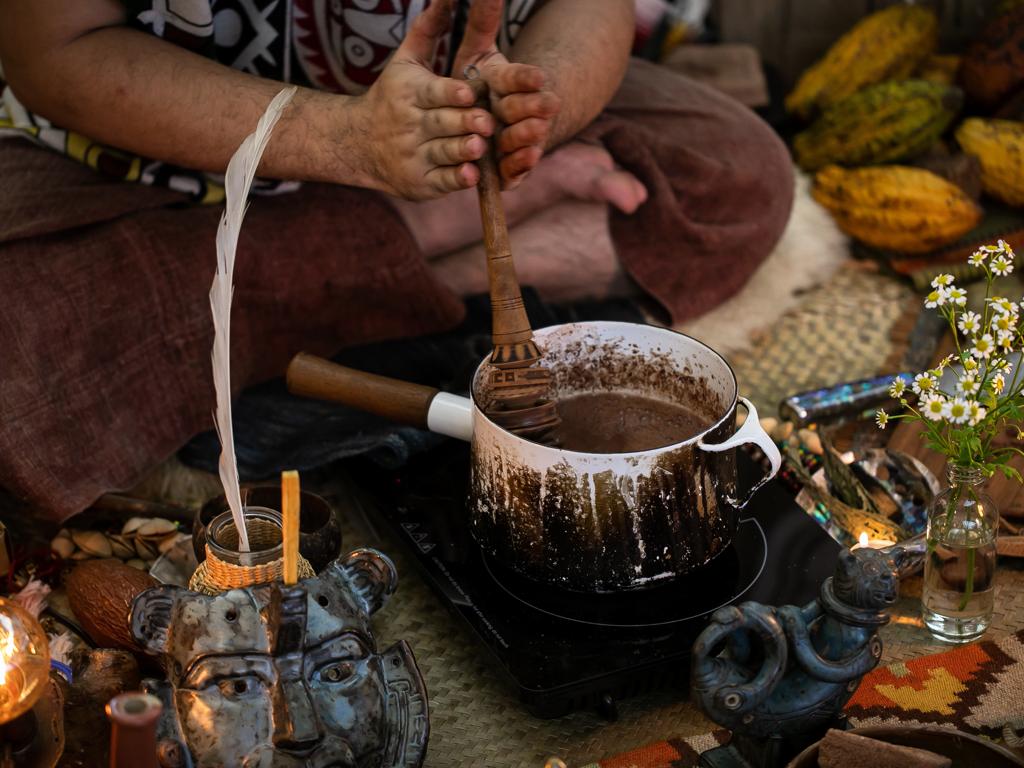
Most people walk into an iboga ceremony bracing for the experience itself — the long hours, the visions, the physical weight of the medicine pressing them into the mat. What almost no one prepares for is what comes after. The ceremony ends. You go home. And then? Then the actual work starts. Iboga, the root bark from a small West African shrub used for centuries in Bwiti tradition, is one of the most demanding plant medicines on the planet. It's also one of the most studied for addiction recovery — particularly opioid dependency. But here's the thing nobody at the retreat will quite tell you straight: the medicine doesn't fix you. It shows you. What you do with what it shows you is the entire ballgame. There's a tempting story floating around the psychedelic healing space — that one heroic dose will rewire your brain, dissolve your addiction, and hand you back a new life. People do report dramatic shifts after iboga, especially around opioid cravings. That part is real. What gets glossed over is the window. After a flood dose of ibogaine or traditional iboga root bark, many people describe a period — sometimes called the gray day, sometimes stretching into weeks — where old cravings are quiet, old patterns feel optional, and the mind is unusually pliable. This isn't a permanent state. It's an opening. Treat it like a runway, not a destination. Without integration, that window closes and the old grooves reassert themselves. With integration, you can build new grooves while the soil is soft. The difference between people who hold their gains and people who relapse within six months is almost always what they did between week one and month six. Right after an iboga experience, you may feel clear in a way you haven't felt in years. Clean. Lucid. Convinced that everything has changed. That feeling is partly real and partly a chemical afterglow, and it's a terrible time to make big decisions. People in this phase quit jobs, end relationships, move countries, announce sweeping life pivots — and a fair number regret it three months later when the high tide of insight has receded and they're left looking at the wreckage. The medicine showed you something true, probably. But truth and timing are different animals. Move slowly. Eat real food. Walk outside. Write things down before you forget them, because you will forget them. Integration isn't a mystical process. It's mostly mundane, daily, and a bit boring — which is exactly why people skip it. Here's what tends to work, drawn from what facilitators and people who've sustained their changes actually do. For the first week, sit down every morning and write whatever you remember. Visions, conversations with whatever you encountered, body sensations, names of people who appeared, regrets that surfaced. Don't edit. Iboga insights have a strange half-life — vivid for ten days, then they start dissolving. The journal is your archive. Talking to people who haven't done plant medicine about a plant medicine experience is mostly frustrating. They'll either be politely baffled or quietly worried about you. Find one person — a facilitator who offers integration calls, a therapist trained in psychedelic integration, a peer from your retreat — who can hear what you're saying without translating it into something smaller. One real conversation beats ten polite ones. Iboga tends to show people a long list of things that aren't working. Trying to fix all of them at once is how people burn out and end up back where they started. Choose one. Maybe it's the relationship you keep avoiding. Maybe it's the substance you keep returning to. Maybe it's the work schedule that's been quietly killing you. One thing, attacked seriously, will do more for you than ten things attacked half-heartedly. Iboga is a deeply somatic medicine — it lives in the body for a long time, and the insights it surfaces are often stored in the body too. Some kind of regular physical practice helps the integration land: walking, swimming, yoga, breathwork, simple stretching. Nothing extreme. The goal is to stay in contact with yourself, not to optimize a fitness routine. Ibogaine has a serious track record in interrupting opioid dependency. Clinics in Mexico, Costa Rica, and a handful of other jurisdictions have been treating heroin and prescription opioid addiction with it for decades, and the published outcomes are interesting enough that mainstream addiction medicine is finally paying attention. But interrupting is not the same as curing. What ibogaine seems to do reliably is take away the acute withdrawal and reset cravings for a window of time. What it cannot do is rebuild the life you'll re-enter once that window opens. If you go back to the same apartment, the same friends, the same patterns, the same unaddressed trauma — the addiction will find its way home. The people who stay clean after iboga are almost always the ones who treated the medicine as the start of a long process, not the end of a short one. This is why reputable iboga providers increasingly insist on aftercare programs, sober living arrangements, and structured follow-up. If you're considering iboga for addiction and the retreat you're looking at doesn't ask hard questions about your plan for the weeks after — that's a red flag worth paying attention to. A few patterns show up over and over with people who lose ground after an iboga journey: Iboga can surface old material — trauma, grief, suppressed memories — that doesn't always tuck itself back in neatly. Most people handle the unpacking with journaling, peer support, and time. Some people need more, and there's no shame in that. If you're experiencing prolonged sleep disruption past a few weeks, intrusive memories that won't settle, depressive episodes deeper than your baseline, or thoughts of self-harm, that's the moment to find a therapist — ideally one familiar with psychedelic integration, though a competent trauma therapist of any stripe is better than going it alone. Iboga can crack things open that need a professional hand to help close. Plant medicine doesn't replace mental health care. At its best, it accelerates and deepens the work. At its worst, it surfaces things you weren't ready to face. Knowing the difference, and being willing to ask for help, is part of being a serious participant in your own healing. People who've held their iboga insights five and ten years later describe something interesting: the experience itself becomes less central over time, but the small daily decisions they made in the months after — the boundary they finally drew, the job they finally left, the practice they finally committed to — those compound. The ceremony was a doorway. The life on the other side was built one ordinary week at a time. That's the part the brochures don't sell well, because it isn't dramatic. But it's the part that matters. If you're seriously considering iboga for addiction, depression, or a stuck pattern you can't seem to shake, the question to sit with isn't whether the medicine will work. It's whether you're prepared to do the slow, unglamorous work that makes the medicine stick. For readers who want to take this further, a range of carefully vetted iboga and ibogaine retreats can be browsed on our marketplace here. The plant will do its part. The rest is yours.

Why Silicon Valley Founders Are Flying to Peru for Ayahuasca Ceremonies
Somewhere in the Sacred Valley of Peru, between Cusco and Machu Picchu, an adobe temple sits on a ridge overlooking the Andean highlands. Inside, a group of founders — people who normally spend Tuesday mornings arguing about runway and burn rate — are lying on thin mats, waiting for a brew of bitter brown liquid to start dismantling everything they think they know about themselves. This is what an ayahuasca retreat for tech entrepreneurs actually looks like. And it costs roughly the price of a decent used car. The trend isn't new anymore — it's been simmering for over a decade — but the questions around it have only sharpened. Why are so many high-functioning, ambitious people turning to plant medicine? What does it actually do? And is it a legitimate tool for working through stuck patterns, including addiction and burnout, or just the latest expensive thing successful people do to feel something? I've sat in enough ceremonies and interviewed enough facilitators to have opinions on all of that. Let's get into it. The pattern goes back further than most people realize. Steve Jobs talked about LSD as one of the most important experiences of his life. Bill Gates dabbled. Tim Ferriss has been openly discussing psychedelics for years, once comparing ayahuasca in tech circles to grabbing coffee. That's an overstatement — you're not going to find anyone microdosing DMT between standups — but the cultural underground is real. What changed around the mid-2010s was the appearance of structured programs aimed specifically at founders and executives. One of the better-known ones runs small cohorts to Peru each year — usually around 20 people split across two trips, drawn from hardware, software, and fintech startups. The price tag tends to land between $10,000 and $12,000 once you factor in coaching, lodging, ceremony, and the long-haul flights. The founder of one such program once put it bluntly to a reporter: you can spend six years in therapy, or you can spend ten days in the Andes. Red pill or sugar pill? It's a great soundbite. It's also, in my honest opinion, only half true. More on that later. The brew itself is made from the Banisteriopsis caapi vine, often combined with chacruna leaves that contain DMT. Indigenous peoples across the Amazon have been working with this combination for centuries — some traditions say thousands of years — as part of healing and spiritual practice. It's legal in Peru and in a handful of other South American countries. In the United States it sits in a strange grey zone: DMT is Schedule I, but two religious organizations have won the right to use the brew sacramentally. A typical 10-day retreat tends to follow a rhythm something like this: Inside the ceremony itself, the experience varies wildly. Some people describe lucid-dream-like visions — wandering through landscapes, encountering animals, replaying childhood scenes. One past participant of a tech-focused retreat described witnessing himself as a boy in a humiliating moment from grade school and finally, at age forty-something, deciding to put the shame down. Another described leaving her body entirely and watching herself from across the room. A friend of mine swears he spent two hours moving through what he insists was the inside of his own digestive tract, like a deranged children's TV episode. And then there's the vomiting. Almost everyone purges. Practitioners call it cleansing; your body calls it Tuesday. A well-run ayahuasca ceremony has buckets, towels, and absolutely no judgment about any of it. This is the question that brings most thoughtful people to plant medicine in the first place — and it deserves a careful answer. There's a growing body of clinical and observational research suggesting that ayahuasca, psilocybin, and ibogaine can produce meaningful, sometimes durable shifts in people struggling with depression, PTSD, alcohol use disorder, and opioid dependence. Ibogaine in particular has a long track record with opioid addiction — it appears to reset some of the neurochemistry involved in withdrawal and craving. Ayahuasca's effects on addiction seem to work through a different door: not by interrupting the chemistry directly, but by surfacing the emotional material that drives the behavior in the first place. That said — and this matters — psychedelics are not magic. They don't do the work for you. What they do is create an unusual window in which patterns become visible, often painfully so. What you do with that visibility afterward is the actual healing. Facilitators have a word for this: integration. It's the part where you come home, talk through what surfaced with a therapist or coach or trusted friend, and start translating insight into different daily behavior. Skipping integration is the most common mistake I see. People take the trip, have a profound night, fly home, and then six months later wonder why nothing actually changed. The ceremony was the easy part. Let's talk honestly about money, safety, and quality — because this is where retreat-seekers most often get burned. Costs for a reputable ayahuasca retreat in Peru typically range from about $1,500 for a basic week with a local center to $11,000 or more for a high-touch program with executive coaching wrapped around it. Neither extreme is automatically better. I've sat in ceremonies at modest centers run by lineage shamans that were more rigorous and more healing than fancy operations with infinity pools. Price signals nothing in this world. What you actually want to evaluate: The unflattering nickname for sloppy, poorly run ceremonies is “yogahuasca” — a Bay Area knockoff aesthetic stapled onto a sacred practice. The problem isn't confined to California either. As demand has exploded, some operations in Peru have followed the money rather than the lineage. Caveat emptor applies, hard. Plant medicine isn't for everyone, and I'd argue strongly against the “hack your consciousness” framing that tech culture sometimes wraps around it. This isn't a shortcut. It's a serious encounter with your own mind, and the people who get the most from it tend to share a few traits. They've usually tried other things first — therapy, meditation, hard conversations, time off. They have a baseline of psychological stability and aren't in active crisis. They have someone to talk to when they get home. They approach the experience with respect rather than treating it as a novelty item to collect alongside Burning Man and a Wim Hof workshop. And critically, they're willing to sit with discomfort. Ayahuasca isn't fun. It's revelatory, sometimes beautiful, occasionally terrifying, and almost always physically rough. People who want pleasant trips should look elsewhere. The founders I've spoken to who report the most lasting benefit describe specific behavioral changes afterward — quitting jobs that were wrong for them, restructuring how they interact with employees, finally addressing a drinking habit, ending relationships that had been quietly dying for years. The shift isn't mystical. It's that the ceremony made a long-avoided truth impossible to ignore for one night, and they found the nerve to act on it. If you've read this far and you're still curious, a few practical suggestions before you book anything. Read at least three first-person accounts of difficult ceremonies, not just the glowing ones. Talk to someone who's been. If you're on prescription medication, especially antidepressants, consult with a doctor who actually understands plant medicine — not all of them do. Sit with the question of why you want to do this. “To see what it's like” is a fine answer for a wine tasting; it's a thin reason to invite an Amazonian vine into your nervous system for six hours. Give yourself a clear week on the back end with no major commitments. The landing is real, and trying to jump straight into a board meeting after a retreat is how people lose the insights they came for. Find a therapist or integration coach you trust, ideally before you go. For readers who want to take this further, a range of vetted ayahuasca and plant-medicine retreats can be browsed on our marketplace here. Whatever you decide, decide it carefully — this is one of those choices that tends to matter more in the months after than in the moment you book it.

Ibogaine for Meth and Sex Addiction: An Honest Look at What Recovery Really Involves
There's a particular kind of silence around addictions people don't put on greeting cards. Meth. Compulsive sex. The behaviors that get whispered about in twelve-step rooms but rarely make it into wellness magazines. And yet these are some of the patterns that drive people, eventually, toward ibogaine — a psychedelic plant medicine with a reputation for doing what willpower and conventional rehab often can't. This piece is about what actually happens when someone uses ibogaine to interrupt those patterns, what the first three months afterward tend to look like, and the honest, unglamorous work that determines whether the reset holds. If you're researching plant medicine for addiction — your own or someone you love's — you deserve specifics, not slogans. Ibogaine is an alkaloid extracted from the root bark of Tabernanthe iboga, a shrub native to West and Central Africa. In the Bwiti tradition of Gabon it's been used ceremonially for centuries. In the West, it found a second life in the 1960s when a heroin-addicted chemist named Howard Lotsof took it recreationally and noticed his withdrawal had vanished. That accidental discovery is more or less the origin story of modern ibogaine treatment for addiction. The pull, for most people who consider it, is straightforward: ibogaine appears to interrupt the neurochemistry of compulsion in a single, very long session. It isn't subtle. A full flood dose lasts somewhere between 24 and 36 hours, much of it spent in a dreamlike review of one's own life — sometimes painful, sometimes revelatory, almost always exhausting. People walk out the other side describing not just reduced cravings but a strange sense of distance from the behavior that had been running them. That distance is real. It's also fragile. Which is the part nobody who sells ibogaine retreats likes to talk about. Stimulant addiction and compulsive sexual behavior often travel together, and they reinforce each other in ways most outsiders don't understand. The dopamine architecture is similar. The shame is similar. The way each one hijacks decision-making is similar. And the bottom — when it comes — usually arrives quietly, after years of the person telling themselves they had it under control. A lot of people who end up booking an ibogaine retreat have already tried the usual menu: outpatient therapy, twelve-step programs, SSRIs, inpatient rehab, sometimes more than once. They aren't naive. They've read the studies. They know ibogaine isn't a magic bullet. They're considering it because the math of their lives has stopped working and they need something that can actually break the loop. If that's you, a few honest things to sit with: The arc most participants describe goes something like this. Weeks one to four. A window of unusual calm. Cravings are dramatically reduced — for meth, often nearly absent. Sleep is strange and sometimes fragmented; ibogaine has a long tail and people report vivid dreams and a kind of low-grade emotional rawness for weeks. The compulsive sexual urges that previously felt automatic feel, instead, observable. You can see them coming. That alone is new. Weeks four to eight. The novelty wears off. Real life returns. Bills, exes, work stress, the friend who only ever calls when they're using. This is where the work starts. The neurological reset is fading, but the behavioral patterns underneath it are still there, waiting to see if anything's actually changed. People who have built structure — therapy, daily practice, accountability, a different social environment — tend to keep moving forward. People who flew home and tried to white-knuckle it tend to start wobbling. Weeks eight to twelve. The real test. By month three, the medicine itself is long gone from the body. What remains is whatever you've built. The participants who report the most durable results almost always describe some combination of ongoing therapy (often somatic or trauma-focused), a sober community, removal of obvious triggers, and a sustained practice — meditation, exercise, journaling, something — that keeps them in contact with the version of themselves they met during the ceremony. Ibogaine is a serious medicine, and not in the way wellness marketing uses that word. It has real cardiac risks. It can prolong the QT interval and has been associated with fatalities, almost always in contexts where pre-screening was inadequate or where participants used other substances around the treatment. A legitimate ibogaine provider will require, at minimum: If any retreat skips these steps, walk away. The places doing this work responsibly are not cheap and not casual, and that's appropriate. The ibogaine retreat landscape ranges from world-class medical clinics with cardiologists on staff to underground operations run out of someone's rented house. The price tag isn't always a reliable signal. Some questions worth asking before you book anything: A good provider will welcome these questions. A bad one will get defensive or vague. Trust that signal. The thing nobody tells you when you're researching ibogaine for addiction is that the ceremony is maybe twenty percent of the work. The other eighty percent is what comes after — and it's mostly unsexy. Therapy appointments. Conversations with a sponsor. Deleting apps. Telling friends the truth. Building a daily rhythm that doesn't depend on the old patterns to feel okay. The people who get long-term results from ibogaine tend to treat the treatment as a single, intense beginning — not an ending. They plan for integration before they ever sit with the medicine. They line up a therapist who knows about psychedelic work. They identify, in advance, the situations and people most likely to pull them back. They commit to at least three months of unusually deliberate living. The ones who relapse, in my experience, almost always treated the ceremony as the finish line. Take your time. Ibogaine is not going anywhere, and a decision this serious shouldn't be made from the bottom of a particularly bad week. Talk to people who've been through it — preferably more than six months out, so they can speak honestly about what stuck and what didn't. Get a real cardiac workup before you even start shopping for retreats. Find a therapist now, not after. And be skeptical of any story — including the ones told by very sincere people on the internet — that frames ibogaine as a cure. It's a powerful, sometimes life-changing tool. It's also a medicine that demands more of you afterward than before. That's not a warning to scare you off. It's the actual deal. For readers who want to research this further, a range of vetted ibogaine and plant-medicine retreats can be browsed on our marketplace here — useful at least as a baseline for what credible programs look like, what they include, and what they cost.
Craving More Stories?
Join our ShopAyahuascaRetreats newsletter for the latest updates on thrilling
destinations and inspirational tales, delivered straight to your inbox!
We value your privacy. Your email address will never be shared or published.

Santa, Shamans, and Fly Agaric: The Psychedelic Roots of Christmas
Picture a man in red and white robes, sliding down through a hole in the roof in the dead of winter, leaving gifts beneath an evergreen tree. Sounds like Santa. It also sounds suspiciously like a Siberian shaman on a heavy dose of Amanita muscaria — the fly agaric mushroom that grows at the base of pines and birches across the northern hemisphere. The overlap between this peculiar fungus and our modern Christmas iconography is one of the stranger threads in the broader story of psychedelics and human culture, and once you start pulling on it, the whole sweater of holiday tradition begins to unravel in interesting ways. This isn't fringe internet conspiracy — at least not entirely. Ethnobotanists have been writing about the connection for decades, and while no one can prove a direct line from a Koryak shaman in the 1600s to the Coca-Cola Santa of the 1930s, the parallels are hard to wave away as coincidence. So pour yourself something warm and let's wander through the evidence. The short version: among the Koryak, Kamchadal, Evenki, and other Indigenous peoples of the Russian Far East and Siberia, the fly agaric was — and in some communities still is — a sacred psychoactive. Shamans used it as a tool for divination, especially around the winter solstice, when daylight bottoms out and the new solar year begins to claw its way back. They reportedly dressed in red and white to mirror the mushroom's distinctive cap. They entered yurts (round felt tents) through the smoke hole at the top, because the snow blocked the regular door. They distributed mushrooms as gifts. They spoke of flying through the night sky toward the North Star to gather wisdom for the coming year. Read that paragraph again and tell me you don't see Santa squinting back at you. The red suit. The chimney entry. The sleigh ride. The annual visit on the longest night. None of this is a smoking gun on its own, but the cumulative weight starts to feel like more than a stretch — especially once you bring the reindeer in. Before going further, it's worth being clear-eyed about what Amanita muscaria actually is. It's a mycorrhizal fungus that grows in symbiosis with the roots of certain trees — birch, pine, spruce — which is why it can't be cultivated commercially and has to be foraged. It contains two main active compounds: ibotenic acid and muscimol. Ibotenic acid is essentially the prodrug; the body slowly converts it into muscimol, which is the compound responsible for the bulk of the experience. Importantly, fly agaric is not a classic psychedelic in the way psilocybin mushrooms or ayahuasca are. It doesn't act on serotonin 5-HT2A receptors. Instead, muscimol is a GABA-A agonist — it works on the same receptor system as alcohol and benzodiazepines, just from a very different angle. The result is something more dreamlike, dissociative, and unpredictable than a typical psilocybin journey. Reported effects include: Effects typically peak around three hours in and can last anywhere from ten to twenty-four hours. The raw mushroom is genuinely toxic and people do get seriously sick from eating it improperly. Traditional preparation — drying, repeated boiling, or the rather notorious reindeer-urine method — converts most of the ibotenic acid to muscimol and reduces the worst side effects. This is not a casual snack. The reindeer connection is where the story gets gleefully strange. Reindeer in Siberia love fly agaric. They seek it out, dig it from beneath the snow, and eat it apparently for its psychoactive effect. They tolerate the toxins in ways humans don't. The herders noticed this. They also noticed something else: the muscimol passes through the reindeer's body largely intact and ends up in the urine. So — and there's no polite way to say this — people drank the urine. Either straight from the snow or collected from the animal directly. It was a brilliant pharmacological hack: the reindeer's metabolism filtered out most of the nasty stuff, leaving a relatively cleaner psychoactive product. Some accounts even describe the urine being passed from person to person, with muscimol staying potent through several recyclings. Once you know this, the image of reindeer prancing through the sky with a slightly delirious-looking man in red takes on a whole new dimension. And Rudolph's glowing red nose? Probably a stretch — but the most famous red thing in the snowy north, the thing that made reindeer matter to these cultures in the first place, was a mushroom with a bright red cap. Make of that what you will. The Christmas tree is one of the most curious customs in the Western calendar. Why drag an evergreen indoors in December? Pre-Christian solstice traditions across northern Europe revered evergreens as symbols of life persisting through winter death, and that's the standard explanation. But there's a more specific reading too. Fly agaric only grows beneath certain trees — pines, birches, spruces — because it needs their roots to survive. In Siberian cosmology, these trees were sometimes seen as cosmic axes connecting earth to sky, and the mushrooms that appeared beneath them were considered gifts from the tree itself. Foragers would gather them from under the branches, much the way children today gather presents from under a decorated fir. The drying process adds another layer. To reduce toxicity, the mushrooms were often hung from tree branches to dry in the cold winter air. Bright red caps dangling from evergreen boughs. Sound like ornaments yet? Other accounts mention drying them in stockings hung above the fireplace, the heat slowly removing moisture without cooking off the active compounds. Stockings by the fire. On the longest night of the year. Waiting for something. As these traditions drifted west and tangled with Norse and Sami practice, new versions emerged. There's a thread in Nordic folklore involving Odin riding the night sky on his eight-legged horse Sleipnir during the midwinter Wild Hunt. In some tellings, blood or saliva dripped from the horse's mouth as it galloped, and where those droplets fell, fly agaric mushrooms grew the following season. Eight reindeer. Eight-legged horse. Probably not unrelated. The Sami of northern Scandinavia, who herd reindeer to this day, had their own shamanic traditions involving fly agaric. Their drums were sometimes painted with the mushroom's image. Their noaidi (shamans) wore red and white. Their cosmology mapped neatly onto solstice timing. As Christianity spread north and absorbed local custom — as it almost always did — these elements didn't disappear; they simply got reassigned. Here's where I have to be honest with you. The fly-agaric-equals-Santa theory is popular, it's fun, and parts of it are well-documented. But it's also been disputed by serious scholars. The historian Ronald Hutton, who knows more about British and northern European folk tradition than almost anyone alive, has pushed back on the strongest versions of the claim. He argues that fly agaric use was less widespread than the popular story suggests, that Siberian shamans didn't dress in red and white as a uniform, and that the modern Santa is mostly a product of nineteenth-century American writers and illustrators — Clement Clarke Moore, Thomas Nast — drawing on Dutch Sinterklaas traditions. That's a fair correction. The Coca-Cola red-suit Santa really did come from a 1930s advertising campaign, even if the colour scheme already existed in earlier illustrations. Saint Nicholas of Myra was a real fourth-century bishop with no obvious mushroom connections. And a lot of the more specific claims — about chimneys, about reindeer urine, about gifts under trees — get sharper and more dramatic each time they're retold online. The reasonable middle ground goes like this: Siberian and northern European peoples did use fly agaric ceremonially. Their solstice practices did involve reindeer, evergreens, red-and-white symbolism, and ecstatic flight. These traditions did drift south and west over centuries, mingling with Christian and folk customs. Whether they directly shaped Santa Claus is unprovable — but to say they had zero influence on the broader symbolic vocabulary of midwinter celebration feels equally unsupportable. Fly agaric is having a quiet moment. As psilocybin and ayahuasca have moved into mainstream conversation, Amanita muscaria has crept along behind them, partly because it occupies a strange legal grey zone in many countries — unlike classic psychedelics, it isn't scheduled in most of the US, the UK, or the EU. You can find it sold openly, sometimes in gummies or tinctures, which is not the same as saying it's a good idea to use it casually. It's a different animal from the serotonergic psychedelics most retreat-seekers are researching. The experience is harder to predict, the dose-response curve is steeper, and the risk of an unpleasant or genuinely toxic episode is real. People who work with it traditionally do so with deep knowledge of preparation methods passed down through generations. Most of us don't have that. If you're curious about plant medicine for healing addiction, depression, or trauma, fly agaric is probably not the first door to open — ayahuasca, psilocybin, and ibogaine all have substantially more clinical research and a much longer track record of facilitated, ceremonial use in modern retreat settings. Still, the mushroom matters culturally. It's a reminder that the human relationship with master plants and psychoactive fungi is ancient, that it's woven into rituals we still perform without realising what we're doing, and that the line between religion, medicine, and altered states has always been blurrier than tidy modern categories suggest. If your interest in psychedelics is partly a search for older, deeper ways of marking time and meaning, a range of ayahuasca, psilocybin, and other plant-medicine retreats can be browsed on our marketplace here. Whether or not Santa is a Siberian shaman in disguise, there's something worth holding onto in the story. Midwinter is when human beings have always reached for the strange — for ritual, for light in the dark, for some hint that the year is going to turn and the sun will come back. That instinct predates Christianity, predates Coca-Cola, predates the mushroom theory itself. It probably predates language. So this December, when you string up red and white ornaments and hang stockings by a fire and put presents under an evergreen tree, you might be participating in a tradition far older and weirder than the carols suggest. Worth a quiet nod to the reindeer, at least.
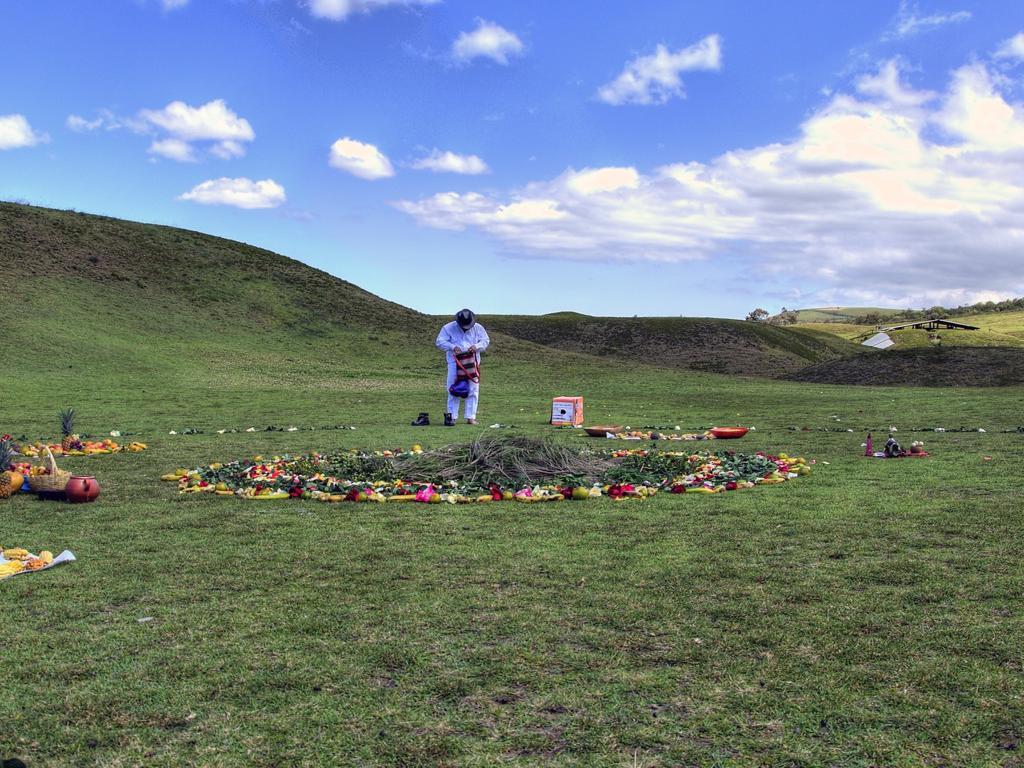
MDMA-Assisted Therapy for Autism and Social Anxiety: What the Research Suggests
Social anxiety isn't shyness. Anyone who's lived inside it knows the difference — the racing pulse before a dinner party, the rehearsed sentences that never quite leave your mouth, the exhaustion of pretending you're fine. For many autistic adults, that experience runs deeper still. Reading a room, parsing tone, tracking the unspoken rules of small talk — these things cost energy most people never have to spend. And the standard treatments? They don't always help. Which is why a study published in the journal Psychopharmacology caught the attention of researchers, clinicians, and a lot of curious readers. The trial was small. The conditions were tightly controlled. But the results hinted at something the psychedelic-therapy field has been quietly building toward for years — that MDMA, used in a clinical setting with trained therapists, might offer real relief for autistic adults living with severe social anxiety. Researchers at the Biomedical Research Institute at Harbor-UCLA Medical Center ran a trial with twelve autistic adults. Half received two MDMA-assisted therapy sessions; half received placebo paired with the same therapeutic structure. Everyone was assessed using the Liebowitz Social Anxiety Scale, a clinical tool that produces a numeric score — higher means more socially anxious. The MDMA group saw an average drop of 44.1 points on the scale. The placebo group dropped 19.3. That's a meaningful gap, especially in a population for whom conventional anti-anxiety medications and talk therapy often fall short. Participants didn't just score lower on a questionnaire — they described feeling, sometimes for the first time, that interacting with other people wasn't a battle to be survived. One participant said they felt as though they were experiencing their best self and seeing the world clearly for the first time. Another talked about realizing communication wasn't only about talking — that emotions, theirs and others', deserved attention before words did. These aren't the kinds of statements a placebo response usually produces. MDMA isn't a classical psychedelic in the way psilocybin or LSD are. It's an empathogen — a compound that increases feelings of trust, emotional openness, and connection. In a therapeutic context, that pharmacology is the point. The drug doesn't do the work; it lowers the walls so the work can happen. Therapists guide the session. The medicine softens the defenses that usually keep painful or confusing material out of reach. For autistic adults whose social anxiety is rooted in years of misread cues, social rejection, or trauma from being forced to mask, that softening can be the door. The therapy team in the Harbor-UCLA study reported no unexpected adverse reactions. Side effects matched what's been seen in other MDMA trials — fatigue, headaches, sensitivity to cold — and none were serious. Charles Grob, one of the study's authors, pointed to something the numbers don't quite capture: participants showed up to social situations afterward with more self-confidence. The settings that used to overwhelm them felt navigable. That's the kind of outcome that matters in a life, not just a paper. This work doesn't exist in a vacuum. Over the past decade, MDMA-assisted therapy has produced some of the strongest clinical results in any mental-health research program. The Multidisciplinary Association for Psychedelic Studies (MAPS) has shepherded MDMA through Phase 3 trials for PTSD, where the majority of participants in some studies no longer met diagnostic criteria after treatment. Psilocybin has shown promise for treatment-resistant depression. Ibogaine and ayahuasca are being studied for addiction and trauma. Ketamine clinics have proliferated across the U.S. Within that picture, the autism study is small but conceptually important. It expands the conversation beyond PTSD and depression. It suggests psychedelic-assisted therapy might be useful for populations that traditional psychiatry has often failed — not by curing autism (it's not a disease to cure) but by addressing the secondary anxiety that years of social difficulty can produce. It also raises uncomfortable questions for the field. Autistic adults are an underserved research population. Sample sizes are tiny. Funding is hard to find. The researchers behind the Harbor-UCLA work have been clear that they hope their paper sparks larger trials. A few things worth saying plainly, because the psychedelic conversation gets hyped fast. The honest framing: this is early evidence that points somewhere worth going. It's not a green light for self-treatment, and it's not a promise of healing. It's a reason to pay attention to where the science is heading. A lot of readers who follow MDMA research also find their way to ayahuasca, psilocybin, and other plant medicines used in retreat settings. The mechanisms differ. The traditions differ. But the underlying intuition is similar — that certain substances, in the right container, with the right preparation, can help people contact parts of themselves that ordinary life keeps locked away. Ayahuasca ceremonies, in particular, have drawn autistic adults and people with severe social anxiety to retreat centers in Peru, Costa Rica, and elsewhere. The reports are mixed and personal — some find profound shifts in how they relate to others; some find the intensity overwhelming. There's no clinical equivalent of the Harbor-UCLA study for ayahuasca and autism yet, and the small but vocal community of autistic ayahuasca participants tends to emphasize that preparation, facilitator skill, and aftercare matter enormously. If you're someone considering a retreat partly because social anxiety has shaped your life in painful ways, a few things are worth weighing carefully. Talk to your doctor, especially if you take SSRIs or other psychiatric medications — interactions with MDMA, ayahuasca, and similar substances can be serious. Ask retreat centers specifically about their experience with neurodivergent participants. Read the integration plan, not just the brochure. Alicia Danforth, one of the study's co-authors, has been working in this area for years and has spoken about wanting their paper to attract funding for larger trials. That's the bottleneck. Psychedelic research is expensive, slow, and politically fragile. Studies involving autistic adults face additional ethical scrutiny — appropriately so. But the pilot data is now on the record. Other research groups are paying attention. The broader MDMA-therapy program continues to move toward formal approval in the U.S., with regulatory decisions on PTSD treatment shaping what's possible for other indications. If MDMA-assisted therapy becomes a legal clinical option for PTSD, the path for studying it in other anxiety conditions — including social anxiety in autistic adults — gets a lot shorter. For now, the takeaway is modest but real. Twelve people sat through two carefully structured sessions with a compound that most of Western medicine spent forty years calling worthless, and they came out the other side describing social ease they hadn't felt before. That deserves more research, more funding, and more honest conversation about who psychedelic therapy could actually help. If something in this conversation speaks to you, the broader landscape of psychedelic and plant-medicine retreats can be browsed on our marketplace here — a useful place to start if you're researching options with an open mind and a careful one.


Zen Meditation at Home: A Practical Guide for Beginners
Most of us don’t need another productivity hack. We need permission to stop. Zen meditation — or zazen, as practitioners call the sitting form — is one of the oldest, plainest answers to that craving. No app. No special clothes. Just you, a cushion, and the quiet stubbornness to sit down again tomorrow. If you’ve been circling this practice for a while, wondering whether it’s worth the trouble, this guide is for you. I’ll walk through what Zen actually is, where it came from, what science has bothered to measure, and how to set up a sustainable home practice without turning your spare room into a Kyoto temple. Zen is a form of Buddhist meditation that emphasises direct experience over doctrine. The word itself comes from the Chinese Chan, which traces back to the Sanskrit dhyana — roughly, “meditative absorption.” The practice predates almost every wellness trend you’ve heard of by about fifteen centuries, having taken shape in China around the 6th century CE before spreading through Korea, Japan, and eventually the West. Unlike guided visualisations or mantra-based techniques, Zen asks you to do something deceptively simple: sit, breathe, and notice. You don’t chase thoughts. You don’t banish them either. You let them drift across the mind the way clouds drift across a window. The aim isn’t a blissed-out trance — it’s a clear, awake presence with whatever is actually happening. Practitioners often describe it as the opposite of escapism. You’re not leaving the world; you’re finally arriving in it. Zen isn’t monolithic. Teachers across history have grouped the practice into rough categories, and knowing them helps you understand what kind of sitting you might actually be doing. For most beginners, Bompu Zen is the honest starting point. You can graduate to bigger questions later — or never. Both are fine. Meditation research has exploded in the past two decades, and Zen has had its share of attention. Studies on regular practitioners suggest measurable effects on attention, stress reactivity, and the recovery of focus after distraction. One often-cited experiment found that experienced Zen meditators returned to baseline breathing patterns faster after disruption than non-meditators — a small but interesting marker of mental regulation. Other research has looked at how Zen practice influences problem-solving and access to less filtered thinking. Practitioners who sat before a creative-association task tended to outperform those who didn’t. Read that result with a grain of salt — sample sizes are small, and meditation studies are notoriously hard to control. Still, the direction of the findings lines up with what experienced sitters describe: a quieter mind tends to make better decisions. The broader literature on meditation in general points to benefits across sleep, anxiety, mild depression, and emotional regulation. Zen isn’t a magic pill for any of these. It’s more like flossing — quietly cumulative, easy to skip, and unmistakably effective over years. The traditional story credits an Indian monk named Bodhidharma with bringing Chan to China in the 6th century. Whether the legends are accurate matters less than what came afterward: Chan absorbed strands of Taoism, became Seon in Korea by the 7th century, and crossed to Japan around the 12th, where the monk Dogen established the Soto school after returning from his own studies in China. Zen reached Europe and North America in fragmentary waves through the late 19th and early 20th centuries, with the scholar D.T. Suzuki doing much of the heavy lifting in translation. By the 1960s it had become part of the Western contemplative landscape, and by now it has been so thoroughly assimilated that most “mindfulness” apps owe Zen a quiet thank-you they’ll never send. Here’s the honest version. You don’t need a teacher to start, though you’ll probably want one eventually if the practice sticks. What you need first is a stable setup and a willingness to do the unglamorous thing — sit, again, tomorrow. Quiet corner. Same time every day if you can manage it. Mornings work for most people because the mind hasn’t fully loaded its to-do list yet. Ten minutes is plenty when you’re starting. Build up to twenty or thirty over weeks, not days. Forget the Instagram lotus. The best posture is the one you can sit in without grimacing. The classic Zen hand position is the cosmic mudra: right palm cradling the left, thumbs lightly touching to form a soft oval at the navel. If the thumbs collapse, you’re drifting. If they press hard, you’re tense. The mudra is a quiet feedback loop. Crown of the head lifts. Chin tucks slightly. Shoulders drop. The spine does the structural work so the rest of the body can let go. A collapsed posture invites a collapsed mind. This is the part beginners often skip. In traditional Zen, eyes stay half-open with an unfocused gaze on the floor about two or three feet ahead. It keeps you from drifting into daydreams or falling asleep. Closed eyes are fine if you’re struggling, but try the half-open gaze for a week and notice the difference. Don’t control the breath. Just feel it. When the mind wanders — and it will, constantly, often hilariously — return to the breath without scolding yourself. The returning is the practice. If you return a hundred times in ten minutes, you meditated a hundred times. That’s not failure. That’s the gym. Some honesty: the first weeks are usually uncomfortable. Your knee will hurt. Your back will protest. Your mind will produce shopping lists, old arguments, and elaborate fantasies about lunch. You’ll wonder if you’re doing it wrong. You’re not. This is the practice introducing itself. By week three or four, something subtle usually shifts. Not enlightenment — more like a small space opening between you and your own reactivity. You notice irritation before it becomes a snapped reply. You sleep slightly better. You stop checking your phone in the elevator. Small things, accumulating. If you’re drawn to Zen because you’re struggling with something heavier — addiction, depression, long-standing trauma — meditation can be a real ally, but it’s not a substitute for proper care. Sit, yes. Also talk to someone qualified. Home practice will carry you a long way. A residential retreat will carry you somewhere else entirely. Even a weekend of structured sitting — proper silence, multiple sessions a day, a teacher to ask the awkward questions — tends to compress months of insight into a few days. The catch is that retreats are uncomfortable on purpose. The structure exists precisely to confront the patterns you usually distract yourself away from. If you’re curious about going deeper, a range of curated meditation and contemplative retreats can be browsed on our marketplace here. Start tomorrow morning. Ten minutes. A cushion or a chair. The breath, the spine, the returning. That’s the whole thing. The rest is just practice.
Microdosing Mushrooms: What the Research Actually Shows About Psilocybin
Somewhere between the full-blown psychedelic trip and a regular Tuesday morning sits a quieter practice: microdosing. A crumb of dried mushroom — maybe a tenth of a gram — taken every few days, with no expectation of seeing the wallpaper breathe. People do it for focus. For mood. For creative work that won't unstick. For depression that hasn't budged in years. The question is whether any of it actually works, or whether we're all just very enthusiastic about placebo. The honest answer, as of 2026, is: somewhere in between, and the science is still catching up. If you're considering microdosing psilocybin — or any psychedelic — as part of your own recovery from addiction, depression, or just feeling stuck, here's what's actually known and what's still guesswork. A microdose is roughly one-tenth of a recreational dose. If a noticeable psychedelic experience kicks in around one gram of dried mushrooms, a microdose lands near 0.1 grams. Some people go even smaller. The point is that you shouldn't feel intoxicated. No visuals, no time dilation, no laughing at the ceiling. If you're tripping, you've overshot — that's a low dose, not a microdose. Psilocybin, the active compound in these mushrooms, gets converted in the body to psilocin, which binds to serotonin 2A receptors in the brain. At full doses, this rewiring produces the classic psychedelic experience — altered perception, dissolved ego, hallucinations, the works. At a microdose, the theory goes, you get subtle neurochemical effects without the cinematic ones: a small lift in mood, sharper attention, a looser kind of thinking. That's the theory. The evidence is messier. Here's where things get awkward. Several solid studies from the early 2020s — including placebo-controlled work that finally went beyond self-reported surveys — found that much of what people attribute to microdosing tracks closely with the placebo effect. In one widely cited trial, participants who thought they had taken a microdose reported nearly the same benefits as those who actually had. Expectation, it turns out, is a powerful drug all by itself. That doesn't mean microdosing is fake. It means we can't yet cleanly separate the chemistry from the belief. Both might be doing work. And given how much modern medicine accepts that mindset shapes outcome — see also: nearly every antidepressant trial ever — that's not nothing. It's just not the slam-dunk evidence that microdosing advocates sometimes claim. What the better studies do suggest is modest and worth taking seriously: Notice that last point. The studies showing the strongest mental-health outcomes almost all involve psychological support alongside the substance. Microdosing alone, with no therapy, no integration, no structure, gets you considerably less than microdosing inside a thoughtful framework. The mushroom isn't the treatment. The mushroom is one ingredient in the treatment. Microdosing has a reputation for being basically harmless — a sort of mushroom-flavored multivitamin. That's marketing, not science. Psilocybin remains a Schedule I substance in the U.S. and most other countries, which means unregulated supply, unknown potency, and zero quality control unless you're growing your own or sourcing from a meticulous friend. The actual reported side effects of microdosing include: And there's a bigger caution: people with a personal or family history of psychotic disorders — schizophrenia, bipolar I, schizoaffective disorder — should not microdose. Psychedelics can trigger or accelerate episodes in vulnerable people. This isn't theoretical. It's the single most important screening question a responsible facilitator will ask, and if nobody's asking you, that tells you something about who you're working with. No, and the difference matters. A retreat — whether it's psilocybin in Jamaica or the Netherlands, ayahuasca in Peru, or one of the legally sanctioned psilocybin programs now operating in Oregon and Colorado — uses a full dose in a held container with trained support. The intent is a single, intense experience that opens something up, followed by integration work to make sense of what surfaced. Microdosing is the opposite shape: subtle, repeated, woven into ordinary life. You go to work. You take a hike. You attend your kid's recital. The substance is supposed to fade into the background while quietly nudging your baseline. Some people use microdosing as preparation before a retreat or as part of integration afterward — both can make sense, though you should always check with the facilitators running your ceremony, because many traditions ask you to be substance-free for a meaningful window beforehand. If you're drawn to psilocybin because you're working through deep trauma, addiction, or treatment-resistant depression, the honest read is that a structured experience with proper support tends to do more than microdosing alone. Microdosing might help maintain gains or smooth out daily life. The heavy lifting often happens at higher doses with skilled people around you. A few practical things worth holding in mind before you decide anything: Microdosing is one small piece of a much larger conversation about psychedelics, master plants, and what we now call psychedelic-assisted recovery. The renaissance is real — clinical trials for psilocybin, MDMA, and ibogaine have produced some of the most striking results in psychiatry in decades. But the most dramatic outcomes come from full-dose, supported experiences, not from sprinkling tiny amounts into your morning coffee. If you're considering plant medicine because something in your life isn't working — addiction that won't lift, depression that grinds on, trauma that keeps replaying — it's worth thinking bigger than a microdose. A well-run psilocybin retreat, ayahuasca ceremony, or ibogaine program can do in a week what microdosing might do in a year, assuming microdosing is doing anything at all beyond placebo. For readers who want to explore the structured, supported route, a curated selection of psilocybin and plant-medicine retreats can be browsed on our marketplace here. Microdosing has its place. It's just probably not the whole answer — and anyone selling it as one is selling something other than the truth.
What DMT Actually Does: Inside the Science, the Trips, and the Healing Potential
Ask ten people who've smoked DMT to describe what happened and you'll get ten answers that all begin the same way: words don't really work for this. Then they'll try anyway. Spirals inside spirals. Beings that seemed to be waiting. A feeling of being yanked clean out of the body and dropped somewhere that felt — and this is the phrase that keeps coming up — more real than real. That phrase is doing a lot of heavy lifting, and it's worth taking seriously. DMT is the psychedelic compound at the heart of ayahuasca, the Amazonian brew that has pulled tens of thousands of seekers to jungle retreats over the past two decades. Understanding the molecule itself — what it does, where the research stands, and why people keep saying it changed their lives — is a useful piece of homework if you're weighing whether plant medicine is for you. N,N-Dimethyltryptamine is a short-acting psychedelic found across an absurd range of life. It's in hundreds of plants. It's in the venom of certain toads. It's been detected in every mammal researchers have bothered to test, including humans. We appear to make it ourselves, in small quantities, possibly in the lungs and the pineal gland. Nobody is entirely sure why. Smoked or vaporized, it produces a hallucinogenic experience that arrives within seconds and is largely over inside half an hour. Injected, similar story. Swallowed on its own, it does basically nothing — your gut breaks it down before it can reach the brain. That last fact is the whole reason ayahuasca exists. The traditional Amazonian brew combines a DMT-containing plant with a second plant that blocks the enzyme that would otherwise neutralize it, allowing the molecule to stay active for hours rather than minutes. So when people talk about ayahuasca, they're really talking about a way of taking DMT slowly, in a body that's been prepared by diet and ceremony, surrounded by people who know what to do when things get strange. DMT was first identified as psychoactive by Hungarian chemist Stephen Szára in the 1950s. A short, productive decade of research followed — including some investigations into whether endogenous DMT might explain schizophrenia (it doesn't). Then the 1970s arrived, drug laws tightened, and serious human research in the United States essentially stopped for twenty years. The thaw came in the early 1990s when psychiatrist Rick Strassman ran the first new DMT trials on humans in a generation at the University of New Mexico. His setup was deliberately bare: no incense, no statues, no guided meditation. He'd dose experienced volunteers in a hospital room and ask them to report back. The point was to see what the molecule did, stripped of expectation. What they reported was strange enough that Strassman went on to write a book about it. Volunteers described being pulled out of their bodies. Encountering entities that seemed intelligent and aware of being observed. Visiting places that didn't behave like physical space. One woman came back from her session convinced — calmly, matter-of-factly — that consciousness continues after death. If everyone knew what was waiting, everyone would commit suicide, she told him. He suggested she keep that to herself. Here's the thing that makes DMT genuinely different from other psychedelics. Mushrooms and LSD tend to modify your relationship with the world you're already in — colors smear, walls breathe, your sense of self softens. A DMT experience, by contrast, tends to feel like leaving entirely. Users describe a sensation of being launched. The geometry of ordinary space falls away and is replaced by something that operates on different rules — recursive fractals, impossible architectures, what one person I spoke with called "the back end of the simulation." Time becomes meaningless. Language follows. People often report telepathic exchanges with whatever they encounter in there, and a peculiar sense that the encounter is the point. A few recurring figures appear often enough across reports that there are entire online forums devoted to them — the jester, the mantis, the machine elves popularized by Terence McKenna. Whether these are projections of the human mind under extreme neurochemical pressure or something stranger is a question the science cannot currently answer. Probably won't anytime soon. The connection between DMT and death — or near-death — has been around long before the chemistry was understood. In Quechua, ayahuasca roughly translates to vine of the dead or vine of the souls. The traditional belief is that drinking the brew opens a doorway to the realm of disembodied spirits. The Shipibo, Shuar, and other Amazonian peoples have organized substantial portions of their cosmology and medicine around this idea for centuries. Modern interest in this overlap took off when researchers noticed that the standard near-death experience — the tunnel of light, the loving presence, the life review, the reluctance to come back — sounds an awful lot like a strong DMT trip. There's a hypothesis, still unproven, that the dying brain releases a flood of endogenous DMT as a kind of farewell. Some unpublished animal data suggests DMT levels do rise in the brain at death. It's not nothing, but it's not yet a settled case either. What we can say honestly: Whether any of that means DMT is a cosmic doorway or just an unusually interesting neurochemical, I'll let you decide. This is where things get practical for anyone reading because they're thinking about a retreat. The therapeutic conversation around DMT — and, by extension, around ayahuasca — has shifted dramatically in the last decade. Researchers have looked at ayahuasca for treatment-resistant depression, PTSD, grief, and addiction recovery. The early results are genuinely promising, particularly for people who've tried conventional treatments and come up empty. One reason DMT is hard to study clinically is that the experience is so short. Strassman and his colleague Andrew Gallimore published a paper proposing a way to deliver DMT via continuous infusion — essentially a steady IV drip that could hold someone in the state for hours rather than minutes. The reasoning is medical, not recreational: a sustained experience allows for actual therapeutic work, which is impossible to do during a fifteen-minute blast. This is also, in a sense, what ayahuasca already does. The brew stretches a DMT experience across four to six hours, long enough for emotional material to surface, be witnessed, and begin to integrate. Talk to people who've done plant medicine for trauma or addiction and you'll hear versions of the same arc: the substance shows them something they'd been avoiding, and the actual healing happens in the weeks and months afterward, in therapy, in journaling, in the slow business of changing how they live. One of Strassman's volunteers described looking back on her childhood with a clarity she'd never had sober. Another came back with strong feelings about needing to spend more time with family. A man I corresponded with — call him Sam — told me he'd been planning suicide before he tried DMT. He described the experience as the universe holding him in something that felt like oceanic love. Afterward, the cynicism that had been suffocating him simply lifted. He started living again. I include that not as a sales pitch. Plenty of people have difficult, frightening, or genuinely traumatic experiences with DMT and ayahuasca, especially when set and setting are wrong. But the testimony of people who feel they were pulled back from something terminal is consistent enough across decades and continents that it deserves to be taken seriously. Something is happening in there. A few practical points for the reader who's been Googling at midnight, weighing whether to actually do this: DMT — and ayahuasca specifically — is not for everyone, and the people running ethical retreats will tell you so. It's a powerful tool that happens to suit certain people at certain points in their lives, and it sits alongside therapy, breathwork, meditation, and a hundred other options that may serve you better depending on where you are. If after reading this you find yourself genuinely curious rather than just intellectually interested, that's worth listening to. For readers who want to take this further, a range of ayahuasca and plant medicine retreats can be browsed on our marketplace here. Take your time with the decision — the medicine, whatever you believe about it, has been around for centuries and isn't going anywhere.
Dreaming of a Psychedelic Retreat?
We have the best deals and offers from thousands of organizers all over the world! Get them into your mailbox every week!
We value your privacy. Your email address will never be shared or published.
