 English
 Deutsch
 Français
 Nederlands
 Español




Reset. Heal. Grow.
Psychedelic Conferences and Summits: Are They Worth Attending Before a Retreat?
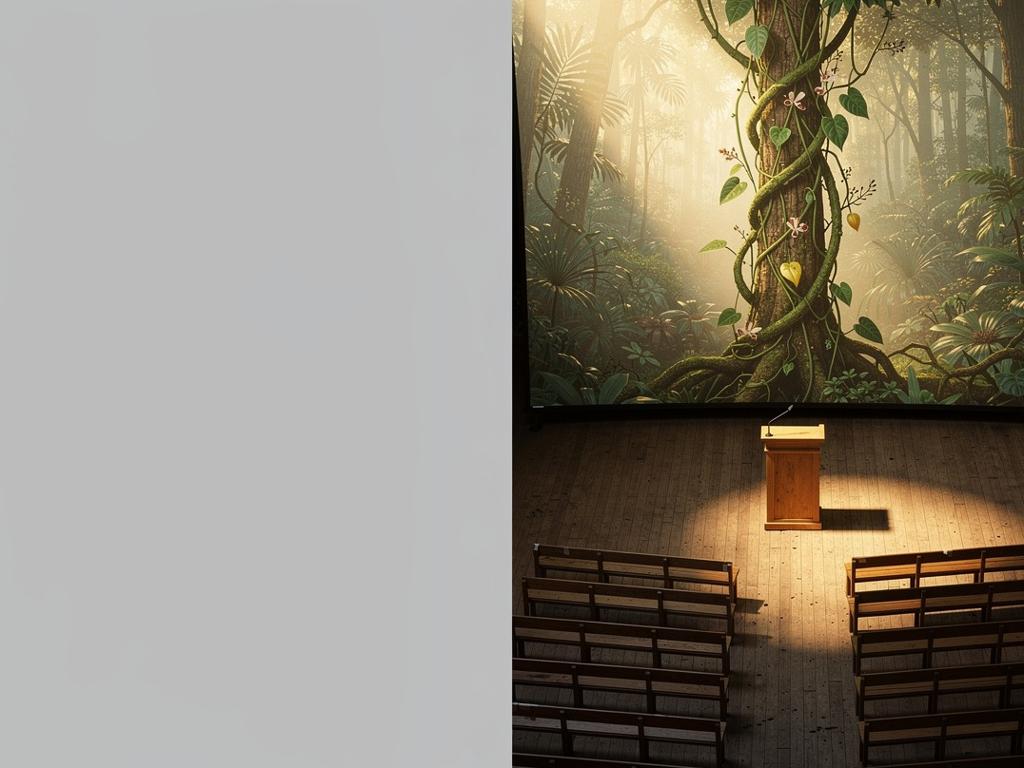
Every year, more psychedelic conferences pop up. Denver, Amsterdam, Oakland, Miami — pick a city with a decent airport and there's probably a summit happening there sometime in 2026. The lineups look impressive on paper: neuroscientists, indigenous leaders, therapists, policy wonks, a handful of celebrity advocates who found ayahuasca and haven't shut up about it since. Tickets run anywhere from a couple hundred bucks for livestream access to several thousand for VIP packages with dinners and workshops. The question I keep getting from readers who are quietly weighing a plant medicine retreat is a fair one: do I need to go to one of these things first? Will a summit actually help me figure out whether ayahuasca is right for me, or whether I should be looking at psilocybin, or ibogaine for addiction, or something else entirely? Or is it just an expensive weekend of PowerPoints and networking cocktails? The honest answer, after having attended more of these than I can cleanly remember, is: sometimes yes, often no, and it depends heavily on where you are in your process. Let me walk you through what these events actually deliver, what they don't, and whether the ticket price makes sense for someone whose real goal is deciding on a retreat. A psychedelic conference is essentially a professional gathering with a public-facing wrapper. The core audience is researchers, clinicians, facilitators, lawyers working on legalization, and entrepreneurs building the psychedelics industry. Around that core, organizers layer in tracks for curious civilians — the retreat-curious, the microdose-curious, the trauma-survivor who read a book and wants to know more. You'll sit through panels on things like the current state of MDMA-assisted therapy trials, the ethics of extracting ayahuasca knowledge from the Amazon, ketamine clinic business models, and whether psilocybin should be regulated like alcohol or like therapy. Some of it is genuinely fascinating. Some of it feels like watching people argue about which shade of beige to paint a room you've never been in. What a summit is not: a retreat, a ceremony, or in most cases even a place where any actual plant medicine is legally consumed. You will not drink ayahuasca at a Denver conference. You will drink expensive kombucha and talk about ayahuasca. There's a difference, and it's the difference that matters most for a reader trying to decide about their own healing. There are real reasons someone considering plant medicine might benefit from attending a summit first. Let me lay them out honestly. First, information density. In three days you can hear from twenty or thirty people who've spent decades on this material — indigenous elders, harm reduction workers, integration therapists, researchers running trials at Johns Hopkins or Imperial College. That kind of concentrated exposure would take months to piece together from podcasts and articles. If you're the type who learns by absorbing lots of perspectives at once, a good conference does compress the learning curve. Second, the vetting factor. Retreat facilitators sometimes exhibit at these events, or speak on panels, or hang around the hallways. You get to see how they carry themselves in a professional setting, what questions they can answer under pressure, whether their claims hold up when a scientist in the front row asks a follow-up. Some of the most useful conversations I've had about specific retreats happened over conference-hotel coffee, not on a website. Third, you meet other people in your shoes. Not the peacocking types — the quieter ones, standing near the back, who've also been thinking about this for two years and haven't told their family. Those conversations are worth the ticket alone sometimes. Here's where I'll be blunt. The psychedelic conference circuit has developed a particular flavor over the past few years, and it isn't always in service of the retreat-seeker. A lot of the programming is aimed at investors and industry insiders. Which sessions are running in the biggest ballroom? Often the ones about drug patents, clinic scaling, insurance reimbursement, and stock performance of the handful of publicly traded psychedelic companies. Fascinating for a certain audience. Almost entirely irrelevant to someone trying to figure out whether to book a two-week ayahuasca retreat in the Sacred Valley. There's also the hype problem. Summits tend to attract voices that oversell. You'll hear speakers describe psychedelics with a certainty that anyone who's actually sat in enough ceremonies knows is unwarranted. Master plants don't work on everyone. Ayahuasca doesn't heal every trauma. Ibogaine isn't a magic bullet for opioid addiction, though for some people it's remarkable. If you walk into a conference thinking these medicines might help you, and walk out convinced they definitely will, you've been mis-sold something important. And the money. A three-day pass to a major summit can cost the same as a mid-range week-long retreat. If your budget is finite — and for most people it is — spending it on the actual work of sitting with the medicine will almost always outperform spending it on watching other people talk about the medicine. Based on where the field is heading right now, the major themes at this year's summits are pretty predictable. Expect a lot of oxygen given to the FDA's continued deliberations on MDMA and psilocybin, the rollout of Oregon and Colorado's regulated psilocybin programs, and the growing conversation about ibogaine as veterans and addiction-recovery communities push for research funding. There'll be sessions on indigenous reciprocity — the ethical question of what the global demand for ayahuasca owes to the Amazonian communities whose ancestors developed this tradition. This is worth listening to, especially if you're planning to travel to Peru, Brazil, or Ecuador. The way you spend your retreat dollars matters, and reputable retreat centers are increasingly transparent about how they support their host communities. Expect also the recurring debate about whether psychedelic healing should live inside the medical system, the traditional-ceremony framework, or some hybrid. Nobody has a clean answer. That messy conversation is actually more useful than the confident sales pitches, because it prepares you for the reality that plant medicine work doesn't fit neatly into any single container. If I had to advise a friend who was seriously considering ayahuasca for depression, or psilocybin for grief, or an ibogaine program for opioid dependence, I probably wouldn't tell them to buy a summit ticket first. Not because summits are worthless — they're not — but because there are cheaper, denser ways to get most of the same information. Read three or four honest books. Listen to a couple dozen carefully chosen podcast episodes, especially the ones with facilitators and integration specialists rather than podcast celebrities. Get on a call with two or three retreat centers and ask them the hard questions — screening protocols, medical staff on-site, what happens if someone has a psychiatric emergency, how they handle sexual safety, what integration support they offer after you fly home. Talk to people who've done a retreat you're considering. Those conversations will tell you more than any keynote. Then, if after all that you still feel you'd benefit from being in a room with a thousand other people wrestling with the same questions, go to the summit. But go with your priorities sorted, not to figure them out. That last question is the tell. If you can name one specific reason — a facilitator you're vetting, a researcher whose work bears directly on your situation, a workshop on integration you've been unable to find elsewhere — the ticket is probably worth it. If you can't, the summit is probably a very expensive way to procrastinate on the decision you already know you need to make. Here's what I've noticed after years of talking to people at these events. The ones who go to a summit and then book a retreat within a few months usually would've booked the retreat anyway — the conference just gave them permission to stop researching and start doing. The ones who go to summit after summit without ever actually sitting with the medicine are almost always avoiding something. Usually fear, sometimes something more tender than fear. Neither of those is wrong. But it's worth being honest with yourself about which one you are. Plant medicine work asks you to stop consuming information about your suffering and start facing it. At some point, the research phase has to end. If you're closer to that point than you'd like to admit, and the summit ticket is really a way to buy another six months of thinking about it, consider skipping the conference. For readers ready to look at what's actually available, a range of curated ayahuasca and plant medicine retreats can be browsed on our marketplace here. Whatever you decide, decide it with clear eyes.
How Trauma-Informed Therapists Should Actually Prepare You for Psychedelic Work
Most people booking their first psychedelic retreat spend hours obsessing over the ceremony itself. The brew. The songs. The visions. What they rarely think about — until they're mid-journey and something ancient surfaces — is the person sitting quietly across the room. And more importantly, what that person did with them in the weeks leading up to the medicine. Preparation isn't a formality. It's the actual container. A trauma-informed therapist or facilitator who knows their craft will spend serious time with you before you ever drink ayahuasca or eat mushrooms, and the quality of that work often determines whether the experience becomes a breakthrough or a wound reopened without care. Here's what real preparation looks like — and what to look for when you're vetting someone to guide you into psychedelic healing. Plant medicines and psychedelics don't hand you insight on a silver tray. They amplify. They reveal. They loosen defenses that your nervous system built for good reasons, sometimes across decades. If those defenses come down without a skilled person nearby who understands trauma physiology — you're not having a healing experience, you're having a destabilizing one. Ayahuasca, psilocybin, ibogaine, San Pedro — each of these master plants can crack a person open in ways that ordinary talk therapy simply cannot. That's the point. That's also the risk. Someone with a trauma history (which, honestly, includes most of the people I've met on retreats) needs a guide who can hold complexity without flinching, and who has done enough of their own inner work to not project theirs onto you. The prep phase is where trust gets built. It's where a facilitator learns your history, your triggers, your medications, your patterns. It's where you learn whether this person is actually safe or just charismatic. Those are not the same thing. The first sessions with a trauma-informed practitioner should feel thorough, sometimes uncomfortably so. If your intake is a fifteen-minute phone call and a signed waiver, run. Real preparation involves a slow, careful mapping of who you are and what you're carrying. A skilled therapist will typically want to understand: A trauma-informed practitioner won't just collect this data like a checklist. They'll notice how you talk about it. What you skip over. What makes your voice change. That information matters more than the answers themselves. Somewhere in the prep, the question of intention comes up. This is where a lot of well-meaning guides get it wrong. They ask you to define exactly what you want the medicine to do, as if you're placing an order at a restaurant. The plants don't work like that. A more skilled approach is to help you clarify why you're here — what's been unbearable, what's been stuck, what you're curious about — while leaving room for the experience to surprise you. Intention is a direction, not a destination. A therapist worth their salt will help you notice when your stated intention is actually a bypass, a way of controlling an experience you're afraid of. They'll gently point out when someone says I want to heal my mother wound in the same tone they'd use to order coffee. Good preparation also involves talking about what you're not ready for. Consent in psychedelic work is layered. You might consent to exploring your relationship with your father and absolutely not consent to revisiting a specific assault. A trauma-informed guide honors those edges without treating them as obstacles to push through. This is the part most retreat brochures skip. Before you sit with any serious medicine, your nervous system needs some baseline capacity to move between states — activation and settling, expansion and grounding. If you live in chronic sympathetic overdrive or shutdown, dropping a heroic dose of psilocybin into that system is like flooring the accelerator on a car with no brakes. Practitioners who understand this will spend weeks — sometimes months — teaching skills that seem almost too simple: None of this is glamorous. Nobody posts about it on Instagram. But these are the skills that will save you at 3am when the medicine has taken you somewhere you didn't ask to go, and no facilitator can climb inside your body to regulate for you. You'll be doing it yourself. Prep is where you learn how. A therapist doing this work well will not oversell the medicine. They won't promise you'll cure your depression or resolve your PTSD in one ceremony. They'll tell you about the participants who had difficult experiences and needed months of integration afterward. They'll be candid about the emerging cases of prolonged destabilization, HPPD, and the boundary violations that unfortunately happen in this field. They'll also talk about the specific medicine you're considering — not just psychedelics as an abstract category. Ayahuasca has a very different risk profile than psilocybin. Ibogaine, used for addiction interruption, carries real cardiac risk and requires medical screening that some retreats skimp on. If your prep person can't articulate these differences, that tells you something. And they'll ask hard questions. Why now? What's driving the urgency? Is there something you're trying to bypass with medicine that would actually be better addressed through slower, less dramatic work? Sometimes the most trauma-informed answer is not yet, or even not this. A good preparation phase leaves room for that conclusion without shame. Alongside the psychological work, there's practical scaffolding. A well-run prep will help you sort out: Integration deserves its own conversation, because it's where the real change consolidates. If a facilitator only offers one integration call and then disappears, the container is too shallow for serious work. Look for people who commit to at least a month of follow-up, ideally longer. A few things should make you pause. If your practitioner talks more than they listen. If they push you toward a specific medicine or retreat they profit from without transparent disclosure. If they dismiss your concerns as resistance or ego. If they blur roles — trying to be your friend, your guru, your therapist, and your travel agent all at once. If they claim to have no shadow, no bad days, no doubts. Also worth noting: a trauma-informed guide will never suggest that going deeper faster is proof of your commitment. Slow is sacred in this work. Anyone rushing you is either inexperienced or has an agenda that isn't yours. Preparation is really a long conversation about whether you and this person can work together. You should leave those early sessions feeling seen, a little challenged, and clearer about what you're walking into. If you leave feeling small, confused, or subtly manipulated, that's data. Trust it. For readers ready to explore what thoughtful, trauma-aware plant medicine work looks like in practice, a range of vetted ayahuasca and psychedelic retreats can be browsed on our marketplace here. The right container makes all the difference, and the search itself is part of the preparation.
When the Mind Won't Quiet: What Plant Medicine Teaches About Stillness
Three in the morning. You're staring at the ceiling again, running the same tape — the argument from last Tuesday, the email you didn't send, the thing your mother said in 2011. Somewhere in that loop, a quieter voice suggests you look into an ayahuasca retreat. Not because you've become the sort of person who does that. Because nothing else has worked. This is how most people I've met on the psychedelics path actually arrive. Not through a spiritual awakening at a music festival. Through exhaustion. Through years of talk therapy that helped a little, SSRIs that flattened them out, meditation apps abandoned by week three. The pitch of plant medicine — ayahuasca, psilocybin, ibogaine, the whole master plants family — isn't that it's magic. It's that it works on something the other tools can't quite reach. Ten years ago, if you told your GP you were considering an ayahuasca ceremony for your drinking problem, they'd have suggested a psych evaluation. Today, half of them have read the same Johns Hopkins studies you have. Psilocybin trials for treatment-resistant depression. Ibogaine research on opioid dependence. The 2006 Supreme Court ruling that carved out a religious exemption for the UDV to use ayahuasca legally in the United States. The ground has shifted. What the researchers are circling around — and what indigenous traditions have said for centuries — is that certain compounds seem to loosen the grip of entrenched patterns. Addiction. Depression. The stories we tell ourselves about who we are and what we deserve. The clinical language calls this neuroplasticity. The Shipibo would call it a conversation with the plant. Both framings point at the same thing: something in the psychedelic experience makes the mind briefly negotiable. And for people who have spent decades unable to negotiate with themselves, that window matters. I want to be honest about this part, because retreat marketing tends to skip it. A traditional ayahuasca ceremony is not comfortable. You drink a bitter brew that tastes like something scraped from the floor of a garage. You wait. Sometimes you throw up — and in the tradition, the purge is considered part of the medicine, not a side effect. Then, usually, the visions come. Sometimes gentle. Sometimes not. People describe watching their own biography from the outside. Meeting versions of themselves at seven, at fifteen, at the age they first started drinking. Some describe encounters with what they can only call the plant's intelligence — a felt presence that seems to know things about them they'd never spoken aloud. Whether you interpret that as a real entity, a projection of the unconscious, or the DMT receptor doing something strange, the experience is the same: you can't argue with it. Psilocybin retreats — increasingly common in the Netherlands, Jamaica, and now parts of the U.S. where local decriminalisation has opened space — tend to feel gentler. Less physical purge, more emotional unspooling. San Pedro (huachuma) ceremonies in the Andes run longer and warmer, often outdoors in daylight, with a quality participants describe as grandfatherly. Ibogaine is its own beast entirely — a long, hard, sometimes 24-hour experience mostly used in clinical settings for opioid interruption. The honest range in 2026 looks something like this: If you see something significantly cheaper, ask what's missing. If you see something dramatically more expensive without clinical justification, ask what you're paying for. There's a whole category of luxury psychedelic retreats now that charge boutique-hotel prices for what is essentially a ceremony plus a nice smoothie bar. Not necessarily worse, not necessarily better — just understand what you're buying. The plant medicine world has grown fast, and not everyone selling ceremonies should be. Some things I've learned to watch for: People sometimes ask which plant medicine is right for them, as if there's a flowchart. There isn't, exactly. But there are tendencies. Ayahuasca tends to work on people carrying complex trauma, generational patterns, and the sort of grief that lives in the body. It's confrontational. It shows you things. Most people find it harder than they expected and more useful than they'd hoped. Psilocybin, in retreat contexts, seems to sit better with depression and anxiety. The experience is more mutable, easier to shape with music and setting. The clinical trials showing sustained improvement in treatment-resistant depression have used psilocybin, not ayahuasca, which is why it's the compound moving fastest through regulatory approval. Ibogaine is the specialist tool. It's used almost exclusively for interrupting opioid, methamphetamine, or heavy alcohol dependence. It's not something you take for personal growth. It carries real cardiac risks and requires medical supervision. But for people who've cycled through detox programmes and relapsed repeatedly, it's sometimes the thing that finally breaks the loop. San Pedro and peyote work differently again — slower, longer, more open. People often go to these when they want the medicine without the intensity of an ayahuasca night. Here's the thing retreat brochures don't say enough. You will come home from a ceremony feeling either euphoric, disoriented, cracked open, or all three at once. The insights will feel obvious and permanent. Then Tuesday will happen, and your inbox, and the person you live with, and by Friday you'll be wondering if any of it was real. Integration is what makes the difference between a psychedelic retreat that changes your life and one that becomes an interesting story you tell at dinner parties. It looks like: journalling, therapy with someone who understands psychedelic experiences, changing what you eat and who you spend time with, actually sitting with the uncomfortable stuff the medicine showed you rather than filing it away. It takes months. Sometimes years. People who do the integration work tend to keep the gains. People who don't, don't. It's genuinely that simple, and genuinely that hard. I can't answer that. Nobody can, honestly, except you, and even you probably can't answer it fully until you've done it. But there are signs it might be worth exploring: If any of that resonates, the next step isn't booking. It's reading, talking to people who've done it, and being honest with yourself about what you're hoping to find. For readers who want to keep researching, a curated selection of ayahuasca, psilocybin, and other plant-medicine retreats can be browsed on our marketplace here. Take your time with the decision. The plants, whichever ones you end up meeting, aren't going anywhere.
Brain Bubbles and Beyond: Why Psychedelic Art Matters for Integration
A friend once handed me a spiral notebook the morning after her first ayahuasca ceremony. Inside were maybe forty pages of what she called “brain bubbles” — overlapping spheres, tendrils, small figures peeking out from behind geometric scaffolding. She couldn't explain any of it. She just knew she had to get it out of her head before breakfast, or she'd lose it forever. That impulse — to draw, scribble, sketch, paint, or scrawl something down after a psychedelic experience — is older than most retreat centers and more useful than most integration workbooks. And yet almost nobody who books an ayahuasca retreat or a psilocybin sit thinks of themselves as an artist. They think they're going to heal something. Which they might. But the healing often happens in the marks they make on paper afterward, not in the ceremony itself. Psychedelic experiences resist language. That's not a poetic claim — it's a structural one. The brain regions that produce coherent speech go quiet during a peak experience with ayahuasca, psilocybin, or DMT, while the regions that handle raw sensory patterning, emotion, and spatial imagery light up like a switchboard. So when you come down and try to tell someone what happened, you sound like a broken translator. You reach for words. The words don't fit. Drawing sidesteps the problem. A pencil doesn't need syntax. You can put a shape on paper that meant something to you at 3 a.m. in the maloca without having to defend or explain it. The shape holds the memory in a way sentences can't. Weeks later, you can look at the sketch and remember not just what you saw, but what it felt like — which is the part that actually matters for integration. This is why so many people who've sat with master plants end up with journals full of strange doodles. Not because they woke up talented. Because drawing turned out to be the only tool for the job. The ceremony gets all the attention. Ayahuasca retreats sell the ceremony. Documentaries film the ceremony. Instagram accounts post about the ceremony. But talk to anyone who's done serious plant-medicine work and they'll tell you: the ceremony is maybe 20% of it. The integration is the other 80%. Integration is what happens in the weeks and months after you come home. It's the process of taking whatever the medicine showed you — a memory you'd buried, a pattern you keep repeating, an old wound, a strange sense of connection with something larger — and actually weaving it into how you live. Without integration, insights fade. People go on a retreat, feel reborn for two weeks, then slide back into the same job, same relationship, same drinking habit, same numbness. The medicine didn't fail them. Integration did. Art-making is one of the oldest and quietest integration practices there is. Long before someone coined the term “psychedelic integration,” Shipibo women in the Peruvian Amazon were embroidering the patterns they saw during their ayahuasca work into textiles. Those geometric designs — the ones you see hanging in every jungle lodge — aren't decoration. They're field notes. Here's the good news: you don't have to be able to draw. At all. The whole point is not to make something beautiful. It's to externalize something internal so you can look at it, sit with it, and slowly come to understand it. Stick figures are fine. Scribbles are fine. Watercolor blobs with no discernible subject are fine. A few forms that tend to work well for people processing psychedelic experiences: Whatever the form, the trick is to work quickly and without judgment. The moment you start critiquing your own line quality, you've stopped integrating and started performing. If that happens, put the pen down and come back tomorrow. A big chunk of people booking psychedelic retreats right now are doing it because talk therapy hit a wall. Long-standing depression, treatment-resistant PTSD, alcohol dependence, opioid dependence, the kind of anxiety that doesn't respond to anything — these are the reasons plant medicine has moved from counterculture curiosity to legitimate clinical interest over the past several years. Ibogaine for opioid dependence. Psilocybin for depression. Ayahuasca for trauma and grief. The evidence keeps stacking up. But here's what the clinical papers don't always emphasize: for the addiction and trauma population, art-making after the experience isn't optional. It's often the safest way to approach material that words can't yet touch. Trauma lives partly in the body and partly in image-memory. It doesn't fit neatly into a therapist's paraphrase. When someone finally sees the shape of what they've been carrying — draws it, paints it, sculpts it in clay — something in their nervous system starts to relax. The thing is no longer only inside them. Good retreat centers know this. The reputable ones build art-making into their integration circles alongside sharing, breathwork, and time in nature. If a retreat you're researching skips integration entirely and just runs back-to-back ceremonies, that's a signal worth paying attention to. You don't need to have booked anything to begin. If you're currently weighing a retreat and want to try something honest and low-stakes in the meantime, this works: Do this for a month and you'll start to understand what integration feels like from the inside. You'll also arrive at any future ceremony with a practice already in place, which matters more than most first-timers realize. The people who get the most out of plant medicine tend to be the ones who were already doing some kind of inner work before they showed up. The internet is full of psychedelic art. Reddit threads, Instagram grids, whole subreddits dedicated to “this is what I saw.” Some of it is stunning. Some of it is deeply personal in a way that maybe shouldn't be public. Your call. My honest suggestion: keep the first year of your work private. Not because it's not good — because the meaning of it will shift as you integrate, and other people's reactions can lock it into an interpretation before it's ready to be interpreted. Once you've lived with the images for a while, share what feels right. The rest is yours. Plant medicine gives you raw material. What you do with it is a slower, quieter project — one that unfolds through pens and paper and paint as much as through any single night in ceremony. For readers who want to take this further, a range of curated ayahuasca and psilocybin retreats with real integration support can be browsed on our marketplace here. Bring a sketchbook.
Watching Thoughts Is Easy — Watching Yourself Watch Them Is the Real Work
There's a stage in meditation — and, honestly, in the deeper end of plant medicine work — where people get very good at watching their thoughts. They sit down, close their eyes, and observe the mental weather rolling through. A worry about rent. A snippet of a song. A flash of that awkward thing they said in 2019. They label it, let it drift, come back to the breath. Easy. Kind of satisfying, even. Then somebody — a teacher, a facilitator, an ayahuasca ceremony that cracks you open at 2 a.m. — asks the harder question. Who is watching? And can you notice that one too? That's when things get interesting. And uncomfortable. Because the second layer of awareness — noticing the noticer — is where the real practice lives, and it's the exact skill that separates a pleasant meditation habit from a genuine shift in how you move through your life. Most of us, when we first learn to meditate, are taught some version of the same instruction. Sit. Breathe. Watch what comes up without grabbing it. Thoughts are clouds, you are the sky — that sort of framing. It's a good instruction. It works. Within a few weeks of consistent practice, most people can genuinely observe their thoughts without immediately being swallowed by them. This alone is life-changing for a lot of folks. The person who used to spiral for hours over one critical email now catches the spiral at minute three and steps out of it. That's not nothing. For anyone working through anxiety, depression, or the low-grade static of modern life, that gap between stimulus and reaction is where freedom lives. But here's the catch nobody tells you at the beginner retreat: watching thoughts, once you get halfway decent at it, becomes another thing the ego does. You're still doing meditation. There's still a subtle sense of a controller sitting behind your eyes, congratulating itself for staying calm. That controller is the thing you eventually need to see through. Try this now, if you want. Notice a thought — any thought. Now notice the noticing. Notice who's aware of the awareness. Most people, doing this for the first time, hit a kind of soft wall. The mind wobbles. You either land in a quiet, wordless open space for a second — or the ego panics and generates another thought to observe, because at least that feels like something to hold onto. This is the doorway. It's also the reason experienced meditators talk about their practice going in cycles: you get comfortable at one layer, and then the floor drops out and you're back to being a beginner, only in a subtler room. Contemplative traditions have been mapping this for a long time. In Dzogchen they call it rigpa — the awareness that's aware of itself. Advaita teachers point at it with the phrase “I am.” Zen has koans designed specifically to short-circuit the watcher-watching-thoughts loop and force a direct encounter with what's underneath. Different maps, same territory. Here's where things get relevant for anyone reading this while quietly researching an ayahuasca retreat or a psilocybin ceremony. Master plants like ayahuasca, psilocybin, and San Pedro have a way of dismantling the observer very efficiently. Sometimes brutally. What takes ten years of committed sitting practice can get vaporized in a single night, at least temporarily. In a strong ayahuasca ceremony, the sense of “I am watching my experience” frequently dissolves. There's still experience — vivid, sometimes overwhelming experience — but the tidy watcher behind it evaporates. People describe this as terrifying, liberating, or both at once. It's why integration matters so much. Without a framework for what just happened, the mind will usually rush back in and try to file the whole thing away as either “a profound spiritual experience” or “what was I even thinking” — both of which are just the ego re-establishing itself as the one in charge. This is one reason plant medicine and contemplative practice pair so well. Meditation gives you the vocabulary and the nervous-system stability to hold what psychedelics show you. Psychedelics show you, in a few hours, what meditation is patiently pointing toward. Neither alone is quite enough for most people. The reason this matters isn't philosophical. It's practical. Most of what makes life hard — addiction patterns, reactive anger, chronic anxiety, the sticky loops of trauma — runs on an unquestioned sense of a “me” who has to defend itself. Loosen the grip on that watcher, even a little, and behavior starts to change on its own. Not because you decided to change it. Because the thing that was driving the behavior isn't as solid as it seemed. People coming out of a well-held plant medicine retreat often report this exact phenomenon. The craving is still there sometimes, but the compulsive quality has softened. The old argument with a parent replays in the mind, but nobody rushes to grab it. The identity around “I'm the kind of person who…” becomes negotiable. None of this means the second-layer awareness is some enlightened trophy to collect. It's more like a muscle you can develop, lose, and rediscover throughout a lifetime. A few things tend to go sideways once people start playing with second-layer awareness. The first is intellectualizing. You read enough books about nondual awareness and you start thinking about the witness instead of resting as it. The mind is very good at turning any insight into a new concept to collect. If your practice is generating a lot of interesting ideas and not much lived quiet, you're probably in this trap. The second is spiritual bypassing. “There's no self, so my trauma isn't real, so I don't need to deal with it.” This is a disaster, and it's especially common in people who've had a big psychedelic experience and mistake the taste of dissolution for full liberation. The nervous system still holds what it holds. The body still needs to be met. Awareness practice complements therapy and somatic work; it doesn't replace them. The third — and this one is quieter — is grasping. Once you've had a glimpse of that spacious, watcher-less quality, you'll want it back. You'll sit down expecting it. You'll be disappointed when your meditation is just a regular meditation. The wanting itself becomes the wall. Which is, of course, another thing you can notice. You don't need a retreat to do any of this. A steady daily practice, a decent teacher, and honest self-inquiry will get you there over time. But there's a reason people still go on retreat — silent meditation retreats, ayahuasca retreats, psilocybin retreats. Concentrated time, held container, no laundry to do. The layers of awareness open faster when nothing is pulling you back to the surface. If you're considering a plant medicine retreat specifically for this kind of inner work, look for facilitators who talk about integration as much as they talk about ceremony, who have some grounding in contemplative practice themselves, and who don't promise you enlightenment in a weekend. Red flag any place that does. For readers who want to take this further, a range of curated ayahuasca and psychedelic retreats can be browsed on our marketplace here. The invitation, whether you sit on a cushion tomorrow morning or fly to the Amazon next spring, is the same. Watch your thoughts. Then, gently, see if you can catch the one who's watching. That's where the practice actually begins.
Craving More Stories?
Join our ShopAyahuascaRetreats newsletter for the latest updates on thrilling
destinations and inspirational tales, delivered straight to your inbox!
We value your privacy. Your email address will never be shared or published.
Weed, Moderation, and Meditation: An Honest Look at Cannabis and the Inner Path
Somewhere around the third week of a daily sitting practice, most cannabis users start to notice something odd. The joint before bed doesn't feel like it used to. The morning meditation feels murky the day after. Or — and this is the one nobody talks about — the practice itself starts pulling harder than the weed does, and that's uncomfortable in a way you didn't expect. This is one of those topics that gets flattened into two camps online. One side treats cannabis as a sacred plant ally, full stop. The other treats it as a moral failing that will torpedo your practice, full stop. Neither is honest. If you're the kind of person who has landed on an article like this, you probably already know the truth is messier — and more interesting — than either extreme. A lot of people find meditation through the same door they found cannabis: they were looking for relief. Anxiety, insomnia, a mind that won't shut up, grief that won't move. Weed took the edge off. Then at some point it stopped working, or started to cost more than it gave, and meditation showed up as the next thing to try. What happens next is where it gets interesting. Some people quit cannabis cold the day they start sitting. Some keep smoking daily and never notice a conflict. Most land somewhere in between, wondering whether their nightly bowl is undermining what they're building on the cushion — or whether that's just guilt talking. The honest answer, from my own years around meditation halls and ceremony spaces, is that it depends. But it depends on specific things, and those things are worth naming. Let's get concrete. Meditation, at its root, is about clearly seeing what is happening in your mind and body. That's it. Concentration, insight, equanimity — all of it downstream of that one skill. Cannabis alters perception. That's the whole point of using it. So the question isn't whether it changes your inner landscape (it does), but whether that change helps or hinders the specific thing meditation is trying to build. A few patterns I've seen consistently: None of this means cannabis is incompatible with contemplative life. It means the relationship needs honesty. There's a certain flavor of advice online that says any use is too much use. I don't buy it, and I've watched too many thoughtful people integrate occasional cannabis into a serious practice to pretend otherwise. But moderation has to actually mean something. Here's what I've watched work for people: Moderation, in practice, tends to mean cannabis becomes something occasional and specific — a Friday night, a social evening, a walk in the woods — rather than a nightly ritual you barely notice performing. This is where things get interesting for readers who've been circling the idea of a psychedelic or ayahuasca retreat. Cannabis is a plant medicine, technically. But it functions very differently from the master plants — ayahuasca, psilocybin, iboga, San Pedro — that people travel to sit with. The master plants tend to demand something of you. Preparation. Dieta. A period of abstinence beforehand — and most reputable ayahuasca retreats will ask you to stop cannabis use for at least two weeks (often longer) before you arrive. There are reasons for this that go beyond ceremony etiquette. The plants seem to work more cleanly in a nervous system that hasn't been steeped in daily THC. Facilitators who've watched thousands of ceremonies will tell you the same thing, quietly, if you ask. Some traditions consider cannabis itself a teacher plant when used ceremonially, particularly in certain Indian and Rastafarian contexts. That's real, and it's not what most Western daily use looks like. A bhang-drinking sadhu on the banks of the Ganges is doing something structurally different from someone hitting a vape pen on the couch after work. Both may involve the same molecule. The relationship is not the same. Cannabis use disorder is real. The idea that weed isn't addictive was cultural cope from the 1990s that hasn't survived contact with the current market, where THC concentrations have climbed dramatically and daily use has become mainstream. If you've tried to stop and couldn't, or tried to cut back and didn't, or find yourself defending your use with more energy than the topic deserves — that's worth looking at. For some people, meditation is enough of a lever to shift the relationship on its own. Sitting with discomfort daily builds a tolerance for not-reaching-for-the-thing that generalizes surprisingly well. For others, meditation reveals the depth of the habit without providing the exit, and that's when people start looking at more intensive options — retreats, therapy, sometimes plant-medicine work aimed specifically at breaking patterns. Ibogaine and ayahuasca have both shown promise for people trying to unstick from various substances, cannabis included. The evidence base is still forming, but the anecdotal reports from people who've done the work honestly are hard to dismiss. A well-run retreat isn't a magic bullet — the integration afterward is where the actual change happens — but it can crack open something that ordinary willpower can't. If you're reading this because you're wondering whether your relationship with cannabis is helping or hurting your inner work, here's what I'd suggest before you make any big decisions: For readers who suspect their cannabis use is more entangled than they'd like — with anxiety, with sleep, with trauma, with just the general low-grade static of modern life — a retreat setting can offer something ordinary life can't. Time away from your triggers. Skilled facilitators. A container designed for exactly this kind of work. Not every retreat is the right retreat, and not every person is ready for one. Do the reading, ask hard questions, talk to people who've been. If you're drawn specifically to plant-medicine work as part of unwinding a stuck relationship with cannabis or anything else, a range of ceremonies and healing-focused retreats can be browsed on our marketplace here. The cushion is still the cheapest, most portable, and most reliable technology humans have ever developed for meeting themselves honestly. Weed is a tool with real costs and real uses. The work is figuring out which is which, in your life, right now. Nobody else can do that for you — and that, oddly, is the good news.
Hitting Your 30s and Suddenly Everything Matters: When Plant Medicine Enters the Picture
Something weird happens around 30. You wake up one Tuesday, look at the ceiling, and realize the script you've been running on since college has quietly expired. The job that used to feel like progress feels like a treadmill. The relationships that ran on autopilot need actual attention. And the low hum of anxiety you'd been ignoring since your mid-twenties? Suddenly it's the loudest thing in the room. If this sounds familiar, you're in a very large club. I hear some version of this story almost every week from people considering an ayahuasca retreat or a psychedelic journey for the first time. They're not chasing a trip. They're chasing an answer to a question they can't quite put into words yet. And that's usually when master plants and psychedelics start showing up in their search history — quietly, in incognito tabs, at 1 a.m. Your twenties are a survival decade for most people. You're figuring out how to pay rent, how to be in a relationship, how to hold down a job that doesn't destroy you. There's not a lot of bandwidth for existential audits. You outrun the harder questions by staying busy. Then the busyness stops working. Somewhere between 29 and 34, the momentum you built runs into the wall of everything you haven't dealt with — the family stuff, the grief you postponed, the version of yourself you performed to get through your twenties. It's not a crisis exactly. It's more like the operating system asking you to restart. This is also, not coincidentally, when a lot of people start looking hard at ayahuasca, psilocybin, and other plant medicines. Not because they're bored. Because the standard tools — therapy, exercise, a new hobby, a weekend away — are helping but not touching whatever's underneath. The stereotype is the burnt-out tech bro chasing a mystical experience in Peru. The reality is a lot more ordinary and a lot more human. Here's what actually shows up at retreats: Ayahuasca in particular seems to attract people whose problem is not that they don't know what's wrong. They know. They've been in therapy. They've read the books. What they haven't been able to do is feel it fully enough to move it. Plant medicine, at its best, does that — it takes what your mind already understands and finally lets your body catch up. A lot of first-time researchers land on ayahuasca because it has the most cultural gravity, but it's worth understanding that the psychedelic landscape has several legitimate doors. Each one opens onto different terrain. Ayahuasca is a brew made from the Banisteriopsis caapi vine and (usually) chacruna leaves, prepared in the Amazon for thousands of years. Ceremonies run five to seven hours, happen at night, and typically involve singing (icaros), purging, and a facilitator who has trained for years. Most people go for emotional and spiritual work. It's not recreational and it doesn't pretend to be. Psilocybin mushrooms tend to be gentler in structure — often shorter ceremonies, sometimes daytime, less physically intense. Retreats in the Netherlands, Jamaica, and increasingly Mexico offer legal or grey-legal frameworks. Many people find them a more accessible entry point. Ibogaine is the heaviest of the three and belongs in a different conversation. It comes from the iboga root in West Africa and has a serious clinical track record for interrupting opioid and stimulant addiction. It's also cardiotoxic and requires medical screening. If you're researching ibogaine, you're probably not doing it for personal growth — you're doing it because something is threatening your life. San Pedro (huachuma) and peyote are mescaline-containing cacti with long ceremonial traditions in South America and among Indigenous North American communities. They tend to be gentler, longer, more heart-opening, more grounded in the body. Short answer: the evidence keeps stacking up in the yes column, but it's not magic and it's not for everyone. The research on psilocybin for alcohol use disorder out of NYU and Johns Hopkins has been striking — participants who received two psilocybin sessions alongside therapy showed dramatic reductions in heavy drinking days that held up months later. Ibogaine has a longer, messier history of interrupting opioid dependence, with clinics in Mexico and Costa Rica working with people who've failed every other intervention. Ayahuasca has its own body of anecdotal and small-study evidence around addiction, particularly with cocaine and alcohol. Here's what I'd tell someone considering plant medicine specifically for addiction recovery: the substance is maybe 30 percent of the outcome. The other 70 percent is what you do with it. Pre-ceremony preparation, a facilitator who understands addiction (not all do), and — critically — an integration plan that includes real human support after you get home. People who treat ayahuasca as a one-shot cure tend to relapse. People who treat it as the beginning of a much longer piece of work tend to actually change. You'll hear this phrase a lot in the ayahuasca world and it's worth unpacking. In the Amazonian traditions, master plants (or plantas maestras) are plants that teach — meaning that when prepared and worked with in specific ways, they impart something to the person who works with them. Ayahuasca is one. So are tobacco (mapacho), bobinsana, chiric sanango, ajo sacha, and many others most Westerners have never heard of. Working with a master plant traditionally involves a dieta — a period of isolation, dietary restriction, and daily consumption of the plant under the guidance of a curandero. It's slow, quiet, and nothing like the ceremony-heavy weekend retreat model. If you find yourself drawn to that deeper end of the tradition, know that it exists and that a handful of centers in Peru still teach it properly. It's not the entry point for most people, but it's worth knowing the tradition has depth well beyond the ceremony night. The retreat industry has exploded, and quality varies wildly. Some centers are lineage-based operations run by people who trained for decades. Others are Instagram-driven weekend packages run by someone who did an ayahuasca retreat two years ago and decided to become a shaman. Telling them apart matters. Things to actually look at: A well-run ayahuasca retreat in Peru or Costa Rica typically runs $1,500 to $3,500 for a week, including food, lodging, and ceremonies. Psilocybin retreats in Jamaica or the Netherlands are in a similar range. Ibogaine treatment in a proper medical setting runs much higher — often $6,000 to $10,000 — because of the medical monitoring involved. If a retreat costs $500 for a week including flights from anywhere, be suspicious. If it costs $15,000 for a weekend, be equally suspicious. The middle band is where the reputable operators live, and even within that band, the price tells you less than the questions above. Sit with the impulse for at least a month. Plant medicine isn't going anywhere and the urgency you feel is often part of what you'd be going to work on. Use that month to journal about what you actually want from the experience — not the mystical version, the honest version. What in your life do you want to look different six months from now? What have you tried already? What are you afraid of? Talk to a therapist if you have one. Talk to someone who's done it if you don't. Read at least one book that isn't a cheerleading pamphlet — Rachel Harris's Listening to Ayahuasca is a fair place to start. For readers who want to take the next step, a curated range of ayahuasca and psychedelic retreats can be browsed on our marketplace here. Your thirties are a strange, cracked-open decade, and the questions you're asking are the right ones — even if the answers take a while to arrive.

Bad Ayahuasca Trips: What Actually Happens and How to Recover
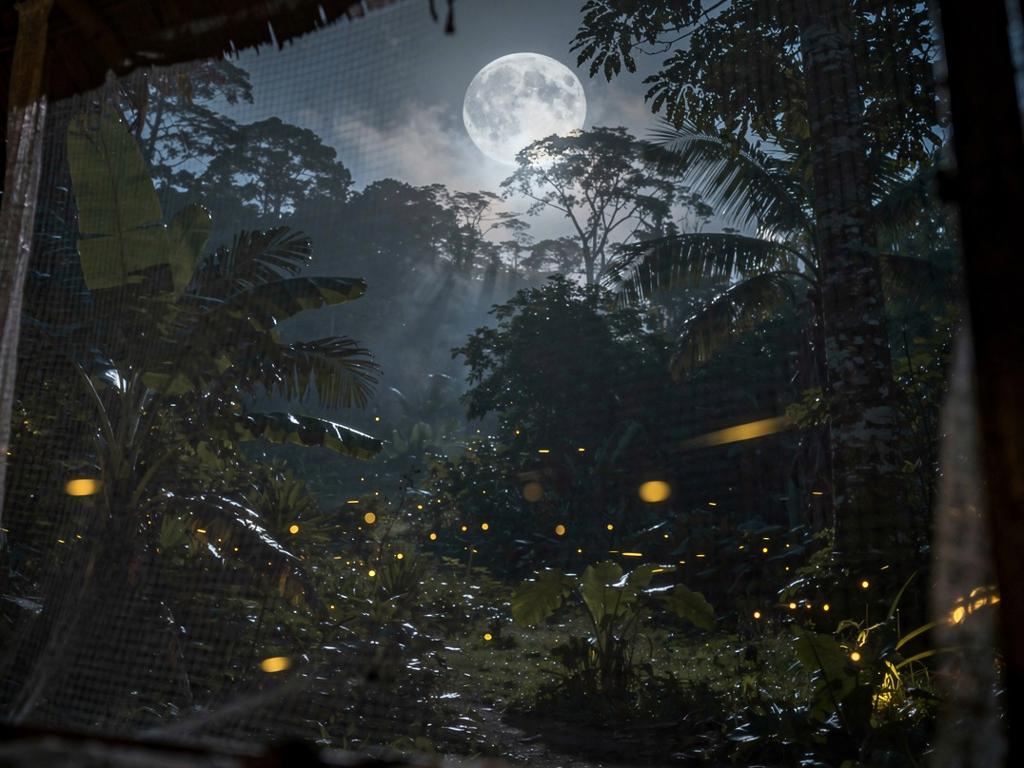
Nobody books an ayahuasca retreat expecting a rough night. You read the testimonials, watch a few YouTube integrations, and picture yourself weeping softly under a mosquito net while your childhood wounds gently unstitch themselves. Then the icaros start, the brew hits, and suddenly you're not floating through ancestral memory — you're on the floor, convinced something has gone terribly wrong, wondering if you just broke your brain. Difficult ayahuasca experiences are more common than the retreat brochures let on. Not everyone leaves a ceremony feeling healed. Some people leave scared, confused, or worse than they arrived. And the strange thing is — a hard journey isn't automatically a failed one, but it isn't automatically transformative either. It depends on what you do next. This is the conversation the plant-medicine world doesn't have often enough, and it's exactly the one you need if you're considering a retreat. The phrase “bad trip” gets thrown around loosely, but in ceremony it can mean several very different things. There's the physically brutal night — hours of purging, tremors, cold sweats, an inability to keep still. There's the psychologically overwhelming night — waves of terror, feeling trapped in a loop, believing you've died or gone insane. And there's the emotionally devastating night — old memories surfacing with a clarity that feels less like insight and more like being flayed. Some people get all three at once. Others report something quieter and stranger — a sense of nothing happening at all, followed by weeks of low-grade dissociation. Ayahuasca doesn't follow a script. The brew works on whatever the master plants decide is ready to move, and readiness rarely matches your travel calendar. Here's the part that surprises first-timers: a night that feels catastrophic in the moment can look completely different six months on. And a night that felt gentle can quietly unravel later. The medicine keeps working long after the ceremony ends. There isn't one reason. There are usually several, tangled together. Understanding them beforehand won't guarantee a smooth ride, but it will help you make sense of what happened if things go sideways. None of this means you did something wrong if your ceremony went sideways. It means ayahuasca is a serious plant medicine, not a wellness accessory, and the container matters as much as the brew. The window immediately after ceremony is where most of the actual work happens — or fails to happen. People who come home and try to slot themselves back into normal life without processing what surfaced often struggle for weeks. Some struggle for years. A rough journey especially demands slow, deliberate integration. That doesn't mean journaling twice and calling it done. It means: People who describe their hard ceremonies as ultimately healing almost always credit the months of work that followed, not the night itself. The ceremony opens the wound. Integration is the stitching. Sometimes it doesn't pass. There's a phenomenon called HPPD — hallucinogen persisting perception disorder — where visual disturbances continue long after a psychedelic experience. It's rare with ayahuasca specifically, but not unheard of. More common are persistent anxiety, insomnia, depersonalization, and intrusive thoughts that echo the ceremony's content. If any of that describes what you're going through weeks after a retreat, please treat it as a real medical situation. Reach out to a psychiatrist familiar with psychedelic aftermath — they exist, and they're increasingly easy to find. Don't white-knuckle it. Don't assume more ceremony will fix what the last ceremony started. Sometimes the medicine needs to be paused, not doubled down on. There's also no shame in deciding ayahuasca isn't your path. The plant-medicine world can develop a strange orthodoxy where every difficult experience must eventually be reframed as a gift. That's not always true. Sometimes a bad night is just a bad night, and the honest response is to close that particular door and try something else. You can't guarantee a gentle ceremony. What you can do is stack the odds in your favor. Retreats vary enormously in how much of this scaffolding they build in. Some hand you a cup and wave goodbye. Others treat preparation and aftercare as the actual work, with ceremony as one intense checkpoint inside a longer arc. The second kind is what you want, and it's worth paying more for. Ayahuasca isn't a therapist. It isn't a substitute for the slow work of healing addiction, grief, or trauma — it's a catalyst that can make that work possible, sometimes dramatically faster than talk therapy alone. But catalysts are indiscriminate. They speed up what's there. If what's there is instability, ayahuasca will speed that up too. That's why the people who come out of hard ceremonies best are usually the ones who arrived with realistic expectations, good preparation, and a plan for the after. They didn't expect the plant to fix them. They expected it to show them what needed fixing, and they showed up for the rest. If you're weighing whether to sit with the medicine — or how to choose a retreat that takes preparation and aftercare seriously — a range of curated ayahuasca retreats can be browsed on our marketplace here. Take your time with the decision. The right retreat, at the right point in your life, is worth waiting for.
Respecting the Medicine: Why Reverence Matters in Psychedelic Ceremony
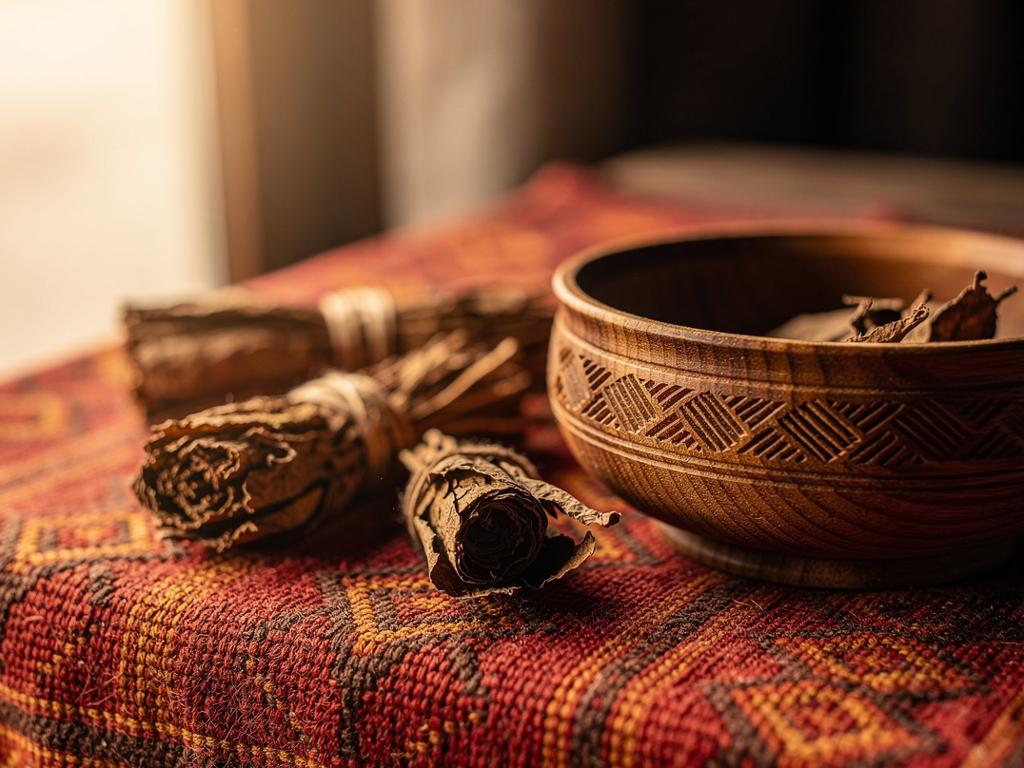
Something has shifted in the psychedelic world over the last few years, and it's not all good news. Ayahuasca, psilocybin, San Pedro, DMT — these medicines are having a moment. Podcasts, celebrity endorsements, glossy retreat brochures. And with the spotlight comes a certain kind of visitor: the person who shows up expecting a spiritual rollercoaster, treats the ceremony like an experience economy transaction, and leaves confused about why it didn't work the way the influencer promised. If you've spent any time around plant medicine circles, you've probably noticed this too. There's a growing gap between the people who approach these substances with reverence and the people who approach them the way they'd approach a music festival. And that gap matters — not just spiritually, but practically. It shapes safety, outcomes, and whether the medicine actually does anything useful for you. Let's clear something up first. Respecting plant medicine doesn't require you to adopt anyone's cosmology. You don't have to believe in spirits, ancestors, or Mother Ayahuasca as a literal entity. Plenty of thoughtful, skeptical people sit in ceremony and get profound results without buying into any particular metaphysics. Reverence isn't about belief. It's about posture. The posture goes something like this: you're about to ingest a substance that will radically alter your perception, dredge up memories you'd rather forget, and possibly leave you weeping in a bucket at 3 a.m. That deserves seriousness. Not solemnity — you can still laugh, still be yourself — but seriousness. The same way you'd take a serious tone before major surgery, or a hard conversation with someone you love. Something real is happening. Contrast that with the mindset of someone who signs up for a ceremony because they saw it on a podcast, took no time to prepare, ate a burger the night before, and expects the medicine to hand them enlightenment like a room-service order. When it doesn't, they blame the shaman, the retreat, the batch. Rarely themselves. Master plants — the term traditional Amazonian practitioners use for teachers like ayahuasca, tobacco (mapacho), San Pedro, and others — are called that for a reason. In the Shipibo and other lineages, working with these plants involves years of dieta, isolation, restriction. The plants are considered sentient teachers with distinct personalities. Whether or not you accept that framework, the practical wisdom encoded in it is worth paying attention to. When someone shows up to a retreat treating ayahuasca like a recreational substance, a few things tend to happen: None of this is theoretical. Ask anyone who facilitates ceremonies regularly and they'll tell you these patterns are constant, especially in retreats that market aggressively to Western audiences. The medicine doesn't punish disrespect the way a jealous god might, but it also doesn't reward casualness. You get what you bring. There isn't one universal protocol, but there are consistent principles across traditions and across facilitators who've been doing this work for decades. If you're weighing your first retreat — or your fifth — these are worth taking seriously. Prepare your body. Most credible retreats will give you a dieta list weeks in advance. No red meat, no pork, no fermented foods, no aged cheese, no alcohol, no recreational drugs, and often no sex for a period before and after. This isn't superstition. Some of it is pharmacological safety around MAO inhibition. Some of it is about approaching the ceremony without a body full of noise. Follow it. All of it, not the parts you find convenient. Prepare your mind. Sit with your intention. Write it down. Not a vague wish like "I want to grow" but something honest and specific — the addiction you can't shake, the grief you've been avoiding, the pattern in your relationships you keep repeating. The medicine works with what you bring. Prepare your calendar. Do not fly home the day after ceremony and jump straight into a work presentation. The integration window is real, and the first two weeks after a ceremony are when the actual rewiring happens. Book a soft landing. Here's a practical angle that gets less attention than it should: reverence keeps you safer. When you treat the medicine as serious, you make better choices around it. You choose a retreat with actual screening protocols instead of the cheapest one you can find on a booking site. You disclose your SSRIs and heart conditions instead of hiding them. You listen when the facilitator says don't leave the maloca alone. Ayahuasca in particular has known interactions with a long list of pharmaceuticals — SSRIs, MAOIs, stimulants, some blood pressure medications. Deaths at ayahuasca retreats, though rare, almost always involve either an undisclosed medical condition, a facilitator without proper screening, or someone treating the ceremony as a novelty. Psychedelic healing has real risks, and the people who take those risks seriously are the ones who tend to walk away with the deepest benefit. The same logic applies to ibogaine, which has genuine cardiac risks and should never be taken without medical supervision, and to 5-MeO-DMT, which can trigger prolonged psychiatric complications in the wrong container. The traditions that grew up around these substances built in protective structures for good reasons. When modern retreats strip those structures away in the name of accessibility, people get hurt. You can tell within about ten minutes of meeting someone how they hold this work. The signs are subtle but consistent. Respectful participants ask questions before they make claims. They defer to the facilitator's judgment about dose. They don't try to impress other participants with tales of previous ceremonies. They sit through their own discomfort without demanding rescue. They also — and this is underrated — respect other people's experiences by staying quiet during ceremony, not projecting their interpretations onto anyone else's process afterward. There's a phrase that circulates in these communities: the medicine gives you what you need, not what you want. It's become almost cliché, but it captures something true. People who arrive demanding a specific outcome tend to leave frustrated. People who arrive with genuine humility — the sense that they don't know what they need, but they're willing to find out — tend to leave changed. None of this means you need to walk on eggshells or perform reverence you don't feel. Fake respect is worse than casual disrespect, honestly. What matters is the underlying orientation: are you here to take, or are you here to meet something? The answer shapes everything that follows. There's another layer to this, and it's uncomfortable. The current wave of Western interest in ayahuasca, psilocybin, and other plant medicines is happening on the back of centuries of practice by Indigenous communities who developed this knowledge, protected it through colonization, and are now watching it get commodified at scale. Some of them are participating in that commodification by choice. Others are being sidelined by wellness entrepreneurs who took two weeks of training and set up shop. Respect, in this broader sense, means paying attention to where the medicine came from, who carries the lineage, and whether the retreat you're considering has any actual relationship with the tradition it's borrowing from. It means being suspicious of facilitators who mix and match cosmologies for aesthetic effect. It means being willing to spend a bit more for a place that pays its Indigenous facilitators properly and reinvests in the communities the medicine came from. You don't have to be an expert on Amazonian ethnobotany to make these distinctions. Ask questions. Read reviews from people who've been. Talk to previous participants. Trust the ones who talk about integration and screening more than the ones who talk about transformation and breakthroughs. Plant medicine is having its cultural moment, and there's no putting the genie back. Millions of people who would never have considered psychedelics a decade ago are now researching retreats for depression, addiction, trauma, or the vague but crushing sense that their life has drifted off course. Most of them will benefit. Some will get hurt. The difference, in a lot of cases, comes down to the posture they bring. If you're one of the people quietly weighing this decision, take the extra week to read, prepare, and ask hard questions before you book anything. For readers who want to take that research further, a range of vetted ayahuasca and plant-medicine retreats can be browsed on our marketplace here. Whatever you choose, choose it slowly. The medicine will still be there when you're ready to meet it properly.
Why Meditation Belongs in Every Psychedelic Retreat Toolkit
Here's something nobody tells you in the shiny retreat brochures: the ceremony is maybe twenty percent of the work. The other eighty is what you do with yourself in the weeks and months that follow — and if you don't have a way to sit quietly with your own mind, a lot of what plant medicine shows you just… evaporates. Meditation is the container that holds the insight. Without it, psychedelic healing tends to leak. I've spent enough time around ayahuasca ceremonies, psilocybin circles, and the people who run them to notice a pattern. The participants who come out the other side genuinely changed — the ones who quit drinking, repaired marriages, actually finished the novel — almost always had some kind of contemplative practice already in place, or they built one fast after their first ceremony. The ones who chased the next big experience without ever learning to sit? They tended to end up in the same loops, just with better travel stories. Strip away the incense and the Sanskrit for a moment. Meditation, in its most basic form, is the practice of noticing what your mind is doing without immediately reacting to it. That's it. That's the whole thing. But that small act, repeated daily, rewires the machinery that keeps most of us stuck in anxiety, addiction, and rumination. Neuroscientists have been poking at long-term meditators for a couple of decades now, and the findings are pretty consistent. Regular practice thickens the prefrontal cortex — the part of the brain that handles emotional regulation and decision-making — and quiets the amygdala, the alarm system that fires when you're triggered. The default mode network, which is the same neural circuit that psychedelics famously disrupt, gets softer and less grippy in experienced meditators. Which is fascinating, because it suggests that meditation and plant medicine are working on the same real estate, just at different speeds. Psychedelics knock the door down. Meditation teaches you how to walk through it every morning without needing a battering ram. Anyone who's sat with ayahuasca more than a couple of times knows the medicine has a way of pointing out what you've been avoiding. Sometimes it's gentle. Often it's not. And when the ceremony ends and you're back home dealing with your job, your family, the traffic, the group chat — the insights you had in the maloca can start to feel like a dream you can't quite reconstruct. This is where a sitting practice becomes non-negotiable. The traditions that gave us ayahuasca understood this instinctively. The dieta, the isolation, the long silent hours — these aren't just about physical preparation. They're contemplative training. The Shipibo, the Shuar, the mestizo curanderos of the Peruvian Amazon all build in structured time for stillness because they know the medicine speaks loudest to a quiet mind. Same story with iboga, San Pedro, psilocybin. The master plants show you the terrain. Meditation is how you learn to walk it when the visionary state is over and you're just a person again, in your kitchen, deciding whether to answer that difficult email. The single biggest mistake people make when they try to build a meditation practice after a retreat is trying to do too much. They come home fired up, sit for forty-five minutes on day one, twenty minutes on day two, five minutes on day four, and then quit by day seven. Sound familiar? Start absurdly small. Here's what actually works: You're not trying to achieve anything. You're not trying to feel blissful. You're building the muscle that lets you notice, in the middle of a craving or a spiral, that you have a choice. That muscle is what turns a psychedelic experience into a permanent change. Integration is the buzzword in plant-medicine circles right now, and for good reason. Most reputable retreat centers will tell you the real work happens in the months after you go home. Some offer integration calls, group Zooms, follow-up workshops. All of that helps. But none of it substitutes for a daily practice you own yourself. Think about it this way. During a ceremony, you might get a clear, blazing vision of what needs to change — the relationship you need to leave, the substance you need to put down, the boundary you finally need to draw with a parent. In the ceremony, that clarity feels like it will last forever. Ten days later, when you're tired and stressed and the old patterns come knocking, that clarity is much harder to access. A meditation practice is the bridge. It's how you keep the channel open to the version of yourself who saw clearly. For people using plant medicine to address addiction specifically, this matters even more. The research on psychedelic-assisted recovery — for alcohol, opioids, tobacco, methamphetamine — is genuinely promising, but the studies that show the strongest long-term outcomes almost always pair the medicine session with ongoing behavioral support. Meditation is one of the cheapest, most portable, most evidence-backed forms of that support you can build. Sitting meditation isn't the only path. Some people genuinely can't sit still at first — often the very people who most need a practice, because trauma tends to live in the body and the body doesn't want to be still with it. If that's you, movement-based contemplative practices can be the door in. Slow walking meditation. Gentle hatha yoga done as meditation rather than exercise. Somatic breathwork with a trained facilitator (though be careful stacking intense breathwork close to a psychedelic ceremony — your nervous system needs recovery time). The point isn't which technique. The point is: are you regularly, deliberately turning attention inward without a screen, without a substance, without a task? If yes, you're meditating, whatever you call it. If you're currently weighing which retreat to book, one useful filter is to look at how the center treats contemplative practice. Places that build silent time into the schedule, that offer a morning sit before breakfast, that pair medicine nights with integration mornings — these tend to be run by people who understand what they're doing. Centers that pack the schedule with back-to-back ceremonies and social activities, with no space to just be quiet, often produce the most dramatic short-term experiences and the weakest long-term results. Ask before you book. What does a non-ceremony day look like? Is there guided meditation? Is silence held at any point? Do facilitators have their own sitting practice, or are they just leading songs and pouring cups? The answers will tell you a lot about whether the operation is oriented toward genuine healing or toward experience-tourism. For readers who want to take this further, a range of curated ayahuasca and plant-medicine retreats — including several that build serious meditation and integration time into their programs — can be browsed on our marketplace here. Whatever you end up choosing, promise yourself one thing before you go: that you'll come home and start sitting. Even five minutes. Especially five minutes. That's where the medicine finishes what it started.
Dreaming of a Psychedelic Retreat?
We have the best deals and offers from thousands of organizers all over the world! Get them into your mailbox every week!
We value your privacy. Your email address will never be shared or published.
