 English
 Deutsch
 Français
 Nederlands
 Español






Reset. Heal. Grow.
How Pregnancy May Quietly Protect Breast Tissue Against Cancer
Here's a fact that's been floating around cancer research for decades: women who've carried a pregnancy to term tend to have a lower lifetime risk of breast cancer. Doctors have known it. Epidemiologists have measured it. But nobody could quite explain why. For years, the working theory blamed hormones — the wild ride of estrogen and progesterone during those nine months supposedly did something protective. Plausible, but incomplete. A new line of research suggests the real story is stranger and more elegant: pregnancy leaves behind a tiny, permanent security detail inside breast tissue itself. Most of us picture the immune system as something that flows — white blood cells cruising through the bloodstream, hunting for trouble. That's part of it. But it's not the whole picture. Certain immune cells actually settle down. They pick a tissue — your gut lining, your lungs, your skin — and they stay there. Think of them less like a roving patrol and more like the neighbourhood locksmith who lives above the shop. They know the territory. They respond fast. They don't need to be called in from headquarters. Until recently, no one had looked closely at whether pregnancy changes this local garrison inside breast tissue. Researchers decided to find out, comparing breast tissue from women and mice who had been pregnant to tissue from those who hadn't. Using single-cell analysis — a technique that lets scientists examine one cell at a time in remarkable detail — they mapped who was living where, and what those cells were doing. The finding is quietly striking. Pregnancy triggers the body to produce a very specific kind of immune cell that takes up permanent residence in the breast. It doesn't circulate. It doesn't wander off. It moves in around mid-pregnancy and stays put long after breastfeeding ends — potentially for decades. Two proteins made by the breast cells themselves — IL-15 and TGF-β — act as the signal that tells these immune cells to develop and stick around. When researchers blocked those signals in the lab, the protective cells never fully formed. The signalling turned out to be essential, not incidental. The mouse experiments were the clincher. When scientists removed these pregnancy-induced immune cells from mice that had been pregnant, the breast tumour protection vanished. And when they flipped the switch the other way — activating the same immune pathway in mice that had never been pregnant — those animals developed the protective cells and the same reduced tumour risk, without a pregnancy ever happening. The word the researchers reached for is anticipatory. Pregnancy seems to prime breast tissue against a threat that may not appear for another twenty or thirty years — cancer that would otherwise develop in middle age or later. It's the immune equivalent of installing a smoke detector when the house is built, on the reasonable assumption that a fire might happen someday. That reframing matters. If the protection comes from a specific, identifiable cell population responding to a specific, identifiable signal, then in principle you could recreate it. You could build the smoke detector without building the house first. That's the door this research pries open — the idea of breast cancer prevention strategies that don't require pregnancy at all. Which is, obviously, a long way off. This is early-stage work. Mouse biology is not human biology, and the road from an elegant mechanism in a mouse to a real preventive treatment in humans is measured in years, sometimes decades. But the mechanism is now on the map, and that's the hard part. A few things worth being clear about, because this kind of finding gets misread quickly: The honest answer to “so what should I do?” is boring. But boring is what works with cancer prevention — the accumulation of unglamorous choices over years. Screening remains the single most reliable tool. Mammograms and clinical breast exams catch cancer early, which is when treatment works best. The right schedule depends on your age, your risk profile, and your doctor's read of both — ask, don't guess. If you have a family history or carry a variant like BRCA1 or BRCA2, that conversation should happen sooner rather than later, and it should include the possibility of enhanced surveillance or genetic counselling. General immune health matters too, though not in the specific way the study describes. Sleep, movement, a diet with actual vegetables in it, reasonable alcohol intake, and stress you can more or less manage — none of these will replicate a pregnancy-primed immune outpost, but they keep the rest of the system running well enough to matter. What I find quietly interesting about this research isn't the potential drug it might produce someday. It's the reframe. The body doesn't just react to threats; it prepares for them, sometimes decades in advance, based on experiences the conscious mind long ago forgot. Pregnancy leaves a mark you can measure at the cellular level thirty years later. That's a strange and wonderful thing to sit with. It also fits a broader pattern that keeps showing up in medicine: the immune system as memory, as anticipation, as a kind of biological wisdom that runs on timescales much longer than the ones we tend to think in. We're used to thinking about the immune system as a firefighter. It might be closer to an architect. None of this is a call to action. It's a small update to the map — a data point that says the body is doing more than we knew, in places we weren't looking. Keep your screenings current, know your family history, and stay curious about what comes next. Prevention isn't a moment. It's a long, quiet accumulation. This site focuses on plant medicine and psychedelic retreats rather than oncology research, but readers interested in broader approaches to healing and long-term wellbeing can browse our marketplace here.

How to Savor Joy and Break the Grip of Negativity: A Meditation Practice
Joy is the emotion we chase hardest and pay attention to the least. Weird, right? We spend years working toward moments we assume will make us happy — the promotion, the trip, the reconciliation — and then, when joy actually shows up, we barely register it before the mind moves on to the next worry. That gap between having joy and actually feeling joy is worth closing. And it turns out you can train yourself to close it. This is a small piece on a small practice — roughly twelve minutes of sitting with yourself and deliberately noticing what feels good. It sounds almost embarrassingly simple. It is. That's part of why it works. Most of us treat joy as a byproduct. Something that arrives when conditions cooperate. But if you look closely at people who seem genuinely well — not performatively cheerful, actually well — you'll notice they've built a habit of catching joy in flight. They pause on it. They let it sink in. That pause is a skill, and skills can be practiced. There's a decent body of research on what psychologists call the negativity bias, our built-in tendency to weight bad news more heavily than good. Evolutionarily, this made sense: the ancestor who fixated on the rustling bush lived to reproduce. The one who kept smelling the wildflowers got eaten. But that same wiring, unchecked in modern life, means we scroll past a hundred small goods to obsess over one small threat. Cultivating joy is a counterweight. Not denial, not toxic positivity — just a deliberate rebalancing of what your attention lands on. When you get better at noticing joy, you also get better at concentrating in general. The mind willingly returns to what feels good, which is a nice hack if you've ever struggled to sit still with your breath. Joy and pleasure aren't the same thing. Pleasure tends to be reactive — something delicious happens outside you and your nervous system responds. Joy runs deeper and, importantly, you can generate it from the inside. A memory of your dog greeting you at the door. The specific quality of light through a kitchen window in October. A song you haven't heard in years suddenly hitting the same nerve it did when you were seventeen. Gratitude is one of the reliable doorways in. So is savoring — the act of slowing down long enough to actually taste an experience rather than swallowing it whole. Both are learnable. Neither requires you to be an especially spiritual person, whatever that would even mean. Here's the thing about savoring: it feels almost indulgent at first. Like you should be doing something more productive. Push through that. The capacity to receive what's already good in your life is not a luxury — it's foundational to everything from mental health to close relationships to, honestly, whether you're pleasant to be around. Readers who arrive at this site are often researching bigger interventions — ayahuasca ceremonies, psilocybin retreats, ibogaine programs, plant-medicine work aimed at addiction, depression, or trauma. Joy cultivation is not a substitute for any of that. But it's a beautiful adjunct, and it's especially useful in the weeks after a plant-medicine experience, when integration is the actual work. Facilitators I've spoken with across the psychedelic and plant-medicine space consistently point to the same pattern: people leave a retreat with genuine openings and then slowly close back down over the following months. What predicts whether the shift holds isn't the intensity of the ceremony — it's whether the person builds small daily practices that keep the nervous system oriented toward openness. Savoring joy is one of the cheapest, most portable ways to do that. You don't need a maloca or a shaman to sit for twelve minutes and remember what makes you feel alive. You do need to actually sit down. Give yourself twelve minutes and somewhere reasonably quiet. Phone off. Timer if you want one, but don't overthink it. If you fall asleep, you were tired. Try again tomorrow. A few honest notes from doing this practice yourself and hearing others describe it: Twelve minutes a day is a modest ask, and even that will slip some weeks. The bigger shift is starting to notice joy in the wild — the two seconds when your kid laughs at something dumb, the way your shoulders drop when you walk into your own kitchen, the first sip of something hot on a cold morning. Pause on those. Two extra breaths of attention is often all it takes to move a moment from unregistered to remembered. People coming out of intensive plant-medicine work sometimes describe their post-retreat life as a series of small choices: whether to soften, whether to notice, whether to receive. Joy practice is one of the ways you make those choices repeatable. It's not the ceremony. But it might be what makes the ceremony matter six months later. If you're circling the question of whether a deeper healing experience makes sense for you — plant-medicine work for addiction, trauma, or the sense that something in your life is stuck — that's a bigger conversation and worth taking seriously. For readers who want to look further in that direction, a curated selection of plant-medicine and meditation-focused retreats can be browsed on our marketplace here. In the meantime, twelve minutes and a memory of something that made you smile is a reasonable place to begin.

Emotional Sobriety in Addiction Recovery: Why Staying Clean Isn't the Whole Story
Here's the thing nobody tells you when you first get sober: not drinking, not using, not bingeing — that's the easy part. Well, easy is the wrong word. It's the visible part. The measurable part. The part you can count days on. What comes next is quieter, harder to name, and doesn't fit on a chip. It's called emotional sobriety, and it's the piece of addiction recovery that most people don't hear about until they're deep in it. If you're researching plant medicine — ayahuasca, ibogaine, psilocybin — as a path out of addiction or a stuck pattern, this concept matters more than almost anything else you'll read. Because psychedelic healing without emotional sobriety is just a very expensive weekend. The phrase sounds a bit lofty at first. I remember hearing it years ago and thinking it belonged to people who lived on mountains and could sit cross-legged for six hours without their knees complaining. Monks. Meditation teachers with soothing podcast voices. Not people like me, and probably not people like you. But strip the mysticism away and it's pretty simple. Emotional sobriety is the ability to feel what you're feeling — anxiety, grief, boredom, rage, restless craving — without immediately reaching for something to make it stop. That something used to be the drink, the pill, the powder, the food, the person. Now it might be your phone. Or scrolling. Or overworking. Or picking a fight with your partner because at least a fight is a feeling you know. The substances change. The escape hatch stays the same shape. There's an old saying in the rooms: if it's hysterical, it's historical. Meaning — when your reaction to something is bigger than the thing itself, you're not actually reacting to what's in front of you. You're reacting to something that happened a long time ago, wearing today's clothes. I've watched this play out in a hundred people. A partner comes home twenty minutes late and you spiral into a full-body panic. A friend doesn't text back and you're suddenly seven years old again, standing in a doorway wondering why nobody's coming. The nervous system doesn't check the calendar. It just runs the old program because the old program kept you safe once. This is where a lot of people in recovery get stuck. They've stopped the substance. They've done the meetings, the therapy, the workbook. And they still get emotionally hijacked in a way that feels completely disproportionate to what's happening. Then they feel ashamed about it, because aren't they supposed to be better by now? They're not broken. They're just meeting old material without the anesthetic they used to have. This is where ayahuasca, psilocybin, and the other master plants get interesting for people in recovery — not as a shortcut, but as a way of finally seeing the old material clearly. Ayahuasca, in particular, has a reputation among people working with addiction because it doesn't let you look away. It shows you the scenes you've been avoiding, sometimes with such vividness that decades of denial collapse in a single night. The Amazonian tradition calls ayahuasca and its companion plants master plants for a reason. They teach. They don't fix. A good ayahuasca ceremony can crack open an insight that ten years of talk therapy circled around. Ibogaine, used carefully in medically supervised settings, has helped people interrupt opioid dependence in ways nothing else has matched. Psilocybin trials for alcohol use disorder are showing results that make researchers who've been in the field for thirty years raise their eyebrows. But — and this is the part the retreat brochures sometimes gloss over — the ceremony is not the recovery. The ceremony is the crack of light. What you do in the weeks and months after, how you integrate what you saw, whether you build the daily practice of sitting with your own weather — that's the recovery. Plant medicine for addiction works best when it's understood as one chapter, not the whole book. So what does someone building emotional sobriety actually do? Not in theory, but on a Tuesday when they're anxious and bored and the couch is looking at them funny? A few things that seem small and turn out not to be: None of these are dramatic. That's the point. Recovery isn't dramatic. It's small, boring, repeated choices that eventually change the shape of your nervous system. You can be years off the substance and still emotionally un-sober. This is the piece I wish someone had told me earlier. It shows up as: Recognize any of those? Most of us would, honestly. The difference for people in recovery is that the pattern underneath is more urgent. If you don't build the capacity to be with yourself, the pressure eventually finds an exit — and it's rarely a good one. If you're weighing a psychedelic retreat because you're tired of the emotional treadmill, a few honest questions worth sitting with before you book anything: The people I've watched get the most out of ayahuasca and other plant-medicine work are almost always the ones who were already doing the daily practice before they arrived. They sat. They journaled. They went to meetings or therapy. The ceremony added rocket fuel to something already in motion. It didn't build the vehicle from scratch. Emotional sobriety, in the end, comes down to something almost embarrassingly small. It's the half-second between the trigger and the reaction. The tiny gap where you notice you're about to reach for the phone, the drink, the fight, the food — and you get to choose differently. Not perfectly. Not every time. Just often enough that a new pattern starts to lay itself down. Meditation builds that gap. Plant medicine can widen it dramatically for a while. Community and honest conversation keep it open. All three together, in some combination that fits your life, is what long-term recovery actually looks like from the inside. If you're at the point where you're seriously considering a plant-medicine retreat as part of your own work with addiction, depression, or the deeper patterns underneath, a range of ayahuasca and psychedelic retreats oriented toward healing and recovery can be browsed on our marketplace here. Take your time choosing. The right one is worth waiting for.
Why Leg Day Predicts Bone Health: What a New Study of 251 Adults Reveals
Skipped squats again? Here’s a reason to reconsider that has nothing to do with how your jeans fit. A recent study suggests that the strength in your legs might be one of the clearest signals of how sturdy your skeleton actually is — and that link holds whether you’re a college sophomore or pushing eighty. Published in Medicine & Science in Sports & Exercise, the research followed 251 adults across a startlingly wide age range and found that lower-body strength consistently tracked with hip bone density. Not weight. Not body fat. Strength. That’s a small but important distinction, and it changes how we should think about training for the long haul. The team recruited 149 women and 102 men, ranging in age from 18 to 85. To measure strength, participants performed a one-rep max leg press — the heaviest weight they could push a single time. For bone density, researchers used DXA scanning (dual-energy x-ray absorptiometry), which is the gold-standard imaging tool for measuring skeletal density at the hip and lumbar spine. The setup is refreshingly simple. No fancy biomarkers, no expensive lab panels. Just: how much can your legs push, and how dense are your bones? Then they crunched the numbers against age, sex, and body composition to see what actually predicted what. The result: leg-press strength was tightly linked to hip bone density across the entire sample. The connection held up even after accounting for age and body fat. Heavier people didn’t necessarily have denser bones. Stronger people did. When your quads and glutes fire hard during a squat or a leg press, they yank on the bones they’re anchored to. Bone is living tissue, and it responds to that mechanical stress by laying down more material, becoming denser and more resistant to fracture. It’s a use-it-or-lose-it system, and the hip in particular seems to answer the call when you load it through heavy compound movements. This is why the study’s strongest signal showed up at the hip. That joint sits at the crossroads of nearly every serious lower-body lift you can name. Squats, deadlifts, lunges, step-ups — they all transmit force through the femur and into the pelvis. Do that repeatedly with meaningful load, and the bone adapts. Impact-based movement like jumping appears to add another layer of stimulus, though the primary driver in this study was straightforward heavy resistance work. Nothing exotic. Nothing you couldn’t do at a decent gym. Here’s the part that surprised me. The link between leg strength and hip bone density didn’t just show up in the older participants — it was actually stronger in the younger ones. That flips a common assumption on its head. Most people file bone density under “stuff to worry about after 60.” But the researchers essentially found that the foundation you build in your twenties, thirties, and forties is doing enormous heavy lifting (pun intended) for what your skeleton will look like decades later. Peak bone mass is generally set by your early thirties. What you do before that determines the ceiling. What you do after determines how gracefully you descend from it. Translation: leg day matters when you’re 25, even if nothing hurts and osteoporosis feels like a distant abstraction. Maybe especially then. The study also flagged something worth taking seriously if you’re a woman reading this. Age-related declines in spinal bone density were clearly visible in the female participants but not in the male ones — a pattern that lines up with what we already know about how perimenopause and menopause accelerate bone loss due to falling estrogen levels. For women approaching or moving through that transition, the takeaway is direct: building and maintaining lower-body strength isn’t vanity work. It’s protective infrastructure. You’re essentially investing in a buffer against the accelerated loss that hormonal shifts can bring. The earlier you start, the bigger the buffer. Interestingly, the researchers also noted that spinal bone density readings in older men may be less reliable as a general health marker — degenerative changes in the spine can artificially inflate the numbers. For men, hip density seems to be the more honest measurement. You don’t need a powerlifting meet on your calendar to reap the benefits. What matters is progressive overload — gradually increasing the demand on your muscles so your bones keep receiving the signal to reinforce themselves. Same weight forever means same bones forever, roughly speaking. The exercises that seem to do the most for hip bone density are the ones that load the pelvis heavily through a full range of motion: The general pattern in the research: heavier loads and lower reps tend to outperform light weights with high reps when the goal is bone density. Two to three sessions a week seems to be the sweet spot in most of the literature. And honestly? Consistency beats intensity every time. A moderate routine you actually do for three years will build more bone than a punishing program you quit in six weeks. People who come to this kind of research are usually already thinking about the long arc of their health — not just how they feel next week, but how they’ll move and function in twenty years. That same long-view thinking shows up in a lot of the readers who explore contemplative retreats, breathwork, and plant-medicine work. It’s all connected: the body you inhabit is the vehicle for every other kind of experience you’re trying to have. Strong legs, dense bones, a nervous system that can handle stress, a mind that can sit with itself. These aren’t separate projects. They’re one project with different entry points. If you’re investing in your inner life, it’s worth investing in the frame that carries it too. If broader wellness retreats — the kind that pair movement, nutrition, and contemplative practice — are on your radar, a curated selection of health and wellness retreats can be browsed on our marketplace here. And the honest, unglamorous work of leg day is something you can start today, no plane ticket required. It’s never too early. It’s definitely not too late.

Endurance, Recovery, and Mindset: What Elite Athletes Teach Us About Wellness
There's something about watching an elite endurance athlete work that rewires how you think about your own body. Not in a comparison way — most of us aren't running 50-mile trail races on a Tuesday — but in the small, unglamorous way. The way they eat breakfast. The way they wind down. The way they treat rest like it's part of the work, not a break from it. Recently, I've been thinking a lot about what those routines actually look like, especially in the context of health, recovery, and the kind of long-view wellness that doesn't burn you out by age 40. Endurance athletes — cross-country skiers, ultrarunners, long-distance cyclists — tend to figure this stuff out earlier than the rest of us, because they have to. Their bodies won't let them fake it. So let's talk about what a genuinely holistic wellness routine looks like when you borrow from the people who've made it their profession. Not the Instagram version. The actual version. Here's a thing most people don't realize until they start pushing their own limits: the training isn't what makes you stronger. The recovery is. Training is the stimulus. Recovery is the adaptation. Skip the second one and you're just accumulating damage. Ultrarunners and cross-country skiers understand this in their bones. Their sport punishes them for cutting corners on sleep, hydration, mobility work, and food. So they build routines that respect the whole system — nervous system, muscles, joints, gut, mind — not just the parts they can flex in a mirror. That mindset translates surprisingly well to the rest of us. You don't need to be training for anything specific to benefit from thinking about your day as a cycle of output and repair. Most burnout — the real, ambient, low-grade kind — comes from ignoring the repair half. A lot of wellness advice about breakfast is either dogmatic or vague. Endurance athletes tend to be neither. They eat like they know exactly what they're asking their bodies to do that day, because they do. The pattern that shows up again and again: a real meal, early, with all three macronutrients present. Carbs for the working muscles. Protein for the tissue repair that's still finishing from yesterday. Fats for the slower, steadier energy that carries you through the middle of the day without a crash. A common version looks like a smoothie bowl built around a good protein source, topped with nuts, seeds, and something like dried coconut or berries. Or homemade muffins with oats, banana, and nut butter — the kind you can grab when you're heading out the door. The specifics matter less than the principle: eat something that's actually assembled from food, not something that arrived in a foil wrapper with a marketing budget. None of this is exotic. It just requires deciding, once, that breakfast is worth ten minutes of actual attention. Something worth stealing from endurance athletes: they don't treat the workout as a discrete event. The workout is the middle of a longer arc that includes warm-up, mobility, hydration, and — this is the part most people skip — deliberate cool-down. Before a run, a lot of experienced athletes spend ten or fifteen minutes on unglamorous stuff. Foot and toe mobility. Foam rolling the calves and shins. Some light hip work. It looks boring. It's the difference between running for another twenty years and blowing out a knee at 45. The takeaway for the rest of us isn't that we need to foam roll for an hour every morning. It's that the framing of a workout should include what happens on either side of it. A five-minute mobility routine before a walk, a stretch and a glass of water after — these small compounds accumulate into a body that still feels like your own in a decade. Here's a reframe I think about often: recovery doesn't start when you close your eyes. It starts when you decide to let the day end. Most people fight their nervous system right up until they're horizontal, then wonder why sleep feels shallow. Endurance athletes tend to build a runway. An hour of intentional slowing down. A few minutes of gentle stretching. A shower. Dim lights. Something warm to drink that isn't caffeine. Some of the practices that show up in these routines: None of it is magic. But together it signals to the body that the day is done, and the body responds by actually letting go. That's the whole game. Endurance is at least half mental. Anyone who's tried to run for more than an hour knows this. The body will keep going long after the mind has started negotiating for an exit. The techniques elite athletes use to get through this — visualization, breath control, breaking a huge task into tiny sequential pieces — aren't reserved for people with medals. They work just as well for a hard workweek, a difficult conversation, or the slow grind of healing from something. Visualization in particular is underrated. Spending a few minutes imagining yourself moving through a challenge — calmly, competently, one step at a time — reliably lowers the anxiety spike when the actual moment arrives. It's not woo. Sports psychologists have been quietly using it for decades. The other mental habit worth borrowing: presence. The best endurance athletes I've talked to describe races not as a countdown to the finish line, but as a sequence of small right-nows. Where are my feet. How's my breath. What does this mile need. That's a portable skill. It works for a marathon. It works for a Tuesday. The last thing worth mentioning — and probably the most important — is that people who sustain a healthy, active life over decades don't do it alone. They have training partners, teams, coaches, communities. The social scaffolding is doing quiet work under the surface of everything else. This is one of those findings that keeps showing up in longevity research and gets underplayed because it doesn't sell products. But the evidence is consistent: people embedded in supportive communities live longer, recover faster from illness, and report higher wellbeing across almost every measure. You can eat perfectly and sleep eight hours a night, and still miss the biggest lever if you're isolated. Values also seem to matter. Athletes who tie their training to something larger than personal metrics — environmental advocacy, mentoring younger athletes, giving back to a sport that shaped them — tend to describe more sustained motivation and less burnout. Meaning is a performance enhancer. It just doesn't come in a bottle. You don't have to be an ultrarunner to benefit from thinking like one. The principles scale down: fuel your body with intention, treat recovery as part of the work, prepare your mind before the challenge arrives, and build the kind of community and purpose that carries you when motivation runs thin. For readers who are curious about the more contemplative, integrative side of this — retreats focused on meditation, breathwork, and holistic wellness practices — a range of options can be browsed on our marketplace here. Sometimes the biggest gains in how we feel come from stepping outside the daily rhythm long enough to reset it. Whatever your version of endurance looks like, the through-line is the same: pay attention to the whole system, and it will keep carrying you further than you thought it could.
Craving More Stories?
Join our ShopAyahuascaRetreats newsletter for the latest updates on thrilling
destinations and inspirational tales, delivered straight to your inbox!
We value your privacy. Your email address will never be shared or published.

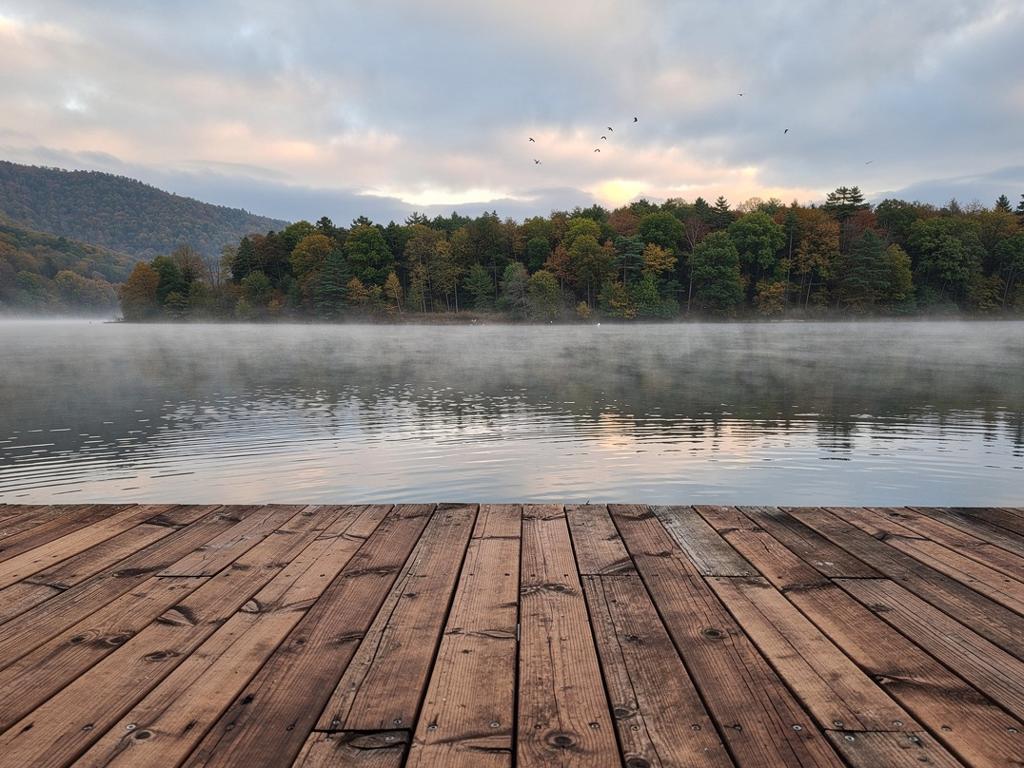
Can Exercise Rewire Stress Eating? What New Research Actually Suggests
Here's something worth chewing on: the way you handle a hard day at 9pm — the fridge run, the second bowl of pasta, the bag of chips that vanishes before you notice — may have less to do with willpower and more to do with what you did that morning. Or didn't do. A recent piece of research out of China points to a link between how much people move their bodies and how often they reach for food when they're not really hungry, and the mechanism behind it is more interesting than the usual “burn more, eat less” story. This matters for anyone reading about plant medicine, addiction recovery, or the long tail of integration work after a ceremony. Stress eating is one of those quiet compulsions that rarely gets named in ceremony circles, but it sits in the same neighborhood as other soothing behaviors — the pour of wine, the doom scroll, the joint at sunset. Understanding what actually reduces the pull toward food-as-medicine has real weight if you're trying to change your relationship with any of it. The study surveyed close to 3,000 university students — a demographic that lives inside a pressure cooker of exams, sleep deprivation, uncertain futures, and cheap late-night food. Rather than just asking whether people exercised and whether they stress ate, the researchers dug into the psychological plumbing between the two. Specifically, they were curious about how coping style and emotion regulation might sit in the middle of that relationship. The finding, in short: students who moved more tended to emotionally eat less. But — and this is the part that matters — the connection didn't run in a straight line. Exercise didn't directly suppress the urge to eat. It changed something upstream. It changed how students met stress and processed uncomfortable feelings in the first place, which meant fewer of those feelings ended up parked in the pantry. Two psychological variables did most of the heavy lifting. The first was coping style. People who exercised regularly were more likely to face stressful situations directly — solving problems, asking for help, reframing what a setback actually meant. They were less likely to lean on avoidance or self-blame, which are the two flavors of coping most likely to drive you to the kitchen at midnight. The second was emotion regulation. Regular movers tended to work through difficult feelings rather than clamp down on them. Instead of forcing a neutral face while resentment simmered underneath (a habit called expressive suppression, and it's exhausting), they were more likely to mentally reappraise the situation — to genuinely see it differently. When emotions get processed instead of stashed, food loses some of its job description. Across every variable the researchers looked at, physical exercise showed the largest single effect on emotional eating. Bigger than coping style on its own. Bigger than emotion regulation on its own. Movement, it seems, upgrades the software that runs both. Ayahuasca, psilocybin, ibogaine, master plants in general — the healing conversation around these medicines almost always circles back to the same word: integration. What you do in the weeks and months after ceremony is what determines whether the insight sticks or dissolves. And integration is not a mystical practice. It's mostly the boring, human work of learning to sit with hard feelings without immediately reaching for a numbing agent. Emotional eating is one of the most common numbing agents on the menu, especially for people who've traded in bigger substances. I've seen more than a few retreat alumni quit drinking cleanly after a ceremony only to find themselves face-down in ice cream three months later, confused about why. The pattern didn't disappear. It just changed its outfit. This is where regular movement earns its place in a post-ceremony toolkit. Not because it burns calories. Not because it makes you look like the person in the retreat's marketing photos. Because it trains — quite literally, at the level of your nervous system — the exact skills you need to keep growing after the medicine wears off. Think about what a consistent movement practice asks of you. You have to set an intention. You have to show up when you don't feel like it. You have to breathe through discomfort in the service of something you can't see yet. Sound familiar? It's the same posture ayahuasca asks of you at 2am when the visions get uncomfortable and you still have four hours to go. Exercise is rehearsal for hard things. Each session is a small, controlled dose of stress that you choose, meet, and metabolize. Over time, that rehearsal changes how you respond to the uncontrolled stresses — the argument, the bad news, the anxious spiral at midnight. You start to trust that you can be uncomfortable and still be okay. Which is, frankly, the whole insight most people limp home from ceremony trying to remember. The frame worth stealing from this study is that exercise isn't primarily a tool for controlling your body. It's a tool for expanding your capacity to handle hard things. The stress-eating benefit is a downstream consequence of that larger shift. If you're building or rebuilding a life after a psychedelic experience, or you're weighing a retreat and thinking about what the after will look like, here's a way to translate the research into something you can actually do. Emotional eating gets moralized to death, which is part of why it's so sticky. If you carry shame about it, every episode reinforces the loop — you feel bad, you eat to soothe the bad feeling, you feel worse for eating, repeat. Ceremony can crack that loop open for a night. It rarely closes it permanently on its own. What tends to close it, over time, is a combination of things: some medicine work if that calls to you, some form of consistent embodied practice, some honest self-inquiry, and the slow accumulation of evidence that you can feel a hard feeling all the way through without needing to fix it with food. Exercise happens to be one of the most accessible ingredients in that mix. It's free-ish, it's legal everywhere, and the research keeps stacking in its favor. None of this replaces the deeper work some people find in traditional plant-medicine settings. For readers whose stress eating sits alongside heavier patterns — addiction, complex trauma, long-standing depression — a well-run retreat with proper preparation and aftercare can be a genuine turning point. If that resonates, a range of curated ayahuasca and plant-medicine retreats can be browsed on our marketplace here. And whatever you decide about ceremony, put on your shoes tomorrow morning and walk for fifteen minutes. Your nervous system will notice.

Walking Grief Home: Six Companions for Living With Deep Loss
The world doesn't end when someone you love dies. But it loses its shape. The kettle boils. The mail arrives. Somehow the coffee shop on the corner keeps being open at the usual hours, which feels almost offensive. And meanwhile you're standing in your kitchen at 3pm wondering why your legs feel like they belong to somebody else. Grief is disorienting in a way that's hard to prepare for. Time turns rubbery. Familiar rooms feel unfamiliar. You reach for the phone to call them before remembering — again — that you can't. In these early weeks and months, what most of us want isn't advice or a five-step plan. We want something steady to walk beside us. Not a fixer. A companion. After years of sitting with grieving people — in clinical rooms, in hospice settings, in the strange in-between spaces where families gather after a death — I've stopped thinking of grief as a problem to solve. It's a relationship. Something you tend, not something you finish. And mindfulness, when it's the real thing rather than the wellness-app version, gives us a way to tend it without abandoning ourselves. Here's the thing most people get wrong about mindfulness: they think it's about becoming calm. It isn't. Calm is sometimes a byproduct, sure, but the actual gift is capacity — the ability to stay close to what's true even when what's true is unbearable. Grief-work in a mindful key isn't about “getting over” anything. It's about learning to walk with what happened. And in that walking, six inner companions tend to show up — not in order, not on schedule, but reliably, if you make room for them. I've come to call them Presence, Grace, Memory, Becoming, Belonging, and Trust. They circle and overlap. Some days one leads. Other days another. Together, they teach you how to inhabit a world that's been reshaped. Presence isn't passive. It's the wholehearted “yes” to whatever's actually here, even when what's here is awful. It asks one thing: allow this moment to be this moment. Grief isn't a single feeling. It's a whole crowd of them — sorrow, rage, numbness, weird bursts of laughter, exhaustion that goes to the bone, longing so sharp it takes your breath. Most of us try to manage all this the way we manage everything: by tightening, organizing, scheduling, controlling. And grief doesn't respond to any of that. It shows up on its own timing, with its own agenda. The first act of presence is permission. Permission to feel every last bit of it — not because feeling will fix anything, but because it's honest. E.L. Doctorow once described writing a novel as driving at night: you can only see as far as the headlights, but you can make the whole trip that way. Grief is like that too. You don't need to see the whole road. You just need to be honestly present for the next few feet of it. If presence is how you show up for life, grace is how life shows up for you. It's quiet. Nobody puts it on a highlight reel. But if you pay attention, you notice it constantly in the middle of grief. You don't manufacture grace. You receive it. A friend who doesn't try to talk you out of your sadness. The unexpected release of a long exhale. A stranger holding the door a beat longer than necessary. The dog leaning her weight against your leg. None of it erases the pain. But it reminds you, over and over, that you're not entirely alone inside it. Grace opens a little breathing room inside the ache. Given time, it helps you weave the loss into the fabric of your life — not as something to conquer but as something that widens you, softens you, makes you more tender toward everyone else who's ever loved and lost. Which, of course, is everyone. Grief moves in waves. Not the neat, predictable waves of a calm shore — the wild, uneven surges of a winter ocean. A song comes on in a grocery store and you have to put down your basket. The particular light of an October afternoon. Their handwriting on an old birthday card. Any of it can knock you flat months, years, decades later. These waves aren't setbacks. They're not proof you're “doing grief wrong.” They're love, still moving, still trying to find its shape in a world that's been rearranged. Memory is also the doorway to what grief researchers call the continuing bond. Love doesn't end when a life ends — it changes form. As presence steadies you and grace softens you, memories begin to shift too. What used to shatter you might, one day, arrive with warmth as well as sorrow. You catch yourself talking to them in the car. You use a phrase they used. You ask, silently, what they would have thought. This isn't denial. It's the way love keeps traveling. At some point — usually so quietly you miss the exact moment — something inside starts to shift. Not because the sorrow has shrunk, but because your heart has begun to expand around it. This is Becoming: the slow integration of the loss into who you are. Becoming doesn't ask you to forget. It asks you to remember differently. To let love have as much room as loss. It's not a stage you graduate from. Some days feel spacious and workable. Other days, the ache is right there, fresh as ever. Both are part of the process. Becoming honors clarity and confusion, forward motion and the days you can't get out of bed. It's not the end of grief. It's the beginning of a different relationship with it. Death shakes your sense of belonging in ways that take a while to name. The world feels foreign. You feel foreign in it. Old rooms don't fit. Old routines feel like costumes. Belonging isn't lost, though — it's changing. Over time you notice that belonging isn't something other people hand you. It's a quiet awareness that you're here, alive, held up by the ground beneath you. It grows out of how you treat yourself and how you engage with the world that's still turning. Sunlight through a window. The first sip of tea in the morning. The smell of pine after rain. The steady presence of hills on the horizon. These small acts of noticing add up to a new sense of place. The continuing bond with the person who died becomes part of that belonging too. Their influence lives on in the way you make decisions, the phrases you use, the values you carry forward. You're still part of a story. It's just a different story than the one you were expecting. Grief eventually asks you to trust something you can't yet see. Trust arrives when you begin to sense — not intellectually, but in your bones — that your heart is bigger than the loss. Not because the loss is small. Because the heart is genuinely vast. It can hold sorrow and love at the same time. It can hold the person who's gone and the person you're becoming. Trust isn't the absence of pain. It's the recognition that pain isn't the only thing in the room. Over months and years, trust reveals a kind of sturdiness you didn't know you had — a Kintsugi of the heart, where the broken places have been repaired and traced with gold. The cracks are still there. They're part of what makes you, you. And they catch the light in ways they never could before. Notice what this isn't: a linear sequence, a set of boxes to check, a five-step method with a certificate at the end. The six companions don't queue up politely. They circle. They overlap. They arrive out of order and sometimes all at once. Walking grief home isn't about arriving somewhere new. It's about learning to live here — in this life, the one that's actually unfolding — with a heart wide enough to hold both love and loss without collapsing under the weight. Try this the next time grief crests over you unexpectedly, which it will: Not because it's easy. Because it's true. Sometimes the six companions, honest as they are, aren't enough on their own. Grief that gets frozen — grief that ossifies into depression, addiction, or a kind of numb, gray flatness that swallows years — sometimes needs more direct intervention. This is where a lot of people I've spoken with have quietly begun exploring plant-medicine work: psilocybin, ayahuasca, or well-facilitated retreat settings designed specifically for bereaved and traumatized people. I mention this carefully, not as a prescription. These paths aren't for everyone, and they carry real considerations around preparation, screening, and integration afterward. But for some, a well-held ceremony can do what years of talking couldn't — soften the armor around a grief that has calcified, and let love flow again in both directions. If any of that resonates with where you are, a range of grief-aware plant-medicine and integration-focused retreats can be browsed on our marketplace here. Whatever path you walk, the invitation is the same. Not to get over your loss. To learn, slowly, how to belong to your own life again — the one that's still unfolding, still quietly asking you to show up for it.

Play as Medicine: How Adult Playfulness Rewires a Depression-Prone Brain
Somewhere around your late twenties, play stops being a verb and becomes a suspicious noun. It gets shelved next to vacation and hobby — nice ideas, technically permitted, but always after the important stuff is finished. Which, if you've noticed, is never. That instinct to postpone play is worth questioning, because a growing pile of research says it might be one of the more accessible antidepressants sitting inside the human nervous system. Not a metaphorical one. An actual, brain-changing, mood-shifting mechanism you already own and probably underuse. And for anyone reading this while quietly considering an ayahuasca retreat, a psilocybin container, or some other plant-medicine journey to break out of a long stuck patch — this matters more than you'd think. What you do between ceremonies (or before you ever sit in one) shapes whether the shift lasts. Play, as unserious as it sounds, is part of that scaffolding. Play isn't a scheduled activity. It's a state — loose, curious, engaged in something you chose freely because it interests you, not because it produces anything measurable. A game of pickup basketball counts. So does noodling on a guitar you can't really play, drawing badly, walking a new route home for no reason, or sitting on the floor building something with a kid. What it isn't: doomscrolling, most social media, watching your fantasy team stats, or anything you're doing while also monitoring three notifications. Passive consumption isn't play. Neither is anything you're doing to optimise, brand, or later post about. If the activity has a KPI, it's work in a costume. The honest test — does this thing feel a little pointless in the best way? If yes, you're onto something. There's a body of research going back decades, some of it famously coming out of UC Berkeley with rats in what researchers called enriched environments — cages full of toys, tunnels, other rats to interact with. Rats raised in those environments developed thicker cerebral cortexes and outperformed their bored counterparts on learning tasks. Rats in barren, isolated cages? Cortical thinning. Slower learners. Not thriving. You are not a rat. But the mechanism travels. Human brains are shaped by cues in the environment — what surrounds us, who's around us, what our days actually consist of. When those cues invite engagement, curiosity, and social warmth, the nervous system settles into a mode that neuroscientists tend to associate with resilience: more prefrontal engagement, better vagal tone, lower baseline cortisol. When the cues are grey and repetitive and lonely, the opposite happens. Depression is, among many other things, a slow starvation of the nervous system for novelty and warmth. Play delivers both. It reduces stress hormones, releases dopamine and endogenous opioids, and — crucially — it teaches the brain that safety and pleasure are still available. For someone climbing out of a depressive episode, that reminder isn't small. It's a foothold. If you're researching an ayahuasca ceremony, an ibogaine program, or a psilocybin retreat as part of a broader effort to shift depression, addiction, or trauma patterns — this section is for you. Plant medicines can crack open a window. What most experienced facilitators will tell you (and what a lot of first-timers don't fully appreciate until afterward) is that the window closes if the life you return to has no room for the version of you that just showed up. Integration — the unsexy, essential work that happens after the ceremony — is largely about slowly reshaping daily life so those insights have somewhere to live. Play is one of the most reliable integration tools I know of, and almost nobody talks about it. Ceremonies can leave you softer, more childlike, more curious. If you march back into a life of 60-hour weeks, no friends, and no lightness, that softness gets buried within a fortnight. If instead you start protecting a couple of hours a week for something you do purely because it's fun — drawing, dancing, cooking without a recipe, playing music badly, wandering — you're literally giving the neural changes room to settle. The same is true in reverse. Preparation matters. A person whose baseline includes playfulness, curiosity, and social warmth tends to have easier, more productive ceremonies than someone who arrives brittle and depleted. If a retreat is still months away, start there. Fine, you're convinced play is good. Now the harder question: how do you bring it back when your brain has spent years telling you it's a waste of time? A few things that tend to work, drawn from what I've seen with retreat attendees and clients over the years: Here's the uncomfortable part. In most of the industrialised world, we've built cultures that treat play as a luxury or, worse, a moral failing. Working late is admirable. Taking a Wednesday afternoon off to go to a museum alone is suspicious. This isn't accidental — economies benefit from workers who don't ask too many questions about how they're spending their one life — but it's poison for the human nervous system. Plant medicines often bring this into sharp focus. People come out of ceremonies asking, with real bewilderment, why have I been living like this? Part of the answer is that the culture around them made grinding feel virtuous and lightness feel indulgent. Reclaiming play is, in a quiet way, a small rebellion. It's also one of the things that keeps the changes from a retreat from evaporating. If you're not sure where to begin, try this: think back to what you loved doing at age nine or ten, before the world had convinced you it was silly. Whatever comes up — building things, drawing, being outside, animals, tinkering with machinery, telling stories — that's a signal. Not a prescription, but a direction. The nine-year-old version of you had access to something the adult version has been trained out of. Some of what psychedelic and plant-medicine work does is put you back in touch with that person. You don't need a retreat to start playing. But if you're already considering one — especially for depression, addiction, or the kind of chronic stuckness that talk therapy hasn't quite budged — building playfulness into your life beforehand is one of the best investments you can make in the outcome. For readers who feel ready to take that step, a range of curated ayahuasca and plant-medicine retreats can be browsed on our marketplace here. Start small. Notice what makes you laugh this week. Then do more of that.
Ultra-Processed Foods and Your Metabolism: What the Latest Research Reveals
Here's something worth sitting with: every packaged snack, every drive-through meal, every neon-colored energy drink leaves a trace. Not in some hand-wavy “you are what you eat” way — literally, chemically, in your bloodstream. Researchers can now measure it. A sweeping European study pulled apart the blood chemistry of thousands of adults and found that people eating more ultra-processed foods carry a distinct metabolic signature. Not just fewer nutrients. Something more active than that. The additives, the industrial fats, the refined oils — they show up. And they change how your body handles fat, inflammation, and energy. This isn't a fringe finding, and it isn't a scare piece. It's the kind of research that quietly reframes how we should think about food quality, and it deserves a proper look. The data came from the European Prospective Investigation into Cancer and Nutrition — one of the largest, longest-running nutrition cohorts on the planet. Two subsets were analyzed. The first included 6,177 participants and looked at 129 naturally occurring blood metabolites. The second pulled in 9,029 participants and examined 37 different blood fats. Foods were sorted using the Nova classification system, which groups items by how heavily they've been industrially processed. Nova 4 — the ultra-processed tier — covers products loaded with additives you'd never find in a home kitchen: emulsifiers, artificial flavors, non-nutritive sweeteners, colorings, and shelf-stability agents. Participants self-reported their eating patterns for the year before enrollment. After controlling for age, sex, weight, activity level, smoking, drinking, and intake of other food groups, the researchers zeroed in on which blood markers moved with ultra-processed food intake. The answer: 22 circulating compounds and 8 blood fats shifted in a consistent, identifiable pattern. A fingerprint, essentially. One of the loudest signals in the data: an inverse relationship between ultra-processed intake and DHA, the long-chain omega-3 fatty acid found mostly in oily fish. More packaged food, less DHA in circulation. Straightforward math, real consequences. DHA isn't just another nutrient buzzword. It's structural. It's a core building block of the membranes wrapping your brain cells and the tissue in your eyes. It helps calm inflammation, supports cardiovascular function, and keeps neural signaling working the way it should. Your body can only synthesize small amounts on its own, so what you eat genuinely determines what's available. When boxed cereals and takeout replace salmon, sardines, and mackerel, the drop shows up in the blood. Predictable, but still striking to see quantified. Two families of compounds most people have never Googled also dropped in high-UPF eaters: sphingomyelins and phosphatidylcholines. Both are essential to how cell membranes function. Not glamorous. Not on any supplement bottle you've seen. But quietly critical. Sphingomyelins — abundant in dairy, eggs, and meat — help maintain the integrity of cell membranes and are involved in cell signaling and turnover. Phosphatidylcholines are the most common fat in human cell membranes and play a role in insulin signaling, fat metabolism, and energy regulation. They come from whole foods: eggs, fish, whole grains, nuts. The interesting wrinkle? These compounds were lower in ultra-processed food eaters even after adjusting for body weight. In other words, this wasn't a side effect of carrying extra pounds. It was tied to the eating pattern itself. Two people can weigh the same and have very different internal chemistry depending on what's on their plates. On the other side of the ledger, ultra-processed intake was positively linked to elaidic acid — the primary industrial trans fat created when liquid vegetable oils get hydrogenated to make them solid. Think margarine, packaged pastries, non-dairy creamers, deep-fried anything with a long shelf life. Elaidic acid showing up in measurable amounts in blood tells you something uncomfortable: this stuff doesn't just pass through. It circulates. And once it's in circulation, it interferes with how your body handles cholesterol — pushing LDL up, pulling HDL down — and has been tied to insulin resistance and cardiovascular disease. The World Health Organization has been pushing to eliminate industrial trans fats from the global food supply for years, and findings like this are exactly why. While omega-3s dropped, omega-6 derivatives climbed. Three specific ones. Curiously, these aren't eaten directly in huge amounts — the body seems to be manufacturing them internally from all the linoleic acid in refined vegetable oils that saturate the ultra-processed food supply. Why does this matter? Because omega-6 and omega-3 pathways compete for the same enzymes. Tilt the ratio toward omega-6 and the body ends up producing more pro-inflammatory signaling molecules. It's not that omega-6 is villainous on its own — humans have always eaten it — but the ratio matters, and modern processed diets have knocked it wildly out of balance. The study also flagged elevated acylcarnitines in high-UPF eaters. These are markers of cells struggling to convert fat into usable energy efficiently. Which is another way of saying: the metabolic disruption goes deeper than nutrient displacement. Sort of, but not really. The framing that matters here is displacement, not deprivation. Every meal built around industrially formulated products is a meal not built around foods that actively contribute protective compounds. The absence is as important as the presence. And there's a growing body of adjacent research worth mentioning. Short-term studies have shown ultra-processed diets can shift brain function within days. Long-term cohorts have linked heavy consumption to depression risk, cognitive decline, and metabolic disease. No single study proves causation. Taken together, though, the pattern is hard to ignore. The dietary pattern associated with healthier blood chemistry in this study isn't exotic or restrictive. It looks like the way most people ate before shelf-stable convenience took over the middle aisle of the grocery store. For readers thinking about deeper work — trauma recovery, addiction, plant-medicine journeys, meditation retreats — food is part of the terrain, whether you want it to be or not. Traditional dietas around ayahuasca aren't arbitrary. Facilitators ask you to strip out processed food, refined sugar, alcohol, and industrial oils for weeks before ceremony for a reason. The body clears more cleanly. The nervous system settles. Whatever comes up in ceremony has a stabler platform to land on. You don't need to be preparing for a retreat to benefit from that same logic. Cleaning up the daily diet is one of the least dramatic and most durable acts of self-care available. It doesn't have a hashtag. It just works. This research doesn't prove ultra-processed foods directly cause disease. It's cross-sectional, self-reported, and observational — the authors are appropriately careful. What it does show, clearly, is that the standard modern diet writes itself into your blood chemistry in ways that go beyond calories or waistlines. The metabolic signature was present in participants who weren't overweight. Weight is not a reliable proxy for internal health. So the better question isn't whether you're eating too much. It's whether what you're eating is building the internal chemistry that supports the life you want to live — energetic, clear-headed, resilient, ready for whatever growth work you're taking on. If cleaning up the diet is part of preparing for something bigger — a plant-medicine ceremony, a silent retreat, a serious reset — a range of curated plant-medicine and healing retreats can be browsed on our marketplace here. The prep, honestly, starts in the kitchen.

Why Meditation Failed Me and What Actually Brought Me Back
Meditation didn't work for me. Not the way everyone promised it would. I want to say that plainly at the start, because I think a lot of people carry a small private shame about this — the sense that they've somehow failed at the most basic wellness practice on earth. You download the app. You sit down. You close your eyes. And within about ninety seconds, your mind is halfway through tomorrow's to-do list and wondering whether you turned the stove off. Then you feel worse than when you started, because now you've failed at relaxing. This is a story about what I did instead. And why, years later, I think it matters — especially for people who are drawn to plant medicine, contemplative retreats, or any of the deeper healing paths that ask you to be present with yourself. A while back, I moved to a new country with two very small children. On paper it looked romantic — a fresh start, the sea nearby, a slower pace of life. In practice, it was the loneliest stretch I've ever lived through. Not the dramatic, cinematic kind of lonely. The other kind. The low hum you carry through the day, quiet enough that no one else can hear it. My children needed me completely, and I loved them fiercely. But here's something worth saying out loud: gratitude and loneliness can share the same heart. One doesn't cancel the other. I was learning that lesson slowly, and painfully, in the small hours of afternoons at the park where other mothers seemed to know each other and I stood off to the side like a ghost. The big moments weren't the hard part. It was the small ones. Wanting to call a friend and remembering they were all seven time zones away. One of the kids running a fever and there being no one to hand them off to for an hour. The kind of ache that doesn't have a name. Everyone told me to meditate. So I tried. God, I tried. I downloaded the apps with the soothing voices and the little chimes. I sat cross-legged on the floor. I followed my breath, or attempted to, and instead found my brain playing a highlight reel of every single thing I hadn't done yet and every friendship I no longer had. The stillness didn't calm me. It gave my anxiety a stage. I want to be careful here — meditation genuinely helps a lot of people, and I'm not knocking the practice. But for someone in the acute grip of loneliness, with a nervous system already stuck on high alert, being asked to sit motionless and observe the mind can feel like being told to relax by staring directly at what's hurting you. Some of us need a doorway that isn't stillness. We need movement first. Color. Curiosity. Something outside ourselves to rest our attention on before we can rest inside ourselves. This, incidentally, is one of the reasons the psychedelic and plant-medicine world speaks to so many people who've bounced off traditional meditation. Master plants like ayahuasca, psilocybin, and San Pedro don't ask you to sit quietly and empty your mind. They fill your mind — with vision, feeling, movement, memory — and in that filling, something loosens. The presence arrives sideways. One afternoon, deep in that lonely stretch, I picked up my old camera. Not to make anything good. Not to post anything. Just to walk outside and see what I noticed. I started breaking every rule I'd been taught about photography. Composition, lighting, the perfect shot — I abandoned all of it. I pointed the camera at whatever caught my eye. A shadow crawling across a wall. The particular blue of the sea that afternoon. A cracked tile I'd walked past a hundred times without seeing. And something strange happened. My mind went quiet. Not because I forced it. Because I was too absorbed in looking to worry. When you're genuinely paying attention to what's in front of you — deciding how to frame it, noticing the light change, feeling curious — the anxious part of the brain simply doesn't have room to run its usual programs. Play crowds out worry. Curiosity crowds out grief, at least for a little while. I started calling it the happy zone — that state where you forget, briefly, about the loneliness and the exhaustion and, yes, the guilt. Because there was guilt, too. The particular guilt that shows up when small people depend on you completely. The whispered idea that taking fifteen minutes for yourself is somehow a betrayal. It isn't. It never was. But you have to feel that in your body, not just know it in your head. I kept going back to the walks because I came home different every time. Lighter. More patient. More myself. Ready for the next round of ordinary domestic chaos. And slowly — this is the part I didn't expect — the practice of noticing outward beauty taught me to notice my inner state, too. I started asking myself what I actually needed on a given day. And I started giving honest answers. Here's why I'm telling you this on a site about ayahuasca and psychedelic retreats. Because a lot of readers arrive at plant medicine after years of feeling like they've failed at every gentler practice. They couldn't meditate. Therapy plateaued. Yoga made them fidget. Journaling felt performative. And now they're wondering whether a week in the jungle drinking a bitter brew is the extreme intervention that will finally break through. Sometimes it is. Ayahuasca and other master plants can, for the right person in the right context, do work that decades of talk therapy couldn't touch. I've sat with people who came back from a retreat and finally, at fifty-two, cried about their father. That's real. But here's what nobody tells you about a retreat: the ceremony is maybe fifteen percent of the healing. The other eighty-five percent is what you do in the months after. It's called integration, and it's where most of the actual life-change happens or doesn't. And integration requires exactly the skill I'm describing above — the ability to be present with yourself, in an ordinary Tuesday afternoon, without a shaman and without icaros and without the medicine holding your hand. You don't need to be a photographer. You don't need an expensive camera or a scenic backdrop or any technical skill at all. A phone works fine. What you need is fifteen minutes and the willingness to look — really look — at one thing. Let yourself be curious. Let yourself be a little rebellious about it. Forget composition. Forget the perfect shot. Just notice. Because sometimes what brings you back to yourself isn't sitting still with your eyes closed. Sometimes it's looking up and seeing what was there all along — the shadow on the wall, the color of the light at four in the afternoon, the small ordinary beauty that was patiently waiting for you to be present enough to notice. If plant medicine is calling you as part of that same longing — the wish to be more awake in your own life — a range of thoughtfully vetted ayahuasca and psychedelic retreats can be explored on our marketplace here. And whichever door you walk through, remember: presence isn't something you achieve. It's something you keep returning to, one small noticing at a time.
Dreaming of a Psychedelic Retreat?
We have the best deals and offers from thousands of organizers all over the world! Get them into your mailbox every week!
We value your privacy. Your email address will never be shared or published.
