 English
 Deutsch
 Français
 Nederlands
 Español


Reset. Heal. Grow.
Blocked by the Algorithm, Not the Medicine: Notes on Finding Real Ayahuasca Info Online
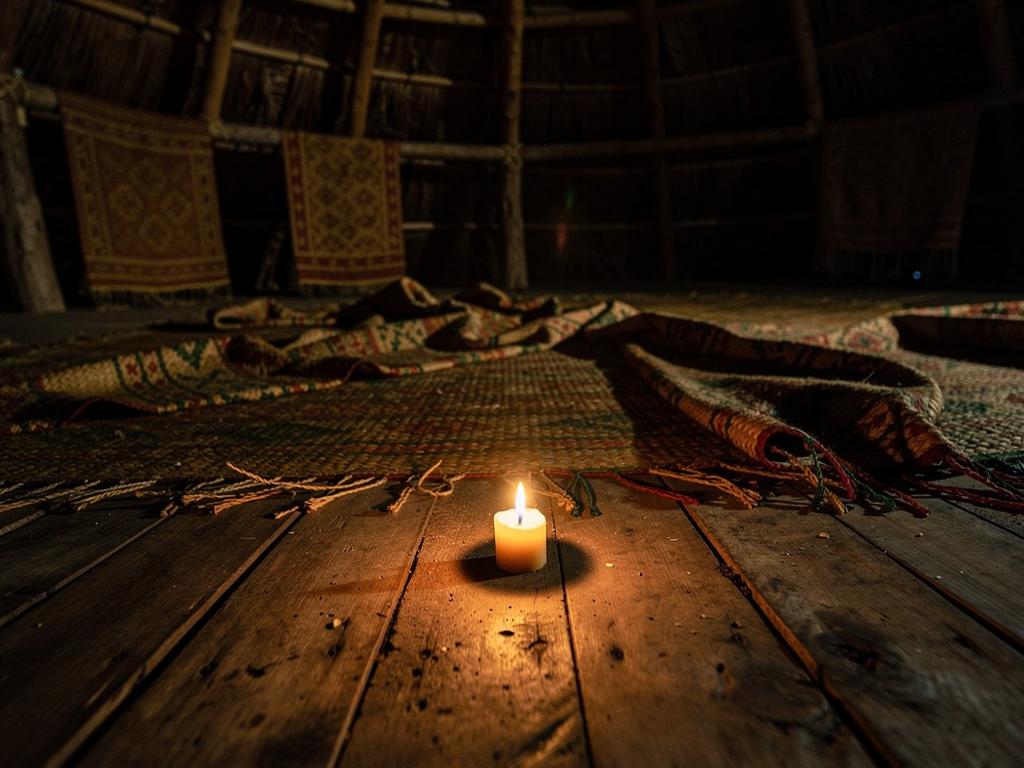
You go looking for a straight answer about ayahuasca, and instead you hit a wall. A login prompt. A paywall. A subreddit that wants you to prove you're a real person before it shows you a piece of art someone made about their ceremony. Anyone who has spent a few weeks researching plant medicine online knows the feeling — half the good stuff is behind a gate, and the other half is either sales copy or someone's third-hand horror story. So let's skip the gatekeeping and talk about what a person actually needs when they're deciding whether to sit with ayahuasca. Not the mystical version. Not the fear-mongering version. The version a friend would give you if they'd been through it and had no reason to lie. Part of the problem is legal. Ayahuasca sits in a strange grey area in most of the world — protected for religious use in a handful of countries, tolerated in others, and outright illegal in a lot of them. Publications get skittish. Platforms shadow-ban. Forums lock down to keep out the curious tourists and the DEA bots. The result is a fractured landscape where the most useful voices — experienced facilitators, honest retreat alumni, harm-reduction workers — are the hardest to hear. The other part is commercial. There's real money in psychedelic retreats now, and where there's money, there's marketing. Beautifully shot websites promise transformation, healing, and awakening. Some of those retreats are excellent. Some are run by people who read a book last year and bought a maloca. Telling them apart from a Google search is genuinely difficult, which is why so many first-timers end up asking the same questions in the same locked forums, over and over. What follows is the stuff I wish I'd had in a single place before my first ceremony. No login required. The honest answer is: it depends. On the brew, the facilitator, your body chemistry, what you ate that week, what you didn't process at your last therapy session, and things that no one can predict. But there are patterns. Most ceremonies happen after sundown in a ceremonial space — often a circular thatched building called a maloca. You drink a small cup of a bitter, tar-like tea. Then you wait. Somewhere between 20 minutes and an hour later, the medicine arrives. For some people that means visions — geometric patterns, animals, memories they'd forgotten they had. For others it's more somatic: waves of emotion, physical sensations, purging (which is the polite word for vomiting, and which is considered part of the healing, not a side effect to be embarrassed about). The whole thing lasts four to six hours. There's usually singing — icaros, the traditional songs of the Amazonian curanderos — which serve as a kind of navigational aid through the experience. When it's over, you sleep. You wake up different. Sometimes only slightly. Sometimes profoundly. This is where most of your research energy should go. A good retreat can be life-changing. A bad one can be dangerous. The stakes are real, and the vetting process is not glamorous — it's mostly reading, emailing, and asking uncomfortable questions. Here's what to actually look for: Reviews help, but read them carefully. Someone who had a peak experience will rave. Someone who had a hard time may blame the retreat when the difficulty was actually the medicine doing its job. Look for detail. Vague ecstatic reviews and vague furious reviews are both worth less than a careful, specific account. A lot of the people who write to me quietly, off the record, are asking the same underlying question. They're not sure they can say it out loud. They want to know whether ayahuasca — or ibogaine, or psilocybin, or any of the master plants — can help them stop drinking, stop using, stop the pattern they can't stop themselves. The honest answer: sometimes, yes. There's a real and growing body of research on psychedelic-assisted recovery, and the anecdotal reports from people who've broken decades-long addictions after plant medicine work are not nothing. Ibogaine in particular has an unusual track record with opioid dependence. Ayahuasca has helped people with alcohol use disorder, cocaine dependence, and the tangled web of trauma that so often sits underneath addiction. But it's not a magic wand. The medicine shows you things. What you do with those things — the therapy, the sober community, the practices you build around your recovery — is what makes the change stick. People who go into a retreat expecting a one-shot cure often relapse. People who go in treating the retreat as one significant step in a longer, harder process tend to do better. If you're considering plant medicine specifically for addiction, be extra rigorous about the retreat you choose. Some centers specialize in recovery work and have staff trained in it. Others don't, and pretending otherwise is dangerous. A week-long ayahuasca retreat in Peru or Costa Rica typically runs anywhere from $1,200 on the low end to $4,000 or more for the well-established centers. Add flights, time off work, and the two-week dieta most retreats ask you to follow beforehand (no alcohol, no red meat, no recreational drugs, sometimes no sex or caffeine). It's not a casual purchase. The non-financial costs are real too. You will spend hours confronting things you've spent years avoiding. You may cry for a whole afternoon. You may feel physically wrecked for a day or two. You may come home and realize the job or the relationship you were in doesn't fit anymore, and you'll have to decide what to do about that. Nobody warns you about that part often enough. That's not a reason not to go. It's a reason to go with your eyes open. If you've been researching this for weeks or months, you already know something in you is asking for it. That doesn't mean you should book the first retreat you find. It means the question is worth taking seriously — slowly, with real information, and ideally in conversation with people who've done the work and can speak plainly about it. Talk to alumni. Talk to your therapist if you have one. Read what you can find that isn't hidden behind a login screen. And when you're ready to compare specific options, a curated selection of ayahuasca ceremonies and plant-medicine retreats can be browsed on our marketplace here. Take your time with it. The medicine, as the curanderos say, has been waiting a long time. It can wait a little longer while you choose well.
The Dhammapada in Daily Life: A Zen Guide to Suffering, Love, and Real Happiness
There's a small book at the heart of Buddhism that most Western readers never actually open. It's called the Dhammapada, and it holds 423 verses attributed to the Buddha himself — short, sharp, oddly modern. Dhamma, in Pali, means the teachings, or simply the Way. Pada means footstep, or path. So the title reads roughly as “the path you walk with the teachings under your feet.” I first sat with the Dhammapada during a long silent retreat, expecting something dusty and doctrinal. What I found instead was a book that felt written for someone standing exactly where I was standing — confused, tired, trying to figure out why my mind kept picking the same fights with itself. What follows is a walk through a handful of verses from the “Opposites” section, each with a Zen key to crack it open and a reflection on what it might actually mean when you're stuck in traffic, sitting with grief, or wondering whether any of this changes anything. The book opens with a claim so bold it's easy to miss: mind is the director, the master, the creator. Speak or act from hatred, and misery follows you like an ox pulling a cart. Speak or act from a clear mind, and peace trails after you like your shadow. That's it. That's verse one and two. Everything else in the book, in some sense, is a footnote. Read those verses too literally and you'll end up in a familiar trap — chasing purity, avoiding impurity, and quietly hating the parts of yourself that won't cooperate. Zen turns this on its head. Hatred and peace aren't opposites so much as two faces of the same coin. Non-peace is often what shows you what peace even is. After his awakening, the Buddha called suffering an ennobling truth — not a bug to squash but a doorway to walk through. He never promised anyone constant happiness. He said, notice this. Say hello to it. Here's something that took me embarrassingly long to understand: you don't have to try to be happy. You really don't. Just slowing down, taking a full breath, being who you already are — that already contributes something to the room. Wisdom isn't a prize for the diligent. It's your baseline, buried under a lifetime of noise. A student once told me, quite seriously, “my suffering comes from other people.” I said no — it comes from your mind. Our minds are little factories that never clock out, endlessly stamping out judgments, comparisons, resentments, and future disasters. They love to identify a villain because a villain gives the pain a shape. But the moment you notice the factory is running, something shifts. You stop hunting for someone to blame. You look inward. Only then does anything actually heal. The trick isn't to purge the darkness. It's to hold the whole coin — the anger, the jealousy, the fear — and realize none of it is solid. Feelings rise and fall like weather. What stays is something quieter and much larger. Purity, it turns out, isn't the absence of impurity. It's what happens when you stop dividing yourself into acceptable and unacceptable parts. Two more verses, close together: hatred cannot be undone with hatred; only love can transform hate. And: we forget that sooner or later, we will all pass away. When we remember, conflicts resolve themselves. The Buddha is famous for teaching the truth of suffering. What often gets left out is that love is also a truth — the other half of the same instruction. When you've suffered honestly, you understand love. When you understand love, you naturally stop adding to anyone's suffering, including your own. And when you really let it land that everyone you know is going to die, most of the small wars you're fighting look absurd within about ten seconds. A friend of mine had a heart attack a few years back. It floored me — not because I was surprised by the fragility of bodies, but because the pain was mine too. There was no clean line between us. When we imagine another person's suffering as separate from our own, we've misunderstood the basic geometry of being alive. Every day teaches something, and often the ugly days teach more than the pretty ones. My friend's collapse reminded me how much of him I'd been taking for granted. When someone you love is struggling, you tend to notice things about them — and about yourself — that were sitting in plain sight the whole time. Sometimes we try to protect ourselves from pain by shutting down. Dissociation feels like armor. It isn't. It's isolation dressed up as safety. It might have been a smart survival move at eight years old; at forty, it's usually a reflex misfiring in a room where nothing is actually threatening you. Learning to stay open — to let both grief and delight actually reach you — is slow work. Mindful breathing helps. So does one honest pause before you react. The more porous you become, the more alive you feel, and the safer other people feel around you. The next pair of verses draws a hard line: those who indulge — overeating, overdrinking, drifting through life on autopilot — get snapped like weak branches in a storm. Those who live with clear seeing, moderation, and steady practice are unshakeable. Like mountains, the text says. Even in the wildest weather. The Dalai Lama once wrote that a tree with strong roots can withstand a violent storm — but the tree can't grow those roots after the storm has already arrived. We're living through storms right now: climate breakdown, wealth gaps that would embarrass a medieval king, the low hum of collective anxiety. The time to grow roots is now, not later. The American founding documents talk about an inalienable right to happiness, which is a lovely phrase we've mostly turned into permission to consume. Real happiness — the kind that doesn't collapse when the next thing goes wrong — asks something harder. It asks that you take care of yourself without doing damage to anyone else. Including the planet. We have this astonishing capacity to feel alive, to receive what life offers, to actually taste our own days. And we squander it constantly by drawing a thick line between what's mine and what's yours, between my well-being and everyone else's. Think about the choices that get made when people forget that line is imaginary. Wars fought with chemicals whose damage lasts generations. Industries that knowingly poison the water. The Dhammapada is blunt about this: when we're lazy or immoderate, when we chase what we crave without noticing the cost, we get snapped in half. Not as punishment. As physics. Selfishness is heavy. Fear is heavy. The more you cling, the more you sink. The inverse is also true. The more you support the people around you, the lighter your own load feels. This isn't sentimentality — it's what regulated nervous systems actually do when they're not stuck in survival mode. You don't need to memorize the Dhammapada to be changed by it. A single verse, held over months, can rewire how you show up to your own life. Some practical ways in: None of this is exotic. None of it requires you to become a different person. The Dhammapada's wager is that you are already, in some quiet way, a buddha — and the practice is mostly a matter of stopping the noise long enough to notice. What draws people to these teachings, in my experience, isn't the promise of enlightenment. It's the more modest hope that they might one day stop being at war with themselves. That's a reasonable hope. The Dhammapada takes it seriously. Sitting with these verses in a supportive container — a silent retreat, a meditation intensive, a contemplative program with real teachers — can accelerate what would otherwise take years of solitary reading. For readers who want to take this further, a curated selection of meditation and contemplative retreats can be browsed on our marketplace here. The path is old. The footsteps are yours to add.
Who Shouldn't Take Ibogaine? Medical Conditions That Rule You Out
Here's something most ibogaine marketing pages bury near the bottom, if they mention it at all: this medicine can kill you. Not in a scary-story sense. In an actual, documented, cardiac-arrest sense. Ibogaine is one of the most promising tools we have for interrupting opioid addiction and shaking loose stubborn patterns of trauma — and it's also the psychedelic with the most serious medical contraindications. If you're researching whether ibogaine is right for you, understanding who shouldn't take it matters more than reading another glowing testimonial. This isn't meant to scare anyone off. Plenty of people go through ibogaine safely every year, and for some, it's genuinely life-changing — especially those looking at plant medicine for addiction after years of trying everything else. But the difference between a safe experience and a medical emergency often comes down to screening. So let's talk about what actually disqualifies people, why, and what a responsible clinic looks like on the intake side. Ayahuasca, psilocybin, San Pedro — these master plants carry their own risks, but they don't typically stress the cardiovascular system the way ibogaine does. Ibogaine has a direct effect on the heart's electrical activity. Specifically, it prolongs something called the QT interval, which is the time your heart's ventricles take to reset between beats. Prolong it too much and you're looking at a dangerous arrhythmia called torsades de pointes, which can be fatal. That's the mechanism behind most of the deaths that have occurred in ibogaine settings over the past few decades. Not the visions. Not the purge. The heart. So when a reputable clinic asks you for an EKG, blood work, and a full medication list, they're not being paranoid — they're being competent. The other thing worth knowing: ibogaine has a long half-life. A typical flood dose keeps you in an altered, physically demanding state for anywhere from 24 to 36 hours, with residual effects lingering for days. If something goes wrong medically at hour 18, you can't just wait it out. That's why the trend among serious providers has shifted toward medical-model clinics with cardiac monitoring, IV access, and staff who can actually intervene. Cardiac issues are the number one reason people get turned away from legitimate ibogaine programs. If any of the following apply to you, most responsible clinics will decline to treat you — and the ones that won't decline are the ones you should worry about. Some of these can be worked around with additional testing and cardiology clearance. Others are absolute stops. A borderline QT reading might get you retested; a documented arrhythmia probably won't. If you're over 40 or have any risk factors, expect the clinic to want a recent EKG and often an echocardiogram before they'll even schedule you. This is where things get complicated, because a huge number of common prescriptions either prolong QT themselves or interfere with the liver enzymes that metabolize ibogaine. The stack effect can be brutal. SSRIs and SNRIs — the entire class of common antidepressants including sertraline, fluoxetine, escitalopram, venlafaxine, duloxetine — are a significant concern. Most reputable providers require a taper of several weeks before treatment. This is not optional and not something to fudge on your intake form. Combining serotonergic medications with ibogaine can trigger serotonin syndrome, which is its own medical emergency layered on top of the cardiac risk. Other medication categories that raise red flags: The methadone situation deserves its own mention because it trips up so many people seeking ibogaine specifically for opioid addiction. Methadone stores in your tissues and comes out slowly. Attempting ibogaine while still on methadone or too soon after stopping it dramatically raises the cardiac risk. Any clinic willing to treat you the week after your last methadone dose is not a clinic you want to be at. Beyond heart issues and medications, several other conditions can rule someone out or require significant additional screening: Age itself isn't a hard cutoff, but most clinics get more cautious past 55 and much more cautious past 65. The heart just doesn't tolerate the stress as reliably. Some clinics won't treat anyone over 65 regardless of test results. If you've made it this far in your research, you're already ahead of most people. Now the question becomes: how do you tell the safe providers from the reckless ones? A few honest signals to look for: A clinic that says “we'll figure it out when you get here” is not a clinic. It's a liability. And unfortunately, that describes more ibogaine operations than the community likes to admit — particularly in places where medical oversight is loose and the market is booming. Getting turned down for ibogaine is disappointing, especially if you've been circling the idea for a long time and you've read the stories about opioid interruption. But it's not the end of the road for anyone considering psychedelic healing for addiction or trauma. Ayahuasca doesn't carry the same cardiac profile, though it has its own MAOI-related medication conflicts. Psilocybin therapy — increasingly available in legal settings — has one of the cleanest safety profiles of any psychedelic. Ketamine-assisted therapy is legal, medically supervised, and effective for depression and some addiction patterns. Even conventional treatments like naltrexone or extended residential care have real evidence behind them and don't require betting on your QT interval. The point isn't that ibogaine is the only door. It's a powerful door for people it fits, and a dangerous one for people it doesn't. Being told no by a good clinic is a form of care. For anyone still weighing this decision and wanting to see what responsibly run programs actually look like, a curated selection of ibogaine and other plant medicine retreats can be browsed on our marketplace here. Take your time with it — the right treatment, at the right place, at the right moment in your life, is worth waiting for.
Ibogaine Aftercare: What Actually Happens After You Come Home
You've been researching ibogaine for months. Maybe years. You've read the trip reports, watched the documentaries, priced out the clinics in Mexico and Costa Rica, and you've probably had at least one 3 a.m. conversation with yourself about whether this is really the thing that pulls you out of the hole you've been in. And then, buried underneath all of that research, there's a quieter question that nobody seems to answer clearly: what happens after? This is the part of the ibogaine conversation that gets glossed over. The ceremony gets the headlines. The addiction-interrupting effect gets the Reddit threads. But the weeks and months that follow — the actual integration — is where the plant medicine either takes root or quietly fades. If you're planning a trip and feeling confused about aftercare, you're not alone, and honestly, you're asking the right question at the right time. Ibogaine isn't ayahuasca. It isn't psilocybin. It isn't a weekend San Pedro sit where you feel elevated for a few days and then re-enter your life. Ibogaine is a long, physically demanding experience — often 18 to 36 hours of altered state, followed by a period of grey-day exhaustion that can last a week or more. Your nervous system has been through something. Your body has been through something. And if you came in for opioid or stimulant dependency, your brain chemistry has just been reset in a way that most people don't fully register until they're back in their kitchen. What makes ibogaine's aftercare uniquely tricky is the so-called afterglow window — that stretch of two to six weeks after treatment when cravings are muted, mood is unusually stable, and a lot of people feel, frankly, like a new person. This is not the finish line. This is the window. What you do inside it decides most of what happens next. The people I've spoken to who relapsed after ibogaine almost always describe the same pattern: they felt so good coming out that they underestimated what came next. They went back to the same city, the same friends, the same job, the same phone with the same numbers in it, and assumed the medicine would carry them. It doesn't. It gives you a runway. You still have to fly the plane. Let's get specific. A serious aftercare plan usually has four moving parts, and if your provider isn't talking to you about all four, that's worth raising with them before you fly. Notice what's not on this list: another dose of ibogaine, a follow-up 5-MeO-DMT ceremony (some clinics offer this and it's genuinely useful for some people, genuinely destabilising for others), or booking your next retreat immediately. There's a real temptation, in the afterglow, to chase the medicine. Resist it. Let this one land first. Somewhere between three and eight weeks for most people, based on both clinical reports and what participants describe. The neuroplasticity window — the period when your brain is unusually open to forming new patterns — is where the real work happens. Habits you build in this window stick harder than habits you try to build six months from now. This is why aftercare experts talk about front-loading. The first 30 days after ibogaine should be intentionally structured, even if that feels rigid or unnatural. New morning routine. New evening routine. New places you go, new people you see, new ways of handling the moments that used to trigger you. It doesn't have to be permanent — you're not becoming a monk. You're taking advantage of a window. The people who do best, in my observation, are the ones who treat month one like it's still part of the treatment. They don't return straight to a demanding job. They don't try to repair a broken relationship in week two. They keep the container going for as long as they can before real life resumes at full volume. Some clinics build in a small booster dose 24 to 48 hours after the main ibogaine flood. Others offer a lower-dose micro or mini-flood three to six months later if cravings return. There's no consensus in the field about the ideal protocol, and honestly, this is one of the things you should ask hard questions about before choosing a provider. A reasonable rule: if your provider is offering a booster because it fits their protocol and your response, that's medicine. If they're offering three follow-up trips and pushing you to pay upfront, that's a business model. Learn to tell the difference. A few honest questions to ask any ibogaine clinic before you book: A clinic that answers these directly and specifically is worth your money. A clinic that gets vague, defensive, or spiritual-sounding in response is telling you something important. In the Amazonian traditions where much of the modern plant-medicine world draws its language, iboga is considered a master plant — a teacher, not a cure. The same is said of ayahuasca, San Pedro, and tobacco. What's implicit in that framing, and worth borrowing even if you're a total sceptic about the spiritual language, is that the plant shows you something, and then you do the work of living differently. The plant doesn't do it for you. This is uncomfortable for people who come to ibogaine hoping for a hard reset — hoping that 24 hours of very intense experience will save them years of therapy and effort. It won't. What it will do, at its best, is dissolve the illusion that change is impossible, hand you a clean slate for a few precious weeks, and then ask what you're going to write on it. That's the honest pitch. Ibogaine is one of the most powerful tools we have for interrupting addiction and confronting long-buried material. It's also entirely wasted on people who fly home, skip aftercare, and expect the miracle to hold itself together. The medicine gives you the doorway. Walking through it is still your job. If you're weighing where to go, put aftercare at the top of your criteria list — above price, above location, above the reputation of the shaman or the doctor. A clinic in a beautiful setting with a five-star ceremony and no integration support is worse, for most people, than a modest clinic with a serious follow-up program. The ceremony is one day. Your life is the rest of it. Ask about integration coaching, remote check-ins, referral networks in your home country, and whether they connect alumni to each other. Ask how they handle the two most common post-ibogaine crises: the emotional crash around week three, and the return of cravings around month two or three. If they've seen it before and have a plan, they'll say so plainly. For readers who want to explore this further, a curated selection of ibogaine and plant-medicine retreats — with their aftercare offerings visible — can be browsed on our marketplace here. Take your time comparing. This is one of those decisions where an extra week of research pays for itself many times over. Whatever you choose, don't let the ceremony be the last thing you plan. Plan the flight home. Plan week one. Plan month one. That's where the medicine actually becomes a life.
Ibogaine and Federal Research: Where the U.S. Actually Stands Right Now
Ibogaine has been the quiet outsider of the psychedelic conversation for decades. Ayahuasca gets the documentaries. Psilocybin gets the clinical trials and the glossy magazine covers. But ibogaine — the alkaloid pulled from a shrub in Gabon called Tabernanthe iboga — keeps forcing its way back into the discussion because of one stubborn fact: it appears to interrupt opioid addiction in a way nothing else quite does. And now, for the first time in a long time, there are actual signals from Washington that federal research money might flow toward studying it. If you're a person reading this because you or someone you love is drowning in opioids, alcohol, or stimulants — and you've started wondering whether plant medicine could really do what people online claim — this is a good moment to get oriented. Not hyped. Oriented. Ibogaine is one of several psychoactive compounds inside the root bark of iboga, a plant used ceremonially for centuries by the Bwiti people of Central Africa. In the traditional context, it's an initiation medicine — long, difficult, sacred. In the Western context, it got noticed in the 1960s after a young man named Howard Lotsof took it recreationally and realized, mid-experience, that his heroin cravings had vanished. He spent the rest of his life trying to get anyone to take that observation seriously. Pharmacologically, ibogaine is unusual. It hits multiple receptor systems — serotonin, dopamine, sigma, NMDA, opioid — and its main metabolite, noribogaine, stays in the body for days after the acute experience ends. That long tail seems to be part of why people describe the post-ibogaine window as a genuine reset rather than a comedown. Cravings that had felt like gravity for years often report as simply gone. Not cured — gone in the moment, with real work still to do. The trip itself, if you want to call it that, is nothing like ayahuasca or mushrooms. Most participants describe a long, dreamlike review of their own life — memories, decisions, patterns — often accompanied by nausea, ataxia, and a heart that needs to be monitored carefully. It's less a spiritual fireworks show and more a forensic audit. For years, the ibogaine story lived in a strange corner of the internet: veterans returning from clinics in Mexico saying their PTSD had lifted, opioid users in recovery forums swearing it had saved their lives, and a handful of scientists who refused to let the data disappear. The rest of the establishment mostly looked away, partly because ibogaine is a Schedule I substance in the U.S. and partly because it carries real cardiac risk that can't be waved off. What's shifted is the sheer scale of the overdose crisis. When more than a hundred thousand Americans a year are dying from drug overdoses, the political calculus around “we can't even study this” starts to crack. Texas moved first, allocating serious state money toward ibogaine research through a public-private partnership. Kentucky flirted with the idea. Bipartisan interest at the federal level has been building — because addiction, uniquely among health crises, tends to touch every zip code and every party. Recent legislative activity has proposed directing federal agencies to formally study ibogaine's potential in treating opioid use disorder and traumatic brain injury, particularly among veterans. That's the specific wedge being used: veterans. It's harder for a politician to argue against research aimed at people who served, and the reports from veterans who've traveled abroad for treatment have been consistent enough to be difficult to dismiss. Here's the honest answer: probably slower than the headlines suggest. A bill authorizing study is not the same as a bill funding treatment, and neither is the same as ibogaine being legal or accessible inside the United States. The realistic path looks something like this: Meanwhile, the treatment itself continues to happen — legally in a handful of countries (Mexico, Costa Rica, Portugal, New Zealand under strict conditions, parts of Brazil), and quietly in underground settings inside the U.S. that most experienced people would not recommend for a substance with genuine cardiac risk. If you're reading this because the federal news made you wonder whether you should wait for legal U.S. access or look at retreats abroad, a few honest thoughts. First, ibogaine is not a casual decision. It's not “let's try mushrooms and see how it goes.” It requires medical screening — a proper cardiac workup, EKG, liver function tests, and a serious conversation about every medication and supplement you're on. Reputable clinics will not admit you without this. If a place is willing to skip the screening, that's the loudest possible red flag. Second, ibogaine works best when it's aimed at something specific. People who go in with a clear intention — usually breaking an opioid, alcohol, or stimulant dependency, or addressing a specific trauma — tend to report more coherent outcomes than people going in for general “healing.” The medicine is directive; it responds well to being asked a real question. Third, integration is not optional. The window after ibogaine — the days and weeks when cravings are quiet and old patterns feel loosened — is when the actual rebuild has to happen. Therapy, community, changed environment, sometimes medication-assisted treatment as a bridge. People who treat ibogaine as the whole answer usually relapse. People who treat it as an opening tend to do better. The quality gap in the ibogaine world is enormous. On one end you have medically supervised clinics with cardiologists on staff, structured pre-screening, and integration support that lasts months. On the other, you have someone dosing people in an Airbnb. The difference is not marketing polish — some sketchy operations look slick. Ask specific questions: An operator who welcomes those questions is probably worth considering. An operator who dodges them is not, no matter how compelling the founder's personal story sounds. What's actually happening in American drug policy right now is a slow, uneven thaw. Psilocybin therapy is legal in Oregon and Colorado under regulated frameworks. MDMA came within a whisker of FDA approval and will get there eventually. Ayahuasca operates through religious exemptions. And ibogaine — the strangest, riskiest, and arguably most powerful of the group when it comes to addiction — is finally getting its turn at the table. If you're weighing this decision, the federal news is worth knowing but not worth waiting on. Legal U.S. access is years away at minimum. In the meantime, people are still dying of opioid overdose at rates that make the calculus of “wait for perfect research” look grim. That doesn't mean rush into a clinic tomorrow. It means do the reading, do the medical prep, and choose your setting with the seriousness that a Schedule I substance with real cardiac profile deserves. For readers who want to take this further, a range of vetted ibogaine and plant-medicine retreats can be explored on our marketplace here. Whatever you decide, decide it slowly and with better information than the internet usually provides.
Craving More Stories?
Join our ShopAyahuascaRetreats newsletter for the latest updates on thrilling
destinations and inspirational tales, delivered straight to your inbox!
We value your privacy. Your email address will never be shared or published.
Preparing for Ayahuasca: What to Do in the Weeks Before Ceremony
Most people spend more time researching which ayahuasca retreat to book than they spend preparing themselves to actually drink it. That's backwards. The ceremony is roughly twelve hours of your life. The preparation — and what comes after — is where the real work sits, and it's the part nobody wants to talk about because it isn't photogenic. I've sat with facilitators who've been running ceremonies for twenty-plus years, and the ones I trust most say the same thing: how you show up matters more than which shaman pours your cup. Ayahuasca isn't a magic trick performed on you. It's a mirror held up to whatever you brought with you. Bring a chaotic, unprepared nervous system, and you'll get a chaotic, unprepared ceremony. Bring something quieter, cleaner, more honest — and the medicine has room to work. So here's what preparation actually looks like when you strip away the Instagram version of it. Ayahuasca is a psychoactive brew containing DMT and MAO inhibitors, and those MAOIs are the reason the dieta exists. Certain foods and medications interact badly — sometimes dangerously — with MAOIs. This isn't a wellness suggestion. It's pharmacology. Aged cheeses, cured meats, fermented foods, and specific antidepressants (SSRIs especially) can cause serotonin syndrome or hypertensive reactions when combined with the brew. Any legitimate retreat will send you a pre-arrival protocol covering this. If the place you're looking at doesn't ask about your medications, doesn't provide a dietary list, and doesn't request a medical intake form — cross it off your list. That's a red flag, not a small one. Beyond the pharmacology, preparation does something else: it signals to your own psyche that you're taking this seriously. Two weeks of eating clean, sitting quietly, and paying attention tells your unconscious that something significant is coming. By the time you arrive, you're already halfway into the process. Traditional Amazonian dieta is stricter than what most Western retreats ask of you, but the modern short-form version still matters. Aim to start at least two weeks out, ideally longer. The pharmacological ones (aged foods, alcohol, specific medications) are non-negotiable safety issues. The rest is about arriving with a body that isn't fighting itself. If you show up bloated, hungover, and sugar-crashed, you'll spend the first half of your ceremony processing your Tuesday burrito instead of your actual life. This is where honest preparation gets uncomfortable. If you're on an SSRI, SNRI, MAOI, or tricyclic antidepressant, you cannot safely drink ayahuasca without a medically supervised taper. Full stop. The interaction risk is real and can be fatal in rare cases. Most reputable retreats require an SSRI washout of four to six weeks minimum. Some medications (fluoxetine/Prozac, with its long half-life) require longer. This is not something to negotiate with the retreat coordinator or fudge on the intake form. People have been hospitalised — and worse — because they lied on that form. Talk to your prescriber. Yes, they may not know much about ayahuasca specifically, but they understand MAOI interactions, and they can help you taper safely. If you're not willing or able to come off your medication, that's important information. It might mean this particular medicine isn't the right fit right now, and that's a legitimate answer. Psilocybin retreats, for instance, don't carry the same MAOI risk profile — though they still have their own contraindications. Here's where I part ways with a lot of the online advice. You don't need to become a meditation master before your first ceremony. You don't need to have processed your childhood in therapy. You don't need a spiritual practice. What actually helps: The people who struggle most in ceremony tend to arrive with either zero preparation or a rigid checklist of expectations. Somewhere between those two is honest curiosity, and that's what you want. Ayahuasca is not going to hand you your life's meaning on a silver tray. It might. But planning on it is a good way to be disappointed. What tends to actually happen: you feel physically uncomfortable for a while. You might purge — sometimes vomiting, sometimes shaking, sometimes crying, sometimes all of it. You may see visuals, or you may not. Some people have a night where nothing much seems to happen, and then a week later they realise something quietly shifted. Others have a full technicolour experience and then struggle to integrate it for months. Master plants — the umbrella term traditional practitioners use for ayahuasca, San Pedro, tobacco, and other teacher plants — don't run on your schedule. They work in their own time. This is where a lot of Western retreat-goers get frustrated, because we're wired to expect deliverables. There are no deliverables. There's just what the medicine gives you, which may not be what you asked for and may take months to fully understand. Booking a retreat without a plan for integration is like paying for surgery and skipping the recovery. Whatever comes up in ceremony — memories, insights, unresolved grief, buried patterns — has to land somewhere in your ordinary life. That's the hard part. Before you leave for your retreat, line up: The insight from ayahuasca fades faster than you'd expect. Writing it down in the days immediately after is how you keep it. So is talking about it, carefully, with someone qualified to hold that conversation. You can tell a lot about a retreat by how they handle you before you arrive. Signs of a place worth trusting: a thorough medical intake, a dietary and pharmaceutical protocol sent weeks in advance, a pre-arrival call with a facilitator, clear communication about what medications disqualify you, and — critically — integration support after you leave, not just during the retreat. Signs to walk away: no medical screening, vague answers about the lineage of the facilitator, pressure to book quickly, promises of specific outcomes, or a facilitator who calls themselves a shaman without traceable training. The plant medicine world has its share of well-meaning amateurs and, unfortunately, its share of predators. Preparation on their end is as important as preparation on yours. For readers who want to take this further, a range of vetted ayahuasca and plant-medicine retreats can be browsed on our marketplace here. Preparation isn't the exciting part. It's the part where you sit with your own life for a few weeks before letting a very old medicine sit with you. Do it properly, and the ceremony has something to work with. Skip it, and you're just drinking a bitter cup in the jungle hoping for the best.
Desperate for Relief: When Plant Medicine Enters the Conversation
You know the feeling. It's 2 a.m. and you're back on Reddit, scrolling through threads with titles like desperate for relief, reading strangers describe the exact loop you're in. Depression that won't budge. A drinking habit that's stopped being fun years ago. Anxiety that shows up like a houseguest who never leaves. Somewhere in that scroll, someone mentions ayahuasca. Or psilocybin. Or ibogaine. And suddenly you're seven tabs deep on Peruvian retreat centers, wondering if this is the thing. I've sat in enough ceremonies, and interviewed enough facilitators and participants, to know that the people who show up at plant medicine retreats are rarely there on a whim. They're usually at the end of something — a long fight with addiction, a decade of antidepressants that took the edge off but never lifted the fog, a grief that talk therapy circled but couldn't touch. So let's talk honestly about what plant medicine can and can't do when you've hit that wall. The shortlist of reasons is remarkably consistent across everyone I've spoken to. Depression that antidepressants only partially addressed. Alcohol or opioid dependence that outlasted rehab and relapse cycles. Trauma — often childhood, often unnamed — that keeps rewiring the nervous system in the present. And a category that's harder to pin down: the sense that you're living someone else's life and can't find the door out. Ayahuasca, the Amazonian brew made from the Banisteriopsis caapi vine and chacruna leaves, has drawn attention because its effects tend to feel meaningful rather than merely intense. People describe watching their addictions from the outside. Meeting the child version of themselves. Seeing patterns they've been running for thirty years spelled out in a single night. Whether you frame that as a mystical encounter or the brain doing an unusual housekeeping pass, the reports are consistent enough to take seriously. Psilocybin has similar reports and now has clinical data behind it — trials at Johns Hopkins, Imperial College London, and NYU have shown durable reductions in depression and end-of-life anxiety after just one or two guided sessions. Ibogaine, harder to access and considerably higher-risk medically, has one of the most striking track records for interrupting opioid dependence specifically. These are not miracle cures. But they are real tools, and the research world has finally started catching up to what indigenous traditions have known for centuries. In the Amazonian tradition, the phrase master plants refers to specific plants — ayahuasca, tobacco (mapacho), chacruna, chiric sanango, bobinsana, ajo sacha, and others — that are considered teachers rather than substances. That's not a marketing line. It's a working framework used by curanderos who spend decades in relationship with these plants through long solitary dietas, and it changes how the medicine is used. When you approach ayahuasca as a teacher rather than a drug, a few things shift. You prepare differently — dietary restrictions, quieting down, setting an intention that's honest rather than performative. You show up with humility instead of expectation. And you understand that the ceremony itself is maybe 20% of the work. The other 80% happens in the weeks and months after, when you have to actually live differently. People who show up to a retreat expecting to be fixed usually leave disappointed. People who show up ready to be shown what needs changing — and to do the changing themselves — tend to have a different report. This is the question I get asked most. The short answer: sometimes, yes, and in ways that surprise people who've cycled through conventional treatment. The longer answer is more useful. Ibogaine, derived from the West African iboga root, has the most striking effect on opioid withdrawal specifically. A single session can drastically reduce or eliminate acute withdrawal symptoms and, more importantly, seems to interrupt the compulsive craving loop for weeks or months afterward — enough time to actually build a new life scaffolding. But ibogaine has real cardiac risks. It's illegal in the U.S., legal in Mexico and a handful of other countries, and should never be taken without proper medical screening and cardiac monitoring. This is not a substance for basement experimentation. Ayahuasca has a longer, softer track record with addiction. The Brazilian churches União do Vegetal and Santo Daime have used it ceremonially for decades, and observational studies of their members show notably lower rates of substance abuse. For alcohol, cocaine, and food-related compulsions, ayahuasca seems to work less by neurochemical interruption and more by giving people an unflinching look at why they're using in the first place. Psilocybin trials at Johns Hopkins showed strong smoking cessation results — around 80% abstinence at six months in an early study, which is remarkable considering nicotine's grip. Alcohol trials have shown promise too. None of these replace the boring, essential work of building a life you don't need to escape from. They can open a door. You still have to walk through it. Forget the Instagram version. A legitimate ayahuasca retreat is not luxurious. You'll likely be sleeping in a simple room or shared cabin. You'll eat plain food — no salt, no sugar, no pork, no fermented anything, often no oil — for days before and after ceremonies. You'll be asked to abstain from sex, alcohol, and most medications well in advance. The ceremony itself happens at night, in a maloca or ceremony space, usually four to six hours of lying on a mat with a bucket beside you (purging is common and considered part of the process), while a curandero sings icaros — the medicine songs that shape the journey. You will probably feel physically awful at some point. You will probably feel emotionally exposed. You may have moments of terror, moments of grief that surface from nowhere, moments of overwhelming tenderness. The next morning you'll eat breakfast with the other participants and try to make sense of what just happened. Then, often that same night or the next, you do it again. A good retreat includes integration work — group sharing, one-on-one time with facilitators, guidance on what to do when you go home. A mediocre one just runs ceremonies and sends you off. The difference between the two is enormous, and it shows up months later in whether the experience becomes a turning point or just an intense memory. The plant medicine space has genuinely wise practitioners and genuinely careless ones, and the marketing looks similar from the outside. Some things worth vetting before you send anyone money: Trust your gut on the intake conversation. If a place makes you feel like a transaction, you already have your answer. Here's what surprised me most from the retreat participants I've followed up with over the years: the ceremony is often the easy part. The hard part is coming home. You return to the same job, the same relationships, the same triggers, and now you have a felt sense of what needs to change — which is not the same as knowing how to change it. Integration is where most of the healing actually happens or doesn't. That might mean therapy — ideally with someone psychedelic-informed. It might mean daily practices: journaling, meditation, breathwork, time in nature. It might mean hard conversations you've been avoiding for a decade. Whatever it is, budget for it. If you can spend three thousand dollars on a retreat, you can spend some of that on the six months of work that follow. Plant medicine is not a shortcut. It's more like a sudden clearing of the map. Where you walk from there is still up to you, and the walking still takes time. If you've read this far, you're probably not asking whether plant medicine is real — you're asking whether it's for you, and whether now is the time. That's a question only you can answer, ideally with input from a therapist or doctor who knows your history. For those who want to look at what's actually available, a curated selection of ayahuasca and psychedelic retreats can be browsed on our marketplace here. Take your time with the decision. The medicine will wait.
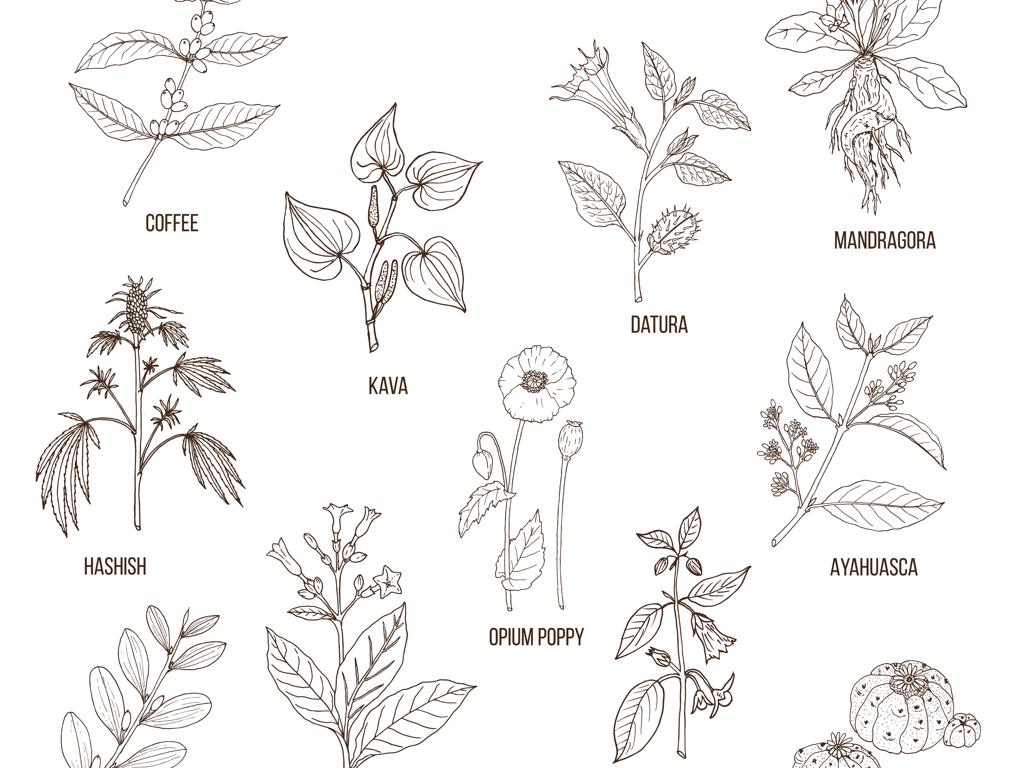
Psychedelic Retreats: An Honest Guide for the Quietly Curious
Most people who eventually sit in an ayahuasca ceremony spend months circling the decision first. They read one blog. Then five more. They talk to a friend of a friend who came back from Peru either radiant or rattled — sometimes both. And somewhere in that research spiral, the question stops being what is ayahuasca and starts being should I actually do this. If that's where you are right now, this piece is for you. Not a hype reel. Not a warning label either. Just the stuff I wish someone had told me before I first sat down on a mat in the Amazon, wondering what I'd signed up for. Ayahuasca and other master plants have been part of practical human experience for a very long time — thousands of years, in some traditions — and the current wave of psychedelic retreats sits on top of that lineage in ways that are sometimes beautiful and sometimes messy. A retreat, in the sense we're talking about, is a structured multi-day container in which you take a plant medicine — usually ayahuasca, sometimes psilocybin, San Pedro, ibogaine, or kambo — under the guidance of facilitators. The good ones include preparation calls beforehand, a specific diet, ceremony nights with music and support, and integration work in the days after. The bad ones hand you a cup and hope for the best. It's not a spa. It's not a vacation. You will probably be uncomfortable at some point — physically, emotionally, or both. The purge (yes, the vomiting; yes, sometimes the other end) is not a bug in the software. In the Shipibo tradition it's considered part of how the medicine works, moving stuck material out of the body. Most people who come back saying it changed their life also came back saying it was the hardest week of their life. Both things are true. What a retreat also isn't: a treatment. No reputable facilitator will tell you ayahuasca will cure your depression, fix your marriage, or end your addiction. What they'll say — if they're honest — is that plant medicine can crack something open. What you do with the crack is on you. Ballpark numbers, because vague answers help no one. In Peru, a well-run 7-day ayahuasca retreat runs roughly $1,500 to $3,500 all-in for accommodation, ceremonies, food, and facilitation. In Costa Rica or Mexico, expect $2,000 to $5,000 for a similar length. In the Netherlands or Portugal, where psilocybin truffle retreats operate legally, you're looking at €800 to €2,500 for a shorter format. Ibogaine treatment, which is medicalised and requires cardiac screening, runs $6,000 to $15,000 and up. Then there are the hidden costs no one lists on the website: Cheap retreats exist. Some of them are genuinely run by traditional healers on modest budgets, and those can be extraordinary. Others are cheap because they cut safety corners. If a place doesn't screen your medical history or ask about your medications, that price tag isn't a bargain — it's a red flag. This is where I want to be careful, because the field is full of overclaims. Here's what the research and the honest practitioner reports suggest, as of the last few years. Ibogaine, derived from the West African iboga root, has the strongest anecdotal and clinical track record for interrupting opioid dependence. It appears to reset something in the brain's reward circuitry, and many people describe leaving treatment without the physical cravings that dominated their lives. It's also cardiotoxic and has killed people. It should only ever be taken in a facility with cardiac monitoring and trained medical staff. Full stop. Ayahuasca has a longer, quieter history with alcohol dependence, tobacco addiction, and compulsive patterns broadly — the kind of stuck loops that sit downstream of trauma. The mechanism isn't a chemical reset so much as a confrontation. People often report seeing their addiction from the outside, understanding what it's been protecting them from, and leaving with a different relationship to the substance. Psilocybin trials at Johns Hopkins and NYU have shown similar effects for smoking cessation and alcohol use disorder, with retention rates that put most conventional treatments to shame. None of this makes plant medicine a magic bullet. Relapse rates without integration and ongoing support are high. What psychedelics seem to do, at their best, is create a window — a few weeks where old patterns feel optional instead of mandatory. Whether you walk through that window depends on the boring, unglamorous work you do afterward. This is where most first-timers go wrong. They pick based on Instagram aesthetics or a friend's enthusiastic recommendation, without asking the questions that actually matter. Here's what to screen for: One more thing: trust your gut on the intake call. If the person on the other end feels evasive, salesy, or dismissive of your concerns, that's data. The medicine is powerful. The container has to match it. In the Amazonian traditions, ayahuasca isn't the only teacher. There's a whole category of what's called plantas maestras — master plants — each with its own character and lessons. Tobacco (real mapacho, not commercial cigarettes) is considered the grandfather of them all. Bobinsana opens the heart. Chiric sanango teaches courage. Working with these plants often involves a dieta, a period of isolation and specific food restrictions during which the plant is said to reveal itself to you in dreams and visions. You don't need to buy the metaphysics to take this seriously. Whether you frame it as spirit-of-the-plant or as your own psyche using plant chemistry as a mirror, the experience tends to demand honesty. People describe seeing patterns in their lives they'd been avoiding for decades. Old grief comes up. Old anger. Sometimes joy so uncomplicated it feels unfamiliar. What master plants seem to ask, in return, is that you take the insights home and actually change something. Not everything. Just one thing. The people I've watched flourish after retreats are almost always the ones who came back and did small, boring, consistent work — therapy, sobriety, harder conversations with people they loved, quieter mornings. The people who chased the next ceremony six weeks later tended to end up where they started. Sit with the decision for at least a month. Read three books — Michael Pollan's on psychedelics broadly, Rachel Harris on ayahuasca specifically, and one first-person account from someone whose life doesn't look like yours. Talk to a therapist about why you're considering this now. If they're psychedelic-informed, even better; if not, their questions will still be useful. Then, if it still feels right, look carefully. A range of vetted ayahuasca and plant-medicine retreats — with lineage details, medical protocols, and honest participant reviews — can be browsed on our marketplace here. Whatever you choose, choose slowly. The medicine has been here for millennia. It'll still be here next season.
Ibogaine for Addiction: What to Know Before You Consider a Retreat
Somewhere around hour eighteen, most people stop asking when it will end. That's what a woman who'd flown to Mexico to treat a decade-long opioid dependency told me. She wasn't in bliss. She wasn't in hell. She was just sitting with her whole life — every version of herself, laid out in front of her like photographs on a floor — while a nurse checked her pulse every fifteen minutes. That's ibogaine. And if you've landed here, you're probably not looking for poetry. You want to know whether this plant medicine is worth flying somewhere, spending several thousand dollars, and lying under a heart monitor for the better part of a day. Let's talk plainly. Ibogaine is a psychoactive alkaloid extracted from the root bark of Tabernanthe iboga, a shrub native to Central West Africa — Gabon, Cameroon, parts of the Congo. For centuries it's been used ceremonially by the Bwiti tradition, where initiates take large doses as a rite of passage. In that context it's not a party drug and not really a therapy either. It's a doorway. What made the West pay attention, though, wasn't the spiritual side. In 1962, a heroin-dependent chemist named Howard Lotsof took ibogaine and noticed something strange: his withdrawal symptoms vanished. Not muted — vanished. And his cravings didn't come back the way they had after every other attempt to quit. He spent the rest of his life trying to make the world take that seriously. Six decades on, ibogaine sits in a peculiar place among master plants. It's Schedule I in the United States. It's unregulated in Mexico and Costa Rica. It's actively being studied at Stanford for combat-related PTSD and traumatic brain injury, with results that made even skeptical researchers raise their eyebrows. The clinical claim is bold and specific: a single high-dose ibogaine session can dramatically reduce or eliminate the acute physical withdrawal from opioids, and interrupt the psychological pull of the addiction long enough to give someone a real running start at recovery. How? The pharmacology is complicated and not fully understood. Ibogaine binds to multiple receptor systems at once — opioid, NMDA, serotonin, sigma, nicotinic. In the liver it converts to noribogaine, a longer-acting metabolite that seems to do a lot of the lingering anti-craving work. The upshot: for many people with opioid, alcohol, cocaine, or methamphetamine dependencies, the first few weeks after a session feel qualitatively different from anything they've experienced in previous attempts to quit. That doesn't mean it's a cure. Anyone selling it as one is either lying or hasn't been paying attention. What it can do is reset the baseline — hand you a window, sometimes weeks, sometimes months, where the wiring feels less loud. What you do with that window is the actual work of recovery. Nothing about ibogaine is casual. A therapeutic dose typically runs 12 to 24 hours, sometimes longer. The first phase is what people call the visionary state — vivid, waking-dream imagery, often autobiographical. Old memories surface with a clarity that isn't nostalgic so much as forensic. Many people describe reviewing their lives from an outside perspective, without the usual defenses. The second phase is quieter and often harder. The visions recede, but you're still deeply altered, and now you're left thinking. Sleep is elusive for a day or two afterward. The physical sensations — ataxia, sensitivity to light and sound, a specific kind of full-body heaviness — can last well into the following day. Compared to ayahuasca or psilocybin, ibogaine is less about ecstatic states and more about confrontation. Nobody I've spoken to has described it as fun. Many describe it as the most important thing they've ever done. Those aren't the same sentence. Here's where I need to be direct, because the psychedelic-adjacent internet loves to gloss over this: ibogaine is the most medically demanding of the major plant medicines. It affects cardiac conduction — specifically the QT interval — and can trigger fatal arrhythmias in people whose hearts aren't up to it. The known deaths in the underground scene are almost always tied to inadequate screening. A responsible provider will require, at minimum: If a retreat brushes past any of these, walk away. This isn't a corner to cut. The medicine is powerful precisely because it's doing real, measurable things to your body — and those things need real, measurable oversight. This comes up constantly, and it's a fair question. Both are plant medicines. Both get discussed in the same breath at retreat centers. They're not really doing the same job. Ayahuasca tends to work on emotional and relational patterns — grief, trauma, the stories you tell yourself about who you are. Multiple ceremonies over a week gradually loosen those. It's iterative, ceremonial, communal, and generally safer physiologically (though it has its own contraindications, particularly with SSRIs). Ibogaine is more like a controlled demolition of a specific circuit. One session, medical setting, targeted at the addiction itself. Some people who've done both describe ayahuasca as the therapist and ibogaine as the surgeon. Rough analogy, but it captures something true. Neither replaces the other, and for people with severe substance dependencies, ibogaine's ability to interrupt physical withdrawal is something no other plant medicine reliably does. Prices for ibogaine treatment run wildly — from roughly $5,000 at the low end to over $15,000 at high-end medical clinics. What you're paying for varies enormously. A few things to look at hard: Ibogaine is contraindicated for people with certain heart conditions, active seizure disorders, severe liver or kidney dysfunction, and anyone on medications that prolong the QT interval (many antidepressants, some antipsychotics, certain antibiotics). Pregnancy is a hard no. History of psychotic disorders is at minimum a serious conversation. It's also not a great match for people looking primarily for a spiritual experience without an addiction or trauma context. Ibogaine will absolutely give you a spiritual experience — but it's a heavy tool for a job it wasn't really designed for, and other master plants will meet you more gently. Ibogaine is not a shortcut. It's a genuinely powerful intervention that has helped people walk away from addictions the standard model of care had given up on. It's also physically demanding, expensive, and legally complicated. The people I know who've gotten the most out of it treated the session as the beginning of the work, not the end. If any of this speaks to something you've been carrying, take your time researching. Talk to more than one provider. Ask uncomfortable questions and pay attention to how they answer. For readers who want to explore this further, a range of vetted ibogaine and plant-medicine retreats can be browsed on our marketplace here. The medicine has been around a long time. Whatever you decide, decide it slowly.

Jet Li on Buddhism, Fame, and the Search for Real Freedom
Somewhere between the punches and the press tours, Jet Li started asking a question most action stars never touch: if success actually makes you happy, why do the people who have the most of it seem the most anxious? He's been chewing on that one for decades. And the answers he's landed on — pulled mostly from Tibetan Buddhism, a bit from Zen, a bit from sitting quietly in old temples — aren't the tidy Instagram-quote version of the dharma. They're stranger, sharper, more honest. What follows is a distillation of Li's reflections on the contemplative path he's walked since the late 1990s: how he found Buddhism, why fame stopped satisfying him, what he thinks meditation actually is, and how a lifetime of playing heroes on screen changed the way he sees so-called reality. If you're a reader who's drawn to psychedelic retreats and plant medicines as a way through stuck patterns, some of this will sound familiar. Different vehicle, similar terrain. Li's first real brush with Buddhism came on the set of Shaolin Temple in the early 1980s. He was a teenager, already a five-time national Wushu champion, filming in and around actual working monasteries. Something about the places stuck. They felt oddly like home. After the film blew up across Asia and turned him into a household name overnight, the temples became his hiding spot — a place where nobody chased him for autographs after five in the afternoon. The formal commitment came later. In 1997 he took refuge and began studying seriously. Nearly thirty years on, he describes his practice not in terms of belief but in terms of relief — a slow decompression from the pressure he'd been living under. It's a common story if you talk to people who arrive at contemplative practice as adults. Success didn't fix the itch. If anything, it magnified it. The turning point, he says, was reading The Tibetan Book of Living and Dying. What hit him wasn't a specific doctrine but a simple thread of logic: we spend our lives running to secure things — money, reputation, love, a legacy — and then we die and leave every last bit of it behind. So what exactly are we defending? What are we chasing? The freedom he'd been trying to buy with fame wasn't out there in the world. It was pointing inward the whole time. Li is unusually candid about the emotional math of stardom. A hit movie bought him about a month or two of contentment before the next film's box office started weighing on him. If it flopped, the good feeling collapsed. If it hit, he wanted a bigger one next time. He's watched the same pattern in politician friends and billionaire friends — the specific number changes, the psychological loop doesn't. Struggle at a hundred thousand or struggle at a hundred million, it's still struggle. His diagnosis is straightforward and, honestly, a little uncomfortable to hear: we confuse what we need with what we want, and the confusion generates most of our suffering. You can always find something else to grasp for. There's no ceiling on the wanting. Which means there's no external condition that will finally deliver the settled feeling you're chasing. The Buddhist term is monkey mind — the chattering, restless part of you that jumps from craving to craving. Li reframes it as the monkey boss. Ask yourself, he suggests, who's actually running your decisions. Is it you? Or is it the accumulated opinions of your parents, your industry, your algorithm, the ambient noise of what a good life is supposed to look like? Most of us, if we're honest, are being managed by that noise. Recognizing it is the first move. This is where Li gets interesting. He spent forty years convincing audiences that stunt choreography is real fighting, that a scripted romance is real love, that a costumed man on wires is a hero. He knows exactly how illusion is constructed. So when he suggests that ordinary life has more in common with cinema than we'd like to admit, he's not being flippant. He's speaking from craft. His analogy is that we're all simultaneously writing, directing, and starring in the film of our lives — and we've forgotten it's a production. We suffer inside the script as if it were fixed. We take the character we're playing to be who we are. Buddhism, in his framing, is what happens when you start noticing the camera. When you stop mistaking the role for the self. That question sits close to something a lot of people arrive at after a ceremony with ayahuasca or psilocybin — the sudden, sometimes shattering sense that the self they've been defending so fiercely is more costume than skin. Different door, same room. What you do with the insight afterward is where the real work lives. Li estimates he met around thirty teachers early on. Different lineages, different personalities, different methods. His metaphor for how this works is medical: the Buddha is a physician, the teachings are medicine, and the whole tradition contains — as the old count goes — 84,000 remedies for 84,000 varieties of suffering. Your job as a practitioner is to figure out what you actually have and find the right prescription. Which means sometimes a teacher will hand you the wrong medicine. Not out of malice, usually. Just mismatch. What worked for the person next to you might do nothing for you, or worse. You try, you notice it isn't landing, you move on. This is a healthy attitude and it applies well beyond Buddhism — it's how thoughtful people approach any inner-work modality, including plant medicine. One of Li's more useful observations: you can't leapfrog the developmental steps. Beginners want the punchline — emptiness, non-duality, awakening — but the punchline only lands because of everything that came before it. Primary school, middle school, high school. Twenty years in, you look back and realize the earlier teachings were scaffolding. You don't need them anymore. But you couldn't have arrived without them. Popular culture loves to bundle Buddhism and kung fu together, and Li — of all people — pushes back on the neatness of that pairing. On the surface, sure, they rhyme. Both start with honest self-examination. Both use disciplined training to shift a habitual pattern. Both require a teacher. But underneath, he says, they're aimed at different targets. Martial arts are about becoming exceptional — stronger, faster, more skilled than the person across from you. Buddhism, at its deepest reach, is about seeing through the very idea of a separate self that could be better or worse than anyone. The projects don't ultimately converge. That said, the body absolutely belongs in contemplative practice. Shaolin developed walking and movement meditations because sitting for hours is brutal on the human frame. Tibetan Buddhism has the six yogas of Naropa, which use breath and subtle-body work to open the mind's texture. Anything, done with sustained awareness, can become meditation. Eating. Walking. Even — if you're skilled — arguing with your family. Awareness is the aim; the posture is just a delivery mechanism. Li is in his sixties now and has been public about health struggles including hyperthyroidism. He talks about aging with a bluntness that's genuinely refreshing in an industry built on freezing time. Everyone gets old. If they don't get old, it's because they died first. So being afraid of aging is being afraid of the most predictable event in human biology. He compares it to seasons. You can prefer spring. You can hate winter. Winter arrives regardless. The energy you spend resisting a natural process is energy you could have spent on the things that actually matter — quieting the inner noise, resolving what's unresolved, being useful to somebody. His sharper point is about longevity culture. Even if medicine extends life to 150 or 300 years, what have you actually gained if the mind inside that longer life is still churning with fear and craving? A longer life without inner clarity is just a longer sentence in the same cell. This isn't nihilism. It's a redirection of effort — away from cosmetic maintenance and toward the work that changes what it feels like to be alive. Li isn't a psychedelic teacher and doesn't speak about ayahuasca or psilocybin. But readers who come to this site are often researching plant-medicine retreats for reasons that echo his story almost exactly: chronic dissatisfaction, addiction, depression, the sense that professional success is somehow making things worse rather than better. The Buddhist framework he describes is, in many ways, the same terrain that people describe encountering in ceremony. The overlap worth noticing is this: both traditions insist that lasting relief comes from a shift in how you relate to your own mind, not from acquiring anything new. Plant medicines can crack the door open in ways that decades of sitting sometimes can't — the research on ibogaine for addiction and psilocybin for depression is genuinely promising. But without the slower work that follows — the integration, the daily practice, the honest self-inquiry Li is pointing at — the crack tends to close again. If any of this resonates and you're weighing a retreat, take your time with the decision. Read broadly. Talk to people who've been. Pay attention to how a given center handles preparation and aftercare, not just the ceremony itself. For readers who want to explore this further, a range of curated ayahuasca and plant-medicine retreats can be browsed on our marketplace here. Whatever you choose, the real work — as Li would probably say — starts the morning after.
Dreaming of a Psychedelic Retreat?
We have the best deals and offers from thousands of organizers all over the world! Get them into your mailbox every week!
We value your privacy. Your email address will never be shared or published.
