 English
 Deutsch
 Français
 Nederlands
 Español




Reset. Heal. Grow.
Heart Rate Variability, the Vagus Nerve, and What It Means for Your Nervous System Before a Plant Medicine Retreat
Your heart doesn’t tick like a clock. It shouldn’t. The gaps between beats stretch and shrink by milliseconds all day long, and that shifting rhythm — heart rate variability, or HRV — is one of the more honest signals your body gives you about how much load your nervous system is actually carrying. I first got interested in it while writing about breathwork for people preparing for ayahuasca ceremonies, and it turned out to be one of those quiet metrics that changes how you think about readiness, integration, and the whole idea of psychedelic healing. If you’re researching a plant medicine retreat — for addiction recovery, depression, trauma, or the vaguer but no less real sense that something in your life has ground to a halt — HRV is worth understanding before you show up. Not because you need a wearable to do ceremony well. People have been sitting with ayahuasca and master plants for a very long time without an Oura ring on their finger. But because HRV maps almost perfectly onto the state your body needs to be in for the medicine to actually work with you rather than fight you. Two people can both have a resting heart rate of 60 beats per minute and completely different HRV. That’s the first thing to get straight. HRV isn’t about how fast your heart runs — it’s about how flexibly the interval between beats shifts in response to breath, thought, digestion, and mood. The regulator behind the scenes is your autonomic nervous system, which has two branches. The sympathetic side speeds you up and tightens the gaps between beats. The parasympathetic side — running mostly through the vagus nerve — slows things down and widens them. A well-functioning system flips between the two smoothly, ramping up when a situation demands effort and settling back down once the demand passes. High HRV doesn’t mean you’re a Zen master. It means your nervous system moves with ease. Low HRV doesn’t automatically mean you’re sick. It usually means your system is carrying more than it can comfortably process — physical illness, emotional load, poor sleep, unresolved trauma, chronic substance use, or some combination. That last part is why HRV matters so much in the context of psychedelics and plant medicine. The vagus nerve is the longest cranial nerve in the body, running from the brainstem down through the throat, heart, lungs, and gut. Here’s the interesting part: about 80% of its fibers carry signals upward, from body to brain. Your gut and heart are basically telling your brain what to feel more than the other way around. Anyone who’s been in an ayahuasca ceremony and felt emotion pour out of their belly rather than their head already knows this in their bones. Stephen Porges’s polyvagal theory frames the vagus nerve as a constant, unconscious scanner — checking your environment and your interior for cues of safety or threat. Based on what it finds, your system settles into one of three broad states: social engagement (safe, connected, curious), fight-or-flight (threatened, mobilized), or shutdown (overwhelmed, withdrawn). Vagal tone is the background hum of that nerve, and higher vagal tone means you return to the calm-and-connected state faster after a hit of stress. HRV is the closest non-invasive proxy we have for vagal tone. When your HRV rises, it’s a sign that your vagus nerve is exerting more influence on your heart — that your body has decided, at some deep pre-verbal level, that it’s safe enough to soften. That state of safety is exactly the state most experienced facilitators want you to be in before you drink ayahuasca or sit with psilocybin. A dysregulated, sympathetic-dominant nervous system doesn’t surrender. It braces. And bracing against the medicine is the single most reliable way to have a rough night. The connection between HRV and emotional life isn’t a wellness-blog invention. It sits inside what researchers call the neurovisceral integration model: the same neural circuits that regulate your heart also regulate attention, emotion, and your ability to modulate reactions. Higher resting HRV is linked to better emotional regulation and cognitive flexibility. Lower resting HRV tracks with greater vulnerability to anxiety and a harder time letting go of negative emotional states. A study from 2024 followed participants who reported their mood several times a day over weeks. Their resting HRV, measured once in a lab, predicted their actual daily emotional experience afterward. In plain language: the number reflected something real about how they felt in ordinary life, not just how they responded to a research prompt. A meta-analysis of 24 randomized controlled trials found that HRV biofeedback training — essentially, learning to breathe in a way that raises HRV in real time — produced significantly lower stress and anxiety than doing nothing. The effect held even after accounting for the drift toward improvement that happens simply because someone is being studied. Similar interventions have been tested with ER staff, ICU nurses, and other high-burnout populations, with meaningful bumps in resilience after only a few weeks. Chronic stress, addiction, and long-term depression all leave a signature on HRV. People struggling with alcohol dependence, opioid use disorder, and stimulant addiction consistently show reduced HRV — a nervous system stuck in a defensive posture even in neutral situations. The same pattern shows up in PTSD and treatment-resistant depression. Their bodies are still running the emergency protocol long after the emergency ended. This is part of why plant medicine work — ayahuasca, ibogaine for opioid dependence, psilocybin for depression, San Pedro for the slower emotional excavations — can move things that talk therapy has left stuck. These medicines don’t just work on the story. They work on the nervous system underneath the story. People who complete a well-held retreat and then commit to integration often show improvements in HRV over the following months, which is a physiological way of saying their body finally feels safer than it did before. None of this is a promise. Plant medicine isn’t a shortcut, and I’d be suspicious of anyone selling it that way. But if you’re considering a retreat for something you’d frankly call a stuck life pattern, HRV gives you a way to measure whether the deeper repair work is actually happening — not just whether you had a big night. The useful news: HRV isn’t fixed. It’s trainable, and most of what moves it in a good direction is exactly what serious retreat centers ask you to do during your dieta and integration anyway. You don’t need a wearable to do this well, but if you already own one, here’s how I’d suggest thinking about it. Track your baseline HRV for two or three weeks before you leave. Don’t obsess over daily numbers — day-to-day variation is huge and mostly noise. What you want is a rolling average and a sense of the pattern. In the weeks before ceremony, the traditional dieta — cutting pork, alcohol, sugar, salt, sex, drama — isn’t just spiritual hygiene. It’s a nervous-system reset. You’ll usually see HRV creep upward as the body simplifies. That upward drift is a physiological marker that your system is preparing to soften. If your HRV keeps dropping in the run-up, that’s worth paying attention to. It may mean you’re under-slept, over-caffeinated, or emotionally braced against the trip in a way that will make the medicine harder to work with. Afterward is where it gets interesting. Integration is often the part people underinvest in, and HRV is one of the few objective mirrors on how it’s going. A retreat that produced a beautiful ceremony but no lasting shift in your baseline HRV over the following months is telling you something. So is a retreat that showed you difficult material and then, gradually, moves your nervous system into a calmer, more flexible baseline than you had before you left. That second pattern is what real psychedelic healing looks like from the outside. Fitness trackers were built to predict tomorrow’s workout. They weren’t designed as wellness instruments, and they definitely weren’t designed for people preparing for plant medicine. Take the daily readiness scores with a grain of salt. The trends matter more than any single number. And no wearable can tell you whether you’re ready — emotionally, practically, spiritually — to sit with a medicine that will show you parts of yourself you’ve been avoiding. That question is yours to answer honestly, ideally with the help of a facilitator you trust and, if relevant, a therapist who understands psychedelic work. For readers who want to take this further, a range of curated ayahuasca and plant medicine retreats can be browsed on our marketplace here. Whatever you decide, treat your nervous system as the instrument this work plays through — the better tuned it is going in, the more the medicine has to work with.
Magnesium and Women's Health: Why This Mineral Matters More Than Iron
Here's something that doesn't get enough airtime in women's health conversations: while iron gets all the attention (and yes, it matters), there's another mineral doing quieter, more far-reaching work in a woman's body — magnesium. It shows up in over 300 biochemical reactions, and yet most women aren't getting close to what they actually need. I first paid real attention to magnesium after a facilitator at a plant-medicine retreat suggested I look into it for sleep and cycle-related mood swings. Skeptical as I was, the change over a few weeks was hard to ignore. Since then I've watched research quietly stack up around magnesium's role in areas that are specifically relevant to women — menstruation, pregnancy, perimenopause, and metabolic health. A recent review pulled these threads together and identified four life stages or systems where magnesium has an outsized influence on female physiology. If you're navigating any of them — and most women are, at some point — this is worth understanding. The menstrual cycle isn't just about bleeding for a few days. It's a month-long hormonal choreography, and magnesium plays quiet backup throughout. In the follicular phase, when estrogen begins climbing, magnesium helps modulate inflammatory pathways. In the luteal phase — the stretch between ovulation and your period — it can ease the bloating, irritability, and low-grade dread that so many women just accept as normal. Research has shown that women with PMS tend to run lower in magnesium than women who don't experience symptoms. And supplementation studies suggest that topping up can improve mood and energy in the days leading up to menstruation. It's not a miracle. But if you've spent years feeling like a different person for one week out of four, it's worth trying. One thing many women don't hear: hormonal birth control appears to increase magnesium requirements. If you've been on the pill for years and feel low-energy or wired in a way you can't explain, this is one variable worth investigating with your doctor. Growing a human is metabolically expensive, and magnesium is one of the minerals your body draws on heavily. It's involved in cell division, muscle function, and steady blood sugar — all critical during pregnancy. The daily recommendation jumps from roughly 320 milligrams to around 360–400 milligrams once you're expecting. That doesn't sound like a huge leap on paper. In practice, though, most women don't reliably hit even the baseline 320 milligrams. Modern diets — processed grains, low leafy-green intake, soil depletion — have made magnesium sufficiency harder than it should be. Add pregnancy on top and the gap widens. Breastfeeding continues the elevated demand. Every ounce of milk your body produces is drawing on your reserves. This isn't a reason to panic; it's a reason to be intentional about what's on your plate and, if appropriate, what supplements your provider signs off on. Ask any woman navigating perimenopause what she wishes she'd known earlier, and sleep will usually come up. So will mood, joint aches, bone worries, and the strange new relationship her body has developed with stress. Estrogen is declining, and estrogen touches almost everything. Magnesium intersects with each of these systems. It works alongside vitamin D and calcium in bone maintenance — increasingly important as fracture risk climbs after menopause. It supports the nervous system in a way that can take the edge off the low-grade agitation many women describe during this phase. And it plays a role in the sleep architecture that becomes so much more fragile once hormonal buffering is gone. None of this means magnesium is a replacement for medical care during menopause. But it's a foundational piece that's often left out of the conversation while everyone debates HRT. Magnesium is essential for insulin signaling. That single fact should be flashing in neon for anyone concerned about long-term metabolic health — which is to say, most women over 35. As hormonal shifts alter fat distribution and change how your body handles glucose (particularly around menopause), the margin for metabolic error shrinks. Keeping magnesium levels adequate is one of the least glamorous but most reliable ways to support that system. It won't undo poor sleep or a sedentary week, but combined with the basics — movement, protein, sleep — it gives your metabolism something to work with. Food first. Always. Here are the categories that reliably deliver: If you're eating this way most days, you're probably closer to sufficiency than you think. If your diet leans on refined carbs, takeaway, and coffee, you're likely running a chronic deficit. Supplementation is where things get personal. Different forms of magnesium do different things. Magnesium glycinate is popular for sleep and calming the nervous system. Magnesium citrate leans more toward digestion (and can loosen things up faster than you'd like if you overdo it). Magnesium malate is often used for energy and muscle soreness. Magnesium L-threonate is being studied for cognitive support. A few honest caveats. Magnesium oxide, the cheapest form and the one most often found in drugstore multivitamins, is poorly absorbed — you're mostly paying for a slow laxative. If you're pregnant, breastfeeding, on medications (particularly for blood pressure, thyroid, or antibiotics), or managing kidney issues, talk to your doctor before starting anything. This isn't boilerplate; magnesium genuinely interacts with several common drugs. I write mostly about plant medicine and psychedelic retreats, and one thing that comes up constantly in that world is how much foundational nutrition shapes the experience. Facilitators will tell you: the person who arrives depleted — magnesium included — struggles more in ceremony and integrates more slowly afterward. The body has to have something to work with. You don't need to be preparing for anything dramatic to care about this. Cycle regulation, sleep, mood, stress resilience, metabolic health — these are the everyday scaffolding of a functional life. Magnesium isn't a magic bullet, but it's one of the most cost-effective, low-risk levers you can pull. For readers thinking about how nutrition fits into a broader healing or preparation practice, curated wellness and plant-medicine retreats that emphasize nutritional groundwork can be browsed on our marketplace here. Start with what's on your plate this week, though — that's where the real change begins.

Holistic Therapies for Addiction Recovery: What Actually Helps
Somewhere around the third or fourth week of trying to get sober, most people hit the same wall. The physical detox is technically over. The rehab counselor has moved on to the next intake. And you're sitting there — clear-headed, technically — realizing that the addiction was doing a lot of jobs for you. Numbing grief. Filling time. Muting a nervous system that never learned how to settle. Twelve-step meetings help. Talk therapy helps. But a lot of people in recovery quietly notice that something is still missing, and that something is usually where holistic therapies — including ayahuasca and other master plants — come in. I've spent years talking with people who found their way out of long addictions through plant medicine and body-based practices, and I've sat in enough ceremonies to know this territory isn't a magic fix. But it isn't hype either. There's a specific, practical reason so many people who couldn't stay sober through willpower alone got traction once they added holistic work to the mix. Here's what actually seems to matter. The dominant model treats addiction as a brain disease with behavioral and pharmacological handles. That's not wrong. Naltrexone works. Cognitive behavioral therapy works. Group support works. But this model tends to treat the person from the neck up, and addiction lives everywhere in the body — in cortisol patterns, in gut biome, in the way your shoulders lock when someone raises their voice. Ask anyone who's relapsed after a stint in a nice facility and they'll usually tell you the same thing: they knew the coping skills. They could quote the literature. The problem wasn't information. The problem was that the moment life got hard, the body reached for the old solution before the mind could intervene. Holistic therapies aim at that gap — the pre-verbal, somatic, spiritual layer where addiction actually roots itself. This is where psychedelic-assisted approaches, plant medicine ceremonies, breathwork, somatic experiencing, and contemplative practices earn their keep. They don't replace clinical care. They fill in what clinical care usually can't reach. The first benefit — and honestly the one that surprises people the most — is that plant medicines like ayahuasca, ibogaine, and psilocybin appear to work on the material underneath the addiction rather than the addiction itself. Ayahuasca is the one I know best. In a well-run ayahuasca ceremony, the vine doesn't lecture you about drinking too much. It shows you, sometimes with brutal precision, the moment you were nine years old and decided the world was not safe. It shows you the parent you're still trying to earn love from. It shows you the grief you buried when you were nineteen and had no tools to process it. The compulsion to use starts to look less like a moral failing and more like a very reasonable response to unbearable material you never got to metabolize. Ibogaine, used in medically supervised settings for opioid addiction, does something even more direct. Users report a long, dreamlike review of their life that includes the specific decision points where things went sideways. Success rates in reputable ibogaine clinics for breaking opioid dependence are striking — not because the drug removes craving forever, but because it gives people a window of clarity long enough to rebuild a life. Psilocybin, currently in late-stage clinical trials for alcohol use disorder and tobacco cessation, shows the same pattern: a single deep experience can shift what feels compulsive into something optional. None of this means you drink the tea and you're done. But it does mean the plants can do in one long night what talk therapy sometimes can't do in five years. That's not marketing. That's what participants report over and over. The second benefit is that holistic therapies bring the body back into the conversation. Addiction is, among other things, a nervous system stuck in a loop. The body learned that a substance reliably shifts the internal state from unbearable to bearable. Until the body learns another way, the loop keeps calling. Practices that seem to actually help here include: What all of these share is that they work below language. They teach the nervous system a new relationship with intensity, discomfort, and calm — the exact three states that were previously outsourced to substances. Twelve-step programs figured this out decades ago and phrased it as a Higher Power. Whatever you call it — the sacred, source, spirit, the felt sense that you are part of something bigger than your own biography — it turns out this matters enormously for long-term recovery. Ayahuasca ceremonies, psilocybin retreats, San Pedro sits, and long meditation retreats all tend to produce experiences that researchers politely call “mystical-type states.” These are moments where the small, defended self drops away and the person feels unmistakably connected to something vast and benevolent. Post-experience surveys consistently show that the degree of mystical experience predicts the degree of long-term change. Not the dose. Not the intensity. The mystical quality. Why does this matter for addiction? Because a person who has tasted that state has a reference point. They know, with the certainty of their own experience, that reality is bigger and stranger and warmer than the flat, gray world their addiction was trying to escape. That reference point is worth protecting. It gives sobriety a positive shape rather than being defined entirely by what you're not doing. A few honest cautions, because I've seen people rush this and regret it. If you're weighing whether a retreat belongs in your recovery plan, talk to your therapist, talk to people who've done it, and give yourself time to decide from a settled place rather than a desperate one. Plant medicine rewards preparation and punishes shortcuts. It's not a montage. Nobody drinks ayahuasca once and walks out an enlightened non-drinker. The people I know who've genuinely used holistic therapies to get free of addiction usually followed a pattern something like this: they got initial sobriety through conventional means, they added consistent body practice — breathwork, yoga, cold water, something — and then, six months or a year in, they attended a plant medicine retreat with careful preparation. Then they kept going to meetings or therapy. They came back for a second retreat maybe a year later. They built a life with rhythm, community, and meaning in it. That's the boring, true version. It's slower than the marketing suggests and faster than white-knuckle willpower alone. It works because it addresses addiction on every layer it actually lives on — biological, psychological, somatic, and spiritual. For readers who want to take this further, a range of vetted ayahuasca and plant-medicine retreats suited to people in recovery can be browsed on our marketplace here. Wherever you land, treat this decision with the seriousness it deserves — the medicine will meet you where you are, and it helps enormously to arrive prepared.
Maca Root and Plant Medicine: What to Know Before a Retreat
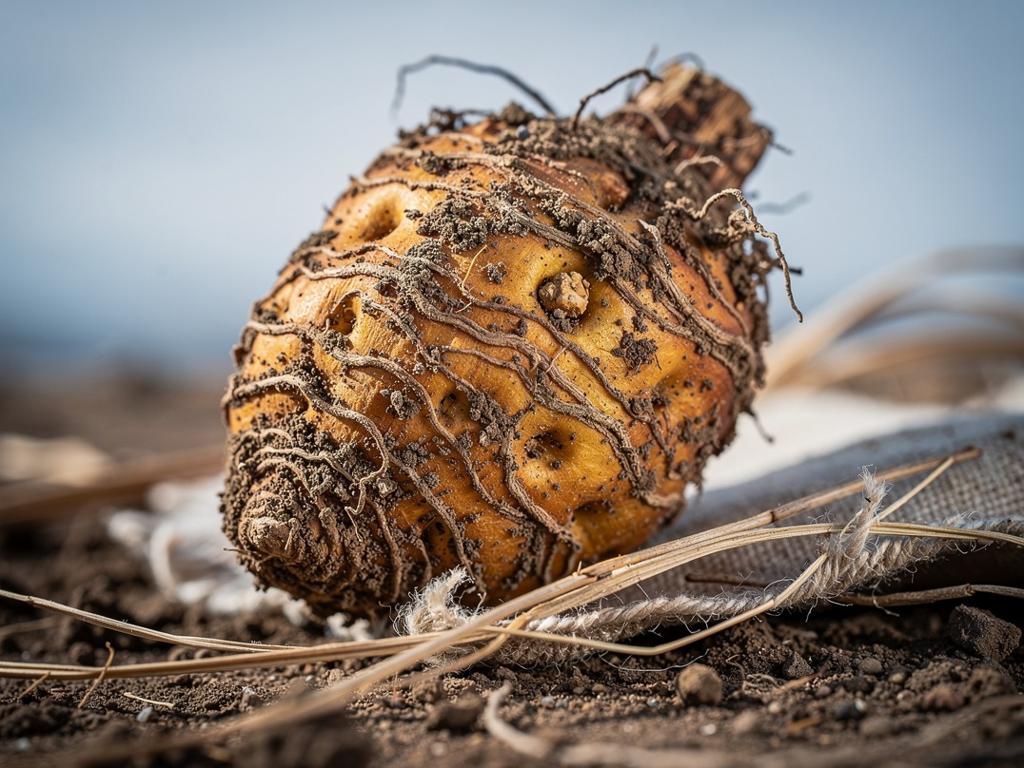
Somewhere between the first sleepless night before a ceremony and the third cup of coca tea at 12,000 feet, most retreat-goers start asking the same practical question: what should I actually be putting in my body right now? Maca root comes up a lot in those conversations. It’s not psychedelic, it’s not a master plant in the ceremonial sense, and it won’t send you anywhere you weren’t already headed. But it has a strange, quiet reputation among people preparing for ayahuasca and other plant medicine work — and that reputation deserves a closer look. This isn’t a wellness-influencer piece about superfoods. It’s a straight read on what maca is, what it isn’t, and how it fits (or doesn’t) into the bigger picture of psychedelic and plant-medicine retreats. If you’re weighing a trip to Peru, or you’re just curious why every third juice bar in Cusco stocks the powder, keep reading. Maca (Lepidium meyenii) is a hardy root vegetable that grows in the Peruvian Andes, mostly between 12,000 and 15,000 feet. It’s a cousin of broccoli and radish — cruciferous, unglamorous, and stubbornly resilient in soil where almost nothing else survives. Indigenous communities in the Junín region have been cultivating and eating it for at least two thousand years, and probably a lot longer. It was traded, taxed, and eaten as food long before anyone in the West got hold of it. The dried root gets ground into a powder that tastes faintly of malted caramel and dirt, in a way most people describe as “fine, I guess.” It comes in yellow, red, and black varieties, each with slightly different chemical profiles. Yellow is the most common. Red gets sold for hormonal balance. Black gets marketed for stamina and cognition. The research supporting those distinctions is thin but not nonexistent. Crucially: maca is a food, not a medicine in the pharmacological sense. It doesn’t contain psychoactive alkaloids. You cannot trip on it. This matters when we start talking about plant medicine. The phrase “master plants” refers, in Amazonian and Andean traditions, to plants that teach — plants a curandero works with over long dietas to learn healing, diagnose illness, or receive guidance. Ayahuasca is the famous one. San Pedro (huachuma), tobacco (mapacho), chacruna, chiric sanango, bobinsana, and many others belong to that lineage. These are plants with spirit, in the traditional framing. Maca is not a master plant. Ask any curandero in the sierra and they’ll tell you it’s food — nutritious, warming, useful, but not something you diet with in the ceremonial sense. That distinction matters because a lot of wellness content online blurs the line, selling maca capsules with the same mystical language used for ayahuasca or psilocybin. It’s misleading. If you’re researching psychedelics and plant medicine seriously, keep the categories clean: Here’s where it gets practical. Plenty of people preparing for an ayahuasca retreat or a San Pedro ceremony start adding maca to their routine in the weeks leading up. The reasons range from reasonable to wishful. The reasonable ones: maca is a genuine source of iron, calcium, and B vitamins. If you’re about to spend a week eating a strict dieta — usually plain fish, boiled plantain, some rice, no salt, no sugar, no oil — a bit of extra nutritional buffer beforehand isn’t crazy. People who arrive at retreats depleted tend to have harder physical experiences. That’s not mystical; it’s just biology. The wishful ones: the idea that maca “opens” something, primes the body for psychedelic experience, or somehow amplifies the medicine. There’s no evidence for any of this. Ayahuasca doesn’t care whether you drank maca smoothies for a month. What it responds to, in the reports of most experienced facilitators, is the state of your nervous system, your intention, and your willingness to actually let go — none of which come in powder form. If you’re heading to a traditional retreat, ask your facilitators before you take anything — including maca — in the days leading up to ceremony. Some centres run strict pre-ceremony protocols that exclude stimulants, adaptogens, and anything that could interact with the MAO inhibitors in ayahuasca. Maca is generally considered safe here, but “generally” isn’t the same as “yes, definitely, for you.” The MAOI issue is worth understanding on its own. Ayahuasca contains harmala alkaloids that inhibit monoamine oxidase, which is what allows the DMT in the brew to become orally active. That same mechanism makes ayahuasca dangerous when combined with certain antidepressants (SSRIs and SNRIs especially), some blood pressure medications, and foods high in tyramine. Maca doesn’t sit on that list of contraindications in any research I’ve seen. But a good retreat will still want to know what you’re taking, in what quantities, and for how long. General rule: whatever you’re bringing into your body in the two weeks before ceremony, tell your facilitator. Not because they’ll judge you — because they need to keep you alive and comfortable. This is the question I get asked most often by readers considering a retreat. They’re not really asking about maca. They’re asking, quietly, whether there’s a shortcut — something they can order online that will do a bit of what plant medicine does, without the discomfort of ceremony. The honest answer: no. Maca has some observed effects on mood in small studies, particularly around perimenopausal symptoms and general energy. That’s not nothing. But it is not a treatment for depression, trauma, or addiction, and anyone selling it that way is either misinformed or dishonest. The research on psychedelics for addiction recovery — psilocybin for alcohol use disorder, ibogaine for opioid dependence, ayahuasca for various forms of substance abuse — is on a different order of magnitude entirely. These are compounds that appear to interrupt patterns at the neural level in ways adaptogens simply don’t. Which isn’t to say food-medicines have no role. Nervous-system regulation, sleep, mineral repletion, cutting caffeine, gentle movement — these things matter enormously in the months around a psychedelic experience. Maca can be a small piece of that. It’s just not the main event. If you’re curious and want to add maca to your pre-retreat routine, a few honest pointers: Maca is a good root. It grows where almost nothing else does, feeds people in high mountains, and probably belongs in more diets than it currently occupies. It’s worth respecting on those grounds alone. What it isn’t is a plant medicine in the ceremonial sense, and it won’t do the work that ayahuasca, psilocybin, or ibogaine can do for people caught in the deeper grooves of addiction and trauma. If you’re researching a retreat and finding yourself pulled toward the real thing — the actual sit-in-a-maloca-and-face-what-comes-up thing — trust that instinct. Read carefully. Ask facilitators pointed questions. Talk to people who’ve been. If any of this resonates and you want a starting point, curated ayahuasca and plant-medicine retreats can be browsed on our marketplace here. The decision is a big one, and it deserves more than a supplement aisle can offer.
When Plant Medicine Meets Heartbreak: Working with Ayahuasca Through Loss
Three in the morning. The icaros have shifted key, the fire in the middle of the maloca has burned down to embers, and somewhere in the dark a woman is sobbing — not the polite kind of crying you do at a funeral, but the raw, animal kind that comes out when something you've been carrying for a decade finally gives way. She's not in pain. She's in love. Or rather, she's remembering what love actually is, underneath all the scar tissue. This is the part of ayahuasca work that nobody puts on the retreat website. The plant medicine brochures talk about healing, breakthroughs, insights. What they rarely mention is that a huge percentage of people who show up for ceremony are there because of love — love lost, love betrayed, love they couldn't hold onto, love they can't seem to give themselves. And ayahuasca has a particular way of walking straight into that room and sitting down. If you're researching a psychedelic retreat right now, and part of what's pulling you there is a broken heart or a stuck grief, this is worth understanding before you book anything. Master plants don't fix relationships. But they do have a strange, ancient talent for showing you where love got tangled up with fear, and what it might look like to untangle it. Talk to any facilitator who's been running ceremonies for a decade or more, and they'll tell you the same thing: the intentions written on the little slips of paper at the start of a retreat cluster around a few themes. Addiction. Depression. Trauma. And loss. So much loss. Partners who died. Marriages that collapsed. Children who stopped calling. Parents who were never really there. The love that didn't happen. There's a reason plant medicine attracts these particular wounds. Conventional therapy is excellent at helping you understand your grief cognitively — you can name your attachment style, identify your patterns, describe the way your mother's absence shaped your adult relationships. What it often can't do is actually move the grief out of your body. And grief, if you've ever really felt it, lives in the body. In the chest, the throat, the belly. It's not an idea. Ayahuasca has this way of bypassing the analytical mind and going straight to whatever is stored underneath. People who have talked about their divorce in therapy for three years sometimes find themselves, on night two of a ceremony, weeping over it as if it happened yesterday — but with a completely different quality. Less bitter. More tender. As though the medicine handed them back the love that was buried under all the resentment. Here's what nobody tells you: ayahuasca doesn't necessarily show you what you want to see. If you go in hoping to be told your ex was a monster and you're better off, the brew is entirely capable of showing you, instead, the moments you were unkind, the softness you refused to receive, the ways you shut down love long before the relationship ended. This can be brutal. It can also be the most freeing thing that's ever happened to you. Participants often describe a kind of aerial view of their romantic life — being able to see, for the first time, the pattern underneath all the specific stories. The same wound repeating itself with different faces. And once you can see it, something loosens. Practical things you might experience during a ceremony centered on grief or heartbreak: None of this is guaranteed. Ayahuasca is famously non-negotiable about giving you what you need rather than what you asked for. Someone who arrives obsessed with a lost partner might find the medicine ignore the relationship entirely and instead spend three nights working on their relationship with their father. The plant seems to know. Honest answer: sometimes yes, sometimes no. And it depends less on how much you're hurting than on where you are in the process. If you're in the first six months after a serious loss — a death, a divorce, a sudden abandonment — most experienced facilitators will gently suggest waiting. Acute grief has its own natural rhythm, and adding a powerful psychedelic experience on top of raw shock can be destabilizing rather than healing. You may be better served by giving yourself time, working with a therapist, and letting the initial waves pass. Where ayahuasca (and other master plants) tends to shine is with grief that's gotten stuck. The kind you know intellectually you should be over by now, but that keeps hijacking your life anyway. The relationship that ended five years ago that you're still processing. The parent who died when you were twelve. The version of yourself you lost somewhere along the way. These stuck places are what plant medicine seems built for. Questions worth asking yourself honestly before booking a retreat: The plant medicine world has grown enormously in the past few years, and the quality range is enormous. There are lineage-holding shamans in the Peruvian Amazon who have been running ceremonies for forty years. There are also, frankly, weekend warriors who took a facilitator training last spring and are now serving brew in a rented Airbnb. When the reason you're going is heartbreak — when you're emotionally vulnerable — the quality of the container matters more than usual. Look for retreats that require a real medical and psychological intake before accepting you. Look for facilitators who can actually name what they'd do if you had a difficult experience. Look for programs that offer integration support after you leave, not just a farewell breakfast and a shuttle to the airport. Red flags that should give you pause: promises of specific outcomes ("you'll finally get over your ex"), pressure to commit large sums quickly, dismissiveness about medication interactions, no clear protocol for medical emergencies, group sizes over about fifteen, or a general vibe that feels more like a music festival than a healing container. Green flags: multiple ceremonies over at least four or five days, small groups, an on-site medical support person, sober facilitators who don't drink the brew with participants, clear pre-retreat dieta guidance, and a real integration program afterward with follow-up calls or group sessions. Here's the part almost no first-time participant is prepared for: the ceremony isn't the healing. The ceremony is the download. The healing is what you do with it over the next six to twelve months. People who go home from an ayahuasca retreat and try to slide back into their normal life without changing anything often report the insights fading within weeks. People who treat integration seriously — who journal, who work with an integration therapist, who change their relationships and their routines and their inner conversations based on what they saw — those are the ones whose lives actually shift. For heartbreak specifically, this often looks like: writing the letter you never sent (and not sending it), noticing when you're about to repeat an old pattern with a new person and choosing differently, letting yourself grieve in small daily doses instead of trying to be over it, and — this is the surprising one — learning to be kind to the version of you that made the choices you now regret. Love's real fight, if there is one, isn't between you and the person who hurt you. It's between the part of you that wants to stay closed and the part that remembers how to open. Plant medicine doesn't win that fight for you. But it can show you, unmistakably, which side you actually want to be on. If any of this resonates and you're starting to look seriously at your options, a range of vetted ayahuasca and plant-medicine retreats can be browsed on our marketplace here. Take your time with the choice. The right container matters more than the right calendar date, and the work — the real work — will still be waiting whenever you're ready.
Craving More Stories?
Join our ShopAyahuascaRetreats newsletter for the latest updates on thrilling
destinations and inspirational tales, delivered straight to your inbox!
We value your privacy. Your email address will never be shared or published.
When the Enemy Becomes the Teacher: Plant Medicine and the People Who Trigger You
There's a strange thing that happens after a few ayahuasca ceremonies. You come home, feeling softer, more permeable, maybe a little wiser. And then within about forty-eight hours your mother-in-law says something at dinner and you feel a heat rise in your chest that you thought the medicine had dissolved. So much for enlightenment. Here's what I've come to believe after years of sitting in ceremony and interviewing people who've done this work: the person who triggers you is not the problem. They're the curriculum. And plant medicine, master plants, psychedelics — whatever language you use — they don't remove your triggers. They show you what's underneath them. Which is a very different, and much more useful, thing. There's an old idea in contemplative traditions — you'll find versions of it in Buddhism, Sufism, and the Amazonian lineages that work with ayahuasca — that your enemy is your teacher. Not in a saccharine, greeting-card way. In a practical, diagnostic way. The person who makes you feel small, defensive, or furious is holding up a mirror to something inside you that hasn't finished healing. The clue is in the intensity of your reaction. If a stranger cuts you off in traffic and you shrug, that's a real stranger. But if that same stranger sets off a two-hour internal monologue about how nobody respects you, you've just met a teacher. The stranger is incidental. The wound is yours. This is why so many people who go on a psychedelic retreat expecting to "fix" their relationship with their father come home and realise the work isn't about him at all. It's about the part of them that still contracts around a specific kind of dismissal. Ayahuasca has a way of pointing at that contraction and saying, gently or not so gently, look at this. People often arrive at their first ceremony with a mental list — I want to stop being angry at my ex, I want to forgive my boss, I want to release my resentment toward my sister. Reasonable requests. But the medicine tends to work sideways. Instead of removing the anger, ayahuasca often shows you the moment the anger was born. The five-year-old version of you who wasn't allowed to feel it. The teenager who learned that being furious meant being unloved. Suddenly the "enemy" in your current life becomes almost secondary — they were just the actor cast in a role written long before they showed up. This is why integration matters more than the ceremony itself. In the days and weeks after a retreat, you'll notice the people who used to trigger you either: All three outcomes are useful. None of them are failures. The mistake is expecting a ceremony to hand you a personality transplant. One thing worth being honest about: plant medicine communities can slip into a kind of language that lets people avoid the hard part. Someone hurts you and you're told they're your teacher, so you should be grateful. You're triggered and you're told it's your shadow, so you should just sit with it. All of that can be true. And all of it can also be a way of never actually feeling angry, never setting a limit, never leaving a bad situation. The teachings about the enemy as teacher aren't a bypass. They're a diagnostic tool. Yes, the person who triggers you is showing you something. That doesn't mean you have to keep having dinner with them. Sometimes the lesson is: I now see clearly enough to walk away. The psychedelic space is full of people who confuse insight with action. They have breakthrough experiences about how their marriage is over, then stay another five years. Or they have visions about their drinking, and never actually stop. Ceremonies open the door. Walking through it is your job. If you're considering a retreat because you're stuck in a repeating cycle with someone — an addict partner, a controlling parent, a coworker who lives rent-free in your head — here's a practice worth trying before you ever get on the plane. It's simple. It's not easy. Do that for a couple of months and you'll arrive at a retreat with much clearer material to work with. The medicine will meet you where you are. If where you are is honest and curious, the work goes deeper. A large share of the people quietly researching ayahuasca, ibogaine, or psilocybin retreats aren't chasing mystical experiences. They're exhausted. They've tried therapy, medication, meetings, self-help books. Something in their life — a substance, a pattern, a depression that won't lift — has become the enemy. And they want it gone. Here's where the teacher framing becomes genuinely radical. Your addiction is a teacher. Your depression is a teacher. Not because they're gifts wrapped in ribbon, but because they're pointing at something. A grief that never got mourned. A body that was never allowed to rest. A self that was never safe to be. Ibogaine, in particular, is known for the way it walks people through their own life story — not dramatically, but with a quiet, forensic honesty. People who've done it often describe watching, as if from outside, the exact moments where the addiction took root. The substance stops being the enemy. It becomes information. And information, unlike shame, is something you can actually work with. Ayahuasca does something similar with depression, though the mechanism feels different. Rather than a linear life review, it tends to show you the shape of your own defences — the ways you've been protecting yourself from feelings that were, at some point, unsurvivable. When those defences soften, the feelings underneath finally get to move. And movement, in this work, is everything. Not every retreat is set up to do this kind of depth work. Some are essentially psychedelic tourism — beautiful setting, dramatic ceremony, thin integration, and you're on a plane home two days later trying to make sense of what just happened. That's a recipe for a hard landing, sometimes a dangerous one. When you're evaluating a place, ask about: The retreats worth your money treat the medicine as one part of a much longer process. They'll ask you to prepare for weeks beforehand and stay in contact for months afterward. They understand that the enemy you came to face isn't going to be dispatched in a single night, no matter how intense the ceremony. If you're at the point where the people and patterns in your life have started to feel like teachers rather than just tormentors, that's a meaningful signal. You're ready to look at the material rather than run from it. For readers wanting to take this exploration further, a curated range of ayahuasca and plant-medicine retreats can be browsed on our marketplace here. Take your time choosing. The right teacher, human or plant, is worth waiting for.

Vitamin B3 and Glaucoma Risk: What New Research Suggests
If you've ever walked out of an eye exam with a slip of paper mentioning elevated intraocular pressure, you know the particular flavor of that worry. Not quite an emergency. Not quite nothing. Your optometrist probably said something reassuring, scheduled a follow-up, maybe suggested drops — and sent you home to spend the next week googling glaucoma at midnight. Here's a wrinkle worth knowing about. A form of vitamin B3 called nicotinamide — the same nutrient that lives quietly in your morning eggs and the tuna sandwich you had last Tuesday — has been quietly gathering scientific attention as something that might help protect the optic nerve. A recent large-scale analysis puts a bit more weight behind that idea. It's not a cure. It's not a replacement for anything your doctor recommends. But it's an interesting piece of the puzzle, and it's the kind of thing worth bringing up at your next appointment. Ocular hypertension is the clinical term for pressure inside the eye that sits higher than what's considered normal, but without the actual optic-nerve damage that would qualify as glaucoma. Think of it as the yellow-light zone. You're not in trouble yet, but the road ahead has a warning sign on it. The reason anyone cares is that elevated eye pressure is one of the biggest risk factors for glaucoma — a condition that quietly damages the optic nerve and is the leading cause of irreversible blindness on the planet. Glaucoma tends to sneak up on people. By the time you notice symptoms, you've usually already lost some peripheral vision, and lost vision doesn't come back. That's why anyone with high pressure gets watched carefully. Drops, laser treatment, and regular monitoring are the standard playbook. What hasn't traditionally been on that playbook is a B vitamin. Which is what makes the newer research interesting. Nicotinamide is one of the two main dietary forms of vitamin B3. The other, niacin, is the one that causes that hot, itchy flush at high doses. Nicotinamide doesn't do that, which is part of why researchers like it — it's well tolerated even at doses well above what you'd get from food. Inside your cells, B3 converts into NAD+, a molecule your mitochondria use to keep energy production humming along. Nerve cells, including the delicate ones in your retina and optic nerve, are especially hungry for that energy. When NAD+ levels drop — which happens with age, stress, and various diseases — those cells become more fragile and more prone to damage. The theory goes that keeping NAD+ topped up might make the optic nerve more resilient to the pressure it's under. That's the lab bench story. The bigger question has always been whether it holds up in real people, in the real world, over meaningful stretches of time. A team of researchers dug into electronic medical records from 67 healthcare organizations across the United States, spanning a twenty-year window. They pulled out 1,460 patients with documented ocular hypertension who had also been taking nicotinamide, and matched them against 1,460 patients with the same condition but no history of nicotinamide or niacin use. Everyone was followed for an average of just under four years. The results were striking. Among the nicotinamide group, roughly 3.5% went on to develop glaucoma. In the control group, that number jumped to 9%. The secondary outcomes told the same story — the nicotinamide users were also less likely to be prescribed pressure-lowering drops and less likely to need laser procedures during the follow-up window. To put that in plain terms: the people taking B3 were not only diagnosed with glaucoma less often, they also seemed to need less escalating treatment along the way. That's the kind of consistent signal that gets researchers' attention. This is the part where I have to slow you down. The study is genuinely encouraging, but it's not a clinical trial. It's what's called an observational analysis, which means the researchers watched what already happened rather than randomly assigning people to take the vitamin or a placebo. That distinction matters. Here's why. People who take supplements tend to differ from people who don't in ways that don't show up in medical records — they might exercise more, eat differently, see their doctors more often, or be more attentive to their health in general. Even with careful statistical matching, those hidden differences can inflate an apparent benefit. Association is not causation, and the study authors themselves are careful to say so. A few other things worth holding in mind: If you're the person this article is aimed at — someone who got the pressure warning and is now looking for anything actionable — here's a practical way to think about it. First, keep whatever your ophthalmologist has you doing. Drops work. Monitoring works. Missing appointments is how small problems become large ones. Second, at your next visit, mention this research and ask whether nicotinamide is something worth adding to your regimen given your specific numbers, family history, and overall health. Some eye doctors are already recommending it; others will want to look at the evidence themselves. Both responses are reasonable. Third, pay attention to the boring, foundational stuff that supports eye and nerve health in general. Blood pressure and blood sugar both influence how your optic nerve fares over decades. Sleep matters, because your eye pressure fluctuates depending on how rested you are. Regular movement helps. So does not smoking. None of this is glamorous advice, but it's the ground floor under any specific intervention you might add. One thing I find quietly hopeful about this research is what it suggests more broadly — that ordinary nutrients, ones we've known about for a century, may still have surprises to reveal. The nervous system is complicated and slow to heal, and any tool that helps keep it resilient is worth investigating carefully. Whether it's B3 for the optic nerve, omega-3s for the brain, or magnesium for a hundred different downstream effects, the basic biochemistry of being a body seems to reward paying attention to inputs most people take for granted. That doesn't mean turning your kitchen into a supplement store. It means treating your annual bloodwork, your eye exams, and your conversations with clinicians as real information — not chores. The people who catch things early tend to be the ones who keep showing up and asking questions. For readers exploring the wider landscape of nervous-system recovery and holistic wellness practices — including plant-medicine and integration retreats that address stress, trauma, and long-term nervous-system regulation — a curated selection can be browsed on our marketplace here. And whatever you decide about the vitamin question, don't skip that follow-up appointment. Your future eyesight is patient, but it's not that patient.
What People Actually Mean by the "Higher Self" in Psychedelic Work
Sit in enough ceremonies and you'll hear the phrase within the first hour. Your higher self will guide you. Trust your higher self. The medicine connects you to your higher self. Facilitators say it. Integration circles repeat it. Somebody's cousin who did one ayahuasca retreat in 2019 says it at dinner parties. And if you're the sort of person who came to plant medicine because you're tired of vague spiritual language, you may find yourself wanting to raise your hand and ask — higher than what, exactly? It's a fair question. The term gets thrown around like everyone agreed on a definition years ago and you missed the memo. In reality there are several very different things people mean when they say it, and they don't all belong in the same conversation. Some are useful. Some are metaphor. Some are, frankly, filler. If you're weighing whether to book an ayahuasca ceremony or a psilocybin retreat, it helps to know which is which before you get there. When you press people on what they actually mean by their higher self, the answers usually cluster into a handful of camps. They overlap, but they're not the same claim, and treating them as one big idea is where the confusion starts. A skeptic tends to hear the fourth and dismiss the whole conversation. A true believer hears the first and treats disagreement as spiritual immaturity. Neither is very interesting. The useful conversation is somewhere between the psychological and systems versions — because whatever the metaphysics turn out to be, something real happens in a ceremony that these frames actually describe. Here's what people usually mean when they say ayahuasca or psilocybin put them in touch with their higher self, stripped of the vocabulary. Under a strong dose of a serotonergic psychedelic, the parts of your brain that normally run the show — the default mode network, the internal narrator, the constant background hum of self-referential thought — quiet down. That narrator is the part of you that rehearses arguments in the shower, plans tomorrow's meeting, and reminds you of that thing you said in 2011. When it goes quiet, other stuff gets a turn at the microphone. Emotions you've been sitting on. Memories you'd forgotten. Perspectives on your own behavior that your ego usually blocks. Whether you call that a higher self, a subconscious, a shadow, or just a rare moment of not being defensive — the phenomenon is the same. You're temporarily meeting a version of yourself that isn't being managed by the usual security detail. For people working with addiction, depression, or trauma, that meeting can be extraordinary. For people who assumed they knew themselves already, it can be humbling. None of that requires a metaphysical commitment. It also doesn't rule one out. Plenty of thoughtful, skeptical people leave a ceremony with the strong impression they encountered something more than their own psychology, and I'm not going to talk them out of it. But you don't need to believe in a soul to get value from the experience — which is worth saying, because a lot of people rule out plant medicine because they think they have to buy the whole cosmology first. They don't. In Amazonian traditions, ayahuasca and other master plants — ayahuasca vine, chacruna, tobacco, chiric sanango, bobinsana, and dozens more — are treated as teachers with their own personalities. A curandero will say the plant showed them something, taught them a song, corrected them. This is a very different framework from the higher-self language, but retreats often collapse the two. The overlap is real, though. Both frames describe a source of information that isn't your everyday thinking mind. Whether that source is inside you (higher self) or outside you (the plant spirit), the practical effect on the person receiving it is similar: information arrives that they didn't consciously construct, and it often turns out to be useful. Whatever you believe about the mechanism, the pattern is well-documented across thousands of years of practice and, more recently, across clinical trials at institutions that don't traffic in mysticism. If you're actually researching an ayahuasca retreat or a psilocybin program, the way a facilitator talks about the higher self tells you a lot about how they'll run the ceremony and the aftermath. Listen for it on their intake calls. Read it in their materials. It's a tell. This is the practical stakes of the whole conversation. It's not just semantics. If you're spending three thousand dollars and a week of your life on a psychedelic retreat, the interpretive framework you're handed shapes what you take home. Here's the version I'd offer someone asking the question honestly: the higher self, if the phrase has to mean anything, is a shorthand for the version of you that would exist if the anxious, defensive, story-telling part of your mind stepped aside for a while. It's not necessarily supernatural. It's the you underneath the you that got built on top of you by twenty or forty years of coping. Psychedelics can put you in the same room with that person for a few hours. What you do with the introduction is up to you. You don't have to call it a higher self. Some people call it their essential self, their unconditioned mind, their soul, their gut, their inner witness, or nothing at all. The label matters less than whether you can actually hear it once the noise dies down — and whether you can keep hearing it three months after the ceremony, when your inbox is back to full and the maloca feels like a dream you had. If any of this resonates and you're thinking about doing the work yourself, a range of curated ayahuasca and plant-medicine retreats can be browsed on our marketplace here. Whatever framework you bring to it, the important thing is going in with your eyes open and coming out with something you can actually use.
When a Trip Goes Sideways: What to Do When a Friend Has a Bad Psychedelic Experience
Someone you love takes a psychedelic. Maybe mushrooms at a music festival. Maybe ayahuasca at a retreat you both saved for months to attend. Maybe LSD in a friend's living room on a Saturday night. And somewhere along the way, the trip turns. Their eyes go glassy in a way that isn't wonder anymore. They start repeating a sentence. They curl up. They cry, or they get scared, or they get quiet in a way that makes the room feel colder. What now? This is the question nobody wants to think about before they head off to a ceremony or a festival — and it's the exact question everyone eventually needs to answer. The world of ayahuasca, psychedelics, and master plants isn't all sunrise meditations and breakthrough insights. Sometimes the medicine drags people through territory they weren't ready for. Sometimes a friend goes somewhere hard, and you're the one sitting next to them, watching it unfold, wondering if you're helping or making it worse. Here's what I've learned from sitting in ceremony spaces, from talking with facilitators who've seen it all, and from being the friend on both sides of that hard moment. First, let's ditch the phrase “bad trip.” It's lazy shorthand that lumps together very different experiences — a moment of anxiety, a confrontation with old trauma, a full-blown dissociative crisis. These aren't the same thing, and they don't need the same response. A difficult experience might look like intense fear or paranoia, uncontrollable crying, repetitive movements, feeling trapped in a loop, dissociation from the body, or the conviction that something terrible is happening or has already happened. Sometimes it looks calm on the outside — the person is simply gone, eyes far away, unreachable for a while. None of these are automatically emergencies. Psychedelic states are wildly nonlinear. A person can move from terror to peace to laughter in the space of twenty minutes. The trap most sitters fall into is treating every hard moment like a crisis, when what's actually happening is a healthy — if unpleasant — unfolding. Hard is: crying, shaking, expressing fear, saying things that don't make sense, wanting to be held or left alone, purging on ayahuasca (which is often part of the process), reliving something old. Dangerous is: trying to run into traffic, wanting to hurt themselves or someone else, showing signs of a serotonin or cardiac emergency, having a seizure, taking additional substances mid-experience, or losing consciousness in a way that doesn't fit the substance's normal profile. Dangerous means you call for help, no ego involved. The single most useful thing you can do is regulate your own nervous system. Psychedelic states are famously permeable — the person tripping is picking up on everything around them, including whether you're panicking. If you're calm, they have something to co-regulate with. If you're spiraling, you're pouring gasoline on their fire. Breathe slowly. Sit at their level, not looming over them. Keep your voice low and unhurried. Don't crowd them, but don't disappear either. Your job is to be a steady, unspectacular presence — a lighthouse, not a rescue helicopter. A few practical things that tend to help: The old advice from the Zendo Project — the harm-reduction group that has sat with thousands of people in altered states — boils down to four principles: create a safe space, sit, don't guide; talk through, not down; and difficult is not the same as bad. Those four have never failed me. Ayahuasca deserves its own paragraph here because the difficult moments in a ceremony can look extra alarming to anyone who hasn't seen them before. People purge — sometimes for hours. People wail. People say things in languages they don't speak. People appear to fight invisible things. To an outsider it can look like a horror film. To an experienced facilitator, most of it is just Tuesday. This is one of the strongest arguments for choosing a legitimate retreat with real Amazonian lineage rather than a rented Airbnb and a stranger with a jar of brew. In a proper ceremony, a curandero or curandera is reading the room constantly. They know the songs — the icaros — that can steady someone spinning out. They know when to sit closer, when to sing louder, when to move a person to a different spot in the maloca. That skill isn't decorative. It's the difference between a hard night that becomes medicine and a hard night that becomes trauma. If you're considering a ceremony and worried about the difficult scenarios, the honest answer is: don't go alone, and don't go cheap. Ask retreat centers directly what their protocols are for someone in acute distress. A reputable place will have a clear answer. A sketchy one will get defensive. Here's the part almost nobody prepares for. The trip ends. Your friend is exhausted, quiet, maybe embarrassed, maybe blank. The temptation is to move on — make breakfast, laugh it off, pretend the strange night didn't happen. Don't. The 72 hours after a difficult psychedelic experience are the most important stretch of the whole thing. This is when the raw material either gets metabolized into insight or gets stuffed into a box that will rattle for years. What people who've done real healing work with plant medicine and psychedelics for addiction, depression, or trauma will tell you — almost universally — is that the medicine cracks something open, and integration is what turns that opening into change. Some things that help during integration: If the experience surfaced something the person is genuinely struggling with — flashbacks, persistent anxiety, intrusive imagery lasting more than a few weeks — that's a signal to work with a professional, not to tough it out. Most cities now have therapists who specialize in psychedelic integration. They exist because this need is real and increasingly common. None of what I've written should scare you off. Difficult moments are part of the territory, and the vast majority of them are exactly where the healing lives. The people I know who credit ayahuasca or psilocybin with pulling them out of addiction, depression, or a long stuck patch almost always tell the same story: it wasn't the pretty visions that changed them. It was the night they thought they were dying, and the moment on the other side of it. What matters is the container. Who is holding the space. Whether there's someone there who's seen a hundred hard nights and knows the difference between a soul working itself out and a body in trouble. Whether integration is built into the program or you're on your own the moment you land back home. Ask hard questions before you book. Talk to past participants. Read reviews with a suspicious eye — anywhere with only glowing five-star reviews is either brand-new or curating heavily. If you can, talk to the facilitator directly before committing. Trust your gut. The right retreat feels grounded, not glamorous. For readers who want to take this further, a range of vetted ayahuasca and psychedelic retreats can be browsed on our marketplace here. Wherever you end up, may your difficult moments — the ones you have and the ones you sit with for others — turn into the kind of medicine that actually changes something.
Extreme Fear on 5-MeO-DMT: What It Means and How to Move Through It
There's a moment, roughly fifteen seconds after the vapor hits the lungs, when some people encounter something that words don't really cover. Not a bad trip in the classic sense. Not visuals melting into visuals. Something more like being shoved off the edge of everything you thought you were, with no handrail and no warning. Fear on 5-MeO-DMT — the psychedelic secretion from the Sonoran Desert toad, sometimes called bufo — can be absolute. And it's one of the least discussed corners of the whole plant medicine conversation. If you've been researching a bufo ceremony, or you've already had one and you're still shaken by what happened, this is for you. Not a sales pitch. Not mysticism dressed up in modern clothes. Just what I've seen, what facilitators have told me, and what the people who've been through it tend to wish they'd known first. People who've done ayahuasca, psilocybin, LSD, even smoked N,N-DMT often walk into a 5-MeO ceremony thinking they know the territory. They don't. The two DMTs share three letters and almost nothing else experientially. Ayahuasca unfolds over hours, gives you room to negotiate, lets you sit with imagery and memory. 5-MeO strips the negotiation table away. In the reports I trust most, there is no self left to negotiate with. That's the point. And that's also what makes it terrifying for a not-insignificant number of participants. The onset is fast — under a minute — and the peak arrives before your body has caught up with the fact that anything is happening. Some people describe it as a kind of white light or oceanic dissolution. Others describe pure, wordless panic. Both are considered normal reactions in the underground and clinical communities that work with the medicine. The problem is that most retreat marketing shows you the first version and skips over the second. The fear on 5-MeO isn't usually the same as a difficult mushroom trip, where a scary thought loops and you can talk yourself down. It's more like the fear of ceasing to exist — because in some sense, for a few minutes, you kind of are. Ego death sounds poetic in a podcast. Lived from the inside, it can feel like dying. Your body may thrash, freeze, moan, or go completely still. You may believe, in that moment, that you will never come back. You always do. But no article can convince a nervous system mid-experience of that. Here's the honest answer: a strong fear response on 5-MeO-DMT is common enough that experienced facilitators plan for it. It doesn't mean you got a bad batch, a bad ceremony, or that you're psychologically broken. It usually means one of a few things. Any one of those is enough. Two or three together and terror becomes almost predictable. The medicine itself isn't punishing you. It's showing you the location of the resistance with extraordinary precision. Studies on 5-MeO-DMT are still thin compared to psilocybin or MDMA, but survey data from Johns Hopkins and other groups suggests that a meaningful minority of participants report challenging experiences — including fear, panic, and lingering psychological difficulty in the days after. Most also report significant reductions in depression and anxiety weeks later. Both things can be true. The medicine can hand you the worst hour of your life and, months later, you may say it was one of the most important. I'm not romanticizing that. I'm telling you what the data and the interviews consistently show. People often ask what they can actually do to reduce the odds of a terrifying journey. The truthful answer is: a lot, but not everything. You don't control the medicine. You control the container you bring to it. Preparation for 5-MeO isn't the same as prepping for ayahuasca. You're not doing weeks of dieta with master plants. You're doing something more like preparing for a very intense meditation retreat compressed into fifteen minutes. That means nervous system work, not just intention-setting worksheets. The people I've interviewed who report the smoothest journeys almost always share one trait: they had done meaningful work on their nervous system before the ceremony, not just their mindset. Belief that you're ready is not the same as being ready. If you're reading this because something happened and you're still rattled — days, weeks, or months later — please know that integration matters more than the experience itself. The 5-MeO community has gotten better at this, but it's still uneven. Some retreat centers send you home the next morning with a hug and a smoothie. That's not enough. Real integration after a fear-heavy 5-MeO experience usually involves: If you're experiencing lingering symptoms — dissociation, persistent anxiety, intrusive re-experiencing — treat it seriously. It's rare, but it happens, and it's not shameful. It's a medical situation that deserves proper support. This is where the retreat you pick matters most. A skilled 5-MeO facilitator has sat with hundreds of people, many of them terrified, and knows how to stay grounded while someone else's world dissolves. You want someone who has training in psychological first aid, who works with a small group or one-on-one, who doesn't push higher doses, and who has integration support built into the offering — not tacked on as an upsell. Questions worth asking before you book anything: If the answers are vague, or you're being sold on transformation before safety, keep looking. There are careful, experienced practitioners in this space, and there are people who found out about bufo eighteen months ago and started charging for ceremonies. The gap between them is enormous. Here's the part that took me a while to accept. Fear on 5-MeO-DMT isn't a sign that psychedelic healing failed you. Fear is often the material. The medicine is showing you where you're bracing against your own life, and it's doing it at a speed the mind can't manage. Whether that becomes a breakthrough or a wound depends less on the substance and more on what surrounds it — the facilitator, the setting, the preparation, the integration. Plenty of people who had terrifying first experiences with bufo have gone on to describe it as pivotal. Others have decided, sensibly, that this particular medicine isn't for them, and moved toward slower work with ayahuasca, psilocybin, or non-psychedelic approaches. Both choices are valid. The one choice that isn't valid is going in blind because a friend said it changed their life. For readers who want to keep exploring this carefully, a range of vetted 5-MeO-DMT and broader plant medicine retreats can be browsed on our marketplace here. Take your time with the decision. The medicine will still be there when you're actually ready.
Dreaming of a Psychedelic Retreat?
We have the best deals and offers from thousands of organizers all over the world! Get them into your mailbox every week!
We value your privacy. Your email address will never be shared or published.
