 English
 Deutsch
 Français
 Nederlands
 Español
SHOP AYAHUASCA RETREATS BLOG
Maca Root and Plant Medicine: What to Know Before a Retreat

Ezra Caldwell
July 26, 2026
Your ultimate guide to discover transforming ayahuasca and psychedelic experiences. Dive into serene destinations and elevate your consciousness to unparalled heights.
Discover Ayahuasca & Psychedelic Retreats NowSearch for ayahuasca & psychedelic retreats
Discover retreats, trainings, and holidays from all over the world
Somewhere between the first sleepless night before a ceremony and the third cup of coca tea at 12,000 feet, most retreat-goers start asking the same practical question: what should I actually be putting in my body right now? Maca root comes up a lot in those conversations. It’s not psychedelic, it’s not a master plant in the ceremonial sense, and it won’t send you anywhere you weren’t already headed. But it has a strange, quiet reputation among people preparing for ayahuasca and other plant medicine work — and that reputation deserves a closer look.
This isn’t a wellness-influencer piece about superfoods. It’s a straight read on what maca is, what it isn’t, and how it fits (or doesn’t) into the bigger picture of psychedelic and plant-medicine retreats. If you’re weighing a trip to Peru, or you’re just curious why every third juice bar in Cusco stocks the powder, keep reading.
What Maca Actually Is
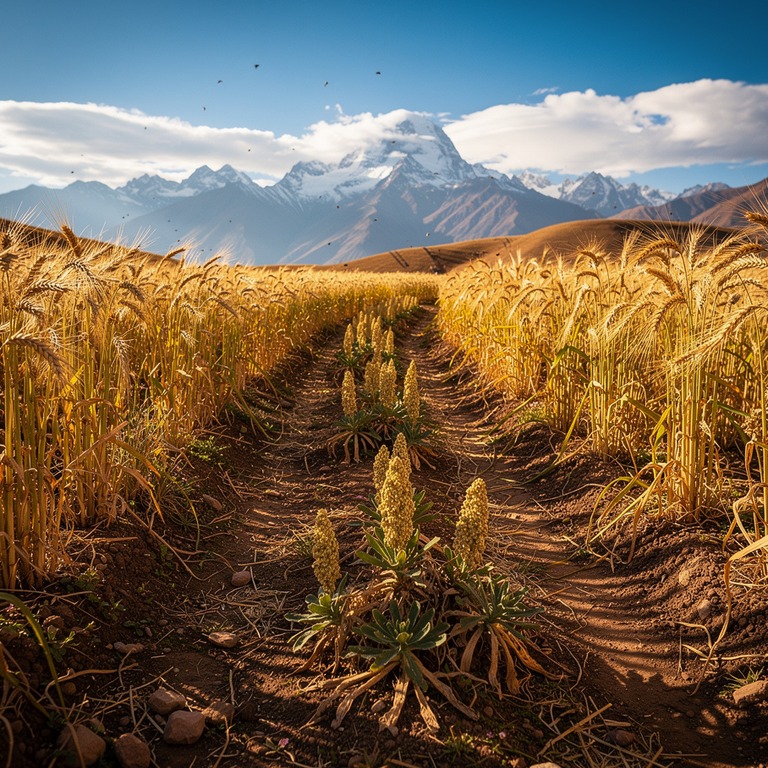
Maca (Lepidium meyenii) is a hardy root vegetable that grows in the Peruvian Andes, mostly between 12,000 and 15,000 feet. It’s a cousin of broccoli and radish — cruciferous, unglamorous, and stubbornly resilient in soil where almost nothing else survives. Indigenous communities in the Junín region have been cultivating and eating it for at least two thousand years, and probably a lot longer. It was traded, taxed, and eaten as food long before anyone in the West got hold of it.
The dried root gets ground into a powder that tastes faintly of malted caramel and dirt, in a way most people describe as “fine, I guess.” It comes in yellow, red, and black varieties, each with slightly different chemical profiles. Yellow is the most common. Red gets sold for hormonal balance. Black gets marketed for stamina and cognition. The research supporting those distinctions is thin but not nonexistent.
Crucially: maca is a food, not a medicine in the pharmacological sense. It doesn’t contain psychoactive alkaloids. You cannot trip on it. This matters when we start talking about plant medicine.
Where Maca Sits in the Master Plants Conversation
The phrase “master plants” refers, in Amazonian and Andean traditions, to plants that teach — plants a curandero works with over long dietas to learn healing, diagnose illness, or receive guidance. Ayahuasca is the famous one. San Pedro (huachuma), tobacco (mapacho), chacruna, chiric sanango, bobinsana, and many others belong to that lineage. These are plants with spirit, in the traditional framing.
Maca is not a master plant. Ask any curandero in the sierra and they’ll tell you it’s food — nutritious, warming, useful, but not something you diet with in the ceremonial sense. That distinction matters because a lot of wellness content online blurs the line, selling maca capsules with the same mystical language used for ayahuasca or psilocybin. It’s misleading. If you’re researching psychedelics and plant medicine seriously, keep the categories clean:
- Master plants: worked with ceremonially, often with dietary and behavioural restrictions, sometimes psychoactive, always treated with ritual respect.
- Adaptogens and food-medicines: maca, cacao (in food form), quinoa, coca leaf as tea, various Andean tubers. Supportive, nourishing, non-ceremonial.
- Ceremonial-but-not-psychoactive: things like kambo (frog secretion) or rapé — powerful, ritualised, but a different category again.
Why People Take Maca Before a Retreat
Here’s where it gets practical. Plenty of people preparing for an ayahuasca retreat or a San Pedro ceremony start adding maca to their routine in the weeks leading up. The reasons range from reasonable to wishful.
The reasonable ones: maca is a genuine source of iron, calcium, and B vitamins. If you’re about to spend a week eating a strict dieta — usually plain fish, boiled plantain, some rice, no salt, no sugar, no oil — a bit of extra nutritional buffer beforehand isn’t crazy. People who arrive at retreats depleted tend to have harder physical experiences. That’s not mystical; it’s just biology.
The wishful ones: the idea that maca “opens” something, primes the body for psychedelic experience, or somehow amplifies the medicine. There’s no evidence for any of this. Ayahuasca doesn’t care whether you drank maca smoothies for a month. What it responds to, in the reports of most experienced facilitators, is the state of your nervous system, your intention, and your willingness to actually let go — none of which come in powder form.
Maca and the Dieta: A Word of Caution
If you’re heading to a traditional retreat, ask your facilitators before you take anything — including maca — in the days leading up to ceremony. Some centres run strict pre-ceremony protocols that exclude stimulants, adaptogens, and anything that could interact with the MAO inhibitors in ayahuasca. Maca is generally considered safe here, but “generally” isn’t the same as “yes, definitely, for you.”
The MAOI issue is worth understanding on its own. Ayahuasca contains harmala alkaloids that inhibit monoamine oxidase, which is what allows the DMT in the brew to become orally active. That same mechanism makes ayahuasca dangerous when combined with certain antidepressants (SSRIs and SNRIs especially), some blood pressure medications, and foods high in tyramine. Maca doesn’t sit on that list of contraindications in any research I’ve seen. But a good retreat will still want to know what you’re taking, in what quantities, and for how long.
General rule: whatever you’re bringing into your body in the two weeks before ceremony, tell your facilitator. Not because they’ll judge you — because they need to keep you alive and comfortable.
Does Maca Help with Addiction, Depression, or Trauma?
This is the question I get asked most often by readers considering a retreat. They’re not really asking about maca. They’re asking, quietly, whether there’s a shortcut — something they can order online that will do a bit of what plant medicine does, without the discomfort of ceremony.
The honest answer: no. Maca has some observed effects on mood in small studies, particularly around perimenopausal symptoms and general energy. That’s not nothing. But it is not a treatment for depression, trauma, or addiction, and anyone selling it that way is either misinformed or dishonest. The research on psychedelics for addiction recovery — psilocybin for alcohol use disorder, ibogaine for opioid dependence, ayahuasca for various forms of substance abuse — is on a different order of magnitude entirely. These are compounds that appear to interrupt patterns at the neural level in ways adaptogens simply don’t.
Which isn’t to say food-medicines have no role. Nervous-system regulation, sleep, mineral repletion, cutting caffeine, gentle movement — these things matter enormously in the months around a psychedelic experience. Maca can be a small piece of that. It’s just not the main event.
Practical Guidance if You Want to Try It
If you’re curious and want to add maca to your pre-retreat routine, a few honest pointers:
- Start small — a teaspoon of powder in the morning, in a smoothie or oatmeal. Some people find it activating; a few find it makes sleep harder. See how your body responds before increasing.
- Buy gelatinised maca if you have any digestive sensitivity. The raw powder can be rough on some stomachs; gelatinisation just means the starches have been broken down with heat and pressure. Nothing sinister.
- Don’t take it for the first time the week of ceremony. If your body is going to have any weird reaction, you want to know that at home, not in a jungle lodge four hours from the nearest clinic.
- Stop if you don’t notice anything after four to six weeks. Adaptogens work slowly if they work at all, but they shouldn’t require an act of faith to justify continuing.
Keeping the Bigger Picture
Maca is a good root. It grows where almost nothing else does, feeds people in high mountains, and probably belongs in more diets than it currently occupies. It’s worth respecting on those grounds alone. What it isn’t is a plant medicine in the ceremonial sense, and it won’t do the work that ayahuasca, psilocybin, or ibogaine can do for people caught in the deeper grooves of addiction and trauma.
If you’re researching a retreat and finding yourself pulled toward the real thing — the actual sit-in-a-maloca-and-face-what-comes-up thing — trust that instinct. Read carefully. Ask facilitators pointed questions. Talk to people who’ve been. If any of this resonates and you want a starting point, curated ayahuasca and plant-medicine retreats can be browsed on our marketplace here. The decision is a big one, and it deserves more than a supplement aisle can offer.
Craving More Stories?
Join our ShopAyahuascaRetreats newsletter for the latest updates on thrilling
destinations and inspirational tales, delivered straight to your inbox!
We value your privacy. Your email address will never be shared or published.