 English
 Deutsch
 Français
 Nederlands
 Español
SHOP AYAHUASCA RETREATS BLOG
Oregon Psilocybin Services in 2026: What the Latest Data Actually Tells Us

Lila Novak
July 27, 2026
Your ultimate guide to discover transforming ayahuasca and psychedelic experiences. Dive into serene destinations and elevate your consciousness to unparalled heights.
Discover Ayahuasca & Psychedelic Retreats NowSearch for ayahuasca & psychedelic retreats
Discover retreats, trainings, and holidays from all over the world
Oregon quietly did something almost no other place on earth has done: it built a legal, regulated psilocybin services program that anyone over 21 can access without a medical diagnosis. Four years in, the data is finally rich enough to say something useful about who’s actually going, what they’re paying, and how the whole experiment is aging. The first-quarter numbers for 2026 landed recently, and they’re worth pulling apart if you’re one of the many people quietly wondering whether a legal mushroom session in Oregon might be the psychedelic experience you’ve been circling for years.
Let me say the obvious thing first. Oregon Psilocybin Services (OPS) is not a retreat model in the traditional Amazonian-ceremony sense. There’s no shaman singing icaros at 3 a.m., no dieta, no vine. It’s a licensed service center, a trained facilitator, a measured dose of psilocybin, and a session that follows a written protocol. Some people find that clinical. Others find it exactly right. Which camp you fall into matters — probably more than the data itself.
What the Q1 2026 Numbers Actually Show
The headline figure most people want first: sessions are still happening at a steady clip, and the program has moved past the wobbling infancy it had in 2023. Service centers are more stable now. Facilitator turnover has slowed. The bulk of clients are still Oregon residents, though out-of-state visitors continue to fly in — Portland and Bend remain the two gravitational centers, with a handful of smaller centers scattered across the coast and southern Oregon.
Product sales data — the amount of psilocybin actually purchased by service centers from licensed manufacturers — tells a quieter story about supply chain maturity. Prices per gram have compressed compared with the wild variance of 2024, meaning centers can now forecast costs and pass more predictable pricing to clients. That’s a boring detail with a real consequence: sessions are becoming slightly more affordable, though “affordable” is still a stretch for most household budgets. Expect to pay somewhere in the range of $1,500 to $3,500 for a full session including preparation and integration, depending on dose, location, and how much support you want. Group sessions can bring the per-person cost down meaningfully.
Safety data continues to look reassuring in the way regulators like: very few serious adverse events per session, and the ones that do occur are overwhelmingly psychological distress that resolves within the session itself. No deaths. No emergency department transfers of any significance. That’s not the same as saying it’s risk-free — more on that below — but it does suggest the guardrails are doing what they were designed to do.
Who Is Actually Showing Up?
This is the part I find most interesting, because the client-motivation data cuts against the stereotype. The most common reasons people cite for booking a psilocybin session in Oregon aren’t what a casual observer might guess. They cluster around depression, anxiety, grief, and end-of-life distress, with a smaller but persistent cohort seeking help with trauma or PTSD. Curiosity and personal growth show up too, but they’re not the dominant driver. This is not a party crowd. It’s largely people who have tried therapy, tried medication, tried other things, and want to try something else.
Demographically, clients skew older than you might expect — a lot of forties and fifties, some sixties, fewer twenty-somethings than the psychedelic-alpha stereotype suggests. Women slightly outnumber men. Most clients arrive with previous psychedelic experience, though a meaningful minority — perhaps a quarter — are first-timers. That last number matters if you’re a first-timer yourself. You wouldn’t be alone. Facilitators are increasingly used to guiding people who have never touched a psychedelic before.
One recurring theme in the facilitator community: clients coming in for help with addiction — alcohol, particularly, and increasingly stimulant use — remain a smaller share of the total than many advocates expected. That’s partly because ibogaine and ayahuasca have stronger reputations for addiction work, and partly because the OPS framework doesn’t market itself as a treatment. It’s a service, not a therapy, and that legal distinction shapes who ends up walking through the door.
How the Legal Oregon Model Differs from a Traditional Retreat
If you’ve been researching ayahuasca retreats in Peru or psilocybin retreats in Jamaica or the Netherlands, you should understand what Oregon is and isn’t before you book. The Oregon program was designed around harm reduction and consumer access, not around ceremony. Here’s what that means in practice:
- No medical claims allowed. Facilitators cannot diagnose, treat, or promise outcomes. They support the experience — they don’t prescribe it.
- Preparation is lighter. Most protocols involve one or two prep sessions, not weeks of dieta or dietary restriction. That’s convenient. It also means less of the ritual scaffolding some people find valuable.
- Integration is offered, not required. You choose how much aftercare you want, and you pay for it separately. This is a genuine weakness of the model — psychedelic experiences without integration tend to fade or, worse, destabilize.
- Sessions are usually one-on-one or small group. No maloca of twenty strangers under mosquito nets. That’s a plus for some people, a loss for others.
- It’s legal. Full stop. You don’t leave the country, you don’t risk arrest, and if something goes sideways, you can call 911 without a lawyer on speed dial.
The legality piece cannot be overstated. For a certain kind of person — parents with custody concerns, professionals with drug-testing employers, anyone with a passport that makes international travel complicated — Oregon is the only realistic option for a legal psychedelic experience in the United States, aside from Colorado’s slowly rolling-out program.
What to Watch For When Choosing a Service Center
The quality range across Oregon service centers is real. Not every facilitator is equally skilled, and not every center has thought carefully about who they serve best. If you’re seriously considering booking, here’s what actually matters:
- Facilitator experience with your specific situation. Trauma work is different from grief work is different from existential distress in a cancer diagnosis. Ask, directly, how many clients they’ve worked with who have your particular presentation.
- Screening quality. A good service center will turn some people away — folks with certain psychiatric histories, cardiac issues, or medication combinations that make psilocybin risky. If a center accepts you without asking hard questions, that’s a red flag, not a green light.
- Integration options. Does the center offer post-session integration, or refer you to someone who does? What does that cost? Have they thought about it at all?
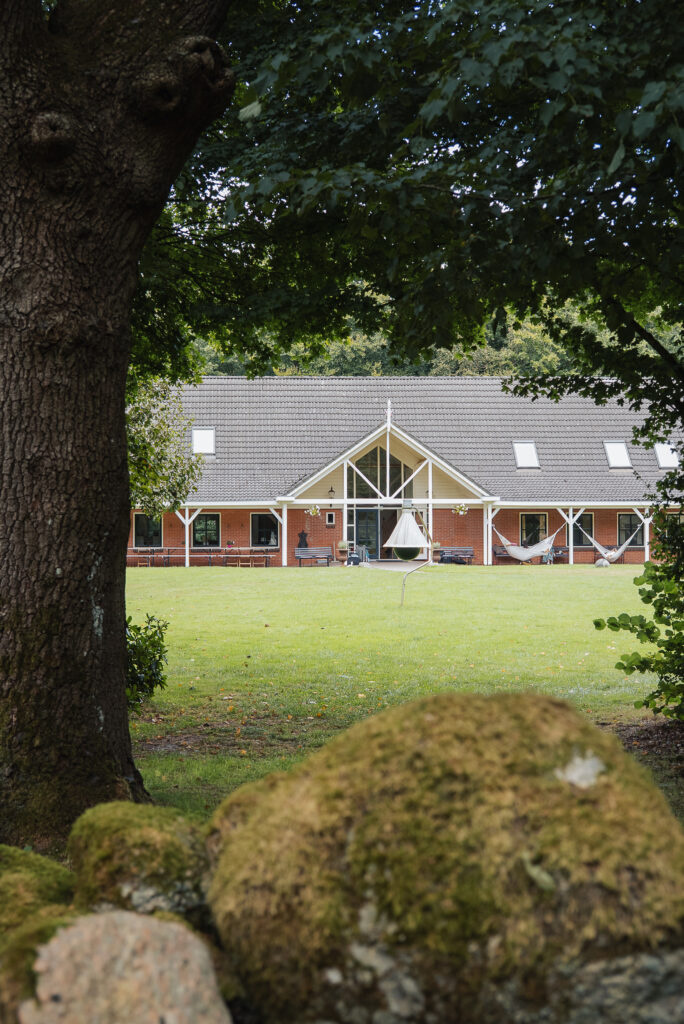
- Setting. Some centers are clinical and beige. Some are more thoughtfully designed. Neither is wrong, but you know yourself — an eight-hour experience in a room that feels wrong to you is going to feel very wrong indeed.
- Dose flexibility. Reputable facilitators will discuss dose with you as a collaborative decision, not hand you a fixed number.
One honest note: the Oregon program is still young, and even the more established centers are figuring things out. If your ideal is deep, tradition-rooted ceremony, you may find Oregon underwhelming. If your ideal is a legal, safe, well-monitored psilocybin experience close to home, it’s hard to beat.

Is Legal Psilocybin the Right Path for You?
I get asked this a lot, and the honest answer is: it depends what you’re looking for. If you’re drawn to plant medicine because you want lineage, community, ritual, and the accumulated wisdom of traditions that have worked with these substances for centuries, an Oregon service center is going to feel thin. Ayahuasca, San Pedro, or peyote in their traditional contexts offer something the OPS model simply doesn’t try to replicate.
If, on the other hand, you want a first psychedelic experience under professional supervision, in a country where the whole thing is above-board, with medical backup a phone call away — Oregon is a genuinely good option. Especially for anyone dealing with depression, treatment-resistant anxiety, or the kind of stuck-in-a-loop life pattern that talk therapy hasn’t moved. The evidence base for psilocybin in these areas has been growing steadily for years, and while OPS itself isn’t clinical research, it operates in the same broad territory.
Cost is the other filter. If $2,000 for a single session is out of reach, the Oregon model probably isn’t your entry point right now. International retreats — Costa Rica, Mexico, Peru — often deliver a fuller multi-day experience for comparable money, though the trade-offs in legal risk, medical support, and screening rigor are real. There’s no free lunch here.
The Bigger Picture
Oregon’s first-quarter 2026 data suggests a program that is doing what it was designed to do: providing safe, legal access to psilocybin for adults who want it, without producing the sky-is-falling outcomes opponents predicted. It’s not perfect. It’s expensive. It leans harder on the individual than on community, which some readers will love and others will find isolating. Integration remains its softest edge.
But it’s real, and it’s working, and it’s reshaping what psychedelic access looks like in the United States. Colorado is watching. Other states are drafting bills. The template Oregon is refining will inform whatever comes next.
If you’ve been circling the idea of a psilocybin experience — legal or otherwise — it’s worth spending some time understanding what each model actually offers before you book anything. For readers who want to take this further, a curated range of psilocybin and plant-medicine retreats can be browsed on our marketplace here. Whatever you choose, choose it slowly. These are experiences worth preparing for.

Craving More Stories?
Join our ShopAyahuascaRetreats newsletter for the latest updates on thrilling
destinations and inspirational tales, delivered straight to your inbox!
We value your privacy. Your email address will never be shared or published.