 English
 Deutsch
 Français
 Nederlands
 Español
SHOP AYAHUASCA RETREATS BLOG
The Billion-Dollar Quarter: What Psychedelic Funding in 2026 Means for Retreat-Goers
Axel Hartley
July 25, 2026
Your ultimate guide to discover transforming ayahuasca and psychedelic experiences. Dive into serene destinations and elevate your consciousness to unparalled heights.
Discover Ayahuasca & Psychedelic Retreats NowSearch for ayahuasca & psychedelic retreats
Discover retreats, trainings, and holidays from all over the world
A little over a billion dollars flowed into psychedelic drug companies between April and June of 2026. That is not a typo, and it is not a rounding-up of the past decade. It happened in a single quarter. If you're reading this because you're weighing an ayahuasca retreat, an ibogaine program, or a psilocybin ceremony somewhere in the mountains, that number might feel like it lives in a completely different universe from yours. In some ways it does. In other ways, it's about to reshape the world you're stepping into.
I've been covering the psychedelics space long enough to have watched three or four hype cycles come and go. This one feels different — not because the money is bigger (though it is), but because clinical results are finally catching up to the promises. And that shift matters for anyone considering a retreat, even if you never plan to swallow a pharmaceutical pill in your life.
What Actually Happened Last Quarter
The headline is simple. Ten financing events. Just over a billion raised. The biggest single round on record in this field. But almost the entire pile came from one company: Definium Therapeutics, an LSD-focused drug developer, which pulled in $805 million on the back of a positive Phase 3 readout showing meaningful antidepressant effects. That is roughly what the entire psychedelics sector raised in some earlier full years combined.
The rest of the quarter was quieter, but not sleepy. GH Research, which is developing an inhaled 5-MeO-DMT product, netted around $117.5 million. Helus Pharma — the company formerly known as Cybin — closed a $50 million raise. Smaller players followed: Optimi Health, a psychedelics manufacturer up in Canada, closed a $15 million offering, and Psilera announced $8.8 million in seed funding (with a chunk of that having actually been sitting on the books since 2021, which tells you something about how patient this corner of biotech has to be).
Ten deals. One monster round. A handful of solid but unremarkable ones. That's the shape of the quarter in a sentence.
Why a Pharma Round Matters if You're Booking a Retreat
Here's the honest answer: it matters less than the headlines suggest, and more than the skeptics claim.
Drug developers are chasing FDA approval — meaning standardized doses, tightly controlled clinical settings, and eventually prescription-based access. That world is very, very different from the world of a traditional ayahuasca ceremony in the Peruvian Amazon, or a psilocybin retreat in Jamaica, or an ibogaine clinic in Mexico. A pharmacy in Ohio is not going to hand you a bottle of ayahuasca in 2027. It might, eventually, hand your neighbor a blister pack of synthetic psilocybin for treatment-resistant depression. Those are two separate universes doing two separate things.
But the money moving through the pharma side has knock-on effects on the retreat side, whether the retreat industry likes it or not. Research validates the medicine. Media coverage grows. Insurance conversations start. Practitioners get better training. Screening protocols tighten. And — this is the important part — the general cultural conversation shifts from "drugs that ruined the sixties" to "tools that clinical trials keep confirming actually work for depression, PTSD, and addiction."
That shift is what you're feeling, quietly, when your therapist doesn't recoil the way she would have five years ago.

How This Reshapes the Retreat Landscape
A billion-dollar quarter creates a specific set of ripples. Some are good for retreat-seekers. Some are worth watching with a raised eyebrow.
- Better safety data. The clinical trials being funded generate published research on dosing, contraindications, and adverse events. Good retreat centers read this stuff. The bad ones don't, and the gap between the two is widening.
- More trained facilitators. Some of the money going into pharma also flows into training programs for therapists and guides. That talent bleeds outward into the retreat world.
- Standardization pressure. As pharmaceutical psilocybin nears approval, expect louder debates about whether traditional ceremonies should adopt similar screening and integration protocols. Not everyone welcomes this.
- Rising prices. When capital enters a space, prices tend to follow. Retreats that felt reasonable in 2022 already cost noticeably more today. Expect that trend to continue.
- More noise. With every fresh billion, a fresh crop of undertrained operators opens shop hoping to catch the wave. Screening a retreat becomes more important, not less.
None of this changes the fundamental question you're actually asking, which is something more like: will this help me get unstuck? But it changes the environment in which you're asking it.
The Master Plants Are Not Going Public
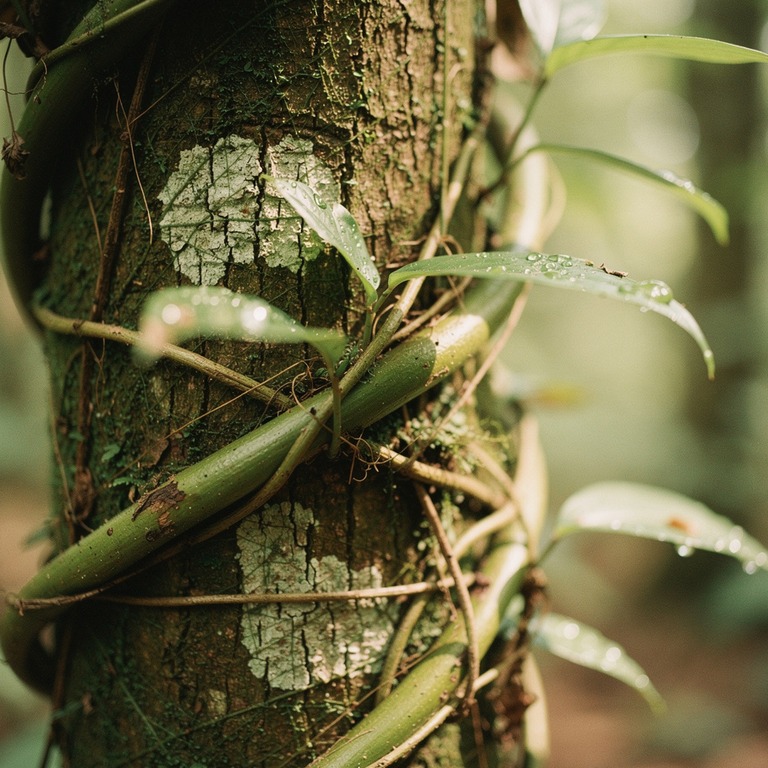
One thing worth naming plainly: ayahuasca, San Pedro, iboga, and the mushrooms that grow out of a Oaxacan hillside are not going to be replaced by tablets. The clinical world is chasing molecules — DMT alone, psilocybin alone, LSD alone, 5-MeO-DMT alone. Traditional plant medicine works differently. The ayahuasca vine and its companion chacruna leaf are the classic example: two plants working together, with dozens of trace compounds, prepared by someone whose lineage stretches back generations. That is not a product that scales to a pharmacy shelf, and most curanderos don't want it to.
What the funding boom does mean is that the underlying science of what these plants are doing to the brain — how they promote neuroplasticity, why they seem to loosen the grip of addiction, how they interact with trauma processing — keeps getting clearer. If you've ever tried to explain to a skeptical family member why you're considering flying to Peru, that clarity helps. "There are Phase 3 trials showing this works" lands differently than "a friend of a friend had a breakthrough."
Both statements can be true. But one of them your dad will listen to.
What This Means for Someone Considering Ayahuasca or Ibogaine Right Now
If you're actively researching a retreat — for addiction, for depression, for the sludge that trauma leaves behind, for whatever pattern won't let go of you — the funding news shouldn't change your timeline much. Pharmaceutical psilocybin might reach approval in the next couple of years. Pharmaceutical LSD, with Definium's recent readout, is now genuinely on the radar. But "in a couple of years" is a long time when you're the one struggling now, and even after approval, access will be gated, expensive, and geographically limited for a while.
What I'd actually suggest, if you're at that decision point:
- Get honest about what you're treating. Ayahuasca is not a general-purpose miracle. It tends to be most useful for depression, trauma, and existential stuckness. Ibogaine has the strongest track record for opioid dependence. Psilocybin has strong data on depression and end-of-life anxiety. Match the medicine to the wound.
- Screen the retreat, hard. Ask about medical intake. Ask what happens if someone has a hard time. Ask who's in the room besides the facilitator. Ask what integration looks like after you fly home. If they get defensive, that's the answer.
- Budget for integration, not just the retreat. The ceremony is maybe a third of the work. The weeks and months afterward — with a therapist who understands psychedelics, or an integration circle, or both — are where the change actually cements. Plan for it, financially and calendar-wise.
- Don't rush. Booking a ceremony three weeks out because you're in crisis is almost always a mistake. Preparation matters. Give yourself two to three months where possible.
The money pouring into psychedelic pharma is validating something that indigenous traditions have known for centuries — that these compounds, handled with care, can crack open patterns that talk therapy alone can't reach. What the traditions know that the trials are still catching up on is that the container matters as much as the compound. A trained shaman, a considered set and setting, and a community that holds you afterward — those aren't extras. They're most of the medicine.
If you're curious about what's out there and want to see what serious operators actually look like, a range of vetted ayahuasca, psilocybin, and ibogaine retreats can be browsed on our marketplace here. Take your time with the decision. The billion dollars will still be moving next quarter, and the plants aren't going anywhere either.
Craving More Stories?
Join our ShopAyahuascaRetreats newsletter for the latest updates on thrilling
destinations and inspirational tales, delivered straight to your inbox!
We value your privacy. Your email address will never be shared or published.