 English
 Deutsch
 Français
 Nederlands
 Español

Reset. Heal. Grow.
Microdosing Ibogaine: What Really Happens Between the Big Ceremonies
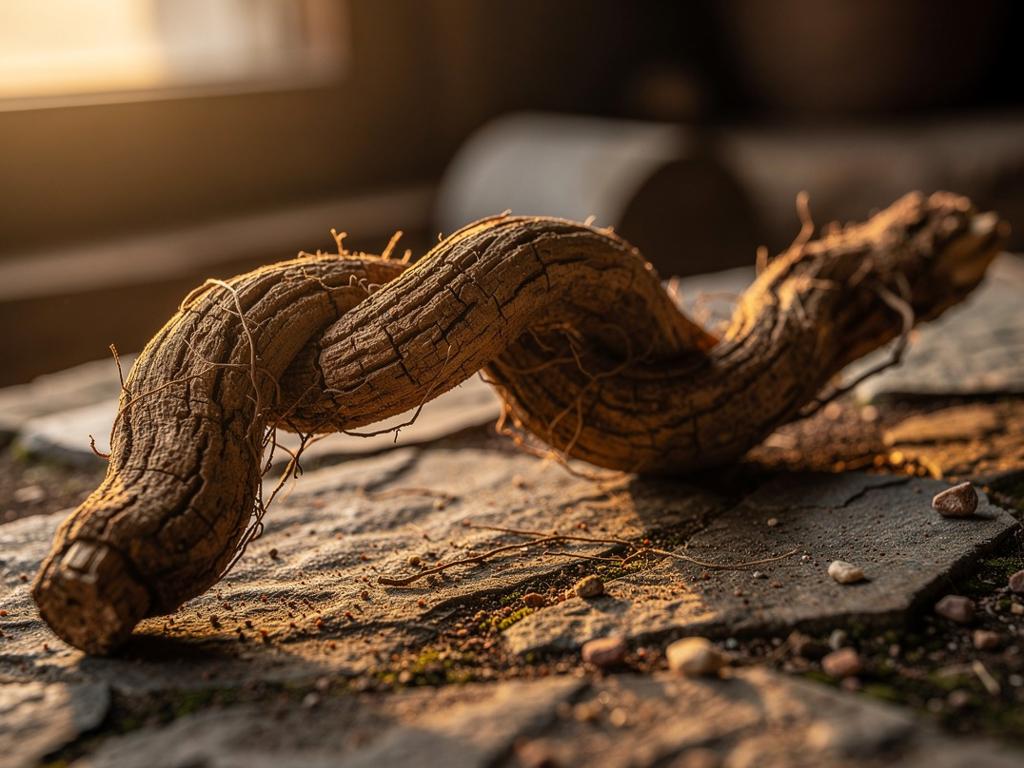
Somewhere between the flood-dose ibogaine ceremony most people picture — the 24-hour visionary marathon in a Mexican clinic with an EKG monitor beeping in the corner — and the daily grind of ordinary life, there's a quieter conversation happening. It's about microdosing iboga. Not the big reset. The slow drip. I've spent enough time around plant medicine circles to know that when a topic starts popping up on obscure forums and in DMs from people I've interviewed, it's worth taking seriously. Microdosing ibogaine and its root-bark cousin, iboga, has gone from fringe curiosity to something people quietly experiment with for addiction recovery, depression, and the kind of low-grade psychological stuckness that doesn't quite qualify as a diagnosis but still ruins your Tuesdays. So let's talk about it honestly — what it is, what it isn't, and what you should actually know before you go anywhere near it. First, the vocabulary. Ibogaine is the isolated alkaloid — the one most people associate with addiction interruption, the one that gets administered in medical settings for opioid dependence. Iboga is the root bark of Tabernanthe iboga, a shrub sacred to the Bwiti tradition of Gabon and Cameroon. The root contains ibogaine plus a whole orchestra of other alkaloids that shift the experience in ways researchers are still trying to characterize. A microdose, in this context, usually means something between 50 and 300 milligrams of root bark, or a much smaller amount of purified ibogaine HCl. That's a fraction of a ceremonial dose. You're not going to lie down for eighteen hours and watch your life play out on the ceiling. You're supposed to remain functional — able to work, drive, talk to your mother without alarming her. The rhythms people report vary wildly. Some take a small amount every third day for a few weeks. Some do a weekly ritual dose slightly above true microdose territory. Others front-load with a moderate dose over a weekend and then taper. There's no established protocol the way there is with psilocybin microdosing, which itself isn't exactly settled science. The big reason iboga entered the Western psychedelic conversation at all was addiction. Specifically, opioid addiction. There's a striking body of anecdotal and preliminary clinical evidence suggesting that a single high dose of ibogaine can dramatically reduce withdrawal symptoms and interrupt craving cycles. That's the headline, and it's the reason people fly to Mexico or Costa Rica for treatment they can't legally get in the U.S. But the flood-dose model isn't for everyone. It's medically demanding. Ibogaine affects the heart's electrical rhythm — specifically the QT interval — and people have died from it, mostly when proper cardiac screening was skipped. That risk drops dramatically at microdose levels, though it doesn't disappear. This is why some people in early recovery, or people managing depression that hasn't responded to conventional treatment, are drawn to the smaller-dose approach. Less risk, less time off work, less intensity to prepare for. What do they report? A common thread is a kind of muted craving. Alcohol, nicotine, and stimulant users describe the pull losing its urgency — not vanishing, but quieting. Others describe an odd emotional clarity, like a fog lifting from decisions they'd been avoiding. Some people notice better sleep. Some notice worse sleep. Some notice nothing at all and stop after two weeks, wondering what the fuss was about. Here's where I have to slow down and be honest, because a lot of the online chatter about iboga microdosing has the same tone as early-2010s bulletproof-coffee enthusiasm, and iboga is not bulletproof coffee. The cardiac issue matters even at low doses if you're taking other medications. Ibogaine and its metabolite noribogaine hang around in the body for a long time — weeks, in some measurements. Stacking small doses can create a cumulative load. If you're on SSRIs, methadone, buprenorphine, tramadol, certain antihistamines, or basically anything that also affects heart rhythm or serotonin, mixing them with iboga is genuinely dangerous. Not "consult your doctor" dangerous in a soft, liability-covering way. Dangerous. A few concrete things worth knowing: None of this means microdosing is automatically off the table. It means the casual, self-directed approach that works reasonably well for psilocybin is a lot riskier here. If you're going to explore this, do it with medical oversight and preferably alongside a facilitator who actually understands iboga rather than someone who's added it to their menu because it's the current thing. Here's something I've noticed in the years I've been reporting on plant medicine: people who treat microdosing as a standalone fix tend to be disappointed. People who treat it as one instrument in a broader practice — therapy, movement, better sleep, hard conversations they've been avoiding — tend to get more from it. Iboga in particular seems to work best when it's paired with genuine behavioral change. It's often described as a teacher plant, one that shows you patterns and then expects you to do something about them. Microdosing might soften the grip of a substance or a mood, but the daily choices still have to happen. Nobody's iboga journey ends with the pill bottle. Many people who explore microdosing eventually find themselves considering a full ceremony — either an ibogaine flood dose in a clinical setting or a traditional Bwiti initiation. Others go the opposite direction: they try a ceremony first, then microdose afterward as part of integration. Both paths make sense depending on what you're working with. Let me be blunt. Iboga microdosing is probably a bad idea if: That last one is the softest but maybe the most important. If the honest answer to "why do I want to do this" is "because I don't want to sit with anything hard," iboga will not cooperate. It has a reputation for showing people exactly what they're trying to avoid. If you've weighed the risks and you're still curious, a few questions worth answering honestly before you take a single milligram: These aren't rhetorical. Write the answers down. Read them back to yourself in a week. If they still hold up, you're in better shape than most people who try this. For a lot of people, the safest and most useful entry point isn't a bottle of powder ordered from a website of unclear provenance. It's a supervised retreat with medical screening, an experienced facilitator, and structured integration afterward. Even if you're primarily interested in microdosing, spending time in a properly run iboga or ibogaine setting gives you a baseline to work from — you understand what the medicine feels like in your body before you start experimenting on your own kitchen counter. Cost, location, and philosophy vary enormously. Clinical ibogaine centers in Mexico focused on addiction interruption operate very differently from traditional Bwiti retreats in Gabon, which operate differently again from hybrid centers in Costa Rica or Portugal that blend clinical safety with ceremonial context. If you'd like to see what's actually out there and compare programs that take screening and aftercare seriously, a curated selection of iboga and ibogaine retreats can be browsed on our marketplace here. Whatever direction you go, take your time. Iboga has been around for a very long time, and it will still be there next month if you decide you need another month to think.
Blocked Pages and Better Questions: What to Actually Research Before an Ayahuasca Retreat
You clicked a link expecting answers about ayahuasca, psychedelics, or some fringe corner of consciousness research. Instead you got a login wall, a network-security block, or a 404. Welcome to about half of plant-medicine research online. The good stuff is often behind paywalls, buried in forums that require accounts, or scattered across sources that vanish when you need them most. So let's do something more useful than chase a dead link. If you're seriously considering an ayahuasca retreat — or any psychedelic journey involving master plants — here's what actually deserves your research time. This is the reading list I wish someone had handed me before my first ceremony. The plant medicine space is loud. Reddit threads, Substack essays, retreat marketing pages, YouTube integration coaches, TikTok shamans — everyone has a take. Most of it is either evangelical (ayahuasca fixed my life, will fix yours) or dismissive (it's just DMT and dehydration). Neither helps you make a real decision. The actually useful sources tend to be quieter. Peer-reviewed studies on psychedelic-assisted therapy. Long-form interviews with facilitators who've held space for twenty years. Trip reports written months after the ceremony, not the week of. Legal analyses of where ayahuasca sits in your country's law. None of these show up first when you Google “should I do ayahuasca.” Here's the thing: the questions worth asking before a retreat aren't the ones the internet answers loudest. They're the boring, specific, sometimes uncomfortable ones. What does dieta actually involve? What happens if you're on an SSRI? How do you tell a real curandero from a weekend-certified facilitator with a nice website? Ayahuasca is a brew, traditionally prepared in the Amazon basin, made from the Banisteriopsis caapi vine and usually the leaves of Psychotria viridis (chacruna). The vine contains MAO inhibitors. The leaves contain DMT. Drink them together and the DMT becomes orally active — meaning it crosses into your bloodstream instead of being broken down by your gut. That's the pharmacology in one paragraph. The experience is another matter. Most people describe four to six hours of altered perception: visions, emotional processing, physical purging (yes, vomiting and sometimes diarrhea — this is called la purga and it's considered part of the medicine, not a side effect). Some ceremonies feel like being rewired. Others feel like nothing much happened. Both are normal. What ayahuasca is NOT: a guaranteed fix for depression, addiction, or trauma. A shortcut around therapy. A safe experience for everyone. A recreational drug. If a retreat markets it as any of those, that's your first red flag. If you're in the research phase — reading, comparing, second-guessing — focus your time on the things that actually determine whether a retreat is safe and useful for you. A lot of readers land on articles like this because they're quietly struggling. Alcohol they can't shake. Cocaine or opioids. Depression that ten years of therapy hasn't budged. A trauma loop that keeps repeating. Master plants — ayahuasca, ibogaine, psilocybin, San Pedro — have gained real attention because the emerging research is genuinely interesting. Ibogaine, in particular, has shown remarkable results for opioid dependence, sometimes interrupting withdrawal in ways nothing else does. It's also cardiotoxic and has killed people who weren't medically screened. That paradox — real therapeutic potential, real physical risk — sits at the center of psychedelic-assisted recovery. You cannot separate the two. Ayahuasca for addiction has a longer, quieter history. Programs in Peru and Brazil have worked with alcohol and cocaine dependence for decades. The mechanism seems to involve both neurochemistry (BDNF, neuroplasticity) and something harder to measure — people report meeting their addiction as a presence, negotiating with it, understanding where it came from. Whether you believe that literally or metaphorically, the outcomes for some people are durable. But — and this matters — the retreat is one piece. The integration afterward is where the actual change happens. A weekend of visions without months of follow-up work is a very expensive vacation. Retreat marketing has gotten slick. Beautiful photography, testimonial videos, wellness-influencer endorsements. Here's how to read past the polish. Look for specifics. Names of facilitators, their actual background, how many ceremonies they've held. A page that describes “our team of experienced shamans” without naming anyone is hiding something. Look for what they screen out — a retreat that says “ayahuasca is for everyone” is either lying or reckless. Look for their integration protocol. Look for their emergency medical plan. Ask what happens if someone has a psychotic break at 3 a.m. If the answer is a shrug or a spiritual bypass (“the medicine handles what needs to be handled”), that's a hard no. Pricing is another signal. Very cheap retreats (under $500 for a week) often cut corners on safety, facilities, or facilitator quality. Very expensive ones ($5,000+) aren't automatically better — you may be paying for a spa, not a stronger ceremony. Somewhere in the middle, with transparent breakdowns of what your money buys, tends to be honest. Most retreats mention dieta — the food restrictions before ceremony (no pork, no alcohol, no fermented foods, minimal salt and sugar, no sexual activity, usually for a week or two before). Fewer talk about the mental preparation, which matters more. Spend the month before a retreat getting honest with yourself about why you're going. Write it down. Not “to heal” — that's too vague. What specifically do you want to look at? What have you been avoiding? What would it cost you if nothing changed? The clarity of your intention shapes the ceremony more than any external factor. Also: tell someone. A partner, a friend, a therapist. Going to an ayahuasca retreat is not a small thing, and having a person on the outside who knows where you are and what you're doing is basic safety hygiene. The ceremony is the easy part, weirdly. You show up, you drink, the medicine does its work. What's hard is the two months afterward, when you're back at your desk, back with your family, and the insights you had at 2 a.m. in the jungle start feeling distant. Integration is where retreats separate the serious operators from the tourists. Ask what integration support you get. Weekly group calls for a month? A one-on-one with an integration coach? Nothing? The last answer is disqualifying for anyone using plant medicine to address real problems. If you're thinking through all this and want to see what's actually out there, a curated selection of ayahuasca and plant-medicine retreats can be browsed on our marketplace here. Comparing a few honest options side by side beats reading another blocked Reddit thread. Take your time with the decision. The medicine will still be there next season. Better to arrive prepared than to arrive fast.
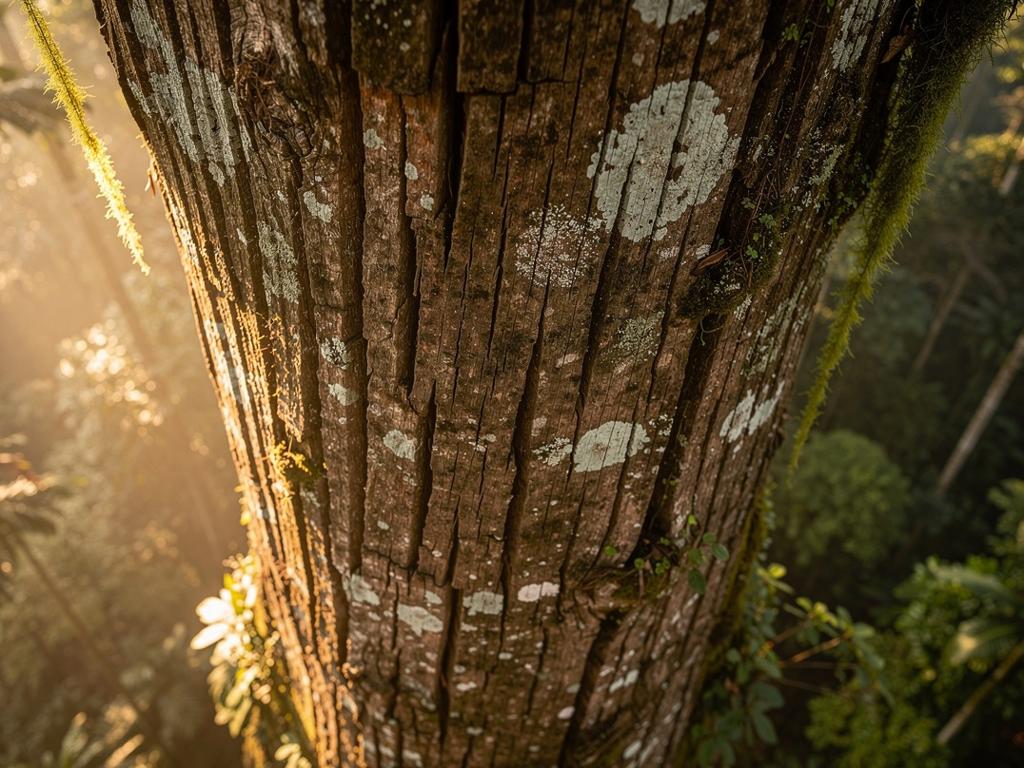
Five Years After Ayahuasca: What Actually Lasts and What Fades
Most retreat websites will tell you what happens during the ceremony. Almost none of them tell you what happens five years later. That gap is where a lot of people get lost — including me, and including nearly every serious ayahuasca drinker I've interviewed since I started covering this world. The question that keeps surfacing in retreat forums, integration circles, and quiet conversations after a group sit isn't what did you see? It's did it hold? Did the shift last. Did the addiction stay away. Did the depression really lift, or did it just take a sabbatical. Ayahuasca, psychedelics, and the master plants get talked about as if the ceremony itself is the medicine. It isn't. The ceremony is the opening. What you do in the years that follow decides whether anything actually changes. Almost everyone who returns from a serious ayahuasca retreat describes the same thing in the first few months. Colors are brighter. Food tastes different. Old triggers lose their charge. You cry easily. You laugh easily. You look at your job, your relationship, your city and wonder how you tolerated any of it. This is real — the neurochemistry is genuinely altered, and there's a growing body of research showing default-mode network changes that persist for weeks after a single high-dose session. The problem is that most people mistake this window for the destination. They think this is who I am now. They cancel therapy because they feel fine. They stop journaling because the insights feel obvious. They tell friends they've been cured of a twenty-year drinking problem after one ceremony. Six months in, the glow starts to dim, and the panic sets in — is it coming back? Did it not work? Here's the truth nobody hands you at the airport: the honeymoon always ends. That doesn't mean the medicine failed. It means the second, harder phase is starting. This is where the real work happens, and it's the least glamorous stretch of the whole arc. The visions have faded. You can't quite remember what the grandmother voice sounded like. The retreat WhatsApp group has gone quiet. And the patterns — the drinking, the doom-scrolling, the choosing partners who resemble your father — start whispering again. People who see lasting change through this phase tend to do a handful of unsexy things: The ones who relapse, backslide, or end up more confused than before almost always share the opposite pattern. They treat ayahuasca like a supplement — swallow it, wait for results, blame the plant when the results wear off. Plant medicine doesn't work like that. It shows you the door. Walking through it is on you. One of the most common searches that leads people to retreats is some version of ayahuasca for addiction. Alcohol. Cocaine. Opioids. Compulsive behavior of every flavor. The answer, from what I've watched play out in real lives over multiple years, is: yes, and also, it's complicated. People do get free. I've spoken with folks five and seven years out from a heroin habit who haven't touched it since a series of ceremonies in Peru or an ibogaine flood in Mexico. Their stories are real. But they're also not stories of a single miraculous cure. Every one of them, without exception, rebuilt the surrounding architecture of their life — therapy, community, work, exercise, some form of ongoing spiritual practice. The plant medicine cracked open a window they thought was welded shut. Then they spent years crawling through it. The people I've seen relapse hard tend to have skipped that rebuilding. They came home, kept the same friends, the same bar on the corner, the same job that made them want to numb out, and expected the ayahuasca to hold the line for them. It won't. Neither will psilocybin, ibogaine, or San Pedro. These are catalysts, not shields. Ask someone five years out what shifted, and you'll rarely hear the thing they went in hoping for. Most people arrive at a retreat with a specific ask — heal my depression, fix my marriage, help me quit weed. The medicine tends to answer a different question entirely. Something like: why are you avoiding your own life? What tends to genuinely last, from what I've seen and heard: What tends to fade if you don't tend to it: the visions, the sense of cosmic order, the felt-sense that you're loved by something larger. Those states can be revisited, but they don't stick without practice. This is where meditation, prayer, time in wild places, or whatever your version of contemplative practice is becomes non-negotiable. Yes, and I have — though far less often than most people would guess. In five years I've sat maybe eleven or twelve times, across ayahuasca, San Pedro, and one very intense psilocybin session. That's not a lot by ceremony-circuit standards. I've come to distrust people who drink weekly. The medicine works best when you actually let it work, which means long stretches of ordinary life between sessions. If you're reading this because you're weighing whether to book your first retreat, a few things worth sitting with before you put down a deposit: Five years in, the honest summary is this: ayahuasca and the other master plants are among the most powerful tools I've encountered for meeting yourself. They're not gentle. They're not a shortcut. They ask more of you afterward than they do during the ceremony itself. But if you're at the point where you're seriously researching this — reading about integration, cost, safety, addiction recovery, what happens years down the line — you're probably not looking for gentle anymore. If something in this has landed for you, a range of vetted ayahuasca retreats and related plant-medicine programs can be browsed on our marketplace here. Take your time choosing. The five-year version of you will thank you for it.
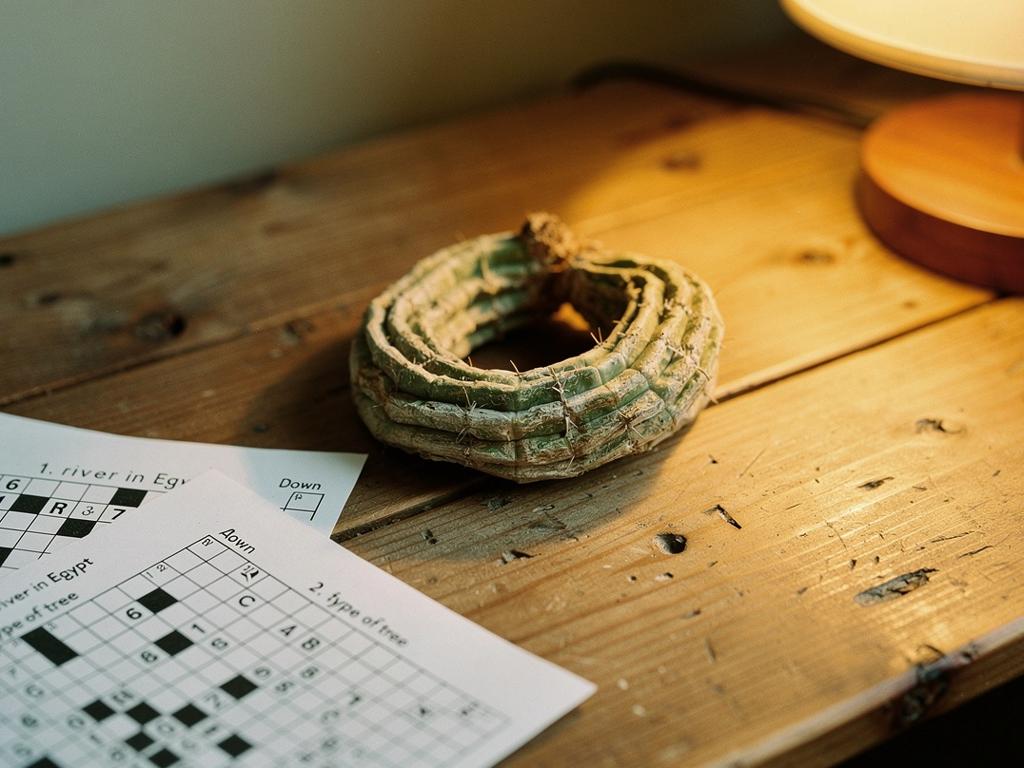
Psychedelic Trivia Night: A Crossword for the Plant-Medicine Curious
Every once in a while, the psychedelic world takes itself a little too seriously. Between clinical trial readouts, regulatory hearings, and long integration circles where someone always cries about their father, it's easy to forget the whole thing started with people getting curious about consciousness and having fun with it. So here's a small offering in that spirit: a crossword-style romp through the language of psychedelics and plant medicine, aimed at anyone who's been quietly reading about ayahuasca retreats at midnight and wondering what half the words mean. Whether you're deep in research mode or just psychedelic-curious, working through terminology is genuinely useful. The vocabulary of this world overlaps traditional Amazonian shamanism, modern neuroscience, harm reduction culture, and clinical psychiatry — four fields that don't otherwise share a dinner table. Knowing what people mean when they say dieta, set and setting, or flood dose makes the difference between an informed choice and a wildly expensive surprise. Retreats have their own dialect. Facilitators toss around words like purge, icaro, mareación, maloca, and master plants as if everyone grew up with them. Most of us didn't. And when you're about to spend two thousand dollars and a week of your life on a jungle floor, you want to know what people are actually saying. I've watched more than one first-timer arrive at a Peruvian center and realize on day two they had no idea what a dieta involved. No salt. No sugar. No sex. No pork. No onions. Some places extend the list for months on either side of the ceremony. If nobody explained this on the intake call — and nobody asked — you've got a problem you can't easily solve. So think of the puzzle below as a semi-serious way to test what you already know and fill in the blanks. Read the clues, guess the answers, and if a word makes you pause, look it up before you book. Grab a coffee. If you get more than half of these without cheating, you've been reading up. No shame either way. Even people who've done a dozen ceremonies routinely mispronounce icaro or forget which alkaloid does what. The point isn't trivia mastery. It's noticing where the gaps are. If you struggled with the medicine-specific words — dieta, purge, icaros, kambo — that's a signal to slow down before booking. A good retreat will walk you through all of it in your intake process. A less careful one will assume you've done the reading. And there is a real difference between “I read a Reddit thread” and “I understand what I'm consenting to.” If you struggled with the pharmacology terms — MAO inhibitors, tryptamines, psilocybin species — that matters too, especially if you're on any prescription medication. SSRIs and ayahuasca is the classic combination people don't take seriously enough. Neither does mixing MAOIs with certain foods. Your retreat's medical intake should catch this. Ask what their process is. Rather than leave you hanging, here are the ideas behind the trickier clues — expanded a little, because a one-line crossword answer doesn't do them justice. Dieta. More than a food restriction. In the Shipibo tradition especially, dieta is a period of quiet, isolation, and dietary discipline meant to build a relationship with a specific plant. Retreat centers vary wildly in how strict they are. Some ask for a week of light preparation. Others expect months. Ask specifically what your retreat requires — and whether they'll enforce it or leave it to you. Purge. The vomiting, crying, shaking, sweating, or occasional other-end release that often accompanies ayahuasca and, less dramatically, other plant medicines. Traditional practitioners consider it part of the healing, not a side effect. Bring your own tolerance for the fact that this is coming. Icaros. The songs. Ceremonies are largely navigated through them — the curandero's voice is essentially the steering wheel. If you sit with a facilitator who doesn't sing (many neo-shamanic and some Western-led ceremonies don't), you're getting a different experience. Not necessarily worse. Just different. Integration. The unglamorous part. What you do with the experience over the following weeks and months. Most of the real change happens here, not during the ceremony. Retreats that don't offer integration support — or at least a plan for it — are only doing half the job. Set and setting. The phrase that keeps getting rediscovered. Your mindset going in, and the environment you're in, shape the experience more than the dose. A jungle lodge with a trained curandero and a first-week dieta will produce something different than the same brew in a friend's apartment. This is not a subtle difference. In a proper crossword there's a hidden word running through the highlighted squares. In this one, the hidden word is respect. Not because it makes a good puzzle answer, but because it's the single quality that separates a healing experience from a chaotic one — respect for the medicine, respect for the tradition it comes from, respect for your own limits, and respect for the people sitting the ceremony with you. Every horror story I've heard from someone who had a bad retreat comes back to a failure of respect somewhere in the chain. A facilitator who overserved. A participant who lied on their medical intake. A center that took bookings faster than it could train staff. The medicine itself is not the problem; it's rarely been the problem. The container around it is what makes or breaks the experience. If the crossword sparked a curiosity to actually sit with one of these medicines — ayahuasca, psilocybin, San Pedro, ibogaine, or something else — a range of vetted plant-medicine retreats can be browsed on our marketplace here. Take your time choosing. The right retreat will not feel like a bargain; it will feel like a place that takes the work seriously. And if the language in this piece still feels foreign, treat that as your first task before you book anything. The words are the map. Learn them, and the terrain gets a lot less intimidating.
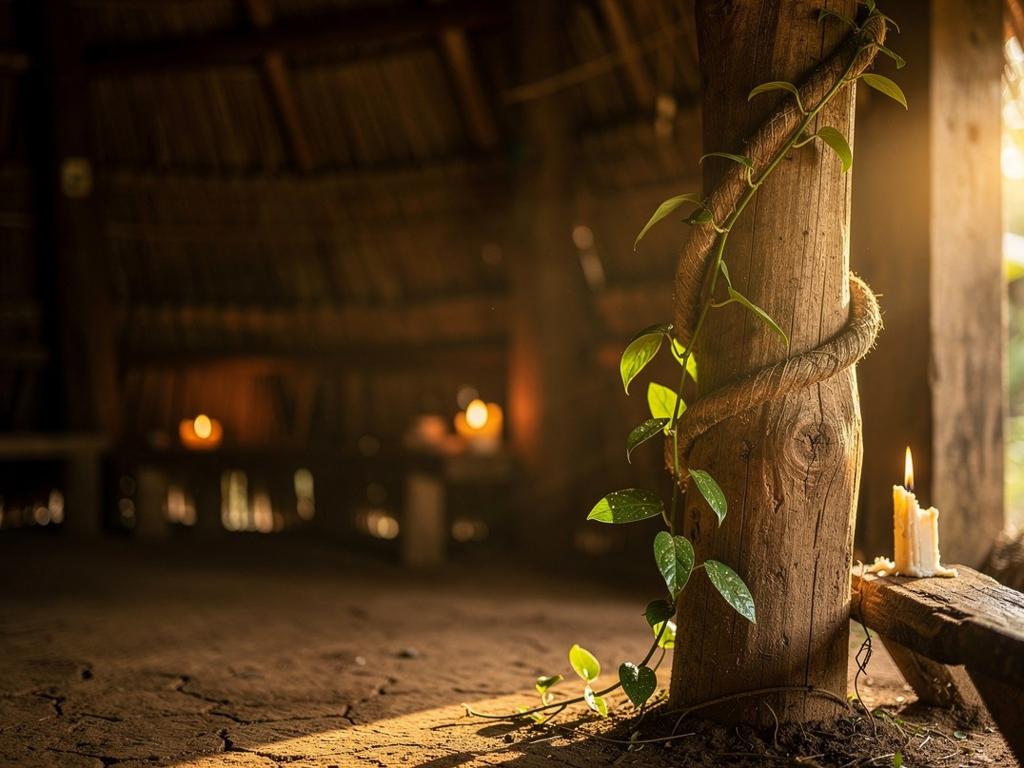
Private Ayahuasca Ceremony vs Group Retreat: How to Decide
Someone offers you a private ayahuasca ceremony. Just you, a facilitator, maybe a helper. No group of strangers snoring or sobbing three feet away. It sounds ideal — until you sit with it for a minute and realize you have no idea whether it actually is. This question comes up more than you'd think. A friend-of-a-friend knows a curandero passing through town. A retreat center offers a one-on-one option for double the price. Someone you met at a breathwork workshop mentions their teacher does private sittings. The invitation feels rare, almost fated. And that's exactly why you should slow down before accepting it. I've sat in both formats — small ceremonies of three or four people, larger group circles of twenty, and a couple of private sessions. They are genuinely different experiences, and one isn't automatically better than the other. What matters is which one fits you, right now, at this point in your relationship with plant medicine. Let's be honest about the pull. Group ceremonies are vulnerable. You're going to purge, cry, maybe make sounds you didn't know you could make, and you're going to do it near people you met the day before. For anyone with social anxiety, trauma history, or just a strong preference for privacy, the idea of skipping that whole layer is intoxicating. The private format also promises more attention. In a group of twenty, one facilitator and two helpers are watching everyone. In a one-on-one, all of that attention is on you. If you spiral, someone notices immediately. If you need a specific icaro sung to you at a hard moment, you can get it. On paper, it's the safer, deeper option. And sometimes it truly is. But the calculus is more complicated than "private equals better." If this would be your first or second ceremony, I'd generally steer you toward a group setting — a small, well-run one, not a warehouse of thirty seekers. Here's why. Group energy is a real thing in ceremony. When someone across the maloca starts purging, it can trigger your own release. When another participant sobs through their own memory, something in you softens. The shared field does work that solo work simply doesn't. Many facilitators will tell you the medicine moves differently in a circle — the songs land harder, the visions have more texture, the whole night has more architecture. There's also the humility factor. Sitting with strangers strips away some of the specialness we like to attach to our own suffering. You realize the sixty-year-old lawyer next to you and the twenty-four-year-old barista on the other side are working through versions of the same stuck patterns you are. That recognition is medicine in itself. And practically — a group ceremony at an established retreat has systems. Screening protocols. Medical intake. Integration support. Someone whose job is aftercare. A lone facilitator offering a private session may or may not have any of that infrastructure behind them. That said, there are real situations where private is the right call: Notice what these have in common: you already know the terrain. Private ceremony is less like beginner mode and more like a specialized tool for people with some ceremony miles on them. Whether you go group or private, the person holding space is the single biggest variable in your safety and your experience. In a private setting, this matters even more, because there's no group of other participants to notice if something's off. Real questions to ask before you commit: If any of these questions produce discomfort, evasion, or a spiritual bypass ("the medicine will decide" is not an answer to a medical safety question), walk away. There will be another opportunity. People underestimate this. A private ceremony in someone's apartment in a city is a different animal from a private ceremony at a jungle center. The room itself, the sounds outside, the temperature, whether there's a bathroom you can reach easily during purge — all of it shapes the night. Ask about the physical space. Is there somewhere to lie down comfortably? Is there a bucket within arm's reach? Is there a safe path to a bathroom in the dark? Is the room quiet enough that you won't be pulled out of a fragile inner state by traffic or a neighbor's television? These sound mundane. During ceremony they are not mundane at all. Also — is anyone else in the building who knows what's happening? If your facilitator is running a private session solo with no backup at all, that's a thinner safety margin than most people realize. Ceremonies can run eight hours. Emergencies, though rare, happen. Private ceremonies typically cost more per person than group ones, sometimes significantly. That's fair — you're monopolizing the facilitator's night. But be alert to prices that feel wildly out of line either direction. A suspiciously cheap private session may indicate an inexperienced or unvetted practitioner. A shockingly expensive one may just be exploiting the intimacy premium. Ranges vary by region and lineage, but for context: group ceremonies at established Peruvian retreat centers often run somewhere between $200 and $500 per night included in a multi-day package, while private sittings in North America or Europe frequently sit in the $500 to $1,500 range for a single ceremony. Wildly outside that band in either direction deserves a second look. Before you say yes to anyone, sit with these honestly: That last one isn't pessimism. It's the same question a smart hiker asks before a solo trip. You hope for the best, you prepare for the rest. Sometimes a private ceremony opportunity really does feel like the right door opening at the right time. A teacher you've known for years offers you a sitting. Or a facilitator someone you deeply trust has vouched for. Those situations exist, and they can be beautiful. The medicine has a way of arranging itself when you're ready. But the flip side is that the field attracts opportunists, and "a rare private ceremony with a visiting shaman" is exactly the pitch a bad actor makes. Genuine facilitators are patient. They'll answer your questions. They won't rush you. They won't be offended when you ask about their training. If you're getting pressure, urgency, or offense at being questioned — those are the signal. If you've read this far and you're still weighing whether a private sitting or a group container is right for your first serious step, the honest answer is that most people are best served by starting in a well-run group ceremony at an established retreat. A curated selection of ayahuasca retreats — including centers that offer both group and small-format options — can be browsed on our marketplace here. Whatever you choose, take your time choosing it. The medicine will still be there next month.
Craving More Stories?
Join our ShopAyahuascaRetreats newsletter for the latest updates on thrilling
destinations and inspirational tales, delivered straight to your inbox!
We value your privacy. Your email address will never be shared or published.
When the Student Asks the Teacher: What Meditation Actually Answers
There's a moment in almost every meditation retreat, and every ayahuasca retreat I've sat at, where a student pulls the teacher aside after a session and asks something small. Not the grand cosmic question. Something like: Why do I keep crying when nothing sad is happening? Or: Is it normal that I can't stop laughing at the ceiling? Or the classic — Am I doing this right? Those tiny exchanges carry more weight than most of the formal teachings. They're where the actual work of practice gets sorted out. And they matter enormously if you're thinking about a psychedelic retreat, an ayahuasca ceremony, or a serious meditation course — because the quality of that conversation is basically the quality of the container you're paying for. So let's talk about what that conversation really looks like, why it matters more than the marketing brochures suggest, and how to tell whether the teacher across from you actually knows what they're doing. Most people picture meditation instruction as a monologue. Teacher speaks, student sits, student learns. In reality, the useful stuff happens sideways. A student describes what they noticed. The teacher asks a question back. The student describes it differently. Something shifts. This is the same shape a good integration session takes after an ayahuasca ceremony or a psilocybin journey. You come in with a jumbled story — the vine showed me my mother, but she was also a river, and then I was six years old again — and a skilled facilitator doesn't interpret it for you. They ask what the river felt like. They ask what six-year-old you needed. They stay out of your way while pointing at the doorway. The bad version is the opposite. The teacher tells you what your experience means. They pattern-match your night onto their favorite framework — trauma release, ego death, past-life memory, chakra opening — and hand you a tidy explanation. You leave feeling seen for about a week. Then the explanation stops fitting, and you're stuck holding someone else's story about your own experience. If you're researching ayahuasca or psychedelics right now — and given the search history that probably brought you here, you are — you're mostly reading about the medicine. The vine. The molecule. The lineage. That's fine. But the medicine is maybe forty percent of what determines how your week goes. The other sixty percent is the human sitting across from you the next morning when you're red-eyed and shaky and trying to describe what you saw. Are they curious? Are they trained? Have they done this work themselves, on themselves, for years? Or did they finish a three-week facilitator course and buy a nice shirt? Master plants — ayahuasca, San Pedro, tobacco, iboga — are called master plants in the Amazonian tradition precisely because they teach. But you still need a human translator who knows the local dialect of your particular mind. That's the teacher. That's the conversation. That's what you're actually paying for when you book a retreat. I've watched a lot of facilitators work, from Shipibo curanderos with fifty years of practice to Western psychologists cross-trained in plant medicine to meditation instructors running silent weeks in the mountains. The good ones share a handful of habits. The last one is a big deal. Plant medicine and deep meditation can both surface material that a retreat setting is not equipped to hold. A good teacher knows the edge of their own competence and doesn't pretend it isn't there. Anyone who claims their ceremony can heal anything is telling you something important about themselves, and it isn't flattering. This is the question underneath the question. You're not really asking whether ayahuasca works — the research on psychedelic healing, addiction recovery, and stuck depression is genuinely promising, and thousands of people report meaningful shifts. You're asking whether this specific retreat, run by these specific humans, is going to hold you well. A few honest markers to look for: Most people don't book a psychedelic retreat because they want an experience. They book because something in their life stopped working. A drinking problem that's outrun their willpower. A depression that meds have taken the edge off but not lifted. A grief that's been sitting in their chest for years. A pattern in relationships they can see clearly but keep repeating anyway. If that's you, the student–teacher conversation matters even more. Because your real question, the one under all the logistics, is: can I be helped? And that's not a question the medicine answers. That's a question the relationship answers. The one with the facilitator. The one with the group. The one with the version of yourself who walks out at the end of the week. Ayahuasca and other psychedelics are not magic. They're catalysts, and they work best when the human infrastructure around them — teachers, integration, aftercare, community — is strong. When it is, plant medicine for addiction and trauma can do things that years of talk therapy sometimes can't. When the infrastructure is weak, the same medicine can leave you rattled and no better off than before. Sometimes worse. If you're on the fence about booking, sit with the fence a while longer. That's not a stall — that's part of the practice. The reader who agonizes for six months and then chooses carefully tends to have a better retreat than the one who books impulsively on a Tuesday night. The care you take beforehand is itself a form of preparation. Read widely. Talk to people who've been. Ask uncomfortable questions of the retreat you're considering — about their screening, their medical protocols, their integration support, what happens if someone has a hard night. If the answers feel evasive, trust that feeling. If the answers feel grounded, that's data too. For readers who want to see how these questions play out across specific programs, a curated range of ayahuasca and plant-medicine retreats can be browsed on our marketplace here. Take your time with it. The right retreat, at the right moment, with the right teacher on the other side of the conversation, is worth the wait.
Ibogaine for SSRI Withdrawal: What People Actually Report
Somewhere between the third failed taper and the fourth doctor who shrugs, a certain kind of desperation sets in. You've been on an SSRI for years — maybe a decade — and every attempt to come off has ended with brain zaps, nausea, and a mood that feels like it belongs to somebody else. So you start searching. And eventually, if you go deep enough down the rabbit hole, you land on ibogaine. Ibogaine is one of the most talked-about plant medicines in addiction recovery circles, primarily for opioid dependence. But over the last few years, a quieter conversation has been growing: can ibogaine help people get off antidepressants? The forums are full of stories — some remarkable, some sobering. Here's an honest look at what's actually happening in this corner of the psychedelic world, and what anyone considering it should understand before they book a flight. Ibogaine is an alkaloid extracted from the root bark of the iboga shrub, native to West and Central Africa. In Gabon, the Bwiti tradition has used it in initiation ceremonies for centuries — long, intense rites that can last a day or more. In the West, it made its way into underground addiction treatment in the 1960s, largely because of a strange and persistent finding: people who took a full dose often described their physical opioid withdrawal symptoms vanishing within hours. That property is what put ibogaine on the map for addiction recovery. It's also what makes it different from other master plants like ayahuasca or psilocybin. Ibogaine isn't a quick trip. A full flood dose can put someone into a deeply introspective, dreamlike state for 12 to 24 hours, followed by a lingering afterglow — the so-called grey day — that can last another 24 to 48. It's less a psychedelic party and more a supervised marathon. SSRIs — Prozac, Zoloft, Lexapro, Paxil, Effexor and the rest — are among the most-prescribed medications on the planet. Getting on them is easy. Getting off, for many people, is not. Protracted withdrawal syndrome can drag on for months or, in some unlucky cases, years. Symptoms include emotional numbness that won't lift, electrical sensations in the brain, insomnia, anxiety spikes, and a kind of grey flatness that psychiatry still doesn't have a tidy name for. Faced with this, some people start looking beyond conventional medicine. The logic goes something like: if ibogaine can reset the neurochemistry of an opioid-dependent brain, maybe it can do something similar for a serotonin system that's been chemically nudged for a decade. It's an appealing hypothesis. It's also, at this point, mostly a hypothesis. What you'll find in online communities is a scatter of anecdotes. Some people report that after a properly held ibogaine session, the residual symptoms of their SSRI taper lifted in ways they didn't think possible. Others report the opposite — that trying to combine ibogaine with an SSRI still in their system led to serotonin syndrome, a genuinely dangerous condition. And a third group describes something in between: real emotional shifts, a return of feeling, but no magical erasure of withdrawal. If you take one thing from this article, take this. You cannot walk into an ibogaine session while still on an SSRI. The combination raises the risk of serotonin syndrome — a cascade of symptoms including agitation, high fever, muscle rigidity, and, in severe cases, seizures or death. Ibogaine also affects cardiac conduction, which is its own separate risk category, and stacking that on top of serotonergic overload is not a corner anyone should cut. Reputable ibogaine clinics require a proper SSRI washout period before treatment — typically several weeks, sometimes longer for medications with long half-lives like fluoxetine. This is non-negotiable in any credible program. If you contact a provider who waves this off, that's your cue to leave. The paradox is obvious and painful: the people who most want ibogaine to help them off SSRIs are the ones who most need to be off SSRIs before they can take ibogaine safely. The washout itself is often the hardest part, because it means going through some of the very withdrawal you were hoping ibogaine would treat, without the ibogaine yet in the picture. This isn't a reason to avoid the medicine. It's a reason to plan carefully and have real support during the taper. A reputable ibogaine retreat looks less like a ceremony and more like a small medical facility with an unusual purpose. You'll typically go through medical intake — an EKG is standard, blood work is standard, a full medication and history review is standard. If you have QT prolongation, certain cardiac conditions, or an untreated liver issue, a good clinic will turn you away. That's a feature, not a bug. The dose itself is administered orally, and within an hour or two the visionary phase begins. People describe it in different ways — a life review, a slideshow of memories, encounters with something that feels like an intelligence, sometimes just intense physical sensations and closed-eye visuals. It's typically not euphoric. Many participants describe it as work, in the truest sense of that word. Afterwards comes the grey day, and then the integration weeks. This is when the real question gets answered: did anything actually change? For some people, the answer is yes — they report emotional range returning, sleep normalizing, the anhedonia lifting. For others, the shifts are subtle and slow. And a few report no meaningful change at all. Anyone selling ibogaine as a guaranteed reset button is selling something ibogaine has never actually been. Because ibogaine sits in a legal grey zone — legal in Mexico, New Zealand, and a handful of other places, unscheduled or illegal in most of the world — the quality of providers varies enormously. Some are excellent. Some are dangerous. The gap between them can be a life. Here's the honest read from the current landscape. Ibogaine is not a proven treatment for SSRI withdrawal in any regulatory sense. The clinical research on iboga has focused overwhelmingly on opioid use disorder. What exists for antidepressant discontinuation is anecdotal, and while anecdotes matter — they're often the earliest signal of something real — they aren't the same as evidence. If you're considering this path, treat it as one option among several. Slow, informed tapering with a knowledgeable prescriber is still the first line. Somatic and therapeutic support during withdrawal helps more than most people expect. And other plant medicines — psilocybin in particular — are being explored for related territory, sometimes with fewer medical risks than ibogaine carries. The right medicine depends on you, your body, your history, and your specific situation. The people who seem to do best with ibogaine for post-SSRI recovery share a few things in common. They've already done the medical taper, so they're not asking ibogaine to do the pharmacological work. They arrive with clear intentions and a support network waiting for them at home. They commit to integration — therapy, community, lifestyle changes — after the session. And they don't expect a single dose to rewrite their life. Plant medicine is not a shortcut. If you're reading this because you're exhausted by years of medication and half-taper attempts, that exhaustion is real and it deserves to be honored. But an ibogaine session is not going to save you from doing the underlying work of understanding why you got on the medication, what it was managing, and what needs to be in place for you to live without it. That said — and this is the part that keeps drawing people to iboga despite the risks — for some of us, the plant does something that talk therapy alone hasn't managed to do in years. It shows you your own story from a distance you didn't know was available. What you do with that view is up to you. If any of this resonates, do the reading, do the medical screening, and choose your provider like your life depends on it, because in a real sense it does. For readers who want to take this further, a range of vetted ibogaine and plant-medicine retreats can be browsed on our marketplace here. Whatever you decide, decide slowly.

Ibogaine Research in 2026: What the Science Actually Shows
Ibogaine has spent most of its life in the shadows. For decades, the only people talking about it were harm-reduction folks in Mexican clinics, a handful of West African elders in Gabon, and a scattered network of ex-heroin users who claimed a single session had done what a decade of rehab couldn't. That's changing. Slowly, and with the usual caveats, but it's changing. If you're reading this because you've been circling the idea of an ibogaine retreat — maybe for opioid dependence, maybe for stubborn depression, maybe for something you can't quite name — you deserve a clearer picture than the mythology tends to offer. So here's an honest walk through where the research sits in 2026, what the studies do and don't tell us, and how to think about all of it if you're weighing a real decision. Ibogaine is the primary psychoactive alkaloid in the root bark of Tabernanthe iboga, a shrub native to Central Africa. In Bwiti tradition, it's used ceremonially — huge doses, initiations that last days, community held tightly around the initiate. In clinical and quasi-clinical settings outside Africa, it's used almost exclusively for one thing: interrupting opioid addiction. Pharmacologically, ibogaine is strange. It hits serotonin, dopamine, opioid, sigma, and NMDA receptors all at once, and its main metabolite — noribogaine — lingers in the body for days. That's part of what makes it interesting and part of what makes it dangerous. It doesn't behave like a classical psychedelic. It doesn't behave like methadone. It behaves like itself, which is why the research has been so hard to slot into existing frameworks. For most of the past 40 years, ibogaine has been Schedule I in the United States, unscheduled in Mexico and New Zealand, and legally awkward almost everywhere else. That patchwork made proper clinical trials nearly impossible to run. What we had instead was a growing pile of observational data from providers in Mexico, Costa Rica, and Portugal — case series, retrospective chart reviews, small open-label studies. Useful, but not the kind of thing that changes prescribing guidelines. The last few years have shifted that. Kentucky briefly floated using opioid settlement money to fund ibogaine research. Ohio has held serious hearings. A handful of universities have finally got institutional review boards to greenlight trials. And in 2025, several long-running observational datasets were consolidated into public research databases, which means independent researchers can now poke at the numbers without needing to fly to a clinic and beg for records. The strongest signal continues to be for opioid use disorder. A Stanford-led study on veterans with traumatic brain injury and PTSD, published in 2024, reported dramatic reductions in depression, anxiety, and PTSD symptoms after a single ibogaine session paired with magnesium (to buffer cardiac risk). The effect sizes were unusually large — the kind of numbers that make researchers double-check their spreadsheets. Observational data out of Mexican clinics has consistently shown that a majority of opioid-dependent participants come out of a session in full withdrawal-free abstinence, at least in the short term. Longer-term outcomes are more mixed, and this is where people get misled. Six-month and twelve-month sobriety rates depend enormously on what happens after the ceremony — integration, community, whether the person actually has a life to return to. A few honest points the research keeps confirming: A lot of ibogaine coverage online is either breathless (“miracle cure”) or dismissive (“dangerous quackery”). Neither is useful when you're trying to decide something real. When you look at any study or clinic-published outcome report, ask a few questions. Here's the part nobody selling you anything will say clearly: ibogaine is probably the most physically demanding plant medicine you can voluntarily take. It's not ayahuasca. It's not psilocybin. Sessions last 24 to 36 hours. The visionary phase can be exhausting rather than blissful. Ataxia — the inability to walk steadily — is normal. People describe the experience as being put through a car wash by their own subconscious. For the right person, in the right setting, with the right medical backing, that's a price worth paying. For the wrong person — anyone with untreated heart conditions, certain medications on board, or nowhere stable to land afterward — it's genuinely dangerous. The research isn't ambiguous on this. The deaths that have occurred in ibogaine settings almost all trace back to inadequate screening or unsupervised use. If you're seriously exploring this route, the questions to ask a provider are boring and clinical, which is exactly the point: A reputable provider will answer these matter-of-factly. A sketchy one will get defensive or vague. That's most of what you need to know. The next few years are going to be interesting. Phase 2 trials for ibogaine in opioid use disorder are moving forward at several U.S. institutions. Synthetic analogs designed to keep the therapeutic effect while stripping out the cardiac risk are in early animal studies. State-level policy conversations — particularly around veterans and first responders — are getting more serious than the federal pace suggests. None of that changes what someone struggling with addiction today can access. What it does mean is that the fringe status of ibogaine is eroding. The clinics operating carefully in Mexico and Portugal are being watched more closely, held to higher standards, and — increasingly — collaborating with researchers rather than hiding from them. That's good for everyone. If you're doing your homework and want to see what actual programs look like in practice, a curated selection of ibogaine and plant-medicine retreats can be browsed on our marketplace here. Read carefully, ask the boring questions, and give yourself permission to walk away from anything that doesn't feel medically serious. The right retreat, for the right reason, at the right moment in your life is worth waiting for.
Why Ayahuasca Retreats in Peru Cost What They Do: An Honest Breakdown
Scroll through any ayahuasca forum for ten minutes and you'll trip over the same question: why does a week in the jungle cost more than a week in Cancún? Fair question. On paper, you're drinking a bitter plant brew in a wooden hut in one of the cheapest countries in South America. So where does the money go? I've sat in ceremony at retreats that charged $600 and at retreats that charged $4,500. I've also interviewed the people running them — the ones who'll actually pick up the phone. The truth about pricing in the ayahuasca world is messier and more interesting than either the skeptics or the marketers let on. If you're weighing a booking, understanding this stuff will save you money, or at least save you from paying a lot for something worthless. Most reputable Peruvian ayahuasca retreats in 2026 fall somewhere between $1,500 and $4,000 for a seven-to-ten-day program. Shorter three-to-four-day offerings can dip to around $800. On the high end — think centers with medical staff, private cabins, and long track records — you'll see $5,000 and up. Anything under $500 for a full week should make you squint hard. Here's the thing though: the sticker price rarely tells you what you're getting. Two centers charging identical fees can differ wildly in ceremony quality, facilitator experience, safety protocols, and what happens when things go sideways at 3 a.m. Price is a signal, not proof. A cheap retreat isn't automatically sketchy, and an expensive one isn't automatically legit. But the components behind the number are worth understanding before you hand over a deposit. Let's break down what a well-run retreat is paying for while you're there. Some of this is obvious. Some of it isn't. Add it up and the margins on a well-run retreat are thinner than you'd guess. A center hosting eight guests a week has to cover roughly a dozen staff salaries, land upkeep, and the small army of local suppliers who make the operation possible. This isn't yoga in Bali. The infrastructure is harder and the labor is more specialized. When you find a suspiciously affordable option, something is being cut. Sometimes that's fine — a smaller family-run center in a Shipibo community might charge less because they own the land and cook their own food. Sometimes it's not fine at all. Common corners cut at low-cost operations: None of this means expensive equals safe. But it does mean price transparency is a fair thing to ask about. A center that can clearly explain what your fee covers is a center that has thought about it. Depends what you mean by worth it. If you're going as a curious tourist looking for a peak experience, you can probably find that for less money in a lot of places. If you're going because you've spent years dealing with depression, trauma, addiction, or a life pattern you can't seem to break — and you've done your research on plant medicine as a serious tool for that work — then the math changes. Consider the alternative. A year of weekly therapy in a Western country runs somewhere north of $6,000 and often much more. Residential treatment for addiction runs $30,000 to $90,000. Not everyone finds what they need in a jungle ceremony, and ayahuasca isn't a shortcut past the hard work of change. But for a specific kind of person, doing a specific kind of work, a well-chosen retreat can compress years of movement into a few weeks. That's the honest case for the price. The dishonest case — the one made in glossy Instagram reels — is that a single ceremony will fix everything. It won't. Anyone selling you that is selling you something else too, and neither of you will like how it ends. A few practical questions to ask before you send a deposit anywhere: If a center dodges these or gets defensive, that tells you something. Reputable operators expect these questions. They've heard them a hundred times and have thoughtful answers. Ayahuasca isn't the only master plant getting attention right now. Ibogaine centers in Mexico for addiction recovery routinely charge $6,000 to $12,000 for a week. Psilocybin retreats in Jamaica or the Netherlands run $2,000 to $5,000. San Pedro in the Andes tends to be cheaper because the plant is more abundant and the ceremonies shorter. The whole psychedelic-retreat economy is finding its price floor, and Peru sits somewhere in the middle. What you're paying for, ultimately, isn't the drug. You can buy the ingredients cheaply. You're paying for the container — the people, the setting, the knowledge, the safety net, and the hundreds of years of tradition that make the difference between a chemical experience and a healing one. That's a real thing, and it costs real money to build and maintain. If you've read this far, you're probably closer to booking than not. A curated selection of vetted ayahuasca retreats across Peru and beyond can be browsed on our marketplace here, which is a decent place to start comparing what different centers actually offer. Take your time. The right retreat at the right moment is worth waiting for.
Why You Can't Force Loving-Kindness — And What Actually Works
A few years back, during the wildfires that turned the sky orange across the Pacific Northwest, I bought one of those tower air purifiers. Plugged it in. Heard the hum. Felt reassured. It ran for the better part of a year before I finally cracked it open to swap the filter — and found the shipping plastic still wrapped around it. A single nick in the plastic, a small dark circle underneath where air had squeezed through. Everything else pristine. I thought about that filter for weeks afterward. Because if I'm honest, that's how a lot of practice looks. You sit. You keep sitting. Something moves, a little. The machine hums. You leave the cushion feeling marginally better than you sat down. And the plastic stays on for years. Here's the thing nobody warns you about: a practice that's only partly working feels like a practice that's fully working. You get just enough relief — a bit more spaciousness on a hard morning, a slightly softer response to your partner's tone — that you never think to check the filter. The evidence is in your body. The hum is convincing. Which is exactly why the plastic doesn't come off. When something is doing enough, you stop asking whether it could do more. Whole decades of contemplative life have been spent this way, by sincere people, in beautiful sanghas, sitting faithfully every morning. Nothing wrong with any of it. Just a small dark circle where the air gets through, and the rest of the filter sealed off. This is worth naming plainly, because the same pattern shows up all over the healing landscape — in therapy, in yoga, in plant medicine work, in twelve-step recovery. The partial result becomes the ceiling. You never learn what the practice could actually do because the trickle of benefit is enough to keep you loyal to a version of it that isn't fully arriving. There's a line the Buddha comes back to over and over, in different suttas, in slightly different phrasings. Roughly: when this is, that arises. When this ceases, that ceases. Nothing shows up on its own. Nothing sits outside the conditions that bring it into being. Sit still for twenty minutes and you can watch this happen in real time. A car door slams outside. A specific pleasantness or unpleasantness. And then — without you deciding anything — wanting arrives, or aversion, or a whole cascade of memory. You didn't summon it. The conditions gathered and the reaction bloomed, the way fire blooms wherever fuel and oxygen and heat meet. Then the sound fades, or your attention shifts, and the whole thing that felt so solid five seconds ago is simply gone. Whatever it was standing on isn't there anymore. Every state you've ever been in, every mood, every craving, every clear insight, every dark night — all of them stood on conditions. Nothing was ever fixed. Which means nothing was ever stuck. It's all conditions gathering and dispersing, right now, all the time. This is not a metaphysical claim. It's something you can watch. Say you want to grow tulips. You look up how, and a decent gardening book tells you something like this: get a healthy bulb, plant it in autumn about six inches down with the pointy end up, leave it through the frost. It needs three months of cold and dark before it will consider doing anything. Well-drained soil. Sun. One good soak at planting, then leave it alone unless the ground goes bone dry. Feed the shoots lightly when they come up. Fence the bed or the deer will strip it the week before it flowers. Do all that and you'll get tulips. Beautiful ones. But there is exactly one thing you will never do, no matter how experienced you get, no matter how much you want it — and that is make a tulip grow. The tulip grows by an act of grace. You bring the conditions together. The tulip does what the tulip does. Wouldn't it be useful to have a manual for the garden that is your inner life? You have one, actually. The whole contemplative canon is a manual for it — what to establish, what to let go of, what to feed. But the same rule applies. You are the gardener. You are not the tulip. Watch what happens when a well-meaning practitioner sits down to do loving-kindness practice. They say the phrases — may I be happy, may I be peaceful, may I be free from suffering — and wait. Nothing arrives. So they push. They try to feel the warmth. They try to be the kind of person who would feel it, someone open and generous and boundless, and the harder they press the further the whole thing recedes. Twenty minutes later they stand up feeling like a fraud who has been mouthing sentimental phrases in an empty room. That is trying to make the tulip grow. The pressing is the problem. The metta was never going to arrive because it was being demanded rather than invited. This shows up everywhere in the plant-medicine world too, by the way. People sit down to a ceremony expecting to feel love, expecting to be broken open into a specific state, and when the state doesn't come they conclude something is wrong with them. It's the same category error. Insight, love, tenderness, forgiveness — none of these can be produced by wanting them harder. They arrive when their conditions are right. If you can't force it, what can you actually do? A lot, it turns out. Here's what the tradition points to, distilled: You do all of that ardently — the way a gardener actually gardens, hands in the dirt, knees stained, weeding what shouldn't be there and feeding what should. But there is still exactly one thing you will never do, and that is make metta grow. Metta grows by an act of grace. People arrive at plant medicine and psychedelic retreats carrying a version of the same problem. They've been sitting for years, or working through therapy for a decade, and they can feel that something more is available. They know the machine is running. They can also tell, honestly, that most of the air is bypassing the filter. So they come looking for whatever will take the wrapping off. Sometimes ayahuasca or psilocybin does exactly that. Not because the medicine grows the tulip, but because it dissolves, for a night, the grip of the person who has been trying so hard to grow it. In that opening, the conditions you've been quietly assembling for years — the good friends, the wise attention, the honest self-examination, the willingness to look at what your reactivity is standing on — finally have room to bloom. The medicine didn't cause the flowering. It just moved something out of the way. This is why integration matters more than the ceremony itself, and why people who arrive with no contemplative preparation often leave with fireworks and no lasting shift. If any of that resonates and you're weighing whether a retreat belongs in your next chapter, a range of thoughtfully curated ayahuasca and plant-medicine retreats can be browsed on our marketplace here. As for the air purifier: I pulled the filter out, tore off the plastic, and slid it back in. The machine didn't sound any different afterward. Same hum. Nothing about the room announced anything had changed. It was just that the air, finally, was moving through all of it — the way air moves through a filter when nothing is in the way.
Dreaming of a Psychedelic Retreat?
We have the best deals and offers from thousands of organizers all over the world! Get them into your mailbox every week!
We value your privacy. Your email address will never be shared or published.
