 English
 Deutsch
 Français
 Nederlands
 Español

Reset. Heal. Grow.
Who Gets to Deliver Psychedelic Therapy? Inside the HRSA Debate
Something quietly important happened in Washington this summer. The Health Resources and Services Administration — a federal agency most people outside healthcare have never heard of — opened a public comment window asking a very practical question: if the FDA approves psychedelic therapies, how do we actually deliver them safely, especially to people in rural counties and underserved communities? Fifty-nine responses came back. Some were a paragraph long. Others ran twenty pages. Together they form the clearest picture yet of how the psychedelics field — drug developers, clinic operators, training schools, advocacy groups, state regulators — thinks the coming rollout should be structured. If you're someone who might one day sit in a clinical psilocybin or MDMA session (or hopes a family member could), this is the boring paperwork that will shape whether that's realistic or not. Let's unpack what the debate is really about, and why it matters even to those of us more familiar with ayahuasca ceremonies in the jungle than with insurance-coded clinical care. HRSA sits inside the Department of Health and Human Services, and its whole job is expanding healthcare access for people who tend to get left out — folks living in remote areas, low-income patients, and the uninsured. So when it starts thinking about psychedelic-assisted therapy, it's not asking the same questions a Silicon Valley clinic chain would ask. It's asking: can this reach a farming town in eastern Kentucky? Can a community mental health center in the Mississippi Delta actually run this? The July request for information focused on three areas: how to train the workforce, how to deliver treatment in federally qualified health centers and rural clinics, and how technology (yes, including AI) might make the model scalable. The comment window closed in mid-August, and now the agency has a pile of stakeholder feedback to digest. Here's why that matters. Whatever framework HRSA and its sister agencies land on will shape who can legally offer psychedelic care in the U.S., how much it costs, who gets insurance to cover it, and — bluntly — whether it becomes a genuine treatment option or another expensive wellness product for people who could already afford a retreat abroad. The single biggest fight buried in these comments is about credentials. Who is qualified to sit across from a patient having a psilocybin experience? The proposals range wildly. On one end, you have professional associations arguing that only licensed clinicians — psychiatrists, psychologists, licensed clinical social workers — should be in the room during dosing. Their reasoning is straightforward: psychedelic sessions can surface trauma, trigger dissociation, and occasionally require medical judgment. If something goes sideways, you want someone who can bill Medicare and hold malpractice insurance. On the other end are people who've been doing this work for decades — often outside formal medicine — arguing that clinical credentials alone don't make someone a good ceremony holder. What matters, they say, is whether you've been through your own deep work, whether you can sit steady when a patient starts weeping or laughing or shaking, and whether you understand set and setting as something more than a slide in a PowerPoint deck. Several submissions pointed to state-regulated frameworks in Oregon and Colorado, where facilitators go through hundreds of practicum hours without necessarily holding a clinical license. Then there's a middle camp: a tiered model where a licensed clinician oversees care but a trained facilitator — possibly a peer specialist, possibly someone from a lineage-based training program — actually holds the room during dosing. This is closer to how the MDMA-PTSD trials were structured, and it's probably where things end up, though the devil lives in the details. None of these are obviously right. What's clear from reading the submissions is that the field itself hasn't decided. The second big question HRSA asked was whether psychedelic therapy can be delivered in federally qualified health centers, certified community behavioral health clinics, and rural health clinics — the places that actually serve poor and rural Americans. This is where the reality check hits. A typical psilocybin session runs six to eight hours. Add preparation and integration and you're looking at roughly twelve to fifteen hours of one-on-one clinical time per patient, sometimes more. A rural clinic that's already stretched thin — one psychiatrist covering three counties, no dedicated therapy rooms, staff turnover in the double digits — cannot simply add this to the schedule. Several commenters proposed hub-and-spoke models: a regional center handles dosing days, while local clinics manage screening and integration. Others pushed for group protocols, where three or four patients dose together with a facilitator team, cutting per-patient costs significantly. Group work has real precedent — most traditional plant medicine has always been communal — but running it clinically requires careful screening for the kind of dynamics that could go wrong when several nervous systems are all wide open in the same room. Cost came up constantly. Even the most optimistic projections put a course of clinical psilocybin therapy in the range of what many people would pay for a used car. Without Medicare and Medicaid coverage, this becomes another treatment available only to people with money — which is exactly the outcome HRSA is trying to prevent. The third topic in the RFI — technology-enabled scalability — is where things get interesting and slightly alarming. Some respondents proposed AI-driven screening tools to determine patient eligibility, remote monitoring during dosing, and app-based integration support in the weeks after a session. There's a case for this. A well-designed screener could help catch contraindications a rushed clinician might miss. Integration coaching between sessions is often the weakest link in the whole model, and thoughtful digital tools might genuinely help. Telehealth preparation sessions could dramatically expand geographic access. And there's a case against it. Sitting with someone during a psychedelic experience is not a task that scales through a screen. The relational safety that makes these medicines work — the felt sense that someone in the room actually sees you and isn't going anywhere — cannot be delivered by a chatbot. Several submissions pushed back hard against any suggestion that AI could substitute for a human presence during dosing, even in the name of access. They're right about that. You might be reading this thinking: I was researching an ayahuasca retreat in Peru, why do I care about American clinical regulations? A few reasons. First, whatever framework emerges in the U.S. will shape global conversations about safety, ethics, and best practices. Retreat centers abroad watch these debates carefully, and the better ones already incorporate elements like structured screening, medical intake, and formal integration into their programs. Second, if clinical psychedelic therapy does become available and affordable in the U.S. over the next few years, it changes the calculus for anyone weighing whether to travel for plant medicine. Some people genuinely need the ceremonial container and the plant lineage. Others just need effective treatment for depression or PTSD and would happily receive it closer to home. Both paths deserve to exist. Third — and this is the honest one — the current retreat landscape is uneven. Some centers are extraordinary. Some are cash grabs with cheap facilitators and no aftercare. The credential debates HRSA is wrestling with are exactly the kind of questions you should be asking any retreat you're considering: Who's actually sitting with me? What's their training? What happens if something gets hard in the middle of the night? How much integration support do I get afterward? HRSA will spend the coming months synthesising the responses. Expect draft guidance, more RFIs, and probably a period of pilot programs before anything gets locked in. The FDA's decisions on MDMA and psilocybin will run on their own track, but HRSA's frameworks will heavily influence how (and whether) these therapies reach communities that need them most. A few things worth keeping an eye on: The people writing these twenty-page comments aren't doing it for fun. They know this is where the shape of the field is being decided. For anyone thinking about their own healing path — whether that's a clinical trial spot, a state-legal facilitator in Oregon, or an ayahuasca ceremony deep in the Amazon — it's worth understanding that the infrastructure question is finally getting asked seriously. Retreats abroad remain, for many people, the most direct path to working with these medicines right now, and if that's the road you're considering, a curated range of ayahuasca and psilocybin retreats can be browsed on our marketplace here. Whatever route you choose, ask hard questions about training, aftercare, and who's actually going to be in the room with you. That's the real work — and no federal RFI is going to answer it for you.
Grief, Memory, and the Quiet Inheritance of Loss
My father saved bent nails. That’s the first thing I want you to know about him, because it turns out to be the thing that mattered most. He kept them in coffee cans on shelves in the cellar, next to jars of odd screws, mismatched washers, and short pieces of lumber that looked useless to anyone but him. When I asked why, he’d shrug. You never know. That was more or less his whole philosophy, delivered in three words while he screwed the cap back on his afternoon Scotch. I thought he was a pack rat. I was wrong. He was teaching me something, and it took me thirty years and a glass jar labeled in Sharpie to notice. Born in 1933, my father worked long hours as a plumber. He was gone before I woke up and often home after I was in bed. Dinner was quiet — he liked it that way — but once the plates were cleared, he’d talk. He read constantly. He watched John Wayne movies with the volume too low. Around four in the afternoon he poured himself a glass of Clan MacGregor from a green plastic bottle, and that, for reasons I can’t fully explain, is one of the details I remember most clearly. He didn’t sit any of us down and explain his worldview. He didn’t give speeches about frugality or resourcefulness or the moral weight of not throwing things away. He just lived that way, every single day, in front of us. Kids notice everything. We just don’t know what we’re noticing until much later. Here’s the thing about the people who raise us: most of what they pass down doesn’t arrive as advice. It arrives as habit, gesture, the tone of voice they used with the mailman, the way they paused before answering a hard question. You absorb it the way a room absorbs cigarette smoke — slowly, invisibly, permanently. When my father died, my brothers and I spent days emptying that basement. Every shelf held something someone else would’ve tossed decades earlier. Old hinges. Enough bent nails to build a small shed if you had the patience to hammer them straight. Scraps of two-by-four leaning against the wall because, well, you never know. Somewhere in the middle of all that sorting, I picked up an empty glass jar. I don’t remember making a decision about it. I tore off a strip of blue painter’s tape, wrapped it around the middle, uncapped a Sharpie, and wrote two words across it. Dad’s Jar. Then I started dropping things in. A screw that was still good. A bent nail I figured could be straightened. An old hinge with paint chipped off the edges. Little bits of him that I wanted to keep because throwing them out felt like throwing him out. People will tell you grief is about learning to live without someone. That’s part of it. But it’s the smaller part, and honestly the part that gets easier over time. The larger, stranger, more interesting part is learning to recognize the person still moving around inside you. You catch yourself using their phrases. You laugh at things they would’ve laughed at. You get to a certain age and look in the mirror and, for a second, see them looking back. Grief isn’t only absence. It’s also a slow-motion recognition of everything they left behind that you didn’t know they were leaving. I’ve talked with hospice families about this. Many of them expect grief to feel like a wound that eventually closes. What surprises them is how much of it feels like discovery — coming across bits of their loved one in themselves for years afterward, sometimes in places they didn’t expect. A gesture. A recipe. A way of setting the table. An inclination to save a bent nail. Years passed. The jar sat on a shelf. I’d drop something into it now and then without much thought — a washer, a leftover screw from a project — and go about my day. Then one afternoon I was working on something in my own basement and a perfectly good screw rolled across the floor. Without thinking, I bent down, picked it up, brushed off the dust, unscrewed the lid on Dad’s Jar, and dropped it in. I stood there and laughed out loud. Because I understood, finally, what had happened. I’d become the pack rat. Not all at once. Not because I set out to. Slowly, quietly, the way most inheritances arrive — by living long enough near someone that their way of seeing seeps into yours. For years I thought the jar was a keepsake. A little shrine, if you want to be dramatic about it. That afternoon I understood the jar wasn’t preserving his things. It was preserving the way he had taught me to look at the world. And I hadn’t even known I was learning. Most families have some version of this. It doesn’t have to be hardware. It might be a recipe card tucked into a cookbook, the handwriting slightly smeared. A worn-down hammer with a handle darkened by somebody else’s grip. A recliner nobody sits in anymore. A song you can’t hear without pulling over. Objects aren’t magic. But they’re anchors. They hold the shape of a person for us when memory starts to soften around the edges. And sometimes — this is the part I find the most moving — they reveal that we’ve been carrying the person all along, and we just needed something ordinary to point it out. If you’ve ever picked up something small and boring and found yourself smiling because of who it reminds you of, you already understand why Dad’s Jar still sits on my shelf. We honor the people we’ve loved not only by remembering their names or telling their stories at holidays. We honor them by carrying forward whatever they trusted us with — the humor, the patience, the stubbornness, the quiet way they treated waiters, the way they showed up for a friend in a rough patch. Sometimes those inheritances land in obvious places, like a family recipe. Sometimes they arrive tucked inside a jar of bent nails. Grief work — real grief work, the kind that reshapes you — is less about closure than about noticing. Noticing where they show up in you. Noticing which of your habits are actually theirs. Noticing that you’ve been carrying them all along and calling it something else. Every time I add a screw to that jar, I understand I’m not clinging to the past. I’m walking a small piece of my father into the future with me. For anyone sitting with a heavier version of this — a loss that hasn’t softened, a grief that feels stuck, or the kind of pain that refuses to move on its own — there are contemplative spaces, integration circles, and grief-focused healing retreats that can offer real support, and a curated selection of them can be browsed on our marketplace here. Every so often I drop another screw into the jar. And every so often, I swear I hear him. You never know.
Self-Compassion and Plant Medicine: Why Being Kinder to Yourself Is Part of the Healing
Here's something almost nobody warns you about before your first plant-medicine ceremony: the harshest voice in the room is usually the one inside your own head. You can fly to the Sacred Valley, sit with a lineage-trained curandera, drink the brew, and still spend six hours being lectured by your inner critic about every mistake you've made since middle school. The medicine shows you the material. What you do with it — how you meet yourself when the shame comes up — is a different skill entirely. That skill has a name. Researchers call it self-compassion, and over the past decade or so it's quietly become one of the most useful frames for anyone working with ayahuasca, psilocybin, ibogaine, or the other master plants. Not because it's soft or fluffy. Because without it, a lot of the psychedelic healing people are chasing simply doesn't stick. Self-compassion, as Kristin Neff and others have described it, is the practice of treating yourself with the same warmth you'd offer a friend who's struggling. Three pieces: noticing you're in pain, remembering that suffering is part of being human, and choosing kindness instead of the usual self-flogging. The common misread is that this is a permission slip to slack off. It isn't. In a well-known set of experiments, people who were guided through a self-compassionate response to a personal failure ended up more motivated to improve — studying longer, working harder to make amends — than people who were coached toward boosting their self-esteem or given no support at all. Being kind to yourself, it turns out, is what makes it safe enough to try again. Self-criticism just makes you flinch away from the mirror. For people considering a psychedelic retreat, that finding matters. A lot of us end up sitting with plant medicine precisely because we've tried to hate ourselves into changing — into sobriety, into productivity, into being a better partner — and it hasn't worked. The plants don't reward that strategy either. Ayahuasca and other master plants have a way of surfacing the material you've spent years avoiding. Old trauma. Buried grief. The addiction underneath the addiction. That's the whole point, in a sense — the brew doesn't invent anything, it just turns the lights on in rooms you've kept locked. The problem is what happens when the lights come on and you don't like what you see. Without some capacity for self-compassion, the ceremony can turn into a six-hour prosecution. You become the defendant, the judge, and the jury, and the verdict is always guilty. People walk out of that kind of night more wounded than when they walked in, convinced the medicine confirmed their worst suspicions about themselves. Facilitators who've been running ceremonies for a long time will tell you the same thing in different words: the participants who integrate well aren't the ones who had the most spectacular visions. They're the ones who could sit with what came up without collapsing into self-hatred. That's a trainable skill. It's also one most of us have neglected our entire adult lives. Research on self-compassion — well outside the psychedelic world — has been remarkably consistent. Four benefits keep showing up, and each one has a direct application to plant-medicine work. A large meta-analysis found that people higher in self-compassion consistently report less anxiety, less depression, and less general psychological distress. This isn't just a correlation to shrug at — the effect is one of the most robust findings in the field. Why it matters for retreats: if you arrive with a chronically activated nervous system and a mind that treats every discomfort as evidence of personal failure, the medicine's intensity has nowhere soft to land. Building even a little self-compassion in the weeks before you fly out gives the experience a place to settle. In one study, participants exposed to a standardized stressor in a lab setting had a measurably calmer inflammatory response if they scored higher on self-compassion — even after researchers controlled for self-esteem and depressive symptoms. Kinder to yourself, less inflamed body. Ceremony is stress. Beautiful, meaningful, sometimes-transcendent stress, but stress. The brew activates the sympathetic nervous system, the visions can be terrifying, and your body will feel every bit of it. A softer internal response translates into a softer physical night. This one is huge for anyone using plant medicine to work on addiction, disordered eating, or any behavior they're trying to change. Self-punishment feels productive. It rarely is. The research suggests self-compassion produces more durable behavior change than self-criticism, largely because it doesn't trigger the fear-of-failure spiral that keeps people frozen. In a study of just over 100 couples, partners of self-compassionate people described them as more caring, less controlling, and less verbally aggressive. Self-compassion predicted this even better than self-esteem or attachment style did. And crucially — partners could feel the difference. It didn't stay locked inside one person's head. A lot of people come to ayahuasca because their relationships are in trouble. What they discover, sometimes uncomfortably, is that the way they treat their partner mirrors the way they treat themselves. You can't really give what you don't have. Self-compassion isn't a trait you're born with a fixed dose of. It's a practice, like squatting or playing scales — awkward at first, more fluent over time. Some things that actually help in the weeks leading up to a retreat: None of this replaces the medicine. But it changes what the medicine has to work with. Integration is where most people quietly lose the plot. You come home from Peru or Costa Rica or the Netherlands lit up, promise yourself everything is different now, and then two weeks later you're yelling at yourself in traffic and wondering if any of it was real. Here's the honest version: some of what came up in ceremony will be uncomfortable to sit with once you're back in your regular life. You'll remember things you saw about yourself. You may feel exposed. The old voice will show up and try to weaponize the experience — you drank the medicine and you're still like this? That's the exact moment self-compassion earns its keep. Not the ceremony itself. The Tuesday afternoon three weeks later when you snapped at your kid and the shame comes crashing in. If your only response is to add that to the pile of evidence against yourself, the medicine's insight gets buried under a fresh coat of self-loathing. If you can meet it with something warmer — this is hard, everybody has moments like this, what do I want to do differently next time — the insight has a chance to become behavior. If self-compassion is part of what you're hoping to develop, it's worth paying attention to how a retreat center actually treats participants. Some places lean heavily into confrontation, purification, or a kind of spiritual boot-camp vibe. That works for some people. For others — especially anyone with a trauma history or a deeply critical inner voice — it can be re-traumatizing dressed up in ceremonial clothes. Ask questions before you book. How do facilitators respond to difficult experiences? Is there one-on-one support during integration? Is there space to rest, or is every hour scheduled? A retreat that lets you be human — tired, scared, uncertain — will usually do more for your self-compassion than one that treats every wobble as spiritual weakness. For readers who want to take this further, a range of curated plant-medicine retreats with a focus on genuine aftercare can be browsed on our marketplace here. The plants will show you what they show you. What you carry home depends, more than most people realize, on how you learn to talk to yourself in the dark.

The Ayahuasca Crash: Why You Might Feel Worse Before You Feel Better
Here's something the retreat brochures don't tend to lead with: sometimes you come home from an ayahuasca ceremony and feel absolutely wrecked. Not the next morning — that part everyone expects. I mean two, three, six weeks later, when the glow has worn off and something raw is sitting in its place. The insight is still there. The peace? Not so much. If you're researching an ayahuasca retreat and quietly wondering whether the stories of profound healing are the whole picture, this is for you. Because the truth about plant medicine — real, honest truth — is that many people go through a stretch where things feel worse before they feel better. It's common enough that facilitators have a name for it. And it deserves more airtime than it gets. Let's get specific. The dip usually shows up somewhere between a week and a month after ceremony. People describe it in remarkably similar ways: a low-grade depression that wasn't there before, a strange emotional flatness, anxiety that seems to have no anchor, sleep going sideways, old grief resurfacing as though it never left. Some report a kind of homesickness for the ceremony state itself, which is its own peculiar sadness. Others describe something sharper — panic attacks in the middle of a workday, uncontrollable crying at the grocery store, a sudden intolerance for the life they've been living. Relationships that felt fine now feel unbearable. Jobs that paid the bills feel like slow suffocation. It's not that ayahuasca created these feelings. It's that it stopped letting you not-feel them. This is worth sitting with before you book anything. The plant doesn't hand you a curated highlight reel of yourself. It hands you the whole archive, and some of the files are ones you filed away for good reason. There's no single mechanism, but a few things seem to be at play, and understanding them helps. The first is neurological. Ayahuasca — specifically the DMT in the brew, in combination with the MAOI properties of the vine — appears to increase neural plasticity for a window of days to weeks afterward. Your brain is, in a sense, more malleable. That's the good news and the hard news. New patterns can form, but old defenses that were holding painful material at bay can also weaken. Things you weren't consciously feeling before are suddenly available. Sometimes that feels like liberation. Sometimes it feels like being flooded. The second is what practitioners call purga emocional — emotional purge that continues long after the physical purging in ceremony is done. The plant surfaces material. If you don't have anywhere to put that material — no therapist, no integration circle, no supportive community, no journaling practice — it just sits there, sloshing around. That's a recipe for the crash. The third is more human than pharmacological. You went somewhere transcendent. You touched something real. Then you got on a plane and returned to a fluorescent-lit cubicle, a partner who doesn't quite understand where you went, and a to-do list that hasn't changed. The gap between what you glimpsed and what you're living can be genuinely painful. Some people call this the reentry problem. It's not spiritual failure. It's a completely reasonable response to whiplash. Give or take, most people describe the acute phase as lasting anywhere from two weeks to three months. A smaller group finds it stretches longer — six months, sometimes more, particularly for those who did intensive multi-ceremony retreats without robust preparation or aftercare. A few patterns I've noticed after talking with a lot of people who've been through this: None of this means the ceremony didn't work. It often means the opposite. It worked, and now the work continues, and the work is not romantic. Usually, no. But sometimes, yes — and it's worth learning to tell the difference. A healthy post-ceremony dip has a certain quality to it. It's uncomfortable, but you can trace it. You know what came up. You have a felt sense that something real is being processed, even if the processing is slow and unpleasant. There's movement, even when the movement is downward. A concerning post-ceremony state has different markers. Persistent dissociation that doesn't resolve. Hallucinations or perceptual disturbances that continue for weeks. A sense that you left something behind at the retreat, or that something followed you home that shouldn't have. Sleep so disrupted that you can't function. Suicidal ideation that wasn't there before. If any of those show up, that's not integration — that's a signal to get real support, ideally from a therapist trained in psychedelic integration, and if things feel unsafe, from a psychiatrist who won't dismiss the ceremony context out of hand. Some of the concerning cases trace back to poorly run retreats — inexperienced facilitators, participants who shouldn't have been drinking at all (undisclosed medications, undiagnosed conditions), too many ceremonies too close together, no follow-up support. This is why choosing where you sit matters as much as deciding whether to sit. The word integration gets thrown around so much it's almost lost meaning. Strip it down: integration is the boring, unglamorous work of building your ordinary life around what you saw. It's not another ceremony. It's not a workshop. It's Tuesday morning. Things that consistently help: Not necessarily. But it should change how you plan. If you're considering an ayahuasca retreat for addiction, depression, trauma, or a life pattern you can't break, the potential upside is well-documented and, for many people, genuinely life-changing. But you'll get more out of it — and suffer less on the back end — if you go in with your eyes open about what the weeks after look like. Practical questions to ask any retreat you're considering: What integration support do you offer after I leave? Do you have a therapist or integration coach available for follow-up calls? What percentage of your past guests would you say went through a difficult integration period, and how did you support them? A serious operation will have serious answers. A resort-flavored one will change the subject. Plant medicine can be a genuine door. The dip on the other side of it isn't a bug. It's the part of the process where you actually change — which, if you think about it, has never in the history of human beings been a comfortable experience. For readers who want to compare well-run programs with real aftercare built in, curated ayahuasca and plant-medicine retreats can be explored on our marketplace here. Go in prepared. Come out slowly. And give yourself the several months it might take before you know what the ceremony was actually about.
When Anxiety Won't Let Go: What a Banyan Tree Taught Me About Healing
For a long stretch of my twenties, I lived like a person waiting for bad news. Not dramatically. Just quietly, in the background, the way you leave a browser tab open you never actually check. Every meal, every train ride, every ordinary Tuesday came pre-tensed. My chest would tighten before anything had actually gone wrong. That's the thing anxiety does that nobody warns you about — it teaches you to flinch preemptively. And the more you flinch, the smaller your world becomes. I want to tell you about a tree that changed that for me. And why, all these years later, I still think about it whenever I'm sitting with someone considering an ayahuasca retreat or another form of plant medicine work for anxiety, addiction, or the low-grade dread that never quite lifts. I was twenty-two. Fresh out of college, halfway through a master's program in Philadelphia, working days and studying nights in a city I hadn't quite figured out yet. On paper, everything was fine. In my body, nothing was. The panic attacks started without a proper introduction. One second I'd be reading a case study, the next I'd feel like an electrical current had been switched on inside my ribcage. Chest tight. Breath thin. That awful conviction that something is deeply wrong and you have no way to name it. They got worse. I walked out of a movie theater one night convinced I was suffocating. I tried a few therapy sessions, but nothing clicked in time. After the first semester, I packed the car and drove back to Florida, sure I'd failed at adulthood before it had properly begun. The panic came home with me. Of course it did. Geography doesn't cure anything. To burn off the buzzing feeling, I started walking laps around a small park near my parents' place. There was a pond and, next to it, a banyan — one of those sprawling, cathedral-shaped trees that drops aerial roots from its own branches until the roots become new trunks. It looked less like a plant and more like a village. One afternoon I climbed into the crook where three limbs met and just sat there. And for the first time in months, my nervous system stopped screaming. Not because the anxiety was gone. Because something older and steadier was holding me for a minute. Then I noticed the nails. Someone — probably several someones, over years — had hammered nails into the trunk. Some rusted, some fresh. It looked like small, thoughtless violence done to something patient. Without really planning to, I started prying them out. One at a time. Working the rusted ones back and forth until they gave. Here's what I didn't understand at the time: while I was working on the nails, I wasn't monitoring my chest. I wasn't cataloguing my heartbeat. I wasn't running the anxious internal dashboard that had become my full-time job. My attention had gone outward, and my body had gotten a break from being watched. Anxiety, if you've lived with it, has a specific gravity. It pulls everything inward. Every twinge becomes evidence. Every thought becomes another problem to fix. You spend so much energy watching yourself that you forget there's a world out there that isn't demanding anything of you. Over weeks of visits — pulling nails, watching turtles slip into the pond, feeling breeze move through leaves the size of dinner plates — the panic attacks thinned out. Not because I'd solved them. Because I'd stopped orbiting them so tightly. The question in my head shifted. Instead of how do I make this feeling stop, it became what actually needs my attention right now. Sometimes the answer was a rusty nail. Sometimes it was the light on the water. The question itself, more than any specific answer, was the medicine. I write and talk with a lot of people who are researching ayahuasca ceremonies, psilocybin retreats, and other plant medicine work. Most of them are showing up for one of a few reasons: anxiety that won't quit, depression that's outlasted the therapies they've tried, addiction they're tired of losing to, or trauma that keeps rerouting their lives. What surprises people about a well-run retreat isn't the visions. It's how much of the healing happens in the quiet, ordinary hours — the walk between the maloca and the dining hut, the afternoon sitting by a river, the evening spent listening to someone else's story instead of rehearsing your own. Plant medicine, done seriously, does something structurally similar to what the banyan tree did for me. It interrupts the loop. It insists you look outward — at your surroundings, at the people sharing the ceremony, at something older and larger than the anxious little office of your own mind. Then it hands you back to yourself, slightly changed. A few things I'd say to anyone weighing this decision: Years later I got married, had kids, and one of the first places I took them was that park. My daughter named the tree Nelly. She and her brother climb into the same crook of branches that once held me on my worst afternoons, and it feels like a completed circuit — a thing that healed me is now just a good tree to a couple of kids. I don't think Nelly cured my anxiety. I still have to pay attention to my inner weather. Therapy has mattered. Sleep matters. Community matters. But the banyan gave me something I didn't have language for at the time: the understanding that healing has two directions, and the outward one is easy to skip. We need self-reflection. Obviously. But we also need moments where we're so absorbed in caring for something beyond ourselves — a friend who's hurting, a garden, a stranger, a tree with rusty nails in it — that our anxious grip loosens without us even noticing. Master plants, when they work, seem to know this instinctively. They pull your attention out of the closed loop and place it, gently and sometimes not so gently, in the wider world. If any of this resonates and you're quietly considering whether a plant medicine retreat might be part of your own outward turn, a curated selection of ayahuasca and psychedelic retreats can be browsed on our marketplace here. Take your time with the decision. The tree isn't going anywhere, and neither is the work.
Craving More Stories?
Join our ShopAyahuascaRetreats newsletter for the latest updates on thrilling
destinations and inspirational tales, delivered straight to your inbox!
We value your privacy. Your email address will never be shared or published.

Air Pollution and Your Brain: What New Alzheimer's Research Really Shows
Most of us think about air quality the way we think about umbrellas — only when something's obviously wrong. Wildfire smoke rolls in, the sky goes orange, we shut the windows and dig out an old N95. Then the air clears and life goes back to normal. But there's another kind of exposure that never makes the news. The invisible, ordinary stuff drifting off highways and power plants and gas stoves, year after year, whether you notice it or not. For a long time we filed that under lung problem. Turns out the brain might have been quietly taking hits too. A new study out of USC's Neuroimaging and Informatics Institute is one of the sharper looks yet at how everyday air pollution shows up on brain scans — and some of what the researchers found is genuinely strange. The team pulled together brain MRI data and residential air pollution estimates from 1,484 adults, none of whom had dementia or a stroke history. Two groups, very different demographics: 387 men from the Vietnam Era Twin Study of Aging, average age 62, and 1,097 women from the Women's Health Initiative Memory Study, average age 78. Using each person's address history, researchers estimated pollution exposure over the three years before the scan. They focused on two of the most common outdoor culprits: Then they measured cortical thickness. The cortex is the wrinkly outer layer of your brain that handles memory, language, and decisions. It thins naturally as you age. When it thins faster than expected in certain regions — particularly a cluster near the temporal lobe — that's often an early flag for Alzheimer's-related decline. In the women's group, the pattern lined up with what you'd probably guess. Higher exposure to both PM2.5 and NO2 tracked with a thinner cortex in the four Alzheimer's-vulnerable regions. The numbers are worth pausing on. Each extra microgram per cubic meter of PM2.5 corresponded to a cortical difference roughly equivalent to 13 months of aging. Each extra part per billion of NO2 was worth about three months. That's not nothing — that's the kind of drip-drip exposure that adds up over a decade of commuting past a busy road. And it wasn't limited to the four Alzheimer's-linked areas. Higher PM2.5 exposure lined up with thinner cortex in 23 of 34 brain regions examined, across all four lobes. Basically, whole-brain wear. Here's where it gets weird. In the men's group — younger on average — the relationship flipped. More pollution exposure was linked with a thicker cortex in the same Alzheimer's-vulnerable areas. Before anyone celebrates a mysterious pollution benefit, read on. Thicker isn't automatically better. Emerging research suggests the cortex may temporarily swell during the earliest stages of certain disease processes — before the thinning phase kicks in. Possible drivers include inflammation, swelling of individual brain cells, or the early buildup of amyloid, one of the proteins tangled up in Alzheimer's biology. The study didn't directly measure amyloid, tau, or inflammation, so we can't say which of these (if any) explain the thickening. And the effect gradually faded between ages 55 and 64, then reversed to thinning after 65, though that reversal was weak enough that chance can't be ruled out. Honestly, we don't fully know. Because the two groups differ by both age and sex, the researchers can't cleanly separate which variable matters more. It could be hormonal. It could be that the men, being younger, are catching an earlier phase of the same process the women are further along in. It could be biology we haven't mapped yet. What the lead author, Lauren Salminen, PhD, did say in the press release was this: pollution-related brain changes may not be linear. A thicker cortex at one stage could represent an early biological response — inflammation, swelling, protein buildup — while later thinning reflects the actual damage that follows. Two snapshots of the same freight train, taken at different moments. The other big caveat: this is a single point-in-time analysis. It doesn't follow people over years, so it can't prove pollution caused the differences. Correlation, not causation. To get closer to cause, researchers will need to track the same people over time while also measuring amyloid, tau, and inflammation markers directly. Here's the useful part. Unlike your age or your genetic risk profile, the air you breathe is at least partly a modifiable variable. Not entirely — you can't personally clean up the freeway three blocks over — but there's more leverage here than most people use. A few practical moves that come out of this and related research: Something worth naming: brain health isn't only about avoiding damage. It's also about how you process and integrate the stress, grief, and unresolved material that quietly accelerates cognitive wear over decades. Chronic stress physiology and inflammation share a lot of overlap with the mechanisms this study is circling. This is one of the quieter reasons people in their forties, fifties, and sixties are increasingly drawn to psychedelic retreats and traditional plant-medicine work — not just for acute healing but for the kind of nervous-system reset that changes how they carry stress afterward. Whether that's ayahuasca ceremony, a psilocybin container, or a longer master-plant dieta, the underlying idea is the same: give the system a chance to metabolize what's been stuck. Is this a substitute for clean air and good sleep? Obviously not. But brain health is layered, and the interior work is a real layer. Air quality isn't just a wildfire-season issue and it isn't just a lung issue. The evidence is stacking up that ordinary, background pollution is quietly shaping how brains age — sometimes in ways that show up decades before any symptom does. The good news is that a lot of the countermeasures are cheap, unglamorous, and within reach: a purifier, a different running route, a closer look at what's off-gassing under your kitchen sink. Combined with the deeper interior work many people are doing around stress, trauma, and integration, they add up. For readers who want to explore that interior side further, a curated range of ayahuasca and plant-medicine retreats can be browsed on our marketplace here.
Big Pharma Bets on Non-Hallucinogenic Psychedelics: What J&J's Delix Deal Means
Something interesting just happened in the psychedelic drug development world, and if you care about ayahuasca, psychedelics, addiction recovery, or the future of plant medicine — you should probably pay attention. Johnson & Johnson, one of the largest pharmaceutical companies on the planet, has reportedly signed a term sheet to lead an $85 million Series C round in Delix Therapeutics. That's the startup that helped invent the phrase “non-hallucinogenic psychedelic.” Yes, that's a real category. No, it's not a contradiction in terms — at least not according to the scientists building it. Let's unpack what this means, why it matters, and what it tells us about where the broader psychedelic-healing space is heading. Because whether you're looking into ayahuasca retreats for depression, ibogaine for addiction, or just trying to make sense of the news cycle around psychedelic-assisted recovery, this deal touches on something fundamental: the tension between the trip and the therapy. Delix Therapeutics burst onto the scene back in 2021 with more than $100 million in early funding from serious biotech investors. Their pitch was ambitious and, frankly, a little heretical to anyone steeped in traditional plant medicine culture: what if you could take everything psychedelics do to the brain — the neuroplasticity, the rewiring, the durable antidepressant effect — and strip out the actual psychedelic experience? The vision was to design molecules inspired by compounds like 5-MeO-DMT (yes, the toad medicine some people encounter at underground retreats) but engineered so patients wouldn't experience the profound altered state that comes with it. No visions. No ego dissolution. No four hours in a maloca wondering if you're going to survive the night. Just a pill you take at home, and — theoretically — the brain benefits. Their lead candidate is called zalsupindole, or DLX-001 if you like the more clinical name. Late last year the company reported positive Phase Ib results in patients with major depressive disorder. They saw what they described as rapid, robust, and durable antidepressant effects, along with signs of increased neural plasticity. The FDA has since greenlit their Phase II study, which will include at-home dosing — either once daily or twice weekly. That's a huge deal in a field where in-clinic monitoring has been the default assumption. Here's the honest business logic. Traditional psychedelic-assisted therapy — the kind involving psilocybin, MDMA, or ketamine — requires trained facilitators, dedicated clinic space, and hours of monitoring per session. It's expensive, it's logistically demanding, and it doesn't scale the way pharma likes things to scale. A pill you swallow at home before brushing your teeth? That's a business model any pharmaceutical executive can immediately understand. Johnson & Johnson knows this territory better than most. They developed Spravato, the esketamine nasal spray that's currently the closest thing to a mainstream psychedelic medicine — though most practitioners would argue ketamine isn't really a classical psychedelic. Spravato still requires in-clinic administration, which limits its reach. So it's genuinely notable that J&J is now backing a candidate that could theoretically be taken at home with no supervision at all. The bet, if it pays off, is enormous. Depression alone affects hundreds of millions of people globally. A non-hallucinogenic option — assuming it works — could reach patients who would never in a million years sign up for a psilocybin session, let alone an ayahuasca ceremony. That's the pitch. Whether the science actually holds up in larger trials is a separate question. Now here's where things get philosophically interesting, and where anyone who's actually sat in ceremony probably starts raising eyebrows. The entire premise of non-hallucinogenic psychedelics rests on a specific scientific claim — that the therapeutic benefit comes from molecular mechanisms in the brain, and the subjective experience is essentially a side effect you could engineer out. Ask any experienced ayahuasca facilitator what they think of that, and you'll get a polite laugh. The traditional view — and increasingly the view of many clinical researchers too — is that the experience is the medicine. The confrontation with your own patterns. The emotional catharsis. The insights that arrive with terrifying clarity around hour three. That's not a bug in the psychedelic model. It's arguably the whole point. Recent Phase III data on MDMA-assisted therapy and psilocybin has actually cut against the non-hallucinogenic thesis. When the trip works, it really works, and the durability of the results is striking. Which is probably why interest in trip-free candidates cooled off a bit over the past year or two, and why Delix itself went through some financial turbulence — including a reduction in force and the departure of its chief medical officer. So which model wins? Honestly, both might. Different patients need different tools. Someone with severe treatment-resistant depression and no interest in ceremony might benefit enormously from a well-designed neuroplasticity pill. Someone working through decades of trauma or addiction might need the full-throated psychedelic experience with a skilled guide. The field is big enough for both approaches. Probably. If you're reading this because you're researching an ayahuasca retreat or considering ibogaine for addiction recovery, you might be wondering: does any of this affect me? The short answer is not immediately, but yes, indirectly, over time. Every major pharmaceutical investment in this space accelerates something. Regulatory frameworks get built. Insurance reimbursement pathways get established. Public perception shifts. Stigma erodes. When Johnson & Johnson puts serious money into psychedelic-adjacent drug development, it becomes marginally easier for legitimate ayahuasca retreats to operate without being lumped in with recreational drug use in public discourse. At the same time, there's a real risk of what some in the movement call “psychedelic capture” — where the master plants get medicalized, patented adjacent molecules replace traditional practice, and the ceremonial context gets stripped away entirely. Some of the most powerful outcomes people report from plant medicine come precisely from the elements pharma cannot easily replicate: community, ritual, dieta, integration, and the presence of someone who's held space for hundreds of ceremonies before yours. Here are a few things worth keeping in mind as this dual-track industry evolves: The J&J term sheet apparently includes a right of first negotiation following Phase II data on zalsupindole — meaning if the results come in strong, J&J could end up acquiring the whole company. That's a pattern we've seen before. AbbVie initially dabbled in non-hallucinogenic candidates before turning around and paying up to $1.2 billion for a distinctly psychedelic candidate a bit later. Pharma hedges its bets, then moves decisively when the data lands. For those of us watching this space out of personal interest rather than portfolio interest, the next 18 to 24 months should be fascinating. Phase II data will start rolling in for multiple candidates. Regulatory decisions on MDMA and psilocybin will keep evolving. And the underground and traditional world of ayahuasca, iboga, and San Pedro will keep doing what it's been doing for centuries — quietly changing lives, one ceremony at a time. If any of this has you curious about the experiential side of things — the actual ceremonies rather than the clinical trials — a range of ayahuasca and plant-medicine retreats can be browsed on our marketplace here. The pharmaceutical world and the ceremonial world are running on parallel tracks, and honestly, the ceremonial track has a several-thousand-year head start.

Buddhist Practices for Dying Well: What Meditation Teaches About the Final Threshold
Nobody wants to talk about it. That's the whole problem. Death sits at the edge of every retreat conversation I've ever had — sometimes as the reason someone showed up in the first place, sometimes as the quiet subtext behind years of stuck grief or dread. And yet when I ask people what they actually think happens at the moment of dying, most of them shrug. It's the great blackout. The lights-out. The thing we'll deal with when we get there. Tibetan Buddhism looks at this same moment and sees something almost opposite: not a blackout, but a rare opening. A gap. According to the tradition, the karma that pushed you into this life has run out of fuel, and the karma that will push you into the next one hasn't taken shape yet. What sits in between is called the bardo — a strange, fluid in-between where, with the right preparation, real spiritual work becomes possible. Some teachers go further and say there are more chances for awakening in dying than in living. That's a huge claim. Whether or not you buy it wholesale, the practices these teachers developed to prepare for that moment are unusually practical. They also happen to be some of the same practices that show up in the pre- and post-work of serious plant-medicine journeys. Which is why I keep coming back to them. Most of us dread death because we don't know anything about it. That's not a moral failing — it's just cultural. In the West, dying happens behind hospital curtains, handled by professionals in scrubs, and the closest most people get to it is a funeral. So of course it feels like a void. You can't look forward to something you can't picture. The Tibetan approach flips this. Instead of treating dying as an event that happens to you, it treats dying as a passage you can move through with skill — or without it. Robert Thurman, who translated one version of The Tibetan Book of the Dead, describes the bardo as a moment when the ordinary momentum of your life goes briefly fluid. You can gain ground. You can lose ground. What you can't do is stay neutral. The tradition maps three death bardos. The painful bardo of dying starts when a terminal condition sets in (or, in sudden death, flashes by in an instant). It's called painful because letting go of a life hurts, even if you've spent years preparing to. Next comes the luminous bardo of dharmata — a moment of dazzling clarity that most people miss entirely because it's too bright to register. Then the karmic bardo of becoming, where confusion returns and momentum carries you toward whatever comes next. Here's the honest caveat, and it comes straight from the tradition itself: don't confuse the map with the trip. Tibetan literature on dying is extraordinarily detailed. There are stages, colors, deities, sounds, guidance for the caregivers, guidance for the dying, timelines measured in days. All of it is useful. None of it should be treated as a script. Real dying, like real ceremony, refuses to follow the outline. If you fixate on having a “good death” that matches the description in a book, you'll spend your last hours grading yourself against a rubric — which is basically the opposite of the point. Surrender matters more than control. The definition of a good death, in my read of the teachings, is a complete openness to whatever actually shows up. Not the death you rehearsed. The one you got. Anyone who's sat in a plant-medicine ceremony will recognize the pattern. You prepare, you set intentions, you read the trip reports — and then the medicine does whatever it does. The people who suffer most are usually the ones clutching hardest to their plan. The people who move through it well are the ones who packed the map, checked it once, and then dropped it when the trip started. The core preparation is embarrassingly simple. It's shamatha — calm-abiding meditation. Basic mindfulness. Sit down, put your attention on your breath or your body, and when it wanders, bring it back. That's it. Why does something so plain matter at the end of life? Because as mindfulness matures, it stops being an activity you do and becomes something closer to a background quality of your awareness. And that quality, unlike almost everything else about you, doesn't disintegrate when the body starts shutting down. The Tibetans call this a spiritual lifeline. It's the one thing you can still hold onto when the anchor of the body is cut away. Two central instructions run through The Tibetan Book of the Dead. The first is: don't be distracted. Blaise Pascal, from a completely different tradition, said something startlingly close — that distraction consoles us for our miseries and is itself the greatest of them. Shamatha is what strips distraction of its grip. There's also the plain matter of being present for something uncomfortable. Woody Allen joked that he wasn't afraid of death, he just didn't want to be there when it happened. Most of us aren't there — not really. Ask anyone who's been seriously ill how much they wanted to actually feel what was happening. Almost nobody does. We check out. And that reflex is exactly what makes dying harder than it needs to be. Shamatha starts with something to hold onto. The breath. A candle flame. The sensations in your feet. Any stable form will do, and while you have a body, you use the body. Teachers call this shamatha with form, or referential shamatha. It's training wheels, and there's nothing wrong with training wheels. Over time the practice matures into formless shamatha — the ability to rest your awareness on whatever's arising, without needing a specific object to steady it. This matters enormously at death because the body drops away. There's no breath to follow. No feet to feel. If you've only ever practiced with a form, and suddenly the form is gone, panic is a reasonable response. Formless shamatha is what lets you rest on the experience itself, whatever it happens to be, without thrashing around for something familiar to grab. That grasping reflex, in the Tibetan view, is what shapes the next life. You reach for the nearest handhold — often not a great one — and off you go. Formless shamatha is the antidote. It lets you float in the groundlessness without needing to fix it. Chögyam Trungpa Rinpoche used to talk about the fourth moment. Past, present, and future are the first three — the ordinary experience of time. The fourth moment is what sits outside of that framework entirely. Timeless. Neither before nor after. The kind of nowness that isn't measured against anything. You don't have to wait for dying to touch it. It flickers in the gap between two thoughts. It shows up when you're so absorbed in something — playing with a kid, deep in a piece of work, lost in music — that you look up and realize hours have vanished. Psychologists call it flow. Athletes call it the zone. Baker Roshi said mindfulness makes you accident-prone to it: the more you practice being present, the more often you fall into it by accident. What the tradition claims, and what makes this more than a nice metaphor, is that the fourth moment is the same territory as the luminous bardo of dharmata. Same country, different door. Which means every time you touch it in life, you're rehearsing something you'll encounter at the end. People who work with ayahuasca, psilocybin, or the tryptamines often describe what they went through as a small death. That language isn't accidental. The dissolution of self, the sense of falling through the floor of ordinary identity, the letting go of everything you thought you were — these are the exact rehearsals the bardo teachings talk about. Stanislav Grof spent decades documenting the overlap. What I've noticed at retreats is that the people who have some kind of contemplative foundation tend to move through the hard parts of a ceremony more skillfully. Not because they resist less — often they resist plenty — but because they have somewhere to rest their awareness when the body-based reference points start dissolving. Shamatha, or something close to it, is quietly one of the best preparations for a difficult journey. The people I've seen struggle most were often the ones with the strongest need to control the experience. A few practical suggestions if you're considering a retreat and want to start building this kind of ground: The instruction that keeps returning, whether the topic is dying or ceremony or any other threshold, is the middle way. Learn as much as you can. Prepare seriously. Study the maps. And then, when the moment arrives, drop all of it and let the thing happen. Pack the bag, check the list, and get in the car. Once the trip starts, you're just on the trip. The Indian master Naropa pointed out that consciousness in the bardo has no support — nothing to lean on, nothing to reference. Stability has to come from somewhere else. Shamatha is one answer. Another is the humility to admit you can't script the ending, whether the ending is your own life, a ceremony, or the last day of a retreat. For readers who find that plant medicine and contemplative practice are pulling them in the same direction, a range of ayahuasca and plant-medicine retreats — many of them run by facilitators who take pre-journey preparation seriously — can be browsed on our marketplace here. Wherever you go with any of this, go gently, and give yourself more time to prepare than you think you need.

A Body Scan for Sleep: Releasing Stress Before Bed
You get into bed, pull the covers up, close your eyes — and your brain immediately queues up tomorrow's calendar, that awkward Slack message, and a low-grade replay of the whole week. Sound familiar? The body doesn't unclench just because the lights went off. Stress lodges itself in the jaw, the shoulders, the belly, the hips. And until you actually notice it, it just sits there, quietly running the show. This is where a body scan earns its keep. It's one of the most reliably useful contemplative tools I've come across — no incense required, no app subscription, no special posture. Just you, lying down, moving your attention slowly through the terrain of your own body. Below is a version I use myself and recommend to people who tell me they can't turn their heads off at night. It takes about twelve minutes. Longer if you're really wound up. Shorter if you fall asleep halfway, which, honestly, is kind of the point. The mechanism isn't mystical. When you deliberately notice sensation — tension in the neck, the weight of your legs on the mattress, the temperature of the air on your cheeks — you pull attention out of the thinking mind and into the sensing body. The default mode network, the part of the brain that spins narratives and rehearses conflicts, quiets down. The parasympathetic nervous system, the one responsible for rest and digestion, gets a chance to take the wheel. That shift is what people usually mean when they say a practice “works.” You're not forcing sleep. You're removing the obstacles to it. There's a difference, and once you feel it a few times, chasing sleep starts to feel as futile as chasing a cat. A body scan also does something subtler: it teaches you where you hold tension without knowing. Most of us have a signature spot — for me it's the space between the shoulder blades, tight as a drum by 9 p.m. For others it's the jaw, or the low belly, or the small muscles around the eyes. Once you locate your spot, you can start unclenching it deliberately during the day, not just at night. Do this in bed. That's it. No cushion, no altar, no timer beeping at you. If a bolster under the knees helps your lower back — and for most people over thirty-five it does — use one. A rolled towel works fine. A pillow under the head, arms a few inches from the body with palms down, feet slightly apart. Let gravity have you. Some people prefer to do this practice in low light rather than complete darkness, at least at first, because pitch black can accelerate the drifting-off before you've actually released the tension. Your call. Experiment. One more thing: don't try to “do it right.” Body scans are famously the practice people tell themselves they're bad at. You're not bad at it. If your mind wanders eighty times, you get to notice eighty times and come back. That's the whole practice. Read this through once, then close your eyes and work from memory. Pausing between steps is the point — if you race, you miss the whole thing. Sometimes the practice knocks you out cold and you don't remember step six. Great. Other times you finish the scan, feel deeply relaxed, and lie there awake for another twenty minutes. That's also fine — you're resting, which is roughly eighty percent of what sleep does for the body anyway. The obsession with actually being unconscious is often what keeps us from getting there. You may also notice emotion coming up. When the body finally exhales after a hard day, grief, irritation, or old memories sometimes surface. Let them pass through. You don't have to solve anything at 11 p.m. Notice the feeling, feel where it lives in the body, breathe there, and keep scanning. People often ask if they should use a recorded voice guiding them versus doing it in silence. Try both. The recorded version is useful when you're new or when your mind is especially loud. Silence has its own quality once you know the sequence — more spacious, more your own. Body scans are foundational in mindfulness-based stress reduction, and they show up in almost every serious contemplative tradition, from Burmese vipassana to Yoga Nidra to the somatic work integration facilitators use with people processing plant-medicine experiences. There's a reason the technique keeps getting reinvented: it works, it's free, and it teaches the nervous system a skill it can use forever. For readers dealing with chronic insomnia, trauma-driven hyperarousal, or the wired-tired aftermath of intense inner work — including the weeks and months following a psychedelic or ayahuasca ceremony — a nightly body scan is one of the humblest and most effective supports you can build into your life. Integration counselors talk a lot about “bringing the medicine into the body.” This is literally that. You're teaching the body it's safe to soften. If a nightly practice feels too ambitious, start with three nights a week. Skip the perfection. Consistency beats intensity every time. Many people arrive at practices like this because something bigger is going on — a stretch of anxiety they can't shake, a grief that won't process, a sense that the surface of their life has grown thin. A body scan won't solve any of that. What it can do is make you a better host to your own experience, whatever's moving through it. For readers exploring deeper healing work — whether that's a meditation retreat, a somatic-therapy intensive, or a plant-medicine ceremony — the nightly scan is a wonderful companion practice for the weeks before and after. If that path speaks to you, a curated selection of retreats focused on healing, integration, and contemplative practice can be browsed on our marketplace here. Tonight, though, just try the scan. Twelve minutes. Lights low. See what your body has been holding, and see if you can let some of it go.
When Inner Work Isn't Enough: What Heartbreak Teaches Beyond Self-Help
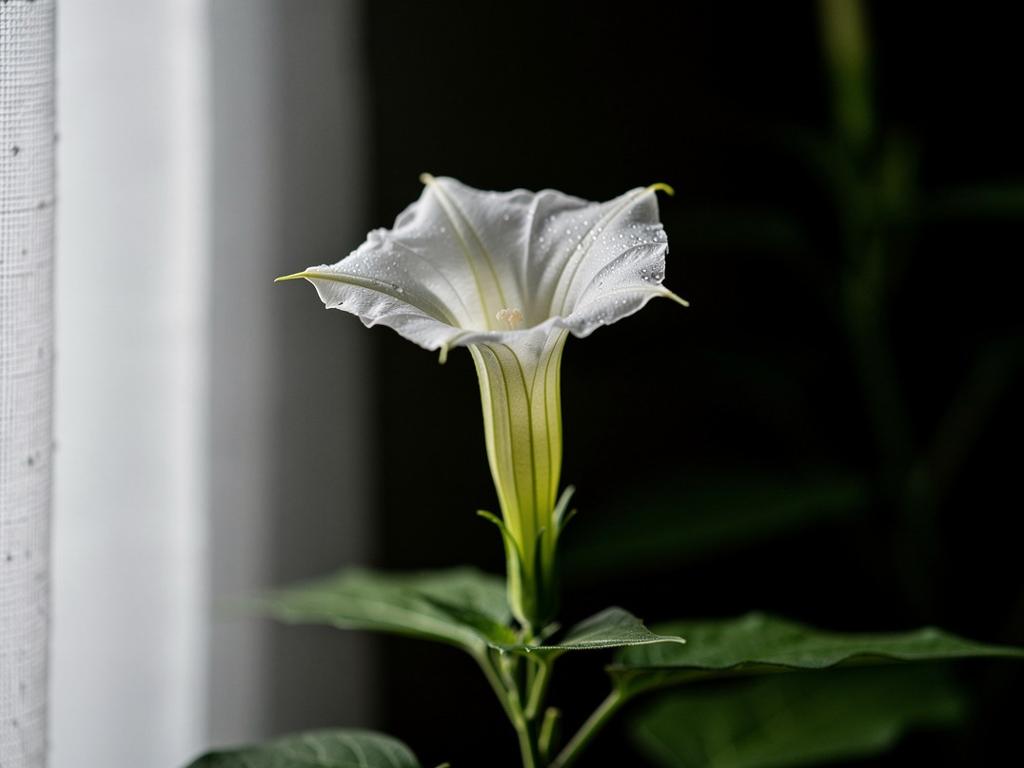
There's a story we tell ourselves in the healing world. It goes like this: do the work, meet the right person, watch the relationship bloom. Fix the soil, and the flower takes care of itself. It's a comforting equation. It's also, as far as I can tell, not always true. I've been thinking about this a lot lately — partly from my own life, partly from conversations with people coming out of ayahuasca retreats, therapy intensives, long stretches of somatic work. People who did the excavation. Who traced the pattern back to the wound, sat with it, integrated it, and genuinely changed. And then met someone who matched their new baseline. And then watched it not work out anyway. What do you do with that? A friend of mine — I'll call her Anna — spent most of her thirties doing what she called “tending the soil.” Therapy weekly. A yearlong somatic trauma program. Two ayahuasca ceremonies with a well-regarded Shipibo lineage in the Peruvian Amazon. She'd read enough attachment theory to teach a seminar on it. And she had a list. Not the twenty-two-year-old list — likes dogs, texts back promptly, doesn't live with his mother. This one was hard-won. It came from finally understanding the difference between what she wanted and what her nervous system had been trained to chase. There's a difference. It matters. She used to be drawn, she told me, to a very specific flavor of confidence. The unshakeable kind. The kind that reads as leadership from across a room and reveals itself, up close, as something closer to ego. Certainty about himself, not honesty about himself. Those look identical from a distance. They are very much not the same thing. This is one of the hardest lessons that comes out of deep psychological work — and it's one I hear echoed constantly by people returning from plant-medicine retreats. The nervous system doesn't chase what's good for you. It chases what's familiar. If chaos raised you, calm feels boring. If unavailability shaped your earliest attachments, availability can feel almost suspicious — like something's off. The electricity we call chemistry is often just recognition. Something in us going, oh, I know this song. Sometimes that song is love. Sometimes it's a trauma bond, and trauma bonds feel incredible right up until the moment they don't. Ayahuasca, in particular, has a way of holding this up to the light. People come back from ceremony describing a strange clarity about their past relationships — not blame, not analysis, but a kind of quiet recognition. Oh. I was chasing the ache. I thought the ache was depth. The medicine doesn't lecture you. It just shows you the pattern with the volume turned way down, so you can finally hear it. So Anna changed. Genuinely. She stopped romanticizing unavailability. She stopped calling emotional distance mystery. She noticed when her body flinched toward the familiar wound and made a different choice. Not perfectly. But consistently, over years. And then she met him. In his power, as she put it — a man who'd looked at his own life honestly and done something about it. Steady rather than chaotic. Present rather than performative. He checked almost every box on the list. Including the ones she'd quietly stopped believing were possible. She went all in. Why wouldn't she? This wasn't the old wound talking. She'd done enough work to feel the difference. And there was a difference — it was expansive, not addictive. Grounded, not electric-in-that-way. It ended anyway. Not in flames. Not because he was secretly awful. Not because she'd missed some warning sign. He was, by every honest measure, a good man who had also done his work. And he still couldn't quite meet her where she was. Sometimes that just happens. Sometimes two people who have both genuinely healed still can't build a life together, and there's no clean explanation for why. Here's the part that took her the longest to see — and it's the part I think matters most for anyone in the middle of deep inner work, whether that's therapy, plant medicine, coaching, or something else entirely. She thought she'd been tending the soil. Looking back, she realized some part of her had still been fixing the flower. All the healing, all the discernment, all the careful list-making — underneath it was a quiet belief that if she just became healed enough, whole enough, evolved enough, the right thing would finally hold. That's not environment work. That's still performance. Just a more sophisticated version. And there was another layer. She'd been trying to change his environment too — hoping the version of herself she'd built would be enough to coax something into growing in him that maybe wasn't there to grow. You rarely see this while you're doing it. That's the nature of the thing. I bring this up because a lot of people arrive at ayahuasca, ibogaine, psilocybin, or San Pedro retreats carrying a version of Anna's belief. If I just do this one big piece of work, I'll finally deserve the good thing. If I heal this last wound, love will hold. If I sit with the medicine, my life will finally arrange itself into the shape I've been trying to make it take. The medicine doesn't work that way. Neither does therapy, honestly. Neither does any of it. What the deep work actually gives you — in my experience, and in what most facilitators I trust will tell you plainly — is not control over outcomes. It's a truer relationship with yourself. A quieter nervous system. Better information about what you actually want and why. The ability to notice a pattern before it swallows you. That is enormous. That is genuinely life-changing. But it does not guarantee that the people you love will stay. It does not guarantee that the right relationship will click into place because you finally did enough journaling. It does not guarantee anything, and any facilitator who tells you otherwise is selling something you shouldn't buy. If you're weighing a plant-medicine retreat right now — for heartbreak, for a stuck pattern, for the kind of grief that has no clean cause — a few things worth holding: Anna told me the hardest part wasn't the breakup itself. It was accepting that she couldn't explain it away with a pattern, a somatic tool, or an elegant one-line quote from a book she loved. Some things don't come with a reason good enough to hold. This was one of them. She said she could keep excavating. Keep asking what she missed, what layer she hadn't reached, what she could have done differently. Part of her still wants to. But at some point, the excavation stops being wisdom and starts being another way of trying to control the uncontrollable. Another version of the flower straining to bloom on command. Sometimes the deepest work is putting the shovel down. Not because you've figured it out. Because you don't want to figure it out anymore. You just want to live. For anyone drawn to explore this kind of work more directly — through ayahuasca, psilocybin, or other plant medicines held in a supported ceremonial container — a range of thoughtfully curated retreats can be browsed on our marketplace here. Whatever you decide, choose slowly. The medicine will still be there when you're ready.
Dreaming of a Psychedelic Retreat?
We have the best deals and offers from thousands of organizers all over the world! Get them into your mailbox every week!
We value your privacy. Your email address will never be shared or published.
