 English
 Deutsch
 Français
 Nederlands
 Español


Reset. Heal. Grow.


Blocked by Reddit? Why Real Psychedelic Wisdom Lives Off the Forums
Picture this. You're three weeks out from booking an ayahuasca retreat, you've got a browser tab open to some psychedelic subreddit you found at 1 a.m., and instead of the trip report you came for, you hit a wall: You've been blocked by network security. Cool. Very helpful. Thanks for that. If you've spent any time researching plant medicine online, you know the loop. You read a few articles, you get curious, you start scrolling forums, and pretty soon you're knee-deep in strangers' anecdotes about ayahuasca ceremonies, ibogaine flood doses, and what someone's aunt's yoga teacher said about master plants. Then a paywall, a login gate, or a security block knocks you out cold. It's annoying. But honestly? It might be the best thing that happens to your research. Because here's the truth nobody on those threads will tell you: most of the important questions about psychedelics and addiction recovery cannot be answered by a stranger with a username like DMTDreamer420. They need to be answered by people who actually sit with this medicine — facilitators, integration therapists, doctors, and yes, journalists who've done the legwork. So let's talk about what good research actually looks like when you're considering a retreat. I'm not anti-forum. I've read thousands of trip reports over the years, and some of them are gorgeous, honest, and useful. But forums are a terrible primary source for the decision you're trying to make. They overrepresent the dramatic — the breakthroughs and the breakdowns — and underrepresent the boring middle, which is where most ceremony experiences actually live. Nobody posts a thread titled “My ayahuasca night was quiet and I cried a little and then I went to bed.” But that's a lot of nights. Forums also flatten context. Someone raves about a retreat in Iquitos without mentioning they have no trauma history, no medications, and a meditation practice going back fifteen years. You read it and assume your experience will look the same. It won't. Plant medicine meets you where you are, not where the poster was. And then there's the bigger problem: a lot of what gets repeated as fact on psychedelic forums is just… wrong. Half-truths about MAOIs and SSRIs. Confident claims about ayahuasca curing depression in one ceremony. Bad information about ibogaine and heart safety. Real harm has come from people taking forum advice as medical guidance. So when Reddit blocks you, treat it as a small gift and go find better sources. Most people researching a psychedelic retreat are circling a handful of real questions, even if they don't phrase them clearly to themselves. Let me name them, because clarity helps. These are excellent questions. They are also questions a forum can only half-answer. The first one needs a doctor or a prescriber who understands serotonergic interactions. The second needs an honest read of the research plus a frank look at your own history. The third needs reviews, references, and a real conversation with the facilitator. The fourth needs first-person writing from people who can describe an inner experience with some craft. The fifth needs an integration coach or therapist. Choosing where to drink ayahuasca, or where to sit with psilocybin or San Pedro, is the single most consequential decision in this whole process. Set, setting, and shaman — the old triad — still holds. Here's a saner approach than scrolling. You can do all of this through emails and phone calls. You don't need a forum thread to vet a retreat — you need ninety minutes of your own focused time and a willingness to ask uncomfortable questions. One of the most common reasons people end up researching psychedelic retreats is addiction — to alcohol, opioids, stimulants, or the quieter compulsions that don't get a name. The research here is genuinely interesting, and worth understanding before you book anything. Ibogaine has the longest track record for interrupting opioid dependence. It's not a cure, and it carries real cardiac risk that demands medical screening and on-site monitoring. Done well, it can collapse a withdrawal syndrome that would otherwise take weeks. Done badly, it kills people. The gap between those two outcomes is almost entirely about screening, dosing, and supervision. Ayahuasca shows up in addiction recovery research as well, particularly through the work coming out of Brazil and Canada. Participants in observational studies report meaningful reductions in alcohol and cocaine use after ceremonial work, often paired with months of integration. Psilocybin has its own growing literature, with trials at Johns Hopkins and NYU showing real signal for alcohol use disorder and tobacco cessation. None of this is magic. All of it depends on what happens before and after the ceremony as much as during. If you're considering plant medicine for addiction, the honest framing is this: the medicine can crack something open. Whether that opening becomes lasting change is about therapy, community, and your own daily choices over the following year. Anyone selling you a one-and-done miracle is selling something else. You'll see the phrase master plants tossed around a lot in the psychedelic space, often without explanation. In the Amazonian tradition, master plants are species considered to be teachers — not because they're psychoactive, necessarily, but because dieting them in a structured, isolated way is said to transmit specific knowledge and qualities. Ayahuasca is one. So are bobinsana, chiric sanango, ajo sacha, and others most retreat-goers never encounter. This matters because it reframes what a ceremony is. You're not taking a drug to get an experience. You're entering a relationship with a plant that has its own intelligence and its own terms. You can take or leave that framing philosophically, but the curanderos and ayahuasqueros who serve this medicine take it seriously, and how you show up shapes what you get. A respectful, prepared participant tends to have a different night than a curious tourist looking for a peak experience. The retreat starts weeks before you arrive. Most reputable ayahuasca centers will send you a dieta — restrictions on certain foods, alcohol, drugs, and often sexual activity for a set window before and after. Follow it. It's not superstition. The interactions are real, and the discipline of preparation is itself part of the work. Beyond the dieta, give yourself time. Cut back on screens. Sit with yourself in silence even if it's uncomfortable, especially if it's uncomfortable. Write down what you're hoping for and what you're afraid of. Tell a trusted person what you're doing. Line up a therapist or integration coach for after — not three weeks after, the week of your return. Insights have a half-life. Catch them while they're warm. And manage expectations. You may have the night of your life. You may have a hard, frightening, nauseating night that makes no obvious sense for months. Both are part of the territory. Plant medicine doesn't owe you a particular experience, and chasing one is the surest way to miss what's actually being offered. Not entirely. Used wisely, they're useful for finding names of facilitators, reading honest trip reports, and getting a feel for how people talk about their experiences. Just don't use them to answer your safety questions, your medical questions, or your should I do this at all question. Those deserve better sources. If you want to keep exploring, read peer-reviewed research from MAPS and Johns Hopkins, follow a few writers who've sat with this work for decades, and talk to people in person — at integration circles, recovery meetings, or through facilitators directly. For readers ready to start comparing actual options, a curated set of ayahuasca and plant-medicine retreats can be browsed on our marketplace here, which at least cuts out the part where Reddit slams a door in your face. The decision is still yours. But you'll be making it with better information than a blocked thread can offer.
Psilocybin and Alzheimer's: What That Viral Case Report Actually Says
Late last month, a single case report set the internet on fire. An 80-something woman with a decade of Alzheimer's — largely non-verbal, incontinent, dependent for nearly everything — was given five grams of dried psilocybin mushrooms. Within days, she was speaking spontaneously. Walking better. Dressing herself. Cracking jokes, even. Cue the headlines. Groundbreaking drug trial. Reverses dementia. Memory restored. Splashy stuff. The kind of story that ricochets across social feeds before anyone reads past the lede. Here's the thing, though. It wasn't a trial. There was no control group, no blinded raters, no standardised cognitive scales. It was one patient, in one private psychiatric office in São Paulo, observed by people who already knew her. That doesn't make it worthless — case reports have started plenty of legitimate research programs — but it's a long, long way from a treatment. And the psychiatrist who ran the sessions is the first to say so. The patient had been deteriorating for ten years, with the last five marked by what clinicians call hypofunction — flat affect, monosyllabic speech, chronic incontinence, difficulty swallowing, almost no spontaneous communication. Her son approached her psychiatrist, Marcos Lago, with the idea of trying psilocybin. After conversations with the legal guardian and caregivers about risks and the complete absence of evidence in advanced Alzheimer's, they went ahead. The first session used five grams of dried mushrooms of the so-called Enigma strain. According to the report, she had acute autonomic activation, profuse sweating, suspected hyperthermia, and fell into a prolonged sleep-like state. The next morning, something shifted. She began producing what the authors describe as spontaneous autobiographical speech — she was telling stories from her own life, unprompted. Over the following weeks, the changes kept stacking up. Bladder control returned. She walked with more confidence. She dressed herself. She made eye contact. A second session, this time at three grams, reportedly brought more expressivity, facial mimicry, even humour. Caregivers — people who'd watched her decline for years — said she was someone they recognised again. You can see why the press jumped on it. The story is irresistible. A cheap, ancient natural compound bringing a grandmother back from the long fog of Alzheimer's — it writes itself. The problem is that almost every word in those headlines was doing work the underlying paper couldn't support. It wasn't a clinical trial. It was private psychiatric care, written up afterward. There were no blinded independent assessors. No standardised dementia scales administered at fixed intervals. No control. The dose itself wasn't a dose in the pharmaceutical sense — dried mushrooms vary wildly in potency, and you can't convert mushroom weight into milligrams of psilocybin with any confidence. The patient's improvement, however striking, was reported through clinical observation and caregiver accounts. Those are valuable, but they're not the same thing as evidence in the regulatory sense. Lago himself is unusually clear about this. He calls the case a research hypothesis, not a treatment recommendation. He resists the framing that any of this proves efficacy. What it does, he argues, is raise a legitimate question worth investigating properly — and that's a much more modest, much more honest claim than what most of the coverage made of it. This is where things get interesting, and a bit complicated. Lago is a São Paulo psychiatrist in private practice. He says he has supervised roughly 400 psilocybin sessions involving around 200 adults — a number that would raise eyebrows almost anywhere in the world, and definitely in Brazil, where psilocybin is a proscribed substance under the country's health authority. Most of those sessions, he says, weren't conventional medical treatment. They happened within what he describes as a philosophical and contemplative framework — meditation, self-knowledge, the study of consciousness. He's also associated with a religious organisation, Associação Cruz de Ankh, which he argues operates within the constitutional protections for freedom of belief and religious practice that Brazil affords. Is that a clean legal shield? Lago doesn't claim it is. He's careful to draw lines between approved medical treatment, formal research, private psychiatric care, and ceremonial religious practice — categories that, in his words, aren't interchangeable. The Brazilian situation echoes what's happened with ayahuasca, where decades of court rulings carved out space for religious use of the brew. Whether psilocybin will follow a similar path is unsettled. If you're someone watching a parent slip into dementia, or you're considering plant medicine for your own reasons, it's worth being blunt about what this case does and doesn't establish. What it does do is suggest that psilocybin's effects on neuroplasticity, neuroinflammation, and default-mode network activity — the stuff researchers actually study — might be worth examining in dementia populations. That's a real scientific question. It deserves real trials with proper design, not viral tweets. Step back from Alzheimer's for a moment. The reason a case like this captures imagination is that it touches a broader hope: that psychedelics and master plants might unstick things that conventional medicine can't. Addiction. Depression that won't lift. Trauma stored in the body for decades. The default-mode network humming on the same anxious loop year after year. The evidence for some of these uses is genuinely promising. Psilocybin for treatment-resistant depression has produced striking results in Phase 2 trials. Ibogaine for opioid addiction has decades of underground data and now mounting clinical interest. Ayahuasca's effects on depression and substance use have been studied in religious-use cohorts for years. None of this is magic — the responsible researchers are quick to point out non-responders, adverse events, and the need for psychological support before and after. But there's a real signal in the noise. People do, sometimes, change in ways they couldn't access through talk therapy or SSRIs alone. The mechanism isn't fully understood. The set, setting, and integration matter enormously. And the people who do best are usually the ones who treated the experience as the start of work, not the end of it. For readers thinking about this for their own reasons — not Alzheimer's, but the everyday stuck places that bring most people to plant medicine — a few unglamorous suggestions. None of this is meant to talk you out of anything. Plant medicine has helped a lot of people address things that nothing else touched. It's just that the help tends to come to people who showed up prepared, not to people who showed up looking for a shortcut. The honest read on the São Paulo case is somewhere between the breathless headlines and the dismissive scoff. It's one observation. It's interesting. It probably justifies a properly designed trial in carefully screened patients with mild-to-moderate cognitive impairment, with continuous medical monitoring and standardised outcome measures. It does not justify a wave of families giving five-gram doses of unregulated mushrooms to elderly relatives at home. Please don't. What Lago seems to want — and what the field actually needs — is the boring, slow, methodical version of this story. Trials. Data. Replications. Honest reporting of the cases that didn't work alongside the ones that did. The interesting thing about psilocybin research right now is that, after decades of prohibition, that boring slow version is finally starting to happen. If reading all this has left you curious about the broader landscape of plant-medicine work — psilocybin retreats, ayahuasca ceremonies, ibogaine programs — a range of vetted psychedelic and plant-medicine retreats can be browsed on our marketplace here. Whatever you decide, decide it with eyes open.
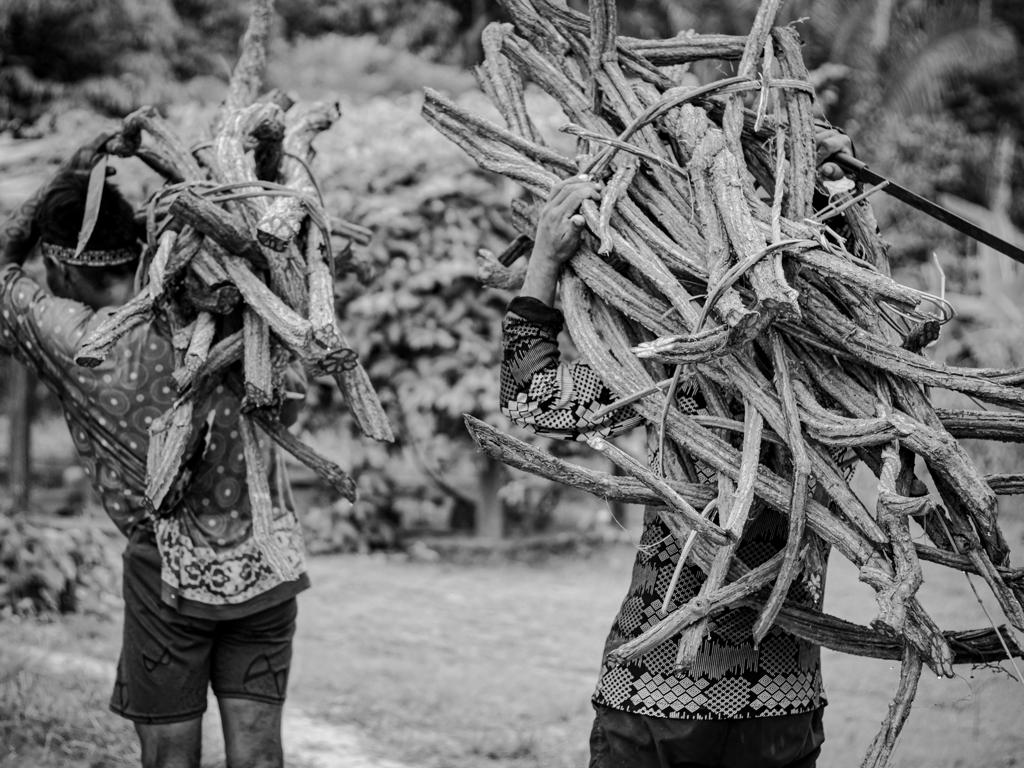
When Someone You Love Is Heading to an Ayahuasca Retreat: A Friend's Guide
A friend tells you, with that particular mix of excitement and nerves, that they've booked an ayahuasca retreat. Maybe it's somewhere in the Peruvian jungle. Maybe it's a weekend ceremony two hours from where you live. Either way, your stomach does a small flip. You've heard things. You've read things. And now someone you actually care about is about to drink a bitter brown brew and, depending on which corner of the internet you trust, either heal their deepest wounds or have a psychological emergency in a hammock. This piece is for you — the worried friend, sibling, partner, or parent. Not the person going. The person watching them go. Because the conversations you have in the weeks before, during, and after matter more than most people realize, and there's almost nothing written for the people on your side of the equation. Before you say anything to your friend, sit with what you're actually feeling. Worry is the obvious one. But underneath it there's often something else — judgment, jealousy, fear of being left behind, or a quiet conviction that this is a phase they need to be talked out of. Those feelings aren't wrong. They're just not useful information for your friend right now. The plant medicine world has a credibility problem with outsiders, and for understandable reasons. The headlines tend to be the bad ones: someone died at an unregulated retreat, someone came back changed in worrying ways, someone got scammed. What doesn't make the news is the much larger group of people who go, have a hard but meaningful experience, and quietly integrate it into a better-functioning life. Both stories are true. Which one your friend ends up in depends heavily on choices they're making right now. So your job isn't to talk them out of it. It's to help them go in clear-eyed. Big difference. Ayahuasca is a brew made from two Amazonian plants — a vine (Banisteriopsis caapi) and a leaf (usually Psychotria viridis) — that together produce a powerful psychedelic experience lasting roughly four to six hours. It's been used for centuries by Indigenous peoples in the Amazon basin in ceremonial contexts, and over the past two decades it's gone global. There are now ayahuasca retreats in dozens of countries, ranging from tiny family-run centers in Peru to slick wellness operations charging five-figure prices. The experience itself is usually intense. Most people vomit (it's called la purga and is considered part of the medicine, not a side effect to minimize). Many cry. Some have visions, some don't. People often describe confronting memories, relationships, and patterns they've been avoiding for years. The next morning they tend to be quiet, tender, and unsure how to talk about what just happened. This is the part friends and family often miss: ayahuasca isn't recreational. People aren't going for fun. The vast majority are going because something in their life — addiction, depression, grief, a stuck pattern, unprocessed trauma — isn't responding to anything else they've tried. Understanding that reframes the whole conversation. This is where you can actually be useful. Most people booking their first ayahuasca retreat don't know what to look for, and a thirty-minute conversation with you asking the right questions could save them from a bad situation. Here's what a reputable retreat does, and what should make you both nervous: Encourage your friend to read reviews on multiple sources, not just the retreat's own website. Ask them if they've talked to anyone who actually attended. If they haven't, that's a reasonable thing to suggest. You don't need to become a plant medicine expert overnight. But there are a few questions worth raising, gently, before they leave: Are they on any medications? SSRIs and SNRIs (the most commonly prescribed antidepressants) need to be tapered off well in advance — usually four to six weeks — under medical supervision, because mixing them with ayahuasca can trigger serotonin syndrome, which is genuinely dangerous. Same for MAOIs, lithium, tramadol, and several other drugs. If your friend hasn't talked to a doctor about this, push them to. This isn't woo-woo caution; it's basic chemistry. What are they actually hoping for? Not in a therapist voice. Just in an honest friend voice. People who go in expecting a magic erasure of their problems often come out disappointed or destabilized. People who go in curious, with realistic expectations, tend to fare better. What's their support system after? The week after a ceremony is when integration happens. If they're flying home on a red-eye and back at a stressful job Monday morning with nobody to talk to, that's a setup for a rough landing. Can you be one of the people they call? You probably won't hear much. Most retreats discourage or prohibit phones, and that's a good thing. Resist the urge to spiral if your texts go unanswered for a week. They're fine. They're probably sitting in a circle eating plantains and trying to process what happened the night before. If you're genuinely concerned — say, if they have a serious mental health history you've been worried about — it's reasonable to know the name and location of the retreat and to have an emergency contact number. Any legitimate operation will provide this. But assume things are fine unless you have real reason to think otherwise. This is the part nobody prepares friends for. Your friend may come home glowing, full of insights they can't quite articulate. They may come home quiet and a little raw. They may come home convinced they need to leave their job, end their relationship, or move to South America. Some of these conclusions will turn out to be wisdom. Some will turn out to be the temporary intensity of a psychedelic experience that hasn't settled yet. The most useful thing you can do is listen without judging and without rushing them toward big decisions. The first month is for integrating, not for restructuring a life. If they're talking about quitting everything within a week of coming home, you can lovingly suggest waiting ninety days before making anything permanent. That advice is consistent across nearly every experienced integration therapist in this space. Watch, gently, for warning signs: persistent sleep problems, inability to function, intrusive thoughts that don't fade, or anything resembling psychosis. These are rare but real, and a trauma-informed therapist who understands psychedelics is the right resource — not the retreat's WhatsApp group, not Reddit, not you alone. Sometimes watching a friend go through this stirs something in you. That's worth noticing without immediately acting on it. Plant medicine isn't right for everyone, and it isn't right at every moment in a person's life. But if your friend's experience leaves you genuinely curious — not envious, not FOMO-driven, but curious — there's no harm in learning more on your own timeline. For readers who want to take this further, a range of vetted ayahuasca and plant-medicine retreats can be browsed on our marketplace here. Mostly, though, your job right now is just to be the steady person in your friend's life. The one who didn't lecture them, didn't catastrophize, didn't pretend to know more than they did. That's a more valuable role than you might think. The plant does its own work. Your work is showing up for the person on the other side.
When the Medicine Says You're Done: Knowing It's Time to Hang Up the Pipe
There's a phrase that floats around psychedelic circles, usually said with a half-smile: when you get the message, hang up the phone. It's attributed to Alan Watts, though he was talking about meditation more than mushrooms. The idea has stuck around because it gets at something most retreat brochures won't tell you. Plant medicine isn't supposed to be forever. At some point — if the work is actually working — you put it down. This is the conversation nobody seems to want to have when you're three ceremonies deep into your ayahuasca journey and wondering if you should book the next retreat. So let's have it. Here's the thing about ayahuasca, psilocybin, ibogaine, and the rest of the master plants: they're tools. Useful, sometimes astonishing tools. But a hammer isn't a lifestyle. And the longer you're in the psychedelic world, the more you start to notice the people who've been chasing the next ceremony for fifteen years and don't seem any lighter for it. I've sat in circles with people on their thirtieth ayahuasca ceremony who still cry about the same wound from their childhood. I've also met people who drank twice, integrated for two years, quietly rebuilt their relationship with their father, and never went back. Both paths exist. The difference between them isn't usually the medicine — it's what people did with the message after they got it. Psychedelic healing is not a subscription service. The plants don't owe you anything after the first profound encounter. Sometimes the most radical move you can make as a psychonaut is to stop being one. This is the question I get asked most often by readers somewhere between their second and fifth ceremony. They've felt the breakthrough. They've cried into the bucket. They've seen the architecture of their own avoidance patterns laid bare. And then they wonder — is that it? Or is there more? There's no clean answer, but there are signals. People who've genuinely finished their psychedelic work tend to report things like: None of these alone means you're done. All of them together, persistently, probably does. One thing that comes up over and over with people who've spent a decade in the psychedelic scene is a particular flavor of restlessness. They call it spiritual seeking, but underneath it often looks a lot like the same compulsion that drove their drinking or their workaholism before they found plant medicine. The object changed. The hunger didn't. This is worth paying close attention to if you're using psychedelics in the context of addiction recovery. Plant medicine for addiction is showing real promise in clinical settings — ibogaine for opioid dependency, psilocybin for alcohol use disorder, ayahuasca for a broad range of compulsive patterns. But the substance you took to get free can quietly become the next thing you depend on, and the retreat circuit is set up to reward that. Ask yourself, honestly: am I going back because the work calls me, or because regular life feels too small now? Both are valid feelings. Only one is a reason to drink the brew again. Integration gets thrown around as a buzzword. Most people think it means journaling for two weeks after a retreat and joining an integration circle on Zoom. That's a fine start. It's not the whole thing. Real integration — the kind that lets you put the medicine down — looks more like: If you've done these things and the medicine still calls you, fine — go drink. But if you haven't, another ceremony is probably not what's missing. I'm not arguing that one and done is the right model for everyone. Some people need several ayahuasca ceremonies before the deepest layer cracks open. Some people benefit from a single annual sit the way others benefit from an annual silent retreat — as a check-in, a recalibration. Indigenous traditions have always understood ayahuasca as something you return to across a lifetime, but in a specific cultural context with specific guardrails. That's different from a Western seeker booking four retreats a year because they liked the feeling. Reasons that make sense for going back: Reasons that should make you pause: The most healed people I've met in this world are often the ones who've stopped talking about it. They drank ayahuasca seven years ago. It changed them. They don't post about it. They don't recommend retreats unprompted. They've folded the experience so completely into who they are that it's no longer a separate chapter — it's just part of the texture of their life. That's the goal, I think. Not endless seeking. Not collecting ceremonies the way people used to collect frequent flyer miles. Just becoming someone who lives well, who is kinder to the people around them, who doesn't need a master plant to access their own depth anymore. The medicine, if it's doing its job, makes itself obsolete in your life. That's not failure. That's graduation. If you're sitting with the question of whether to attend another retreat, sit with it for longer than you think you need to. Two months. Six months. A year. The plants will still be there. The retreat centers will still be there. The question isn't going anywhere. And in the meantime, the answer often arrives on its own — sometimes as a clear pull toward ceremony, more often as a quiet realization that you already have what you came for. For readers who do feel that clear pull and want to take this further, a range of vetted ayahuasca and plant-medicine retreats can be browsed on our marketplace here. Whatever you decide, decide it from a settled place — not from the restlessness that brought you to the medicine in the first place.
Congratulations, You Realized Life Is Meaningless — Now What?
So you sat in ceremony. Maybe it was ayahuasca in a thatched maloca outside Iquitos. Maybe psilocybin in a quiet room with an eye mask and a playlist. Maybe a bigger-than-expected dose of something you thought you understood. And somewhere in the middle of it, the floor dropped out. Not in a scary way necessarily. In a clarifying way. You saw — really saw — that the stories you'd been carrying around about your job, your relationships, your identity, your future, were just stories. Constructions. Scaffolding. And underneath them? Nothing in particular. Just experience, happening. Welcome to one of the most common and least talked-about aftermaths of a serious psychedelic experience. The realization that meaning isn't built into the universe like a steel beam. It's something we make. And once you've seen that clearly, you can't really un-see it. This article is for the person who came home from a retreat, or surfaced from a deep journey, and is now wandering around their kitchen wondering why they should bother making the coffee. You're not broken. You're not the first. And there's actually a path through this — but it's not the one the inspirational quotes on Instagram are selling. Here's the part nobody warns you about during the pre-retreat questionnaire. A lot of people walk into a plant-medicine ceremony hoping to find meaning — a sense of purpose, a clear next step, a reason. And a meaningful chunk of those people walk out having found the opposite. They saw, with the bone-deep certainty that psychedelics can deliver, that there is no cosmic plan, no script, no objective point to any of it. This is not a malfunction of the medicine. It's actually a fairly classical mystical insight, the same one Buddhist monks spend decades chasing on the cushion. The Pali word for it is anatta — non-self. The Stoics circled it. Existentialists wrote whole bookshelves about it. What's different is that you arrived there in six hours, without the philosophical training to land softly. So the insight is real. The free-fall feeling is also real. But the despair that often follows? That part is optional. The despair comes from grafting an old assumption — meaning must come from outside me — onto a new reality where it clearly doesn't. As long as you keep waiting for the universe to hand you a reason, you'll keep finding the same empty mailbox. The current research community has a working theory for what's happening in your brain when this kind of insight hits. Psychedelics like psilocybin, DMT (the active visionary compound in ayahuasca), and mescaline (in San Pedro and peyote) appear to quiet the default mode network — the brain system most closely associated with your ongoing narrative of self. When that network goes offline, the running story about who you are and what your life means goes quiet too. And in that silence, you can briefly perceive experience without the story wrapped around it. That's the neuroscience version. The shamanic version, told around fires in the Amazon for centuries, is that the master plants show you what's actually there once you stop dressing it up. Either framing arrives at the same destination: a temporary stripping-away of the meaning-making apparatus, leaving you face to face with raw being. For some people, this is the most liberating thing that ever happened to them. For others — especially people who came to plant medicine hoping it would solve their depression, their addiction, their stuck-life feeling — the no-meaning insight can feel like a worse version of what they came in with. That's a real risk, and it's one reason competent retreat centers screen carefully and build serious integration support into their programs. In the weeks after a retreat, there's a predictable pattern. Week one: euphoria, openness, a sense of having been scrubbed clean. Week two: the glow fades and ordinary life starts pressing in again. Week three: you're back at your desk, your partner is annoying you for the same reasons they always did, and somewhere underneath, a quiet voice is asking so what was all that for? This is where the trap opens up. People try to solve the meaning problem by going back for another ceremony. Then another. Some end up rotating through retreats every few months chasing the next big insight, and each one delivers less than the last. Because the insight was never the destination. It was the door. What actually helps in this window: None of this is glamorous. None of it makes a good Instagram story. It's the slow part of the work, and it's where the actual change either happens or doesn't. Here's the move that gets you out of the trap. You stop waiting for meaning to be delivered. You start making it on purpose, with your eyes open, knowing full well that you're the one making it. This sounds like a downgrade. It's not. The person who knows their meaning is constructed and chooses it anyway is in a far stronger position than the person who believed their meaning was handed to them by a god or a job or a relationship — because the second person can have it taken away. The first person can't. What this looks like in practice is unglamorous and specific. You decide that being a good parent matters to you, not because the universe says so but because you say so. You decide your work matters because you've chosen to put care into it. You decide your friendships are worth showing up for. None of these things are objectively meaningful. All of them become meaningful the moment you treat them that way and keep treating them that way. Viktor Frankl, who survived the camps and then wrote a whole book about meaning, said it cleanly: meaning is not something we find, it's something we respond with. The psychedelic experience just removed the false bottom you were standing on. Now you get to build a real floor. Worth saying plainly. Sometimes what feels like a profound existential realization is actually a depressive episode that the medicine kicked into a higher gear. The two can be hard to tell apart from the inside. Signs it's the insight, not depression: you can still feel curiosity, you can still enjoy small things (food, music, a walk), you have energy for relationships, you sleep more or less normally, and the no-meaning realization comes with a strange undertow of freedom even when it's unsettling. Signs it might be depression: persistent low mood for more than a few weeks, loss of pleasure in everything including things you used to love, sleep that's significantly disrupted in either direction, isolating from people you care about, thoughts of self-harm. If any of those are present, talk to someone — a therapist, a doctor, your retreat's integration team. Psychedelics can absolutely surface latent depression, and the responsible move is to treat it, not to spiritualize it. If you're reading this because you've already been through a ceremony and you're trying to make sense of the aftermath, the most useful thing I can tell you is this: the disorientation you're feeling is a stage, not a verdict. People come out the other side. Most of them report, a year or two later, that the no-meaning insight became the most stable ground they've ever stood on — once they stopped fighting it and started building on it. And if you're reading this because you're considering a retreat and this whole conversation is making you nervous, good. Nerves are appropriate. Pick a place with serious screening, real integration support, and facilitators who've done their own work. Ask hard questions before you book. The retreats that take this stuff seriously will welcome the questions. The ones that don't will make you feel silly for asking, which is its own answer. For anyone wanting to look at carefully vetted ayahuasca and plant-medicine options with integration support included, a curated selection can be browsed on our marketplace here. The realization that life is meaningless isn't the end of the road. It's the part where you finally get to choose where you're walking.
Craving More Stories?
Join our ShopAyahuascaRetreats newsletter for the latest updates on thrilling
destinations and inspirational tales, delivered straight to your inbox!
We value your privacy. Your email address will never be shared or published.

Sitting With Grief: A Contemplative Path Through Loss and Disconnection
There's a particular kind of heaviness a lot of people are carrying right now. It doesn't have a name or a date attached. No funeral, no breakup, no obvious wound — just a low static of sorrow humming underneath the ordinary day. You wake up tired in a way sleep won't fix. You scroll through the news and feel something tighten in your chest, then immediately distract yourself. You miss something you're not sure you ever actually had. I've come to think this kind of grief is real, and that it has a source — even if it resists easy explanation. It's what it feels like to be a living, sensing creature inside systems that are quietly coming apart: ecological, social, relational, spiritual. And it's what it feels like to keep moving too fast to actually register any of it. The body knows. The body always knows. The question is whether we're willing to listen. Modern life has been organized around a story so old we've stopped noticing it: that humans are somehow separate from the natural world. Rivers became infrastructure. Forests became timber. Soil became a substrate for yield curves. Even our own attention has been turned into a commodity to be harvested. The story has produced extraordinary things — antibiotics, air travel, the ability to read this sentence on a glowing rectangle — but it has also produced a rupture. A quiet, civilizational tear between us and the living systems that actually keep us alive. Here's the thing. The body keeps a different ledger than the culture does. Something in us still knows we're not separate — that we're made, quite literally, from the water, air, and slow accumulated intelligence of ecosystems that have been writing themselves for millions of years. When that knowing is overridden long enough, grief is one of the ways it surfaces. Not as a tidy emotion but as a fog. As anxiety that won't quite resolve. As a craving for meaning that no amount of productivity quite satisfies. People sometimes call this ecological grief or climate grief. Those names point at something real but they're also too narrow. The grief I'm describing is broader — it's the grief of disconnection itself. From land. From neighbors. From the slow rhythms of bodies and seasons. From a sense of being part of something larger than the next quarter. There's an image from Buddhist cosmology I keep coming back to: Indra's Net. Picture a vast web stretching infinitely in every direction. At each intersection of the web, a jewel. And in each jewel, the reflection of every other jewel. Nothing stands alone. Each point contains and is contained by the whole. Thich Nhat Hanh called this interbeing — the recognition that a flower contains the cloud that rained on it, the soil that fed it, the sun that reached toward it across ninety-three million miles. What's interesting is that this isn't only a contemplative teaching anymore. Ecology, systems science, complexity theory — they're all saying versions of the same thing in different vocabularies. Cut down a forest in one region and rainfall patterns shift hundreds of miles downwind. Disturb a soil microbiome and the mental health of the people eating from it changes. Pull on any thread and the whole fabric moves. Separateness was always the illusion. We just built a civilization on top of it and called it common sense. The crises we're living through — climate disruption, species collapse, the slow unraveling of social trust — aren't separate problems to be solved one at a time. They're different expressions of the same foundational confusion. Which means the response can't only be technical. It has to include a different way of feeling ourselves inside the world. This is the part that took me years to understand, and I'll say it plainly: grief is evidence of connection. It means you haven't gone fully numb. It means that somewhere beneath the coping, the scrolling, the forward motion, something in you still recognizes what's being lost. You wouldn't grieve what you weren't already, in some sense, part of. We turn away from grief by staying busy. By optimizing. By staying productive enough not to feel it. And in doing so we lose something important — not because suffering is virtuous, but because grief, when we can actually be present with it, keeps us in contact with what matters. Grief is the feeling of caring. And caring is what makes it possible to act from something other than fear, obligation, or habit. This is one reason so many people who sit with plant medicines like ayahuasca, psilocybin, or San Pedro describe their experience as grief work rather than recreation. The medicines don't deliver insight on a platter. They tend to dissolve the armor we've built around feelings we've been outrunning — sometimes for decades. What rises up is often the very thing we've been organizing our lives to avoid. And underneath it, frequently, is love. The love of what's real. The love of being part of something. Contemplative traditions have understood for a long time what modern life keeps forgetting: presence is a skill. The ability to remain with what's actually happening — pleasant, painful, confusing, all of it — isn't a personality trait. It's trained. You build it the same way you build any other capacity: by doing it, repeatedly, badly at first, until something in you changes. A few practices that genuinely help with this kind of grief: What all of these share is a particular quality. The willingness to be with what is, rather than only what you wish were there. To let grief and beauty and uncertainty share the same room without insisting one cancel the others. Something else changes when you start practicing this way. Time itself starts to feel different. The compressed, optimized, every-minute-monetized time of modern productivity loosens its grip a little. Underneath it, you start to notice an older rhythm — cyclical rather than linear, attentive to recurrence, growth, loss, return. The time of seasons. Of bodies healing. Of forests recovering. Of grief itself, which moves on its own schedule and doesn't take meeting requests. To slow down enough to feel that rhythm is to reconnect with the depth from which any meaningful response comes. Quick action from a place of disconnection mostly produces more of what created the problem in the first place. Slower action — even slightly slower — from a place of genuine contact has a different quality. It tends to be wiser. Less frantic. More likely to actually help. This is, in part, why the integration period after a retreat matters as much as the ceremony itself. The ceremony can shake something loose. But it's the slow weeks and months afterward — the sitting, the journaling, the long walks, the difficult conversations — where the shift actually settles into a life. If you've been quietly researching ayahuasca or another plant-medicine retreat, and you're not entirely sure why, I'd gently suggest this: the unnameable grief might be part of the reason. Most people don't book a retreat because everything is going great. They book one because something has been asking for attention that the ordinary tools of life haven't been able to address. A few honest things worth knowing before you go: Indra's Net works in both directions. If every point in the web reflects every other, then changes in how we understand ourselves don't stay private. They move outward. They shape which questions get asked, which trade-offs get accepted, which futures feel possible. Personal practice and collective transformation aren't separate categories. They're the same web, felt from different angles. When grief is held rather than avoided, it tends to move. Not vanish — grief doesn't really vanish — but transform. It softens into something closer to love. The love of what's real. The love of what's actually here. The love of what we're genuinely part of, whether we remember it or not. For readers who feel pulled to take this work further in a structured setting, a range of curated plant-medicine and ayahuasca retreats can be browsed on our marketplace here. Whatever you choose, the practice — really — is the same. Come back to what's here. Come back to what you're already part of. Again and again, with the heart as open as you can manage.
Microdosing vs. Macrodosing LSD: What a Bi-Weekly 100µg Routine Really Does
Every few weeks, someone posts a version of the same question on a psychedelic forum: what if I just took 100 micrograms of LSD every two weeks, indefinitely? Not a microdose. Not a heroic dose. Something in between — enough to feel, not enough to dissolve the furniture. The replies range from cautious enthusiasm to outright alarm, and honestly, both reactions have merit. This question sits at an interesting crossroads of the broader psychedelics conversation. It's not quite the territory of master plants and ceremony — there's no curandero, no icaros, no dieta. But it borrows from that world's logic: the idea that altered states, used with intention and rhythm, can shift something stuck. Whether that idea holds up at 100 micrograms every fourteen days is the question worth chewing on. First, the dose itself. One hundred micrograms of LSD is what most people would call a light-to-moderate recreational dose. It's well above microdose territory (typically 5–20µg), and well below what veteran psychonauts consider a full psychedelic experience (200µg and up). At 100µg, expect a noticeable shift in perception — color saturation cranked up, mild visual drifting, time elongating in odd ways, and a general loosening of the usual mental scaffolding. Emotionally, the effect varies wildly by person and setting. Some people report a soft, warm openness that lasts six to eight hours. Others find themselves wrestling with anxious loops or unexpected memories. The dose is high enough that you cannot reliably work, drive, parent, or hold a serious conversation with someone outside the experience. It's also high enough that something genuinely psychedelic can happen — insights, releases, the occasional emotional avalanche. So when someone proposes doing this every two weeks, they're not proposing a maintenance routine. They're proposing twenty-six full-ish psychedelic experiences a year. That's a significant amount of inner work, even if each individual session feels modest. LSD has unusually fast and steep tolerance. Take a dose today, take the same dose tomorrow, and you'll feel almost nothing. The serotonin 5-HT2A receptors that LSD binds to downregulate quickly, and they take roughly two weeks to fully reset. This is why the bi-weekly cadence keeps surfacing — it's the shortest interval at which the drug reliably still works at full strength. That biological reality is also a warning sign. The fact that your receptors need fourteen days to recover suggests that something meaningful is happening to your neurochemistry each time. Researchers studying psychedelic-assisted therapy generally space sessions weeks or months apart for exactly this reason — not because the effects wear off, but because the integration window matters more than the experience itself. There's also the question of long-term receptor health. The honest answer is that we don't have great longitudinal data on people doing moderate LSD doses every two weeks for years. Small studies on classic psychedelics suggest the compounds themselves are physiologically gentle. But behavioral patterns, mood regulation, and the way you relate to your own emotions over time — that's a different question entirely. Here's the thing that gets lost in the dose-and-frequency debate. The psychedelic experience itself is not the work. The work is everything that happens in the days and weeks after — the journaling, the conversations, the slow rewiring of habits and beliefs that the session pointed toward. If you trip every two weeks, you essentially never finish integrating one experience before starting the next. You're constantly opening new material without closing the previous loop. For some people this feels generative — like an ongoing dialogue with their own psyche. For others it becomes a kind of psychedelic treadmill, where each session promises insight and the next one obscures it. Therapists who work with psychedelic-assisted recovery generally suggest one of two patterns: What's notable is that almost nobody in the clinical or traditional plant-medicine world recommends the middle path — moderate doses on a frequent schedule. There's a reason. The middle path tends to give you the disruption without the depth, and the frequency without the digestion. None of this is to dismiss the impulse. People reach for a routine like this for understandable reasons. They've had a powerful experience once and want to keep that door open. They're struggling with depression, addiction, or a stuck life pattern, and conventional treatment hasn't moved the needle. They've read the headlines about psilocybin trials for treatment-resistant depression and want to design their own version. Some of these motivations are legitimate. The research on classic psychedelics for depression, addiction, and end-of-life anxiety is genuinely promising. Compounds like LSD, psilocybin, ibogaine, and ayahuasca seem to do something that standard antidepressants don't — they create a brief window of neural plasticity in which long-held patterns become temporarily flexible. But that plasticity is also the catch. A window of openness without a plan is just a draft. If you keep prying the window open every two weeks without ever putting anything new in the room, you may just be letting the wind howl through. The substance is the catalyst. You are the chemistry. If you're seriously thinking about regular psychedelic use, here's what tends to separate the people who get something lasting from the people who plateau: This is where the traditional plant-medicine world has something to offer the rationalist psychonaut, even if the latter rolls their eyes at icaros and feathered headdresses. A ceremony is not just a fancy delivery system for a molecule. It's a container — a set of practices, relationships, and rituals that hold the experience and frame what comes after. You don't have to fly to Peru to access this. Plenty of people work with experienced facilitators in their own country, in legal or quasi-legal settings, with thoughtful preparation and follow-up. The point isn't the location. The point is that someone other than you is holding the structure, which lets you actually surrender into the experience instead of half-tripping while also playing the role of guide. For people whose interest in regular dosing comes from a genuine therapeutic need — addiction, trauma, depression that won't lift — a few well-held retreat experiences will usually go further than a year of solo bi-weekly sessions. They're more expensive in the short term and less expensive in every other way. For readers who want to explore that direction, a range of curated psychedelic and plant-medicine retreats can be browsed on our marketplace here. Is doing 100µg of LSD every two weeks dangerous? Probably not physiologically, for a healthy adult with no contraindications, no SSRIs in the mix, and no family history of psychosis. Is it likely to deliver the transformation people hope for? Probably not either. The cadence is too frequent for deep integration and too potent for sustainable maintenance. It splits the difference in a way that rarely serves anyone for long. If you've been considering this kind of routine, the more useful question isn't what dose, what frequency. It's what am I actually trying to change, and what's the smallest, most considered intervention that might move it? Sometimes the answer is microdosing under supervision. Sometimes it's one carefully prepared retreat. Sometimes it's therapy without any substances at all. The molecule is rarely the bottleneck. What you do with the opening it creates — that's where everything lives.

When Others Sense the Spirit of Ayahuasca: Stories from Beyond the Maloca
A friend of mine came home from a ten-day ayahuasca retreat in the Sacred Valley and, within an hour of walking through her front door, her cat refused to come near her. Not for a day. For almost three weeks. The same cat that used to sleep on her chest now flattened its ears every time she entered the room. Eventually things settled. But she still talks about it, six years later, with the same puzzled half-laugh. If you spend any time in plant-medicine circles, you hear stories like this constantly. Someone comes back from ceremony and their dog acts strange. A coworker says “you feel different” without being told anything. A partner wakes up at 3 a.m. crying from a dream they can't explain. The person who drank the brew didn't say a word — and yet something seems to have followed them home. What's actually going on here? Is it suggestion, projection, a sensitive nervous system reading subtle cues? Is it something the rationalist worldview hasn't got language for yet? I want to walk through what people actually report, what the indigenous frameworks say about it, and what to do if you're the one who came back from a retreat carrying — well, whatever it is you're carrying. Let's get specific, because vague spiritual talk helps nobody. The reports tend to cluster into a few recognisable shapes, and they show up across cultures and across decades of ayahuasca tourism. None of this is universal. Plenty of people come home from ceremony and nothing strange happens at all — the dog is fine, the partner is fine, the houseplants are fine, and the only weird thing is how badly you want to quit your job. But the cluster of reports is consistent enough that dismissing it entirely feels lazy. In the Shipibo, Asháninka, and broader Amazonian lineages, ayahuasca isn't conceptualised as a drug. It's a being. A teacher. A relationship. When curanderos talk about the brew they use words like madre — mother — and they describe her as having agency, preferences, and a presence that doesn't end when the ceremony does. From inside that framework, the question “can other people sense the spirit of ayahuasca on me?” isn't strange at all. Of course they can. You spent a week in deep contact with something the tradition treats as alive. Why would that contact evaporate the moment you board a plane home? The Shipibo concept of mariri — the spiritual force a healer carries — assumes that prolonged work with master plants leaves a residue on the person. Sensitive beings, including animals and children, are thought to perceive it directly. You don't have to buy the metaphysics to find the framework useful. Even the most committed materialist has to admit that something measurable changes in a person after intensive ceremony: nervous-system regulation shifts, default-mode network activity is altered for weeks, pheromonal output may change with stress and sleep patterns, micro-expressions soften. Animals and children read those signals far better than adult humans do. Whether the “spirit” is literal or a useful name for a constellation of subtle changes is, frankly, a question above my pay grade. Here's where I have to be honest: I don't know. Nobody really does. The research is thin to non-existent — there's no peer-reviewed study on whether cats can tell their owner did ayahuasca last week, and there probably never will be. What I can say is that suggestion clearly accounts for some of it. If you come home glowing and tell your partner you had a profound encounter with a jaguar spirit, and then your partner dreams about a jaguar that night, the parsimonious explanation is that you planted the seed. Brains are pattern-matching machines, and dreams are particularly suggestible. But suggestion can't account for all of it. Animals don't speak English. A toddler doesn't know mum just spent four nights drinking a sacrament in the jungle. When a dog who has lived with you for nine years suddenly refuses to make eye contact for forty-eight hours, something is registering, and it isn't a story you told. My working stance — and you're free to disagree — is that the body of a person who has been through intensive plant-medicine work is genuinely different for a while. Different scent profile, different breath rhythm, different micro-movements, different gaze. The mystery isn't whether something is being perceived. The mystery is what to call it. If you're researching a retreat and reading this kind of thing freaks you out a little — good. It should. Going to ceremony is not like booking a yoga weekend. You are signing up to be rearranged, and some of that rearrangement is visible to people who love you. Worth thinking about before you book. A few practical notes from people who've walked this road: One thing the retreat brochures rarely mention: ayahuasca and other master plants change relationships, not just individuals. The person who comes home is not exactly the person who left. Sometimes the partner is delighted. Sometimes the partner is unsettled. Sometimes a friendship that ran on a particular kind of cynicism doesn't survive the shift. People considering plant medicine for addiction, depression, or stuck patterns often focus on what they hope will change inside them. Fair enough. But the relational ripple is real, and it's worth naming before you go. The healing is rarely contained to the cup you drink from. This is also why the question of where you sit matters as much as whether you sit. A reputable retreat — one with experienced facilitators, real screening, and an actual integration arm — will prepare you for the re-entry. A weekend operation run by someone who learned the songs from a YouTube playlist will not. If something here speaks to you, the available ayahuasca and plant-medicine retreats can be browsed and booked on our marketplace here, and I'd encourage you to read each one's preparation and aftercare protocols carefully before committing. The cat, by the way, eventually went back to sleeping on my friend's chest. She thinks the medicine took about three weeks to settle. The cat hasn't said.

Does an Ibogaine Flood Dose Trigger Withdrawal? What to Expect
If you've been reading about ibogaine for addiction recovery, you've probably stumbled across the same anxious question more than once: does a flood dose throw you straight into withdrawal? It's a fair worry. People considering ibogaine are often deep in opioid dependence, exhausted, and bracing for the worst. The idea of voluntarily walking into dope-sickness — and then layering a 36-hour psychedelic experience on top of it — sounds like a special kind of hell. Here's the short answer, then we'll unpack it properly. A correctly timed ibogaine flood dose does not send you into withdrawal. It does roughly the opposite. Within an hour or two of dosing, most opioid-dependent participants describe the withdrawal symptoms they walked in with simply lifting. The craving switches off. The body stops screaming. That's the whole reason ibogaine has the underground reputation it does for interrupting addiction. But — and this is a big but — that outcome depends entirely on how the dose is timed, what substances are in your system, and who is sitting with you. Get any of those wrong and you're in genuine danger, not just discomfort. Let's go through it carefully. A flood dose is the full psychoactive ibogaine experience — usually somewhere between 12 and 20 mg per kilogram of body weight, taken in one or two sessions over several hours. It's the protocol used by reputable ibogaine clinics specifically for opioid dependence. Lower doses (microdoses, booster doses) have their own purposes, but the flood is what people mean when they talk about the addiction-interrupting effect. The mechanism is still being studied, but what's well-documented is this: ibogaine and its long-lived metabolite noribogaine act on multiple receptor systems at once — mu and kappa opioid receptors, NMDA, serotonin, sigma. The practical effect for someone in early opioid withdrawal is that the standard symptoms — the sweating, the restless legs, the bone ache, the relentless craving — quiet down within the first couple of hours after dosing. Participants who walked in shaking often describe being able to lie still for the first time in days. That said, ibogaine is not a magic eraser. The visionary phase is intense and physically demanding. You're not comfortable in the conventional sense. You're lying in the dark with a 30-plus-hour internal film reel of your own life playing back at you. But you're not in classic opioid withdrawal during that time. Those are two different things, and people who've been through both are usually emphatic about the distinction. Here's where the danger lives. Ibogaine has to be dosed at a specific window in the withdrawal curve. Too early — meaning too soon after your last opioid use, especially long-acting opioids like methadone — and the interaction is genuinely dangerous. Cardiac risk goes up. Outcomes get unpredictable. Too late, and you've already been suffering needlessly for days. Most reputable clinics work to a rough framework that looks like this: The COWS scale (Clinical Opiate Withdrawal Scale) is the standard clinical tool used to time the dose. A trained provider scores you on objective signs — pupil size, sweating, tremor, gooseflesh — and dosing happens inside a defined window. If you're looking at a provider who doesn't talk about COWS, doesn't ask detailed questions about your last use, and doesn't run an EKG before dosing, walk away. I mean that literally. I want to be direct here, because ibogaine writing online tends to swing between two extremes — either it's a miracle plant medicine that cures addiction, or it's a deadly poison the system wants to suppress. Neither framing serves you if you're actually trying to decide. The truth: ibogaine carries real cardiac risk. It prolongs the QT interval, which in plain language means it can disrupt the electrical rhythm of the heart. The deaths that have occurred during ibogaine treatment have almost all involved either undiagnosed heart conditions, recent opioid use stacked under the dose, electrolyte imbalances (especially low potassium and magnesium), or unsupervised settings with no resuscitation capability. What a competent ibogaine clinic does to mitigate this: A clinic that won't tell you exactly how they handle each of these is not the place to do this. Cost varies enormously — anywhere from a few thousand dollars at smaller operations in Mexico or Costa Rica to twenty thousand or more at higher-end facilities — but the price tag does not automatically correlate with safety. Ask about the medical team. Ask how many treatments they've done. Ask what their protocol is if something goes wrong at 3 a.m. If you're picturing a recreational psychedelic trip, recalibrate. Ibogaine is not that. People who have done both ayahuasca and ibogaine usually describe ibogaine as more clinical, more inward, less visually ecstatic, and considerably longer. There's an initial acute phase of maybe 4 to 8 hours where the visions are most active — often described as reviewing autobiographical material, sometimes scene by scene, with a strange detachment. Then a longer introspective phase, then a long, exhausted afterglow that can last days. You don't dance. You don't talk much. You lie still — partly because ibogaine produces strong ataxia, meaning your motor coordination is shot, and partly because moving makes the nausea worse. A bucket beside the bed is standard equipment. None of this is romantic. It's medicine, in the older sense of the word: something difficult you take because the alternative is worse. The window of opportunity that follows is what people come for. For roughly two to six weeks after a flood dose, opioid cravings are dramatically reduced or absent for most participants. This is not the cure — it's the opening. What you do inside that window largely determines whether the treatment holds. Integration support, sober community, therapy, sometimes a follow-up booster dose months later — these are the unglamorous pieces that turn a single ceremony into actual recovery. If you've gotten this far and you're still seriously considering ibogaine for addiction, here's a working checklist for vetting any clinic or retreat: A clinic that gets defensive or evasive on any of these is telling you what you need to know. The good ones welcome the questions because they've already answered them a hundred times. Ibogaine isn't right for everyone, and even when it works, it's the start of the work rather than the end of it. But for people who've cycled through conventional treatment without lasting traction, it remains one of the most studied — and most respected — of the psychedelic options for interrupting opioid dependence. If exploring this further feels right, a range of vetted ibogaine and plant-medicine retreats can be browsed on our marketplace here. Whatever you decide, decide it with full information and with people around you who know what they're doing.
Ibogaine for Addiction Recovery: An Honest Guide for People Considering It
If you're reading this, you've probably already tried the usual stuff. Twelve-step meetings. Suboxone. Rehab. Maybe a few. Maybe more than a few. And somewhere along the way you stumbled across the word ibogaine — usually in a recovery forum at 2 a.m. — and now you're wondering whether this strange West African plant medicine could be the thing that finally works. Here's the thing. Ibogaine is real. The interruption of opioid withdrawal it produces is genuinely unlike anything else in modern medicine. People do walk out of clinics free of the physical grip of heroin, fentanyl, oxycodone, methadone — sometimes after a single dose. That part isn't hype. But ibogaine is also one of the most demanding psychedelics on the planet, and the way it's marketed online glosses over the parts that matter most for someone weighing whether to actually book a treatment. So let's talk about it like adults. Ibogaine is the principal alkaloid in the root bark of Tabernanthe iboga, a shrub native to Gabon and parts of Central Africa. For centuries it's been used by the Bwiti, an initiatory tradition where massive doses of the bark are taken to encounter ancestors, face the self, and mark a passage into adulthood. The Western version of this — the clinical ibogaine treatment — strips out most of the ritual and uses purified ibogaine HCl or a total alkaloid extract in a medical setting. What makes it interesting for addiction is a quirk of pharmacology. Ibogaine appears to reset opioid receptor sensitivity and dampen the cravings that drive relapse. It's also a long, intense psychedelic experience — usually 18 to 36 hours of visions, life review, and what people describe as watching their own story play back in unflinching detail. Most participants don't call it pleasant. They call it useful. This is the part people want a yes-or-no on, and the honest answer is: yes, often, but with conditions. Observational studies and clinical reports out of Mexico, New Zealand, and Brazil consistently find that a single ibogaine session can eliminate or dramatically reduce opioid withdrawal symptoms within hours. Follow-up data on long-term abstinence is messier — some people stay clean for years, some relapse within months, and the difference usually has very little to do with ibogaine itself and almost everything to do with what happens afterward. People who treat ibogaine as a magic bullet tend to relapse. People who treat it as a doorway — and then walk through it with serious aftercare, therapy, community, and lifestyle change — tend to do remarkably well. The medicine clears the runway. You still have to fly the plane. It's been studied or used for: Methadone is the trickiest of these. Long-acting opioids hold on to receptors stubbornly, and most reputable clinics will require you to switch to a short-acting opioid for several weeks before treatment. If a clinic tells you they can treat you straight off methadone with no taper — find a different clinic. Ibogaine has killed people. Not many, in the grand scheme, but enough that you need to take this seriously before booking anything. The main issue is cardiac. Ibogaine prolongs the QT interval on an EKG, which in the wrong heart can trigger a fatal arrhythmia. Almost every recorded death has involved one or more of the following: pre-existing heart conditions, electrolyte imbalances, recent opioid or stimulant use masking heart issues, or — most commonly — treatment in unsupervised settings without proper screening. A responsible ibogaine provider will require, at minimum: If any of those are missing, walk away. I'm not exaggerating. The difference between a safe ibogaine treatment and a dangerous one is almost entirely a matter of medical screening and monitoring. Beyond cardiac risk, expect ataxia (you won't be able to walk for most of a day), severe nausea, and a psychological experience that can dredge up trauma you've spent years avoiding. This is not a recreational substance and it is not for the curious. It's for people with a specific problem they've been unable to solve another way. This question comes up constantly, and the answer depends on what you're actually fighting. Ibogaine is the heavier hammer for physical opioid dependence. If you're currently using daily and the withdrawal itself is what's keeping you trapped, ibogaine's ability to interrupt that cycle is unmatched. Ayahuasca won't do that — it won't pull you through withdrawal, and most ayahuasca retreats will require you to be clean of opioids for weeks before arrival. Ayahuasca tends to shine for the layer underneath the addiction — the trauma, the unresolved grief, the patterns of self-punishment. People often come to ayahuasca after they've achieved abstinence and want to work on why they were using in the first place. Some recovery paths use both: ibogaine to break the physical hold, ayahuasca and other master plants over the following year to do the slower psychological work. Neither is better than the other. They do different jobs. A thoughtful integration therapist or a clinic that's honest about its limits will tell you which makes sense for your situation, and won't try to sell you the one they happen to offer. The legal landscape matters here. Ibogaine is a Schedule I substance in the United States, which is why almost all reputable treatment happens in Mexico, Costa Rica, the Netherlands, Portugal, Brazil, New Zealand, or South Africa — countries where it's either legal, unscheduled, or specifically permitted for medical use. When you're vetting a provider, the questions to actually ask are: A good clinic will answer all of these without flinching. A sketchy one will get defensive or vague. Trust your gut on the phone call. Expect to pay somewhere between $6,000 and $15,000 for a legitimate clinical program of five to ten days. Anything dramatically cheaper is cutting corners somewhere — usually on medical staff. Anything dramatically more expensive is selling you luxury that has nothing to do with treatment outcomes. I'll say it again because it's the single most important thing in this whole article. The ibogaine session itself is the easy part. Staying changed afterward is the hard part. What you do in the 6 to 12 months after treatment matters more than the treatment itself. That means a real therapist who understands psychedelic integration. A community of people who get it — recovery groups, integration circles, peer support. A plan for the cravings that may still show up around month three. A complete rebuild of the environment, relationships, and routines that fed the addiction in the first place. People who skip this part and go back to the same apartment, same friends, same triggers tend to relapse, even after the most profound ibogaine experience. The medicine opens a window. You have to actually climb through it. If you've read this far and ibogaine still feels like something you want to seriously explore, the next step isn't booking — it's a conversation. With your doctor about cardiac screening. With a therapist about whether your psychological foundation can hold the experience. With clinics about their protocols. For readers who want to keep researching, a curated selection of ibogaine and other plant-medicine retreats can be browsed on our marketplace here. Take your time with this one. The right decision, made carefully, can change everything. The wrong one, made in desperation, can cost a lot more than money.
Dreaming of a Psychedelic Retreat?
We have the best deals and offers from thousands of organizers all over the world! Get them into your mailbox every week!
We value your privacy. Your email address will never be shared or published.
