 English
 Deutsch
 Français
 Nederlands
 Español
SHOP AYAHUASCA RETREATS BLOG
Blocked by the Algorithm, Not the Medicine: Notes on Finding Real Ayahuasca Info Online

Fiona Holloway
July 8, 2026
Your ultimate guide to discover transforming ayahuasca and psychedelic experiences. Dive into serene destinations and elevate your consciousness to unparalled heights.
Discover Ayahuasca & Psychedelic Retreats NowSearch for ayahuasca & psychedelic retreats
Discover retreats, trainings, and holidays from all over the world
You go looking for a straight answer about ayahuasca, and instead you hit a wall. A login prompt. A paywall. A subreddit that wants you to prove you're a real person before it shows you a piece of art someone made about their ceremony. Anyone who has spent a few weeks researching plant medicine online knows the feeling — half the good stuff is behind a gate, and the other half is either sales copy or someone's third-hand horror story.
So let's skip the gatekeeping and talk about what a person actually needs when they're deciding whether to sit with ayahuasca. Not the mystical version. Not the fear-mongering version. The version a friend would give you if they'd been through it and had no reason to lie.
Why Reliable Ayahuasca Information Is So Hard to Find
Part of the problem is legal. Ayahuasca sits in a strange grey area in most of the world — protected for religious use in a handful of countries, tolerated in others, and outright illegal in a lot of them. Publications get skittish. Platforms shadow-ban. Forums lock down to keep out the curious tourists and the DEA bots. The result is a fractured landscape where the most useful voices — experienced facilitators, honest retreat alumni, harm-reduction workers — are the hardest to hear.
The other part is commercial. There's real money in psychedelic retreats now, and where there's money, there's marketing. Beautifully shot websites promise transformation, healing, and awakening. Some of those retreats are excellent. Some are run by people who read a book last year and bought a maloca. Telling them apart from a Google search is genuinely difficult, which is why so many first-timers end up asking the same questions in the same locked forums, over and over.
What follows is the stuff I wish I'd had in a single place before my first ceremony. No login required.
What an Ayahuasca Ceremony Actually Feels Like
The honest answer is: it depends. On the brew, the facilitator, your body chemistry, what you ate that week, what you didn't process at your last therapy session, and things that no one can predict. But there are patterns.
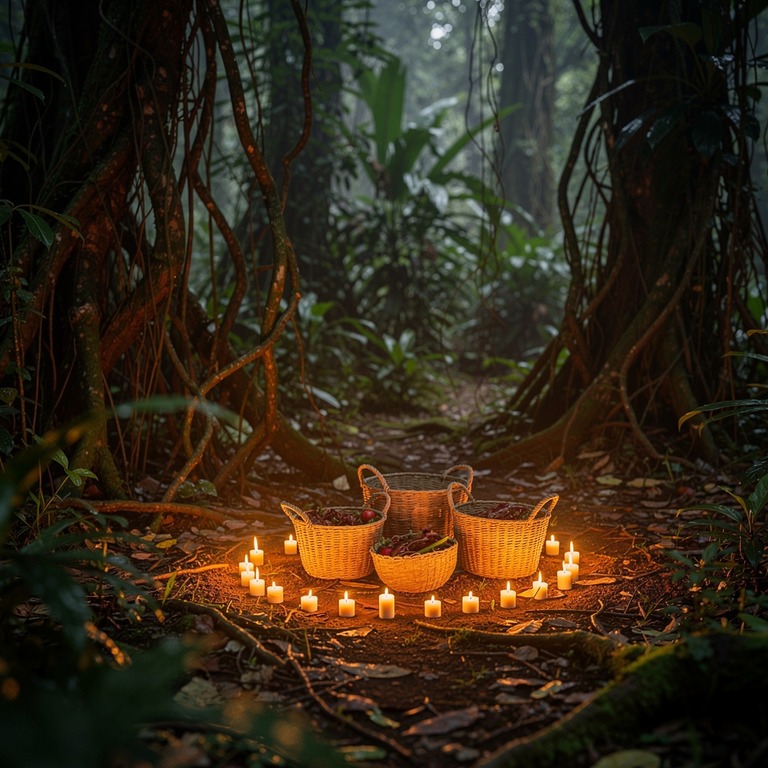
Most ceremonies happen after sundown in a ceremonial space — often a circular thatched building called a maloca. You drink a small cup of a bitter, tar-like tea. Then you wait. Somewhere between 20 minutes and an hour later, the medicine arrives. For some people that means visions — geometric patterns, animals, memories they'd forgotten they had. For others it's more somatic: waves of emotion, physical sensations, purging (which is the polite word for vomiting, and which is considered part of the healing, not a side effect to be embarrassed about).
The whole thing lasts four to six hours. There's usually singing — icaros, the traditional songs of the Amazonian curanderos — which serve as a kind of navigational aid through the experience. When it's over, you sleep. You wake up different. Sometimes only slightly. Sometimes profoundly.
How to Vet a Retreat Without Losing Your Mind
This is where most of your research energy should go. A good retreat can be life-changing. A bad one can be dangerous. The stakes are real, and the vetting process is not glamorous — it's mostly reading, emailing, and asking uncomfortable questions.
Here's what to actually look for:
- Lineage and training of the facilitators. Who taught them? How long did they apprentice? A curandero with 30 years of practice under a respected teacher is not the same as a Westerner who did a two-week training in Iquitos. Both may be legitimate, but you deserve to know which you're getting.
- Medical screening. Any retreat worth booking will ask about your medications, mental health history, and physical conditions. Ayahuasca interacts badly with SSRIs, MAOIs, and several other common prescriptions. If nobody asks, that's a red flag the size of a house.
- Ratio of facilitators to participants. More is better. A single shaman running a ceremony for 20 strangers is not going to notice when you need help at hour three.
- Integration support. What happens after? A retreat that dumps you at the airport with no follow-up is selling an experience, not a healing process. Look for post-retreat calls, integration circles, or referrals to therapists who understand psychedelic work.
- Honest talk about risks. If the website promises transformation and healing with no mention of difficult experiences, physical intensity, or the possibility that you'll have a rough night — they're marketing, not informing.
Reviews help, but read them carefully. Someone who had a peak experience will rave. Someone who had a hard time may blame the retreat when the difficulty was actually the medicine doing its job. Look for detail. Vague ecstatic reviews and vague furious reviews are both worth less than a careful, specific account.
Ayahuasca, Addiction, and the Question Everyone's Really Asking
A lot of the people who write to me quietly, off the record, are asking the same underlying question. They're not sure they can say it out loud. They want to know whether ayahuasca — or ibogaine, or psilocybin, or any of the master plants — can help them stop drinking, stop using, stop the pattern they can't stop themselves.
The honest answer: sometimes, yes. There's a real and growing body of research on psychedelic-assisted recovery, and the anecdotal reports from people who've broken decades-long addictions after plant medicine work are not nothing. Ibogaine in particular has an unusual track record with opioid dependence. Ayahuasca has helped people with alcohol use disorder, cocaine dependence, and the tangled web of trauma that so often sits underneath addiction.
But it's not a magic wand. The medicine shows you things. What you do with those things — the therapy, the sober community, the practices you build around your recovery — is what makes the change stick. People who go into a retreat expecting a one-shot cure often relapse. People who go in treating the retreat as one significant step in a longer, harder process tend to do better.
If you're considering plant medicine specifically for addiction, be extra rigorous about the retreat you choose. Some centers specialize in recovery work and have staff trained in it. Others don't, and pretending otherwise is dangerous.
The Costs — Financial and Otherwise
A week-long ayahuasca retreat in Peru or Costa Rica typically runs anywhere from $1,200 on the low end to $4,000 or more for the well-established centers. Add flights, time off work, and the two-week dieta most retreats ask you to follow beforehand (no alcohol, no red meat, no recreational drugs, sometimes no sex or caffeine). It's not a casual purchase.
The non-financial costs are real too. You will spend hours confronting things you've spent years avoiding. You may cry for a whole afternoon. You may feel physically wrecked for a day or two. You may come home and realize the job or the relationship you were in doesn't fit anymore, and you'll have to decide what to do about that. Nobody warns you about that part often enough.
That's not a reason not to go. It's a reason to go with your eyes open.
Sitting With the Decision
If you've been researching this for weeks or months, you already know something in you is asking for it. That doesn't mean you should book the first retreat you find. It means the question is worth taking seriously — slowly, with real information, and ideally in conversation with people who've done the work and can speak plainly about it.
Talk to alumni. Talk to your therapist if you have one. Read what you can find that isn't hidden behind a login screen. And when you're ready to compare specific options, a curated selection of ayahuasca ceremonies and plant-medicine retreats can be browsed on our marketplace here. Take your time with it. The medicine, as the curanderos say, has been waiting a long time. It can wait a little longer while you choose well.
Craving More Stories?
Join our ShopAyahuascaRetreats newsletter for the latest updates on thrilling
destinations and inspirational tales, delivered straight to your inbox!
We value your privacy. Your email address will never be shared or published.