 English
 Deutsch
 Français
 Nederlands
 Español
SHOP AYAHUASCA RETREATS BLOG
Is Ibogaine a Mindfulness Pill? What the Iboga Experience Really Teaches

Axel Hartley
May 28, 2026
Your ultimate guide to discover transforming ayahuasca and psychedelic experiences. Dive into serene destinations and elevate your consciousness to unparalled heights.
Discover Ayahuasca & Psychedelic Retreats NowSearch for ayahuasca & psychedelic retreats
Discover retreats, trainings, and holidays from all over the world
Someone asked me last year, half-joking, whether iboga was basically a mindfulness pill. The kind of thing you swallow when sitting on a cushion for ten years feels like too long a wait. I laughed. Then I thought about it for a week.
Because the question, underneath the flippancy, points at something real. People who've sat with iboga — or its pharmaceutical cousin ibogaine — often describe an experience that sounds suspiciously close to what long-term meditators report: an unflinching look at their own conditioning, the loosening of compulsive patterns, a strange and uncomfortable clarity about who they've been. So is it a shortcut? Is it cheating? Is it even the same thing?
I want to talk through this honestly, because I think the answer matters — especially if you're someone weighing whether to fly to Mexico or Costa Rica or Portugal and hand yourself over to a facilitator with a root bark and a stethoscope.
What People Actually Mean by Mindfulness
Mindfulness, in the way it's taught now, usually means non-judgmental awareness of the present moment. You notice what's happening — thoughts, sensations, emotions — without grabbing at it or pushing it away. Done consistently over years, it tends to produce people who are less reactive, more present, better at noticing the gap between stimulus and response.
That's the public-facing version. The deeper claim of contemplative traditions is bigger: that sustained practice reveals something about the nature of the self. That the “you” running the show is more constructed and more porous than it feels. Buddhist teachers have been pointing at this for two and a half millennia. It's not a productivity hack. It's a slow-motion ontological audit.
Here's where iboga gets interesting. Because whatever else it does, it forces an audit. It just does it in fourteen hours instead of fourteen years.
What Iboga Actually Does
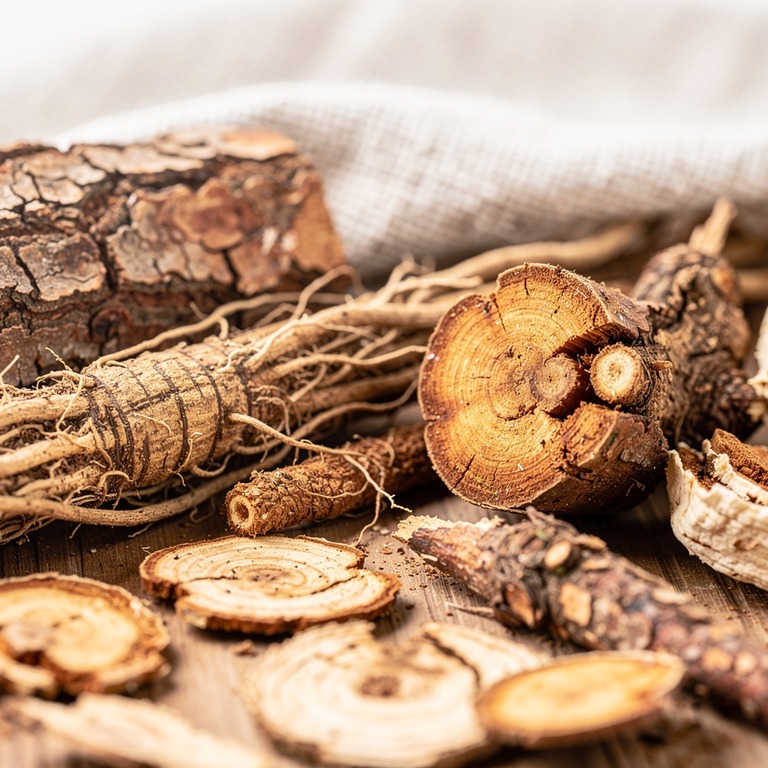
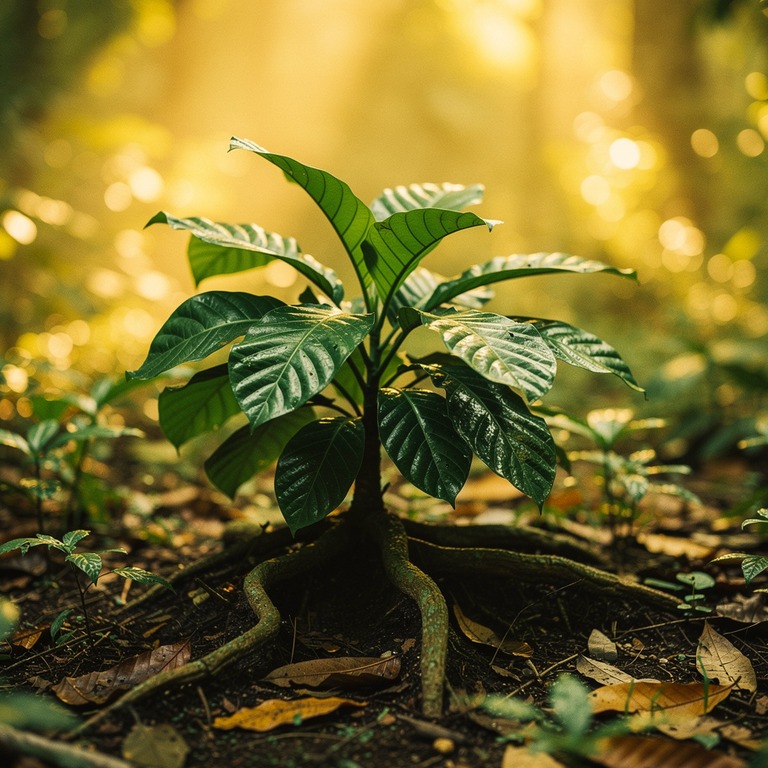
Iboga is the root bark of Tabernanthe iboga, a shrub native to Central Africa, used ceremonially for centuries by the Bwiti tradition in Gabon. Ibogaine is the principal alkaloid, extracted and used in clinical and retreat settings — most famously as a treatment for opioid and stimulant addiction. The two are related but not identical experiences. The whole-root ceremony tends to feel more textured and more guided by the plant's own logic; ibogaine in a clinic setting can feel more pharmacological, more medical.
Either way, the experience is long. We're talking 12 to 36 hours of altered consciousness, with the most intense phase lasting maybe eight to twelve. People often describe two distinct stages. The first is sometimes called the “visionary” phase — a flood of memories, images, and what feels like a structured review of one's life. Not random imagery. Specific scenes, specific people, specific moments where you made a choice that set a pattern in motion.
The second phase is quieter and stranger. The visions fade and you're left lying in the dark, mostly awake, watching your own mind work without the usual filters. This is the part that participants frequently describe as “meditation-like,” though it's a meditation you didn't sign up for and can't end early.
So Is It a Mindfulness Pill?
Yes and no. Let me explain.
The yes: iboga absolutely does produce states of detached, observational awareness. People come out of ceremonies describing days or weeks of unusual clarity — they can see their habitual reactions before they fire, they notice cravings without acting on them, they catch themselves in the middle of an old story and just… don't finish telling it. That's recognizably what mindfulness practice is supposed to deliver. There's emerging research suggesting ibogaine affects neuroplasticity in ways that may temporarily increase this kind of metacognitive capacity.
The no: a pill that gives you the view for a month is not the same as a practice that gives you the legs to keep walking. Plenty of people have profound iboga experiences and slide right back into the patterns they thought they'd seen through. The experience hands you a map. It doesn't hand you the discipline to actually use it.
This, by the way, is where iboga differs sharply from ayahuasca or psilocybin in the cultural conversation. Iboga isn't really sold as a journey. It's sold as a confrontation — particularly for people struggling with addiction. The marketing language around it is less “heart-opening” and more “interrupting a death spiral.” Which is closer to the truth.
Iboga, Addiction, and the Real Use Case
The reason ibogaine has built a reputation outside the broader psychedelic conversation is its effect on opioid dependence. People with heroin or fentanyl addictions report walking out of an ibogaine treatment with their withdrawal symptoms gone and their cravings dramatically reduced. This isn't a small thing. It's the closest thing the addiction field has to a chemical reset button — and that's why underground and offshore clinics have been running treatments for decades despite ibogaine being a Schedule I substance in the United States.
But — and this is critical — ibogaine is not safe in the casual way some other plant medicines can be approached. It's cardiotoxic. It can cause fatal arrhythmias in people with undiagnosed heart conditions or certain medication interactions. Reputable clinics require EKGs, bloodwork, and medical supervision throughout. If you're researching ibogaine and a provider doesn't mention any of this, walk away. I mean it.
A few things worth knowing if you're considering it:
- Medical screening is non-negotiable. EKG, liver function, electrolyte panel at minimum.
- Tapering off certain medications (SSRIs, benzodiazepines, methadone) takes weeks and must be planned with a clinician.
- The aftercare window — the first three to six months — is where the real work happens. Without integration, the “clean slate” closes.
- Reputable clinics talk openly about risks, deaths in the field, and their own protocols. Sketchy ones don't.

The Master Plant Question
In the Amazonian traditions, ayahuasca isn't the only “master plant” — there's a whole pharmacopoeia of teachers, each said to offer a particular kind of instruction. Iboga sits in a parallel category from a different continent. The Bwiti tradition treats it not as a substance but as a teacher, an ancestor, something you enter into relationship with. That framing matters because it pushes back against the “mindfulness pill” idea.
You don't take a master plant. You consult one. And the consultation, if you're paying attention, includes homework. The visions show you what's broken. The integration phase is when you decide whether to actually fix it. People who treat iboga as a one-shot fix tend to be disappointed. People who treat it as the beginning of a longer practice — therapy, meditation, lifestyle change, community — tend to be the ones whose lives actually shift.
So What Should You Actually Do With This?
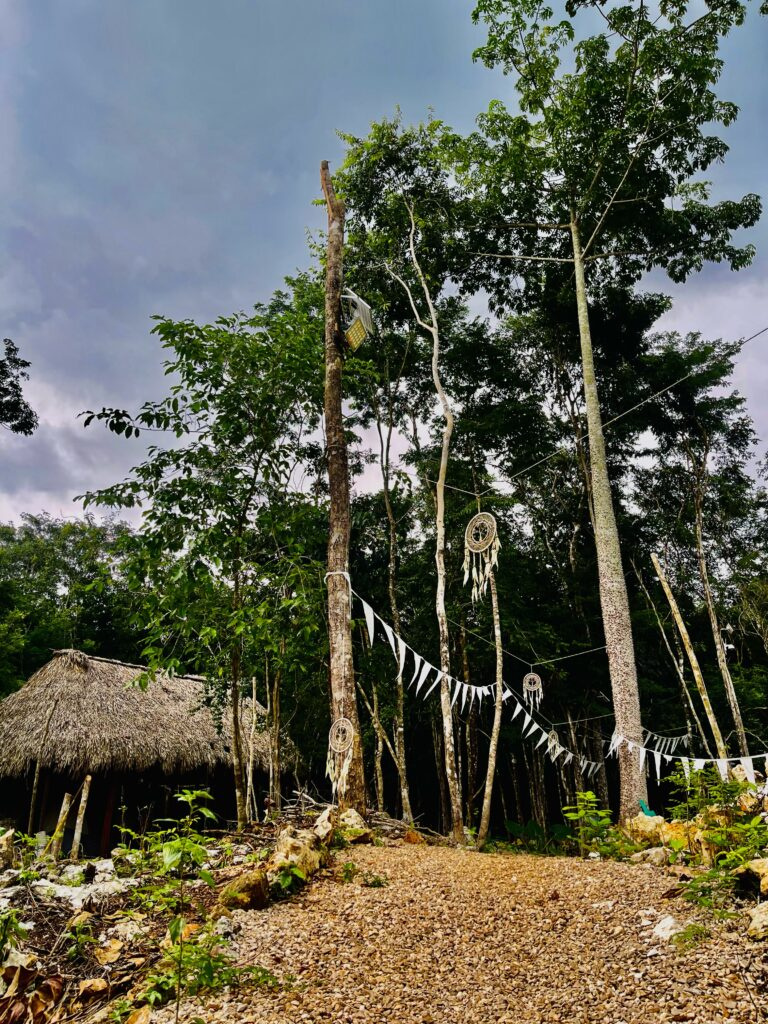
If you're researching iboga or ibogaine, start with brutal honesty about why. Are you looking for addiction recovery? A spiritual experience? Relief from depression that hasn't responded to anything else? Each of those points you toward different providers, different settings, different price points. A medical ibogaine clinic in Mexico is a very different proposition from a Bwiti-influenced ceremony in Costa Rica or Portugal. Both can be legitimate. Neither is interchangeable.
Be skeptical of any provider promising transformation. Be more skeptical of one promising it without medical screening. And give yourself a serious think about what you'll do for the six months after — because that's the part that determines whether the experience becomes a turning point or a story you tell at parties.
For readers wanting to take this further, a range of vetted ibogaine and plant-medicine retreats can be browsed on our marketplace here. Whether iboga is a mindfulness pill or not, it's a serious tool — and the people who get the most out of it tend to be the ones who treat it that way from the first phone call.


Craving More Stories?
Join our ShopAyahuascaRetreats newsletter for the latest updates on thrilling
destinations and inspirational tales, delivered straight to your inbox!
We value your privacy. Your email address will never be shared or published.