 English
 Deutsch
 Français
 Nederlands
 Español



Reset. Heal. Grow.
Ayahuasca Integration: What Actually Helps After the Ceremony Ends
Here's something almost no one tells you before your first ayahuasca ceremony: the medicine is the easy part. You sit down, you drink, and something larger than you takes the wheel for a few hours. Whether that's terrifying or beautiful or both, it ends. You wake up the next morning, eat some plain rice, maybe cry a little, and by day three you're already trying to explain the unexplainable to yourself. Then you go home. And that's when the actual work of ayahuasca and psychedelic healing begins — the part called integration. Ask anyone who's been through several ceremonies which phase mattered most for lasting change, and they'll almost always say the same thing. Not the brew. Not the shaman's icaros. The months afterward, when nobody's watching. So what actually helps? I've spent years talking to people about this — first-timers who came back glowing and then crashed at week six, veterans on their eighth retreat, facilitators who watch this cycle play out with every group. Below is what tends to work, what tends to fail, and what to think about before you ever book a seat. Ayahuasca doesn't hand you a finished insight. It hands you raw material — memories you'd buried, patterns you'd normalized, feelings you'd numbed with whatever your particular flavor of numbing is. Alcohol, work, scrolling, food, the wrong relationships. The medicine surfaces this stuff. What you do with it is on you. The classical Amazonian framing calls ayahuasca a master plant, a teacher. But a teacher only helps if the student practices. Without integration, most people describe a fade — that vivid clarity from the maloca slowly dilutes back into old routines. Six months later they're wondering whether any of it was real. Usually it was real. What wasn't real was the assumption that the ceremony alone would rewire a life. Research on psychedelic-assisted therapy — the psilocybin trials at Johns Hopkins, the MDMA work through MAPS, the ibogaine studies for addiction recovery — all point the same direction. The substance opens a window. The therapeutic scaffolding around it decides whether anything permanent walks through. After hundreds of conversations, a handful of practices come up again and again. Not because they're glamorous. Because they work. The people who report the most durable change tend to do most of these, most of the time, for at least three months. Not perfectly. Just consistently. Longer than you want it to. The honeymoon window — that soft, open, everything-is-connected feeling — usually lasts two to six weeks. Then real life reasserts itself and you find out which insights were durable and which were state-dependent. Most facilitators I trust say the real integration arc runs somewhere between six months and two years per major ceremony cycle. That doesn't mean you're in crisis for two years. It means the changes keep unfolding, and old patterns keep testing you, for far longer than the tourism-brochure version of ayahuasca suggests. This is worth knowing before you book. If you're picturing a one-week retreat that solves your depression or your drinking, adjust the picture. Plant medicine can absolutely be part of addiction recovery and healing from trauma — the evidence is genuinely encouraging — but it works as a catalyst inside a longer process, not as a magic pill you swallow on a Tuesday. The failure patterns are almost as consistent as the success ones. Watch for these: If you're still in the research phase, this is one of the sharpest questions to ask a prospective center: what does your integration support look like after I leave? The answer tells you almost everything about how seriously they take their work. Red flag answers: silence, a vague mention of a WhatsApp group, or a hard upsell to their next retreat. Green flag answers: scheduled one-on-one integration calls in the weeks after, a facilitated online circle with other alumni, referrals to trained integration therapists in your region, written preparation and aftercare materials that treat you as an adult. Price is worth thinking about here too. A cheaper retreat with no aftercare can end up costing more in wasted experience than a pricier one with real follow-through. When people ask me how much an ayahuasca retreat should cost, I usually push them to look past the sticker price and ask what's actually included — ceremonies, meals, prep, integration, and how many participants per facilitator. A single shaman running fifteen people through four ceremonies with no follow-up is a very different product than six people, three ceremonies, and three months of integration calls. Not every ceremony delivers fireworks. Some of the most transformative ayahuasca experiences people describe are quiet — no visions, just a slow, weighty knowing. Some are hard in ways that only make sense in retrospect. Some feel like nothing happened until three weeks later when you notice you haven't wanted to drink, or you cried at something you'd have shrugged off before. If you're considering plant medicine for addiction, depression, or trauma that hasn't budged with conventional treatment — you're in serious company. The research on psilocybin for depression, ibogaine for opioid dependency, and ayahuasca for PTSD and treatment-resistant depression keeps getting stronger. But every serious researcher in this field will tell you: the medicine is one variable in an equation that also includes preparation, setting, facilitation, and — that word again — integration. Take the decision seriously. Talk to people who've done it. Read the honest accounts, not just the ecstatic ones. And if you decide to move forward, a range of vetted ayahuasca and plant-medicine retreats with integration support can be browsed on our marketplace here. Whatever you choose, give the after-work the same weight as the ceremony itself. That's where the life you're actually looking for gets built.
Meditation for Transitions: A Practice for Life's In-Between Moments
Change has a way of arriving whether you asked for it or not. A relationship ends. A job dissolves. You come home from a plant-medicine retreat and realize the person who boarded that flight is not quite the same one unpacking the duffel bag. The old self is still there, sort of, but it doesn't quite fit anymore — and the new one hasn't fully arrived. That in-between space is where most of us struggle. We want the change to happen cleanly, on a schedule, with a neat resolution. It rarely does. What tends to work better is a small, portable practice you can return to when the ground feels unstable — something like a meditation for transitions. Here's the thing about big shifts: the moment of decision is usually not the hard part. Deciding to leave the job, book the retreat, end the marriage, get sober — those choices carry their own momentum. What blindsides people is the long middle. The weeks and months where the old identity is loosening its grip but the new one hasn't crystallized yet. Anyone who has done serious inner work — through therapy, meditation, or plant medicine — knows this territory. Ayahuasca, in particular, has a reputation for cracking things open. What most first-timers underestimate is not the ceremony but the integration weeks that follow. You return with new clarity and no roadmap for using it. Old habits reach for you. Old relationships test the changes. This is where a lot of people quietly slide back into whatever they were trying to leave behind. A regular sitting practice — even ten minutes — gives you a place to land during that stretch. Not to fix the discomfort, but to be with it without needing to escape it. The practice below is adapted from a mindfulness teacher who works with high-school students navigating some of life's rawest transitions. Don't let that fool you into thinking it's basic. The technique — noticing the space between breaths, anchoring with a light count, returning without self-criticism when the mind wanders — is exactly what trained meditators have used for centuries. It's also, not coincidentally, the same skill set that helps people sit with the intense material that surfaces during and after psychedelic experiences. The goals are modest and honest: Give it ten minutes. If you're overwhelmed halfway through, that's not failure — that's information. Read through the whole thing first, then run it yourself. You can keep your eyes open, close them, or drift between the two. Whatever keeps you settled without dozing off. Sit however you sit. Cushion, chair, edge of the bed — none of it matters as much as the intention behind how you place your body. Notice if you're already sliding into your default slump. No judgment. Just pause and let your body tell you what small adjustment would help. A little more lift through the spine. Feet flat on the floor. Shoulders down from your ears. Take three of the deepest, longest breaths you've taken all day. Really commit to them. When those are done, let the breath find its own pace. You're not managing it now — you're just letting it be there. Bring a beginner's mind to the breath. Where does the inhale start? Where does it end? Is one nostril working harder than the other? None of this is trivia — it's the felt-sense practice of dropping into the body instead of narrating from above it. Thoughts will show up. That's fine. So will sounds outside, an itch on your calf, a jolt of anxiety about a meeting tomorrow. You don't have to shove any of it away. The breath is spacious enough to hold all of it. Now bring your attention to that quiet gap between the inhale and the exhale. It's small. It's easy to miss. For the next few breath cycles, see if you can rest your attention right there — in the transition itself. There's a lovely bit of symbolism in that, if you want it: practicing presence in the exact place where one thing becomes another. Still watching the breath, still noticing the pause, begin counting each inhale. One. Two. Three. When you get to ten, start again at one. That's it. Almost certainly, you'll drift. You'll notice you're at twenty-three and thinking about laundry. Or you've forgotten to count at all. This is the practice — not the smooth counting, but the moment you notice you've wandered and choose to come back. Neuroscientists get excited about this moment because it's where the actual rewiring happens. Meditators get excited about it because it's a small, repeatable rehearsal of agency. Rather than beating yourself up for a wandering mind, treat each return as a tiny victory. To close, place one hand over your heart and the other just below, where the ribs meet at the solar plexus. Let some weight settle there. Offer yourself something kind. It doesn't need to be poetic. Something as plain as I see you. I'm here with you through this is enough. If words don't come, just let the warmth of the contact do the work. There's no right way to do this part. Three more long, full breaths. Fill the lungs. Let the exhale be complete. When you're ready, drop the hands, open the eyes, and step back into your day. If you're reading this while considering a plant-medicine retreat, or you've just come back from one, this kind of meditation is worth building into your daily rhythm — before, during, and especially after. Retreat centers talk endlessly about intention-setting on the front end, and rightly so. Far fewer talk seriously about the return. The days when the insights start to fade. The moment an old craving whispers back. The awkward dinner with family who didn't go where you went. A ten-minute practice won't replace an integration therapist, a good friend, or a community. It's not supposed to. What it does is give you a place to sit down inside yourself when the outside world feels too loud — a doorway back to what the ceremony reminded you of. That reminder, in the Pali language, is the root meaning of mindfulness itself: remembrance. Remembering to come back. Remembering who you are underneath the noise. Transitions — the ones we choose and the ones that choose us — tend to move faster than our nervous systems. Practices like this one buy us a little more time inside each moment. Enough time to respond instead of react. Enough time to notice we have a choice. For readers walking through a bigger shift and wondering whether a supported container might help, a curated selection of plant-medicine and ceremony retreats can be browsed on our marketplace here. Whatever you decide, the small practice above is yours to keep — a portable anchor for the in-between.
Types of Meditation Explained: How to Choose the Right Practice
Roughly one in five American adults has tried sitting down to meditate at some point. In Australia and New Zealand, that figure climbs closer to two in five. Meditation has quietly slipped its monastic robes and turned up in tech-company break rooms, veterans' clinics, elementary schools, and — yes — the pre-ceremony prep talks at plant medicine retreats around the world. If you're reading this because you're considering a retreat, or because your therapist keeps mentioning mindfulness, or because you just want your brain to stop shouting at you for a few minutes a day, welcome. There's more here than the app store suggests. The tricky part isn't starting. It's choosing. Walk into any bookstore or scroll any wellness feed and you'll be told to try mindfulness, or maybe transcendental meditation, or possibly a body scan, or definitely loving-kindness — and by the time you've read three articles you've quietly given up and gone back to doomscrolling. So let's do this properly. Below is a plain-English tour of the meditation styles that actually matter, what each one is good for, and how to figure out which belongs in your week. Strip away the incense and the Instagram aesthetics and meditation boils down to a simple instruction: pay attention to one thing at a time, on purpose, without picking a fight with whatever shows up. That's it. The definition fits on a Post-it. The practice, on the other hand, takes years. Two things make it hard. First, brains are stubbornly allergic to the present moment — yours would much rather rehearse yesterday's argument or plan next Tuesday's grocery run. Second, we're wired to react to everything we notice. A thought arrives and immediately we're grading it, arguing with it, or trying to make it stop. Meditation asks something almost embarrassingly simple in reply: notice the thought, don't judge it, let it drift. Do that for ten minutes and you'll understand why monks train for decades. Over time, this practice builds what researchers call nonreactivity — the ability to feel a feeling without immediately being run by it. That's the payoff. Everything else, from lower blood pressure to better sleep to a calmer amygdala, tends to follow. This list isn't every technique ever invented — there are probably a hundred more if you count regional variations. But these nine cover the ground most beginners and intermediate practitioners will actually encounter. The workhorse. You sit, you notice your breath or your body or the sounds in the room, and when your mind wanders (it will, constantly) you gently bring attention back. Rooted in Buddhist practice, this is the style behind most secular programs like MBSR, and it's the one with the deepest research base for stress, anxiety, and general emotional regulation. One of the oldest formats. Pick a single object — the flame of a candle, the sensation of breath at your nostrils, a specific sound — and rest attention there. When you drift, you come back. Simple. Not easy. Great for building raw concentration muscle. Here you construct a mental scene and inhabit it. A warm light in your chest. A quiet forest path. A shoreline at dawn. Visualization is popular in sports psychology and healing work because the brain responds to vividly imagined images almost as if they were real. You silently offer goodwill outward in expanding circles — first to yourself, then to someone you love, then to someone neutral, then to someone difficult, and finally to all beings. It sounds saccharine on paper. In practice, it can crack open years of quiet self-hostility in ways nothing else touches. A cousin of loving-kindness, but specifically aimed at the experience of suffering — your own and others'. Instead of generic warmth, you sit with the reality of pain and generate the wish that it be eased. Long-term practitioners of this style show measurable changes in how their brains respond to distress. You move attention slowly through your body — toes, ankles, calves, all the way up — noticing sensation without trying to change it. This is where most people discover just how much tension they carry in their jaw, shoulders, and gut without ever noticing. Excellent for insomnia, chronic pain, and generalized armor. The dark horse of the list. Drawn from early Buddhist practice, maranasati is the intentional contemplation of your own death. Not in a morbid way — more like using the certainty of the end to sharpen your sense of what's actually worth your attention today. Not for everyone. Life-changing for some. Developed and popularized in the twentieth century, TM involves silently repeating a mantra for fifteen to twenty minutes, twice a day. It's a specific paid program with certified teachers, though the broader family of mantra meditation is free and ancient. Fans swear by it for stress and focus. For people who find sitting still feels like torture. Tai chi, qigong, mindful walking, slow yoga, even a deliberately unhurried swim. Same principles — present-moment attention, nonjudgment — applied through the body instead of despite it. The paradox of choice is real. Give someone twenty-four flavors of jam and they'll walk away without buying any; give them six and they'll leave with a jar. Meditation styles work the same way. Too many options and you'll spend six weeks researching instead of practicing. Here's the shortcut: start with your goal, not with the style. What are you actually trying to change? Once you can name that, the choice narrows fast. Pick one. Practice it for three or four weeks — real practice, not one session then giving up. Then evaluate. If it's clicking, keep going. If it's not, try something adjacent. Your own experience is more useful than any table someone else wrote. If you've landed here while researching an ayahuasca or psilocybin retreat, this whole question takes on a sharper edge. Serious retreat centers don't just hand you a cup of brew and wish you luck — the good ones expect you to arrive with some capacity to sit with your own mind. Meditation is the training wheels. It's how you build the muscle to observe a difficult thought or wave of emotion without immediately trying to escape it. Facilitators I've spoken to across Peru, Costa Rica, and Mexico say the same thing in slightly different words: participants who've spent a few months in daily meditation before ceremony tend to have integrations that stick. They know how to watch what arises. They're less likely to panic when the visions get strange. They come back to their breath instead of clawing for control. None of this makes the experience easier, exactly — but it makes it usable. The specific style matters less than the habit. Twenty minutes a day of mindfulness or body scan in the two or three months leading up to a retreat will serve you better than a weekend cram course in any exotic technique. And after ceremony, when the real work of integration begins, that same daily sit becomes the container where insights either take root or float away. A few honest warnings, because nobody tells you these upfront. Set a timer for eight minutes. Sit somewhere you won't be interrupted — a chair is fine, a cushion is fine, the floor of your closet is fine. Close your eyes or soften your gaze. Notice your breath at the nostrils or the belly, whichever is easier to feel. When your mind wanders, notice that too, and come back. When the timer goes off, get up. That's it. Do it tomorrow. Then the day after. After a week, you'll have more sense of what meditation actually feels like than any article can give you — including this one. From there, experiment. Try a guided loving-kindness recording. Take a slow walk without your phone. Sit outside at dusk and do nothing. For readers whose exploration is pointing toward deeper contemplative work — silent stretches, plant medicine ceremonies, or meditation-focused programs that combine both — a range of curated retreats can be browsed on our marketplace here. Whatever you choose, the real practice is the one you actually do, on ordinary Tuesdays, when nobody's watching.
Deaths in Ayahuasca Ceremony: What Actually Causes Them and How to Stay Safe
Every few years, a news story lands about someone dying at an ayahuasca retreat. The headline is always some variation of the same thing: young Western seeker, remote jungle lodge, tragedy. And every time it happens, the plant-medicine world splits into two camps — the defenders who say the medicine has never killed anyone, and the critics who say the whole scene is a Wild West waiting for a body count. Both camps are wrong, or at least incomplete. If you're researching an ayahuasca retreat right now, you deserve the actual picture — not reassurance, not doom. So let's talk honestly about what has killed people in and around ceremony, what the real risk factors are, and the specific questions to ask before you hand anyone a deposit. Ayahuasca itself, the brew of Banisteriopsis caapi and a DMT-containing plant like Psychotria viridis, has a remarkably low toxicity profile in healthy adults. Pharmacologically, it's not the kind of substance that stops your heart the way an opioid overdose does. Most deaths connected to ayahuasca ceremonies aren't caused by the DMT experience itself. They're caused by something else in the room — a drug interaction, an undiagnosed heart condition, a facilitator who didn't know what to do, or an additive that shouldn't have been in the cup. That doesn't mean the risk is zero. It means the risk is specific and, in most reported cases, preventable. When you understand what actually went wrong in the tragedies that made the news, you can make a much better decision about which retreat to trust. Looking at the documented deaths over the past fifteen years or so, a few patterns show up again and again. None of them are mysterious. All of them point back to preparation, screening, and facilitator competence. Ayahuasca contains monoamine oxidase inhibitors (MAOIs) — that's the entire pharmacological point of the caapi vine, and it's what allows the DMT to become orally active. MAOIs interact dangerously with a long list of substances: SSRIs and other antidepressants, MDMA, tramadol, dextromethorphan (in cough syrup), certain stimulants, some blood pressure drugs, and foods high in tyramine. The interactions can trigger serotonin syndrome or a hypertensive crisis. Both can kill you. A responsible retreat asks about every medication and supplement you take. They require a washout period — typically two to six weeks off SSRIs, depending on the drug's half-life. They ask about recreational use in recent weeks. If a retreat doesn't do this, walk away. It's not a small oversight. It's the single most common thread in preventable deaths. Ayahuasca raises blood pressure and heart rate, sometimes significantly. For a healthy adult, that's fine. For someone with an undiagnosed heart defect, hypertension, or arrhythmia, it can be catastrophic. At least a few reported deaths have involved young men with heart conditions nobody knew about. This is why serious retreats require a medical screening form and, ideally, recent bloodwork or an EKG for anyone over a certain age or with a family history. If you have any personal or family cardiac history, get checked before you travel. Not after. Traditional Amazonian brews sometimes include admixtures — most controversially, toé (Brugmansia), a powerful and dangerous tropane-alkaloid plant that produces disorientation, hallucinations, and can be genuinely poisonous at the wrong dose. A handful of high-profile deaths and injuries have involved brews with toé in them, often without the participant knowing. Ask directly what's in the brew. A trustworthy facilitator will tell you the exact ingredients without hesitation. If the answer is vague, mystical, or defensive, that's your answer. Not every death happens inside the maloca. Some happen because someone left ceremony disoriented, wandered into the jungle, or fell. This is a facilitation-quality problem. A properly run ceremony has enough sober helpers to physically keep everyone safe, guide them to the bathroom, and prevent anyone from walking off into the dark. Ratios matter. Ask how many facilitators and helpers there are per participant. Anything worse than one helper for every four to five people during ceremony should raise your eyebrows. Many ayahuasca retreats now bundle in other plant medicines — kambo (frog secretion), rapé, San Pedro. Kambo in particular has been linked to deaths, usually when administered to someone with a heart condition or when hydration protocols went wrong. If you're attending a retreat that stacks multiple substances across a week, each one carries its own screening requirements. Don't assume the retreat has thought this through. The plant-medicine world has grown fast, and the quality gap between retreats is enormous. Some centers run with the rigor of a small clinic. Others are one charismatic guy and a rented lodge. Here's what a serious operation looks like: Send these to any retreat you're seriously considering. Notice how they respond — the speed, the specificity, the tone. That tells you a lot. A retreat that answers these clearly and calmly is one worth considering. A retreat that dodges, gets defensive, or serves up spiritual bypass in place of concrete answers is telling you something important. Ayahuasca can be a profound tool for people working through addiction, depression, trauma, or the stuck feeling that something in their life needs to shift. It can also, in the wrong setting, hurt you badly. Those two things are both true, and pretending otherwise — in either direction — doesn't help anybody. The people who tend to have safe, meaningful experiences are the ones who did their homework: they screened themselves, they screened the retreat, they were honest on the intake form even when it was inconvenient, and they picked facilitators who took their responsibility seriously. The people who get hurt are, almost always, the ones where somebody in the chain skipped a step. If you're weighing a ceremony and you want to see what a responsibly organized retreat actually looks like, a curated selection of vetted ayahuasca retreats can be browsed on our marketplace here. Take your time with the decision. This isn't a weekend yoga workshop, and the right retreat is worth waiting for.
The Hyper-Independent Trap: Why Healing Requires Learning to Accept Help
There's a specific kind of tired that doesn't show up on any lab test. It's the tired of the person everyone else calls when things fall apart. The friend with the spare key, the sibling who mediates the family group chat, the coworker who quietly picks up whatever falls through the cracks. From the outside, that person looks like they have it handled. From the inside, they're often running on fumes and shame — and they don't know how to stop. I've seen versions of this person in ceremony rooms across South America and the American Southwest, curled up on a mat at three in the morning, finally letting something crack. Ayahuasca, psilocybin, San Pedro — the master plants have a way of stripping the armor off people who've spent decades convincing themselves they don't need any. And what tends to spill out isn't some cinematic trauma. It's just the plain, unglamorous grief of a person who forgot they were allowed to need things. If any of this is landing a little too close to home, keep reading. This one's for the fixers. Hyper-independence isn't the same as being capable. Capable people ask for help when it makes sense. Hyper-independent people would rather bleed out quietly than inconvenience someone. It's not a personality trait — it's usually a trauma response, built brick by brick over years of learning that other people can't be counted on, or that needing something makes you a burden, or that love has to be earned through usefulness. The wild part is how much the world rewards it. You get called reliable. Low-maintenance. A rock. Your boss loves you. Your friends brag about you. Nobody notices that you haven't had a real conversation about your own life in months, because you keep steering every chat back to them. And underneath, there's usually a quiet, unspoken deal you made with yourself: If I never ask, I can never be rejected. If I stay useful, I get to stay. That's not independence. That's a scared kid running the show. Talk to any experienced ayahuasca facilitator and they'll tell you — a huge percentage of people who arrive at a retreat are, in some form, the strong friend. They've held everything together for a long time. Something finally broke, or they sensed it was about to, and they booked a plane ticket to the jungle because they didn't know what else to try. Plant medicine tends to be relentless with this pattern. Ayahuasca in particular has a reputation for gently — or not so gently — dismantling the identity of the fixer. People report seeing themselves as small children, carrying weights that were never theirs. They cry for hours, sometimes for the first time in years. They realize, often with a shock, that the exhaustion they've been ignoring is actually grief. This is part of why psychedelic-assisted work has shown so much promise for depression, addiction, and complex trauma. It's not that the compound does the healing. It's that the compound temporarily quiets the part of the brain that's spent a lifetime saying I'm fine, I've got it, don't worry about me. Once that voice goes quiet, what's underneath finally gets a chance to speak. Here's something the recovery world has understood for a long time: isolation is fuel for addiction. Not the only fuel, but a big one. When you can't ask for help, you have to self-soothe. And self-soothing, over years, tends to reach for whatever works fastest — alcohol, food, work, scrolling, sex, weed, pills. The substance almost doesn't matter. What matters is that you found a way to take the edge off without ever having to tell anyone the edge was there. This is one reason why psychedelic healing for addiction seems to work differently than traditional models. Ibogaine, for example, has shown remarkable results with opioid dependence — not just by interrupting withdrawal, but by giving people a felt experience of connection they'd forgotten was possible. Psilocybin trials for alcohol use disorder point to something similar. The plant doesn't just quiet the craving. It cracks open the loneliness underneath it. Nobody drinks themselves into oblivion in a room full of people they trust. The fix has to start somewhere earlier — with the belief that you're allowed to need them at all. You can't undo thirty years of self-reliance in a weekend, and honestly, you shouldn't try. The nervous system needs time. But there are small, unglamorous practices that actually work. I've watched them work in people I've sat next to in ceremony, and I've had to do them myself. None of this is glamorous. Nobody's going to write a self-help book about learning to ask your roommate to grab the mail. But this is the actual, granular work of unlearning. People sometimes book an ayahuasca or psilocybin retreat hoping it'll rewire them. It won't, exactly. What a well-run retreat can do is give you an environment where the walls come down long enough for you to see what's behind them. What you do with that information after you fly home is a different job entirely. If you're considering a plant-medicine retreat and you recognize yourself in this article, a few honest suggestions. Choose a place with real integration support, not just a ceremony schedule. Ask specifically what happens in the weeks after you leave — whether there are group calls, one-on-one sessions, or referrals to integration therapists. Ask how the facilitators handle emotional emergencies during a ceremony. If the answers are vague or the marketing feels more like a spa brochure than a healing container, keep looking. Also — and this matters — go in willing to actually accept the help that's offered. It's a strange thing to watch someone travel thousands of miles for a ceremony and then refuse to let the facilitator sit with them when things get heavy. The pattern follows you. It has to be worked with there, in real time, in front of witnesses. That's part of the medicine. The days and weeks after a big psychedelic experience are where the real change happens or doesn't. This is where hyper-independent people tend to trip themselves up. They come home from Peru or Costa Rica feeling raw and connected, and within two weeks they're back to being the person everyone leans on, wondering why the insights aren't sticking. Integration means letting the pattern break in ordinary life, not just on a mat in the jungle. It means calling the friend when you're sad, not when the crisis is already resolved. It means telling your partner what you actually need instead of quietly resenting them for not guessing. It means, sometimes, going to therapy and saying the thing you've never said out loud to anyone. Plant medicine can hand you the door. You still have to walk through it, over and over, in a Tuesday-afternoon kind of way. And be patient with the grief. There's usually a wave of sadness that comes when you finally stop performing strength — grief for the years you spent carrying more than you should have, grief for the version of you who thought that was the only way to be loved. Let it move. Cry about it. Tell someone. That's the whole point. The human nervous system was built to co-regulate. We are, physiologically, animals who calm down in the presence of other calm animals we trust. Doing life solo isn't strength — it's a workaround for a wound. And workarounds are exhausting. If any of this resonates and you're quietly wondering whether a retreat might be part of your next step, a range of curated ayahuasca and plant-medicine retreats — many with strong integration support built in — can be browsed on our marketplace here. Take your time with the decision. This isn't the kind of choice to rush. And in the meantime — put the bags down. Text the friend. Say the honest sentence. You don't have to earn your place here. You just have to let someone in.
Craving More Stories?
Join our ShopAyahuascaRetreats newsletter for the latest updates on thrilling
destinations and inspirational tales, delivered straight to your inbox!
We value your privacy. Your email address will never be shared or published.
Supporting a Partner on a Master Plant Dieta: An Honest Guide
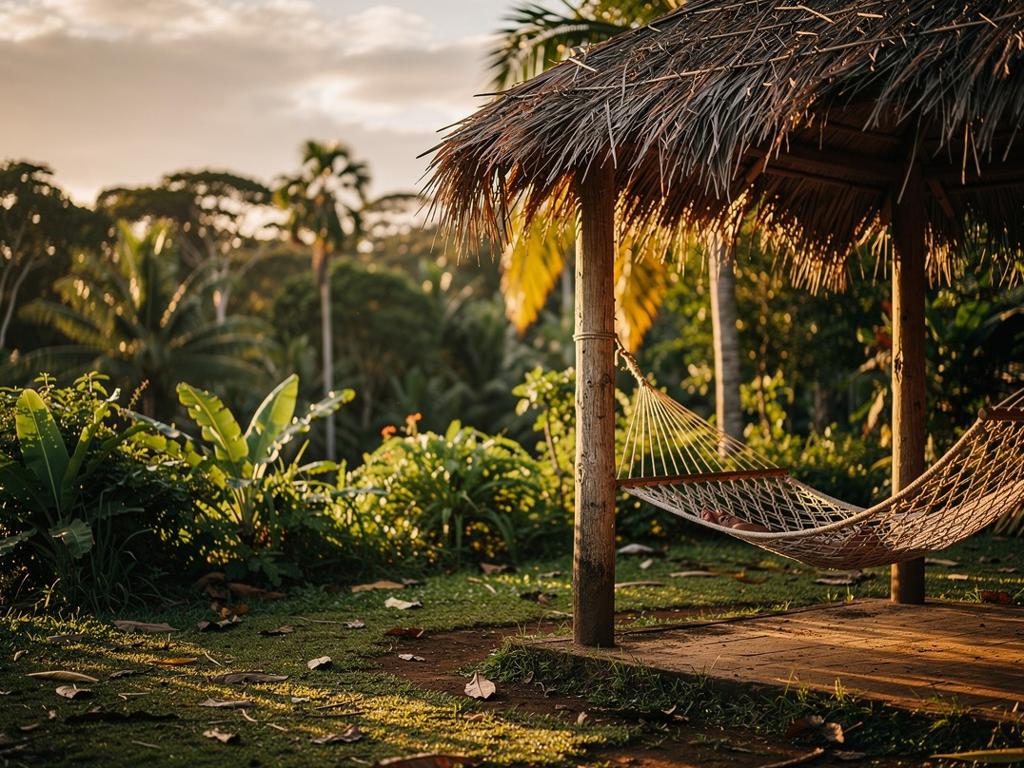
Your partner just told you they want to spend a month in the Amazon on something called a master plant dieta. Maybe they've done ayahuasca before. Maybe they haven't. Either way, you're now the person on the other end of spotty WhatsApp messages, trying to understand what they've signed up for and what your role is supposed to be. This piece is for you. I've sat with people going through dietas, interviewed facilitators who run them, and watched partners at home fumble through the same questions you're probably asking now. There's not much written for the person left holding down normal life while their loved one drinks bitter jungle tea in the dark. So let's talk about it plainly. A master plant dieta — or dieta maestra — is a traditional Amazonian practice where a person isolates with a specific teacher plant for a stretch of time, usually somewhere between one week and several months. Ayahuasca might or might not be part of it. The central relationship is between the person and one plant: bobinsana, ajo sacro, chiric sanango, noya rao, and dozens of others each work differently. The plant is understood by curanderos as a teacher with its own personality, its own lessons, and its own demands. The setup is unglamorous. Usually a small hut — a tambo — set apart from the main lodge. Meals arrive without salt, sugar, oil, or spice. No sex. No physical contact with anyone. No phones for long stretches, sometimes not at all. Reading and writing are often restricted too, because the point is to reduce input from the outside world so the plant can do its work. It sounds austere because it is. This is not a wellness holiday. It's an old, specific technology for reshaping a person, and the people who go through one tend to come home changed in ways that are hard to explain over dinner. People arrive at dietas for a lot of reasons. Some are healers or bodyworkers deepening their own capacity. Some are chasing something ayahuasca showed them once but didn't fully deliver. Many are quietly worn out by patterns they can't shake — addiction, depression, grief, relationship loops, a low-grade sense that something's wrong that no therapist has quite named. Your partner's reasons might be clear to you, or they might be private. Both are okay. What matters is that they've decided to go, and now you're deciding how to hold it. Worth knowing: plant-medicine work isn't a magic wand, and honest facilitators will say so. What a dieta tends to do is turn the volume up on whatever's already there — the good, the buried, the avoided. When your partner comes home, they might be softer. They might also be raw, quiet, weepy, or oddly certain about things they were fuzzy on before. All of that is normal. If your partner is dieting in the traditional Shipibo or Shuar style, their day is stripped down to almost nothing. Mornings are slow. They might drink the plant preparation once or twice a day, or sit in ceremonies with ayahuasca a few nights a week. Between those, mostly rest. A lot of hammock time. A lot of thinking. Some journaling if permitted. Long conversations with birds and insects that don't feel one-sided anymore. Food is bland by design — plantain, rice, small amounts of fish, sometimes just that for weeks. No salt is the one that surprises people. The physical simplicity is part of the practice; the body gets quiet so the plant's signal can be heard. Contact with the outside world varies wildly by center. Some allow a five-minute call once a week. Some allow nothing until the dieta closes. Some let partners write letters that get delivered but not answered. Ask specifically what your center's policy is before your partner leaves, so you're not staring at your phone wondering why it's been eleven days. Here's the honest part. Most of your job is to not add weight. Your partner is in a delicate internal state, and small things from the outside can land like boulders. That doesn't mean you go silent or pretend everything's fine — it means you get thoughtful about what you send into their world. Let's be real — this is hard on you too. You might feel abandoned, jealous, worried, or quietly resentful that they get a month of jungle silence while you're managing the household. All of that is legitimate. Say it out loud to a friend, a therapist, anyone who isn't your partner in a tambo. You might also feel a strange low-grade fear: what if they come back different in a way that doesn't include me? It's a fair question. Plant medicine sometimes clarifies things about relationships that were already unclear. More often, though, it tends to soften people toward the ones they love — not away. But the fear is worth sitting with rather than suppressing. Some partners find it helpful to do a little inner work themselves during this stretch. Not necessarily a psychedelic experience — just therapy, journaling, a meditation practice, a course of somatic work. The dieta becomes something you're both moving through, from different angles. The days and weeks after your partner comes home are where a lot of the actual change lands or slips away. They'll likely be quieter than usual. Loud restaurants might feel unbearable. Certain foods, alcohol, and screens might turn their stomach. Physical intimacy is often restricted for a period after the dieta closes — sometimes a month or more — because the traditional understanding is that the plant is still integrating in the body. Don't push them to explain. Ask open questions and let long silences sit. Some of what happened isn't verbal and never will be. If they want to talk, listen without trying to translate it into terms you're comfortable with. If they don't, that's also fine. Practical reintegration matters more than most people think. Gentle food, early bedtimes, time in nature, minimal alcohol for a good stretch. If they came home with insights about work, relationships, or how they want to live, encourage them to sit with those for a few weeks before acting. Post-retreat clarity is real, but it's also volatile — the decisions that stick are usually the ones made three months in, not three days. Not every center that offers dietas runs them well. Some warning signs are worth checking before your partner books: A good center will welcome your questions as a partner and give straight answers. People who commit to plant-medicine work — dietas, ceremonies, ongoing relationship with these traditions — often describe it as a slow rewiring rather than a single revelation. Your partner may come home with a piece of something they've been looking for. They may also come home with more questions than they left with. Both are signs the work is doing what it's supposed to do. Your role in all of this isn't small. Partners and families are often the ones who make sustained healing possible or impossible. Steady, patient, non-judgmental presence — the boring kind of love — is the thing that lets the medicine actually take root. If you're reading this because you're the one considering a dieta yourself, or because you want to understand the world your partner is walking into, a range of curated plant medicine retreats and traditional dieta programs can be browsed on our marketplace here. Take your time with the decision. This is old work, and it's worth doing carefully.
How to Choose an Ibogaine Treatment Center: A Practical Guide for First-Timers
Somewhere between the third late-night rabbit hole and the fifth conflicting forum thread, most people researching ibogaine hit the same wall. There are dozens of clinics. They all sound legitimate on their websites. They all claim high success rates for addiction. And none of them make it easy to compare apples to apples. If you or someone you love is trying to figure out where to actually go, this is the guide I wish existed when I started interviewing facilitators and sitting in on integration calls a few years back. Ibogaine isn't ayahuasca. It isn't psilocybin. It sits in its own strange corner of the psychedelic and plant medicine world — a long, physically demanding experience with real cardiac risk and, for people struggling with opioid dependence in particular, some of the most striking anecdotal results in the entire addiction recovery landscape. That combination — high potential upside, non-trivial physical risk — means the clinic you pick matters more than with almost any other master plant journey. Ibogaine can stop opioid withdrawal in its tracks. That's not marketing language — it's what people who've done it consistently describe, and it's backed by a growing body of observational research. But ibogaine also affects the heart's electrical rhythm. It prolongs the QT interval. Without proper screening, monitoring, and medical staff on hand, that risk becomes the story. The deaths you occasionally read about in the media almost always trace back to underground providers, unscreened participants with pre-existing heart conditions, or facilities that skipped magnesium loading and continuous cardiac monitoring. A well-run clinic makes ibogaine reasonably safe for eligible candidates. A sloppy one makes it a gamble you shouldn't take. So when you're comparing treatment centers, you're really comparing three things: medical rigor, the quality of the psychedelic and psychological container, and what happens after you leave. Marketing gloss is not one of those three things. Any facility worth your money will require, at minimum, a recent EKG, a full blood panel including liver enzymes and electrolytes, and a medical intake that asks about your cardiac history, current medications, and drug use timeline. If a clinic tells you an EKG isn't necessary, or that they can "work around" your SSRIs without a proper taper protocol, walk away. That's not caution. That's basic medicine. Here are the specific things I ask every clinic before recommending them to anyone: A facility that answers these directly and specifically is telling you something. A facility that gets defensive, vague, or leans on testimonial language instead of protocol is also telling you something. Ibogaine is a Schedule I substance in the United States, which means legal treatment centers operate outside the U.S. — most commonly in Mexico, Costa Rica, Portugal, the Netherlands, and parts of the Caribbean. Each jurisdiction has its own regulatory quirks. Mexico has the largest concentration of ibogaine clinics, ranging from world-class medical facilities to storefront operations that shouldn't be trusted with a bottle of aspirin. Costa Rica tends toward more integrative, retreat-style settings that often combine ibogaine with other plant medicines like iboga microdoses or 5-MeO-DMT. Portugal and the Netherlands lean more clinical and European in tone, often with stricter documentation requirements. None of these locations is automatically better. What matters is the specific clinic. A gold-standard operation in Tijuana is safer than a corner-cutting one in San José, and vice versa. Don't let the country do your homework for you. After enough of these interviews, patterns emerge. Here's what I've learned to distrust: The clinics I've come to respect tend to share a few things. They spend real time on preparation — often two to four weeks of guidance before you even fly out, including medication tapers, dietary changes, and psychological prep work. They provide 24-hour medical monitoring during the flood dose, which typically lasts 24 to 36 hours from first effects to sleep. They follow the main experience with what many call the "gray day" — a strange, introspective in-between period — and often include a booster dose or 5-MeO-DMT session a few days later, though this varies by philosophy. Then, crucially, they stay in contact. Weekly integration calls for at least three months. Referrals to therapists trained in psychedelic integration. Sometimes a peer support network of alumni. This is where the actual healing happens. The medicine opens a door. Integration is what determines whether you walk through it or slam it shut in six months. Cost, since you're wondering: expect somewhere between $6,000 and $15,000 for a legitimate seven-to-ten-day program. Below that range, be skeptical. Above it, ask exactly what you're paying for. Some retreat-style operations charge more because they include additional plant medicine ceremonies, private accommodation, or extended integration — which may or may not be worth it to you. Before you compare clinics, be honest about whether ibogaine is even the right tool. It shines brightest for opioid dependence — heroin, fentanyl, oxycodone, methadone (with a careful taper to short-acting first). It has strong anecdotal support for alcohol use disorder and stimulant addiction, though the picture is less clean. For depression, trauma, and stuck life patterns without an addiction component, other plant medicines — ayahuasca, psilocybin, San Pedro — may be gentler and better matched to what you're actually working with. Ibogaine is not a spiritual weekend. It's a long, difficult, often uncomfortable experience that many participants describe as more work than transcendence. People often say things like, "I wouldn't do it again, and I wouldn't trade the results." That's a pretty common review. If you're looking for insight without intensity, look elsewhere. Talk to at least three clinics. Ask each the same questions. Notice who answers with protocols and who answers with poetry. Ask for the contact details of two past participants and actually call them — a reputable clinic will provide these without hesitation. Read forum threads with a skeptical eye; some are useful, many are populated by people with strong loyalties or grudges. And give yourself a real timeline. The decision to do ibogaine shouldn't be made in a week of frantic Googling at 2 a.m. If you've read this far, you're already doing the work most people skip. Take another few weeks. Talk to a doctor about your heart. Get bloodwork. Sit with the decision. If something here speaks to you and you'd like to see what's out there, a curated selection of ibogaine and other plant medicine retreats focused on addiction recovery can be browsed on our marketplace here. Whichever direction you go, the best thing you can do for yourself right now is refuse to be rushed.
Endometriosis and Work: The Hidden Career Cost No One Talks About
Picture this: you wake up at 6 a.m. with a cramping pain that radiates from your lower back through your pelvis, sharp enough that standing feels like a negotiation. You have a full day ahead. A team meeting at 9. A deadline at 4. You already used your last sick day two weeks ago. So you swallow the painkillers, put on real clothes, and try to look like a person who isn't quietly falling apart at her desk. For roughly one in ten women of reproductive age, this isn't a bad-luck morning. It's Tuesday. Endometriosis — a condition where tissue similar to the uterine lining grows in places it shouldn't — is one of the most under-discussed drivers of chronic pain in working-age women. And a study out of Hungary just put a number on what many of us have suspected for a long time: it's costing women a month's salary a year. At least. The team compared 566 women with endometriosis to 447 women without it, all of them working. Instead of just counting sick days, which is the usual lazy metric, they went broader. They looked at absenteeism (hours missed entirely), presenteeism (hours you're technically at work but functioning at maybe 60 percent), and something called work ability — a self-assessment of whether you actually feel capable of doing your job given your current health. That last piece matters. Anyone who has tried to write a coherent email while their uterus feels like it's being wrung out knows that “showing up” and “working” aren't the same thing. The Hungarian researchers took that reality seriously, which is more than most workplace studies bother to do. The numbers came out ugly. Women with endometriosis missed an average of 12.7 hours of work every four weeks because of health issues. Women without it missed 5.7. Translated into lost income, that's roughly €1,757 a year in Hungary — about $2,040, or a full month's average paycheck. And that's just the hours they were physically absent. It doesn't count the days they dragged themselves in and produced half the output, or the money spent on scans, specialists, hormonal treatments, and the years of misdiagnosis so common with this disease. Forty-two percent of women with endometriosis in the study fell into the “poor” work ability bracket, compared to just under 18 percent of women without it. That gap isn't a rounding error. It's a signal that something is being systematically ignored — by employers, by healthcare systems, and honestly by the culture at large. Endometriosis takes an average of seven to ten years to diagnose. Which means most women are navigating career-defining decades — their twenties and thirties, when promotions, raises, and reputations are being built — with a condition nobody has named yet. They're being labeled unreliable, dramatic, or “not a team player” when they're actually managing a serious inflammatory disease that no one has bothered to identify. And here's the part that doesn't make it into corporate wellness slides: chronic pain grinds people down. It affects sleep, mood, cognition, libido, relationships, everything. Over time, it can drift into depression and anxiety, and it often does. Which brings us to a conversation that's been quietly gaining traction — how women with long-standing pain conditions are looking beyond conventional treatment for relief. This isn't going to be a “ayahuasca cures endometriosis” pitch, because it doesn't, and anyone selling that is either misinformed or lying. But there's a real and growing conversation among women with chronic pelvic pain, autoimmune conditions, and treatment-resistant depression about what psychedelic and plant-medicine work can offer alongside — not instead of — proper medical care. What ceremony seems to help with, based on what facilitators and participants consistently report, is the layered exhaustion that comes from years of not being believed. The trauma of being dismissed by doctors. The grief around fertility questions. The rage at a body that feels like it's working against you. The pattern of overriding your own pain signals to keep functioning in a workplace that never asked how you were actually doing. Ayahuasca, psilocybin, and San Pedro have all been used by women navigating chronic illness as a way to process the emotional weight the illness carries — the isolation, the internalized guilt, the sense of being a burden. None of that is the same as curing the disease. But if you've lived with endometriosis long enough, you know the disease and the psychological residue it leaves aren't easy to separate. Zooming back out: 54 percent of women in the Hungarian study said their employer knew little or nothing about endometriosis. Only 17 percent felt their workplace was clued in. When asked what would actually help, the women didn't ask for anything wild. Flexible hours. Remote or hybrid options. Menstrual leave. Managers who don't roll their eyes when someone needs to work from home during a flare. None of this is expensive. None of it is complicated. And yet a decade into the mainstreaming of remote work, most companies still treat chronic-pain accommodations like a personal favor rather than a basic operational reality for roughly ten percent of their female workforce. There's a broader point in here too. The wellness industry loves to talk about “burnout” as if it's a spa-weekend problem. But for a lot of women, what looks like burnout is actually untreated or undertreated chronic illness dressed up in more socially acceptable language. Fixing that requires better diagnosis, better workplace policy, and — for some — deeper healing work that goes beyond the strictly medical. If you're reading this while sitting on a heating pad, a few practical things: For women exploring the psychological and spiritual side of living with chronic illness, curated plant-medicine and healing retreats can be browsed on our marketplace here. Not as a cure. As one more tool in a life that's had to hold too many things at once. Endometriosis isn't a niche condition, and it isn't just a “women's issue” tucked politely into the corner of the health beat. It's a mainstream, career-shaping, income-draining, life-altering disease that ten percent of women are quietly managing while the rest of the world acts like their tiredness is a personality flaw. The Hungarian numbers are a wake-up call. Whether workplaces — and the rest of us — actually wake up is another question.
Ibogaine for Addiction: What Actually Happens and Who It's For
Somebody messages me about ibogaine almost every week. Usually it's someone at the end of a rope — years into opioid dependence, or watching a sibling cycle through rehabs, or quietly Googling at 2 a.m. because nothing else has stuck. They've heard whispers. A friend of a friend flew to Mexico. A podcast guest cried on air talking about it. And now they want to know: is this real, is it safe, and would it work for me? Ibogaine sits in a strange corner of the psychedelic world. It doesn't have ayahuasca's growing pop-culture halo or psilocybin's clinical-trial momentum. It's harder to access, riskier physically, and the experience itself is famously brutal — nobody describes ibogaine as fun. And yet the people who've done it, especially those using it for addiction, often talk about it as the single most useful thing they've ever tried. So let's actually get into what it is, what it does, and what you need to know before deciding whether it belongs in your story. Ibogaine is a psychoactive alkaloid found in the root bark of Tabernanthe iboga, a shrub native to Central West Africa. In Gabon and neighboring countries, iboga has been used for centuries within the Bwiti tradition — a spiritual practice where initiates take large doses of the root bark as a rite of passage, meeting ancestors, confronting their own death, and coming back changed. It's one of the oldest continuously practiced plant medicine lineages on earth. The Western story is much shorter and stranger. In 1962, a young heroin user named Howard Lotsof took ibogaine recreationally and noticed something bizarre: after the trip, he didn't crave heroin. Not a little less — not at all. Several friends reported the same thing. That anecdote launched decades of underground use, a handful of clinical studies, and the current landscape of ibogaine clinics scattered across Mexico, Costa Rica, Portugal, New Zealand, and a few other jurisdictions where it exists in a legal gray zone or is outright permitted. Chemically, ibogaine and its main metabolite noribogaine interact with a startling number of receptor systems — opioid, serotonergic, NMDA, sigma, nicotinic. Nobody fully understands the mechanism, and honestly, anyone who tells you they do is oversimplifying. What we do know is that a single high-dose session appears to reset opioid tolerance and dramatically reduce withdrawal symptoms — often within hours — in a way no other known substance does. The short answer: because they've tried everything else. Most people who show up at an ibogaine clinic aren't experimenting. They've done Suboxone, methadone, 12-step programs, inpatient rehab, therapy, sometimes ayahuasca, sometimes all of the above. Ibogaine is the option people reach for when the usual toolkit hasn't held. What makes it distinct from other master plants in the addiction conversation is the physical piece. Ayahuasca can be profoundly healing psychologically, but if you're physically dependent on opioids, ayahuasca isn't going to touch your withdrawal. Ibogaine does something no other plant medicine seems to do: it interrupts the physical craving cycle. People who arrive dopesick often report their withdrawal essentially vanishing during and after the session. That's not a promise — outcomes vary, and I'll get to the caveats — but it's the repeatable observation that keeps drawing researchers back to it. Beyond opioids, ibogaine has been used for alcohol dependence, stimulant addiction (cocaine, methamphetamine), nicotine, and increasingly for treatment-resistant depression, PTSD, and traumatic brain injury. Stanford recently published striking results on ibogaine treatment for Special Operations veterans with TBI — measurable improvements in cognition, PTSD symptoms, and depression after a single dose. That kind of data is why the substance keeps refusing to disappear, even as it remains Schedule I in the U.S. Rough. That's the honest word. Ibogaine is not a recreational experience and it's not particularly enjoyable in the moment. Most people describe the peak phase as a kind of waking dream state — you lie still, eyes closed or covered, while a flood of imagery moves through you. Old memories surface with cinematic clarity. Childhood scenes. People you've hurt. People who hurt you. Choices you made at seventeen that you haven't thought about in decades. Physical sensations are heavy. Nausea is common. Ataxia — the loss of coordinated movement — is universal at therapeutic doses, which is why you stay in bed for the entire session. Sound sensitivity is intense; most clinics keep the room silent or nearly so. The trip is long: the acute phase runs roughly 8 to 12 hours, followed by a grey, wired, sleepless afterglow that can stretch another 24 to 36 hours. Total time before you feel like yourself again is often three to four days. The psychological content isn't cuddly. Ibogaine has a reputation for being clinical, almost surgical, in the way it presents your life back to you. There's less of the cosmic-love flavor some people get from psilocybin or MDMA. It shows you what you've done and what's been done to you, and it asks what you're going to do about it. Many people call it the hardest thing they've ever been through — and, separately, the most useful. Here's where I have to be blunt, because this is the part that gets glossed over in enthusiastic testimonials. Ibogaine can kill you. It's cardiotoxic — specifically, it prolongs the QT interval, which can trigger fatal arrhythmias, particularly in people with undiagnosed heart conditions, electrolyte imbalances, or interactions with other substances. Documented deaths from unsupervised ibogaine use are not rare enough to hand-wave. A reputable clinic will require, at minimum: If a place doesn't do all of that, don't go. I mean this plainly. The clinics running proper medical protocols have excellent safety records; the ones cutting corners are where the tragedies happen. This is not a plant medicine you take in someone's living room with a well-meaning facilitator and a bucket. Assuming you've decided ibogaine is worth exploring, the next question is where. The landscape is uneven — some clinics are medically excellent but spiritually thin; others have beautiful ceremony but questionable screening protocols. The good ones combine both. Things to actually ask before you book: The aftercare piece is where a lot of people fumble. Ibogaine gives you a reset — a window of weeks or even months where cravings are dramatically reduced and clarity is unusually high. If you fly home and drop back into the same environment, same relationships, same triggers, that window closes. The people who get lasting benefit almost always pair the session with therapy, community, lifestyle changes, and sometimes follow-up work with other master plants like ayahuasca or psilocybin months later. I can't answer that, and neither can anyone else on the internet. But some honest self-questions help. Have you tried the standard interventions? Are you physically healthy enough to safely undergo the treatment? Are you in a life situation where you can take two weeks fully offline and then commit to real aftercare? Do you have people around you who understand what you're doing, or at least won't sabotage it? Ibogaine is not a shortcut. It's a serious medical and psychological event that can catalyze change in people who are ready to change. It doesn't fix your life. It shows you your life, unflinchingly, and then leaves you to do the work. That's why it fails for some people and transforms others — the plant does its part, but the follow-through is entirely on you. If any of this resonates and you want to look at what's actually available, a curated selection of ibogaine and related plant-medicine retreats can be browsed on our marketplace here. Take your time with the decision — it deserves it.
Post-Viral Brain Fog: What Inflammation Does to Memory and Focus
Ever finished a nasty flu, a bout of COVID, or a lingering viral cold and noticed your brain just… wasn't the same? Words don't come as fast. You reread the same email three times. You walk into the kitchen and forget why. It's not laziness and it's not in your head — well, technically it is in your head, but not the way you think. A fresh systematic review pulling together 32 studies and more than 25,000 participants has confirmed something a lot of us have been suspecting for years: specific immune-system messengers, the ones your body pumps out to fight infections, are directly linked to how sharply your brain performs. Memory, processing speed, mental flexibility — all of it takes a hit when inflammation runs hot for too long. And that has real implications for anyone considering deeper healing work, including psychedelic and plant-medicine retreats, where a clear nervous system genuinely matters. Your immune system talks to itself using chemical messengers called cytokines. Think of them as an internal group chat — mostly quiet, but the volume spikes hard when there's a threat. During an infection, cytokine levels climb, coordinate the counterattack, and (in a healthy body) settle back down once the fight is over. The problem is when they don't settle. Certain pro-inflammatory cytokines that stay elevated after the acute illness has passed start affecting tissues they were never really meant to bother — including the brain. The review flagged three troublemakers in particular: Researchers also spotted higher counts of a specific immune cell — CD14+CD16+ intermediate monocytes — correlating with sluggish thinking and reduced mental flexibility. Translation: when these markers stay high, your brain has a harder time keeping up. That mental syrup feeling you can't quite shake? There's a biochemical reason for it. Here's the part that surprised me. The review didn't just look at long COVID. It covered SARS-CoV-2, HIV, herpes viruses, hepatitis, and Epstein-Barr — a broad sweep of viral illnesses that most of us have encountered at some point. And the pattern held across all of them. Post-viral cognitive fog isn't a novel invention of the pandemic. It's a shared feature of how the human body responds to viral threats, full stop. Chronic Epstein-Barr flare-ups, lingering herpes reactivations, old bouts of hepatitis — all of these can leave a subtle inflammatory footprint that shows up as sluggish thinking months or even years later. If you've been quietly wondering whether your slower brain is real or imagined, the science is now firmly in your corner. It's real. This matters for the retreat-considering reader in a specific way. A lot of people arrive at ayahuasca, psilocybin, or ibogaine work carrying an inflammatory load they don't even know they have. That doesn't disqualify them from ceremony — not at all — but it does help explain why some people feel physically wrecked for weeks after a strong journey, and why others describe integration as fighting through a wet blanket. Baseline matters. The good news buried in this research: your immune system also has a repair crew. IL-10, an anti-inflammatory cytokine, was linked to better executive function and memory. It essentially tells the immune response to calm down, creating a friendlier chemical environment for your neurons to do their job. Higher levels of CD4+ T cells — a type of white blood cell central to immune regulation — also tracked with faster processing speed. The takeaway isn't that inflammation is bad and anti-inflammation is good. It's about balance. Your body needs both sides of that seesaw functioning. When the pro-inflammatory side gets stuck up in the air with no counterweight, that's when cognition starts to slip. Fair question, and one I hear at almost every retreat I've attended. The honest answer is that we don't have giant randomized trials linking pre-ceremony inflammation to journey outcomes yet. What we do have is a lot of anecdotal clinical experience and a growing body of research on how psychedelics themselves interact with inflammation. Psilocybin, ayahuasca, and MDMA have all shown anti-inflammatory effects in preliminary research — one of the mechanisms researchers suspect might partly explain why they help with depression, PTSD, and addiction. But — and this is the part that gets glossed over in a lot of psychedelic-cheerleading content — going into a strong ceremony with your immune system already fried is a rough ride. People with high baseline inflammation often report more nausea, more physical purging, more exhaustion in the days after, and slower integration. If you're weighing a plant-medicine retreat and you've been dealing with post-viral fog, here's what experienced facilitators actually tend to recommend: The review is observational — it shows associations, not proof of cause and effect — but the lifestyle interventions that consistently lower inflammatory markers are the same boring, effective ones we've known about for years. No supplement stack replaces them. None of this is glamorous. That's kind of the point. The people I've watched navigate post-viral fog most successfully were the ones who stopped chasing miracle protocols and just did the plain, unsexy work of resting more, eating better, and lowering their overall load. Plant medicines are powerful, and part of what makes them powerful is that they meet you where you are. Show up with a nervous system that's been running on cortisol and residual inflammation for two years, and the medicine will find that. Sometimes it clears it. Sometimes it lights it up and hands it back to you with instructions. The reader I'm imagining while writing this is someone who's been quietly wondering whether ayahuasca or a psilocybin retreat might help them get their mind back after a stubborn viral illness. It might. But treating your body kindly for a few months first — sleep, food, movement, less stress — makes whatever you choose next work better. That's not a hedge. That's what facilitators, doctors, and honestly your own body will all tell you if you listen. If you're at the point of exploring what a proper retreat could look like for post-viral recovery, integration, or broader nervous-system reset, a curated selection of ayahuasca and psychedelic retreats can be browsed on our marketplace here. Take your time with the decision. The medicine will still be there when your body is ready.
Dreaming of a Psychedelic Retreat?
We have the best deals and offers from thousands of organizers all over the world! Get them into your mailbox every week!
We value your privacy. Your email address will never be shared or published.
