 English
 Deutsch
 Français
 Nederlands
 Español




Reset. Heal. Grow.
How to Accept What You Can't Control: A Plant-Medicine Perspective
There's a specific kind of exhaustion that comes from fighting reality. You know the one. It's the 3 a.m. loop where you replay a conversation you can't unsay, or the tight knot in your chest when you think about a parent's diagnosis, a job that vanished, a relationship that ended without your permission. Most people arrive at a plant-medicine retreat carrying some version of this — a situation they've been shoving against for months or years, hoping force alone will change it. Acceptance is one of those words that gets flattened by overuse. Yoga teachers say it. Therapists say it. The self-help aisle says it in seventy different fonts. But when you actually sit in ceremony with ayahuasca or another master plant, you learn quickly that acceptance isn't a mindset you install. It's something closer to a surrender — and it usually happens after you've tried every other option and run out of moves. The human nervous system is built for problem-solving. That's a feature, not a bug — it kept our ancestors alive. But the same wiring that helps you fix a leaking pipe also tries to fix things that can't be fixed: your mother's dementia, a friend's addiction, the fact that you're 43 and childless when you didn't plan to be. The mind keeps generating strategies. The body keeps bracing. Nothing changes, and you get more tired. In my experience talking with retreat-goers, a huge percentage of the people booking a psychedelic retreat are, at the core, people who have been white-knuckling something for a long time. Addiction. Grief. A trauma they can't outrun by working harder. What they're really looking for isn't insight — they've had plenty of insight. They're looking for the felt experience of letting go, which is completely different from understanding intellectually that they should. This is where plant medicine gets interesting. Ayahuasca doesn't argue with you about whether you should accept your situation. It just, sometimes, dissolves the part of you that was clinging to a different version of reality. People come out of ceremony describing it as though a hand unclenched inside their chest — a hand they didn't know had been clenched for twenty years. Let's clear something up. Acceptance is not approval. Accepting that your father was cruel doesn't mean he was right to be. Accepting that your marriage is over doesn't mean you're glad. Accepting that you have a chronic illness isn't the same as pretending it's a gift. This is where a lot of well-meaning wellness talk goes off the rails — it conflates acceptance with positivity, and then people beat themselves up for not being grateful enough about terrible things. Real acceptance is closer to this: this is what's happening, and I'm going to stop pretending it isn't so I can decide what to actually do next. That's it. It's a clearing of the fog. It doesn't tell you what to do — it just gives you back the energy you were burning trying to argue with reality. The traditional Amazonian view frames it a little differently. The plants — ayahuasca, chacruna, tobacco, San Pedro — are considered teachers, and one of the earliest lessons they tend to offer is that you are not running the show. Not in the way you thought. The ego's insistence that it can bend outcomes through worry is exposed as a kind of exhausting theatre. You're invited to sit down. Watch. Trust that something larger than your planning mind is at work. Here's the mechanism, as best anyone can describe it. The classic psychedelics — DMT (the active molecule in ayahuasca), psilocybin, mescaline in San Pedro — quiet down the default mode network in the brain. That's the network responsible for your sense of self, your rumination, your endless internal monologue about who you are and what should be happening. When that network goes quiet, the walls of the story you've been telling get thin. You can see around them. What people report, over and over, is some version of: I saw the situation from outside myself and it stopped feeling like a threat. The pain doesn't necessarily disappear. But the resistance to the pain does, at least temporarily, and in that gap something shifts. A parent who has been dead for a decade is suddenly forgiven. A version of yourself you've been ashamed of is met with tenderness instead of contempt. The addiction that felt like an identity is revealed as a survival strategy that ran past its usefulness. None of this is guaranteed. Anyone who tells you a single ceremony will fix your relationship with your own life is selling something. But the door does open for a lot of people, and what they walk through changes the way they carry the unresolvable parts of their lives. Honest answer: sometimes yes, sometimes no. If you're dealing with something you can't accept — a loss, an addiction, a stuck depression, a trauma pattern that talk therapy has softened but not shifted — plant medicine can be a serious accelerator. There's a growing body of clinical research on psilocybin for treatment-resistant depression, ibogaine for opioid addiction, MDMA for PTSD. The results aren't miracles, but they're substantial enough that respected institutions are paying attention. That said, here's what you should think about before booking anything: The people I've spoken to who've had the most durable shifts describe something surprisingly ordinary. They didn't come home enlightened. They came home slightly less at war with themselves. The situation they couldn't accept is often still there — the dead parent is still dead, the estranged sibling still won't call — but the quality of their relationship to it changed. They stopped needing it to be different in order to be okay. That's the actual gift, if it comes. Not a fix. Not a reversal. Just enough space around the pain to live a life alongside it. Some describe it as feeling met by something larger. Others describe it more plainly: the constant low-grade fight in the background of consciousness just stopped, and they had energy for other things again. Integration practices matter here more than anyone tells you upfront. Journaling, meditation, therapy, time in nature, community with other people who've done this work — these are the scaffolding that holds insight in place. Without them, the ceremony fades into a good story you tell at dinner parties. Whether or not a retreat is on your horizon, there are practices that soften the reflex to fight everything. None of them are magic. All of them work if you actually do them. Acceptance isn't passivity. It's the ground you have to stand on before any real decision becomes possible. Whether you get there through years of meditation, through therapy, through a night in ceremony with a plant that shows you your own life from an unfamiliar angle, or through the slow attrition of just being alive long enough — the destination is the same. You stop demanding that reality be other than it is, and something in you finally exhales. If you've been carrying something for too long and you're starting to sense that traditional routes aren't going to be enough, a range of curated ayahuasca and plant-medicine retreats can be browsed on our marketplace here. Take your time with the decision. The plants aren't going anywhere, and the readiness to meet them honestly matters more than the timing.
Smoked DMT vs Ayahuasca: What Indigenous Traditions Actually Teach
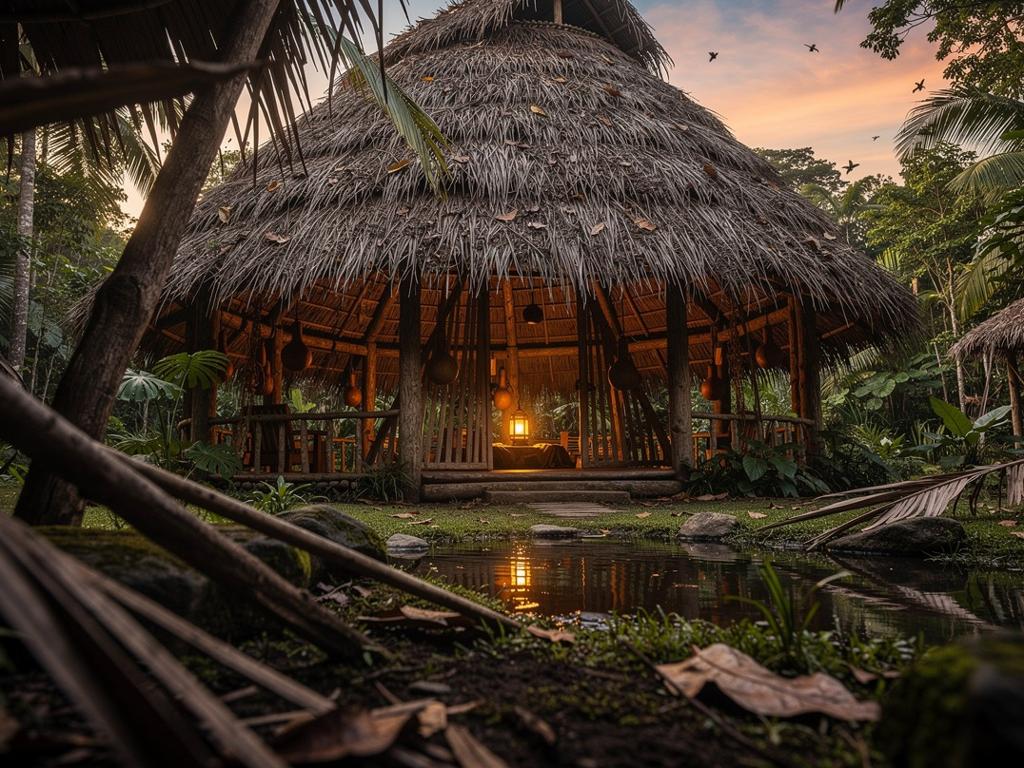
Somewhere on the internet right now, a 24-year-old is watching a YouTube video of a stranger smoking DMT out of a glass pipe and crying about God. Meanwhile, in the Peruvian Amazon, a curandero is tending a fire, humming an icaro, and preparing for a ceremony that will last until dawn. Both experiences involve the same molecule. Neither is really the same thing. If you're researching ayahuasca, psychedelics, master plants, or plant medicine for addiction — and you've stumbled into the rabbit hole of smoked DMT — you've probably wondered how these two forms relate. Are they interchangeable? Is one safer? Do indigenous traditions have anything to say about vaporizing the molecule? The short answer is yes, they do — and it's not what most Western psychonauts assume. N,N-dimethyltryptamine is a small, strange compound found in dozens of plants, in the venom of a certain Sonoran Desert toad, and — famously and controversially — in trace amounts in mammalian brains. When smoked or vaporized, it produces one of the shortest and most intense psychedelic experiences known. Fifteen minutes, sometimes less. Users describe geometric visions, entity encounters, ego dissolution so complete they forget their own name. Ayahuasca contains DMT too. But the brew is a partnership — the DMT-containing leaf (usually chacruna, Psychotria viridis) combined with the vine Banisteriopsis caapi, which contains MAO inhibitors that allow the DMT to be orally active. The result is a four-to-six-hour ceremony that unfolds in waves, with room for singing, purging, and being tended to by a shaman who has spent decades learning how to hold that space. Same molecule. Radically different medicine. This distinction matters more than most people realize. Here's the thing a lot of Western psychedelic content gets wrong: most Amazonian traditions that work with ayahuasca do not have a corresponding tradition of smoking pure DMT. That practice is largely a modern, Western invention — traceable to underground chemists and psychonauts in the 20th century, not to any indigenous lineage stretching back generations. What indigenous cultures do work with is a related but distinct practice: snuffs. Various tribes across the Amazon — including groups within the Yanomami, Matsés, and others — prepare rapé and psychoactive snuffs from plants like Anadenanthera peregrina and Virola species, which contain DMT and related tryptamines. These snuffs are administered through a long ceremonial pipe, blown forcefully into the nostrils. The experience is short, potent, and always framed within a specific ritual and healing context. The distinction between snuffing a plant preparation in a ceremony and vaporizing extracted crystal DMT alone in your apartment is not a small one. In the traditional frame, the plant is a teacher — a being with whom you build a relationship over time, guided by someone who knows how to translate what it says. Isolating the molecule strips out that relationship. You get the fireworks. You lose the map. Ayahuasqueros will often tell you, if you push them, that they consider the vine — the caapi — to be the actual teacher plant. The chacruna leaf provides the visions, but the vine provides the guidance, the structure, the sense of being held. Take the vine away and you still have a psychedelic experience. You just don't have the same medicine. This is not mysticism dressed up as pharmacology. There's some emerging research showing that harmala alkaloids in the caapi vine have their own effects on the brain — neurogenic, antidepressant, possibly relevant to addiction recovery. The MAO inhibition isn't just a delivery mechanism for the DMT. It's part of the story. Smoked DMT, by contrast, is a solo flight. Fast, sharp, and often overwhelming. Some people find it clarifying. Others find it terrifying in a way they can't integrate afterward. Without a shaman singing you through it, without hours of gentle unfolding, without the somatic release of purging — you're on your own with whatever comes up. For some seekers this works. For most, it doesn't do what ayahuasca does. If you're weighing an ayahuasca retreat because you've heard about DMT's potential for treating depression, trauma, or addiction, it's worth being clear about what you're actually signing up for. A legitimate ayahuasca ceremony is not a shortcut to a DMT breakthrough. It's a longer, slower, often harder process that includes physical discomfort, emotional release, and the presence of people whose job is to keep you safe while you do the work. A few practical things to consider before you book: None of this is to say vaporized DMT has no value. Some people find it useful as a brief opening, a glimpse, a way to touch something they later go looking for more slowly. Underground therapists sometimes use it in short adjunctive sessions. There's genuine research being done into 5-MeO-DMT (a related but distinct molecule, often extracted from toad venom or synthesized) for treatment-resistant depression and end-of-life anxiety. But if your goal is deep psychological work — the kind of thing people describe when they say ayahuasca helped them get sober, or process a childhood trauma, or find their way out of a decade of depression — you're going to want the container. The songs. The night. The purging. The people beside you who have done this thousands of times. Master plants, in the indigenous framing, don't just give you an experience. They enter into a relationship with you. That relationship takes time. It takes multiple ceremonies, often across years. It takes listening to what the medicine actually says, which is often something less flashy and more uncomfortable than what you hoped to hear. Both smoked DMT and ayahuasca carry real risks, and anyone selling you a purely rosy picture is either inexperienced or lying. Ayahuasca can interact dangerously with SSRIs and other serotonergic medications — potentially fatal interactions, not just uncomfortable ones. Underlying psychiatric conditions like schizophrenia or bipolar disorder can be destabilized. Cardiovascular issues need to be screened for. Beyond pharmacology, there are the human risks: unscrupulous facilitators, sexual misconduct in ceremony (which does happen and is well-documented in the retreat world), fly-by-night operators who set up shop in Costa Rica or Peru because plant medicine is trendy right now. Do your research. Read participant reports. Ask uncomfortable questions before you send money. The plant is a teacher. But the humans running the ceremony are humans, and some of them are excellent and some of them are not. Choose carefully. So — smoked DMT versus ayahuasca, indigenous shamanism's take? The tradition is largely silent on vaporized crystal because that isn't its tradition. What the tradition does say, loudly, is that the medicine is inseparable from the ceremony, the songs, the dieta, the relationship. Extract the molecule and you've got a fascinating chemical. Bring it into a maloca at midnight with a curandero who has been walking with the vine for forty years, and you've got something else entirely. For readers who want to take this further, a range of curated ayahuasca and plant-medicine retreats can be browsed on our marketplace here. Whatever you decide, decide slowly. This isn't the kind of thing you want to rush.
Ibogaine Without DMT: What to Expect From a Pure Iboga Journey
Most people who find their way to ibogaine arrive with a specific question rattling around their head: what does it actually feel like on its own, without ayahuasca or any other psychedelic layered on top? It's a fair thing to ask. The internet tends to blur these medicines together, as if a plant-medicine retreat is a buffet where you sample a bit of everything. Iboga doesn't work that way. And for readers weighing addiction recovery, trauma work, or a hard reset of stuck patterns, understanding what ibogaine does — solo, undiluted, on its own terms — matters more than any comparison chart. Let's talk about that honestly. No hype, no romance about the sacred vine or the bark. Just what happens, what it feels like, and how to decide whether it's the right tool for what you're carrying. Ibogaine is the primary psychoactive alkaloid extracted from the root bark of Tabernanthe iboga, a small shrub native to West and Central Africa — Gabon in particular, where the Bwiti tradition has used it in initiatory ceremony for generations. Unlike ayahuasca, which is a brew combining DMT-containing leaves with a MAOI vine, ibogaine is a single molecule. There's no DMT in it. There's no need for DMT with it. The comparison people make between the two often confuses more than it clarifies. What ibogaine does share with classical psychedelics is the capacity to produce intense visionary states, deep autobiographical review, and a temporary rewiring of how the brain approaches craving and habit. What sets it apart — and this is the part that draws people struggling with opioid or stimulant addiction — is its documented ability to interrupt withdrawal and reduce cravings in a single session. That's not a claim you can make about ayahuasca. It's not really a claim you can make about anything else. The question comes up because a lot of retreat centers, particularly in Mexico and Costa Rica, offer combined programs — an ibogaine flood dose followed a few days later by an ayahuasca ceremony, or the reverse. The pitch is usually that iboga does the deep neurological reset and ayahuasca does the heart-opening integration. Sounds tidy on a website. In practice, it's a lot to ask of a nervous system in one week. Plenty of practitioners will tell you, quietly, that ibogaine alone is more than enough. The experience itself runs long — often 24 to 36 hours of active effects, with a lingering afterglow and physical fatigue that stretches for days. Adding another powerful psychedelic on top of that isn't necessarily deeper work. Sometimes it's just more work, stacked before the first round has finished landing. So when someone searches for “ibogaine without DMT,” they're often really asking: is the iboga part enough on its own? The honest answer, from what I've seen and heard sitting across from people who've done both: yes, it usually is. Especially for a first journey. Descriptions vary, but there's a common architecture. The first hour or two after dosing is quiet — a heaviness in the limbs, a metallic taste that lingers, sometimes nausea. Then comes what people call the visionary phase. Eyes closed, you enter something that feels less like a trip and more like watching an unedited film of your own life. Memories surface in sequence. Old scenes replay. Choices you'd rather not revisit demand your attention. This isn't the kaleidoscopic geometry of a mushroom journey or the mythic entities of an ayahuasca night. It's more sober. More cinematic. People often describe it as being shown their life by something patient and unsentimental. There's a reason iboga is sometimes called the stern grandfather of plant medicines while ayahuasca gets called the grandmother. After the visionary phase — which can last eight to twelve hours — comes a long introspective plateau. The visions fade but the reflective state remains. You lie there. You think. You piece things together. Sleep doesn't come easily for a day or two afterward. And then, gradually, the world returns, but often with certain compulsions noticeably quieter. Smokers report cigarettes tasting wrong. People in opioid recovery report the physical grip of withdrawal simply gone. That part isn't mystical. It's pharmacological, and it's been documented in clinical settings for decades. This is where ibogaine earns its reputation. Research from clinics in Mexico, New Zealand, and Brazil has consistently found that a single ibogaine session can interrupt opioid dependence — eliminating acute withdrawal symptoms within hours and dramatically reducing cravings for weeks or months afterward. It's not a miracle. It's not permanent on its own. But as a launching point for real recovery work, it's unlike anything conventional medicine offers. Some things worth knowing before you go further: People often want a verdict on this. I'll give you a partial one. Ayahuasca is exceptional for emotional excavation, grief, and reconnecting to a sense of meaning. It works in cycles — usually multiple ceremonies over several nights, each building on the last. It's communal. It's musical. It's mediated by curanderos who sing icaros through the darkness. Ibogaine is a solo endeavor even when other people are in the room. It's clinical in feel, even in ceremonial settings. It doesn't reveal itself in metaphors; it plays back your actual life. For someone whose central problem is a substance or behavior they can't stop, ibogaine addresses that problem directly in a way ayahuasca generally doesn't. For someone whose central problem is unresolved grief or spiritual disconnection, ayahuasca is often the better fit. Neither is better. They answer different questions. And doing them back-to-back — while possible — is genuinely a lot. If you're new to plant medicine, choose one, do it well, and give yourself six months to integrate before considering the other. This is the part where most people make expensive mistakes. A safe, well-run ibogaine program should include, at minimum: Red flags: no medical screening, no ECG, vague answers about staff qualifications, aggressive marketing, promises of guaranteed sobriety, or bundling ibogaine with other psychedelics in a way that seems designed to maximize revenue rather than outcomes. The days after ibogaine are strange. You'll feel physically wrung out. Sleep is elusive for the first 48 to 72 hours, and when it returns, it's often dream-heavy. The mental clarity many people report can feel almost startling — but it fades if it isn't used. The window ibogaine opens is real. What you do with it determines whether the journey becomes a memory or a turning point. Integration means concrete things: talking through what came up with someone qualified to hear it, changing environments and relationships that fed the pattern you came to interrupt, building new daily structure before the old defaults reassert themselves. Some people benefit from follow-up microdoses of iboga months later. Others do best with regular therapy and community. There's no single template. If you're seriously considering this path, take the research phase as seriously as the medicine itself. Read participant accounts. Talk to people who've done it. Ask clinics uncomfortable questions and pay attention to how they answer. For readers who want to go further, a curated selection of ibogaine and related plant-medicine retreats can be browsed on our marketplace here. The right program exists — it's usually not the loudest one.
Why You Can't Sleep — And What Plant Medicine Reveals About It
Three in the morning again. Ceiling fan, familiar cracks in the plaster, the same loop of thoughts you were having last Tuesday at this exact hour. If you've landed on this page, odds are you already know the drill — you've tried the magnesium, the blue-light glasses, the app with the whale sounds, maybe an edible or two. Nothing sticks. And somewhere in the back of your mind, a quieter question has started forming: is this actually about sleep at all? People rarely arrive at an ayahuasca retreat because they can't sleep. But talk to enough facilitators and you'll hear a version of the same story again and again — the person came in for depression, or a stuck marriage, or a drinking problem, and somewhere in week two after ceremony they mention, almost as an aside, that they're sleeping through the night for the first time in a decade. Insomnia is a symptom that travels with other things. Plant medicine tends to go after the other things. Sleep researchers have a phrase — hyperarousal — for the state most chronic insomniacs live in. Your nervous system is stuck in a low-grade fight-or-flight hum, even when the lights are off and the room is quiet. Cortisol is elevated when it shouldn't be. The threat-detection part of your brain is on shift work it never signed up for. The uncomfortable truth is that hyperarousal doesn't come from nowhere. It's usually the body's honest response to something — unprocessed trauma, unresolved grief, a job or relationship your system is trying to warn you about, or a longstanding pattern of numbing that's finally stopped working. Sleep is downstream. Fix the upstream stuff and the sleep tends to follow. That's harder than swallowing a melatonin gummy, which is exactly why the melatonin gummy industry exists. None of this means you shouldn't get the obvious medical stuff ruled out first. Sleep apnea, thyroid issues, restless legs, hormonal shifts, medications with sneaky side effects — see a doctor, get bloodwork, do the boring diligence. Plant medicine is not a substitute for that. What it can do is address the layer underneath, once the physical layer is accounted for. Short answer: sometimes, indirectly, and not in the way most people expect. There's no serious clinical trial showing ayahuasca as a treatment for insomnia the way there are trials for, say, CBT-I. What there is — anecdotally, and increasingly in the trauma and addiction research world — is a strong pattern of people reporting that their sleep improves after they've done meaningful work with the medicine. The mechanism, from what participants describe and what the emerging psychedelic research suggests, seems to work along a few lines. Ayahuasca and similar master plants tend to lower the emotional charge on memories that have been running in the background of your nervous system. When those memories stop pulling at you every night, the hyperarousal starts to ease. People also frequently describe a felt sense of having finally cried, grieved, or acknowledged something they'd been avoiding — and the body, freed from the effort of avoidance, actually rests. Ibogaine, another plant medicine used primarily in addiction recovery, is worth mentioning here too. Many people coming off opioids or alcohol have brutal sleep disruption, and post-ibogaine sleep patterns are one of the more consistently reported changes — again, not because ibogaine is a sleep drug, but because it interrupts the underlying dependency loop that was destroying sleep in the first place. Here's something worth naming honestly. A huge percentage of chronic insomnia in adults is entangled with some form of addiction — and I'm not just talking about hard drugs. Nightly wine. THC gummies to fall asleep. Kratom. Ambien for years. Doomscrolling until 2 a.m. Sugar and caffeine on rotation. These aren't moral failings. They're what people reach for when the underlying nervous system is dysregulated and sleep won't come. The trap is that most of these substances degrade sleep quality even when they knock you out. Alcohol famously does this — you fall asleep faster, then wake at 3 a.m. with your heart pounding and cortisol spiking. Cannabis suppresses REM. Ambien creates fragmented, non-restorative sleep and a rebound effect the moment you try to stop. So you're tired, so you reach for the thing again, so you sleep worse, so you're more tired. The loop closes. Plant medicine's real contribution in this space isn't that it makes you sleep. It's that it makes the underlying compulsion loosen its grip enough that you can actually address the sleep. People who've done ayahuasca or ibogaine work for addiction often describe the physical craving fading first — and then, in the weeks that follow, the ability to lie down without needing anything to help them get under. If chronic sleeplessness is part of what's driving you toward a psychedelic retreat, a few honest considerations before you spend the money and the time off work: One of the recurring themes in participant reports — across ayahuasca, psilocybin, San Pedro, and the broader master-plant tradition — is a confrontation with the reader's relationship to stillness. A lot of us cannot sleep because we cannot bear to be alone with ourselves in the quiet. The medicine, in ceremony, corners you into exactly that experience and often shows you what's been down there. Sometimes what's down there is grief you never processed. A parent who died, a version of yourself you abandoned, a decade you spent in the wrong job. Sometimes it's a specific fear — of failure, of being seen, of dying — that's been running the background operating system. And sometimes it's simply a body that was never taught how to rest, that grew up in a house where rest wasn't safe. The good news is that these things are workable. Not in one night, not always in one retreat, but workable. People do come out the other side and sleep again. The nervous system, for all its stubbornness, is genuinely capable of learning a new baseline. That's the piece worth holding onto if you're reading this at 3 a.m. right now. If you're considering plant medicine specifically because you're exhausted and out of options, take it seriously — but take it as one thoughtful step in a longer process, not a rescue mission. Get the physical stuff checked. Look honestly at what you're using to get through the day and the night. Find a therapist who understands trauma and, ideally, has some familiarity with psychedelic integration. Then, if a retreat still feels like the right move, choose carefully. For readers who want to explore this route further, a range of vetted ayahuasca and plant-medicine retreats — including several that work specifically with addiction, trauma, and the nervous-system patterns underneath chronic insomnia — can be browsed on our marketplace here. Whatever you decide, the fact that you're this far into researching it suggests you're already doing the harder part: paying attention.
Why the Setting and Facilitator Matter More Than the Brew Itself
Talk to enough people who've sat with ayahuasca and a pattern shows up fast. The ones who came home changed rarely lead with the visions. They lead with the room. The people running it. The quiet way someone showed up at three in the morning when the fear came. The brew gets the headlines, but the container is what actually holds you when things get hard — and things almost always get hard at some point. This is the part of the plant medicine conversation that doesn't fit on a retreat website. Set and setting isn't a slogan. It's the difference between an experience that reshapes you and one that leaves you rattled for months. If you're weighing a psychedelic retreat right now, especially your first, this is the piece worth spending real time on. Timothy Leary coined the phrase back in the 1960s, and it's been so overused since that it's lost most of its teeth. Let's put them back in. Set is what you bring — your mental state, your intention, what you ate that week, whether you slept, the argument you had with your partner before you flew out, the fifteen years of unprocessed grief you've been carrying. Setting is everything outside of you — the physical space, the sounds, the temperature, the other participants, and most importantly, the humans running the ceremony. You can't fully control your set. Nobody arrives at an ayahuasca retreat emotionally spotless. But setting is something the retreat is responsible for. And when a retreat gets setting wrong, no amount of good intention on your part will fully compensate. I've watched people with beautiful preparation get thrown by a facilitator who checked out at the wrong moment, and I've watched underprepared people be caught, gently, by teams who knew exactly what they were doing. Here's the thing about master plants — ayahuasca especially. When they open you up, you become extremely receptive to whoever is in the room. Their calm becomes your calm. Their agitation, if they have any, becomes yours too. This is why the person pouring the brew matters as much as the brew itself. A good facilitator isn't necessarily the one with the most Instagram followers or the flashiest lineage story. Some of the best I've met are quiet, almost boring in conversation, and completely unshakeable in ceremony. Some of the worst are charismatic teachers with real knowledge who nevertheless cross lines they shouldn't — with money, with authority, with participants' bodies. Questions worth asking before you book: If a retreat gets cagey about any of this, that's your answer. Reputable operations have thought all of it through and will tell you straight. The maloca, the temple, whatever they call it — the room where ceremonies happen — is doing more work than you realize. Under the influence of DMT-containing brews, ordinary details become enormous. The buzz of a fluorescent light. A door that doesn't quite close. Someone else's mattress creaking. All of it can pull you out of a delicate inner state or, conversely, hold you inside it. What good setting tends to look like: enough space between participants that you're not tangled in someone else's process, mattresses or mats that are actually comfortable for eight-plus hours, private bathrooms within walking distance (this matters — the purge is real and it happens fast), temperature control, and enough soft light that facilitators can see what's happening without ceremony-breaking brightness. It also means no random interruptions. No delivery drivers wandering through. No dogs barking. No cell phones. Beyond the ceremony room itself, look at the whole property. Where do you sleep? Is it quiet? Is there somewhere to walk in the morning? Can you get away from other participants when you need to be alone? A retreat that runs ten ceremonies in a converted event space in a city center is a different animal than one built into forest with room to breathe. Neither is automatically better, but they suit different people, and you should know which you are before you commit. You don't get to pick who you sit with, but you should know what to expect. Group size shapes the experience enormously. Small groups of six to eight tend to feel intimate and allow real integration conversation. Groups of twenty and up can feel like an assembly line, no matter how skilled the facilitators are. Groups of forty exist and I would not recommend them for a first ceremony. The screening process the retreat runs on other participants is a signal about the retreat itself. Do they take medical intake seriously? Do they screen for psychiatric history, current medications, cardiac issues? SSRIs and MAOIs (which ayahuasca essentially is) can interact dangerously. A retreat that waves this off to fill seats is telling you something important about their priorities. Ceremony night is the loud part. The quiet parts on either side are where the actual healing lives, especially if you're coming to plant medicine for addiction, depression, or trauma work. A retreat that only sells you the ceremonies is selling you a fraction of what you need. Good preparation starts weeks out. Real dieta guidance — not just "skip pork and alcohol" but a thoughtful explanation of why certain foods, substances, and activities interfere. Communication with a facilitator or coordinator you can actually reach. Guidance on setting intentions that aren't so rigid they become cages. Honest information about what might come up so you're not blindsided. Aftercare is where most retreats fall down. The days and weeks after ayahuasca can be tender, disorienting, sometimes destabilizing. Reputable retreats offer integration calls, referrals to therapists trained in psychedelic integration, community groups, or at least a clear framework for what to do when the insights start fading and you're back at your desk wondering if any of it was real. Ask specifically what aftercare looks like. If the answer is a PDF, keep looking. The language a retreat uses tells you a lot. Watch for these signals: A week-long ayahuasca retreat in Peru or Costa Rica typically runs somewhere between $1,500 and $4,500, with high-end programs reaching $6,000 or more. That's a wide range, and price doesn't map cleanly to quality. What you should be paying for: qualified facilitators (multiple), medical screening and on-site emergency capacity, thoughtful set and setting, real preparation and integration support, small enough group size for individual attention, and honest, sustainable relationships with the indigenous communities whose knowledge this all comes from. The cheapest option often cuts corners on exactly the things that matter most — facilitator ratios, screening, aftercare. The most expensive isn't automatically the safest either. Do your homework. Read reviews written more than a year after someone's retreat, not the week after when everyone is still floating. If something feels off during your research — the way an intake coordinator answers your questions, a testimonial that seems scripted, a discount offer with a countdown clock — trust that. Plant medicine work is not a purchase you should hurry into. The right retreat, at the right time, with the right people, is worth waiting for. The wrong one can set you back years. If you're seriously considering this path, take another month before you book. Read widely. Talk to people who've been. Sit with why you're going and what you actually want out of it. For readers who want to take this further, a range of vetted ayahuasca and plant-medicine retreats can be browsed on our marketplace here. Whatever you choose, choose slowly. The medicine will still be there.
Craving More Stories?
Join our ShopAyahuascaRetreats newsletter for the latest updates on thrilling
destinations and inspirational tales, delivered straight to your inbox!
We value your privacy. Your email address will never be shared or published.
Working Memory, Cognitive Reserve, and Why Your Brain Habits Now Matter Later
Your brain is doing more than you think, right now, reading this sentence. It's holding the previous clause in mind, tracking where the sentence is going, and quietly filtering out the noise around you. That constant background juggling is called working memory, and it's one of the first things people notice slipping as they age. You walk into a room and blank. You lose the thread mid-conversation. You reread the same paragraph three times. A modest but interesting study out of Italy has been making the rounds lately, and it points to something worth paying attention to — two things you build slowly, over decades, may be quietly protecting your working memory as you get older. One is cognitive reserve. The other is emotional intelligence. Neither is glamorous. Neither can be bought. But both seem to matter. The team studied 45 healthy adults between the ages of 65 and 84 — a small sample, worth flagging upfront. Participants sat through a face-matching exercise where they were shown a series of happy, angry, or neutral faces and had to recall whether each one matched a face shown earlier. In some rounds, they were told to focus on the emotion the face was showing. In others, they had to focus on the age of the person and deliberately ignore the expression. The researchers timed the responses, tracked accuracy, and then compared those numbers to each participant's cognitive reserve score and emotional intelligence score. Cognitive reserve, in this context, means the mental capital you accumulate over a lifetime through education, demanding work, learning new skills, cultural activity, and rich social engagement. Emotional intelligence means your ability to notice, name, and work with emotions — your own and other people's. Two clear patterns showed up. People with more cognitive reserve were more accurate on the task overall, no matter what emotion was on the face or how long they had to hold the memory. Emotional intelligence, on the other hand, was tied to how quickly people responded — but only in specific conditions, mostly around happy faces. Here's the thing. The billion-dollar brain-training industry would love you to believe that ten minutes a day on a puzzle app will keep your mind sharp into your nineties. The evidence for that is thin. What the research keeps pointing to, again and again, is something less marketable — a whole life of engagement. Learning a language in your forties. Taking on projects at work that stretch you. Reading books that are slightly too hard. Arguing with friends about ideas. Playing music. Traveling somewhere you don't speak the language and having to figure it out. All of that seems to build a kind of neural buffer. When age eventually chips away at parts of the brain — and it does, for almost everyone — a person with more reserve has more to draw from. The decline is still happening, but it takes longer to become noticeable in daily life. The Italian study is a small addition to a much larger body of work saying essentially the same thing: use it, keep using it, and keep changing what you use. What counts as reserve-building? A rough list from the research: The emotional intelligence findings are more specific and honestly, a little strange. Faster responses to happy faces when focused on age. Slower responses when focused on the emotion itself. The researchers were careful to note they didn't investigate the why — this is correlation, not cause. And happy versus angry faces differ in intensity in ways that could nudge the results. Still, it lines up with something people who work with attention and awareness have said for a long time: when you're more practiced at noticing emotional information, your brain processes it differently. Sometimes faster, sometimes slower — depending on whether that emotional signal is helping you with the task or pulling attention away from it. This is not a small thing when you consider how much of adult life involves reading rooms, negotiating with people, and managing your own reactions under pressure. Something the study doesn't touch on directly, but is worth raising for readers who spend time in retreat spaces or contemplative practice: much of what happens in a serious inner-work container — whether that's psychedelic-assisted work, long meditation retreats, therapy, or plant-medicine ceremony — is essentially emotional-intelligence training in high resolution. You spend hours, sometimes days, watching your own emotional weather, noticing what you avoid, seeing how you react. People who have sat through ayahuasca ceremonies, or done deep psilocybin work, often describe a lasting shift in how they read other people afterward. Facial cues land differently. Conversations feel less confusing. Whether that shift shows up as better working memory decades later is anyone's guess — the science isn't there yet. But it's not a stretch to imagine that practices which sharpen emotional perception now might contribute to the same kind of long-term resource the researchers are measuring. None of this replaces the basics — sleep, movement, decent food, real relationships. But it does suggest that the interior work people do, the kind that doesn't fit neatly on a fitness tracker, is probably contributing to something real in the brain. The takeaway from the study isn't complicated, and it isn't new. Keep your brain busy with things that are slightly harder than what you already know. Don't outsource your thinking to screens more than you have to. Have arguments about ideas. Learn things you don't need to learn. Notice what you're feeling instead of pushing it away. A few concrete moves worth considering: Forty-five people. All healthy. All older adults. This is a small correlational study, not a randomized trial, not a longitudinal look at whether building cognitive reserve in your thirties changes what happens in your seventies. The researchers themselves are careful about the claims. Take the findings as one more small brick in a wall of evidence pointing roughly the same direction, not as the last word. What's genuinely useful about it, though, is the reminder that the choices you make about how to spend your mental life — right now, at whatever age you're reading this — are probably doing more than you can measure. The compounding is slow. The results are quiet. And you won't know for sure whether it worked until you're old enough that it's too late to start over. So start now. For readers who feel drawn to deeper inner work as part of that lifelong engagement, a range of curated plant-medicine and psychedelic retreats can be browsed on our marketplace here. The interior practice matters just as much as the crossword puzzles.
Building Resilience: How to Shift Mental Gears When Life Breaks You Open
Picture two people walking out of the same office on the same afternoon, both just laid off. One replays every meeting from the last eighteen months and lands on a single conclusion: I wasn't good enough. My boss saw right through me. The other one stops for coffee, feels the sting, then opens a notebook and writes: Update the resume. Ask Maya about that opening. Learn how to actually manage upward next time. Same event. Two entirely different next chapters. Resilience isn't a personality trait some lucky people are born with. It's a way of relating to what's already happening. And it's one of the quieter reasons people end up on the meditation cushion — or, for that matter, at a plant-medicine retreat. Whether you're stuck in grief, stuck in old thought loops, or stuck in the aftermath of something you didn't see coming, the work is often the same: learning to shift mental gears without pretending the road is smooth. Here's a working definition worth memorizing: stress is the sense that something is more than you can handle. That's it. The event doesn't cause the stress — your read on the event does. Frame a challenge as surmountable and you tend to surmount it, or at least start moving. Frame it as proof that you're doomed and you tend to freeze. Yes, that sounds like the kind of thing printed on a mug in an airport gift shop. It also happens to be one of the most well-supported findings in resilience research. Consider the parent watching their kid walk on stage for the first time. If the internal story is I have to protect her from every possible hurt, that six minutes is agony. If the story is I've done what I can and now she gets to have her own experience, the same six minutes becomes something else — still nerve-wracking, but survivable. The stage didn't change. The filter did. Military resilience trainers call these filters mental icebergs — the assumptions running underneath the visible thought. Asking for help means I'm weak. If I don't imagine the worst, I won't be prepared. If I ignore this feeling, it'll go away. Everyone has a small collection. The trouble is that most of us mistake them for reality instead of noticing them as habits. The reason contemplative practice keeps showing up in conversations about trauma, addiction, and psychedelic integration isn't because sitting still is magical. It's because sitting still — even for ten minutes — reveals the machinery. You start to catch the iceberg before you crash into it. You notice the catastrophizing as catastrophizing. You spot the inner critic doing its little routine and, for the first time, you don't have to buy every word. This is where the overlap with plant medicine gets interesting. People often come home from an ayahuasca ceremony or a psilocybin retreat with a fresh perspective, a real one — and then, three weeks later, watch it dissolve under the pressure of ordinary Tuesday life. The medicine cracks something open. Mindfulness is what lets you keep it open. Without some form of daily practice, insight tends to evaporate faster than most facilitators will admit. The point isn't to become relentlessly positive or to gaslight yourself into gratitude. It's to look at what's actually happening — the thought, the sensation, the story — and ask, quietly, Is this true? Is this useful right now? Then redirect. Not through force. Through curiosity. A lot of stress comes from the same source: the belief that if we could just get enough control, enough information, enough of a plan, we'd finally relax. But certainty never actually arrives. Life keeps changing. People keep leaving and returning and dying and being born. Jobs vanish. Diagnoses land. The relief we're chasing is architecturally impossible. People who've been through addiction recovery tend to understand this earlier than the rest of us. The whole first stretch of sobriety is a crash course in tolerating not-knowing. You don't know if you'll stay clean. You don't know who you are without the substance. You don't know what tomorrow feels like. And somehow, day by day, you learn that not knowing isn't the same as being unsafe. That's a kind of resilience most people never develop until something forces the issue. The shift isn't from uncertainty to certainty. It's from fighting uncertainty to living inside it with less flinching. That's a much more honest goal — and a much more reachable one. What follows isn't a program. It's a menu. Pick two or three that speak to you and actually practice them for a few weeks. All ten at once is a recipe for quitting by Thursday. Resilience isn't the absence of struggle. It's the capacity to keep meeting your life without hardening against it. Some seasons you'll do this well. Other seasons you'll fall apart and rebuild — that's part of the deal, and honestly, some of the most resilient people I've met are the ones who've fallen apart the most publicly and stopped being ashamed of it. If you're reading this because you're weighing a plant-medicine retreat or a longer contemplative container, know that these practices are what make the deeper work stick. Ceremony without integration is a fireworks show. Integration without daily practice is a plan that collapses under the first real stress. For readers who want to explore this territory further, a curated selection of plant-medicine and healing retreats can be browsed on our marketplace here. Start smaller than you think you need to. Three breaths. One honest question. One conversation you've been avoiding. Resilience isn't built in a weekend workshop or a single ceremony. It's built in ten thousand small moments where you choose to meet what's in front of you instead of arguing with it.
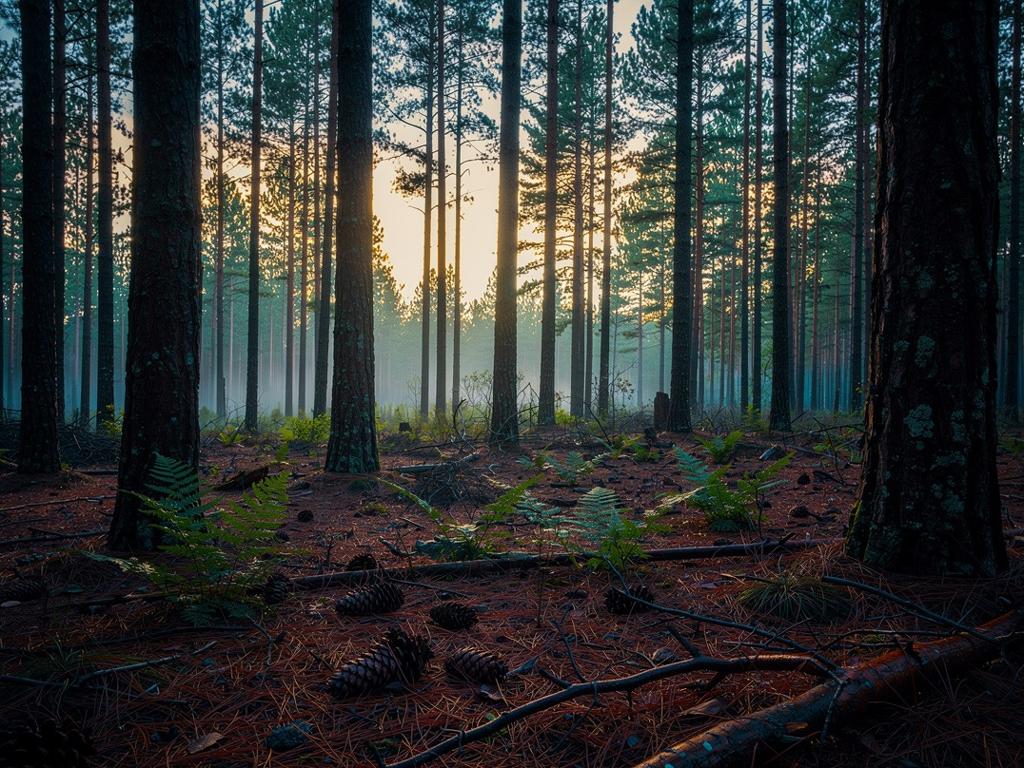
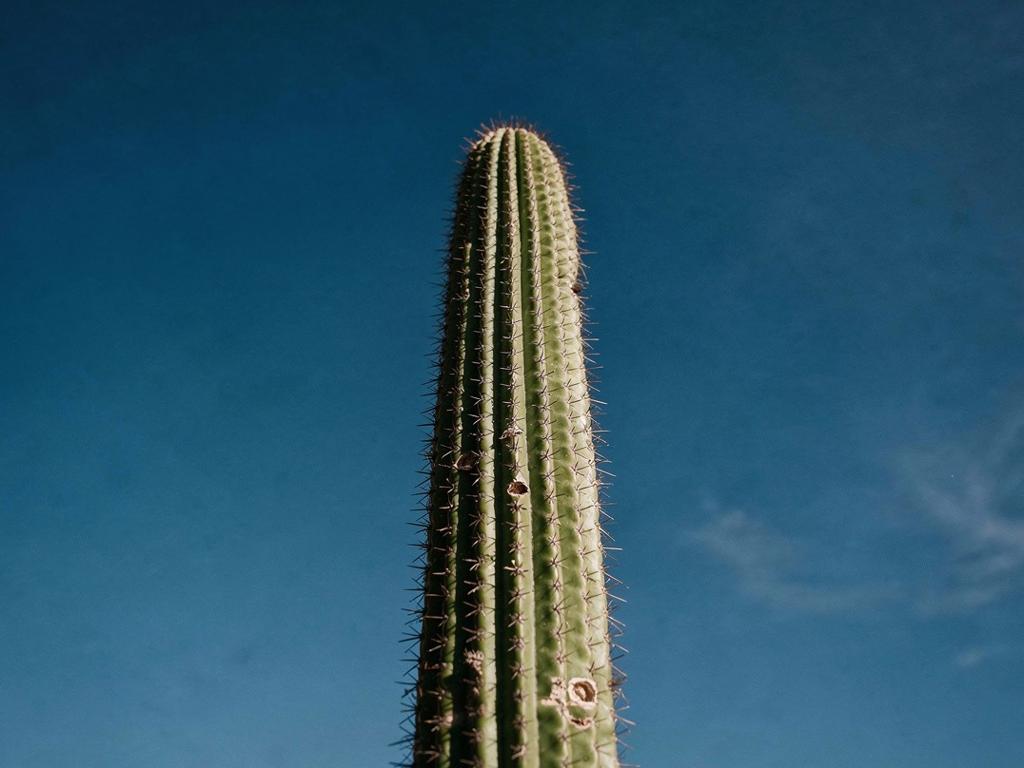
Mescaline Explained: What San Pedro and Peyote Actually Do
Mescaline is the quiet one. While ayahuasca gets the documentaries and psilocybin gets the clinical trials, mescaline — the psychedelic alkaloid found in San Pedro, peyote, and a handful of other cacti — has been sitting patiently in the background of human history for something like six thousand years. Longer, maybe. It's arguably the oldest plant medicine we can prove humans have been using, and yet most people considering a psychedelic retreat today have barely heard of it. That's a shame, because mescaline occupies a very particular niche in the world of psychedelics and plant medicines. It's long. It's warm. It's more embodied than heady. And for a certain kind of seeker — often someone who's tried ayahuasca and found it too intense, or someone drawn to gentler, more sustained states — it can be exactly the right door to walk through. Chemically, mescaline is a phenethylamine — a different family from the tryptamines like psilocybin and DMT. That difference matters. It's part of why the experience has a distinct signature: less kaleidoscopic, more painterly. Colors deepen rather than dissolve. Objects gain a kind of significance rather than warping into abstraction. The two cacti most people encounter it through are San Pedro (Echinopsis pachanoi, also called huachuma) from the Andes, and peyote (Lophophora williamsii) from the deserts of northern Mexico and the southwestern United States. San Pedro grows fast and tall — a healthy plant can reach several meters. Peyote is a slow, small button that takes over a decade to mature, which is one reason its wild populations are in trouble and why ethical retreats almost never work with it. There are also synthetic mescaline and other mescaline-containing cacti like the Peruvian torch. But when we talk about mescaline in a retreat or ceremonial context, we're almost always talking about San Pedro brewed as a thick, bitter green drink. Here's the honest truth about mescaline: it's a long day. Where a psilocybin trip runs four to six hours and ayahuasca hits like a freight train for four hours and lets you off, San Pedro is a twelve-hour arc. You drink in the morning. You are still in the medicine at sundown. The come-up is slow. Most people describe an hour or two of nothing much, then a low nausea, then a gradual brightening — as if someone were slowly turning up the saturation on the world. The peak, if you can call it that, is more of a plateau. You feel physically strong. You want to walk. You notice your body wants to be outside, moving, touching things. The emotional character is what usually surprises first-timers. San Pedro is often called a heart medicine, and while that phrase gets thrown around loosely in retreat brochures, there's something to it. People cry, but not often the wracking, purge-heavy crying of an ayahuasca night. It's more like the crying you do when you finally realize something you've been avoiding for years is actually simple. Mescaline itself is a Schedule I substance in the United States, which means it's illegal to possess in pure form. But the cacti that contain it live in a stranger legal space. San Pedro is legal to grow ornamentally in the U.S. — you can buy one at a garden center — but illegal to prepare for consumption. Peyote is federally illegal except for enrolled members of the Native American Church, who have a specific religious exemption. In Peru, where San Pedro ceremonies are part of a continuous curanderismo tradition going back millennia, the plant is legal and ceremonies are openly available. Mexico allows peyote use within recognized indigenous contexts. In much of Europe, the raw cactus is a legal gray area, though extracted mescaline is not. The practical upshot: if you want to sit with San Pedro or huachuma in a proper ceremonial container, you're most likely going to Peru or, in some cases, Ecuador. A handful of legal jurisdictions elsewhere host it too, but the center of gravity is the Andes. The clinical evidence base for mescaline is thin compared to psilocybin, but it's growing. A large observational study published a couple of years ago tracked people using mescaline outside clinical settings and found significant self-reported reductions in depression and anxiety symptoms months later. Roughly two-thirds of participants who came in with a mental-health diagnosis reported that their symptoms had improved or resolved. The addiction angle is even more interesting. The Native American Church has, for over a century, quietly used peyote as the ceremonial center of what may be one of the more effective indigenous responses to alcoholism in the Americas. Researchers who have studied members of the NAC consistently find lower rates of alcohol dependence than in matched populations. It's not a randomized controlled trial, but it's a pattern that's held up across multiple studies. None of this makes mescaline a treatment. It makes it a candidate — one of several plant medicines that appear to help people rearrange the wiring underneath addictive or depressive patterns. The mechanism is likely a mix of the acute psychedelic experience, the ceremonial context that surrounds it, and the community reinforcement that follows. Take any one of those away and the effect weakens. If you're seriously considering a mescaline retreat, the choice of place matters more than the choice of medicine. A badly-held San Pedro day is not dangerous the way a badly-held ayahuasca night can be, but it can be a wasted day at best and a genuinely destabilizing one at worst. A few things to look for: The most useful way to think about mescaline is by contrast. Compared to ayahuasca, it's less confrontational and less purge-focused — you're unlikely to spend the night hunched over a bucket. Compared to psilocybin, it's longer, more embodied, and less prone to the mind-loops that mushrooms sometimes produce. Compared to ibogaine, it's dramatically gentler and doesn't require the medical supervision ibogaine demands. What you give up with mescaline is speed. Ayahuasca can crack a lifelong pattern open in a single night. Psilocybin can deliver a mystical experience in four hours. Mescaline works more like a long walk through your own interior — steady, cumulative, and often surprisingly practical. People often come away with concrete decisions rather than cosmic revelations. Sell the house. Leave the job. Call the brother you haven't spoken to. That practicality is part of why huachuma is sometimes recommended as a first plant medicine for people who are curious but wary. It's easier to integrate because the insights tend to arrive already dressed for daily life. Mescaline is not for everyone. If you have a personal or family history of psychosis or bipolar I, no responsible facilitator will sit you with any classical psychedelic, and that includes San Pedro. If you're on serotonergic medication, you need to have a real conversation with a doctor about tapering, and no retreat should be pressuring you to do this on their timeline. The long duration is also worth taking seriously. Twelve hours in an altered state is genuinely tiring. People often underestimate how much stamina a mescaline day requires, and the day after tends to be a low, quiet one — not a bad low, but a low. Plan for that. Finally, be honest with yourself about why you're going. Mescaline is not a shortcut around therapy, and the people who benefit most from these ceremonies almost always have some kind of ongoing psychological support in their regular life. The medicine opens doors; the walking through them is still your job. Mescaline is one of the most interesting corners of the plant-medicine world, and it's slowly getting the attention it deserves. If any of this has landed for you and you want to look at what's actually available, a curated selection of San Pedro and huachuma retreats can be browsed on our marketplace here. Take your time with the decision — the plant has been waiting six thousand years, so a few more weeks of research won't hurt.
Psychedelic REMS Explained: How FDA Rules Will Shape Access to Psilocybin, MDMA, and Ibogaine
If you've been following the slow crawl of psychedelic medicine toward mainstream approval, you've probably noticed a shift. The conversation used to be about whether psilocybin or MDMA would ever clear the FDA. Now it's about how — specifically, what the delivery system will actually look like once the paperwork clears. And that boring-sounding acronym, REMS, is about to shape the whole thing. REMS stands for Risk Evaluation and Mitigation Strategies. It's the framework the FDA uses when a drug's benefits are real but its risks need some fencing around them. For anyone considering plant medicine or a psychedelic retreat right now — and quietly wondering what the legal, medical version will feel like in a few years — this is the piece of infrastructure worth understanding. It will decide who can prescribe these therapies, where you can receive them, how long you'll be watched afterward, and whether insurance will touch any of it. Let me walk you through what's coming, why it matters, and where it intersects with the world of retreats and master plants that many readers are already exploring. Think of REMS as the safety scaffolding the FDA bolts onto a drug when a simple warning label isn't enough. For most medications, you get a package insert and maybe a medication guide. For riskier ones — opioids, certain immunosuppressants, thalidomide — the agency layers on additional requirements. Those extra requirements are the REMS. The heaviest version of REMS includes something called ETASU, or Elements to Assure Safe Use. That's where things get specific: certified clinics, trained providers, patient registries, mandatory monitoring windows. It's the difference between "please take with food" and "you may only receive this at a certified center, under a trained clinician, with a documented ride home." Psychedelics are almost certainly heading into ETASU territory. The reasoning is straightforward — these substances alter consciousness for hours, occasionally trigger difficult psychological content, and in some cases carry cardiac or interaction risks. Regulators aren't going to hand a psilocybin prescription to your family doctor and hope for the best. The clearest preview we have is Spravato, the ketamine-derived nasal spray approved for treatment-resistant depression back in 2019. Spravato's REMS is instructive because it already answers, in miniature, most of the questions the field is currently arguing about. Under the Spravato program, patients can't just pick up a prescription and take it at home. They receive the drug in a certified healthcare setting. A clinician observes them for at least two hours. They can't drive afterward. The prescriber, the pharmacy, and the site all have to be enrolled and trained. Every dose is tracked in a registry. Now imagine scaling that model to psilocybin, where the acute experience lasts four to six hours, or LSD, which can stretch beyond ten. Or MDMA, where the emotional intensity peaks around a therapy session rather than a solo dose. Or ibogaine, which brings genuine cardiac considerations and can produce a waking dream state that lasts a day or longer. The REMS blueprint exists — but the requirements will need to stretch dramatically to fit each molecule. One of the more interesting angles here is that a single "psychedelic REMS" probably isn't coming. Each substance carries its own risk profile, and the FDA tends to be granular about that. The through-line is that psychedelics don't behave like ordinary pharmaceuticals, and REMS design has to reflect that. A rushed, one-size-fits-all approach would either be too loose for ibogaine or absurdly restrictive for a mild psilocybin session. There's been serious discussion about whether the FDA might create a shared REMS program — a single set of infrastructure requirements that multiple approved psychedelic drugs could plug into. In theory, this would reduce duplication for clinics. A center certified to deliver psilocybin wouldn't need an entirely separate certification for MDMA. In practice, shared REMS are complicated. They require coordination between drug sponsors who are often direct competitors. They tend to move at the speed of the slowest partner. And the FDA has to be convinced that the shared framework actually protects patients as well as bespoke programs would. Still, given the potential for a cluster of psychedelic approvals over the next several years, some form of shared or interoperable framework seems likely. Otherwise clinics face a certification maze that would strangle rollout before it starts. Here's where this stops being regulatory trivia and starts mattering to actual people considering treatment. Access. The stricter the REMS, the fewer certified sites you'll have — especially in the first years. Rural patients, patients without flexible work schedules, patients without reliable transportation home: all of these people are systematically harder to serve under a heavy ETASU regime. Expect long waitlists in the early phase, concentrated in metro areas. Cost. Every requirement adds a line item. Certified sites need staffing, monitoring rooms, documentation systems, and specialised training. Insurers will negotiate hard on coverage. Out-of-pocket pricing for the first wave of approved psychedelic treatments could rival what people currently pay for a well-run international retreat — sometimes more, once you factor in multiple sessions. Off-label use. Once a drug is approved, physicians can legally prescribe it for conditions beyond the specific indication. But REMS can effectively block that by requiring documentation, registry enrollment, or specific diagnostic codes. So even if a psychiatrist thinks psilocybin might help a patient with OCD, the REMS may make it impractical to prescribe outside the approved use. Here's the honest read. Even in the most optimistic timeline, a fully built-out network of FDA-approved psychedelic clinics is still years away. And when it arrives, it will be narrower than the current retreat landscape — specific indications, specific protocols, specific substances. It won't cover ayahuasca ceremonies with traditional Amazonian curanderos. It won't cover San Pedro walks in the Sacred Valley. It won't cover the kind of extended, dieta-based work with master plants that's been happening quietly for generations. That doesn't make one path better than the other. They serve different purposes. A future FDA-approved MDMA session for PTSD is a clinical treatment — measured, insured, documented. A traditional ayahuasca retreat is a different animal entirely: cultural, ceremonial, longer, and shaped by a lineage rather than a protocol. Some people will benefit from one, some from the other, some from both at different points in their lives. What the coming REMS framework does clarify, at least for me, is how seriously the medical world is starting to take these substances. That's a good thing. It also underlines why the current retreat landscape matters — because for now, and for many indications the FDA won't touch for years, ceremonial and retreat-based work remains the most accessible route to serious psychedelic healing and addiction recovery. The psychedelic regulatory story is going to keep unfolding for years, and it's worth watching. But it shouldn't paralyze anyone quietly weighing whether plant medicine could help them right now. For readers who want to keep exploring, a range of curated psychedelic and plant-medicine retreats can be browsed on our marketplace here. Whatever the FDA decides, the deeper question — whether this kind of work is right for you — remains one only you can answer.
Small Daily Habits, Big Heart Health Wins: What New Research Shows
There's a particular kind of exhaustion that comes from trying to be healthy in 2026. Ten thousand steps. A hundred grams of protein. Cold plunge before breakfast, meditation before bed, resistance training three times a week, eight hours of sleep, no seed oils, no screens after nine. Miss one and the whole scaffolding feels like it collapsed. I've watched friends burn out on wellness the same way people burn out on demanding jobs — and I've done it myself. So when a new piece of cardiovascular research crossed my desk this year suggesting that tiny, almost embarrassingly small changes to your daily routine can meaningfully cut your risk of a heart attack or stroke, I paid attention. Not because it promised miracles, but because it promised the opposite: modesty. Researchers followed more than 53,000 adults for roughly eight years. Instead of asking people to self-report their habits (which is where most lifestyle studies quietly fall apart), they used wearables to track sleep duration and physical activity in the wild. Diet quality was captured through a short standardised questionnaire. Then they watched — for years — to see who developed serious cardiac events: heart attacks, strokes, heart failure. The novel bit is how they crunched the numbers. Most studies of this shape ask a binary question: did you or did you not hit the target? Did you sleep eight hours? Did you do 150 minutes of moderate exercise per week? Yes or no. This one instead modelled every combination across the spectrum, from people barely nudging their baseline to people hitting textbook-perfect routines. That let them answer a much more useful question — one you probably actually care about — which is: what happens if I make a small change I can realistically stick with? The best outcomes clustered around a specific profile. People who averaged 8 to 9.5 hours of sleep, 40 to 105 minutes of moderate-to-vigorous activity per day, and ate a genuinely high-quality diet had roughly a 57% lower risk of major cardiac events compared with the group at the other end of the spectrum. That's a huge number. It's also, let's be honest, a lifestyle most working adults can't sustain year-round without significant privilege of time and money. Here's the more interesting finding. The researchers also looked at what happens with much, much smaller adjustments. Adding just 10 extra minutes of sleep per night, 5 extra minutes of daily movement, and a quarter cup of vegetables per day was linked to about a 10% reduction in major cardiac events. Ten minutes of sleep. Five minutes of movement. A quarter cup of broccoli. That's it. Ten percent isn't glamorous. It won't sell a supplement bundle. But if you compound a 10% reduction in risk across a population, or across decades of your own life, it's the sort of thing that quietly saves lives. The reason the combined-tweaks approach outperforms hyper-focus on one variable comes down to how these systems talk to each other. Sleep and movement and diet aren't three separate levers; they're a feedback loop. Focus obsessively on just one — say, hammering the gym while sleeping five hours — and you tend to break the loop. The three behaviours are stronger together than any of them alone, which is why nudging all three by a tiny amount beats crushing one and neglecting the others. If you're the kind of person who reads a study like this and immediately drafts a new 5 a.m. protocol on a spreadsheet — take a breath. The whole point is that you don't need to. Here's what small looks like in practice: None of that requires a meal-prep Sunday, a Peloton subscription, or an app that shames you at 10 p.m. It's the kind of change you can layer in tomorrow morning and forget you're doing by next week. There's a reason findings like this feel almost radical, and it's worth naming. Modern wellness culture — the influencer-industrial complex that sells us protocols, supplements, and 12-week transformations — has a financial incentive to make health feel maximalist. Simple advice doesn't sell $180 mushroom lattes. But the boring truth keeps showing up in the data. The habits that most reliably extend healthspan are small, cheap, and repeatable. Sleep enough. Move a bit every day. Eat plants. Don't smoke. Stay socially connected. That's roughly the entire recipe, and it hasn't really changed in a hundred years — we just keep dressing it up in new packaging. What this study adds is permission. Permission to stop treating health as a pass/fail exam. Permission to add ten minutes of sleep and call that a legitimate win. Permission to trust that consistency at a low intensity beats intensity you can't sustain. Occasionally, people write in asking whether a wellness retreat is worth the money for cardiovascular health. Honest answer: probably not, if that's the only reason. A week somewhere beautiful can reset your relationship to sleep and food — and that reset is genuinely valuable — but the underlying maths still lives in your regular Tuesday. What you do at home on an unremarkable evening in October matters more than what you did in a villa in July. That said, people rarely book a retreat purely for their arteries. If sleep has been shredded by grief, if movement has stopped feeling possible after a hard year, if your relationship with food is tangled up with old patterns — a properly held retreat can be a useful circuit-breaker. For readers who want to explore that side of things, a curated selection of wellness and plant-medicine retreats can be browsed on our marketplace here. Otherwise, the assignment for tonight is genuinely small. Bed ten minutes earlier. A quick walk after dinner. A little more green on the plate tomorrow. Do that most days and the arithmetic will do the rest.
Dreaming of a Psychedelic Retreat?
We have the best deals and offers from thousands of organizers all over the world! Get them into your mailbox every week!
We value your privacy. Your email address will never be shared or published.
